










![[Landmark Cases] Religious For-Profits: Burwell v. Hobby Lobby](https://i.ytimg.com/vi/Yv0g0mbUEEQ/maxresdefault.jpg)
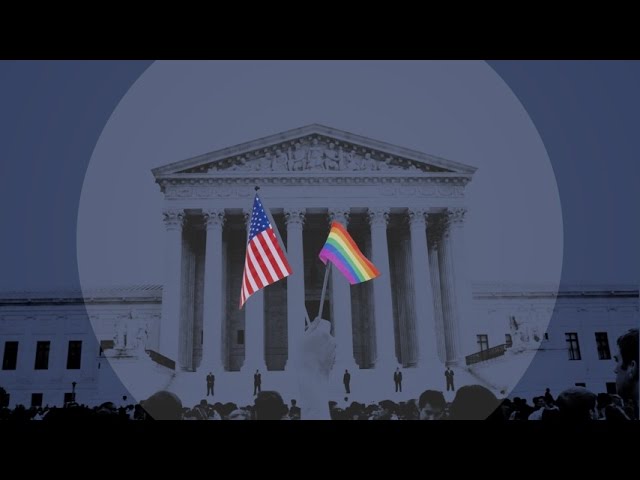


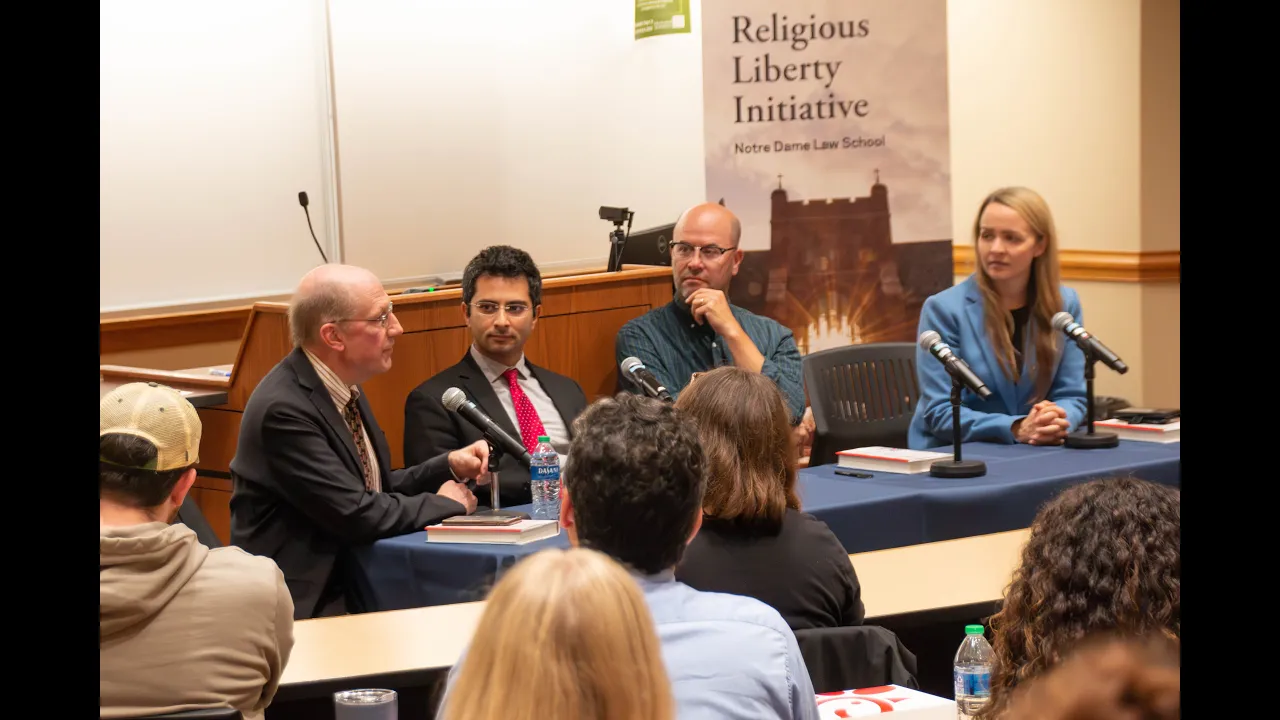




The Religious Freedom Restoration Act (RFRA) of 1993 was enacted to restore strict scrutiny standards for government actions that burden religious exercise, following the Supreme Court's 1990 Employment Division v. Smith decision which allowed neutral, generally applicable laws to override religious objections. While RFRA initially applied only to federal matters after the 1997 City of Boerne v. Flores ruling, approximately 20 states subsequently passed their own versions. The Indiana RFRA controversy highlighted tensions between religious liberty protections and anti-discrimination laws, with critics arguing the law enabled businesses to discriminate against LGBTQ+ individuals while supporters maintained it protected religious freedom from government overreach.
RFRA Explained: Religious Freedom vs. Discrimination Law
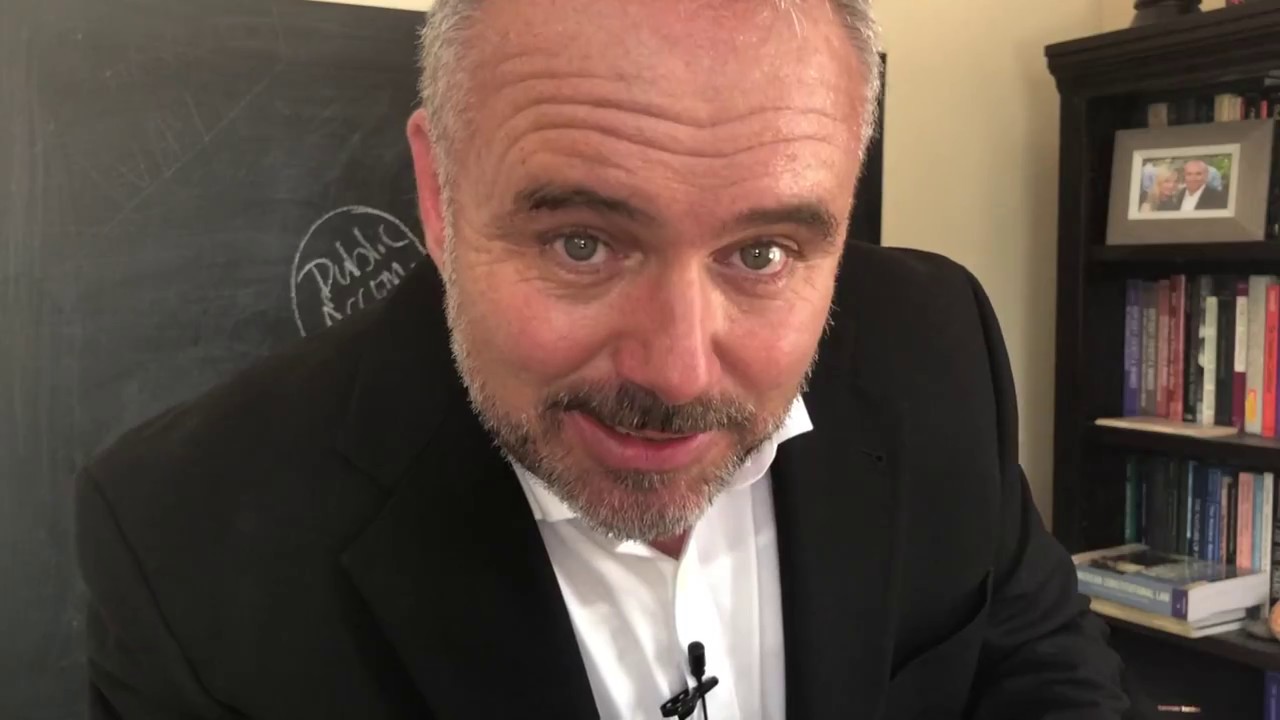
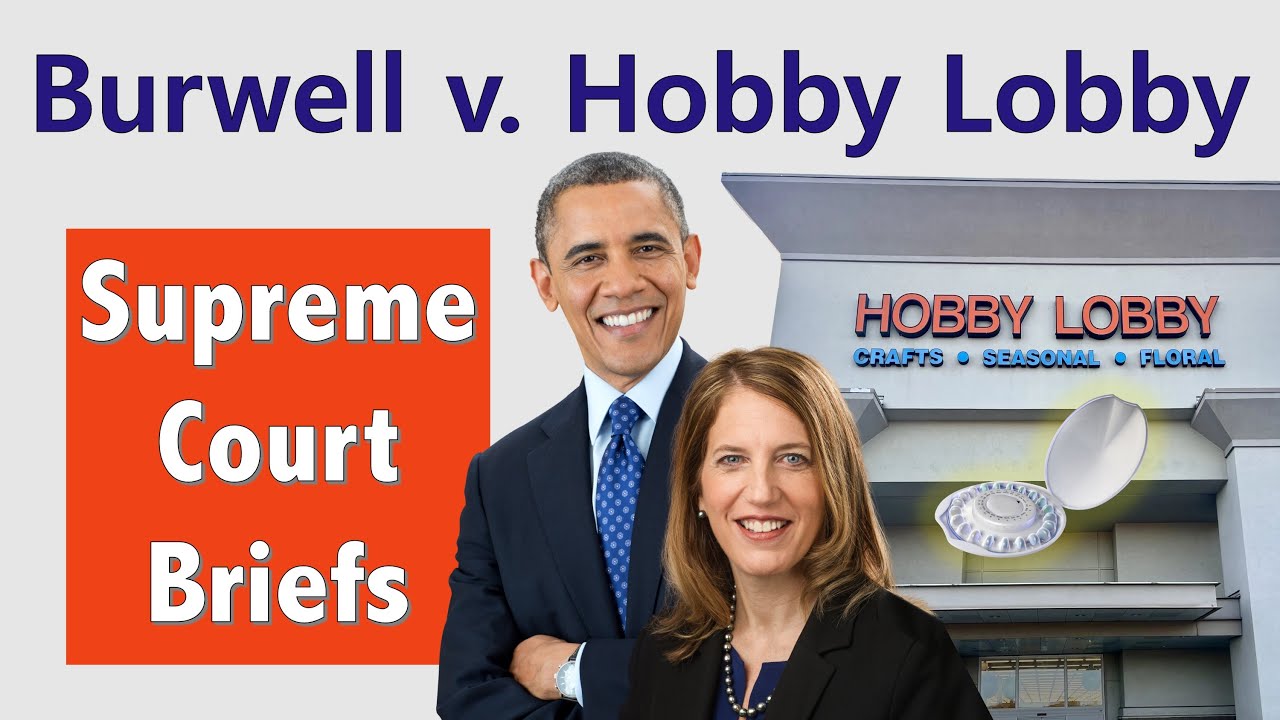
Added:[Music] hey guys welcome to hip Hughes history we're going to hit you up with a little bit of the religious wars no not in the Middle East in the United States taking a look at the religious freedom restoration act and really the controversy that's surrounded Indiana in the last few weeks in terms of discrimination against gays and religious freedoms we're going to see if we can't clear that up so you can make an informed decision of your choice boys how about that getting up for the learning guys let's take a look at the religious freedom restoration act and then some [Music] more all right guys before we start we definitely want to wrap our heads Around The Establishment Clause but more importantly the free exercise clause of the First Amendment because we're talking about religion and that's where you know the language is in the Constitution the First Amendment clearly says that Congress shall make no law respecting an establishment of religion Establishment Clause or prohibiting the free exercise thereof so that's called the free exercise clause that basically the government can't get in the way of you exercising your religion and really it's kind of a State ball game up to 1963 and there's a rash of court cases they're called the waren court cases in the 1960s that are basically going to nationalize some of the uh Bill of Rights to the states using the 14th Amendment M and there's another video you can watch right there on the 14th Amendment selective incorporation idea it doesn't really matter but you understand this if you know that you know if you get arrested the cops have to read you your Miranda Rights right that comes from Miranda versus Arizona where the court said that this is so important we're going to make a new rule that applies to all of the states and that happens um in this instance of the free exercise clause in 1963 when we get Schubert versus verer and this is called the Schubert Rule and stubert is a 7th Day Adventist who doesn't believe in working on Sundays and her employer is making her work on Sunday she gets fired and she's basically saying that this violates my free exercise clause that you're making me basically you know lose my job because of my religion and the court agrees in 1963 the court creates the Schubert rule which basically says if the government's going to have a law or a regulation that there needs to be strict scrutiny in how we treat that when it comes to religion strict scrutiny means two things it means number one that if the government's going to do this we're going to take away part of your religious beliefs or your expression of that belief that we need to have a compelling interest and that compelling interest can't be something related to process or methodology I'm building a road or I'm just trying to do something that's process oriented but it needs to be huge it needs to be big it needs to be important and we'll get to that there are some clear-cut examples and number two you can't have another way of doing it that this has to be the only way and if those two things aren't satisfied then you can't do it the Schubert Rule and that becomes the law of the land when it comes to these issues all the way up really to the late 80s and the early 1990s so let's take a look at how the Court's going to back itself up on the Shubert Rule and bring us to the religious freedom restoration act beep beep beep back it up [Music] so in the 1990s the Supreme Court begins to kind of reverse itself on the Shubert decision and these two Court decisions one is called Ling versus Northwest Indian Cemetery productive Association remember that one on the test and the second one is Employment Division versus Smith this is like 1990 and these are both cases that involve Native Americans the first one related to Sacred burial grounds and the government's trying to build a road or something and the second one was the state of Oregon that's firing one of their employees because they're um not passing a drug test because the dude's a Native American and he believes in using peyote as a spiritual Sacrament so he can't pass his drug test so both of these Native American groups are going to the sprem court and they're saying free exercise clause right the government doesn't really have a compelling interest in doing this um and there has to be a better way of doing it so you need to let me be brother and the court disagrees the court starts to apply app what's called a general rule of applicability meaning that if the law was neutral wasn't designed to you know hurt your religion it wasn't um that focused at all but applies to everybody everybody's got to pass the drug test the road's got to go through everybody's backyard so therefore you're not going to win these court cases in a sense we're reversing the shuberg rule and this creates really an uproar both on the left and the right on the left and secular groups believing that the government's overstepped its boundaries and on the right you have Conservative Christian groups that are seeing you know this as a potential bad thing for them in the future so they team up and um in 1993 we get the religious freedom restoration act and this is uh sponsored by Schumer and Ted Kennedy in the Senate and even though they're both liberals it passes without objection in the house and 97 to3 in the Senate so that becomes the law of the land now there's one hiccup in 1997 there's a court case the city of bouret versus Flores where basically the Supreme Court said that the religious freedom restoration act didn't apply to the states that Congress had overstepped its bounds now we can apply it to Federal stuff but States you know if it comes to you know something that happens in a city you know related to a local ordinance or something like that you're not going to use the religious freedom restoration act so 20 States then pass their own and that's important because it shows that many of these states are trying to mirror the federal government to protect these religious minorities from these overburdensome um regulations that are interfering with people's religious beliefs so before we move on let's take a look really at a few compelling interest court cases cases that have already dealt with this and then we're going to get to Indiana go [Music] losers so compelling interest right we stated that before that there is a way to do it there is a way to take away your right to practice your religion it's called compelling interest of the state and there are three court cases one is Adams versus commissioner and the other is Miller versus commissioner where um there's Quakers that are basically objecting to um Social Security numbers and paying income tax where the Court's going to say no there's a compelling interest here all right I respect you mad props for your religious beliefs but you're getting a social security number and you're paying taxes it's called compelling interest and then there's spots where even recently The Hobby Lobby decision this is um Burwell versus Hobby Lobby we even have a video if you want to go watch that video all about it but basically here we have a reversal in a 54 decision Samuel Alo basically says that look there's a new regulation now that allows us to opt out a federal law if it interferes with our religious free exercise um you know deal so Christians who are against abortion who own a company and don't want to cover Reproductive Rights which is part of the Affordable Care Act now and opt out now they don't have to do that based on religious grounds now what really spurred Indiana to do what it did was what occurred last year in 2014 in New Mexico so in New Mexico we have a photographer who is refusing to um attend the service and give services to a couple that is getting married in a in a gay ceremony he's claiming the New Mexico version of the religious freedom restoration act and saying that even if there is an anti-discriminatory law this you know violates my deeply held religious beliefs and if you're going to make me do this you're making me violate you know what I believe in as a Christian and the Supreme Court rejected that court case they rejected that court case because they basically said that there needs to be a government entity in in in the suit and there's not all it is is a private company and a gay couple the government's not involved here so we're not going to take issue we're going to let the New Mexico state courts deal with this and they cited on the anti-gay discriminatory statute basically saying you can't discriminate so this really reverberated across the Conservative Christian circles basically the they see that in the future no matter what they believe as Christians they're going to be forced to be complicit in gay marriage ceremonies and what they see in some um Parts as abortion and that they're going to stand on this idea of religious liberty so what happens we get Indiana and Indiana is going to do it a little bit [Music] different so what's the big deal right there's already 20 states that have their own you know religious freedom restoration acts we have a federal model so what's the big deal what does Indiana doing differently and what they're doing differently is they're putting language into their bill that basically mirrors all the other bills but then there's this other clause and it says you know that you can use this statue as a defense regardless of whether the state or any government entity is a party to the proceeding they're specifically targeting you know why the Supreme Court rejected the New Mexico case so whether you're for this or against this I think we should be clear that Indiana had a focus here they're trying to protect their um conservative citizens that own businesses from having to service gay customers that's the purpose of the law and of course when that passes there's humongous backlash the NCAA is you know revisiting whether they're going to go to Indiana whether there should be a boycott whether players are going to play there's huge you know advertisements being yanked out of the state there's even states that are Banning um State travel official state travel from that state to Indiana so they're feeling the pension no doubt about it you know Democrats did offer up in the legislative session language that would have clearly stated that this uh religious restoration act can't be used to discriminate and that was knocked down so Governor Pence reacted he cave to the pressure they put new language into the law which prohibits businesses from denying services to gay customers so the irony of all of this is that the intent of Indiana's legislature and the governor was to basically protect the religious liberty to deny services to uh gay people for religious reasons and the effect of the law is to now basically give gay citizens of Indiana a new Shield against discrimination so that's you know kind of how Indiana has dealt with a problem they have in a sense caved to the political pressure so now let's take a look at really kind of the three you know normal arguments when you're talking about this and then we'll throw it down to you for the comments below which we're always happy to see here we are face to face a couple of silver spons so if we really summarize it up there's this kind of conservative argument can the federal government can government in general coer you to violate your faith your most deeply held beliefs so um for instance uh memories Pizza in Indiana they've raised almost $900,000 because they've gone to the public and they've said that you know they're trying to to make me violate my faith by serving you know a gay service I'm not going to do it so there's humongous you know um support amongst the conservative Community for that idea that this is a violation of religious liberty of course the other argument is more of the liberal or secularist ar argument saying look we could equate this to race if you want people used to believe that you know I had the right to reject doing your wedding because it was a black and white couple so this is no different this is just the progression of equality What if I My Religion you know said that you know all gingers had no souls and then would I have to do a redheaded wedding that would be terrible so that's kind of the liberal argument and then there is more of kind of a Libertarian argument people that might sympathize with you know gay Americans who are claiming discrimination but who would say you know don't let the government use coercion to make this happen let the free market decide nobody's going to go to the stupid pizza place eventually if they're discriminating and there's a boycott right so let capitalism Reign let's supply and demand deal with the problem so there's definitely that libertarian argument and I think that we should just mention that this is huge in the political world right now you have people that are looking on the right to run for president you have Mike Huckabee and you have Ted Cruz you have um uh Bobby jindel and U Louisiana and these guys are are are are really facing a conundrum if we talk about politics because they know that in a general election you know 55% of the country supports the idea of gay marriage at the this point but that's 85% of Democrats and only probably 25 or 30% of Republicans so you have to be careful about taking that position now that you're for equality because you're going to anger your Republican base and you have to win the Republican primary so you've seen some language coming out of the right that has been very supportive of this idea that Christians should have this right to basically not service gay Americans because of their religious beliefs Mike Huckabee the other day who said and I can even use the quote he said it won't stop until there's no more churches until there are no more people who are spreading the gospel they see it or they're selling it as a war on Christians and that this is just the first step but they want to take away all of our religious liberty I don't know what happens if you're a Republican and you're running in the prime area and you have to deal with this issue that's why we have comments below so you guys tell us what you think down there below so I want to do a really quick shout out my man Chris Hass down in Texas deep in the Heart of Texas uh you've been hooking me up online a little bit I know that you added to the Wikipedia page so we thank you for that and your beautiful wife Christina you guys uh true Facebook and YouTube peeps um we'll talk to you soon but guys if you haven't subscribe to hip Hughes make sure that you do that right now or your computer might explode all you got to do is hit that red button and you'll sign up for best and for free and I always say the same thing guys where tension goes energy flows whether you're kid in school you're lost in college or your cray cray on the internet keep pressing my buttons because I like it see you next time guys
Up Next

Coral Reef Restoration: Micro-Fragmenting Technique Explained
@TheAtlantic
134.1K views•2016-10-18

Triumph of Orthodoxy Icon: Byzantine Art & History Explained
@BenCallan
2.1K views•2024-08-06

FastAPI vs Flask vs Django: Choosing the Right Python Web Framework
@TechWithTim
302.5K views•2024-05-26

Game of Thrones Opening Credits: A Cinematic Analysis
@gameofthrones
46.3M views•2011-04-18
Related Study Plans & Knowledge Roadmaps
Structured learning paths in General & Interdisciplinary Studies