




![[ComputerGraphics] RayTracing - 1) Introduction](https://i.ytimg.com/vi/Ib0Re63WacU/maxresdefault.jpg)

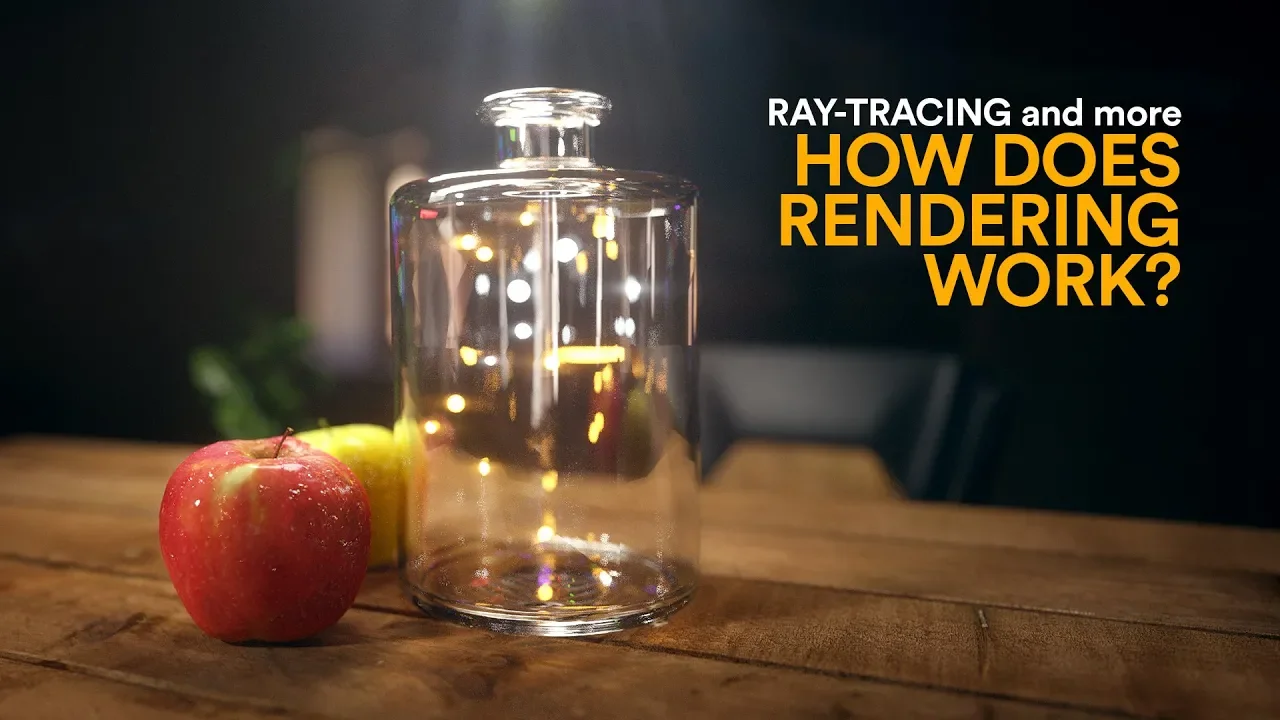
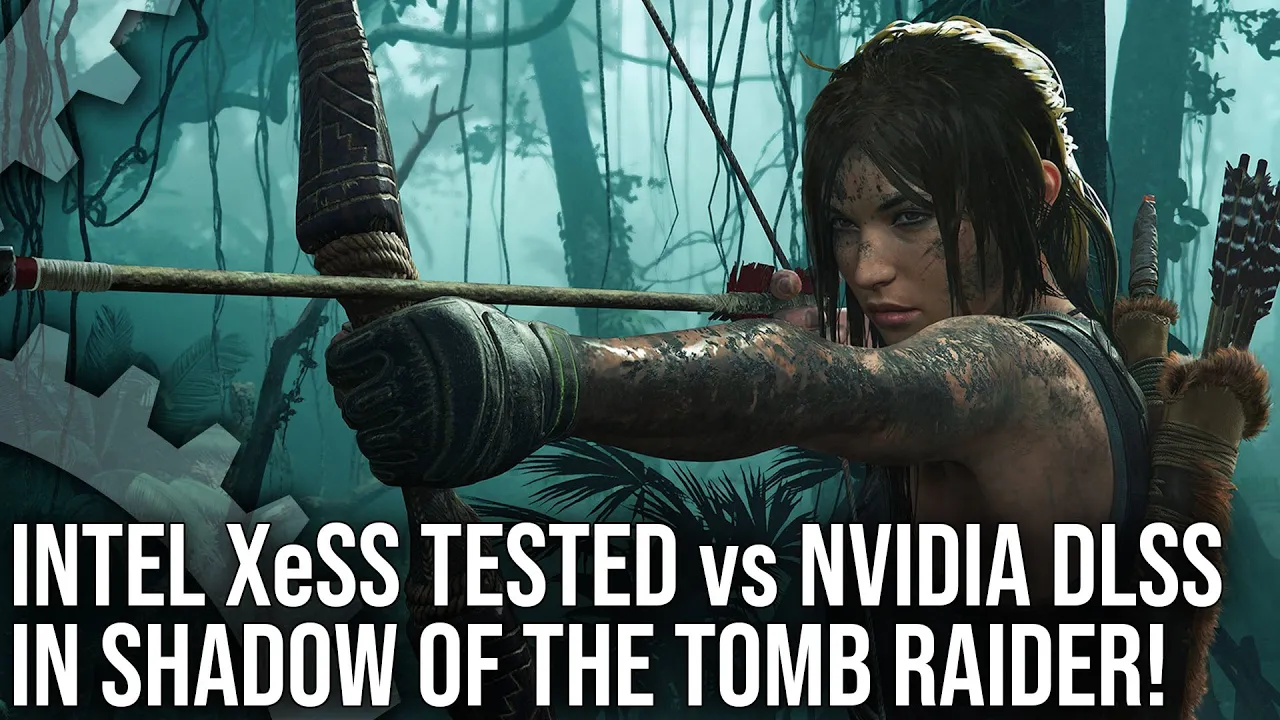







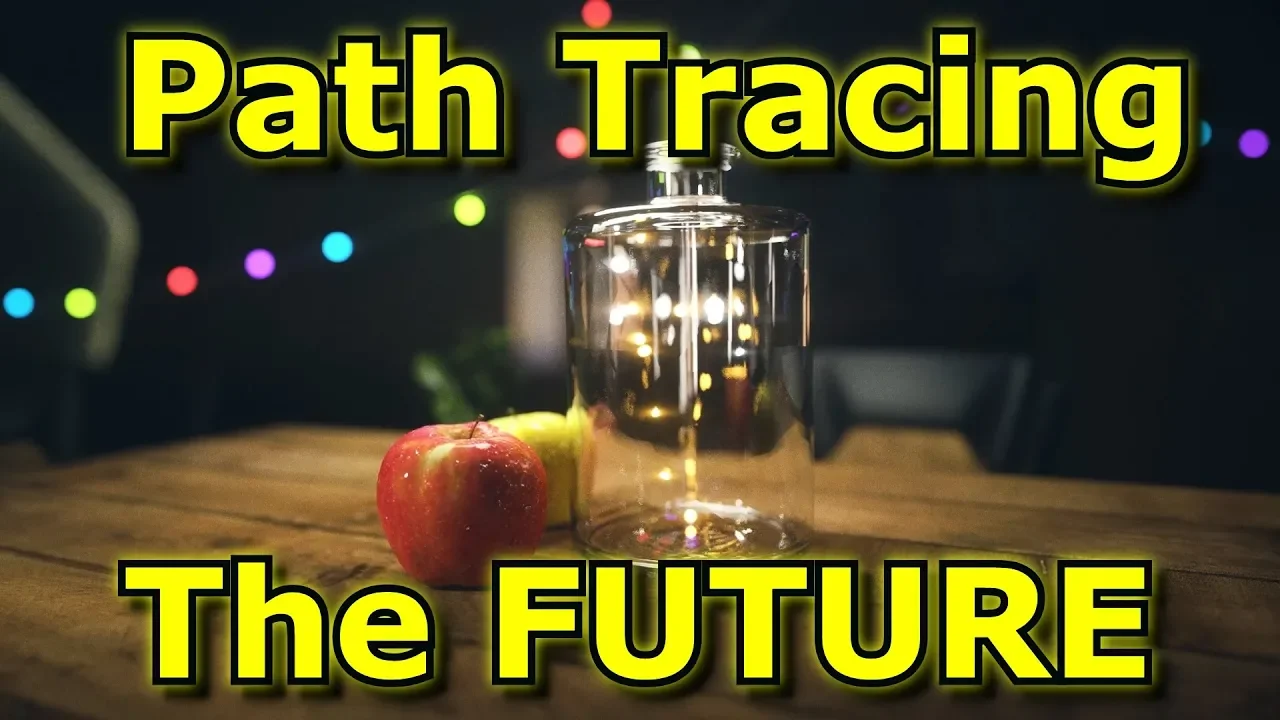


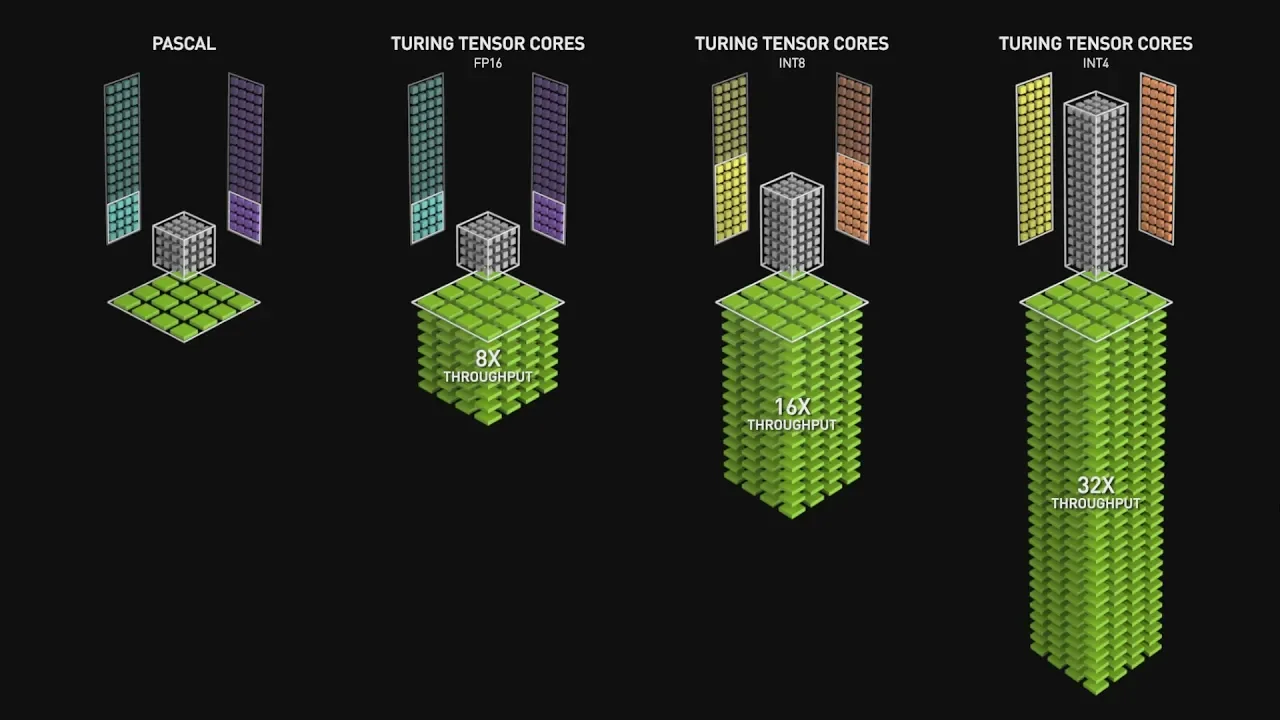


NVIDIA's RTX technology, introduced with the Turing GPU architecture, revolutionizes real-time computer graphics by combining three powerful rendering technologies—rasterization, ray tracing, and deep learning—into a unified platform. The Turing GPU features dedicated RT Cores capable of processing 10 gigarays per second, enabling real-time ray tracing that was previously only achievable on supercomputers costing $68,000. This hybrid rendering approach allows developers to mix different rendering techniques within the same frame, achieving photorealistic effects like physically-based materials, accurate reflections, refractions, caustics, and global illumination that were previously impossible in real-time applications. The integration of Tensor Cores for AI processing further enhances performance through technologies like DLSS (Deep Learning Super Sampling), which uses neural networks trained on supercomputers to generate missing pixels and enhance image quality in real-time.
NVIDIA GeForce RTX 20-Series Launch: Turing Architecture & Ray Tracing
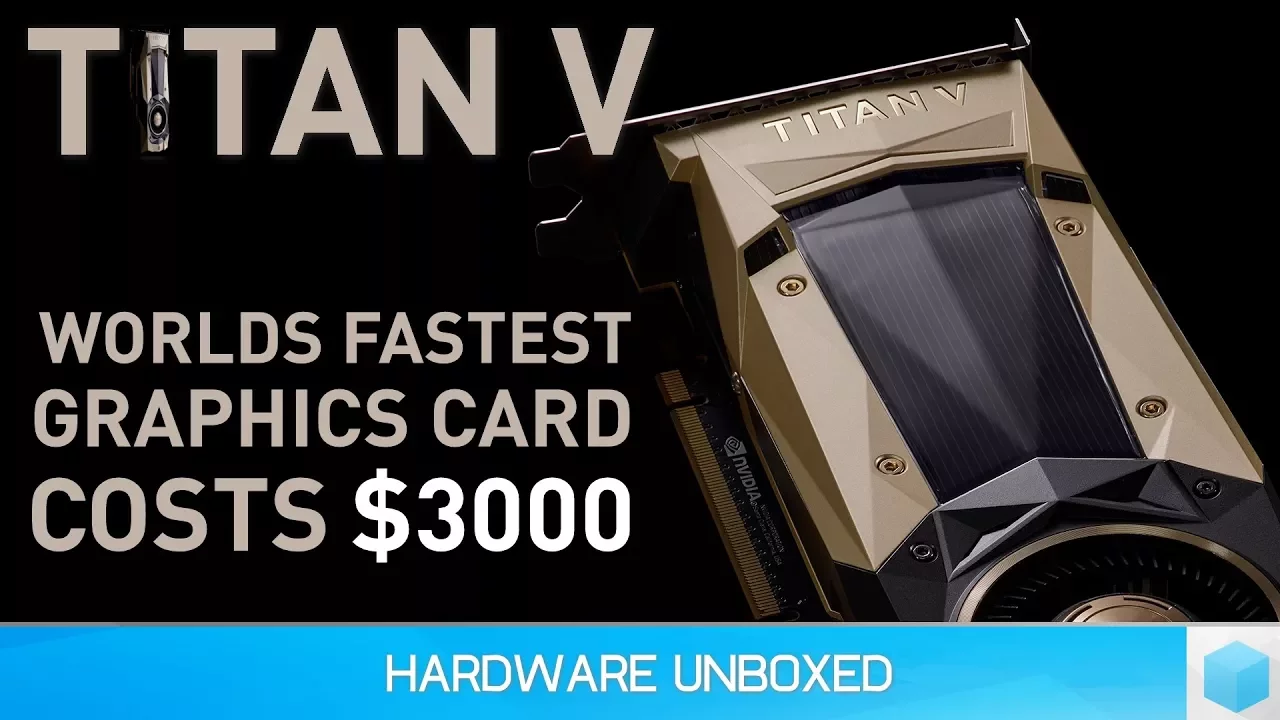
Added:I want to reach out to this technology I want to incorporate this technology into into my art and and have the to mix together [Music] we are making a lot of decisions where we thought things were going to be because we didn't have a computer to support at the time what we wanted to do so at lunch one day a Bell Labs executive asked what would it take to raytrace this scene in real time and I said well we need a 512 by 512 array of Cray supercomputers each with a red green and blue light bulb on top and we'll put it in the desert and fly over to 10,000 feet and take pictures of it [Music] I recall it being sort of ten or twelve months of hell getting these shots done and it was because the render times are so horrendously long [Music] by one ready go [Music] [Applause] [Music] ladies and gentlemen please welcome nvidia founder and CEO jensen hua [Music] [Applause] gutentag Gamescom welcome first of all great job guys we're gonna kill it don't panic everything's gonna be fine there's so much technology in this room right now it's barely barely under control okay so you guys are gonna have a great show welcome to the launch of the geforce gtx 1180 [Applause] I have never seen anything that leaked this much the good news is you're going to be surprised we didn't do it on purpose but everything on the web every speck is wrong you're gonna be surprised it's going to be a great show this is a historic moment this is a historic moment for computer graphics for as long as there has been computer graphics has been the dream of computer scientists to generate with computers photorealistic images when you look at this what we considered a holy grail of computer graphics you see some effects that today are simply impossible to create first of all light is coming in from the window it's bouncing all over this room the vast majority of this room is being illuminated indirectly whenever light touches a material strikes a material that material is rendered and simulated physically the material is metallic or dielectric is either smooth or rough the roughness can come from Mike reservist structures that bounces light absorbs light diffuses light in a very different way maybe it's orientation dependent maybe it's not some of it is glassy some of it is matte and as a result this entire room looks alive as light is bouncing around this entire room it doesn't strike every surface the same way some of it is occluded from light we call it ambient occlusion you also see that there's a desk lamp and it's shining through the glass and because the glass has curvature in shape light refracts around it and accumulates in a way that we call caustics that little bright reflection on the table is particularly attractive the shadow of phasma coming from all different directions it's called Umbra and pun bruh Umbra is where the shadow is completely occluded and penumbra is where it's partially occluded and so you see the sense of soft shadows she's reflected in the mirror even the parts that you don't see you know how mirrors work you could see behind things often times and video games we can't do that a little bit of shadow behind that painting ambient occlusion or as light travels through those gummy bears bounces around inside the jello gelatin and then reflects and refracts it back out called subsurface scattering all of those little tiny effects are really really hard to do and the good news is in 1979 a computer scientist named Turner Whitted now a researcher at Nvidia described an algorithm that was both powerful and elegant he called it multi bounce recursive ray-tracing by starting from your eye instead of from a light source where light is emitted because the vast majority the light doesn't reach your eyes so there's no reason to trace them he traced light backwards inverse ray tracing through the eye through the pixel through every single pixel on the screen the Ray would seek out would be would be sent forward and if it were to strike a triangle it would then send off a shadow way to decide whether it's in shadow that shadow ray would go towards the light sources if there was something else in the way if it strikes another triangle it would determine that it was in shadow and if it doesn't then it would accumulate the color and the intensity of that light would then be used to shade that surface if that beam of light if that ray goes through another pixel or to strike a reflective surface it would generate shadow rays to see if it's in shadow and it would also generate a reflected wave a reflected ray a reflection ray that reflection ray would be basically the same incident angle relative to that normal of that surface where it struck and then it would go off and decide whether it strikes another triangle and if it were to strike another triangle it would create shadow race it would determine whether that particular surface was in shadow or reflection race and such and if it was to dis to hit into a surface that is translucent then it would generate refraction race based upon Snell's law and that this algorithm this basic algorithm would recursively run and eventually he would generate this beautiful image in 1979 he generated this image and it took one and a half hours on a million-dollar VAX computer basically he was generating 60 pixels per second instead of 60 frames per second he was generating 60 pixels per second and so the question then is how long would it take for us from that time for us to be able to realize this incredibly beautiful picture there I just shows you a second ago well if you look at our technology curve has been nothing short of extraordinary and ladies and gentlemen you have so much to do with it because of the extraordinary demand of video games and the scale and the size and the vastness of this entire industry it has propelled one of the most advancing fast advancing technology in the history of computer science if you look at this curve Moore's law has been the foundational thought the foundational idea of computer science for 35 years and yet during this entire time since our beginning we have been moving at ten times more law if you go back to when Moore's law was following historical levels of increasing performance 10 times every 5 years 10 times every 5 years or a hundred times every 10 years our GPU technology was advancing at a thousand times every 10 years a thousand times every every ten years and so the question is and by the way these are some of my favorite GPUs look at GeForce 256 the world's first GeForce how many of you had GeForce 256 incredible thank you look how cute GeForce 256 is at the time so you know at the time it was the single largest ship ever built it was bigger than a CPU and people were shocked that we built something that big and they were even more shocked that we could sell something that big but anyways GeForce 256 GeForce 3 was the world's first programmable shader GeForce GTX 8800 was the was the first CUDA GPU the most important GPU we had built up to that time and then of course the most powerful GPU in the world today the GTX 1080 well if you were to plot out this trend and you were to think about how many rays it would take you had billions of rays we had to send into that room even though we're not simulating in most of the race only the ones that are coming into our eyes we're sending in billions of Ray's into that room we got we've got diffuse rays that we have to do we have reflection rays refraction rays and it's bouncing all over the world all over the scene and you have hundreds of polygons hundreds and millions of polygons the amount of computation necessary is easily in the several peda flops while several petaflop s-- were already at the teraflops today so it would take approximately approximately ten more years approximately ten more years at our current rate of progress to go from teraflops to peda flops well we didn't want to wait that long we didn't want to wait that long and as you know architecture is the single greatest lever in computer graphics it is the single greatest lever of GPUs so what are the interesting new ideas we could create that allows us to achieve as effectively 1000 times more performance ten years earlier and so we invented the nvidia r-tx the nvidia r TX as a platform consisting of architecture and software and SDKs and libraries that allows us to combine different types of rendering technology into one unified and cohesive platform of course it should always take advantage of rasterization rasterization is so incredibly powerful and so incredibly efficient but we also need to include ray tracing however just ray tracing at brute-force level simply won't get us there it simply won't get us there in fact I'll show you something later that's just really amazing it simply won't get us there unless we use this technology we discovered about six seven years ago called deep learning or artificial intelligence we can finally create images along with ray tracing that allows us to achieve the levels that we otherwise can't imagine now we leverage two fundamental rendering technologies you know very well rasterization which is the way that we do things today we start with the 3d world and we take the 3d world information the vertices the triangles and we project 3d world vertices into a 2d world pixel plane into our screen space that projection leaves the silhouette of a triangle and we have to decide and test which one of the pixels are within that triangle one of the most beautiful things about rasterization is that you could paralyze an enormous amount of calculation and nothing is more beautiful than being able do things in parallel that's one of the reasons why the GPU is so incredibly powerful at parallel processing it started with the idea of doing things in parallel it also has the ability to do things incredibly high resolution because high resolution is just more things in parallel and so rasterization was incredibly powerful one of its limitations however is that every single time you want to light the world you have to project light from that light and if what two or three lights that's fine if you have an area light that's effectively infinite number of lights and if everything in the room were to reflect light and everything in the room became a lighting surface otherwise known as global illumination in the world of global illumination all of a sudden the number of lights that you would have to cast in the side that scene is just insane and therefore undoable well this is where ray tracing is particularly effective because ray tracing using Turner Whitted s-- approach simply traces the number of pixels that comes into your eyes the number of rays that ultimately reach your eyes the vast majority of the rays inside this room the vast majority raised in the world simply never-never are reaching our eyes and so we immediately reject them we immediately don't have to do them and we start from ray tracing our eyes ray tracing whereas rasterization is taking 3d world data projecting it in 2d ray tracing is sending out a ray of light intersecting the pixel at the screen space and enters into the world looking for a triangle that it would intersect the two basic approaches both has its strengths and weaknesses in the case of ray tracing in order to rate traces in our entire room the number of rays the trillions of rays the hundreds of millions of polygons the amount of testing that you have to do just to figure out which ray intersected which polygon is just extraordinary you simply can't do it well we put this platform together we put this platform together and we worked with Microsoft to create the Direct X ray tracing otherwise known as DX are the Microsoft DXR and then we worked with epic to integrate RT X DX r into the Unreal Engine the ue4 engine and we found somebody with extraordinary art assets and like magic and together we created the world's first real-time ray tracing demonstration and never been done before and we announced it this year at GDC and I think it's worthwhile to take a look at it and I want to show you something special about in just a second okay so this is our demonstration [Music] what's the story with all the elevators lately I heard kylo Ren destroyed the one over Indy sector yes me who's ever touched this place should be transferred to Hawke do you think she hurt us I think she heard us please be blended for once incredible right absolutely incredible and so so what what you saw what you saw what you saw was physically based materials it was sitting in an elevator shaft where there were area lights and those area lights were moving as the elevator was moving and therefore as the area lights would illuminate the surfaces and the shadows would be soft the shadows will be soft using area lights and incredibly difficult to rendered shadows and notice the inner reflection there's a reflection off of phasma there's in a reflection reflection of reflection of phasma on her gun and there's reflection of her reflection of her gun on her chest and if you look at the stormtroopers the illumination and reflections are all completely in real-time doing this is simply impractical today the way that you would do it of course is that you would fake a whole bunch of lights that would slow down performance it still won't look right and all the shadows will look bandy second you would create all kinds of what is called reflection probes made out of cube maps but unfortunately they're all moving so every single scene you're gonna have to create a whole bunch more reflection probes a whole bunch more cube maps basically starting from the point where you would like to have to see reflection and rendering out from that point every single direction turning into a cube reflection map those tricks simply are now practical with a scene of this level of fidelity well it took for Tesla V 100's the same GPUs that are powering the world five of the world's top seven supercomputers today it takes for them in a $68,000 deep learning supercomputer that we make all the dgx this is what researchers use to create their deep learning AI models and so $68,000 to finally render running the r-tx platform real-time rate racing at about 20 some-odd frames per second well when we announced that people got so excited about it they said how do we buy that dgx we could use it as a game console and the request just kept coming in how do we turn D GX into a game console the price point is slightly out of reach for most gamers and so today I would like to make my first announcement starting immediately d GX 3000 easy payments of 1995 3000 easy payments will throw in the first game for free so call now the telephone number is right below you one eight eight nine seven eight nine two zero eight zero and good luck with that it's beautiful isn't it that's just completely liquid cold it is silent doesn't make a peep and it does real-time ray tracing for the very first time for $68,000 well it turns out what you were looking at just now was not running on that it was running on this little thing this little bad guy this is called Turing we've been working on Turing now for almost ten years trying failing trying failing trying family all these different algorithms trying failing trying failing and finally Turing the most advanced GPU we've ever done ten years in the making the greatest leap since we created CUDA and computer graphics will never be the same again inside Turing is 18.9 billion transistors this GPU this chip is the second largest chip the world has ever made the only other larger chip is called the V 100 which powers supercomputers all over the world it has three brand new processors the SM is completely brand new has the ability to do independent floating-point and integer operations and the reason for that is sometimes you're shading for color sometimes you're using energy or operations to calculate addresses so that you could run your shader program to do things like subsurface scattering and as more and more special effects are to happen the SMS address calculation part of the logic becomes much more complex fourteen teraflops and fourteen integer operations per second I like to short shorten it just to 14 tips so fourteen teraflops and fourteen tips it also has the ability to do this thing I won't talk much about today but we're going to right about it variable rate shading so that we could do things like faux vieta rendering focusing all of the horsepower to GPU where your eyes are focused instead of wasting it evenly across the entire space if you're moving we might be able to adapt the place where we focus your shading horsepower if the resolution or the content detail is different across the entire scene as most people most scenes are we could focus our horsepower where there's the greatest amount of fidelity as a result you're effectively giving getting a several X boost in your shading performance the second is the processor we call the RT cor RT stands for ray tracing core it's 10 Giga Ray's per second I love saying that 10 Giga Ray's per second a 1080 Ti the fastest GPU in the world today 1080 TI does 1.21 you guys you guys got no nobody ever saw that show 1.21 jigowatts ekend which is 10 times a 1080 Ti it does Rach ray I'll explain that in just a second a BVH traversal tree traversal and it does ray triangle intersection testing and then we have a new processor called tensor core which runs AI processing like crazy a hundred and ten floating-point teraflops or because as multiple precision to being the type of networks you're running you might be able to use lower precision or mixed precision as a result 440 tops with four bit integer all of this so that we could do hybrid rendering and run our TX well so the question is how does this all turn out so if you look at the performance it looks kind of like this so Turing is built for RTX and if we ran the first thing I showed you was originally run ran a deep GDC was dgx with four vultus 55 milliseconds 55 milliseconds about 20 frames per second and this is what touring looks like one turing so for a Voltas in a dgx [Applause] [Music] this has never happened before this has simply never happened before doing computer graphics essentially a supercomputer replaced by one GPU within one generation of course it took us ten years working in parallel if you were to look at Pascal this is what Pascal looks like the fastest GPU on the planet the fastest GPU on the planet today 1080 TI 308 milliseconds versus 45 basically about 8x so the question is what's happening under the hood this is a new computing model and so there's a new way to think about performance it's a new computing model so there needs to be new metrics back in the good old days the vast majority of computation was done in shading we're basically shading the color or we're running a program in the shader and basically we're shading but in the future we're going to be doing lighting we're going to be doing all kinds of image processing and so the pipeline is completely different and if a pipeline is different the platform software's got to be different the architecture the GPU has to be different and you have to measure it differently we have a new way of measuring and let me talk to you about how we're gonna do that so if you look at this frame this is abstracted of course but it's not too far off basically within a frame that I was showing you earlier we're doing ray tracing pretty much all the time okay we're shooting rays all over the place we're looking we're looking for intersections of triangles and figuring out which one of them has to generate shadow rays and which ones them have to generate reflection rays and which one has to generate refraction rays and for the reflected rays he's going to figure out how many more shadow rays has got to generate and so all those Ray's are being bouncing all over the place and eventually we accumulate the color the intensity whether it's directly or from something nearby and we shade that surface and so we're ray tracing all the time and that's with our arty core that's the amount of time the fraction of time it within 22 milliseconds that an arty core is doing it in and if we didn't have the RT court multiply that by ten if we didn't have an RT core that green bar just simply in the in the prot in in in the in terms of time it's just ten times larger so basically all the way down the street shading is shading we're doing shading incredibly well one of the things that's really great about about Turing shader is that we can now overlap or run independently floating point integer and as a result it's call it one and a half times more performant than it used to be and then that's the integer shading there and then for DNN processing what everything is done we could use it to generate pixels that we haven't finished to generate using artificial intelligence the pixel that we haven't finished or use artificial intelligence to generate resolution that we otherwise couldn't have okay it is possible to filter information but it's very very difficult to generate new information that looks right and so with artificial intelligence we can now for the very first time generate missing pixels that are actually right and we could do it in real time because we have a tensor court and so if this is what's going on in the frame then what's happening inside our chip so the first part the first part of that processing the shader and the RT core the Turing sm and the RT core are both concurrently running later on we're shading and generating other running other parts of the program the shader program and so those two parts are running the F P and the integer and then finally when everything is done we're going to use artificial intelligence all of our a hundred and ten teraflops 110 teraflops think of that is basically 1010 ATT is it's basically 1010 ATT is dedicated to doing one thing which is artificial intelligence and so if you just simply do the math you have about fourteen teraflops of shader math you have a hundred and ten teraflops actively effectively of ray-tracing 14 plus 14 independent teraflops and tips and then lastly a hundred and ten FP 16 tensor core processing floating-point operations per second when you take that and do the weighted average on it it's basically 78 tera r TX ops per second and so the way to think about performance in the future is to figure out a way to weight all of these different types of processors and so the way we think about touring is seventy eight seventy eighty seventy eight tera RTX ops okay compare that to a Titan X a tight next our highest end of approximately twelve seventy eight verses twelve when you're running rate racing that's what it's going to look like seventy eight versus 12 well one of the most important miracles you're gonna see a lot of writing about this in the future is simply the testing the concept is simple you're sending an array into the scene and you're trying to figure out which one of those triangles out of a hundred million that intersects well you could simply just walk across the screen and see which one you eventually touch well you got to go a hundred million times or what you could do is you create a data structure an acceleration data structure called a bound bounding volume hierarchy basically it's like binning suppose I had ten things I got to figure out which one is the one I want I was asked to go pick something out I had to go pick one of ten excuse me one of a thousand I'm gonna put ten bins or ten boxes and eat it within each one of them I'll have a hundred things within each box I'll have ten boxes with ten things each if I knew that as I started looking for that thing out of those boxes and I discovered that is in one of those larger boxes then I can ignore every other box and then once I find that within larger boxes if I find it within one of the ten smaller boxes I can ignore all of the other boxes and then if I can find it within that box I know it's one of the ten it's the same idea here we're sending this triangle we're sending out this Ray we're trying to figure out which one of the triangles that intersects with and once it intersects with a bounding box which is a large structure which has a whole bunch of other bounding boxes within it which other boxes within it and within that there's a whole bunch of triangles once we intersect one of the bounding boxes we know all the other boundary boxes are ignored and then we figure out which one of the bounding boxes within and then once we figure out which one of the bounding boxes women we have to figure out which one of the triangles that happens to be well the amount of mathematics necessary to do this it's just shocking and to do it precisely so that the image quality is perfect it's really really hard and took us ten years to do this to create the architecture and the algorithm for doing this design it in a way that actually speeds up which is very very hard to do because these beams all these rays are incoherent which is the enemy of parallelism somehow we figured out a way to make all these incoherent things largely parallel and then to create an acceleration structure and acceleration accelerator that allows us to do this at the speed of light and so the RT core was invented well the Arctic or invention had to go along with all the software layer on top of it and what we call eventually the RT X platform at SIGGRAPH we're really pleased to see research being done in this area our researchers and the researchers at the search for extraordinary experience I love that seed electronic artists research team and video research called Nvidia research EA research is called seed I love that the search for extraordinary experience division and so they worked on our TX with our researchers to figure out how it could accelerate how could create new computer graphics and everything from deferred shading and direct shadows and lighting and reflections in global illumination and ambient occlusion transparency and translucency translucency and transparency are just incredibly hard to do with rasterization because the concept of death is very difficult to discern and post-processing as you could see for each one of these operations we're using different parts of the chip exactly as I described earlier the effective ops the effective computational capability six times multiple to six time Nvidia be 100 and so that kind of puts it in perspective this neutering processor this neutering GPU is just a monster it's incredible let's take a look at some of the stuff and so this is what it looks like this is computer graphics today physically based material direct lighting you could see the shadows they're hard shadows we could try to trick it by blurring it a little bit but it's still going to be basically that and this is what RTX looks like okay so [Applause] hey you got a clap at the old stuff too because you know it represent it resembles us so here we go I'll give you a chance guys this is where we came from you got to be proud of it you got to own it it's ugly but you got to own it before after before r-tx after r-tx oh no this is just the beginning I'm just warming you guys up I just gave you an olive for the appetizer okay can we show him some stuff nacho hey is it you and me yes okay so so this is nacho he he's one of our dev Tech's incredible computation computer scientist amazing computer graphics engineer this is what he was able to do with r-tx off RTX off now of course this scene is incredibly hard and reason for that is because you can't use tricks like screen space reflection here you could put some reflection probes but it's just incredibly hard here because things are being reflected all over the place there's refraction you see that graphics card back there that's that's a beautiful graphics card and announced that a week ago that's called the quadrille r-tx and you got this crystal ball here where it should reflect and refract there's a little green ball on the ground there and then there's that chrome ball in the back and this this empty I don't know why but empty empty glass box and so and it's got area light coming in which is really hard to do okay and so in this particular case Ignacio is doing his best to emulate the area lights but the shadows are ugly you know this is this is the limits of today's computer graphics now we could fake a lot of stuff we could fake a lot of stuff bye-bye arting it up and cause you to not look at it but in the final analysis this is what the limits of today's computer graphics is now Ignacio let's turn our TX on so alright let's take a look at our TX on and look what happens the refraction of the of the of the glass globe there is just incredible and look at this the little caustics on the ground the the area lights cast the soft shadow the Umbra and the penumbra notice of the graphics card the shadow of the chrome ball looks right now there's reflection of the glass box in the r-tx quadrille r-tx you see quadrille r-tx from that sphere and you see the reflection of the chrome ball with a little bit of rough surface to give you a sense of material everything just kind of looks right even the glass is casting a shadow even a glass is casting a shadow hey let's go back to last one again I oh yeah yeah I know now of course we got to add a whole bunch of paint and a whole bunch of stuff to make it look right or we could do it this way RTX on and there was a gasp in the audience but this this could possibly be a photograph right not just show me what you got oh come on okay pretty incredible oh you oh you had to turn on a spotlight on top of that everything just works everything just works look glass reflects and refracts and magnifies just like it's supposed to and just have to turn it on and so the benefit of r-tx is just turn it on thank you good job [Music] and so now I'm going to show you something we're gonna turn it on together we're gonna put it all in we're gonna put it all together and it's going to be a demonstration that we created recently we created recently to highlight the power of Nvidia r-tx this mixed-mode rendering unifying rasterization ray tracing compute and artificial intelligence and what you're about to see is completely in real-time everything you're about to see is completely in real-time it's kind of hard to grok because it's going to be so beautiful but it's completely in real time you're gonna see beautiful reflections you're going to see inter reflections reflections of reflections and it's all going to be dynamic you're gonna see beautiful lighting you're gonna see area lights you're gonna see beautiful ambient occlusion you're gonna see beautiful physically modeled materials so things that look like metal looks like metal things that look like things look like things that's very technical and that's why that's how I talk to the engineers guys we got to make things that our things look like things and they go I know what you and know what you want boss and so what's in here is just really a miracle and it's running on one Turing GPU it's running on one Turing GPU ladies and gentlemen the name of our demo is called Sol Sol [Music] what do you guys think [Applause] the nvidia r-tx nvidia r-tx running on top of a turing GPU hybrid rendering real-time ray tracing for the very first time that's the first part deep learning is the single most powerful computer technology that has come on to the scene in the last 30 years deep learning is a field of machine learning where using a large amount of data you could train a supremely large neural network how to do things you train these neural networks with all of this massive amounts of data which is otherwise examples on supercomputers and this is the reason why voice recognition natural language understanding photo tagging image recognition all of these amazing feats of software are now finally possible it is the reason why self-driving cars is even within reason to fathom deep learning is changing one industry after another and people consider this the fourth Industrial Revolution it is going to enable AI and computers to write software by itself to basically run on a supercomputer to write software by itself and in video we're doing all kinds of research around deep learning we have a we have a gigantic supercomputer that all of our researchers use to develop software now some of the things that are I'm showing you some examples here these some of my favorites but there's so many for example you could teach a neural network how to colorize by just showing you showing this neural network examples of this is a black and white this is how you colorize it this is black and white this is how you colorize it it eventually learned what the pattern is and you can give it a black and white image and it color eise's it you could give to teach you could teach a network how to take a low resolution image and make a higher resolution because you and I could look at this image and say to ourselves you know what I bet I know what pixel each one of those pixels are and so you could use a low resolution image input and eventually get an output of a high resolution image by going the other way which is starting with a high resolution image and and give this neural network the opportunity opportunity to generate that and whenever it's wrong whenever it's wrong you correct it using this thing called stochastic gradient descent and back propagation and so you literally corrected and corrected and it tries to guess and guess and guess and it corrects itself until one day it's able to figure out what pixels to generate you could teach it how to take a cartoon and turn it into live video this is a piece of work that we did in an video research ok we simply taught it how to do that pretty amazing right we could teach it to take a low resolution CT scan and not only increase the resolution of it but also segment it figure out what organ is what from that blurry blue image okay you watch this we taught it how to segment how to identify which organ is what and put a different color around it pretty amazing this is going to revolutionize medical imaging we have a platform clock Clara it has the ability you could teach it how to go find identical twins come on you guys that was funny I don't think this is what we taught it to do change the color of the hair all in real time previously you would have to find identical twins to do that much harder now you could do it with a artificial intelligence network you could take a sketch and turn it into 3d so you take this neural network you give it a whole bunch of examples you tell it what - what is it what is the input and what is the exact expected output and we give it a chance to try and try and try and try again trillions and trillions of times on a supercomputer eventually it trains and does this amazing thing and then it creates this new network model with hundreds of millions of parameters are hundreds of gigaflops of operation necessary to perform its task to either classify to predict to draw to generate to imagine - imagine what color looks like we could teach it to do these amazing things however there are so many architectures and it takes so much processing to do it in real time and so we created this thing called a tensor core they're whole bunch of em on our chip and imagine this ok imagine that a 10 80 TI is 12 10 80 TI is what 11 it 11 teraflops a full 10 80 TI a full 10 80 TI at $699 is 11 teraflops this is a hundred and ten teraflops basically it would take a 10 full 1080 T is to keep up with the tensor core processor that's all over the Turing GPU now one of the things that we taught it to do is something really incredible and so we taught we taught the neural network this thing and we're calling the nvidia dl SS deep learning super sample basically works like this we create a whole bunch super super high-resolution images with lots and lots of samples so we jibber it and we create sixty week we create basically 64 amazing images 64 amazing images and we create hundreds of thousands of those and then we give our network we put a network we put an image in here and we say using this it's called an auto encoder convolutional auto encoder it has to be temporally stable because we want to do this for live action and so the network has to remember part of the past and we're gonna give it a image and we're saying go generate this amazing image on the output okay so pretty simple to be able to give it a new image it's never seen we train it we train it and everytime we train it but guess is wrong we tell it what's what's the right answer we propagate it back it takes another image it guesses it again and it turns out to be wrong we propagate it back and we sit there we just simply loop on it on a supercomputer we'd run a trillions of times we run a trillions of times and then eventually you put it in the image and it creates this beautiful image out you create a load you take a resonant an image of lower resolution say 1440p and it creates this beautiful beautiful image that's 4k now of course the question is where did the images come from where did that come from where did that magic come from it came from partly a supercomputer essentially what deep learning is doing is codifying the memories of a supercomputer and it puts it into this neural network basically an image generation brain and you put this image generation brain this neural brain into the mathematics of our GPU all of a sudden it knows when it sees this image a better version of it is that and it sees a new image a better version of it is that that mathematics came about the weights of those neurons came about because of a supercomputer and so in the future every game would have had the benefit of supercomputer preprocessing before you play it and we call that platform the nvidia and GX in the future computer graphics will merge with neural net processing we call it neural graphics acceleration ngx it's a framework for doing all kinds of amazing image processing you saw earlier super resolution what we've invented super-slow-mo we're gonna do all kinds of amazing things that makes video games and the images that come out of these computer graphics CGI look even more amazing basically works like this we have a super computing infrastructure there's a whole bunch of software runs on it the first thing you do is you generate ground truth what is the perfect image what is the perfect image and then we have to Train this model it's a multi-dimensional manifold and we're basically randomly walking around this manifold looking for the least error looking for the time when when you send in an image the output is closest your predicted output is closest to what ground truth is okay that your prediction is the closest to ground truth and you're sitting here wandering around this gigantic universe and it's incredibly incredibly large and so the computation time is very very long and that's why we build these supercomputers we call dgx I showed your earlier version decide the death side version with four GPUs these ones have eight and then we test and optimize it then you put in a low resolution image or lower quality image or the the image is in fact not even complete with ray tracing and somehow we complete it somehow we make it more beautiful the Nvidia and GX and then we have this AI model that we then OTA to you you download it into your driver into this plug-in interface called ng X and the neural networks are changing all the time they're getting better and better and we give you we put it up in the cloud and you could decide whether you want to enhance your images or not then you run that on touring ngx driver this is all part of the r-tx platform and you run it on the run on the chip well the supercomputer looks like this this is the machine that is generating all of those networks and basically before you even run it on Turing before you even run your game on Turing there are a bunch of supercomputers that here's one there's a bunch of supercomputers that's training these models and this end and the graphics card here's one the graphics card you guys know what a graphics card looks like right here's one available retail $68,000 okay got to keep your abs tight while you're doing this a whole bunch of interconnects surgicenter connects call MV link connects all of these GPUs together into one virtual GPU every single GPU can see each other's GPU memory all together all together this board that system has two of these inside two of them this is one petaflop so that's another plate flop mother another not motherboard but mother of god it's heavy GPU two graphics cards makes two peda flops two petaflop you want pou to flip to petaflop s-- is basically a supercomputer with servers from that side to that side 400 servers 202 million dollars without anything else of servers this replaces and so we use this to train the neural network model here we go here just thanks a lot thanks Paul you do you use that and you train this network called the Nvidia DL SS okay and then comes up with a model like this and this is for K taa you guys know the Unreal Engine epics demo called infiltrators just beautiful incredibly taxing on systems and 4x4 k taa up there taa is the anti-aliasing technology we invented which is temporal and so temporal it takes last last last frame the motion vectors and if tries to figure out what's the best combination to create beautiful edges look at that because it's temporal and the motion vector so many things are moving you see the disjointed this jointed hinge over here and this is for KD LSS look at this that's just perfect okay well for the very first time because of this because we could take a lower resolution image and because we could train a neural network with all kinds of super high resolution and super high quality images this neuro network if runs on a bat out of hell processor called a tensor core could then in real time enhance images in real time generate pixels it had never seen before generate pixels that make sense to go there because if you were to you're not where to look at it we would know what makes sense to go there and therefore it makes sense that we could teach a neural network how to make sense of what pixels to put there so let's I'm going to show you something this is infiltrator running on one GPU at 78 frames per second in 4k at a quality that has never been seen before a 1080 Ti the fastest GPU in the world can currently do about thirty something ok from thirtysomething what you're about to see is 4k now I'm going to lock it to 60 Hertz because this display happens to be V synced and so you're gonna see the framerate on top and ideally it's pretty high very first time to see infiltrator running at 60 Hertz it's not amazing it's just silky smooth silky smooth one Turing GPU one Turing GPU twice the performance of the highest end GPU in the world today 1080 TI running at 4k with beautiful image quality well you know we should we should probably at this point take a look at what Turing does and r-tx does for games you guys want to see some games Cana what do you have for us you need your mic on sir Oh testing one two yeah so he's and gentlemen kata alright so first up we have head of our developer relations we worked so closely with developers all around the world we work with them to improve new technology create new technology and optimize their games for our platforms and push the limits of what's possible in real-time computer graphics and the work that we all do together it's just it just brings me so much joy and we got this amazing developer relations team that works with them and and dev tech team and all these computer scientists I work with them and man they're just it's just so great I love you guys in my 17 in my 17 years here Jennsen our entire team has never been more excited over a new technology a new product then with Turing and and also with the developer a reception has been phenomenal and we're just so pumped it's really an honor to be here to you know deliver kata you know what game I'm gonna give every dev rel and every dev Tech in our company a neutering oh my god oh thank you Wow I the number of people in that group I'm sure has increased by a factor of 10 since I said that okay what's what's the first game we talked about so shadow the true mater is the first up it's the latest and it really obviously not much needs to be said it's a super successful franchise just data wise it sold 65 million units and it's gonna ship the shadow of the Tomb Raider on September 14th this time the game has Laura Croft going on epic adventure in Mesoamerica and South America just one thing to note a parallel laura has a long and illustrious history and actually in many ways Laura and BD has grown up together because we both both never thought of it that way yeah in the mid-90s yeah in fact Jensen it has happens to be the first game I played when I bought my first Riva 128 and 9 I was 30 when she was 25 grew up together so yeah so we have we worked with Crystal Dynamics Knicks season and idols Montreal and and we're excited to be able to show it and now what we're gonna feature wouldn't show just a little part of it then later there's an after-show and there's the developers are going to talk to you about all this you're gonna be able to see all this stuff but we're gonna show you just a few things about it so one of the things of course Laura Kraft you're in shadow all the time it's all about shadows and one of the challenges with shadows as you know there's just you know using traditional shadows they're there to crisp and so they have these hard shadows and if if we use contact hardening and we use percentage closeness shadows they're kind of blurry and fuzzy and noisy and when you put a whole bunch of them together it just becomes a big mess and so this what you're looking at is raytrace shadows and you're gonna see a lot of raytrace Chado stuff and that's the first demo we're gonna show you we're gonna feature raytrace shadows go take it away guys hey my Chad hey I'm over here and apparently I work in the dev rel team with Keita and apparently I just got a neutering so I'm really excited Ingo so what we did is we worked with nixies and I toss Montreal to bring real-time ray traced shadows shadows the Tomb Raider it's perfect and so the thing to look at right now with our TX off you saw the crisp shadows up there and you saw right here this is really hard to do and that's why they don't do it at all which is dynamic lights and shadows these are dynamic point lights they're really expensive to do in current rendering techniques because basically you have to cache shadows in every directions from the light and this is goes back to what you're saying earlier about having to put a cube map here in a cube map here and every time you move you have to redo all that rendering so let's put our TX to the test and have it just do it for us [Applause] the beautiful thing about ray-tracing is you turn it on you know when you turn on the light it's just does the right thing physically and because we're tracing these rays physically it should perform according to what we expect yeah and though the Umbra's we're right behind where is nice and nice and dark it's correct and where did penumbra where you have the softness of the shadow because not all of the shadows occluded part of it is lit you get some softness ah and on Wow now let's take you to you were talking about some of those area lights earlier you want to look at some examples of those yeah well here's a big example this is a credibly lit scene this whole scene is amazing it's beautiful and so what we have here is we have two cone lights and two area lights those area lights are basically rectangular shapes the neon lights above the stage and what do you notice is the shadows below are hard like you would keep talking and this is state-of-the-art for real-time graphics right now and I got to say it because the guys are sitting right next to me who made those shadows and they are bred this is the best we have right and they look and they look beautiful yeah they look great till now and the way that that's simulated those area lights are simulated essentially as a couple of point lights and that's why you see such hard shadows but if you simulate the area lights like area lights mm-hmm because we're a traced it and you independent of where where the Rays bounced around eventually if it were to hit some part of that area light it gets lit and so ray tracing is a much more cost effective in fact um however very difficult to do way of doing area lights and let's turn this on and take take a look so you get the nice blend of the color and the light is that beautiful guys it's rather that's Ralph's gonna do we can do whatever we like we could we could add more area lights we're gonna add more spotlights you can mix it all together without trying to fidget with it without trying to figure out what is the definition right right just looks right that's another wisdom right looks right and talking to the artists that do this they tell me all great things about shadows they're telling me shadows another color to them they love shadow and they also told me that shadow and light is what they use to set the mood and tone of their environments and so that's how important shadows are and it feels like we just gave them a lot more depth for it some more on tomorrow okay what you got let's want to take a look at some more area lights that are very interesting kind of yeah let's take a look at one more shadow all right one more shadow so this is kind of cool with the three area lights above and we have hidden in kind of in shadow you see this I could reach that whoa whoa that right there that's the the Umbra mm-hmm you wanna turn on no no keep going and that's the penumbra just now okay okay you see that's the penumbra no keep it off keep it off okay yeah see that's the that's the Umbra and notice notice how sharp that is that's just not right it should fade away okay turn it on there you go there you go otherwise it looks like another person on the ground look at that the contact hardening just works leave it on contact hardening just works the Umbra works to put under worse everything just works okay all right man good job Chad guys like let's take a look at an exclusive trailer of the shadow of the Tomb Raider [Music] that's awesome [Applause] I can't wait that's gonna be a wonderful game alright what's up next well another blockbuster and this time we have Metro Exodus by 4a games oh man yeah so for those of you who don't know it's the 3rd in the Metro series this is set to take place in 2036 in the post-apocalyptic wasteland of the former Russian Federation you guys know this it's been super successful in just two versions of the game if they've sold 7 million units and this one Metro axis is is due out February 22nd the next year it's gonna be well worth the wait it's developed by 4a games who since for the first time we met with them Jensen back in 2009 they're super enthusiastic and very forward-thinking so we're not surprised that we have them here today to show something awesome yeah that's a really cool thing are we gonna show we're gonna showcase with this demo here is something that is just really really hard basically what the way light works is can you guys see this my light is really bright but basically light is coming in from the outside through those windows and of course this part is lit directly and the challenge here is that's an area light and so so we have to make sure that the shadows look right however that light doesn't stop there that light bounces around this room and it illuminates different parts of the scene depending on how close they are to that particular light and maybe in the creases and the corners it's really super dark but in other places is more light and direct light it's completely bright and so lighting this room using traditional computer graphics lighting is just incredibly hard and this is the perfect showcase for global illumination now they want to use they want to use light of course to create these incredible moods and so you feel you know a little a little scared when you walk into a room instead of instead of being completely black which is not not right or completely lit which is not right either and so global illumination has the to create an aura feeling a sensation that is really photo real and so this has been something that we've been pursuing literally for a long time this is a ten ten year pursuit that we have finally been able to do global illumination let's take it away so Matt this is GI this is GI on and so just as I was describing earlier the light is coming in through the window it's bouncing around inside and as a result weird lighting look at that where that corner is darker that corner over there is completely dark and that light right above right above the windshield is nicely lit it does exactly what you expect it to do and it does it all by itself just put sunlight outside super high intensity ambient light put it outside and everything just works everything just works now you could do it the other way now go to direct light you see this this is the way computer graphics basically works now of course we could create a whole bunch more fake lights we can create a whole bunch more fake lights but in this room if you create a more fake lights using spotlights you'll get all these different areas that are lit too intensely and others that are not and it looks like you basically turned on a whole bunch of lights now what you could do what Matt did earlier is turn on basically a artificial global illumination light which is basically a fake ambient light it's like somebody comes in here and instead of allowing us to light this room with global illumination which is happening right now from these monitors like for example on being lit by the monitor and you guys are all being lit by this screen this this fork a gigantic beautiful screen this this um and so the entire room is being lit with indirect lighting indirect lighting but here because they can't do in - we can't do indirect lighting back in the past as in yesterday we had to put a fake light in here it's like somebody comes in here and put a fake light and constant intensity constant color throughout this entire room as a result the places that be dark like back there isn't dark the places that should be more bright is the same intensity okay which is what you're looking at now so this is wrong and let's look at right look at that delightful so so Matt our friend our friends that are now able to have like creepy monsters literally squatting in the corner yeah take a look in the rafters in the ceiling when r-tx is on there black I could hide anything in there but if I'm lighting it ambulance e-everything up there when we have our TX on it's correct there's no little light up there so we can actually hide things and we can make the mood in the environment perfect by just letting the normal light in the room games will never be the same no sir so scary all right good job thank you let's let's take a look at another exclusive trailer shall we Metro [Music] [Applause] [Music] Wow that is incredibly scary I don't think we have enough arrows okay I want to flash through a couple of them and then in the after show we're gonna show it to you I want to save time for a whole bunch more stuff okay let me show you assetto corsa competition oh that that's Italian I spoke two languages today already okay when you guys see you later I want you guys to look at some stuff okay first of all the reflection on the windshield you guys know how screen-space reflection works if it's not on the screen there's no way to take that image and reflect it onto the surface and as a result look at look at look at the look of the glass on top you see that car you see the Ferrari up there it's reflected on top all of the rails all the way down are reflected no errors no weird banding no weird distortions you see this guy reflected from the other side so when you go see it he'll be moving and everything will be dynamic when the cars come through you'll see all the reflections up and down this aisle on of the cars with other cars the cars over the window everything is going to be completely dynamic and nothing had to be tweaked ray-traced reflections and raytrace inter-reflections cars are going to reflect each other if you look at the railing the shadows are just rendered beautifully the soft shadows because the world is one big area light and shadow map Precision's are just not good enough to go all the way down there and yet for ray tracing it just works in fact if you see the the final game that the other way the shadows of the last buildings are completely gone you're going to see reflections of the toolbox of the garage and the car in the garage everything just works global elimination just works ambient occlusion just works all of the soft shadows underneath the cars just work and you can look through the window and depending on the angle of your view you'll see for now reflection so sometimes you see perfect reflection sometimes you'll see through the car everything just works because ray-tracing just works you're gonna see another game called atomic heart and this game is just really interesting and it's got wonderful reflections and refractions and mirrors are curved curved mirrors nobody does that it's impossible not for ray tracing it just works you get this area light underneath casting that soft shadow for the robot behind it everything is physically based all the materials are rendered beautifully and so area lights reflections reflections of reflections of the scene that you can't see in the scene so screen space just doesn't work and yet everything just works here well guys I want to show you something that's really cool you guys want to see an amazing game I can't wait for this this is probably one of my family's favorite games and this is this is this is a Wow guys I can't wait I think we have with us we have with us Jonas and Christian from DICE guys some I remember the brightest the most amazing computer graphics engineers in the world we've been working together on implementing r-tx into battlefield 5 now you guys the anticipation of battlefield 5 is so great I don't think I need to introduce what is the concept of battlefield 5 it is a world war 2 FPS it is part history part travel part time travel part running for your life part destruction real time destruction you've never seen destruction like there is destruction isn't that right guys you guys know destruction we do it you guys know how to blow it up ok this there's just there's mayhem there's chaos you work as a team you can battle by yourself I want to go learn all kinds of stuff about world war 2 by going through your game I just want to be a tourist turn turn on god mode and go through as a tourist so we're gonna show you some pretty amazing stuff isn't that right guys that's right let's ok Jonas let's go take it away yep Christian right thanks you Jenson thanked Nvidia for hosting such a great show this is really cool I'm Christian I'm a tech director for engine group at dice and next to me we have Jonas media and video editor we had to show you our implementation our vision our take out our TX can V and we want to show that in our only brand-new battlefield 5 and in the setting we'll take a look at our brand new multiply map Rotterdam and it's a really dense and cool selamat this start here in a very zoomed in view of the soul is eye and we don't observe something that we've never really been able to do before so we had ice I work closely with NVIDIA engineers over the past year to get to the point where we are now and we're so proud and thrilled to be here and show it off to all of you so Jonas I leave it to you take it away yeah so what you're seeing there Hank firing off screen being reflected in the characters I know you guys know this is not possible with screen space reflection right Jonas exactly because the fire is not on the screen so now if we turn around and we didn't see the environment we can see that the tank muscle flash not only reflects in the eye it reflects in the entire environment in the tram window it's there and within the tank itself moving here so now if we keep moving forward yeah that's right so of course one of the big challenges of is asar is also a conflict surfaces like this so now with our TX on if we set off an explosion behind the tank here but next to the car oh come on reflecting accurately within the car that's impossible boys how would you how would you do that with our TX off yeah how does that look like this here so let's yeah wow that looks incredible and it's of course it's updating dynamically everything reflections will never be the same again look at the reflections off the ground guys it just it just yeah so you can see Wow it just happens with si sorry if it's in the screen space you still get some of the reflections upon the car but due to the nature of SSR it disappears as it goes away but because ray-tracing just works you just get the expected result how you think you would see it so the next thing we have to show you is the baked scary crocodile tank the Churchill and if we make that one shoot its flamethrower across the scene here then you will again see that reflecting upon the surface and on the soldiers paddling it out here in Rotterdam so now if we look down in the ground with our TX on we'll see the flame will see the soldiers moving will see everything and now if I turn our TX off we lose everything we lose all the detail all the context of what's happening in the scene but with our TX on you just get a much more cohesive image and a better understanding of what is happening around you so one thing we also pay particularly much attention to in battlefields it's just the weapons yeah accuracy making sure the slight of the smallest detail is correct you can see even there the flames are reflecting properly in the wood of this gun here and then in the windows in the back now if I turn our TX off again you lose all this detail so yeah Wow no Jonas Jonas what you guys have done is all of your guns all of the objects are modelled physically exactly physically based and so so the the the gun has wood which is diffused is a dielectric material you have metal which is reflective and the metal has substructure in a microstructure in it so there's some roughness in it and so without doing anything at all because it's physically based we shoot a ray into that scene it intersted intersects with a triangle on that piece of metal on the site and it figures out I need to boink generate another reflection wait ray and it traces its way to the flame which is coming by and when it comes back it accumulates on the surface of shades of perfectly all by itself ladies and gentlemen the magic of ray tracing exactly and there's more so what you see now are in objects that are really close by but ray tracing works for more yet so up here we've got two c-47 airplanes that's been shot down they're crashing with a rock on fire so now if we go over to the car here and you can also see the flame reflecting in the car nicely over there so if we keep moving forward and then look down on this reflective car right here we will still be able to see the plane yeah if we move back here we can see the plane reflecting in the car if I move this lens flare Wow lens flare works good and it with our jigsaw I love is everything uh yeah look at that I can keep moving forward and Jonas you guys did a great job with for now reflection look how look when the angle is just right it's just a perfect mirror looks cool so here it's a good example on transparent services with fernell and PBR rendering the more of an angle you're at the stronger the reflection gets and now with what we had before on these ones for just cube maps which they're also static and but with Rachel's you get a lot more detail you see the entire environment and of course as I said the the old-school cube maps they are also static so say that we were to destroy this building here make a tank shoot it with rage racing on you will be able to see frostbites and battlefields destruction system within the window moving dynamically and now to end it all off or TX I mean it works on the entire scene so what if we were to shoot off a v1 rocket here and zoom out get a good view of the entire street of Rotterdam and then take a look at the windows all the places that you would expect to reflect so now turn out the time again and we just wait patiently for the v1 to hit the ground and there [Applause] [Laughter] [Applause] that's awesome right good job you guys good job that's really great and and it's amazing what you guys did so fast I know you guys work super hard but it's amazing how you guys implemented this stuff so fast I mean that's one of the benefits of rate racing you know the benefits of ray-tracing is because things are going to behave physically you should be able to turn things on if the rest of your system and your models are done properly you could turn these these effects on relatively easily I mean still takes a great deal of great engineering but comparing to doing it the traditional way of adding everything into existence the amount of engineering that has to be done just significantly lowere going forward you know hopefully using the laws of physics when you guys create a scene things would just look right and behave accordingly and so this is really just such a great achievement Wow things are still falling apart yeah I've never given a talk in total destruction before you guys do destruction great you're great a destruction that's a lot of pent-up anger there sir lots of great destruction okay you guys made an amazing trailer let's take a look at [Music] Wow you guys killed it you guys killed it real-time ray-tracing battlefield 5 and we have a great surprise for you today battlefield 5 open beta September 6th guys congratulations on the great achievement yeah this is really a wonderful achievement thank you there are so many other r-tx games coming your way developers all over the world are working hard on RT Xing we're gonna have all kinds of amazing games coming your way well I guess your question is this what are you gonna run it on what are you gonna run all these amazing games on well let's show it to you [Music] [Applause] ladies and gentlemen 10 years in the making the g-force r-tx 20 series computer graphics reinvented and that beautiful the craftsmanship is unbelievable the craftsmanship is unbelievable this is the best design we have ever done everything from the voltage to power regulation and the thermal management system it is designed for overclocking crazy amounts of overclocking not to mention it is just so quiet even when your maximum overclocked at maximum overclock at maximum overclock it sounds like 1/5 the audio levels as a 1080 Ti it is so quiet the engineering is just absolutely incredible we have we're announcing and we're announcing three models today we're announcing three models today the r-tx 27 with six Giga race per second five times that of a tight necks five times that of a tight neck speak 45 trillion RTX ops per second 45 trillion RTX ops per second that is several times the performance of a Titan X 8 gigabyte frame buffer r-tx 2088 Giga race per second 60 trillion RTX ops about six times the performance of a Titan X for ray-tracing eight gigabytes and then the RT X 20 80 TI 10 Giga race I love Giga race 10 Giga race shoot as main raises you like go crazy just shoot race 78 trillion RTX ops 11 gigabyte frame buffer starting a $4.99 [Applause] pre-orders today on shelf everywhere September 20th and here is your nvidia r-tx family the nvidia r-tx family the nvidia r-tx family the nvidia RTX family ladies and gentlemen soon i'm gonna see the nvidia r-tx family the nvidia r-tx family Quadro 8000 quadrille r-tx 8000 two GPUs connected by envy link turning it into one large virtual GPUs 96 gigabyte frame buffer 166 trillion RTX operations 166 166 that is basically 16 tight nexus in in one pc $20,000 $20,000 now just imagine that is twice the rate racing performance of a $68,000 dgx station twice the performance of a $68,000 supercomputer then you have the GeForce r-tx family the 20 80 TI from $9.99 the 20 80 from $6.99 and the 2070 from $4.99 and a 20 70 is higher performance than the $1200 Titan XP [Applause] look at it this way I want you to look at it this way look at this this is what they look like the biggest generational leap in the history of computer graphics our beloved Pascal the best GPU the world had ever seen next to the Turing family it is a shocking contrast ten years in the making so ladies and gentlemen the r-tx family so proud of it well that's our show the g-force r-tx g-force r-tx the first to implement the NVIDIA r-tx platform reinventing computer graphics using this hybrid rendering mode of rasterization and ray tracing compute using CUDA and artificial intelligence artificial intelligence that was trained using supercomputers and all of those neurons and all of those weights from all of that experience then sits inside your PC and it generates images that no possible software written by humans could do and it generates beautiful images deterring the largest generational leap in the history of our company the most important new GPU we've created in 10 years since CUDA 78 tera r-tx ops seventy eight trillion ops basically changing things so dramatically we have to change the way that we talk about performance because in the future you're gonna raytrace parts of the image you're gonna rasterize parts of the image you're going to use post processing processing on some of the image and you're gonna use artificial intelligence to generate all kinds of pixels that are impossible to generate otherwise and the GeForce 20 the GeForce r-tx 20 series starting at $4.99 available everywhere on September 20th what do you guys think [Applause] okay I have one one more surprise for you the guys the guys did something well everything is real time it's physically based all the materials modeled properly reflections just work inter-reflections just work the lighting just works ambient occlusion just works area lights just works have I told you that before lighting reflections shadows it just works everything could be dynamic no cooking necessary no art necessary just turn on the lights enormous amount of computer graphics capability then kicks in and draws the rest of it everything you see here is all completely in real time ladies and gentlemen have a great games come it's been a pleasure being with you this is a historic moment computer graphics has been reinvented thank you very much [Applause] [Music]
Up Next

Morning Sunlight Exposure for Improved Energy and Sleep
@HubermanLabClips
6.6M views•2022-08-10

Triumph of Orthodoxy Icon: Byzantine Art & History Explained
@BenCallan
2.1K views•2024-08-06

FastAPI vs Flask vs Django: Choosing the Right Python Web Framework
@TechWithTim
302.5K views•2024-05-26

Game of Thrones Opening Credits: A Cinematic Analysis
@gameofthrones
46.3M views•2011-04-18
Related Study Plans & Knowledge Roadmaps
Structured learning paths in General & Interdisciplinary Studies