








![The Sleep Wake Cycle: Circadian rhythm - Biological Psychology [AQA ALevel]](https://i.ytimg.com/vi_webp/fZ8rbd03GyM/maxresdefault.webp)









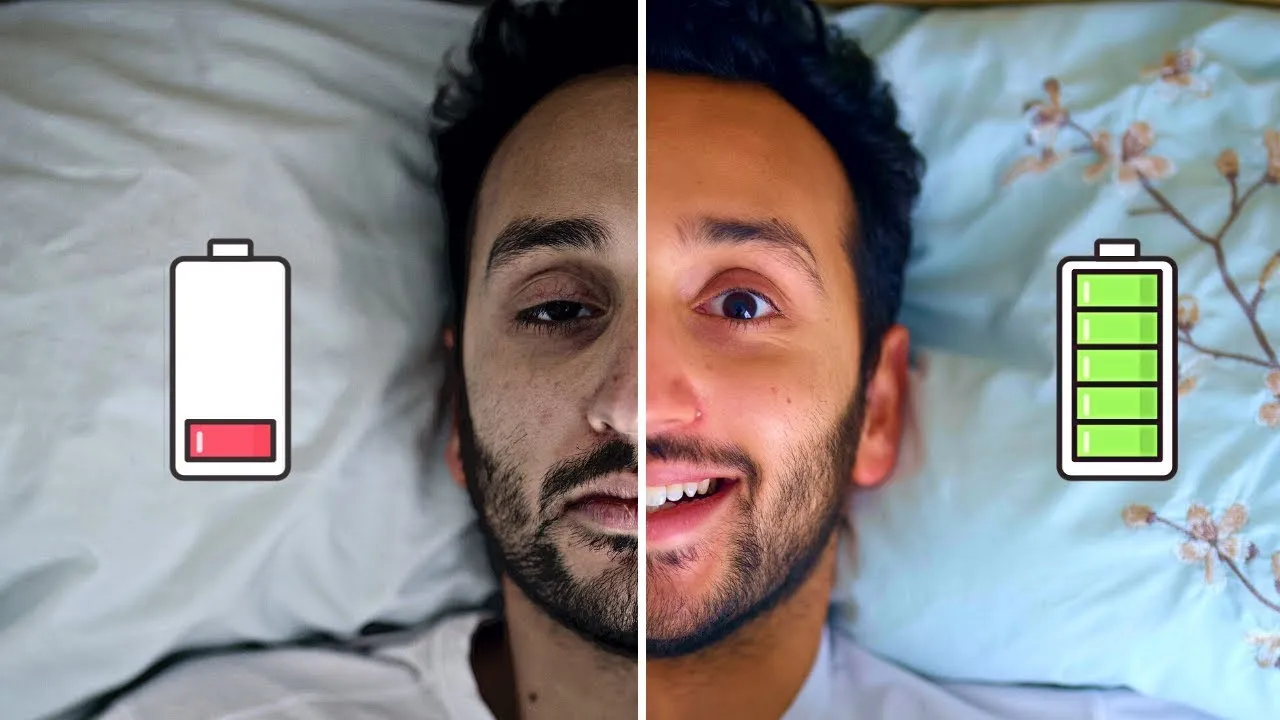


Exposure to bright morning sunlight within the first hour after waking optimizes circadian rhythms by triggering cortisol release and improving alertness during the day while enhancing sleep quality at night; this practice should be done outdoors without sunglasses, with exposure duration varying from 5 minutes on clear days to 20-30 minutes on overcast days, and artificial indoor lights cannot adequately substitute for natural sunlight for this purpose.
Morning Sunlight Exposure for Improved Energy and Sleep
Added:The concept of circadian rhythms and how the suprachiasmatic nucleus (SCN) acts as the brain's master biological clock.
The basic endocrine functions of key sleep-wake hormones, specifically the roles of cortisol in promoting alertness and melatonin in inducing sleep.
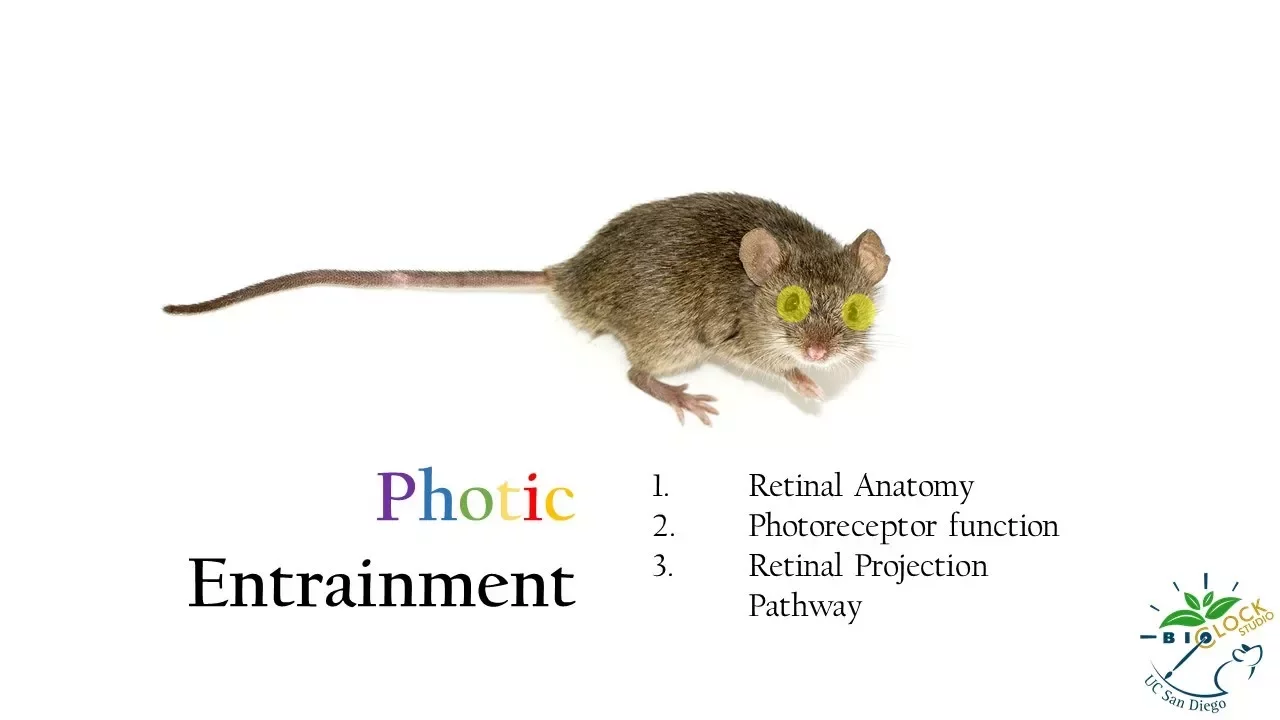
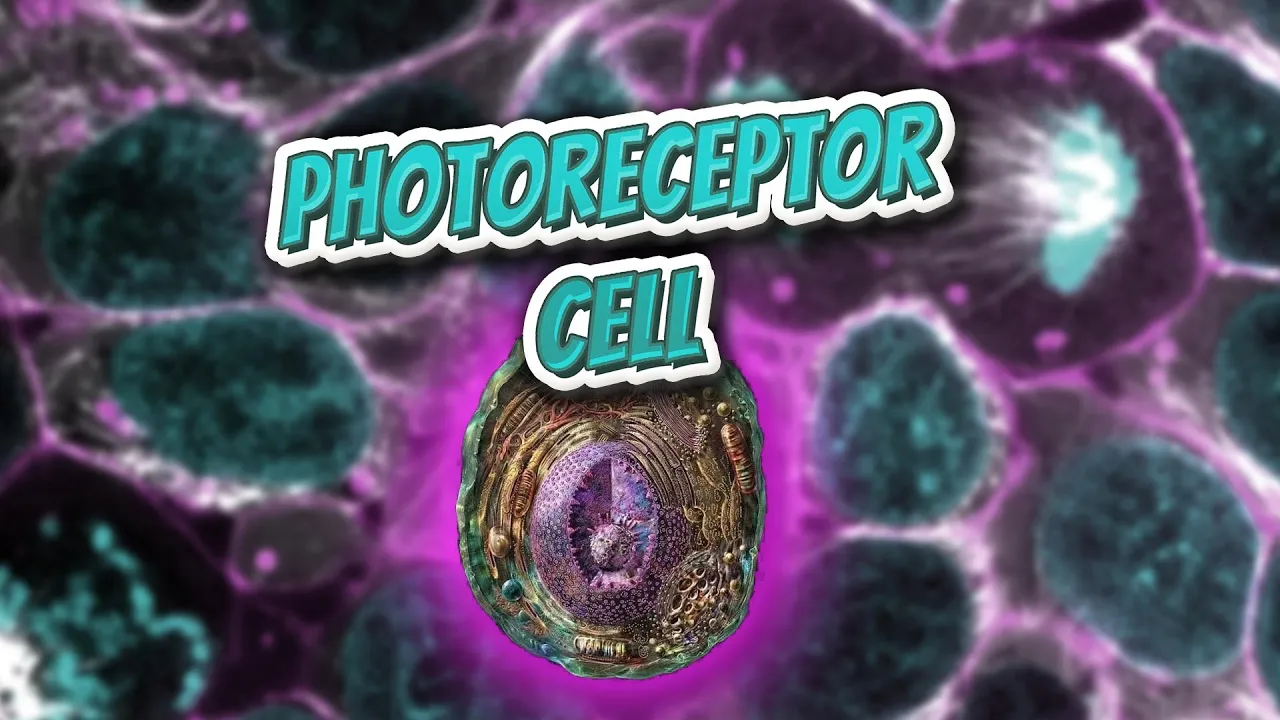
Basic ocular anatomy, particularly how specialized photoreceptors (intrinsically photosensitive retinal ganglion cells, or ipRGCs) transmit light signals to the brain independent of visual image-forming pathways.
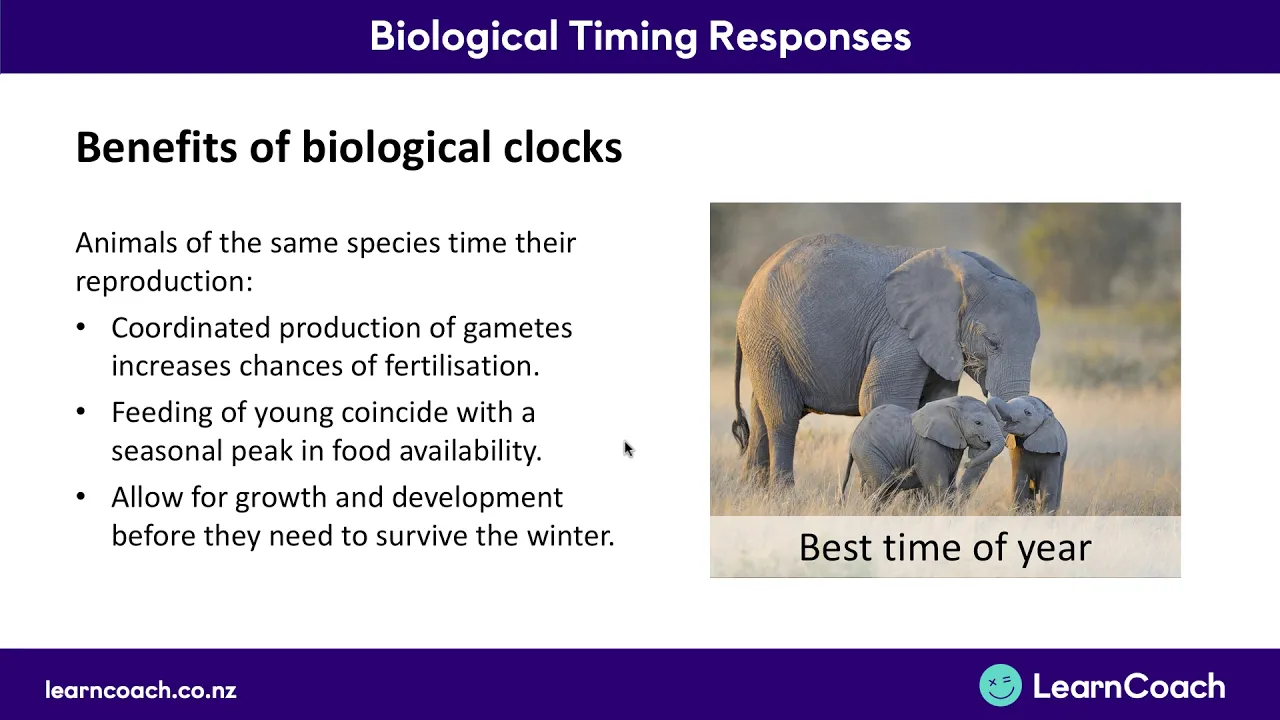
The scientific definition of 'zeitgebers' (external environmental cues) and their general role in entraining biological systems to a 24-hour cycle.
The biological impact of evening artificial blue light exposure on melatonin suppression and the disruption of sleep architecture.
The relationship between the body's core temperature minimum and circadian phase-shifting to optimize sleep onset and natural waking.
Advanced chronobiology principles, such as Phase Response Curves (PRCs), to strategically combat jet lag and shift-work sleep disorder.
The interaction between homeostatic sleep drive (adenosine accumulation) and circadian gating, including the neurobiology of caffeine's effects on alertness.
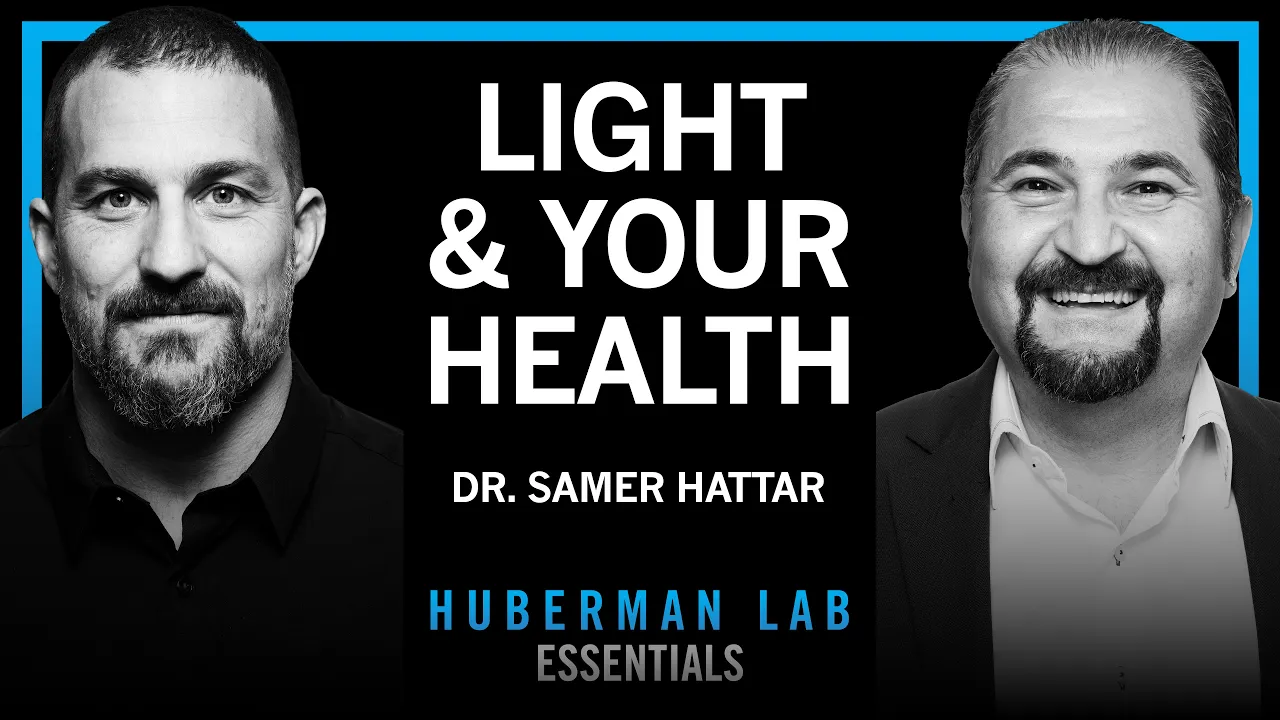
6.6M views147.8Klikes6:32Original Release: 2022-08-10
- I wake up in the morning and I want to reach for my phone, but I know that even if I were to crank up the brightness on that phone screen, it's not bright enough to trigger that cortisol spike, and for me to be at my most alert and focused throughout the day and to optimize my sleep at night.
So what I do is I get out of bed and I go outside, and if it's a bright, clear day, and the sun is low in the sky, or the sun is starting to get overhead, what we call low solar angle, then I know I'm getting outside at the right time.
If there's cloud cover and I can't see the sun, I also know I'm doing a good thing because it turns out especially on cloudy days, you want to get outside and get as much light energy or photons in your eyes.
But let's say it's a very clear day and I can see where the sun is, I do not need to stare directly into the sun.
If it's very low in the sky, I might do that because it's not going to be very painful to my eyes.
However, if the sun is a little bit brighter and a little bit higher in the sky, sometimes it could be painful to look at.
So the way to get this sunlight viewing early in the day is to look toward the sun.
If it's too bright to look at directly, well then don't do that.
You just look toward it, but not directly at it.
It's absolutely fine to blink.
In fact, I encourage you to blink whenever you feel the impulse to blink.
Never look at any light, sunlight or otherwise that's so bright that it's painful to look at 'cause you can damage your eyes.
But for this morning sunlight viewing, it's best to not wear sunglasses.
That's right, to not wear sunglasses at least for this morning sunlight viewing.
It is absolutely fine to wear eyeglasses or contact lenses, so-called corrective lenses.
In fact, those will serve you well in this practice or this tool because they will focus the light onto your neural retina and onto those melanopsin intrinsically photosensitive ganglion cells.
If your eyeglasses or contact lenses have UV protection, that's okay.
There's so many different wavelengths of light coming from the sun and they are bright enough that they will trigger the mechanisms that you want triggered at this early time of day.
So try and get outside, ideally within the first five minutes of waking or maybe it's 15 minutes, but certainly within the first hour after waking.
I want to share with you three critical things about this tool of morning sunlight viewing.
First of all, this is not some woo biology thing.
This is grounded in the core of our physiology.
There are literally hundreds, if not thousands of quality peer reviewed papers showing that light viewing early in the day is the most powerful stimulus for wakefulness throughout the day and it has a powerful, positive impact on your ability to fall and stay asleep at night.
So this is really the foundational power tool for ensuring a great night's sleep and for feeling more awake during the day.
Second of all, if you wake up before the sun is out, you can and probably should flip on artificial lights in your internal home environment or apartment or wherever you happen to live, if your goal is to be awake, right?
If you wake up at four in the morning and you need to be awake, well then turn on artificial lights.
Once the sun is out however, once the sun has risen, then you still want to get outside and view sunlight.
Some of you will wake up before the sun comes out.
And if you're asking whether or not turning on artificial lights can replace sunlight at those hours, unfortunately the answer is no.
Unless you have a very special light, we'll talk about what kind of light, the bright artificial lights in your home environment are not, I repeat, are not going to be sufficiently bright to turn on the cortisol mechanism and the other wake up mechanisms that you need early in the day.
The diabolical twist however is that those lights in your home or apartment, or even on your phone are bright enough to disrupt your sleep if you look at them too late at night or in the middle of the night.
So there's this asymmetry in our retinal, our eye biology and in our brain's biology whereby early in the day, right around waking, you need a lot of light, a lot of photons, a lot of light energy and artificial lights generally just won't accomplish what you need them to accomplish.
But at night, even a little bit of artificial light can really mess up your so-called circadian, your 24-hour clocks and all these mechanisms that we're talking about.
So if you wake up before the sun is out and it's still dark, please turn on as many bright artificial lights as you possibly can or need, but then get outside once the sun is out.
On cloudy days, you especially need to get outside.
I repeat, on cloudy days, overcast days, you especially need to get outside and get sunlight.
You just need to get more of it.
Now, how much light and how much light viewing do you need?
This is going to vary depending on person and place, literally where you live on earth, whether or not there's a lot of tree cover, whether or not you're somebody who has sensitive eyes or less sensitive eyes.
It's really impossible for me to give an absolute prescriptive, but we can give some general guidelines.
In general, on a clear day, meaning no cloud cover or minimal cloud cover, you want to get this sunlight exposure to your eyes for about five minutes or so, could be three minutes one day, it could be seven minutes the next day, about five minutes.
On a day where there's cloud cover, so the sun is just peeking through the clouds or it's more dense cloud cover, you want to get about 10 minutes of sunlight exposure to your eyes early in the day.
And on days that are really densely overcast or maybe even are rainy, you're going to want to get as much as 20 or 30 minutes of sunlight exposure.
Another key thing is, do not forget about just don't try and get this sunlight exposure through a windshield of a car or a window, whether or not it's tinted or otherwise.
It takes far too long.
It's simply not going to trigger the relevant mechanisms, you would be standing there all day trying to get enough light into your eyes from the morning sunlight.
And by then, the sun will have already moved from low solar angle to overhead and it simply won't work for all sorts of mechanisms related to your circadian rhythm functions.
So just don't try and do it through a windshield, sunglasses or a window.
It's just not going to work.
Get outside.
If the weather is really bad or for whatever reason, safety reasons, you cannot get outside, well then I suppose, try and get near a window.
That would be the last, last resort, but you really want to get outside to get the sunlight exposure.
[upbeat music]
Up Next

20:51
20-Minute Non-Sleep Deep Rest Protocol for Mental and Physical Restoration
@HubermanLabClips
2.5M views•2024-04-26

178:38
Whole Brain Architecture: First International Workshop 2024
@thewholebrainarchitecturei9784
640 views•2024-07-22
18:48
Tap Water Safety: Endocrine Disruptors and Filtration Methods
@HubermanLabClips
1.4M views•2023-10-27

1:42
Game of Thrones Opening Credits: A Cinematic Analysis
@gameofthrones
46.3M views•2011-04-18
Related Study Plans & Knowledge Roadmaps
Structured learning paths in General & Interdisciplinary Studies
general-studies
Artificial Light: History, Tech & Human Impact
01The Pre-Electric Era: Fire, Oil, and Gas Lighting
02The Incandescent Revolution and Grid Electrification
03Gas Discharge and Fluorescent Illumination
+ 3 more learning modules
14h6 modules
Explore Roadmap
general-studies
Elevator Engineering: History, Physics & Cities
01From Hoists to Safety Brakes: The Dawn of Vertical Lift
02Hydraulic vs. Traction: The Engineering Physics of Elevators
03Modern Speed, Safety, and Algorithms
+ 2 more learning modules
12h5 modules
Explore Roadmap
general-studies
Rubber: Material Science, History & Geopolitics
01Origins of Natural Rubber & Mesoamerican History
02The Chemistry of Natural Rubber & Vulcanization
03The Geopolitics of the Rubber Boom & Colonization
+ 2 more learning modules
12h5 modules
Explore Roadmap
general-studies
Containerization: Evolution, Logistics & Trade
01Ancient Trade & Bulk Cargo: Amphorae to Barrels
02The Industrial Revolution & Cardboard Packaging
03The Containerization Revolution: Malcom McLean
+ 2 more learning modules
12h5 modules
Explore Roadmap