Section 8 Housing Choice Vouchers are federal subsidies that help low-income families afford housing by covering the difference between market rent and what families can pay (typically 30% of income), allowing them to rent any privately-owned unit meeting health and safety standards, with vouchers being portable across the U.S. but requiring a one-year residency commitment before relocation.
Understanding Section 8 Housing Choice Vouchers: A Guide
Added:Deep Dive
Basic understanding of federal social safety net programs and public assistance in the United States.
Public Assistance
1.3K
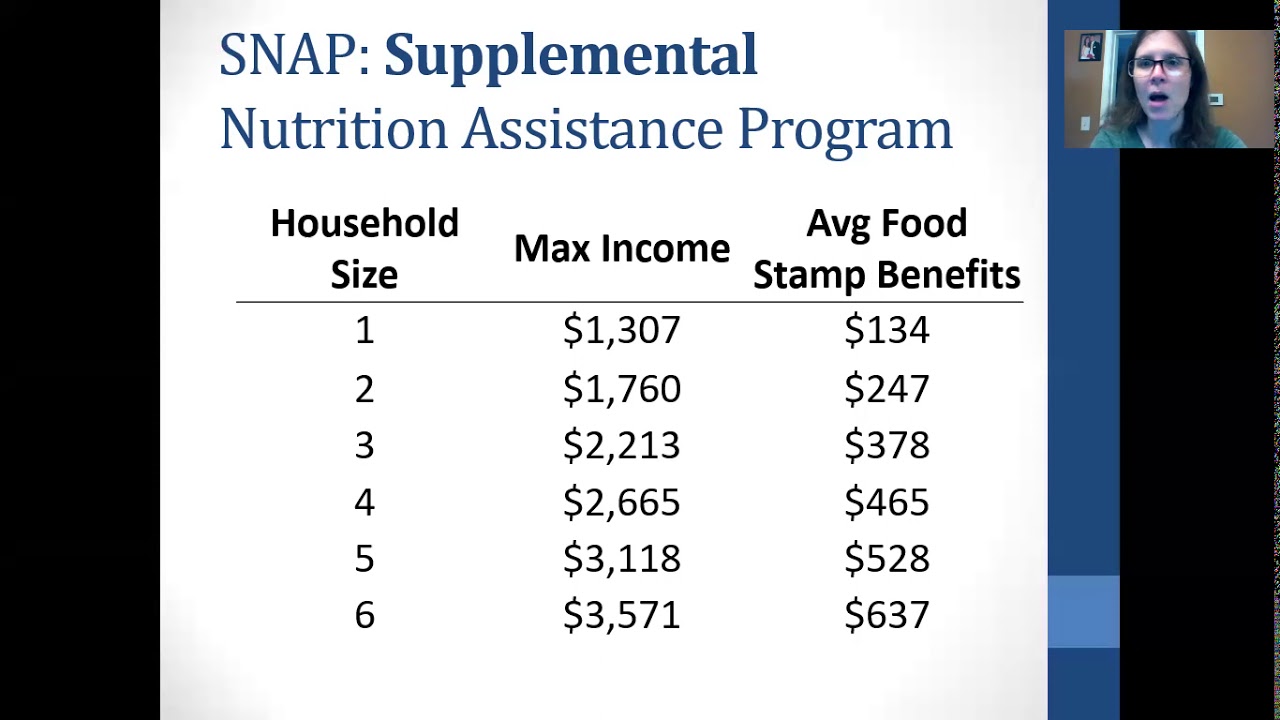
Public assistance programs are government-funded safety nets for low-income individuals, funded by taxpayer dollars rather than payroll taxes. TANF (Temporary Assistance for Needy Families) provides cash assistance and support services to families with children, originally called Aid for Dependent Children (AFDC). Federal funding goes to states, which determine eligibility and benefit duration. Originally focused on cash assistance and job preparation, states now spend only half on core activities. Federal funding has not increased since 1996 despite 30% inflation, resulting in modest $432 monthly benefits. Work requirements and time limits restrict access, with only 20% of children in poverty receiving TANF. SSI (Supplemental Security Income) provides cash assistance to low-income individuals over 65 or with disabilities, averaging $417 monthly. SNAP (Supplemental Nutrition Assistance Program, formerly food stamps) reaches 45 million people annually at $70 billion cost, with eligibility at 130% of federal poverty level and average benefits of $130 monthly, equating to $1.50 per meal.
Click to watch →

module6_1 Safety Net Overview
344
The US federal safety net comprises diverse programs serving different needs. Medicaid provides medical insurance to low-income adults, children, and covers long-term care for impoverished elderly. TANF provides cash assistance to single parent families with children plus job training. EITC offers refundable tax credits to low-income working families. SSI provides cash transfers to disabled or elderly poor. SNAP, school nutrition programs, and WIC provide food assistance. Housing choice vouchers (Section 8) subsidize rent; public housing provides subsidized units where tenants pay ~30% of income. Head Start offers preschool and parenting support. Together with state/local programs and charities, these form a complex interrelated system.
Click to watch →

NGAY BÂY GIỜ Dân Mỹ đứng lên Minh oan cho TT Trump đưa Obama-Pelosi-Joe Biden ra trước tòa Công lý
21.2K
The United States maintains a federal social safety net through several major programs: Supplemental Security Income (SSI) provides approximately $23.9 billion annually to 6.5 million recipients; Medicare provides health insurance for those 65 and older, covering up to 80% of medical costs; Unemployment Insurance provides approximately $21.8 billion weekly to 2.3 million recipients. These programs represent federal commitments to social welfare that require congressional authorization.
Click to watch →

المساعدات الإجتماعية في أمريكا
40.3K
The U.S. government provides multiple social safety net programs for low-income families. Public housing assistance is available to families with children, with allocation based on family size and income, and waiting periods ranging from one to two years. SNAP (food stamps) provides monthly electronic benefits for purchasing food items like bread, vegetables, and meat, but not tobacco or alcohol. TANF offers cash assistance to immigrant families with children from countries like Sudan, Syria, and Iraq. Child Care Assistance helps families where one parent works full-time while the other studies or works part-time.
Click to watch →

Сегодня выборы начинаются в США. А вы думали 5 ноября?
7.3K
The US has extensive social safety net programs providing assistance to vulnerable populations. Approximately 65 million Americans (20% of population) receive government assistance including food stamps, free healthcare, and housing subsidies. Homeless individuals often do not seek assistance because they would not need to if they could access these programs. The system includes food assistance, free healthcare through government programs, and housing subsidies that help people meet basic needs.
Click to watch →
Deep Dive
The concept of Area Median Income (AMI) and how federal income eligibility limits are calculated.

Detroit Is Giving $25,000 to Homebuyers (Here’s How It Works)
876
Area Median Income (AMI) is defined as the midpoint income level for a specific geographic region, calculated by the federal government through HUD. Housing programs use percentages of AMI (such as 30%, 50%, 60%, or 80%) to determine eligibility for assistance programs. For example, many first-time homeowner programs are capped at approximately 80% of AMI.
Click to watch →
The Residences at St. James in Salem, MA - Information Session | Peabody Properties
278
AMI stands for Area Median Income, calculated by the federal government using census data from the greater Boston metropolitan statistical area (including New Hampshire to Quincy and Cambridge). The calculation considers both reported income data and income needed to afford market rents, using whichever figure is higher. This establishes income limits for affordable housing programs.
Click to watch →

#BHeard Docs: Broke Unhousing | How Marginalized Communities Got Locked Out
1.2K
AMI, established under the 1937 Federal Housing Act by HUD, determines eligibility for affordable housing by identifying the median income in geographic areas. Calculated by finding the middle-income person when all incomes are ranked, NYC's AMI includes market rent factors, inflating the figure. In 2022, NYC's AMI was $93,400 while the true median income was $70,000—a $23,000 gap. This disconnect means AMI excludes those who genuinely need assistance. The band structure allows someone earning $90,000 (80% AMI) to qualify for affordable housing while extremely low-income individuals may fall below thresholds, creating perverse incentives where higher-income applicants outcompete those with greater need.
Click to watch →

What is Low Income Housing & The Low-Income Housing Tax Credit (LIHTC) Affordable Housing
3.2K
Income eligibility for LIHTC properties is based on Area Median Income (AMI), which represents the income level that separates the top half from the bottom half of incomes in a given area. Qualified applicants generally must earn less than 60% of AMI. For example, if the area median income is $100,000, qualified applicants would need to earn $60,000 or less annually. The income limit increases for each additional household member, including children, though the increase is relatively small after the first adult.
Click to watch →

The Harris Team - The American Dream
343
Area Median Income (AMI) is the median income level for a specific city or county. Many down payment assistance programs limit borrower income to 80% of the AMI. The PATH program does not have these income restrictions, making it more accessible to a broader range of buyers regardless of their income level relative to the local median.
Click to watch →
Deep Dive
The administrative role of the Department of Housing and Urban Development (HUD) and local Public Housing Agencies (PHAs).
Why Chicago's Worst Public Housing Project became a National Disgrace
599.2K
The U.S. Department of Housing and Urban Development (HUD), established in 1965 under President Johnson, is an administrative division of the U.S. federal government responsible for carrying out government housing and community development programs. HUD ensures equal access to housing and community-based employment opportunities, finances new housing, public housing, and housing rehabilitation projects, ensures mortgages, carries out programs serving the housing needs of low-income and minority families plus the elderly and disabled, protects consumers against fraudulent practices by land developers, ensures the safety of manufactured homes, and defends home buyers against abusive mortgage loan practices.
Click to watch →

092518 -- “HUD Office of Inspector General Report..." (EventID=108736)
891
The Office of Public and Indian Housing operates HUD's public housing program and is responsible for monitoring PHAs and ensuring effective controls are in place. HUD provides approximately four billion dollars in operating subsidies to PHAs annually and about two billion dollars annually for property development, modernization, and maintenance. PHAs are entities authorized by states to be caretakers of public housing funds and trust, with responsibility to properly manage those funds.
Click to watch →

How does the Housing Authority calculate your Rent for Section 8 Housing Assistance Payments (HAP)
2.3K
HUD (U.S. Department of Housing and Urban Development) is a federal agency based in Washington D.C. that establishes and enforces federal housing rules. Local Public Housing Authorities (PHAs) are separate entities—either privately owned or city-owned—that operate locally. Many people incorrectly refer to their local housing authority as HUD, but they are distinct organizations with different responsibilities and oversight structures.
Click to watch →

Demystifying the United States Department of Housing and Urban Development with RHS
712
HUD offers a comprehensive portfolio of housing programs serving communities at multiple levels. Public Housing Authorities (3,300 total) receive HUD funding for direct housing operations. Multi-family housing involves HAP contracts with private owners for 20-year terms. Community Development Block Grants provide entitlement or competitive funding for economic revitalization and homelessness services. Single-family homeownership connects through FHA with independent housing counseling agencies offering services for renters, buyers, and foreclosure prevention. Fair Housing Initiative Programs and Fair Housing Assistance Programs combat discrimination and promote equal opportunity. All programs operate locally through PHAs, CDBG organizations, and approved counseling agencies.
Click to watch →

Legal Help : About Government Housing
395
Public housing is administered by the United States Department of Housing and Urban Development (HUD), which is responsible for providing public housing to individuals throughout the United States. This federal agency oversees the program at the national level.
Click to watch →
Deep Dive
The distinction between project-based assistance (like public housing developments) and tenant-based rental assistance.

Implementing Rental Housing Assistance for Native Hawaiian Housing Block Grant
157
The NHHBG Final Rule created a new section on tenant-based or project-based rental assistance. Tenant-based rental assistance stays with the tenant (e.g., Section 8 housing choice voucher), allowing the tenant to take the assistance to any private landlord. Project-based rental assistance is tied to the housing project, so tenants cannot take the assistance when they move. The regulation defines project-based rental assistance as rental assistance provided through an agreement for use of DPHS property or a contract with the owner of an existing structure, where the owner agrees to lease subsidized units to program participants.
Click to watch →

Project Based Voucher (PBV) tenant briefing
4.2K
The project-based voucher program differs fundamentally from the tenant-based Housing Choice Voucher (Section 8) program. In the tenant-based program, families receive vouchers to select units from private landlords, and the voucher transfers with them when they move. In contrast, the project-based voucher program involves a three-way partnership between the family, landlord, and housing authority where assistance is tied to a specific unit rather than the family. The housing authority enters contracts with specific owners for specific units and maintains site-based waiting lists. Families on project-based vouchers cannot take their assistance with them if they move out, though after one full year of residency, they may request a tenant-based voucher to move if available.
Click to watch →

Section 8 Housing Assistance - Government Housing Programs
1.4K
There are two fundamental types of housing assistance programs: project-based and tenant-based. Project-based housing means the housing authority owns the building, and tenants are essentially held captive in the property. This type often leads to poor living conditions with higher crime rates. Tenant-based housing, in contrast, attaches the subsidy directly to the individual rather than the property, allowing greater freedom to choose where to live. Understanding this distinction is crucial for avoiding predatory project-based placements.
Click to watch →

How to Get Section 8 Immediately – Section 8 Housing Consultant
93.9K
Project-based housing is almost exclusively owned by the housing authority and is often used to contain populations deemed high-risk (such as current drug users, criminals, or prostitutes). The housing authority pulls these individuals into concentrated areas rather than issuing them vouchers that would allow them to live in the broader community. Tenant-based housing, in contrast, is owned by private landlords participating in tax credit programs and is generally more acceptable for high-functioning individuals.
Click to watch →

What is the difference between Section 8 and project based Section 8?
3K
Section 8 housing assistance programs provide rental subsidies to low-income families through two main approaches: project-based Section 8, where subsidies are tied to specific buildings and remain with the property when tenants move out, and tenant-based vouchers, which are portable subsidies that families can use to rent any private housing unit that accepts vouchers. Unlike public housing, which consists of government-owned developments, Section 8 programs work with privately owned and managed rental units. Rent is determined based on family income, typically at 30% of gross income, with the subsidy covering the difference between market rent and affordable rent.
Click to watch →
Prerequisite Knowledge
- Concept 01Basic understanding of federal social safety net programs and public assistance in the United States.
- Concept 02The concept of Area Median Income (AMI) and how federal income eligibility limits are calculated.
- Concept 03The administrative role of the Department of Housing and Urban Development (HUD) and local Public Housing Agencies (PHAs).
- Concept 04The distinction between project-based assistance (like public housing developments) and tenant-based rental assistance.
Subsequent Learning
- Step 01The rights and responsibilities of landlords participating in the Section 8 program, including Housing Quality Standards (HQS) inspections.
- Step 02Source of Income (SOI) discrimination laws and fair housing protections for voucher holders.
- Step 03The mechanics of voucher portability, allowing recipients to transfer their assistance to different jurisdictions.
- Step 04The Section 8 Homeownership Program, which allows qualified families to use vouchers toward purchasing a home.
Housing Crisis
Voucher Rules
Housing Crisis
0:04Playing Section
- 1
Minimum wage workers face unaffordable rents, spending over 60% of income on housing.
- 2
Struggles include eviction risks, shelter stays, and limited job opportunities.
- 3
Section 8 vouchers offer a solution to bridge the gap between income and rent.
Systemic Limitations and Market Barriers of Housing Choice Vouchers
While Section 8 Housing Choice Vouchers aim to provide low-income families with affordable housing, critics and economists highlight significant systemic limitations. First, the program is severely underfunded, leaving millions of eligible families on years-long waiting lists. Second, voucher holders often face widespread 'source-of-income' discrimination, as private landlords frequently refuse to participate in the program due to administrative burdens or bias. This forces voucher holders into high-poverty, under-resourced neighborhoods, undermining the program's goal of economic mobility. Additionally, some housing policy experts argue that demand-side subsidies like vouchers can distort local rental markets and inflate prices without addressing the root cause of the housing crisis: a critical shortage of affordable housing supply. Consequently, critics advocate for alternative approaches, such as direct public housing construction or unconditional cash transfers, to more effectively address housing insecurity.
Deep Dive
The rights and responsibilities of landlords participating in the Section 8 program, including Housing Quality Standards (HQS) inspections.

Section 8 Consulting & Legal Aid Society of Palm Beach Section 8 Landlords (Section 8 Housing)
691
Section 8 landlords must pass Housing Quality Inspections (HQS) to ensure properties meet basic safety and habitability standards, including functional kitchens, bathrooms, heating/cooling systems, and accessible features for disabled tenants; they are protected from discrimination claims under the Fair Housing Act and benefit from guaranteed monthly payments (70% of rent), lower tenant turnover rates (10-20+ years vs. 2-5 years for market-rate tenants), and potential government incentives ($500-$5,000 per lease), making it a financially stable long-term investment despite common misconceptions about problematic tenants.
Click to watch →

Landlord Orientation | Section 8
3.9K
The Section 8 Housing Choice Voucher Program, administered by HackLA (Housing Authority of the City of Los Angeles), provides financial assistance to low-income families for safe, decent, and sanitary housing. Landlords benefit from reliable payments, free property listings, market rate rents, rent increases, free inspections, and access to an owner's portal for managing payments and inspections. The contracting process requires landlords to complete the Request for Tenancy Approval (RFTA) form, providing information about unit readiness, utilities, appliances, and property ownership. All units must pass Housing Quality Standards (HQS) inspections covering exterior, common areas, parking, and interior. Owners are responsible for normal wear and tear, while tenants are responsible for deliberate or accidental damage.
Click to watch →

How to Become a Section 8 Landlord - Section 8 Landlord Requirements
5.2K
Housing Quality Standards (HQS) inspections evaluate units against minimum federal requirements, with standards varying dramatically by county. Payment standards determine maximum allowable rents, but professional landlords can negotiate better rates by engaging directly with housing authority executives. Monthly rents must remain reasonable and cannot exceed payment standards. Large-scale landlords with extensive experience can command better terms than published figures. Understanding both HQS protocols and payment standard negotiations is essential for successful Section 8 operations.
Click to watch →

What You Need to Know About Subsidized Housing
173
The Section 8 Housing Choice Voucher program involves government subsidies where tenants pay only their designated portion of rent while the Housing Authority pays the remainder. Landlords cannot demand more than the tenant's portion or evict tenants solely because Section 8 fails to pay. If Section 8 pays late or fails to pay, tenants are not responsible for late fees. Housing Quality Standards inspections ensure units meet HUD requirements; if the unit fails due to the landlord's fault, Section 8 cannot pay rent, but the landlord cannot evict if the tenant pays their portion. If the unit fails due to the tenant's fault and Section 8 terminates the voucher, the tenant becomes responsible for full rent and can be evicted. Tenants may lose vouchers for program non-compliance, and landlords must provide breach notices to Section 8. Landlords cannot terminate month-to-month leases without valid reasons listed in program requirements.
Click to watch →

Section 8 Webinar w Jay Reulet |Landlords
235
Section 8 landlords must provide decent, safe, and sanitary housing at reasonable rent based on Fair Market Rates, complete Housing Quality Inspections (HQI) to meet federal standards, and comply with Fair Housing Act requirements prohibiting discrimination based on race, color, national origin, family status, and disabilities; landlords can accept Section 8 payments through HAP contracts where PHAs pay 70% of rent while tenants pay up to 30%, and should maintain proper documentation including tenancy addendums, warning records, and annual re-inspections to ensure compliance with HUD regulations and avoid potential legal issues.
Click to watch →
Deep Dive
Source of Income (SOI) discrimination laws and fair housing protections for voucher holders.

Source of Income – Overdue Protections for Voucher Holders and Purchasers with FHA and VA Loans
289
Source of income (SOI) protections prohibit landlords and housing providers from discriminating against tenants based on where their income comes from, such as government assistance programs like Section 8 vouchers, FHA loans, VA loans, or Social Security benefits. Despite the lack of federal housing protections for SOI, 20 states and over 60 cities have adopted local ordinances to address this discrimination. These protections are crucial because the U.S. faces a shortage of 7.4 million affordable renter homes for extremely low-income households, and Michigan specifically has a severe housing cost burden affecting 72% of extremely low-income families. Violations include refusing to rent to voucher holders, requiring income three to four times the rent (which disproportionately affects voucher holders), and steering clients away from areas with voucher holders. Enforcement mechanisms include municipal fines, private right of action, and injunctive relief, with damages potentially including compensatory, non-economic, and punitive damages.
Click to watch →

Commission Business Meeting 3/20/26
215
Source of income discrimination is the practice of denying tenant applications based on lawful income sources such as housing vouchers, alimony, or unemployment benefits, rather than inability to pay rent. The Fair Housing Act does not prohibit this type of discrimination, leaving millions vulnerable. Ohio lacks statewide protections, forcing voucher holders to wait decades for housing while facing discrimination. This disproportionately impacts people with disabilities, families with children, and people of color, confining them to high-poverty neighborhoods with worse health outcomes and educational opportunities. Research shows a 23-year life expectancy gap between neighboring communities just two miles apart. Voucher holders who move to opportunity zones show greater college attendance and higher lifetime earnings. Solutions include tax incentives for landlords accepting vouchers, streamlined approval processes, and fair housing testing to prevent discrimination against protected classes.
Click to watch →

Intra-Community Inequities: Perspectives from Authors of Marginalized in Marginalized Communities
131
Source of income discrimination involves rejecting housing applicants based on their use of public housing subsidies like vouchers. Despite the Fair Housing Act of 1968 protecting against discrimination based on race, color, religion, national origin, sex, disability, and familial status, source of income was never included as a protected category. This creates a proxy for other forms of discrimination since voucher holders are overwhelmingly Black and brown people, disabled individuals, female-headed households, and LGBTQ+ people. Upwards of 90% of Section 8 households are female-headed, and many have disabled members.
Click to watch →

Case Files: Parkoff Testing Alleges Unequal Treatment of Voucher Holders - Episode 53
165
Property management professionals must treat housing voucher holders equally to applicants with employment income, as source of income discrimination is unlawful under New York State and City human rights laws, and inconsistent leasing practices can lead to legal liability; fair housing testing regularly exposes such discriminatory practices, making consistent policies and staff training essential for compliance.
Click to watch →

Sectioned Off: Realities of the Housing Choice Voucher Program
176
Despite the Housing Choice Voucher Program (Section 8) being designed to provide low-income Americans with housing choice and reduce generational poverty since 1974, significant barriers persist including long waiting lists (only 1 in 4 eligible applicants receive vouchers), source of income discrimination despite Illinois' Source of Income laws, and landlord stigma against voucher holders, which continue to limit the program's effectiveness in helping participants achieve socioeconomic mobility.
Click to watch →
Deep Dive
The mechanics of voucher portability, allowing recipients to transfer their assistance to different jurisdictions.
Housing Choice Voucher Program - Briefing Presentation
9K
Portability allows HCV participants to move outside their original jurisdiction (Mobile County) to another Public Housing Authority's jurisdiction. To port, participants must have lived within the original jurisdiction for the last 12 months preceding the request. Participants must be determined income-eligible in the receiving jurisdiction, as each jurisdiction has its own income limits. When porting, participants must follow the policies of the new Housing Authority, including potentially different screening requirements, subsidy standards, and payment standards that may result in a different voucher size.
Click to watch →

How to Transfer a Section 8 Voucher to Another State or County (Section 8 Portability)
22.5K
Section 8 voucher portability allows families to transfer their housing choice vouchers between different PHAs within the same state or across state lines. The process begins by contacting your current housing authority to initiate a Request for Tenancy Approval (RFTA) packet. Most PHAs require a 12-month residency period before allowing portability, though exceptions exist for special circumstances like employment, harassment, or domestic violence. Families must prove valid reasons for moving, such as employment, government benefits, or court judgments. The process typically takes 20-45 days but can be longer due to bureaucratic delays between PHAs. When transferring between states, two processes occur: billing (receiving state charges original state) and absorbing (receiving PHA accepts voucher directly). Families cannot automatically retain previous accommodations; new PHAs re-evaluate all requests. Extension requests are essential since the standard 90-day housing search period is often insufficient. Geographic considerations matter significantly, as voucher value varies dramatically by location cost of living.
Click to watch →

Have Questions? on How to Get Low Income Housing or How to Section 8 Housing (Live Q & A)
808
Section 8 voucher holders can transfer their vouchers between states or counties through a formal portability process. This involves initiating the process with your current case worker, who creates an RTF8 packet and contacts the forwarding housing authority at your desired location. The receiving authority has two options: billing (where the original state sends the bill) or absorbing (where the new state issues a new voucher using their taxpayer dollars). For problematic situations with local housing authorities, porting to an adjacent county can circumvent uncooperative workers while maintaining voucher eligibility.
Click to watch →
Project Based Voucher (PBV) tenant briefing
4.2K
Portability applies to the Section 8 Housing Choice Voucher program, not project-based vouchers. After one full year in a project-based unit, families may request a Section 8 voucher to move. Portability allows taking vouchers to any accepting jurisdiction nationwide, though local rules vary. Voucher size depends on the assisting housing authority's subsidy standards - a single person may receive different voucher sizes in different jurisdictions. When searching for housing, families should consider proximity to schools, workplaces, public transportation, and shopping, as HUD encourages living in low-poverty areas associated with better opportunities and outcomes.
Click to watch →

SHOCKING! What I Found On This Section 8 Apartment Tour
821.1K
Section 8 vouchers are portable, meaning they can be used to rent housing in any location where the voucher is accepted, not just in the original area where the applicant was approved. This portability allows families to move to different cities or neighborhoods while maintaining their housing assistance. However, the video shows that finding landlords who accept vouchers can still be challenging, with the tenant having to call 50 places before finding one that accepts Section 8.
Click to watch →
Deep Dive
The Section 8 Homeownership Program, which allows qualified families to use vouchers toward purchasing a home.

HOW TO BUY A HOUSE WITH YOUR SECTION 8 VOUCHER ANYWHERE IN THE UNITED STATES OR PUERTO RICO
42.7K
The Section 8 Home Ownership Program enables low-income individuals with Section 8 vouchers to purchase homes rather than just rent. Participants can move to any location they choose and buy a home, rather than being restricted to specific public housing locations. The program was created to encourage low-income individuals on public assistance to transition toward homeownership rather than remaining on public assistance indefinitely. When participants pay their rent, a portion is held in escrow toward their home purchase. Eligibility is determined by the Public Housing Authority based on total annual gross income and family size, and is limited to U.S. citizens with certain qualifications for immigrants.
Click to watch →

Section 8 Buying A House- HUD's Homeownership Voucher Program (Expert Advice)
3.5K
The Section 8 Homeownership Voucher Program allows eligible Housing Choice Voucher families to use their voucher to purchase a home, receiving monthly assistance toward their mortgage for up to 15 years; to qualify, families must be first-time homeowners, have no property ownership in the past three years, earn approximately $14,000-$15,000 annually (higher in expensive areas), maintain a minimum FICO credit score of 640, have one year of continuous full-time employment, and complete pre-assistance homeownership counseling, after which they own their home outright with no further housing authority oversight.
Click to watch →

Buy a House with Section 8: The Trick They Don't Want You To Know
43.2K
The Section 8 Housing Choice Voucher (HCV) Home Ownership Program allows eligible Section 8 recipients to use their vouchers to purchase a home instead of renting, providing monthly housing assistance payments for up to 15 years to cover mortgage payments, property taxes, insurance, and other homeownership costs; however, eligibility requires meeting strict criteria including being a first-time homeowner (or qualifying for a disability exception), meeting income requirements ($14,500+ annually for non-disabled households or $1,316+ for disabled households), having stable employment, completing HUD-certified home ownership counseling, and finding a qualifying property within the local Public Housing Authority's jurisdiction that passes inspection requirements.
Click to watch →

How to Buy a House with Section 8 Voucher -Section 8 Homeownership Program Eligibility Requirements
6.2K
The Section 8 homeownership program allows current Section 8 voucher holders to convert their rental voucher into a homeownership voucher, where the public housing agency pays 70% of the monthly mortgage payment while the homeowner pays approximately 30% of their income; to qualify, participants must meet income requirements (typically 30% or less of area median income, with minimum annual income around $14,500), have held their voucher for at least 12 months, not have owned a home in the past three years, and either be employed or have a qualifying disability; additionally, the Family Self-Sufficiency program can match the 30% payment dollar-for-dollar, providing up to $10,000 annually toward down payments and repairs.
Click to watch →

SECTION 8 HOUSING VOUCHER: BUY A HOME 🏡 WITH "NEW" PROGRAM! 🚫 NO DEPOSIT. 🚫 NO CREDIT CHECK! 2023
31.1K
Section 8 housing choice vouchers can be used to purchase homes through programs like NACA (Neighborhood Assistance Corporation of America), which allows qualified applicants to buy homes with no down payment, no closing costs, and no credit requirements, provided they work an average of 30 hours per week for at least one year and have no missed rental or mortgage payments in the past 12 months.
Click to watch →
Housing Crisis
Voucher Rules
Housing Crisis
0:04- 1
Minimum wage workers face unaffordable rents, spending over 60% of income on housing.
- 2
Struggles include eviction risks, shelter stays, and limited job opportunities.
- 3
Section 8 vouchers offer a solution to bridge the gap between income and rent.
Systemic Limitations and Market Barriers of Housing Choice Vouchers
While Section 8 Housing Choice Vouchers aim to provide low-income families with affordable housing, critics and economists highlight significant systemic limitations. First, the program is severely underfunded, leaving millions of eligible families on years-long waiting lists. Second, voucher holders often face widespread 'source-of-income' discrimination, as private landlords frequently refuse to participate in the program due to administrative burdens or bias. This forces voucher holders into high-poverty, under-resourced neighborhoods, undermining the program's goal of economic mobility. Additionally, some housing policy experts argue that demand-side subsidies like vouchers can distort local rental markets and inflate prices without addressing the root cause of the housing crisis: a critical shortage of affordable housing supply. Consequently, critics advocate for alternative approaches, such as direct public housing construction or unconditional cash transfers, to more effectively address housing insecurity.
Basic understanding of federal social safety net programs and public assistance in the United States.
The concept of Area Median Income (AMI) and how federal income eligibility limits are calculated.
The administrative role of the Department of Housing and Urban Development (HUD) and local Public Housing Agencies (PHAs).
The distinction between project-based assistance (like public housing developments) and tenant-based rental assistance.
The rights and responsibilities of landlords participating in the Section 8 program, including Housing Quality Standards (HQS) inspections.
Source of Income (SOI) discrimination laws and fair housing protections for voucher holders.
The mechanics of voucher portability, allowing recipients to transfer their assistance to different jurisdictions.
The Section 8 Homeownership Program, which allows qualified families to use vouchers toward purchasing a home.
160.3K views1.7Klikes2:52@CEDAMvideoOriginal Release: 2014-02-18
This is Renee.
Renee is a veteran who was disabled in the line of duty.
Her injuries aren't too severe, so she is able to work a part time job.
Over here are James and his twins.
James works 40 hours a week at minimum wage.
Lonna had to quit her job after she started having a serious heart problem.
None of these families can reasonably afford a market rate apartment.
Not even James.
Actually, there's almost nowhere in the US where someone working full time at minimum wage can pay for a one-bedroom apartment without spending more than 30% of their income.
So right now James is paying 60% of his income in rent.
Somehow he has to use the rest to pay bills, buy food, and raise his kids.
What happens to Renee, James, and Lonna?
Do they get evicted and lose their jobs, try to live with friends or relatives, stay in shelters and motels during the night?
Maybe.
But maybe they can get a Section 8 Housing Choice Voucher, which will help cover the cost of rent.
Let's focus on James.
James learns about housing vouchers and looks to see if he makes too much money to be able to apply.
His income is very low, so he is eligible.
James submits an application to his local or state Public Housing Authority, but the demand for housing assistance is always very high, and there aren't any vouchers left for James and his kids.
He gets put on a waiting list.
The wait is most often two years.
Two years later James gets a call that a housing voucher is available for him.
James can use his voucher to live in any kind of housing as long as it meets health and safety standards and the landlord agrees to accept the housing choice voucher each month.
The voucher is worth a certain amount of money and James has to pay the difference.
Every month James pays 30% of his income in rent and the voucher covers the rest.
After a year, James decides to move to a city where he can get a better job.
He can move anywhere in the U.S. that has a Section 8 program and his housing voucher will go with him, as long as he works out the details with his current Public Housing Authority before moving.
In most cases James will have to live in an area for a year before moving again.
Sometimes, though, Housing Choice Vouchers are attached to specific housing units, and these are called project-based vouchers.
If James applied for and received a project-based voucher, when he moves away he will lose it.
The next eligible family on the waiting list moves into that housing and gets the voucher.
Those are the basics of the section 8 housing voucher program.
For all of the details and regulations, visit hud.gov.
Practitioners may also find the Public Housing Agencies Toolkit useful at csh.org/phatoolkit.
Up Next

10:49
The Future of Public Housing in US Housing Policy
@CityBeautiful
197K views•2022-07-09

12:54
Triumph of Orthodoxy Icon: Byzantine Art & History Explained
@BenCallan
2.1K views•2024-08-06

9:49
FastAPI vs Flask vs Django: Choosing the Right Python Web Framework
@TechWithTim
302.5K views•2024-05-26

1:42
Game of Thrones Opening Credits: A Cinematic Analysis
@gameofthrones
46.3M views•2011-04-18
Related Study Plans & Knowledge Roadmaps
Structured learning paths in General & Interdisciplinary Studies
general-studies
Elevator Engineering: History, Physics & Cities
01From Hoists to Safety Brakes: The Dawn of Vertical Lift
02Hydraulic vs. Traction: The Engineering Physics of Elevators
03Modern Speed, Safety, and Algorithms
+ 2 more learning modules
12h5 modules
Explore Roadmap
general-studies
Rubber: Material Science, History & Geopolitics
01Origins of Natural Rubber & Mesoamerican History
02The Chemistry of Natural Rubber & Vulcanization
03The Geopolitics of the Rubber Boom & Colonization
+ 2 more learning modules
12h5 modules
Explore Roadmap
general-studies
Containerization: Evolution, Logistics & Trade
01Ancient Trade & Bulk Cargo: Amphorae to Barrels
02The Industrial Revolution & Cardboard Packaging
03The Containerization Revolution: Malcom McLean
+ 2 more learning modules
12h5 modules
Explore Roadmap
general-studies
Textile Tech: Evolution, Labor & Global Impact
01Pre-Industrial Textiles: Handloom & Cottage Industry
02Mechanization: The Spinning Jenny to the Power Loom
03The Factory System & Global Labor Transformation
+ 2 more learning modules
10h5 modules
Explore Roadmap