
















Drug-receptor interactions occur at specific binding pockets on receptor molecules and are mediated by various intermolecular forces including covalent bonding (permanent, irreversible interactions), electrostatic interactions (attractive/repulsive forces between charged particles following Coulomb's law), hydrogen bonding (non-covalent bonds between hydrogen donors and acceptors), van der Waals forces (London dispersion and dipole-dipole interactions), and hydrophobic interactions (driven by the tendency of non-polar molecules to aggregate in aqueous environments to minimize water exposure). These binding forces collectively determine the strength, specificity, stability, and duration of drug-receptor interactions, which are fundamental principles in pharmacodynamics and drug design.
Drug-Receptor Binding Forces in Pharmacodynamics | Key Interactions
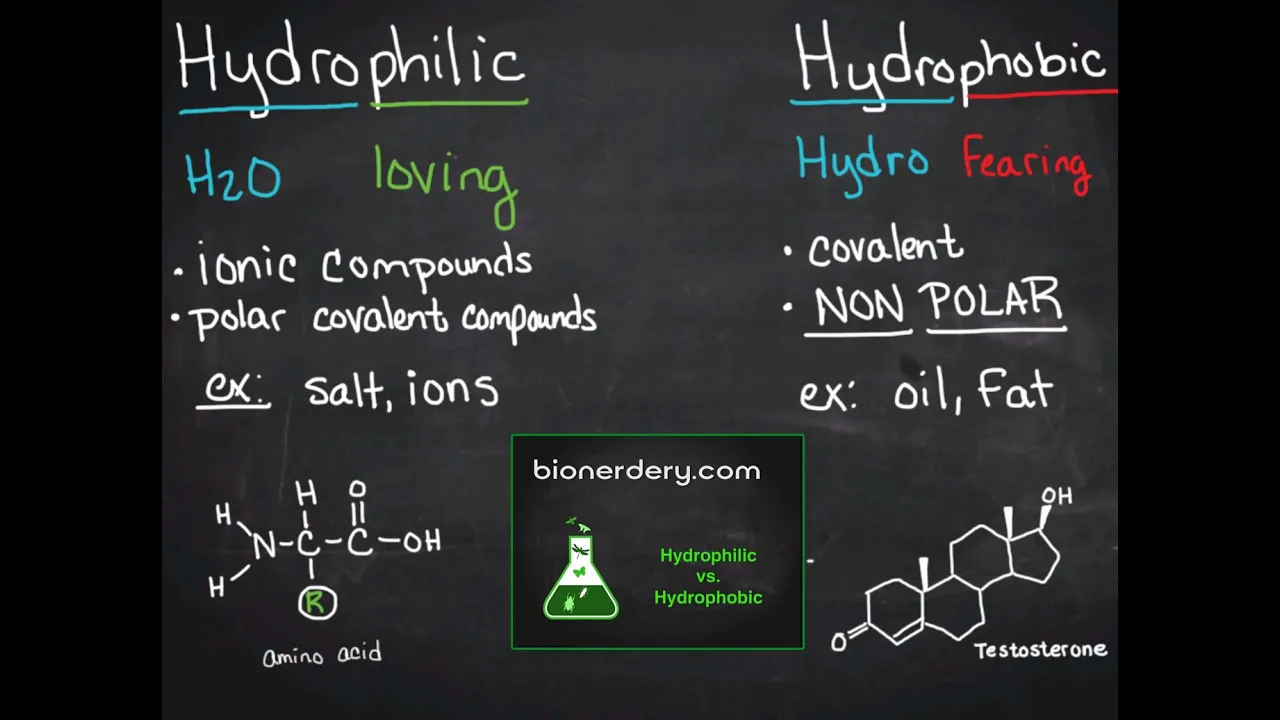
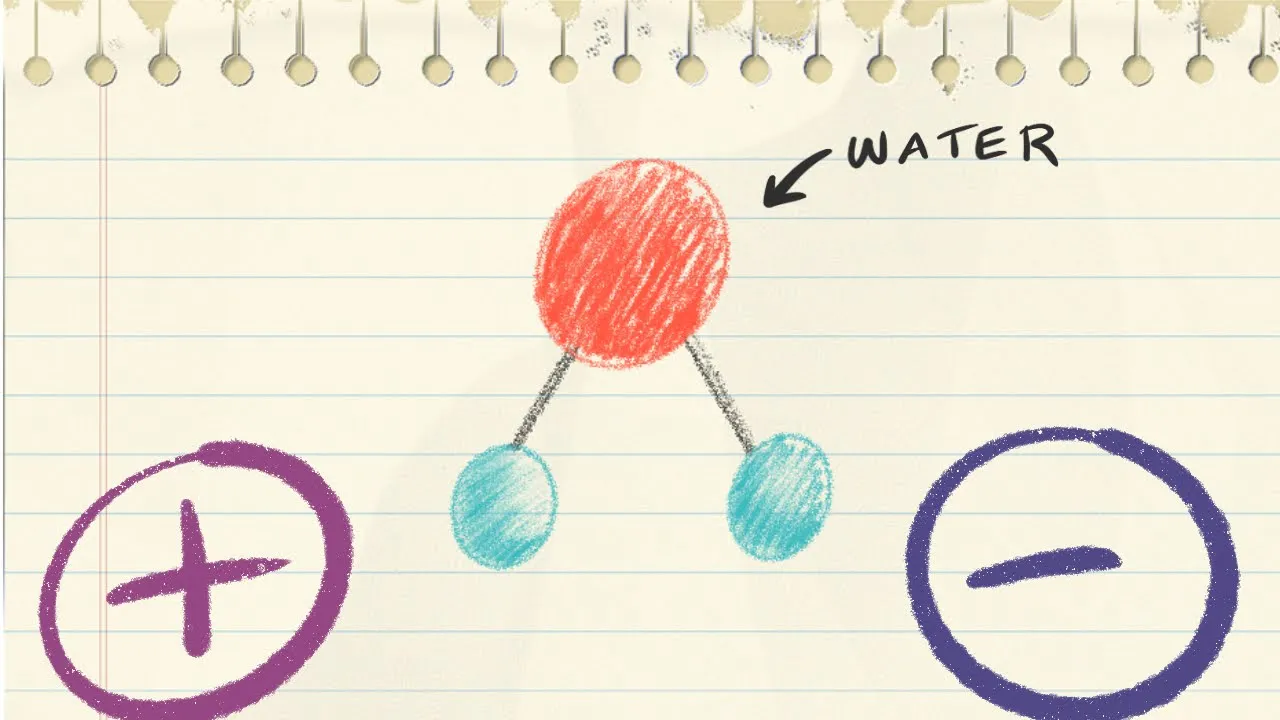
Added:now when a drug interacts with the receptor it binds to a specific site on the receptor molecule typically referred to as the binding pocket or the active side now The Binding of the drug to the receptor is mediated by various intermolecular forces including electrostatic interactions hydrogen bonding vender wall forces and sometimes covalent bonding moving on first we will discuss is covalent bond now the covalent bond formation occurs when the drug molecule possesses a reactive functional group such as electrophile which is electron deficient mu that can interact with the nucleophile which is electron Rich group on the receptor now the interaction between the drug and the receptor involves the transfer of electron pairs resulting in the formation of the covalent bond now note here that I have specified more stable long- lasting interaction because the covalent bond can have significant implications it typically leads to a more stable longlasting interaction between the drug and the receptor compared to other non-covalent interactions covalent bone can withstand the effects of molecular Dynamics and physical forces allowing the drug to remain bound to the receptor for a prolonged duration moreover the formation of a covalent bond can result in irreversible inhibition of the receptor's function by covalently modifying the receptor's active side the drug can permanently block or alter the receptor's activity leading to the desired pharmacological effect now we will consider an example here of Organo phosphate poisoning the Organo phosphorus nerve agents also called as nerve gas has a phosphorus item that reacts with the oxygen atom on the enzyme atile Colin Ray now it contains three amino acid residues crucial for catalytic activity the nerve agent binds to the Serene 20000 the covalent bond formation between drugs and receptor is not always desirable in some cases of Target or unintended covalent interactions can lead to adverse effects and toxic therefore the design and development of drugs that form covalent bonds with their target receptors require careful consideration and optimization to ensure both safety and efficacy the next we have is electrostatic interactions now in the context of drug receptor interaction electrostatic interactions play a crucial role in determining the binding and recognition between a drug molecule and its targate receptor now electrostatic interactions arise from the attractive forces or the repulsive forces between choed particles now let's say this is an example of digitalis within a drug molecule certain functional groups or atoms may carry a partial positive charge also known as the electrophile or a partial negative charge called nucleophile now within the receptor molecule specific amino acid residues may have a Charged side chains such as positively charged lysine or negatively charged glutamic acid now when a drug molecule approaches The Binding side of a receptor electrostatic interactions can occur between these charged regions positively charged regions of the drug can interact with the negatively charged residues on the receptor and vice versa now this interaction is known as column's law which states that the forces of attraction or the forces of repulsion between two charged particles is directly proportional to the magnitude of their charges and inversely proportional to the scale of the distance between them now one specific example of electrostatic interaction in the drug receptor interaction is The Binding of the drug molecule digitalis which is also known as dioxin because it is its active constituent to the sodium potassium atpase receptor now dioxin is a cardiac glycoside used to treat halt failure and celon Al Rhythm disorders it exerts its therapeutic Effects by inhibiting the sodium potassium atpase enzyme which is responsible for maintaining the iron balance in the cic cells Now The Binding of the oxin to the sodium pottassium atpase receptor involves several electrostatic interactions now the drug molecule dioxin contains a positively charged group called a cinic head Group which interacts with the negatively charged residues on the receptor side in particular the negatively charged glutamate residues on the sodium pottassium atpase receptor interact with the kic head group of dioxin through electrostatic interactions now these electrostatic interactions enhance the binding Affinity of dioxin to the sodium potasium atpase receptor facilitating its inhibition of the enzyme now this inhibition leads to increased calcium levels improving cardiac contractility and reducing symptoms associated with the HSE failure now the electrostatic interactions can contribute to the stability of the drug receptor complex and in influence the binding Affinity of the drug if the charges are complimentary and attract each other they can enhance The Binding of the drug to the receptor on the other way around if the charges are repulsive they can hinder The Binding process now let's discuss hydrogen bond now in the context of drug receptor interaction hydrogen bonds are a type of non-covalent interaction that play a significant role in molecular recognition and binding now hydrogen bonds occur when a hydrogen atom covalently bonded to an electro negative atom such as nitrogen oxygen or Florine interacts with a nearby electronegative atom hydrogen bond can form between a drug molecule and its Target receptor when specific functional groups within the drug and the receptor possess hydrogen bond donor and acceptor properties now this is the hydrogen bond donor and this is the hydrogen bond acceptor we'll discuss hydrogen bond donor first now hydrogen bond donor is a group or atom that donates a hydrogen atom often attached to a highly electronegative atom to form a hydrogen bond examples of the hydrogen bond donor groups in the drugs and receptors include hydroxy groups Amino groups and carboxy groups on the other hand a hydrogen bond acceptor is a group or atom at that attracts or accepts a hydrogen atom common hydrogen bond acceptor groups include oxygen nitrogen and Florine now when the drug molecule approaches the receptor hydrogen bonding can occur between the hydrogen bond donor in the drug and the hydrogen bond acceptor in the receptor now the strength and specificity of hydrogen bonding depend on the geometry distance and poity of the interacting atoms now the hydrogen bonds are generally weaker than covalent bonds but stronger than other non-covalent interaction such as wolve forces they contribute to the stability and specificity of drug receptor interaction and providing additional attractive forces between the two molecules now we will discuss an example let's consider the interaction between the drug molecule ibuprofen and its Target receptor the enzyme cyc oxygen is to now ibuprofen is a non-steroidal anti-inflammatory drug commonly used for pain relief and reducing inflammation in this example ibuprofen under goes hydrogen bonding with the cox2 at the Active side of the enzyme now at the Active side there is a Serene residue which is Serene 529 which establishes a hydrogen bond with the ibuprofen carboxy group now the carboxilic acid muy of the ibuprofen acts as a hydrogen bond donor and the oxygen atom within the carboxilic acid group acts as a hydrogen bond acceptor now this oxygen atom forms a hydrogen bond with the hydrogen atom of the Serene residue in the Cox to the hydrogen bond stabilizes the interaction between ibuprofen and cox2 adding in The Binding of drug to its Target now this interaction is important for the inhibitory effect of ibuprofen on the Cox 2 now what it does it prevents that conversion of arconic acid to postra gandin and thereby reducing pain and inflammation now hydrogen bonds can influence various suspects of drug receptor infections they can help Orient the drug molecule uh in The Binding side of the receptor um you know ensuring optimal fit and interaction additionally hydrogen ponding can enhance the selectivity and Affinity of a drug for its Target receptor now next we have is Wendall interactions now Wendall interactions are basically caused by temporary fluctuations in the electron density resulting in the creation of instaneous dipoles now these dipoles induce compliment dipoles in the neighboring atoms or molecules leading to attractive forces known as wolve forces now wonderfall interactions are a type of non-covalent forces basically and and they also help in molecular recognition and binding now there are two types of wall interactions under dispersion forces and dipole dipole interactions now before discussing these two I want to grab your attention to the attributes of the wer wall interactions now the first attribute is they are additive what I'm saying is several intermolecular interactive forces act together to form a Quantified able Force next is they are non-directional like they can attract atoms or molecules from all directions the next is they are weaker than ionic and calent chemical bonds now they act only for a short range the interaction is significant when molecules are positioned you know closer now they are independent of temperature except the dipole dipole interactions now we will discuss London dispersion forces now London dispersion forces are intermolecular forces that occur between two atoms or two non-polar molecules due to the motion of electrons now an atom consist of a nucleus and electrons that move in orbits at any time the electrons can cluster around one part of the atom as a result the atom becomes negatively charged at one end and positively charged at the other end resulting in instantaneous dipole now this weak and temporary dipole then influences neighboring atoms through electrostatic attraction and repulsion now this induced dipoles are attracted to one another the strength of the dispersion forces increases as you know the number of atoms increases or the chain increase now examples include helium chlorine and carbon tetrachloride next we have is dipole dipole interactions now the dipole dipole interactions or dipole dipole forces arise because of the electric polarization induced particles they are similar to the London dispersion forces but they occur in molecules that have a permanent dipole here the negative end of a polar molecule attracts the positive end of another polar molecule now this attraction between these two molecules is known as dipole dipole for forces now hydrogen bonding is also a part of dipole dipole Force example include water and hydrogen chloride which is HCl now wender wall interactions are important in the drug receptor interaction because they contribute to the overall stability and binding Affinity between the two molecules the Wendall interactions also contribute to the size shape and distribution of electron density now this helps uh you know in the drug design researchers can optimize The Binding affinity and selectivity of the drug for its intended like Target receptor next we have is hydrophobic interactions now the hydrophobic interaction is a phenomenon that occurs when a non-polar molecule or a hydrophobic region of the molecule come together in an aquous environment it is driving force behind the behavior and the organization of many biomolecules such as proteins nucleic acids and lipid membranes now let's say this is a apolar particle now what this when it comes in contact with the water which is a polar molecule you know meaning it has a partial positive charge on one end and a partial negative charge on the other end when this non-polar molecule or the hydrophobic region come into the contact with water they disrupt the hydrogen bonding Network formed by the water molecules and water molecules must rearrange themselves around you know apolar particle now this apolar particle then Aggregates and makes a clump together this behavior is known as hydrophobic effect now the non-polar molecules effectively exclude water from their vicinity creating a local decrease in the systems free energy now this hydrophobic effect is crucial in many biological processes for example it plays a significant role in folding of proteins hydrophobic amino acid residues tend to Cluster together in the protein core away from the surrounding Aquis environment this hydrophobic core stabilizes the protein's three-dimensional structure by minimizing the unfavorable interactions between hydrophobic residues and water molecules now in addition to the protein folding this the hydrophobic effect also influences the self assembly of the lipid molecules in the cell membranes you know lipids which have a hydrophilic heads and the hydrophobic Tails spontaneously form biolayers in the aqua Solutions now the hydrophobic tail of the lipid face inward shielded from the water while the hydrophobic head interacts with the surrounding water molecules now one well-known example is the interaction between the drug molecule diip Pam commonly known as fium and the Gaba receptor now diam is you know a drug uh benzo diine drug that is used as a sedative and angiolytic it binds to a specific site on the goba receptor which is a lien gated chloride iron Channel Now The Binding side on the Gaba receptor has a hydrophobic pocket now this is this circle is the hydrophobic pocket now this hydrophobic pocket is formed by a group of amino acids with non-polar side chains now when diip Pam enters the vicinity of the Gaba receptor its hydrophobic region interacts with the hydrophobic pocket on the the receptor now this interaction is driven by hydrophobic effect which is the tendency of hydrophobic molecules to aggregate in the water to minimize their exposure to the surrounding polar solvent now the hydrophobic interactions between the diip Pam and the receptor stabilizes The Binding of the drug to the receptor enhancing its affinity and allowing it to excert its pharmacological effect now the hydrophobic interaction between the daip and the receptor uh stabilizes The Binding of the drug to the receptor enhancing its affinity and allowing it to exalt its pharmacological effects now this hydrophobic interaction also contribute to the selectivity of the diip Pam through the goba receptor other let's say any other drug comes it cannot bind to the Gaba receptor because it will not have that hydrophobic pocket diip Pam only binds to the Gaba receptor because it has a hydrophobic region and the Gaba receptor has hydrophobic pocket so um this is you know highly selective for the amino acids arrangement in that region now that was all for today keep following sca.com for more such videos in the future and please don't forget to download our app on the Android Google Play or the Apple App Store from medical students to seasoned professionals scardia doccom offers engaging and dynamic content for your educational Journey [Music]
Up Next

Volume of Distribution Explained: Pharmacokinetics Made Simple
@pharmacologytutorials
42.9K views•2017-04-04

Graphic Medicine: Comics for Collaborative Healthcare Communication
@nationalpatientadvocate
189 views•2023-12-04

Neuroanatomy: Central and Peripheral Nervous System Divisions Explained
@AKLECTURES
136.2K views•2014-09-20
Stages of Labor and Vaginal Birth | Childbirth Animation
@nucleusmedicalmedia
52.1M views•2017-08-18
Related Study Plans & Knowledge Roadmaps
Structured learning paths in Medicine