



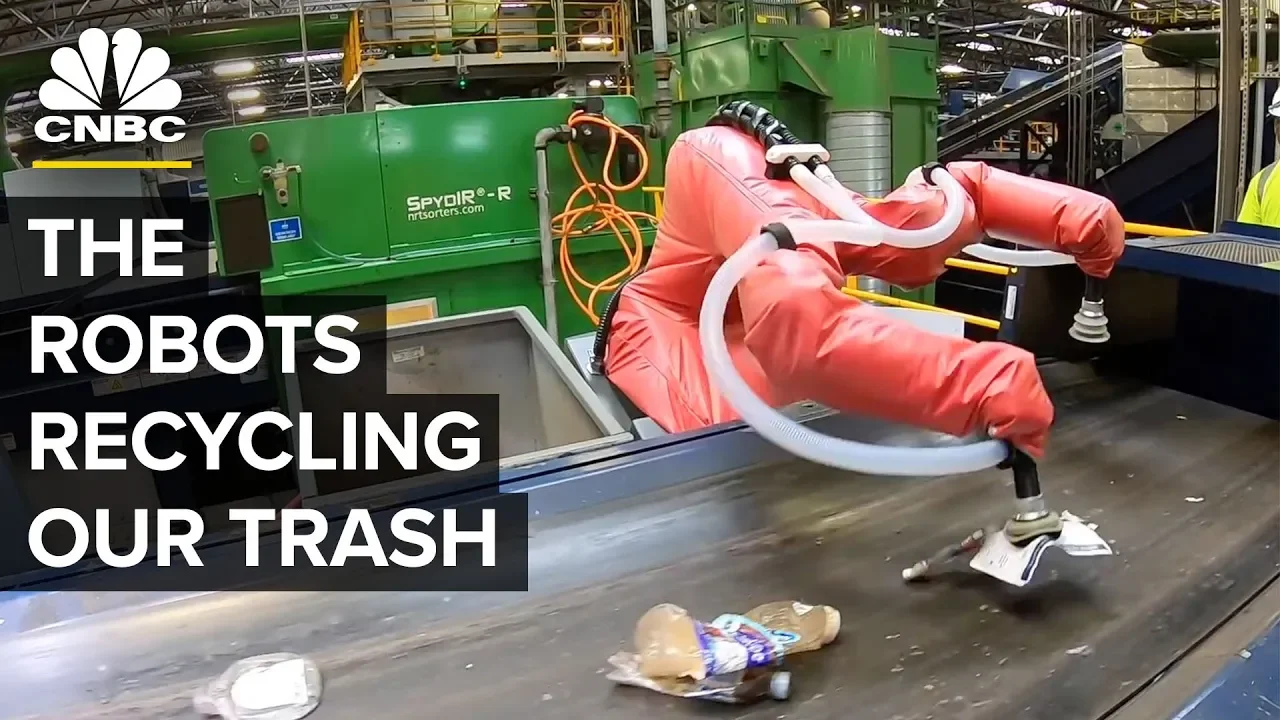













Materials Recovery Facilities (MRFs) use a combination of mechanical sorting systems (spinning discs, screening machines, ballistic screens, electromagnets) and human workers to separate recyclables into categories like cardboard, glass, paper fibers, different types of plastics, ferrous metals, and aluminum, which are then baled and sold to manufacturers for reuse in new products.
How Recycling Works: Inside the Materials Recovery Facility | MRF Sorting Process
Added:Basic material classification and properties of common recyclables, including the identification codes of plastics (PET, HDPE, etc.) and the difference between ferrous and non-ferrous metals.
The operational difference between single-stream and multi-stream waste collection systems.
Fundamental physical science principles of sorting, such as gravity separation, magnetic attraction, and optical spectroscopy.
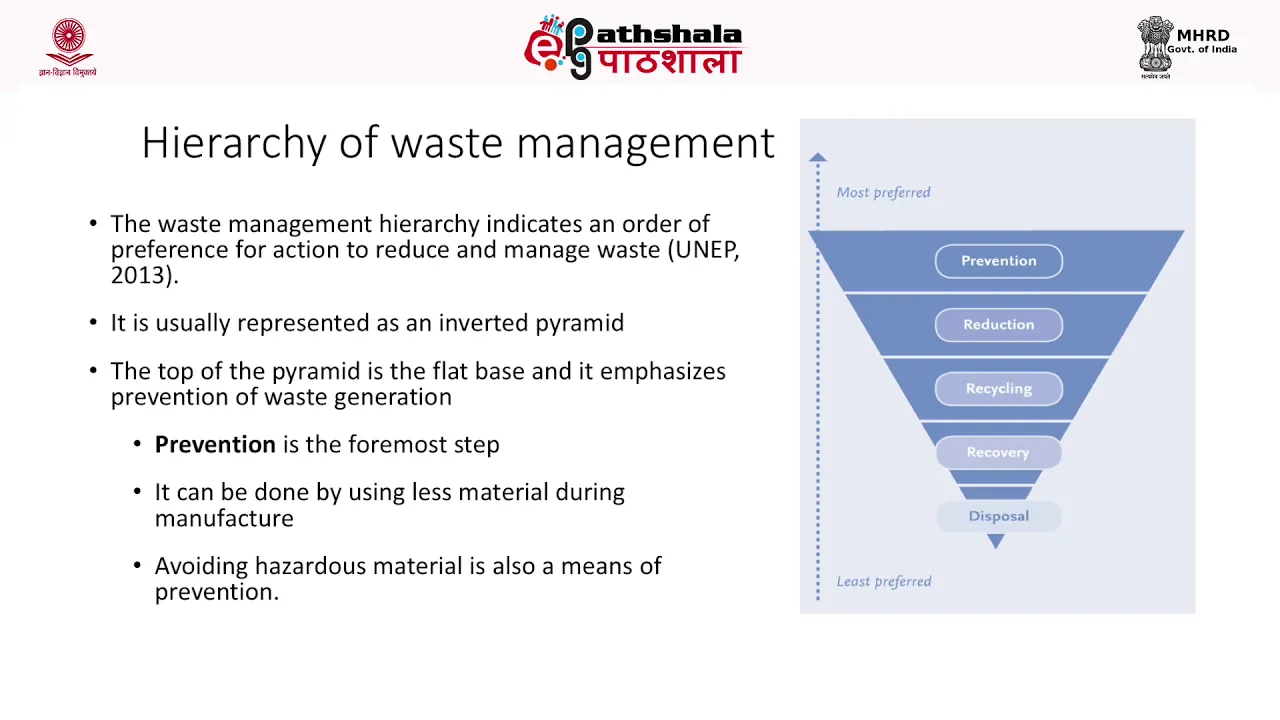
The position of recycling within the broader Waste Management Hierarchy (Reduce, Reuse, Recycle, Recovery, Disposal).
The post-MRF reprocessing stage, focusing on how sorted and baled materials are mechanically or chemically processed into new raw materials.
The principles of 'Design for Recycling' (DfR) and how product and packaging design decisions impact MRF sorting efficiency.
The economics of global scrap commodity markets, including the financial viability of MRFs and the impact of international import standards.
The thermodynamic and physical limitations of recycling, such as material degradation (downcycling) and contamination thresholds.
Life Cycle Assessment (LCA) methodologies used to evaluate the net environmental and energetic benefits of recycling versus virgin material production.
253.8K views1.5Klikes6:29Original Release: 2015-07-21
Your blue bin - think it's just another place to put your household waste?
Think again. The things you put in this blue bin are actually valuable resources that are about to embark on an amazing journey we call recycling.
[Music] [Containers rattling] [Music] This plastic bottle -- when it falls into the bin -- it's about to take a magic carpet ride to a new life.
It could become another bottle or something like this fleece.
[Truck engine revving] This is the first stop on the journey: CSWD's Materials Recovery Facility, or MRF for short.
Thanks to you, more than 80 million pounds of recyclables are processed in this building each year. They go through a wild series of spinning discs, speeding conveyor belts, whirling magnets... it's sort of like a Willy Wonka factory for recyclables.
When they come out the other side, they're shipped off to market to be made into new products.
[Uptempo beat] Trucks come into this building. We call it the tip floor.
That's because this is where trucks literally tip their recyclables out onto the floor.
[Containers rattling] It can look like quite a mess, but that's only because the MRF hasn't worked its magic yet.
Another machine -- a skid steer or a loader -- pushes it all onto the first conveyor belt, where it heads up the hill and into the pre-sort room.
The pre-sort room is where the first line of workers take off bags of shredded paper for special handling.
They also take out items that made it into your bin by mistake, like styrofoam, plastic bags, and hazardous materials.
It takes concentration and quick hands, but it's important to get these contaminants out now.
Contaminants lower the value of recyclables and they can get caught into the machinery or even injure workers.
[Recyclables clattering] Cardboard is the first material to be sorted.
A screening machine with spinning disks pulls off big pieces of cardboard while everything else drops through it onto a conveyor below.
After the cardboard, glass is next.
Your recyclables go through something called a bottle breaker, which does exactly what it sounds like.
It crushes glass into small pieces.
That crushed glass falls through a screen onto its own special conveyor.
The rest of your recyclables are still on the move.
They're heading for two more sorting screens.
We call paper -- like newspaper and office paper -- fibers.
These items float on top of the screens, while containers -- like plastic bottles and metal cans -- bounce down the hill.
The fibers head for a conveyor where workers pull out boxboard and cardboard for separate recycling.
And they pull off any trash that might have sneaked by the first steps.
The plastic and metal containers are headed for a special machine called a ballistic screen, whose rows of paddle arms weed out any leftover fibers and drop the containers onto their own conveyor.
[Recyclables rattling] The workers on the next line are looking for plastic containers like jugs, tubs, and bottles.
These plastics may end up as plastic or composite lumber, bottle caps, or even fleece sweaters.
Each worker on this line is looking for a different type of plastic to sort and each type of plastic needs to be kept separate.
That's because every type of plastic is different.
Companies that buy the kind of plastic used in water and soda bottles, for example, don't want other plastics.
The color of the plastic can also make a difference.
A colorless plastic milk jug is worth more because it can be made into more things than one that has been colored orange or blue.
Next up, metal.
Ferrous metals, or metals with iron in them, are in for a fun ride as they pass under a high-powered electromagnet, which lifts them off the conveyor and drops them down a chute into a bunker below.
The last sorter on the line is looking for aluminum.
Aluminum cans, aluminum pie pans, big balls of aluminum foil.
And those products will be recycled into just about any other product you can think of made of aluminum.
Aluminum siding, engine parts, or another aluminum can.
[Can rattles] After all the paper, plastics, and metal are sorted out, they're each baled into giant cubes that weigh up to 1,700 pounds apiece.
These bales will be loaded onto tractor-trailer trucks and sold to companies that will recycle them into new products.
These bales are worth a lot of money.
Some are worth 30 dollars, some are worth more than 700 dollars.
Each year, the MRF sells an average of 4 million dollars worth of recyclables.
But wait, we're not done yet.
Remember that bottle breaker? Well that broken glass took an exciting trip of its own, past vacuums, fans, and magnets that picked out any paper, plastic, or metal bits that may have gotten mixed in.
The glass then goes through a spinning cylinder called a trommel and the end product is used in road building projects and in drainage projects.
That's the end of this part of the amazing journey we call recycling.
If you were a newspaper or a plastic bottle, your journey would have taken you only a half an hour from door to door.
If you ever have a question about what you can recycle in Chittenden County, check out our A to Z list on cswd.net or give us a call at (802) 872-8111.
Thanks for joining us and your recyclables on this amazing journey.
Remember, recycle right so the equipment and people at the MRF can do their job as effectively and safely as possible.
[Gentle, upbeat guitar music]
Up Next

66:42
The Water Crisis: A Living Study of Infrastructure Attacks
@LogicBeforeAuthorityOFFICIAL
15.9K views•2022-08-18

12:54
Triumph of Orthodoxy Icon: Byzantine Art & History Explained
@BenCallan
2.1K views•2024-08-06

9:49
FastAPI vs Flask vs Django: Choosing the Right Python Web Framework
@TechWithTim
302.5K views•2024-05-26

1:42
Game of Thrones Opening Credits: A Cinematic Analysis
@gameofthrones
46.3M views•2011-04-18
Related Study Plans & Knowledge Roadmaps
Structured learning paths in General & Interdisciplinary Studies
general-studies
Elevator Engineering: History, Physics & Cities
01From Hoists to Safety Brakes: The Dawn of Vertical Lift
02Hydraulic vs. Traction: The Engineering Physics of Elevators
03Modern Speed, Safety, and Algorithms
+ 2 more learning modules
12h5 modules
Explore Roadmap
general-studies
Rubber: Material Science, History & Geopolitics
01Origins of Natural Rubber & Mesoamerican History
02The Chemistry of Natural Rubber & Vulcanization
03The Geopolitics of the Rubber Boom & Colonization
+ 2 more learning modules
12h5 modules
Explore Roadmap
general-studies
Containerization: Evolution, Logistics & Trade
01Ancient Trade & Bulk Cargo: Amphorae to Barrels
02The Industrial Revolution & Cardboard Packaging
03The Containerization Revolution: Malcom McLean
+ 2 more learning modules
12h5 modules
Explore Roadmap
general-studies
Textile Tech: Evolution, Labor & Global Impact
01Pre-Industrial Textiles: Handloom & Cottage Industry
02Mechanization: The Spinning Jenny to the Power Loom
03The Factory System & Global Labor Transformation
+ 2 more learning modules
10h5 modules
Explore Roadmap