

![The History of Mexico in 16 Minutes [Old Video]](https://i.ytimg.com/vi/SRKkik4QYkU/maxresdefault.jpg)




















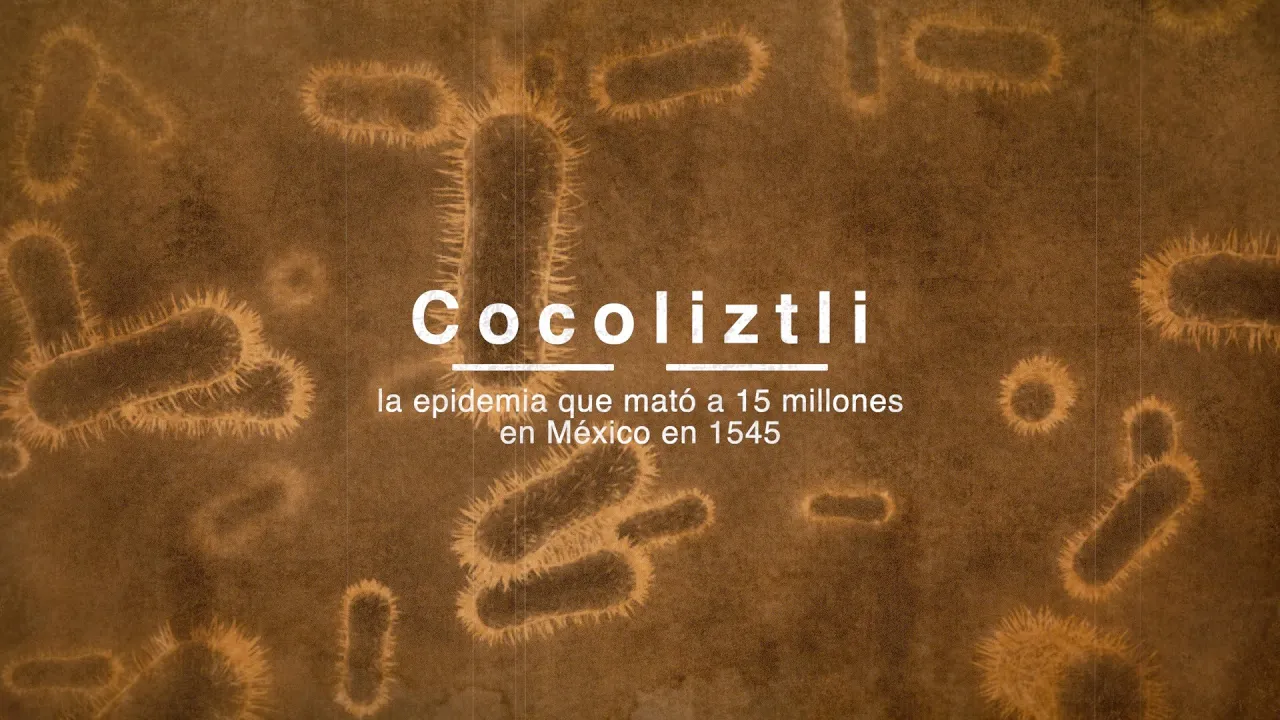








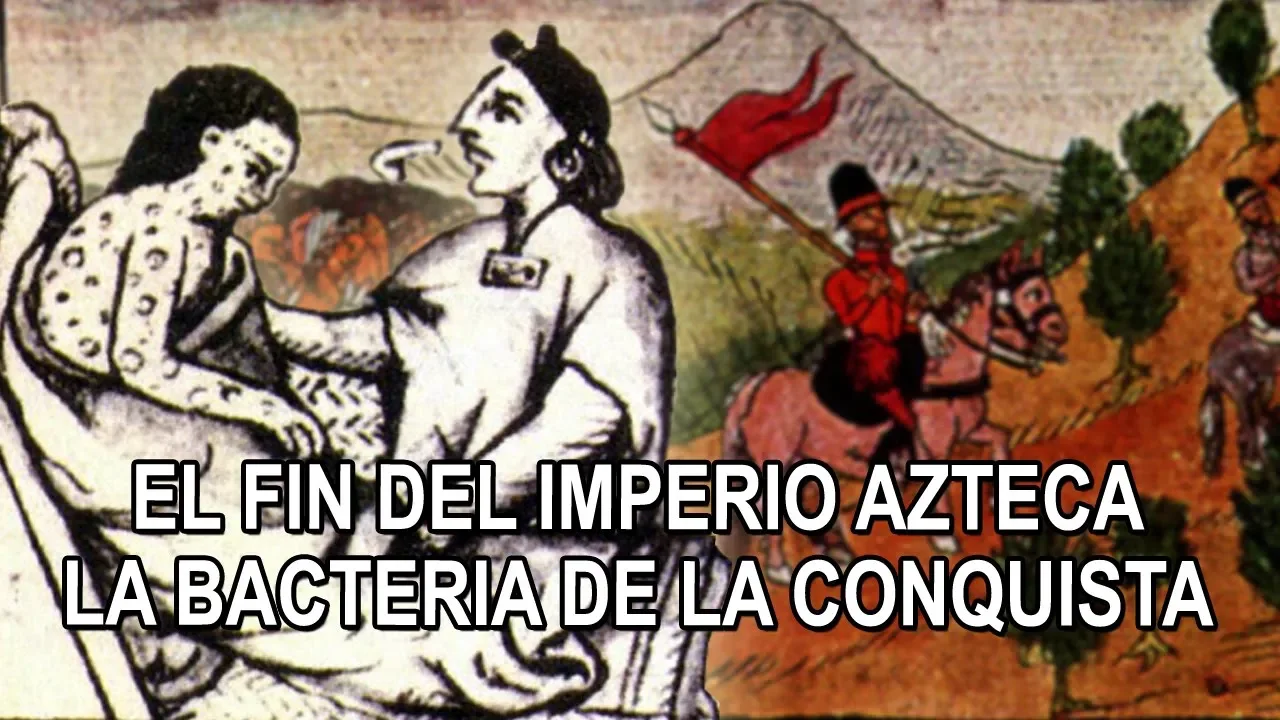
Recent DNA analysis of Aztec skeletal remains has revealed that the devastating cocoliztli epidemic (1545-1550) that killed 5-15 million Aztecs was caused by a strain of salmonella called Paratyphi C, likely introduced by European colonizers; this bacterial infection, combined with climate conditions and other diseases like smallpox, contributed to the collapse of the Aztec civilization.
Cocoliztli Mystery: Salmonella Behind Aztec Epidemic?
Added:Basic understanding of the Spanish conquest of the Aztec Empire and the subsequent demographic collapse of indigenous Mesoamerican populations.
Fundamentals of microbiology, specifically the differences between bacterial pathogens (like Salmonella) and viral pathogens.
The concept of ancient DNA (aDNA) analysis and how genetic material can survive and be extracted from archaeological remains like teeth.
Introduction to epidemiological concepts, such as 'virgin soil epidemics' and how diseases spread through immunologically naive populations.
Advanced methodologies in paleogenomics, specifically metagenomic sequencing techniques (like MEGAN Alignment Tool) used to screen ancient samples without prior targeting.
Comparative historical epidemiology, examining how the 1545 Cocoliztli epidemic differs in pathology and societal impact from other historical pandemics like the Black Death.
The socio-economic and cultural impacts of the 16th-century demographic collapse on the reorganization of Spanish colonial Mesoamerica.
Ethical and methodological challenges in bioarchaeology, particularly regarding the destructive analysis of indigenous ancestral remains for scientific research.
368.8K views10.9Klikes11:37Original Release: 2022-03-09
For hundreds of years, researchers have puzzled over the enigmatic illness that swept through the Aztecs in the mid-16th century.
It's long been assumed that the Aztecs were one of many central American groups to be wiped out by European diseases like smallpox or measles.
However, recent DNA testing has unearthed new evidence about what really went down, epidemiologically speaking.
So today we're going to take a look at the mysterious disease that nearly wiped out the Aztecs.
But before we get started, be sure to subscribe to the Weird History channel.
After that, we'd be much obliged if you would leave a comment and let us know what other historical mysteries you would like to hear about.
OK, let's head back in time to a very different America.
From approximately 1300 to 1521, the Aztecs lived in flourished in the area that today is central Mexico.
The empire started as a confederation of three city-states: Tetzcoco, Tlacopan, and Tenochtitlan, and included various different ethnic groups, most of whom spoke the Nahuatl language.
Aztec culture revolved around a social division between the nobility, pipiltin, and commoners, known as macehualtin.
Religious life featured a pantheon that included gods like Quetzalcoatl, Tezcatlipoca, and Tlaloc, while day to day life included activities like maize cultivation and a calandric system that had 365 days.
The Aztecs even had an equal educational system that provided instruction to girls as well as boys, although each group was instructed in different topics according to their gender.
Basically the ancient Aztec equivalent of splitting kids up between shop class and home ec.
Weird History regulars who saw our video on Aztec hygiene might also remember that the Aztecs had an impressive dedication to cleanliness and purity, derived from cultural traditions tracing back to their Olmec, Mayan, and Toltec predecessors.
The Aztec Empire would reach its zenith in 1519, when they first made contact with a group of Spanish conquistadors led by Hernan Cortez, and things were pretty much all downhill from there.
Cortez is that guy who shows up to the club 10 minutes before last call and just ruins the night for everybody.
In the years spanning 1519 to 1520, the Aztecs faced a smallpox epidemic that claimed five to eight million lives.
But sadly, that would only be the start of their troubles.
Things would get particularly bad in the years 1545 to 1550 when the civilization experienced a deadly outbreak of disease that killed anywhere from 5 to 15 million people.
The Aztecs called the disease cocoliztli, which means pest in the Nahuatl language.
Pest?
Feels like they could have used a stronger word.
No need to take it easy on the plague, fellas.
The destructive disease was lethal in a matter of three or four days.
Victims ran a high fever and then bled from the eyes, nose, and mouth.
As we mentioned, about 15 million Aztecs succumbed to the disease over the course of five years.
To put that number in perspective, 20 million people died from the Bubonic Plague in just under a decade.
While these numbers seem roughly comparable at first, consider that the Black Death spanned the entirety of Europe, where the 15 million who lost their lives to this disease were all concentrated in Mexico.
That's one potent bug.
As if that wasn't catastrophic enough, a second epidemic of the same disease struck between 1576 and 1578, wiping out an additional 2 to 2 and 1/2 million people, which would have constituted about 50% of the remaining native population at the time.
Those who survived would then face eight smaller outbreaks over the next six decades.
Cocoliztli was more tenacious than Duolingo notifications when you miss a lesson.
For many years, scientists have been trying to determine what exactly cocoliztli was and how it toured through the Aztecs in such a relatively short period of time.
Theories have included everything from Ebola to one of the many diseases carried across the Atlantic by Spanish explorers.
After all, they carried pestilence around with them like luggage.
In January 2018, however, researchers made an interesting discovery.
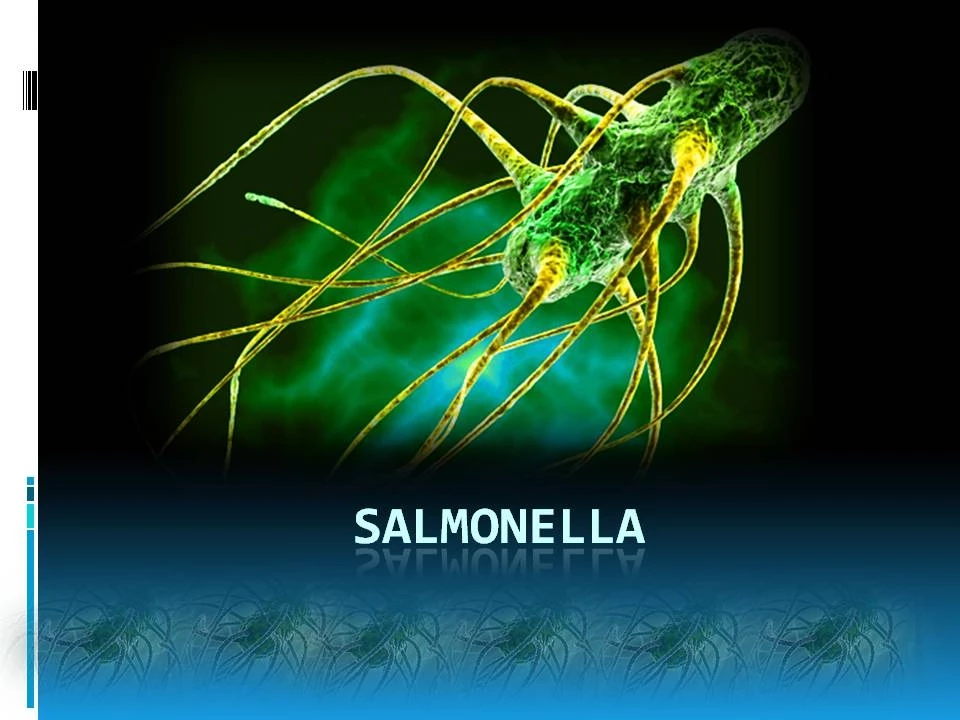
New evidence indicated that at least some of the Aztec population died from a strain of salmonella called Paratyphi C.
German scientists first discovered that Paratyphi C was responsible for the death of a portion of the Aztec population by studying DNA collected from the teeth of 29 skeletons in Mexico, which was found to contain the lethal bacteria.
According to one of the contributing researchers at the Max Planck Institute for the Science of Human History, skeletons typically don't show visible marks or traces of disease.
In this case, the German scientists were able to use a new screening technique, the Megan Alignment Tool, or MALT, to identify the salmonella DNA sequences.
This variant of salmonella presents itself as typhoid fever, and by all accounts, it could have been spread by any of several ways, such as via food or water, or by rodents.
It's always the rats.
You nearly wipe out all of Europe one time, and suddenly everything is your fault. Wait, scratch that.
It was actually several times.
Man, what is their problem?
So why rats?
We know from contemporary accounts that the Spanish treated the Aztecs as slaves.
They were poorly fed and clothed and were regularly overworked as laborers on farms and in mines.
This harsh treatment would have kept them in a compromised physical state while regularly putting them in close proximity to rodents.
However it may have spread, those infected with Paratyphi C would experience rashes, fever, vomiting, and a high likelihood of death.
European explorers introduced diseases like smallpox and measles to native populations, but are they also to blame for the plague of salmonella that shredded the population?
The answer is almost definitely.
Scientists tested skeletons of Aztec people that had been buried prior to the arrival of the Spanish, and those remains showed absolutely no evidence of the fatal bacteria.
And while only five skeletons were tested, the bacteria hasn't otherwise been found in Mexico.
It has, however, been found and remains in Europe.
Notably in the DNA of a Norwegian woman who perished in 1200 CE who is probably not thrilled we're airing her business like this eight centuries later.
This means the disease that decimated the Aztecs may have already been present for as long as 300 years in Europe.
And while it still can't be ruled out that the pathogen existed in Mexico prior to the arrival of the Spanish, no evidence to that effect has ever been found.
Most experts agree the Spanish likely introduced the bacteria to Mexico, especially given the severity with which it affected the native Aztec population.
And European explorers were just rolling through the Americas surrounded by a cloudy disease like a Peanuts character.
You know, Ratboy.
Whatever his name is.
You know the one.
New evidence has suggested the deadly impact of cocoliztli was worsened by climate conditions.
Between 1545 and 1576, there was a mega drought that spanned the entire continent.
It was the worst drought Mexico had experienced in over 600 years.
Researchers were able to use tree ring evidence to determine how much rain fell during those years, and they discovered a correlation between the drought and the massive death toll associated with cocoliztli.
Meanwhile, the disease was notably absent from warmer, wetter areas like the Gulf of Mexico.
So it apparently avoided water like the aliens from Signs.
Additionally, while a large number of the Aztecs succumbed to cocoliztli and smallpox, it certainly wasn't the only thing wiping them out.
Many were also killed in the form of human sacrifice.
The amount of people lost to human sacrifice is still a mystery, but some scholars estimate a jaw dropping 20,000 people a year may have been ritually slain.
In July 2017, a tower of 650 skulls was found in what was formerly Tenochtitlan, now Mexico City.
Historians knew the Aztecs had built some of these towers to frighten the Spanish, but they expected to find only the skulls of warriors, slaves, and prisoners of war.
This tower, to everyone's surprise, was constructed with the skulls of women and children.
Women and children first is a good policy until, you know, human sacrifice.
The potentially large number of sacrifices, plus the loss of 25% of the population to smallpox, already put the Aztecs at a massive disadvantage when it came to fending off the Spanish.
Those losses combined with those of the mysterious bleeding epidemic meant they did not have much of a chance of overpowering the formidable conquistadors.
Francisco Hernandez, who was the physician of King Philip II of Spain, provided a descriptive written account of the mysterious condition affecting the Aztecs.
The symptoms as he reported them included fever, headaches, vertigo, dark urine, black tongue, large nodules on the neck and face, neurological problems, and most notably, bleeding from the eyes, nose, and mouth.
That's a buffet of horrors.
While researchers accept Hernandez's description, as he was arguably the most medically knowledgeable person of the time, the symptoms he described have yet to specifically line up with any one known disease.
For example, a salmonella infection wouldn't explain the facial bleeding.
If it did, more people lurching out of a Taco Bell would look like they got maced at a Gwar concert.
And as groundbreaking as the DNA evidence of a bacterial infection may be, the conclusions of the German team are far from definitive.
The salmonella theory is based on DNA from the remains of only 29 individuals out of millions who perished, and some reports say the salmonella bacteria was actually only found in 10 skeletons.
Ultimately, more burial sites will need to be tested before anything can be said for certain.
That's easier said than done, however, since there's currently only one known burial site containing cocoliztli victims.
So while we may now have at least a partial answer to the question of what caused the deaths of 80% of the Aztec population, it's still entirely possible that the Aztecs were affected by more than one condition, or something that is still unknown to modern medicine.
One researcher from the University of Wisconsin-Madison who was not involved with the study theorized the large number of deaths could simply be from the general consequences of colonialism, including disruptions in food supplies, famine, changes in the concentrations of populations, and relocation.
Regardless of what exactly wiped out 80% of the Aztecs, whether it was salmonella or rat borne illness exacerbated by climate change, they were not the only native population to suffer devastating consequences at the hands of disease.
And as far as anyone can tell, prior to the arrival of Europeans, North America was largely free of diseases, especially aggressive ones like smallpox.
Direct contact with European settlers wasn't even required.
The diseases spread on trade routes.
In many cases, Europeans found completely empty villages by the time they ventured further into the New World.
For many years, it was thought North America simply wasn't heavily populated.
In reality, the Native Americans had already been killed off by diseases to which they had no immunity.
So while we still don't know the precise identity of the disease that ravaged the Aztecs, what we do know is that Europeans remain undefeated at being the plague rats of the Western world.
So what do you think?
What happened to the Aztecs?
Let us know in the comments below, and while you're at it, check out some of these other videos from our Weird History.
Up Next

12:30
Gustation: Taste Buds, Receptors & Labeled Lines | MCAT
@khanacademymedicine
232.9K views•2013-10-25

50:12
Bacterial Communication: Quorum Sensing and Biofilm Formation Explained
@JHUAAP
12.6K views•2011-06-28

5:35
Enteric Nervous System Explained: The Gut's Brain | Neurobiology Lecture
@alumniu6029
438 views•2018-09-12

7:08
Bacteriophages: Earth's Deadliest Killers and Future Antibiotics
@kurzgesagt
34.6M views•2018-05-13
Related Study Plans & Knowledge Roadmaps
Structured learning paths in Biology
biology
RNAi: Biogenesis, RISC & Gene Silencing
01Molecular Biology Foundations: DNA to Protein
02Introduction to RNA Interference (RNAi)
03Molecular Biogenesis of miRNA and siRNA
+ 2 more learning modules
10h5 modules
Explore Roadmap
biology
Mycorrhizae: Signaling, Biophysics & Ecology
01Foundations of Mycorrhizal Symbiosis
02Molecular Signaling and Root Colonization
03Biophysics and Bioenergetics of Nutrient Exchange
+ 1 more learning modules
11h4 modules
Explore Roadmap
biology
Circadian Clocks: TTFL, SCN & Periphery
01Foundations of Molecular Biology & Gene Expression
02Introduction to Chronobiology and Actograms
03The Core TTFL: Molecular Architecture of the Clock
+ 3 more learning modules
14h6 modules
Explore Roadmap
biology
Population Genetics: Math, Drift & Selection
01Genetic & Probability Foundations
02The Hardy-Weinberg Principle and Baseline Models
03Mathematical Modeling of Natural Selection
+ 3 more learning modules
18h6 modules
Explore Roadmap