
















![💰 [PASSO A PASSO] Como Calcular Margem de Lucro](https://i.ytimg.com/vi_webp/iWmQAHxxxl4/maxresdefault.webp)





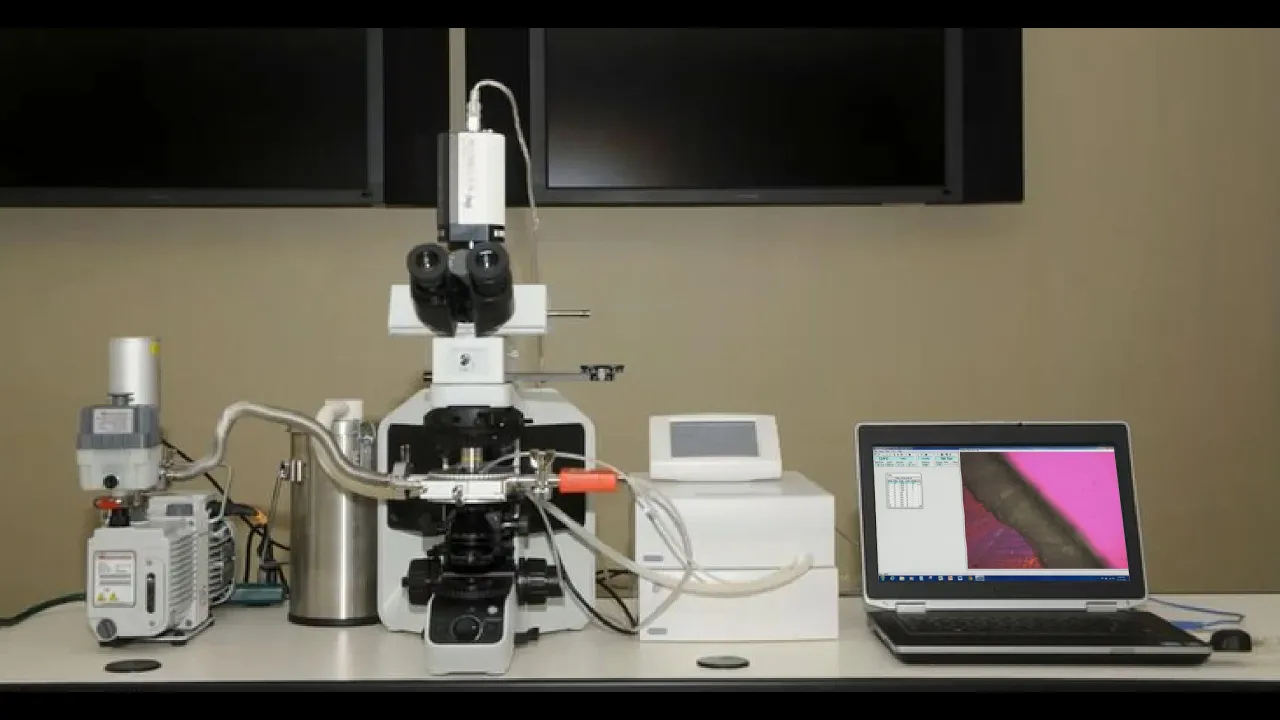


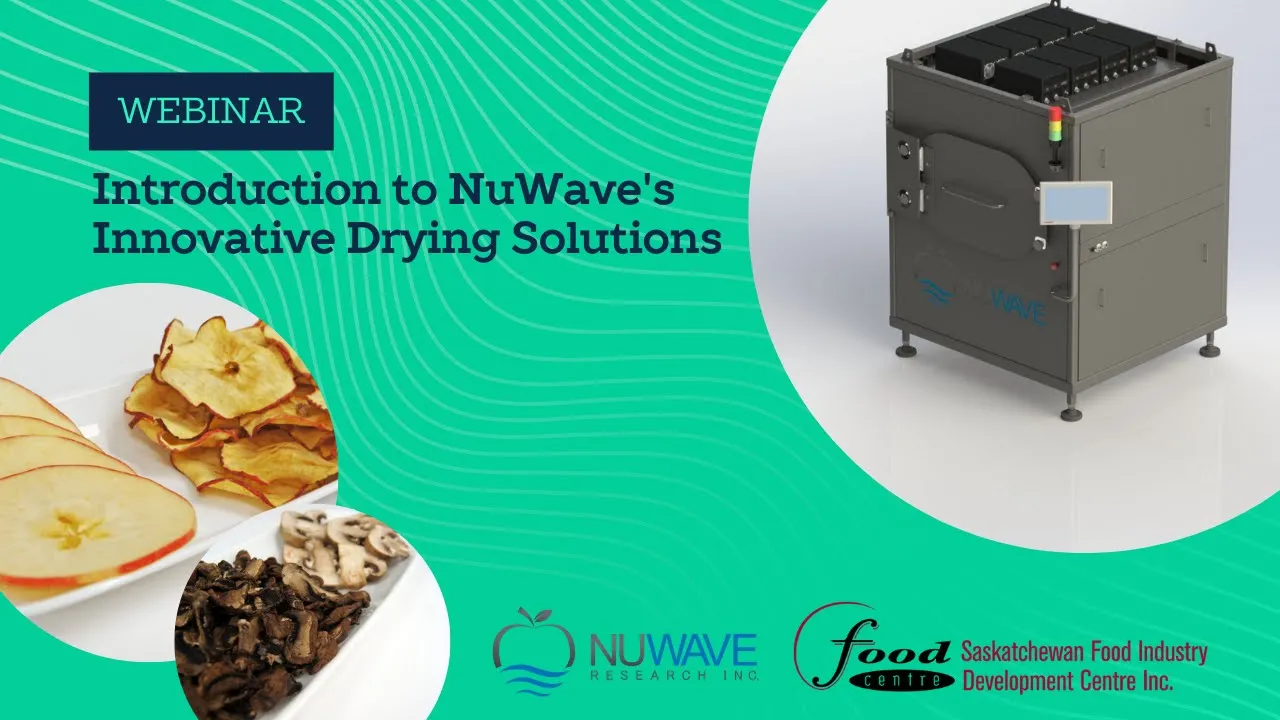




Freeze drying (lyophilization) is a food preservation technique that removes moisture through sublimation—water transitions directly from solid to gas under vacuum conditions—preventing microbial spoilage while preserving flavor and nutritional content; however, the process is extremely energy-intensive (approximately 16 kWh per cycle), time-consuming (typically 16+ hours per batch), and requires significant preparation work, making it impractical for most home users despite its ability to preserve food for up to 25 years when properly packaged.
Freeze Dryer Analysis: Performance, Costs, and Maintenance
Added:The physics of phase transitions, specifically sublimation and the triple point of water on a phase diagram.
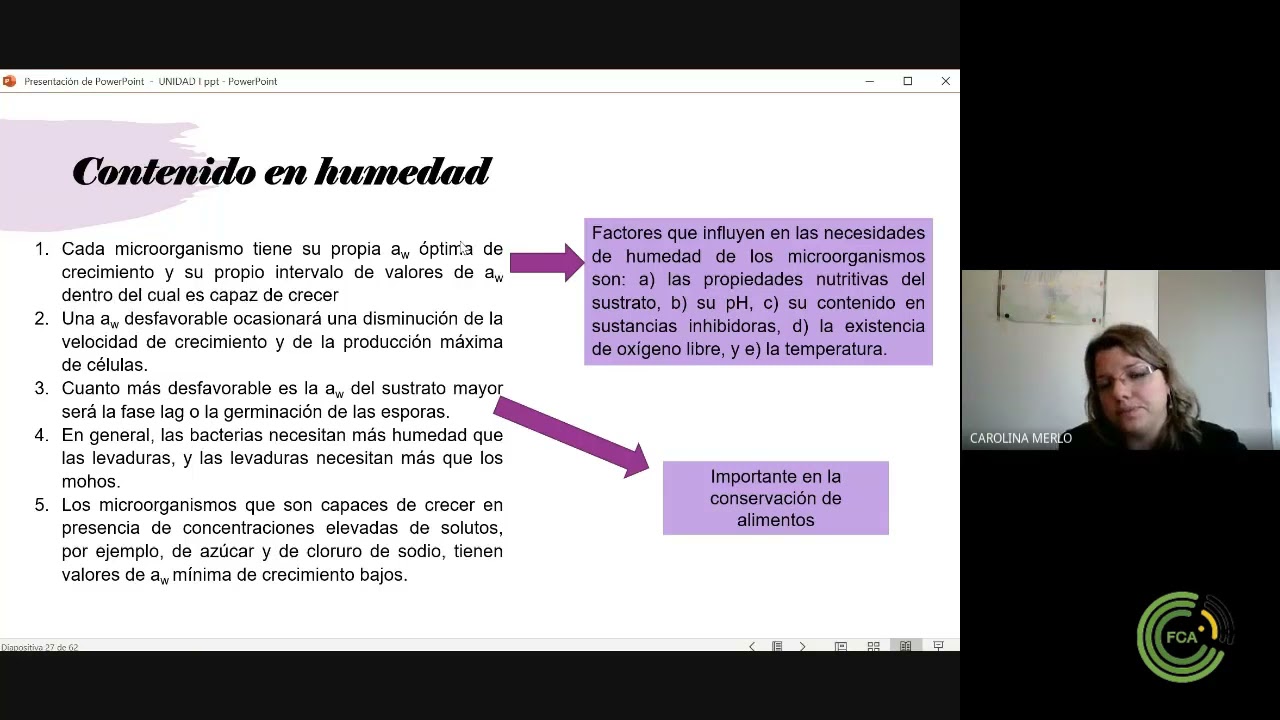
Basic principles of food preservation, including water activity (aw) and its effect on microbial growth.
Fundamentals of vacuum systems and how pressure affects the boiling and sublimation points of liquids.
Basic financial concepts of operating equipment, such as fixed capital costs versus ongoing utility and energy expenses.
Industrial scale-up of lyophilization, transitioning from batch processing to continuous freeze-drying systems.
Advanced formulation design, including the study of glass transition temperature (Tg) and collapse temperature (Tc) in frozen systems.
Comparative analysis of alternative dehydration technologies, such as spray drying, refractance window drying, and vacuum microwave drying.
Equipment validation and preventative maintenance protocols (including vacuum pump oil management and condenser defrost cycles).
3.5M views117.8Klikes1:00:15Original Release: 2024-10-31
so I bought a freeze dryer it's quite Sublime and in this video I intend to tell you all about the process of freeze drying then of course I'll show you the parts of this machine and explain how they work together to turn ordinary ice cream into astronaut ice cream and it's not just a dry subject it's cool too and it will leave you gasping for air but first a friendly word of warning unless you want to absolutely wreck your YouTube recommendations do not under any circumstances click on any recommended videos you may see next to this one about freeze drying or freeze dryers you will open quite the rabbit hole which unless you're big into the prepper Community you might regret and on that note it makes me wretch a little bit whenever I say it out loud but I do know that I am an in an INF I hate it so much an influencer but but I'm really not about people wasting their money so I'm going to come right out of the gate and say you should almost certainly not buy one of these and to be clear not because it's a bad product this is not I have relatively few complaints about this thing it works reasonably well and honestly I think it's actually pretty remarkable that it's a product you can buy and have in your home but it's just way too expensive to be a rational purchase and if I didn't have this job where I get to Tinker with cool stuff and make videos about it I know with certainty that I would absolutely regret spending the money I spent on this machine I won't bury the lead this was nearly $3,000 which is way too expensive for what I think is mostly a toy and if you're earnestly looking to store large amounts of food for long-term safekeeping I think you'll find much wiser and much less irritating ways to spend your money and time but we'll get to that later first what is freeze drying also known as lyophilization or cryo desiccation it's a process of removing moisture from well technically anything but most normally food and we do it not just because it does funny things to food though that's certainly one of the reasons but also because it prevents spoilage for incredibly long periods of time food spoilage typically happens thanks to one of two things oxidation of fats and oils can turn some foods rancid and since there's oxygen in our atmosphere that tends to happen with time but more pertinent to freeze drying just as you and I got to eat the world's microorganisms like bacteria and mold do too and they'll happily Chow Down on the same Foods we eat decomposing them in the process and in many cases leaving that food unsafe for us to eat those microorganisms though don't just need food to stay alive they also need water so if you can remove enough moisture from a food product you'll end up with food that's simply too dry for those microorganisms to exist on and so it doesn't spoil now there are plenty of ways to make that happen you've probably seen food dehydrators which turn fresh fruit and vegetables into dried fruit and vegetables and once dried that food is much more resistant to spoilage from microbial growth but that process uses heat and adding efficient heat energy to dehydrate Foods in our atmosphere ends up changing the molecular structure of some food components which Alters not only the nutritional value but also the taste now there are plenty of food preservation techniques out there there's canning there's home canning though personally I find calling that canning to be somewhat jarring there's curing there's pickling there's fermenting there's freezing and a lot of other stuff which we don't have time for but most of those techniques end up doing something thing which messes with the flavor structure and nutritional content of the food in many cases it does pretty cool stuff a lot of preservation techniques impart unique flavor profiles that we actually like and there are endless cultural Traditions out there which stand the test of time on Flavor alone but if you're looking to preserve food without actually affecting its flavor or nutritional content while your options are limited that is of course unless you do a little cryo desiccation you know about dry ice right dry ice is the solid form of carbon dioxide and it has a peculiar Quirk it doesn't melt into liquid instead it sublimates directly from the solid form into the gaseous form that's why we call it dry ice it's ice though extremely cold ice which can't get anything wet because it doesn't melt it just shrinks now usually you can't get water to do that water is wet or or does it make things are we settled on that anyway frozen water doesn't sublimate into water vapor it melts into liquid water don't take my word for it just watch this ice cube see it's melting except this isn't always the case wet ice uh ordinary frozen water will actually sublimate in certain conditions if the ambient temperature surround ing some mass of ice remains below the freezing point of water ice will slowly sublimate and transition directly to the vaporous form this is probably not a perfectly scientifically correct way to explain it but it's similar to how liquid water will evaporate slowly and disappear even at cool room temperatures solid water actually does the same thing and you've seen the effects of this yourself freezer burn where food stored in the freezer for a long time develops dry spots is the result of sublimation the moisture in that cut of meat or whatever just sublimated away and if you've got a bin of ice in your freezer and notice that over time the ice cubes seem to shrink that's also sublimation in action you've probably noticed though that the process is very slow it can be sped up which if you live in cold parts of the world like I do and you drive a car you might have actually noticed Drive high speed on a very cold day and over time little bits of ice stuck to the windshield end up just shrinking until they disappear and that's sublimation happening helped Along by the huge volume of air which keeps flying past that ice as you drive but there's a way to make it happen even faster than that expose ice to a vacuum which brings us back to the freeze dryer this thing may look like a cross between a tiny washing machine and a piece of of lab equipment but it's not just looks the huge rubber ring on the front of this machine engages with the plexiglass door to form an airtight seal and that door is very thick in fact it's so thick that it is strong enough to withstand the roughly 1500 lb or 680 kg of force the atmosphere is going to exert on it when this here vacuum pump sucks all the air out of that chamber because all this thing is is a vacuum chamber but it's also also a freezer if we look inside we'll find that a compressor and fan forced condenser live in the bottom of the machine and this arrangement of Parts is a very typical setup for small self-contained Refrigeration units you might find in a commercial kitchen but the evaporator the part of a refrigeration circuit that gets cold is integrated into the walls of the vacuum chamber now that could be seen as just a practical way to make a freezer if we ignore the whole it's also a vacuum chamber part this might as well be a weird take on a chest freezer it's just on its side and a cylinder rather than a box but specifically for freeze drying it has a practical purpose too which I'll explain later on the basic process this machine uses to freeze dry things begins simply by freezing whatever you want to freeze dry when you start a cycle using its touchscreen interface it turns on the condensing unit and begins cooling the chamber the the actual stuff you intend to freeze dry has to be placed on these trays which are sized just right to fit within the rack structure sitting in the middle of the chamber that rack structure is more than meets the eye but hold that thought for now you can choose to let the machine itself freeze the items on the tray though that takes it quite a while in my experience something like 6 hours so it's generally better to pre-freeze everything in an ordinary freezer first that's speeds up the freeze drying process it still takes a lot of time to freeze everything and uh it's kind of awkward to fit these in some freezers but generally it's better to do that the machine has a temperature sensor attached to that rack structure so it can determine the temperature in the chamber and to some extent the contents in the trays being made of thermally conductive aluminum and also being in physical contact with these trays that sensors reading will be influenced by the temperature of the food and once it has reached the target freezing temperature the machine starts a timer both the target temperature and that timer's length are customizable but currently I have the machine set to a0o Fahrenheit Target that's- 18 c typical freezer temperatures and the extra freeze timer is set for 90 minutes once those 90 minutes are up all of the moisture in whatever you're trying to freeze dry will have frozen solid and the machines next step is to switch on the external vacuum pump by energizing the power outlet on the back of the machine this vacuum pump is quite a beast and can Evacuate the air in the chamber very quickly generally within a minute the pressure drops below 2500 milor which is about 0.05 PSI and for context the atmosphere is 14.7 PSI at sea level from here on out the machine will keep the vacuum pump running continuously and it will keep the compressor running too and now the frozen water in all of the food begins to sublimate except remember that whole thing about how sublimation is a really slow process well it is the vacuum conditions inside the chamber will speed it up but it's still going to take forever if all we do is let the machine sit so here's where that strange rack situation comes into play the racks are not just supporting the trays they also contain heating pads bonded to the underside of each shelf including the top piece is a roughly 150 watt heating pad and once the machine has reached a Target pressure it energizes those pads to heat the food in the chamber now this might seem counterproductive we just froze everything why would we heat it back up well under a vacuum frozen water be behaves like dry ice does in our atmosphere it doesn't melt and so we can actually warm up the food and that added energy means the water molecules in that food are vibrating more vigorously which speeds up sublimation the machine switches those heating pads on and off to maintain the tray temperature at roughly 130° F or about 55 Celsius it feels really weird that doing that doesn't melt the water in the food but it doesn't here's a time lapse of the machine freeze drying ice and you'll notice that it's not melting it's just shrinking and disappearing leaving just a trace of dust that dust being the minerals which were dissolved in the Water behind and now it's time to touch on something I said earlier the compressor runs through the entire process which means the whole freezer part of it is still working to cool the walls of the chamber despite the fact that we're heating the food F and there's effectively no air in there what's going on with that well for physics reasons which I don't understand and won't even try to explain the sublimated water vapor which is freed from the food we're Freez drying is attracted to coldness and will deposit itself on the cold walls of the chamber I would have thought the vacuum pump ends up sucking most of that water out but that is apparently not how it works most of it just redeposits on the cold walls and so you get quite a lot of ice build up as the cycle continues aside from the bit of frost that formed at the beginning of the cycle all that ice used to be the water inside the food that we're freeze drying here's a fun fact while those heaters do speed this process up it still takes forever this machine has typically spent at least 16 hours in the drying step of the process before it determines that it's done it is not fast however once its cycle is complete the machine will move on to extra dry time another step you can change the length of if you like and you might need to as I'll explain later uh but once that timer is done well it's done the machine very faintly beeps at you to kind of get your attention but all it does is turn off the heaters and the vacuum pump the refrigeration circuit will continue to run until you acknowledge that it's done and I believe that's just to make sure none of the ice which forms on the walls melts and gets on your freeze-dried stuff once you decide whether you want the machine to defrost for you or not I'll explain that later it shuts down and it's up to you to open this drain valve and let air back into the chamber once the pressure is equalized you can open the door and remove the product the end result of this process is food which has everything it used to have in there except water all the water is gone but the proteins starches sugars flavor compounds everything else is still there and relatively untouched most Foods end up shrinking slightly and some foods really do not survive this process all that well but for the most part you end up with strange results the food this used to be watermelon becomes almost weightless and the texture is radically different but it's still the same food and if you eat some you'll discover that it tastes exactly like you'd expect but the mouth feel is radically altered and in many cases it's so wrong that the food is quite unappetizing but that food is now shelf stable for up to 25 years it takes special packaging considerations to attain that extreme longevity mainly you need completely airtight packaging with an oxygen absorbing packet thrown in to make sure it doesn't oxidize so do not take that as G possible and at the risk of getting ahead of myself I think this process is a little too variable to actually guarantee that the end result will be safe for anywhere near that long but food preservation is not why I got this machine I just wanted to play around with a freeze dryer and see what sorts of strange foods I could create with it and after literal months of tinkering I'm afraid that most of what I've done is ruin a lot of food and in hindsight that probably shouldn't be surprising given the mechanism in play here I think it's fair to describe the process of freeze drying as accelerated freezer burn taken to completion you forget about something in the freezer for a couple years and when you dig it back up the edges are all crinkly and gross and that's literally what this machine does to food but all of it all the way through sometimes the end result is legitimately interesting and plenty of fruits are strangely delicious once freeze dried like strawberries or pineapple I'm surprised how much I like freeze-dried cantaloupe it's got a nice Crunch and freeze-dried kiwi fruit was another Smash Hit though quite sour but most other things you freeze dry end up being rather unpalatable and so require further work to reconstitute into something less gross if you actually want to eat it take for example and I apologize in advance to the vegetarians and vegans watching meat this is freeze dried sliced ham in its current state it is nearly weightless has a rough texture and is quite brittle you can snap pieces of it off quite easily if you just eat this which I have it's disgusting the dried meat has a quite off-putting gritty texture and to make matters worse it eagerly absorbs the saliva in your mouth and so it's kind of like you're eating damp sand but what makes it even stranger is that it tastes exactly like ham it's just a viscerally confusing experience and I can't describe it any other way than just wrong this here is a meal from McDonald's which I threw in the freeze dryer because my morbid curiosity got the better of me it's just your standard two cheeseburger meal but with some McNuggets too and the end result is incredibly weird give this container a good whiff and it smells like the inside of the McDonald's get more specific and you can make out the smell of the ketchup and onions on the cheeseburger but the cheeseburger itself is now a rock hard disc of misery and now you will get the pleasure of watching my actual reaction to eating some of this food for the first time all right I lied a little bit I have already tried the fries and they are um well it's something like a Sho string potato chip but it does taste like a McDonald's french fry and it's a little too brittle so not great but I haven't tried anything else let's see what a freeze-dried McNugget is oh that's unpleasant okay a oh there it is it took a while for the flavor to come through it's a McNugget but it's like powdery not great um and let's just I don't know how I'm going to do this I don't really even want to do this I mean it tastes like a McDonald's cheeseburger it really does but it's wrong it's not a good experience so what can you do to reconstitute your freeze-dried food into something not gross well the most obvious thing is to add water but depending on how you do that it can be weird perhaps the most surprising thing I accidentally discovered had to do with the ham I thought the most logical thing to do was of course use a steamer to make some delicious steamed hams but when I put the sliced ham into the steamer within moments it started getting darker and by the end of just 5 minutes in there it had cooked further and become the consistency of jerky it was also pretty tasty I won't lie and so I guess I discovered a really odd roundabout way of making jerky from store-bought ham but to get the ham turned back into the regular ham it used to be well simply soaking it in water for a while kind of worked but it got unfortunately soggy in the process like I imagine if I had left the not freeze-dried ham in a bowl of water for a half hour it would have been a similar result I have yet to test this but I do want to try getting one of those cool mist humidifiers and leaving the freeze-dried product in the Stream of mist for a while to see if that might be more pleasant I will almost certainly be doing more stuff related to this on connextras uh so be sure to subscribe to that channel if you haven't already another thing I haven't yet tried steaming is a steamed ham but I do have this freeze-dried steamed ham handy so let's do it it's an Albany expression okay let's steam a steamed ham I got out my simmer stat box I bet you didn't think this was going to come out again but no I'm using it right now and I'm turning the heat down to about medium because I want to leave this in a pretty low heat I hopefully don't want to cook it any further like what happened with the ham I'm putting in the one that I already took a bite out of and we'll throw in one of the Nuggets too how long should I leave it in there for no idea but I'm going to try 10 minutes so tick tick tick tick it's been 10 minutes except I threw in some fries I forgot about that I'll give them a little more time oh i d i dripped some water on the McNugget let me just uh okay that does not bode well it's still stiff it's still stiff but oh oh no it's not it's not good and it has cooked further oh boy I mean I think it's better than it was but um it has cooked further let me turn that off grab one of these fries oh that's awful I now have that set to low so this should barely simmer at all um and we'll see if that makes a difference okay there's 10 minutes of steaming at very low I did it again why did I do that I'm just making a mess over here okay um h no this is still pretty dry so uh it hasn't cooked further so maybe if I let this go for like an hour it would turn into or turn back into what I expect out of a chicken McNugget which is not much to be clear but um steaming apparently does not work hooray there are some foods which can be freeze-dried and then unfreeze dried pretty easily something that I found actually quite enjoyable was Freez drying eggs this one qu mason jar has three dozen eggs in it and I made it by using two freeze dryer trays cracking 18 eggs into each one and then I poked each yolk with a fork to make sure the membrane had broken don't know if that was really necessary but I figured it wouldn't hurt then I carefully put the eggy trays in my freezer I bought these Lids from the manufacturer specifically for making prep easier it allows you to stack the trays in your freezer and if for some reason you end up thinking a freeze dryer is a good idea I would say this is a required accessory uh but anyway after spending the night in my freezer I put the trays in the freeze dryer and ran a cycle the next day because may I remind you this process takes an entire day uh the machine was done and the end result is a much lighter tray filled with nothing but solids of egg using a fork you can scoop these up from the tray and stick them into a food processor and with a little bit of food processing you end up with a varify powder it's quite compressable so I was able to shove all the eggs into this single jar and to turn them back into regular eggs Just Add Water I never bothered figuring out what exactly the proper ratio of powdered freeze-dried egg to water is I've just been eyeballing it but it quite easily turns back into liquefied eggs and with just a bit of stirring and they cook up just like eggs do I scrambled some reconstituted eggs and you would have no idea that they were ever freeze dried other than the fact that they were a perfectly uniform yellow thanks to how thoroughly scrambled they become from the food processor which fun fact the French call it a robot culiner how delightful another actually kind of useful for food preservation thing is this this used to be a half gallon of whole milk but now it's powdered milk this was made using the exact same process as the eggs however it's harder to turn this back into liquid milk I'm pretty certain that's because this is whole milk and much of these solids are milk fat which doesn't really like mixing with water but I wanted to try this specifically because powdered whole milk is a surprisingly hard product to find in my area and I don't normally keep milk in the house because it spoils too quickly for how I use it though perhaps the difficulty in getting this to dissolve in water explains why non-fat powdered milk is more common anyway it will turn back into milk when mixed with water it just takes quite a lot of mixing and since it's milk mechanical AIDS can end up frothing it so it's tough speaking of freeze drying liquids though another thing I did was freeze dry some brewed coffee instant coffee is really just dehydrated coffee but most instant coffee is awful so since I have this high-tech anything dehydrator I figured I'd make my own instant coffee but with a Twist I froze the coffee as I prepare it with cream and sugar so the end result should be truly instant coffee exactly how I like it the process was basically the same for eggs and milk though the end result out of the freeze dryer is truly almost weightless and if it weren't for the sugar I'd be afraid of drafts in the room but you just load it into a food processor and turn it into a powder this is the result which I haven't tried yet let's do that now okay this will not be scientific I just used the scale here at and teared it with this empty mason jar which then suggests there's 43 G of coffee powder in here I'm not 100% confident that this is four or two mugs I don't remember I think it's only two because of the sugar in here I would be really shocked if I only have 10 g of sugar and milk fat so I'm going to put half of this in that mug we'll see what happens I'm not bothering to wait till this gets to a boil so it's dissolving pretty well it hasn't completely dissolved perfectly but this does other than the froth look very much like how I brew my coffee and uh it doesn't have that acrid smell that most instant coffee really does for me so let me give it a taste be mindful of the spoon this is very good this is effectively how I take my coffee in the morning I'm going to call that a success yeah it's got for whatever reason the froth that's forming on here it almost it almost has a whipped hot chocolate consistency on the top but it's very good am I going to actually make a bunch of this for future use no but now let's change gears the main reason I bought this thing aside from making a video was to try freeze drying whatever seemed like it might be fun to freeze dry but I learned pretty quickly that a lot of stuff just doesn't really work I knew some of that going into this I didn't just buy a freeze dryer I did some research into what can and cannot be freeze dried so I knew that things with very little moisture content and high fat content just don't work uh chocolate for instance just ends up melting once the heaters turn on same goes for butter but there were also a lot more Duds than I figured would be the case in fact it's been mostly Duds the very first round of freeze drying I did included all sorts of stuff some of which I just thought would be funny uh for instance I wanted to freeze dry a Twinkie just because that idea was hilarious on its face sadly I never got around to making freeze dried refried beans uh but anyway much of that first batch just didn't actually do anything or was completely ruined the Twinkies just became rock hard and impossible to eat the cream filling of the Oreos melted and the cookies just turned stale Little Debbie Oatmeal cream pies had the filling become a powder and the oatmeal cookie parts turned into the consistency of a cracker crossed with an old Ginger Snap none of that was any good so anything close to a pastry is apparently never going to come out of a freeze dryer in a good way that first round also included various fruits canned pineapple and peaches in addition to a fruit cocktail were done mainly because I already had some on hand and I was lazy but I also bought some cut melon and prepared that for the freeze dryer and I learned some interesting lessons there the peaches freeze dried perfectly the pineapple most ly did but over time it became clear there was still some moisture left in it and the melon well it seemed like maybe it was dry but after a few days in a mason jar well it became clear it was rotting the smell was awful that was on me though the instructions for the freeze dryer make it pretty clear that you don't want any product over the tops of the trays and that melon was very much over the tops of the trays it was just too big which leads me to my next little lesson dealing with these trays is just kind of annoying and freeze drying liquid products is just not really fun the easiest way to do it is to put the empty trays in the freeze dryer then pull them out just enough so you can fill them in place and then slowly push them back in and start the cycle and actually I do have to call out a really clever design feature here you'll notice that the machine is leaning back somewhat that's to allow water in the vacuum chamber to drain when it defrosts at the end of the cycle but the racks for the trays are leaning in the opposite direction to perfectly cancel that out so the actual trays remain level that's really good thinking still dealing with liquids is irritating and means you're asking the freeze dryer to do the initial freeze which makes the already very long cycle even longer so I thought I'd be clever and order some ice cube trays with silicone bottoms and make ice cubes out of whatever liquids I wanted to freeze dry so I made ice cubes of egg milk and coffee this was a mistake probably through some combination of being too tall and not being in solid physical contact with the trays once the machine had finished it turned out that the center core of every Ice Cube still had ice in it so the eggs and milk very very ruined definitely not safe to eat and the coffee well I guess I could have made coffee with it but I ended up just sending it down the drain honestly that was a real bummer I really hoped this would be easier but sure enough liquid product in direct contact with the trays is what you have to do and the lessons just kept on happening during one freeze drying session where I tried such things as black olives weird but okay dill pickles not good carrots surprisingly disgusting yogurt more weird than anything else balls of seasoned and cooked rice disappointing and other stuff I'm sure I've forgotten I had some lemon and lime slices in there those came out perfectly and aside from the pucker Factor made for an interesting little treat so later on I was doing some other fruits and stuff and decided to put in both some sliced tangerines and Mandarin oranges and for some reason neither of those actually dried to completion everything else in there came out fine but the oranges did not they had a good deal of their moisture removed but after storing them in a Ziploc bag by the next day the bag had condensation on the insides and the fruit had turned into mush I can only assume the sugar content of this is just too high or something and remember how that first run of freeze drying had a can of fruit cocktail in there the grapes in that fruit Co tail ended up being really interesting so I went out to the store and got some fresh grapes to try I had assumed the skin of the grape might be a problem so I poked each and every one with a knife before freeze drying I had both seedless green and red grapes in there and well they barely dried at all there was some unpleasant oozing coming out of the holes I made in the skin the whole time and by the time the cycle had ended they were still mostly grapes so then I decided to cut the grapes in half and try again cutting grapes in half it turns out is really annoying but I figured that would work and I think it did but and here comes the bad news the end result was really really gross like I don't understand how they took on the flavors they did and the grapes themselves were fine I had some while prepping them because of course I did and they were delicious but out of the freeze dryer they were not but rather than dwell on the bad stuff now let's talk about some of the better things I was able to do with the freeze dryer the most surprisingly good thing onions just raw onions they leave the freeze drying process with the texture of a potato chip so with just a little bit of salt and oil they might as well be all natural funions I tried this only because I once bought these onion chips from Trader Joe's and the the ingredients were just onions bran oil and salt and the bag was a bit Cy about the process used to create them so I tried freeze drying an onion and I'm reasonably sure that was the process they were very similar to the product from TJ's I did do a run where I roasted some in the oven for a bit before freeze drying them and that didn't seem to make much of a difference as far as the flavor goes but I suppose one thing I do need to try now is caramelizing a bunch of onions and then and freeze dry them H I also cryo desicated various Peppers two Bell one jalapeno these ended up with a similar chip-like consistency to the onions though personally I found them to be less enjoyable and the jalapeno maybe I just lucked out and got a particularly spicy one but that was an intense vegetable chip and yes I am a midwesterner and I look like this I know that but normally I like jalapenos on stuff and find them fairly mild so either freeze drying really accentuates the capin or I just got quite a banger from the store many candies also do interesting things in the freeze dryer turns out Skittles they pop like popcorn they split in half and the innards puff up and the end result it's got a nice crunch gummy candies tend to really explode in size these here were gummy bears these were gummy worms and these were gummy sharks we'll never speak of that again these are less fun to eat I would describe the texture as almost like a candied glass dentists would definitely have some thoughts about this interestingly though not all gummies do this I had some peach rings which I ran through here and their texture was altered slightly but they didn't grow in size and I also ran some spice drops through the freeze dryer and they were completely unaffected what's up with that no idea and then of course there's astronaut ice cream I don't have to go to the Science Museum gift shop anymore I can make it at home that was totally worth buying this thing anyway freeze drying ice cream is actually somewhat difficult to get right the first time I tried it I just put in a few store-bought ice cream sandwiches but I put them in too early the chamber wasn't cold enough and while they didn't look like they were melting at all and perhaps they weren't initially the inside of them liquefied at some point and it was unpleasant I tried some of the same sandwiches later making sure to let the chamber get well below freezing first and they came out exactly as you would expect actually quite a lot better than the stuff you can buy in a store and later I just tried some smatterings of ice cream that I had smashed onto one of the trays which I let stay in the free freezer for several hours and uh it came out fine though the Cherry filling in this did expand a little bit like the candies the next question is do I actually like astronaut ice cream and the answer is not really I mean it's kind of fun but it wears off pretty quickly so now let's get back to the whole utilitarian aspect of things a big selling point of these very expensive and slow machines is that they can preserve a wide iy of food effectively forever and that's essentially true but I want to pick that apart because if you step back and look a little holistically at this situation I simply cannot find owning one of these to be rational maybe that sounds blunt but if this looks like a good idea to you our mental Frameworks are just completely misaligned when it comes to the value of time money and effort and also at the risk of getting a little deep you might be worrying a little too much about the apocalypse why do I say that firstly just getting and using this thing is a commitment it was shipped via Freight on a pallet and I bought this workbench specifically for it no it's not huge but it's very heavy there's a reason it's not here on my desk and you are not going to want this in your kitchen remember how way back at the start I said its condensing unit was the same sort of thing you find in small commercial refrigerators yeah well this thing is [Applause] loud the droning of the condenser fan matches the most annoying vending machine at the bus stop and it will run the whole time and then the vacuum pump starts up and it just adds to the racket the vacuum pump is actually a lot quieter than I expected so that's good but it's still more noise and it will not stop for at least 12 [Music] hours you're going to want this thing in a garage or a basement and unless you've got one of those basement kitchens that's going to be annoying when it comes to the prep required to actually use the freeze dryer nextly this process proc is extremely energy intensive over a cycle the machine uses about 16 kwatt hours it varies a bit depending on what exactly you're freeze drying but it's been pretty close to 16 every run that I've tested that's about $2 worth of electricity for every cycle and that same quantity of energy will power my car for three round trips of my commute I do have a somewhat short commute it's about 20 m round trip trip but quite literally if I used this thing every day it would be using three times as much energy as my car does during the summer months anyway and it would cost about 60 bucks a month yikes and if you'd like me to make a different comparison a typical 7 cubic foot chest freezer needs just about 650 wat hours per day meaning one freeze dry cycle uses as much energy as a freezer does over 25 days and to really drive this point home this is the second smallest unit Harvest Right cells and the larger machines have a Nema 520 plug on them that's the one with the sideways blade which will only fit into Outlets like this on a 20 amp circuit these things just need a stupid amount of power to run all those heaters in addition to the compressor and vacuum pump oh and speaking of the vacuum pump that thing needs maintenance it has oil in it and every 20 Cycles the oil needs to be drained and filtered luckily they included an oil filtration system with the freeze dryer and what is that you ask it's a brda pitcher it's literally an off-brand brida pitcher honestly this made me laugh out loud when I saw it uh the machine it will prompt you to do that maintenance when required and this company does sell an oilfree vacuum pump which does not need this maintenance but that's a $1500 upcharge yeah and what about the time part in case you haven't noticed you can't actually freeze dry all that much food at one time this company's website claims the machine can process 10 to 15 pounds of fresh food per batch which to be honest I don't doubt at all but you're only going to be able to do one batch per day and while the machine itself is mostly set and forget the prep work absolutely is not it's a chore and since the trays are going to be in the machine for the next 16 to 24 hours you can't prep the next batch unless you buy a second set of trays which I did because even just playing with this thing for the purposes of this video was tedious enough to make a second set of trays worth having and by the way you can't start your next batch for 2 hours because you need to let the machine run its tray heaters to defrost the insid and get rid of all that ice it's a lot of work but then you're not even done when the machine is done you have to package everything you just freeze-dried if you actually want it to stay preserved and that's more work and time you're going to have to spend plus more money on whatever sort of packaging solution you want to go with and of course the company will happily sell you packaging supplies from myar bags to oxygen absorbing packets though to be honest their pricing is quite reasonable so I'm not actually mad about that I'm just saying if you you actually intend to preserve lots of food with one of these understand what you're signing yourself up for it's a lot of work and a huge time commitment and that's before you even consider where you're going to put all this food I do not have the pantry space for the end result of a Year's worth of freeze drying and to drive the absurdity point home let's just compare this freeze dryer with a conventional freezer it's not a perfect comparison and I know that uh for one thing not all food is suitable for storage in a freezer and while they can technically store food indefinitely freezer burn does damage stuff with time but for the sake of argument let's just say you had $2800 to spend on food preservation stuff you could buy this or well remember that basic 7 cubic foot chest freezer I mentioned earlier those cost about $200 they're commodity items and you can get them for about that price from many different retailers and that size usually has the smallest dollar cost per cubic foot so let's just say we'll get 10 of those if you're thinking you're going to be freeze drying food all year you definitely have some sort of Bunker which can fit 10 chest freezers so let's not dwell too much on where you're going to put all of them plus you could build some shelves and stack them probably actually you could definitely just stack a few onto top of each other if you know for sure you don't need to get to anything in the bottom ones until 2028 anyway congratulations now you've got 70 cubic feet of frozen food storage but wait you say freezers need electricity to function so what if the power goes out well lucky for you you still have $800 left over to buy yourself a portable generator you can run to your local Harbor Freight and pick up one of these bad boys and you'll still have some po money left for a gas can a few gallons of gas extension cords and power strips and it will absolutely take care of all those chest freezers those things only use about 80 Watts when they're running so as long as they don't all start at the exact same time and overwhelm the generator with their required starting current you're going to have plenty of power available for all of them plus your kitchen fridge and some lights in the TV and whatever else I have lived through extended power outages off a smaller generator than this so I do actually know what I'm talking about here and if I were a Gambling Man I think it's a pretty solid bet to assume that anyone actually looking at one of these freeze dryers to use unironically as a means to build up long-term food storage already has a generator again I know the comparison to a freezer is not entirely perfect but another thing to consider about them is that you just put stuff in them and that's it you're done if you're like doing your own butchering and packaging then sure there is more than zero prep in packaging cost but I can all but guarantee you will be spending much much less time stocking 10 freezers especially since you don't need to thinly slice everything to make sure it doesn't stick up above the edges of these trays now I don't want to sound too negative this freeze dryer is truly a fine product which I would recommend were it not for the rather huge fact that the math just isn't mathing if your brain allows you to think it does by all means have at it but if you've watched this video and still think a freeze dryer is something you need in your life our brains work real different I think that if somebody were to make a really small freeze dryer which only cost a few hundred bucks it would be easy for me to say sure play around with a freeze dryer some foods are fun to freeze dry but the market right now is basically just variations on this machine and the pricing is fairly uniform which makes sense this really is lab equipment and not really a kitchen appliance and honestly that's really what makes me so uncomfortable about this whole thing they're being sold now as if they are the next Air fryer and like no you don't need this it's going to be a massive commitment and unless you've got a lot of disposable income and time I truly think this is not a smart purchase having said that the last things I'll touch on before I wrap this video up are the little annoyances with this particular machine and the process more generally for any freeze dryer the Seal of the vacuum chamber door is very important it doesn't need to be exactly perfect once the vacuum pump kicks on the atmosphere does a fine job of holding that door in place but the seal needs to be good enough for the vacuum pump to overcome whatever air might leak past it when it starts up and on this machine the door latch and hinge design is not that great for making sure the seal stays flat it has three attachment points which effectively mean it's a tripod but should you need to make any adjustment you'll soon discover that only two of them are adjustable the latch isn't adjustable at all at least not without bending anything and it doesn't really form a very tight seal and while you can adjust the hinges they have a design which allows the door to move inward somewhat which makes sense that's going to happen when the vacuum pump switches on but it makes adjusting them a nightmare out of the box this thing didn't need any adjustment but on that first cycle it was fairly warm out in the warehouse and I had not pre-frozen anything so it ran for more than 6 hours just freezing the food I had put inside in that time combined with the warm room ice was beginning to form behind the Rubber seal outside of the vacuum chamber which started pushing the seal forward and making the contact points with the door uneven so I started fiddling with the hinges and that's when I discovered how nightmarish this adjustment is I truthfully don't know what's the bigger issue here the fact that some ice forms on the outside of the vacuum chamber and deforms the seal or the weird hinges I have found that always pre-freezing the trays mostly eliminates the icing problem if they're at freezer temps when you load them in the machine only spends about two hours before it switches on the vacuum pump and once it starts the vacuum pump so long as the seal is good the hinges and latch don't even matter anymore but I'm also shoving a piece of cardboard under the latch every time I start it to make sure the seal is tight and I really don't feel like I should have to do that with such an expensive machine the other problem is a little more serious I cannot for the life of me figure out how it determines the cycle is complete once it moves to the drying step the most useless progress bar I have ever encountered shows up on the screen that bar will move in completely unpredictable ways sometimes it only fills up about a third of the way and then the machine decides I'm done and now you're in extra dry time and other times it seems to fill up pretty normally but then gets stuck at the end like a Windows machine I had presumed that the machine is probably monitoring the vacuum pressure as it turns the heaters on and off my intuition was that each time the heaters switch on the vacuum pressure goes up slightly because more water is sublimating so it's just looking for those little spikes to stop happening because when all the water's gone that won't happen anymore but after several time-lapse sessions with the GoPros it's clear it's not doing that but what it is doing ain't any clearer on this batch it was barely into the fifth hour of the whole cycle when it suddenly decided extra dry time I'm done and uh when I saw that I literally said to it no you are not luckily you're able to just bump up the extra dry time which I did until it got to like 17 hours because I knew there was no stinking way that batch which had a lot of watermelon in there was anywhere near complete this is also the batch with the tangerines and mandarins and you could tell just by looking at them that they were still bubbling and the fact that the vacuum gauge was reading in the 400s when it thought it was done when on other Cycles it was in the 100s when that happened means I have absolutely no idea what algorithm in there is running I mean on this cycle I was literally just freeze drying four trays of ice with one tray of jello and all the ice had completely disappeared and yet it's still thought it's not done I just have no idea what it's looking for ah however I must actually give it a little credit there I ended this session manually because I was sick and tired of waiting for it and I wanted to go home and when I removed the trays I ate a few of the Jell-O pieces freeze-dried strawberry Jell-O has a crunch and taste which is shockingly similar to the crunch berries and Cat and Crunch cereal but sadly after a few seconds the gelatin flavor comes through and ruins it but anyway some of those Jello-O pieces still had a bit of ice in the center so the machine was actually right the process was not complete but it also revealed how inconsistent the process itself is all of the ice cubes had completely disappeared but the freeze-dried Jell-O apparently functioned something like aerogel and made an insulating layer which prevented the heaters from actually heating the center of each piece I chomped on one right as I took it out and the center was still ice cold despite the tray itself being hot I find this really interesting but also a little concerning when it comes to the actual safety of the food you freeze dry in fact that whole part of this process just gives me the heebie jeebies I would make sure to sample everything which I had run through the freeze dryer to make sure it was actually thoroughly dry before I moved on to packaging it for long-term storage I just can't trust the machine's judgment the manufacturer clearly wants this to be a one button set and forget experience the documentation this came with is really light on details and I would call this a quick start guide not an owner's manual and all it says is the machine is measuring the removal and moisture and knows when the process is complete but I'm pretty sure a one button experience just isn't a reasonable expectation for this sort of machine and they know that they too suggest checking everything to be sure it's dry and for what it's worth you are able to put the food back in the machine and resume the process if it's not done there is a USB input on the side so presumably the software could be updated this is apparently running version 5.4 and I will leave open the possibility that something is actually wrong with this particular unit but I have a theory as to what's going on and I think it's an unsolvable problem both the manual and demonstrations of this product on their website imply that mixing products in here is fine to do but I'm a little skeptical of that I have not removed the rack structure because it would involve messing with the seal which I really don't want to do so I can't say this with certainty but I believe these two rivets here are holding the temperature sensor for the tray rack and that means it's influenced by what is on those trays and which order you loaded them in if you put trays with more stuff and or more wet stuff on them farther from that sensor it may think it's done early because a lighter dryer tray was closer to it I definitely know from all my testing that if the overall mass of the food on each tray varies a lot from tray to tray the machine is more likely to be confused it may end too early or it may go on a lot longer than it needs to and what's most interesting about that to me is that this isn't explained at all in the machine's owner's manual but truly I don't want to sound too hard on this product or this company I actually quite like it and so long as you're aware of the fact that it might end the cycle too early and you're on the lookout for that it's truly a fine machine and while it was hideously expensive for what it is I think the price is actually reasonable what I don't think is reasonable though at least in my opinion is ordinary people having one of these in their home it's either a very expensive toy which you'll probably get sick of using before too long or if you seriously think this is worth having for nearly indefinite food storage understand the many commitments you will be making before you pull the trigger I'll wrap up now but let me reiterate the commitment thing you are signing up for hours and hours of tedious work to use this thing as an actual food storage tool and at the risk of getting a little spicy if your spouse is trying to convince you this is a great purchase make sure they are willing to help put in the work I'm already quite confident that I would resent a partner who bought this for me and presumed I would have a fun time using it every day but that's just me thanks for [Music] watching unless you're big into the prepper Community you might regret I said pepper of fats and oils can turn some foods rancid and then there's oxygen in our and since there's oxygen in our atmosphere water is wet or does it make things are we settled on that anyway for vibrating more vigorously which speeds up the and I made it by using two freeze dryer [Music] frease now we're falling apart has a nice crunch gummy candies tend to really explode in size these I can't continue that take huh [Music] [Applause] [Music] [Applause] [Music]
Up Next

59:28
The Ultra-Processed Food Pandemic: Health Risks & Solutions
@Campbellteaching
177.7K views•2024-09-05

12:54
Triumph of Orthodoxy Icon: Byzantine Art & History Explained
@BenCallan
2.1K views•2024-08-06

9:49
FastAPI vs Flask vs Django: Choosing the Right Python Web Framework
@TechWithTim
302.5K views•2024-05-26

1:42
Game of Thrones Opening Credits: A Cinematic Analysis
@gameofthrones
46.3M views•2011-04-18
Related Study Plans & Knowledge Roadmaps
Structured learning paths in General & Interdisciplinary Studies
general-studies
Elevator Engineering: History, Physics & Cities
01From Hoists to Safety Brakes: The Dawn of Vertical Lift
02Hydraulic vs. Traction: The Engineering Physics of Elevators
03Modern Speed, Safety, and Algorithms
+ 2 more learning modules
12h5 modules
Explore Roadmap
general-studies
Rubber: Material Science, History & Geopolitics
01Origins of Natural Rubber & Mesoamerican History
02The Chemistry of Natural Rubber & Vulcanization
03The Geopolitics of the Rubber Boom & Colonization
+ 2 more learning modules
12h5 modules
Explore Roadmap
general-studies
Containerization: Evolution, Logistics & Trade
01Ancient Trade & Bulk Cargo: Amphorae to Barrels
02The Industrial Revolution & Cardboard Packaging
03The Containerization Revolution: Malcom McLean
+ 2 more learning modules
12h5 modules
Explore Roadmap
general-studies
Textile Tech: Evolution, Labor & Global Impact
01Pre-Industrial Textiles: Handloom & Cottage Industry
02Mechanization: The Spinning Jenny to the Power Loom
03The Factory System & Global Labor Transformation
+ 2 more learning modules
10h5 modules
Explore Roadmap