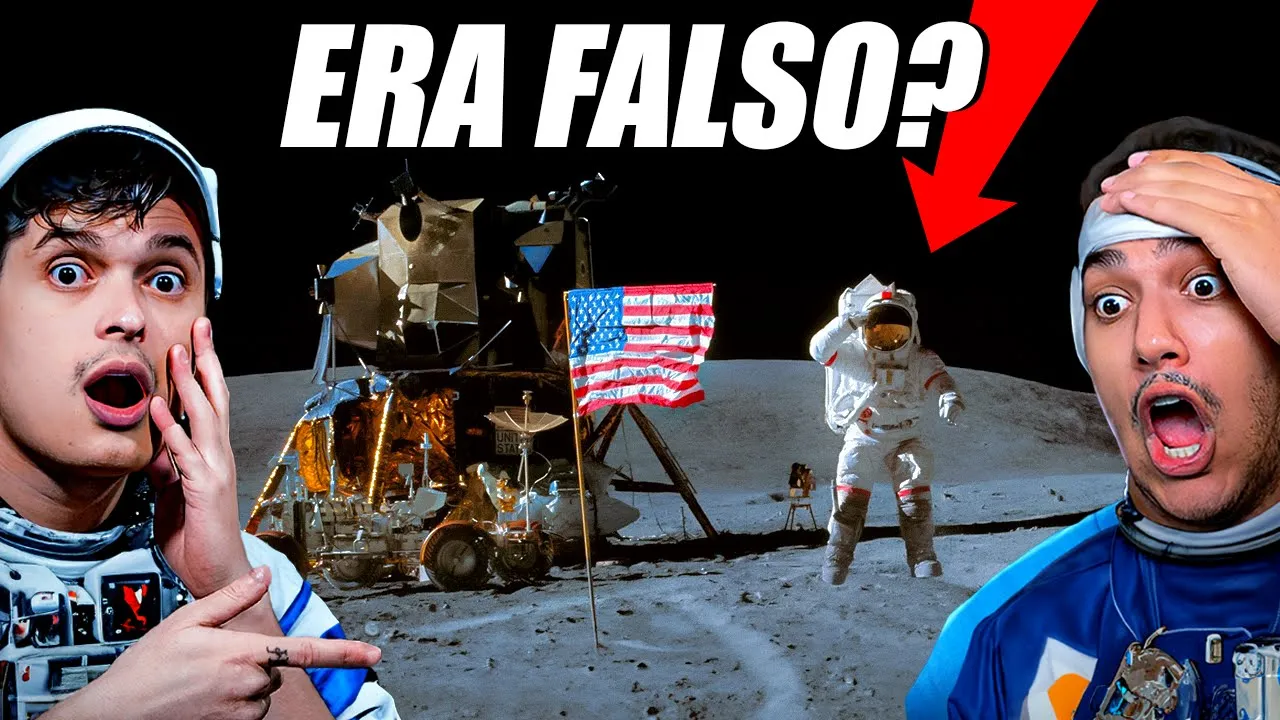
![SACANI RESPONDE [ESPECIAL 55 ANOS MISSÃO APOLLO 11] - Ciência Sem Fim #256](https://i.ytimg.com/vi/dVQY0HdbEQs/maxresdefault.jpg)



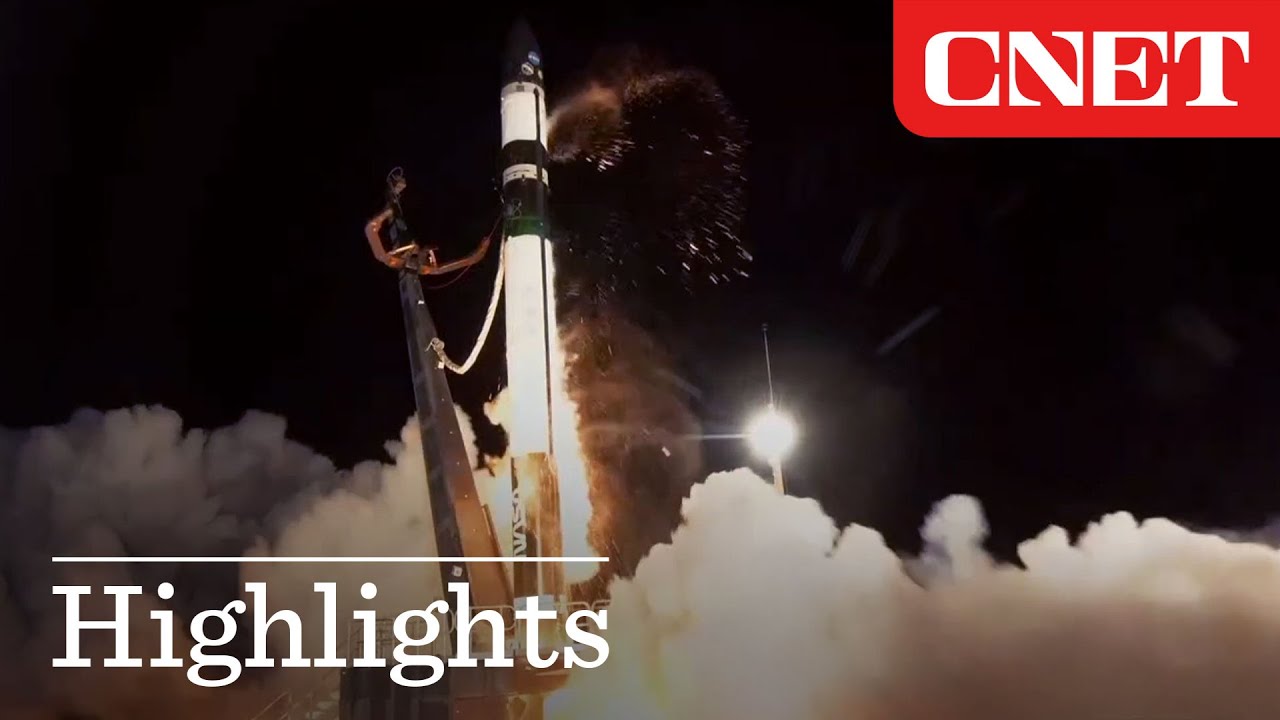
![[Liftoff 32:54] Chang'e 5 Launch from the Moon LIVE | China moon mission | Chang'e 5 ascent liftoff](https://i.ytimg.com/vi/-uFtjQsxwjk/maxresdefault.jpg)

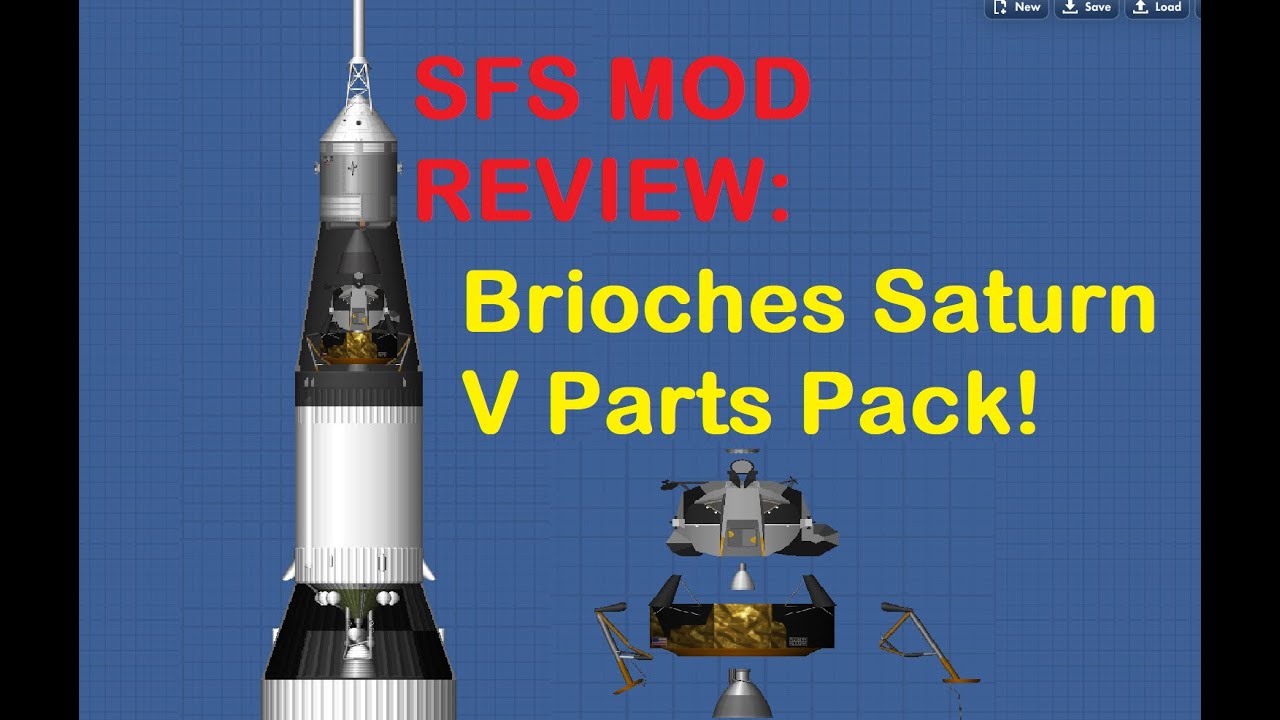
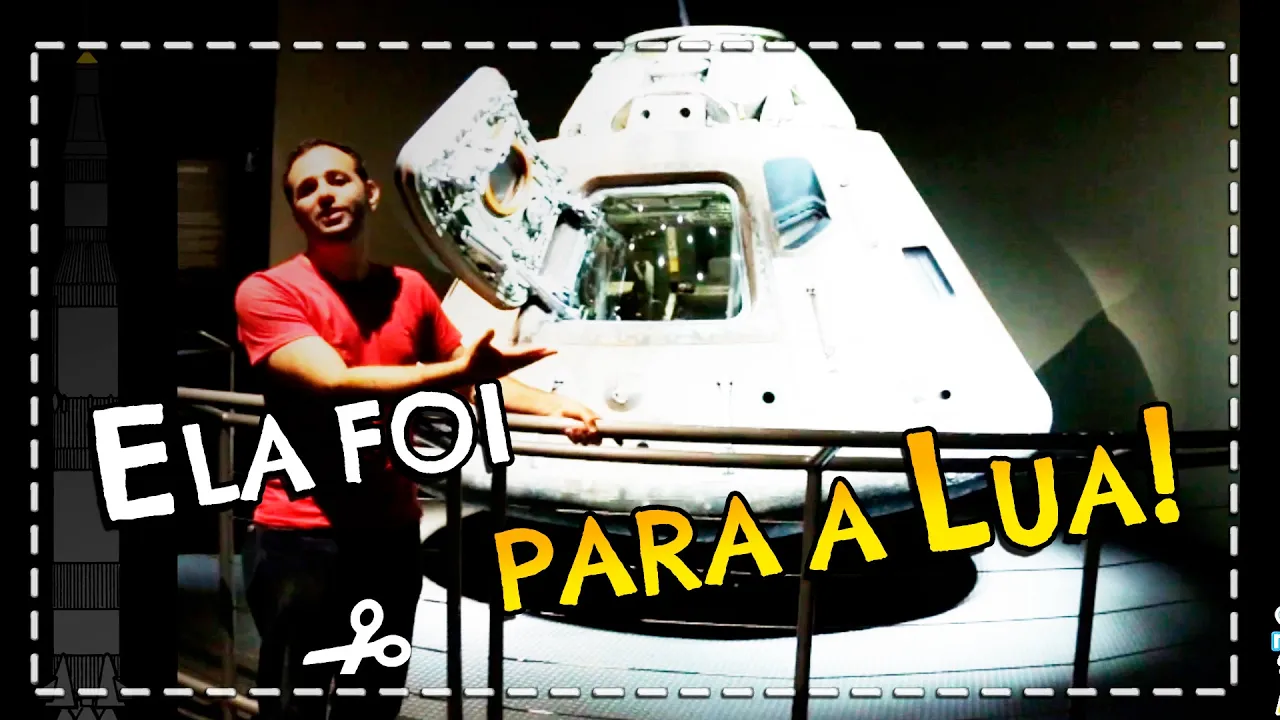




![Apollo 8: Remastered [4K]](https://i.ytimg.com/vi/l2HwojMGaTw/maxresdefault.jpg)



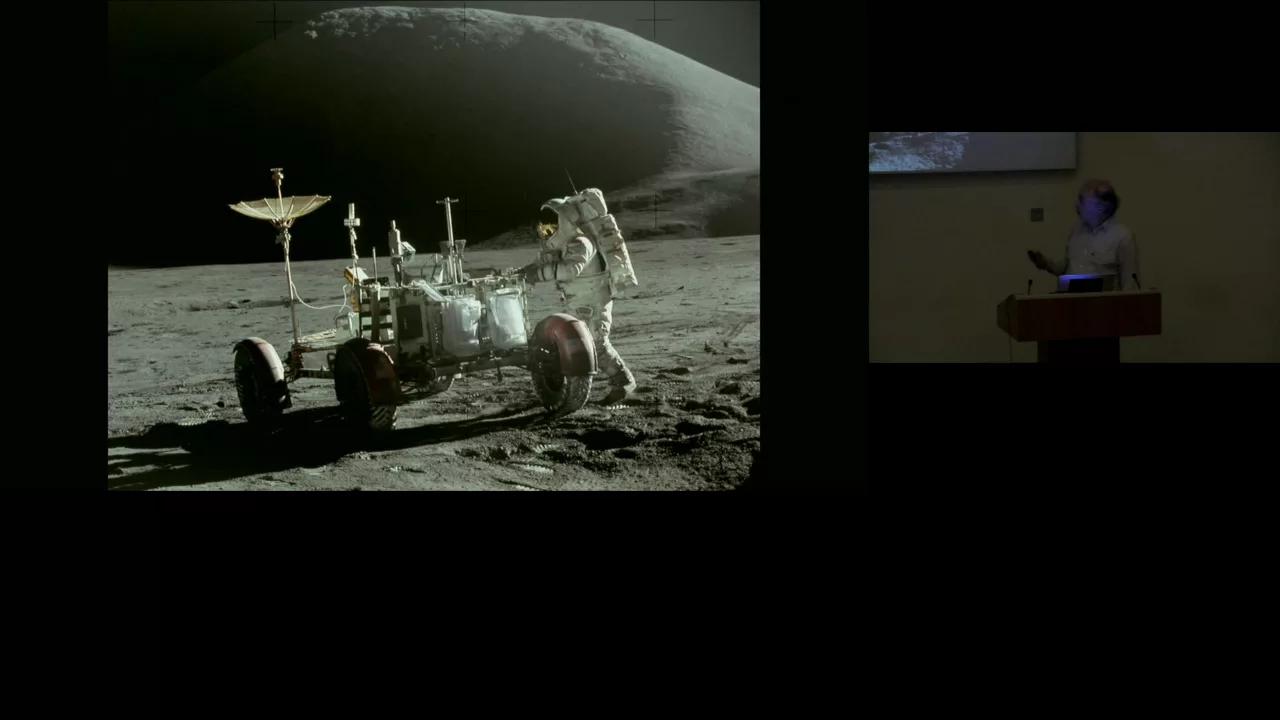



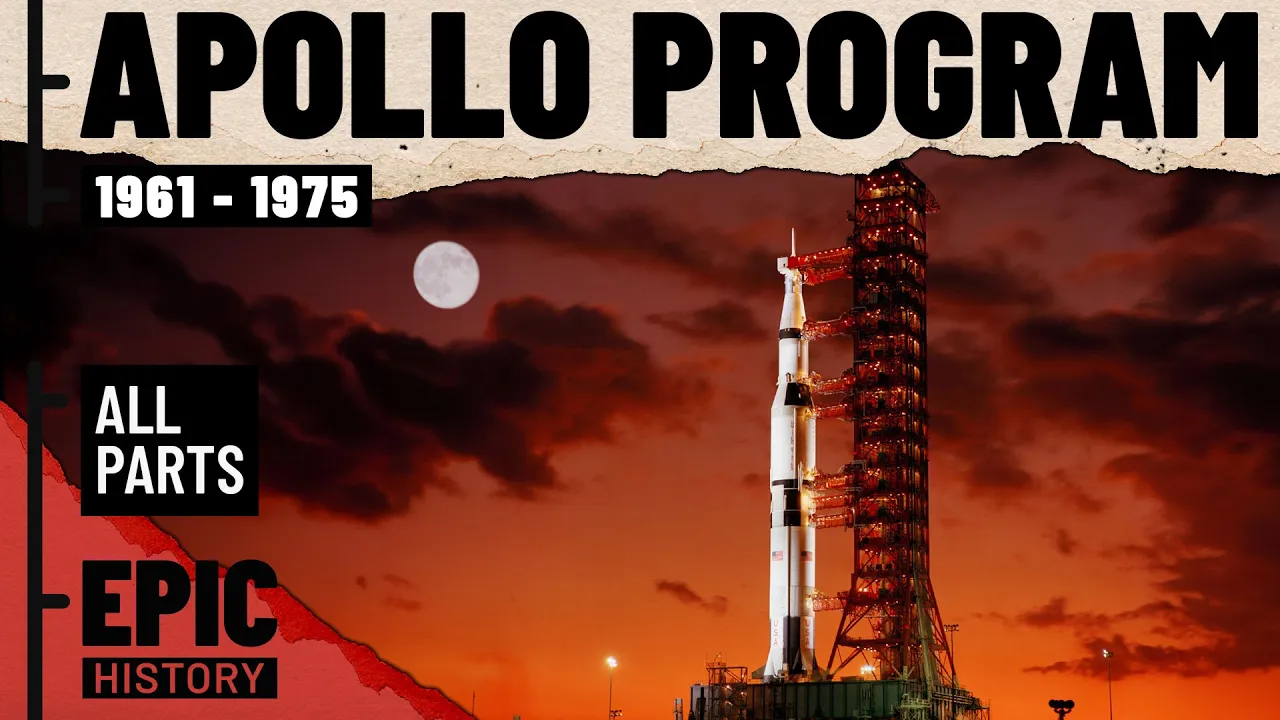

Apollo 11 was NASA's historic mission to land humans on the moon, carrying astronauts Neil Armstrong, Buzz Aldrin, and Mike Collins who launched from Kennedy Space Center on July 16, 1969, fulfilling President Kennedy's 1961 pledge to put a man on the moon and return him safely within the decade; the mission represented the culmination of a massive national effort and the most difficult space mission ever attempted, with Armstrong becoming the first human to walk on the lunar surface.
Apollo 11: The Complete 10-Minute Preview
Added:The geopolitical context of the Cold War and the origins of the Space Race between the United States and the Soviet Union.
Basic orbital mechanics and the phases of spaceflight, including launch, Earth orbit insertion, translunar injection, and lunar orbit.
The design and components of the Saturn V rocket and the Apollo spacecraft, specifically the Command/Service Module (CSM) and the Lunar Module (LM).
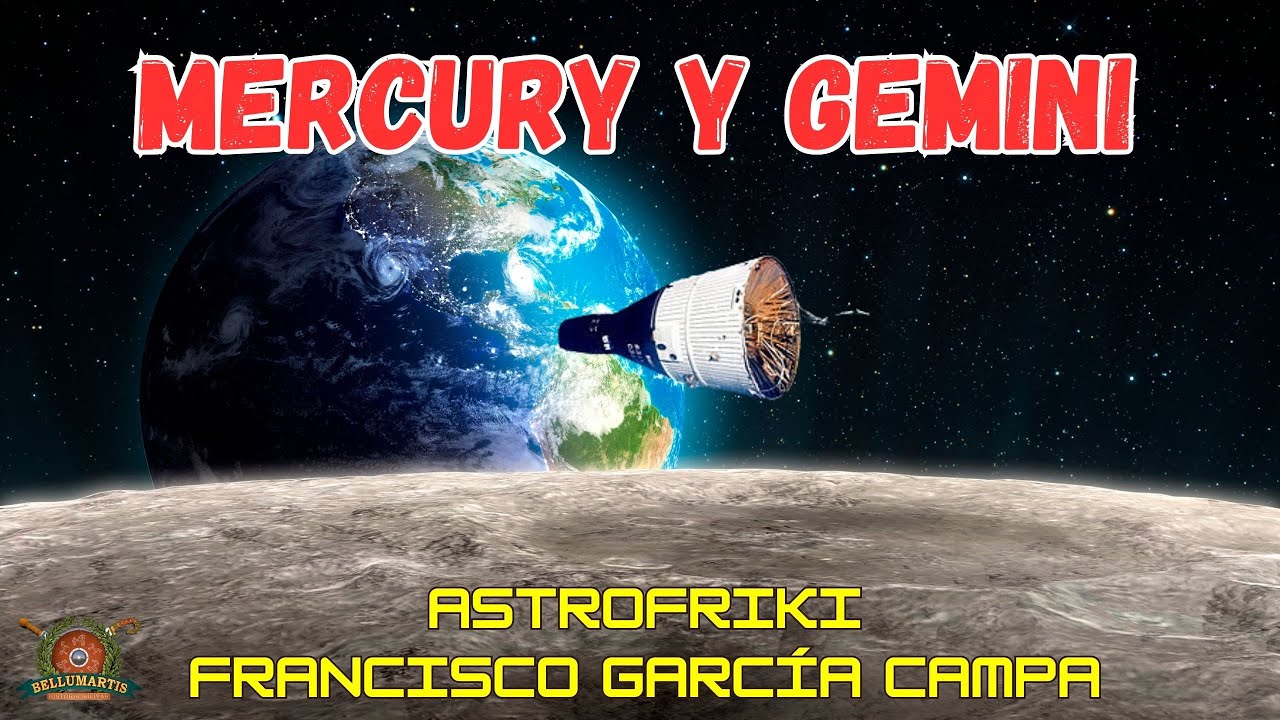
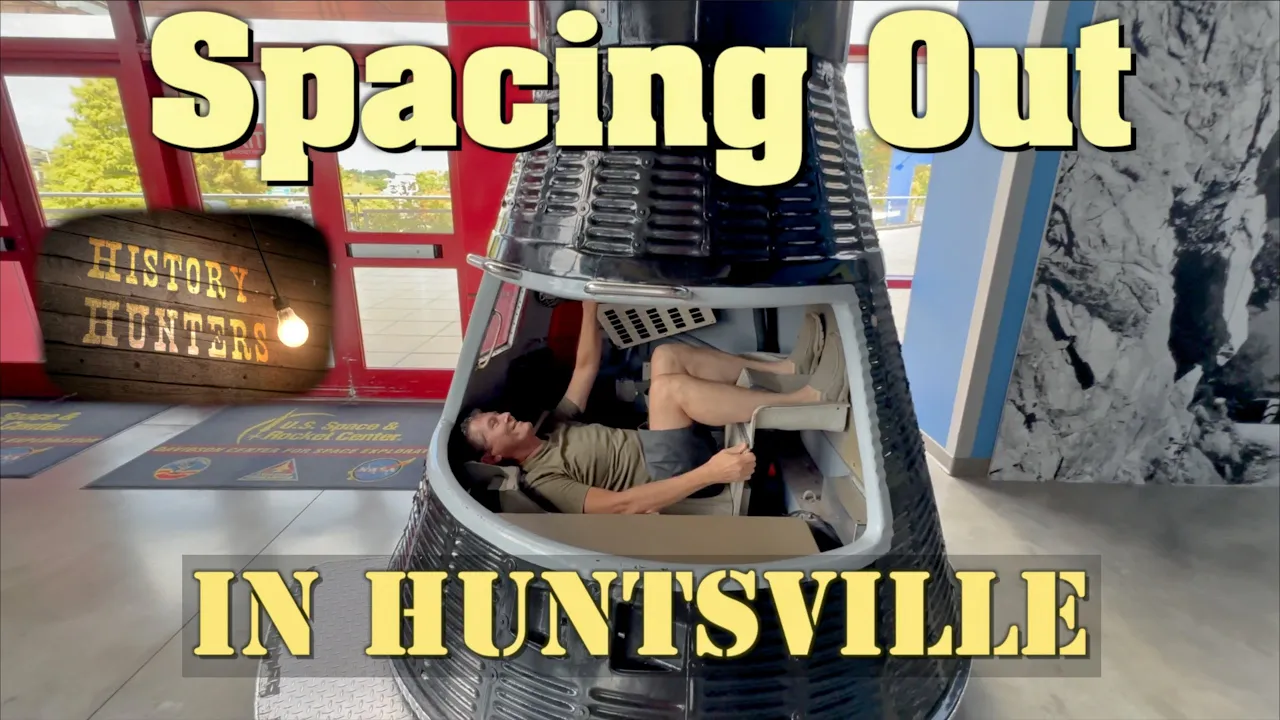
The progression of NASA's early human spaceflight initiatives, specifically Projects Mercury and Gemini, which paved the way for the Apollo program.
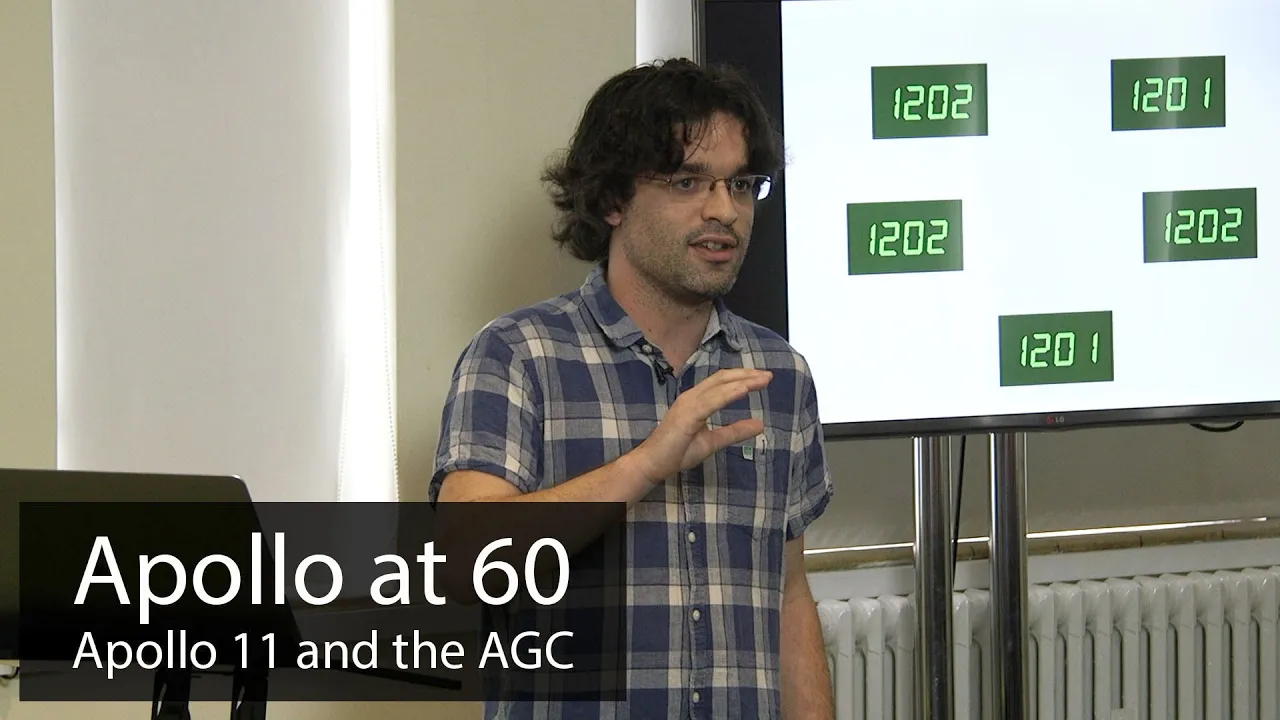
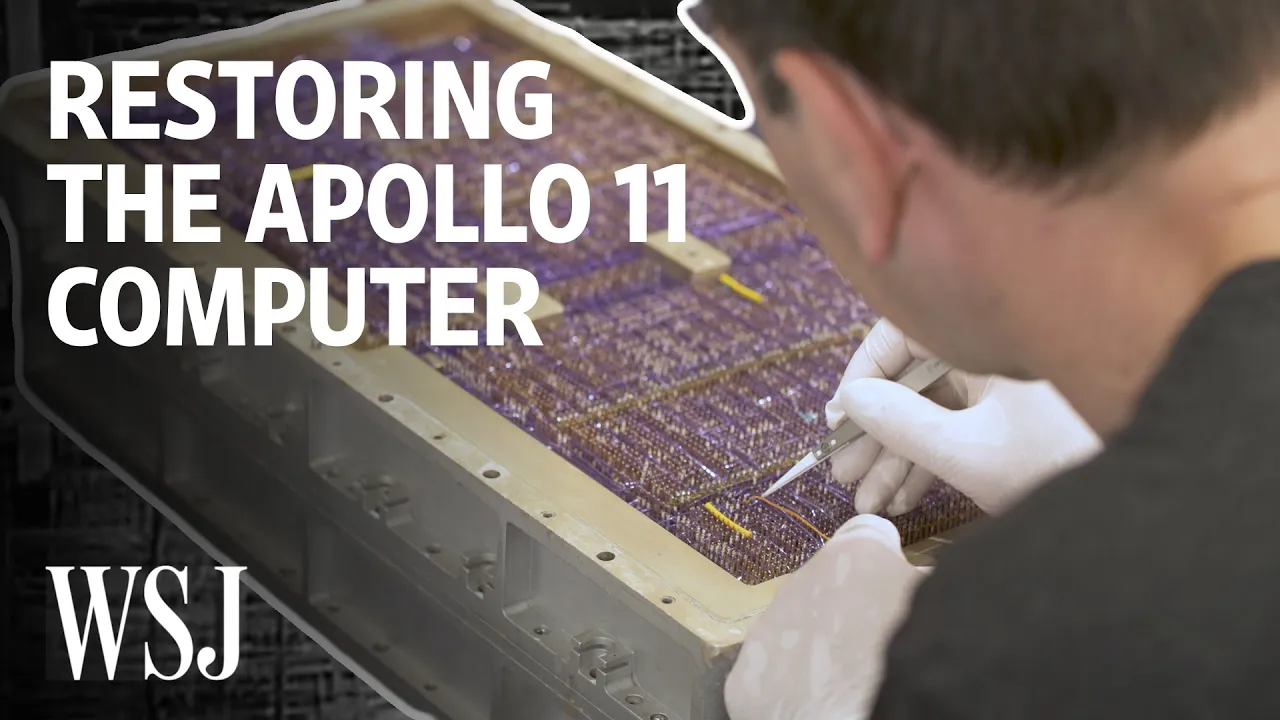
The engineering design and historical significance of the Apollo Guidance Computer (AGC) and its pioneering role in modern computing.
The scientific outcomes of the Apollo missions, including the study of lunar geology through sample return analysis and the deployment of scientific instruments.
The details of subsequent Apollo missions, specifically the survival story of Apollo 13 and the advanced scientific exploration of Apollo 15, 16, and 17.
The modern era of lunar exploration, including NASA's Artemis program, and how it seeks to build sustainable infrastructure on the Moon compared to the Apollo program.
501.5K views6Klikes9:46Original Release: 2019-05-08
[Music] you yeah are they any changes to the schedule our new line item 7 which is shown for all day all of her shifty feet the tank pressurization test will not start and told 1300 when do you want to run lychee first you have TP money you're gonna extend that time out for five hours by cutting it off on the front end of that lhp storage tank right Thursday it's three hours and 32 minutes until man begins the greatest adventure in his history if all goes well Auto 11 astronauts Armstrong Aldrin and Collins are to lift off from pad 39a out there on the voyage man always has dreamed about so it is now before they go is there gleaming vehicle sits poised and peaceful out there that there is time if only briefly in this busy morning think of those three men and the burdens and the hopes that they carry on behalf of all mankind and boring through the vastness blackness the cold of space I'll carry the pledge made eight years ago by President Kennedy put a man on the moon and bring him back safely in this decade each segment of the mission every individual piece has to be completed perfectly in order for the next step to be possible and of course the nation itself is back eNOS so we just sincerely hope that we measure up to that the whole Apollo program was designed to get to Americans to the lunar surface and back again very safely the enormity of this event is something that only history will be able to judge Apollo 11 is very simply been given the mission of carrying men to the moon landing them there and bringing them safely back or in addition to the mission the three astronauts will perform and the experiments they'll undertake these men will carry with them many other things many things they're not nearly so easy to describe during the planned Apollo 11 journey we'll be concerned with such things as mid-course Corrections and docking Gastronauts of course will be concerned with very much more [Music] light of Apollo 11 is to be the culmination of a national effort and the most difficult most dangerous mission ever attempted since this country and the Russians started sending men into space [Music] thirty-eight-year-old civilian neil Alden Armstrong to become the first human being to touch the moon Aldrin will follow just 20 minutes later but Armstrong will take that first step the mission of Apollo 11 a journey certainly with history books the beginning of man's greatest adventure leaving this planet to set foot on a mall okay everybody gonna go first start on me you're just typing to unverified the f-18 spacecraft ready for John [Music] I'll fake it stand by to give a crew departure status at this time baby [Music] I know Carolyne all right Roger de Beaufort oh right here you built a big budget I know the dawn of this day heralded the dawning of a new age it's a time of exhilaration reflection hope for film as the centuries-old dream starts toward reality mr. Patterson on launch control t minus three hours four minutes 32 seconds and counting right on time as far as the astronaut compound is concerned the prime clue now departing from their crew quarters here at the Kennedy Space Center astronauts Neil Armstrong Buzz Aldrin and then finally Mike Collins plus their suit technicians and director of flight crew operations teach Slayton now boarding the transfer van ever trip to the launch pad [Applause] the trip in the transfer vans would take some 15 minutes or so to reach the pad at which time the astronauts will board the first of two big evaders for the trip to the 320 foot level at the launch pad where they will then proceed to ingress the spacecraft
Up Next

12:12
Apollo-Soyuz Test Project: First International Space Docking (1975)
@SLICEHistory
1.2K views•2023-06-27

12:54
Triumph of Orthodoxy Icon: Byzantine Art & History Explained
@BenCallan
2.1K views•2024-08-06

9:49
FastAPI vs Flask vs Django: Choosing the Right Python Web Framework
@TechWithTim
302.5K views•2024-05-26

1:42
Game of Thrones Opening Credits: A Cinematic Analysis
@gameofthrones
46.3M views•2011-04-18
Related Study Plans & Knowledge Roadmaps
Structured learning paths in General & Interdisciplinary Studies
general-studies
Elevator Engineering: History, Physics & Cities
01From Hoists to Safety Brakes: The Dawn of Vertical Lift
02Hydraulic vs. Traction: The Engineering Physics of Elevators
03Modern Speed, Safety, and Algorithms
+ 2 more learning modules
12h5 modules
Explore Roadmap
general-studies
Rubber: Material Science, History & Geopolitics
01Origins of Natural Rubber & Mesoamerican History
02The Chemistry of Natural Rubber & Vulcanization
03The Geopolitics of the Rubber Boom & Colonization
+ 2 more learning modules
12h5 modules
Explore Roadmap
general-studies
Containerization: Evolution, Logistics & Trade
01Ancient Trade & Bulk Cargo: Amphorae to Barrels
02The Industrial Revolution & Cardboard Packaging
03The Containerization Revolution: Malcom McLean
+ 2 more learning modules
12h5 modules
Explore Roadmap
general-studies
Textile Tech: Evolution, Labor & Global Impact
01Pre-Industrial Textiles: Handloom & Cottage Industry
02Mechanization: The Spinning Jenny to the Power Loom
03The Factory System & Global Labor Transformation
+ 2 more learning modules
10h5 modules
Explore Roadmap