





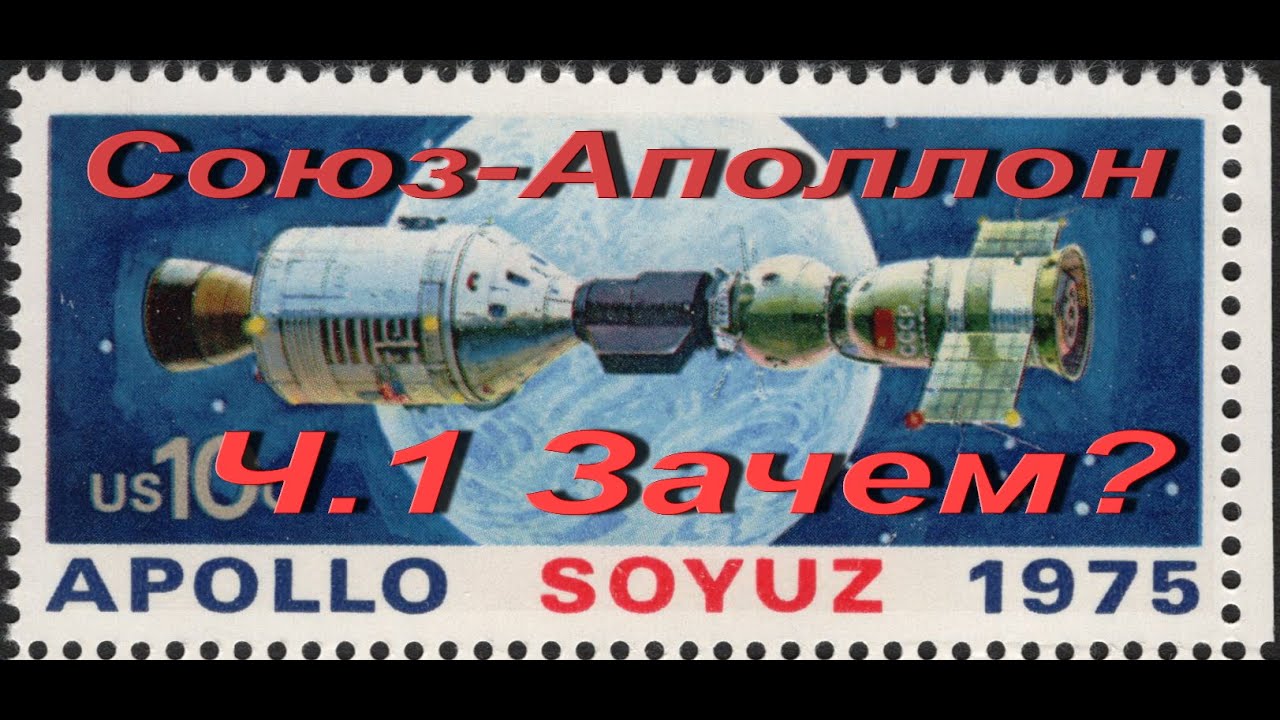







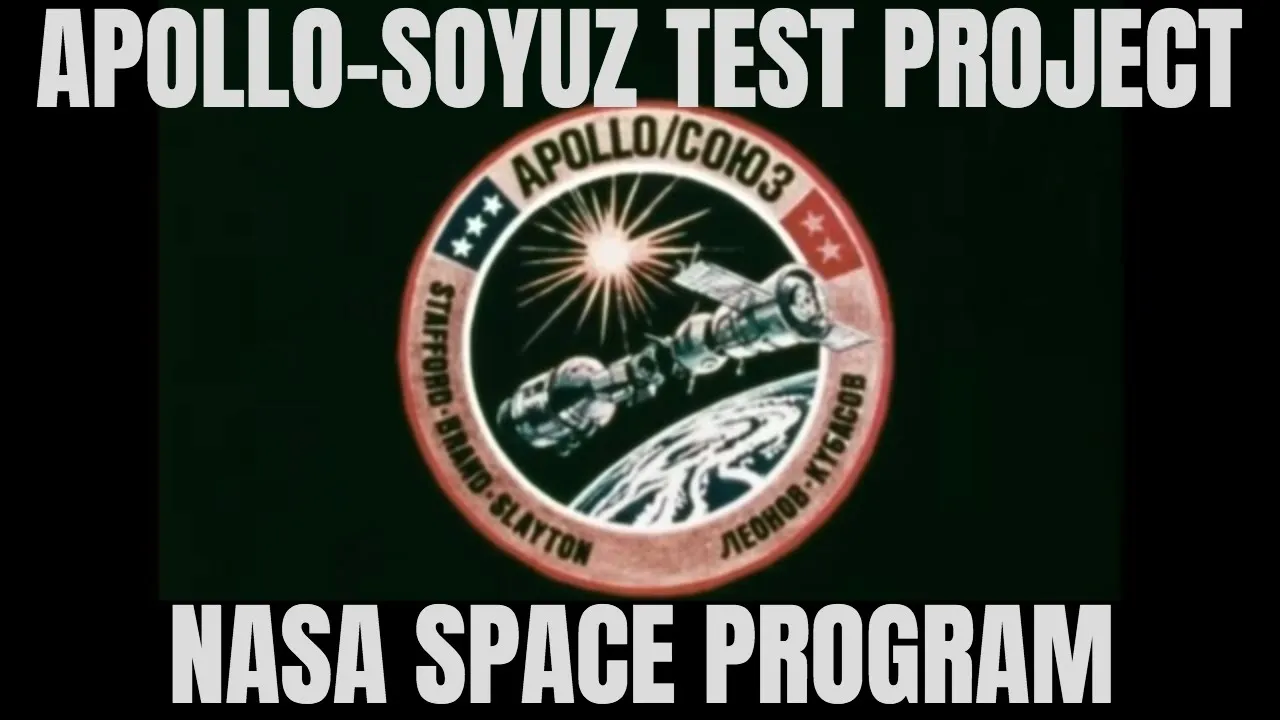


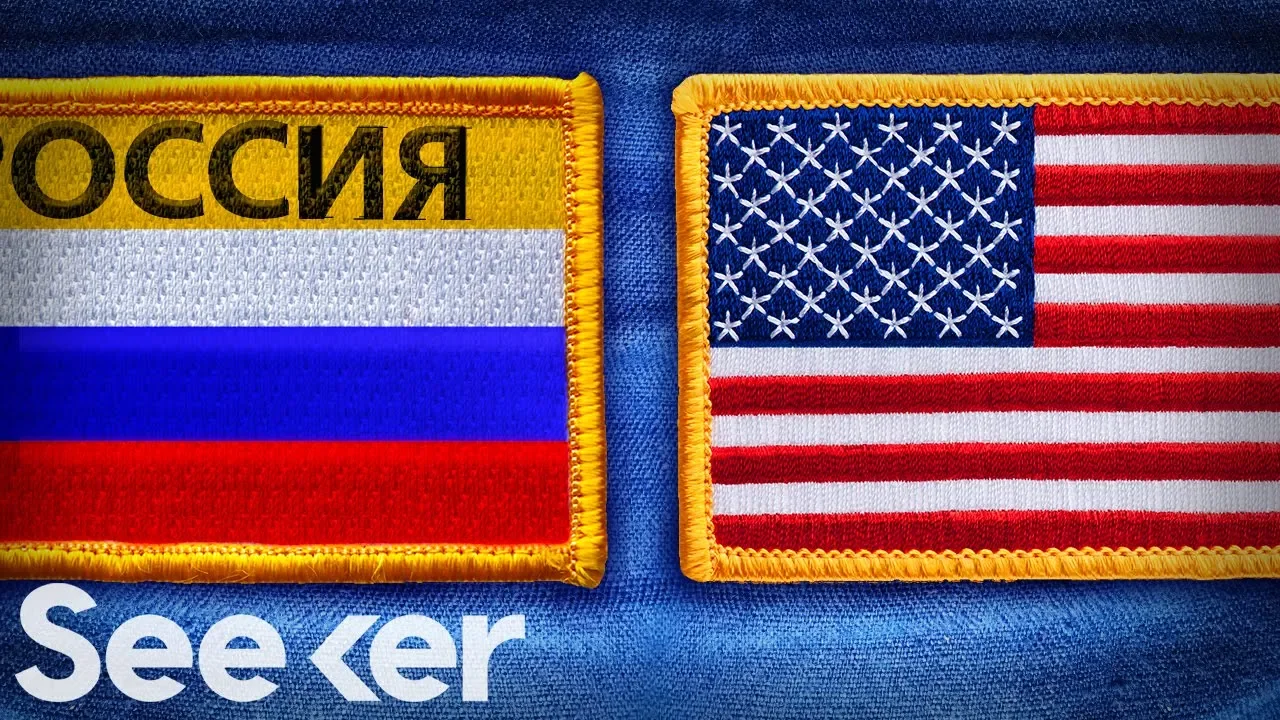


The Apollo-Soyuz Test Project (1975) marked the first successful docking of American and Soviet spacecraft in orbit, symbolizing the end of 20 years of Cold War space competition and demonstrating that international cooperation in space was possible despite political tensions; the mission involved 44-hour pursuit, precise docking maneuvers without laser guidance, atmospheric balancing between vessels, and a historic handshake between Commander Thomas Stafford and Commander Alexei Leonov witnessed by a billion people worldwide, with both leaders Brezhnev and Ford sending congratulatory messages emphasizing scientific cooperation for peace and human progress.
Apollo-Soyuz Test Project: First International Space Docking (1975)
Added:The geopolitical context of the Cold War and the Space Race, which defined the intense rivalry between the United States and the Soviet Union.
Basic concepts of orbital mechanics, specifically the physics and mathematics behind orbital rendezvous and spacecraft alignment.
The mechanical and environmental differences between the Apollo and Soyuz spacecraft systems, such as their differing cabin atmospheres (pure oxygen vs. nitrogen-oxygen mix) and pressures.
The diplomatic concept of 'détente' during the 1970s, which marked a temporary easing of strained relations between the US and USSR.
The Shuttle-Mir Program of the 1990s, which served as the next major collaborative milestone between NASA and the Russian Space Agency.
The planning, assembly, and multi-nation operations of the International Space Station (ISS), heavily utilizing lessons learned from ASTP.
The technical evolution of space docking hardware, specifically the development of the Androgynous Peripheral Attach System (APAS) used on the Space Shuttle and ISS.
The study of 'space diplomacy' and how international scientific endeavors can be used as tools for peace and geopolitical de-escalation.
1.2K views38likes12:12Original Release: 2023-06-27
good morning again Jim Hartz and Alan Shepard from the Mission Control Center in Houston Texas live this morning more than 2 000 journalists came from all over the world to Cape Canaveral in Florida to witness the takeoff [Music] for the very first time the launch of the soyuz rocket was being broadcast live from the baikonur cosmodrome [Music] while the cosmonauts were on their way to the soyuz 9 000 kilometers away the astronauts were having breakfast 7 hours and 20 minutes it would be their turn to take off [Music] her places aboard the soyuz and commence their checklist identical in all respects to the one the Americans would be using [Music] [Applause] at 5 20 PM soyuz parted company with the Kazakh step the Moment of Truth had arrived for the 460 technicians in charge of the launch phase and indeed for all those who had been working for the last three years to ensure the mission success [Music] the Saturn 1B was ready for its final voyage 600 tons divided into two stages to propel Apollo into orbit [Music] [Music] [Applause] at 3 50 PM Apollo took off from Cape Canaveral [Music] coming from different places finding a common orbit Etc which approach each other and finally manage to join together but it was an abnormal situation for an Earthling who always goes from one place to another landing and returning so this was a novelty for 44 hours Apollo pursued soyuz into orbit at over 20 000 kilometers per hour the two modules had a date on the 36th Revolution okay this is Apollo control apparently the DPI maneuver was indeed successful Houston flights sure the flight director and the other people here in the control center are happy to know that uh I like you to know that Paula is go for Doc also uh two message messages go for docking Houston is go for docking it's up to you guys have fun all righty sounds good [Music] first we saw Apollo's light through our portal we thought we can see you looking mirror and mirror [Music] foreign [Music] I was concentrating see we had put the same type docking Target on the side use we had on the lunar module and so I was flying it in my main concentration was to get it exactly lined up which I did and at the exact velocity which you have to judge was right we didn't have a laser or anything we just had to judge it very gently [Music] meters [Music] contacts [Music] [Music] okay how we waited for that moment we waited for the hatch to open our cameras were plugged in what stores we were watching them we heard the cries of joy we were so happy for them the whole Command Center started to applaud this symbolic event when the crews from two countries met up in orbit [Music] before opening the hatch the Soviets and Americans had to balance the atmospheres in the two vessels as planned I was in Mission Control watching it and aware of you know what's going to happen I hope it went off without a problem the pressures were good that the timing was good the television would work the voice would be transmitted panel six uh I opened that hatch I had to speak Russian as well as he spoke English I went and I knocked on the knock knock on the other side I heard this knock knock I said in Russian Buddha Tom who's there [Music] two ways the hatch open slowly we could see the frontier between our two ships there was a black and white ribbon marking the frontier Tom smiled at me and held his hand yeah I was right on the frontier and we shook hands are used we knew that a billion people on this Earth was going to be watching us so it had to go right you know for us who work on something for five years it was a long time so we had been through so many subjects and so much detail to get to that point that you know you're just carrying this big set of decisions that you have made and choices that you've made about how this is going to work and then when you finally get the chance to do it it's sort of a confirmation that all those choices you made along the way were okay the main objective of the Apollo soyuz Mission had been achieved the two spacecraft had docked successfully some 225 kilometers away the image of the two vessels coming together and the handshake between Alexi leonov and Thomas Stafford was being seen all around the world foreign docked for two days and the first International spacecraft clocked up more than 6 million kilometers in orbit around the Earth Soviets and Americans visited each other going from one craft to the other and conducting various scientific experiments together in turn the crews received the congratulations of their leaders first to speak out was Leonid Brezhnev the General Secretary of the Communist Party of the Soviet Union sent a handwritten message to Alexa yelasev a I didn't want to do it I don't have the delivery of TV presenters we brought in a star presenter from the balachovira in the name of the Soviet people and from myself personally I am we held out the letter and said Beware each letter is important because it comes from breshnev he stood to one side to read it and then told us I can't read it and pay attention to each letter asked him why he said his written Elbridge live I can't read El Brezhnev it's either freshnab or leave I had no answer I asked my superiors for advice silence I told him say Leonid and he read new possibilities are opening up for fruitful development of scientific cooperation between countries and the peoples in the interests of of peace and progress of all Humanity I wish you successful completion of the planned program and a safe return to Earth Leonid that's how it was at the time the political context was interesting at the White House the message from U.S President Gerald Ford was the same if somewhat less formal admiration for your hard work your total dedication in preparing for this first joint flight and I'm confident that the day is not far off when space missions made possible by this first joint effort will be more or less commonplace and may I say in signing off here's to a soft Landing [Applause] thank you Mr President okay thank you throughout the duration of the mission the crews exchanged symbolic gifts the two Mission commanders also signed a document commemorating their meeting in space [Music]
Up Next
29:55
Space Stations: The History and Future of Orbital Habitats
@TechChasm
17.9K views•2021-04-21

12:54
Triumph of Orthodoxy Icon: Byzantine Art & History Explained
@BenCallan
2.1K views•2024-08-06

9:49
FastAPI vs Flask vs Django: Choosing the Right Python Web Framework
@TechWithTim
302.5K views•2024-05-26

1:42
Game of Thrones Opening Credits: A Cinematic Analysis
@gameofthrones
46.3M views•2011-04-18
Related Study Plans & Knowledge Roadmaps
Structured learning paths in General & Interdisciplinary Studies
general-studies
Elevator Engineering: History, Physics & Cities
01From Hoists to Safety Brakes: The Dawn of Vertical Lift
02Hydraulic vs. Traction: The Engineering Physics of Elevators
03Modern Speed, Safety, and Algorithms
+ 2 more learning modules
12h5 modules
Explore Roadmap
general-studies
Rubber: Material Science, History & Geopolitics
01Origins of Natural Rubber & Mesoamerican History
02The Chemistry of Natural Rubber & Vulcanization
03The Geopolitics of the Rubber Boom & Colonization
+ 2 more learning modules
12h5 modules
Explore Roadmap
general-studies
Containerization: Evolution, Logistics & Trade
01Ancient Trade & Bulk Cargo: Amphorae to Barrels
02The Industrial Revolution & Cardboard Packaging
03The Containerization Revolution: Malcom McLean
+ 2 more learning modules
12h5 modules
Explore Roadmap
general-studies
Textile Tech: Evolution, Labor & Global Impact
01Pre-Industrial Textiles: Handloom & Cottage Industry
02Mechanization: The Spinning Jenny to the Power Loom
03The Factory System & Global Labor Transformation
+ 2 more learning modules
10h5 modules
Explore Roadmap