




![SACANI RESPONDE [ESPECIAL 55 ANOS MISSÃO APOLLO 11] - Ciência Sem Fim #256](https://i.ytimg.com/vi/dVQY0HdbEQs/maxresdefault.jpg)
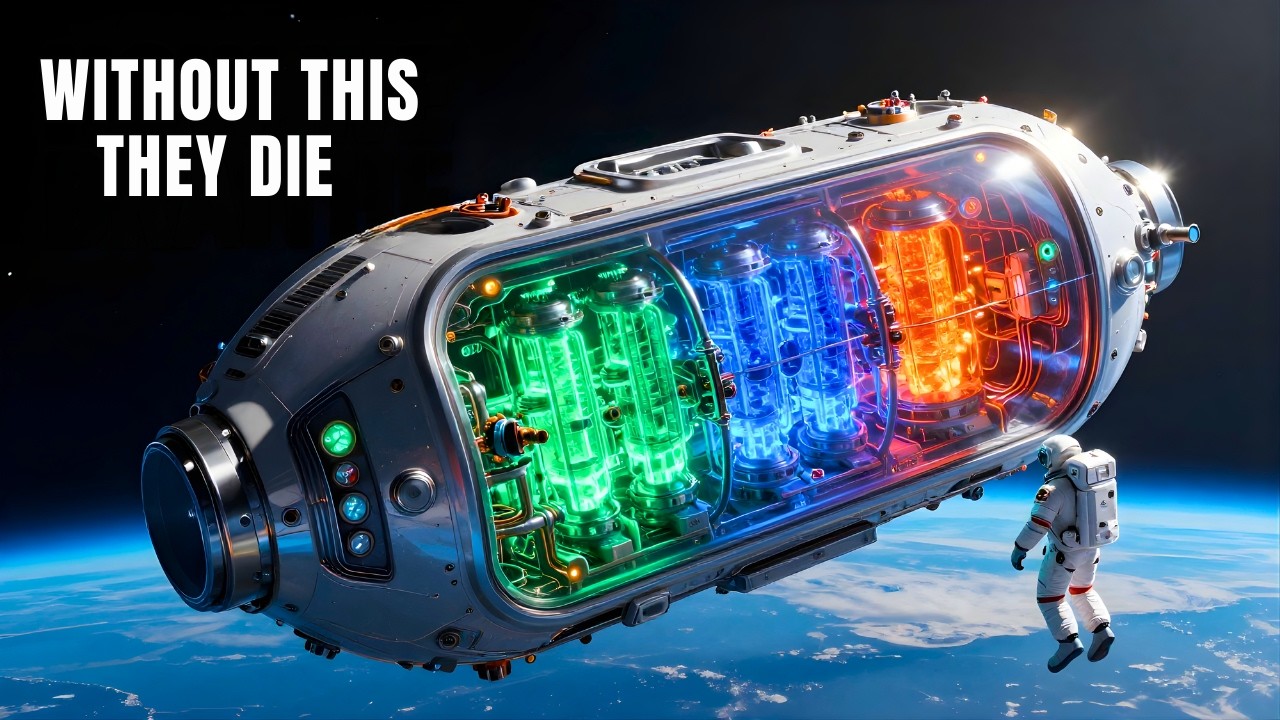









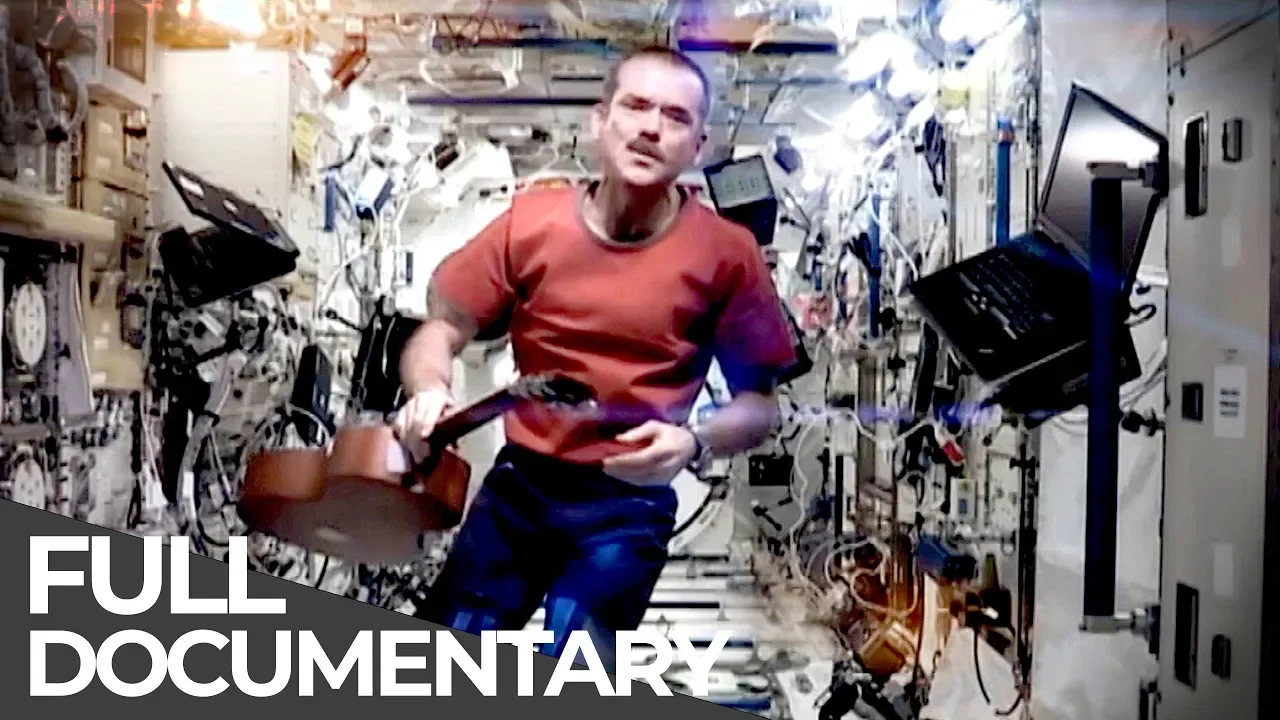

After the Apollo moon landings, humanity chose to build space stations instead of moon bases primarily due to political and economic factors: the Cold War competition between the US and Soviet Union made space stations more practical (requiring only 400 km travel vs. 400,000 km to the moon), and the Space Shuttle program cost nearly as much as the entire Apollo program ($260 billion vs. $300 billion) while binding the US to low Earth orbit for decades. This decision, while logical at the time, has limited human space exploration to low Earth orbit for nearly 50 years, with the ISS costing $200 billion and the Mir station only $4.2 billion.
Space Stations: The History and Future of Orbital Habitats
Added:Basic principles of orbital mechanics, including what 'Low Earth Orbit' (LEO) means and how objects maintain orbit through velocity.
The historical context of the Cold War Space Race, which drove the early development of Soviet (Salyut) and American (Skylab) programs.
The fundamental challenges of human survival in space, such as microgravity, solar radiation, and the necessity of Environmental Control and Life Support Systems (ECLSS).
The difference between suborbital flights, orbital spaceflight, and deep space exploration.
The economics and engineering of private space stations currently in development, such as Axiom Station and Orbital Reef.
The design and international cooperation involved in the Lunar Gateway, humanity's planned habitat in orbit around the Moon.
Advanced closed-loop bio-regenerative life support systems required for long-duration missions to Mars.
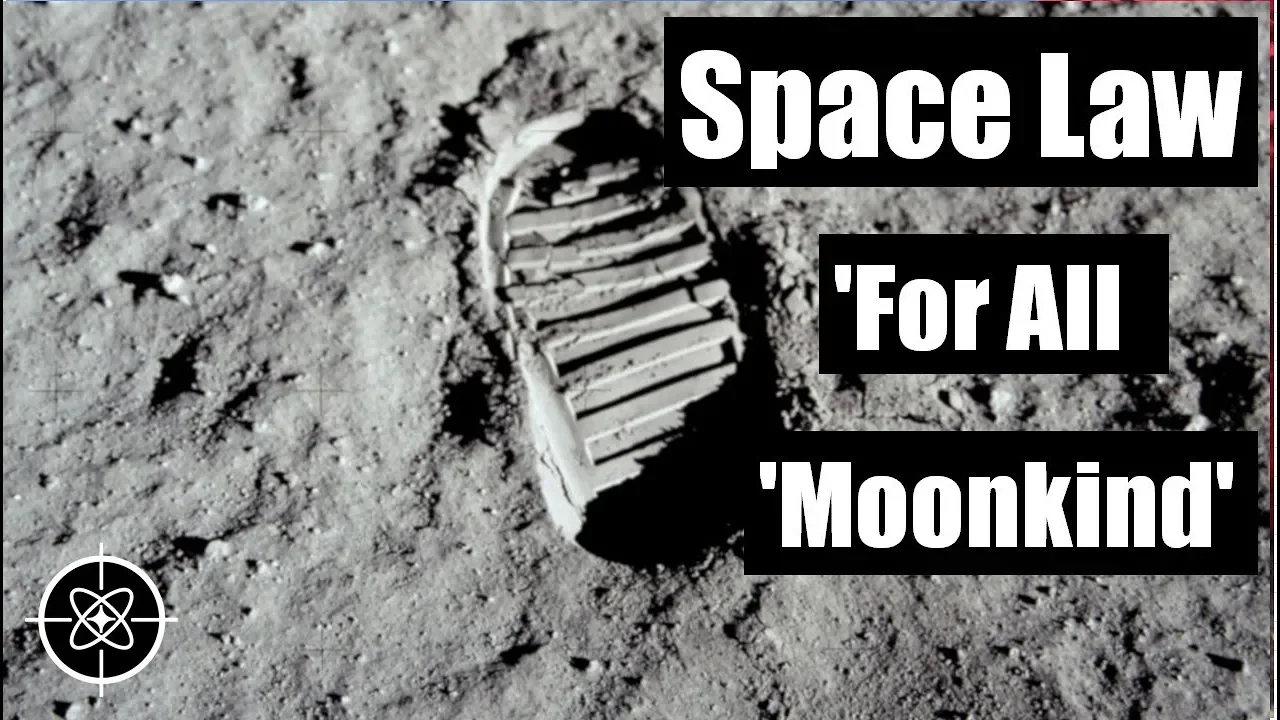
Space law and international policy governing orbital real estate, liability, and commercial exploitation of Low Earth Orbit.
17.9K views1.4Klikes29:55Original Release: 2021-04-21
welcome to the third video of the collaborative effort between to the future and the total space network this video series deals with the topic of humans in space from our first steps into space out into the far future where we'll hopefully become a space-faring civilization in the first video we were talking about our first steps to leave our home planet and venture forth into the unknown to boldly go where no human had gone before this was the space race of the 50s 60s and 70s where the soviet union and u.s achieved ever more impressive feats in the second episode the total space network detailed the moon race where the soviet union and the us were trying to reach the moon before the other we highly recommend you to watch that episode and this episode now will deal with what came after the moon landings a moon base unfortunately not no instead humanity chose to build space stations we are of course sad with that decision but we will tell you why this in hindsight bad decision to give up the moon made sense back then from the perspective of politicians both in the u.s and the soviet union we will talk about the soviet solute space stations and of course about the famous mir and we will talk about skylab on the american side then we'll progress further to the present day with the iss of course we'll also talk about china's tiangong stations and about their future plans and also briefly about the commercial future of space stations it will hopefully be an interesting episode so stay tuned last time on humans in space the awesome total space network detailed the achievements in the moon race the epic race between the soviet union and the united states of america to put a man on the moon the american saturn v on one side versus the soviet n1 on the other it was a truly epic race full of drama spectacle and setbacks but in the end america had won with apollo 11 on july 20th 1969 yet still america continued with many more apollo missions until 1972 when the last humans left the moon in december 1972 on apollo 17.
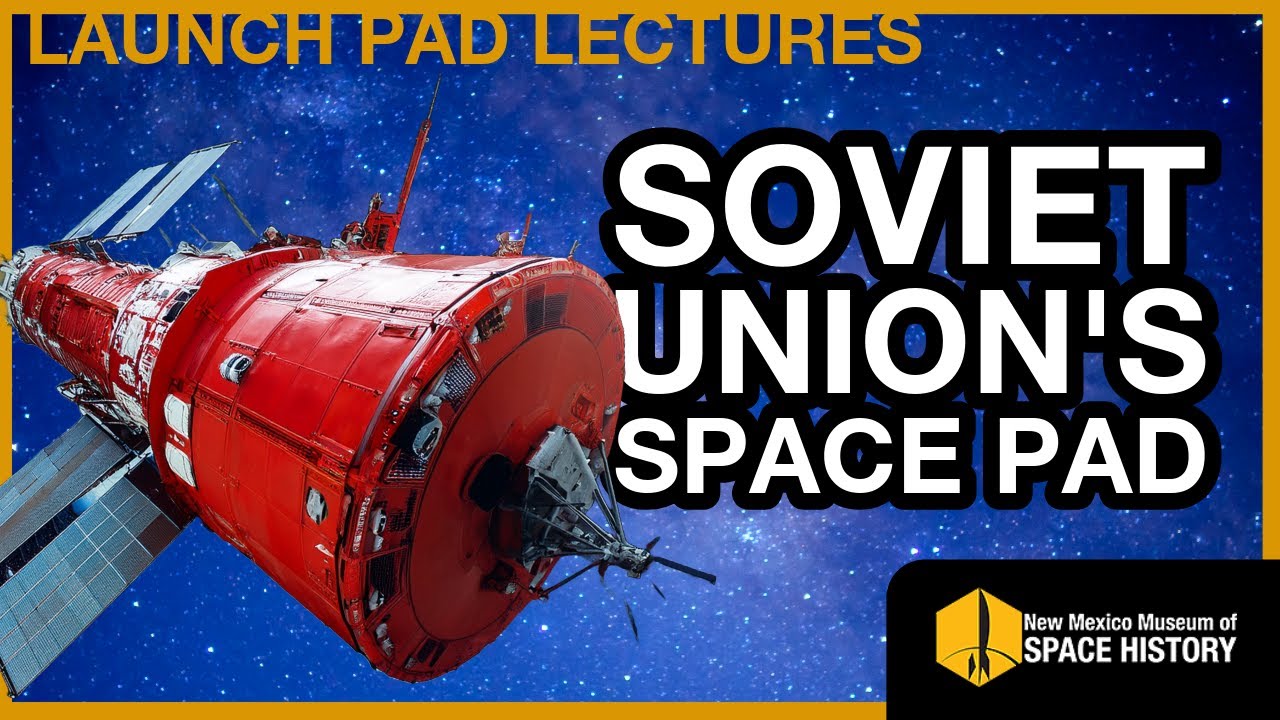
we by the way put the link to that video into the description below this video and of course you can also listen to their podcast for example on their excellent webpage link also in the description so then after the unbelievable achievements of the late 60s and early 70s one would think that in the year 2021 we would have large cities on the moon and would have certainly at least a small base on mars right as we know history unfortunately didn't proceed on that path that we would have liked but why why aren't we already much further ahead in space development why have we stagnated nay even regressed since the days of apollo why instead of a moon base and mars base did we only get a space station we currently have one international space station and that's it that's all what humanity has in terms of human space flight in the year 2021 quite pathetic isn't it we went from being able to land people on the moon explore the moon with rovers drive around on another celestial body to only fly to low earth orbit how come what had happened well space stations happened see you have to understand the logic and reasoning of the politicians of that time politicians do not do things for the betterment of humanity or for the betterment of the human race they do things for short-term gains of their own country or government that's it short-term gain for their own government and more often than not for themselves seldomly do we get a marcus aurelius type of philosopher on the throne seldomly do we get a john f kennedy type of leader who famously announced the moon program at rice university in 1962 and wanted to do these things not because they were easy but because they were hard most politicians do not share these visions and so after the huge success of the moon race the u.s was left standing as the sole victor the purpose of the apollo program as it quickly turned out was to achieve a political victory over the opponent's soviet union and not to expand the space fairing capabilities of humanity long term and in that time the cold war was at its height but since the soviets never were able to reach the moon with humans not even to circle the moon they instead started building space stations because it was easier and cheaper to put a space station into orbit than to fly to the moon instead of traveling 400 000 kilometers we would only have to travel 400 kilometers a thousand times less distance that combined with the naive belief that nasa could build a low-cost way to reach low earth orbit the space shuttle this led to the demise of human space capabilities we now know that the space shuttle was an epic fail if you will instead of creating a reusable space plane that would enable fast and cheap access to orbit we got an overpriced like really overpriced and dangerous system which would bind the us to low earth orbit for decades while the apollo program cost around 300 billion dollars inflation adjusted for today's us dollar you will be surprised to find that the space shuttle program cost about 260 billion dollars inflation adjusted so almost as much as the entire apollo program and we know that it did not live up to its promise these are the reasons why instead of building moon bases which would have been the logical course of action we are now left with one international space station the iss and this is also the reason why space flight has deteriorated since 1972. by the way this is just our opinion here on to the future you may feel differently about the space stations you may find them awesome but it's just our belief that humanity would have been a lot better off had we continued building moon bases by the early 70s the soviets themselves had realized that they had definitely lost the moon race their n1 rocket exploded all four times and by that time the americans had already landed six times on the moon with astronauts so something new was needed something easier not as hard but it needed to be spacey enough the idea of the space station was born the soviets decided to go down that route instead of further trying to land people on the moon so thus the solute program was born more specifically though the program was actually divided into two programs the dos program not to be confused with the famous disk operating system which we all loved in the 90s was the scientific research division of the soviet space station program and stood for long duration orbital station the military counterpart was the almas program which was of course secret and the goal was to test space reconnaissance so we can simplify this by saying the dos stations were civil in nature while the almas stations were military in nature so then the soviets began work on the first space station valued one while the americans were still busy roving around on the moon xylito 1 was launched on april 19 1971 into low earth orbit it was a really small space station by today's standards but of course for that time still quite impressive solute 1 offered a pressurized interior volume of 99 cubic meters had a mass of 18.4 metric tons was 20 meters long and 4 meters in maximum diameter it stayed in orbit for 175 days and was visited by missions soyuz 10 and 11 but the soyuz 10 docking failed so the mission was aborted only soyuz 11 successfully docked with solute 1 and they stayed on the station for 23 days performing lots of scientific experiments the space station was deorbited on october 11 1971 because it had run out of fuel by that time the soviets tried to send more space stations to orbit but the next three attempts were all unsuccessful dos 2 failed to reach orbit on july 29th 1972 zalute 2 the first of the alma's military stations had lost attitude control and depressurized two weeks after reaching low earth orbit on april 3rd 1973 rendering it unusable it was thus decided to let it re-enter earth's atmosphere after 13 days in orbit thus destroying the station cosmos 557 was the fourth attempt of a soviet space station part of the civil branch the os program but this one also failed and only spent 11 days in orbit being destroyed afterwards by that time the americans were thinking the soviets are building space stations so we must of course do the same nay even surpassed them thus skylab was born skylab was born from the apollo applications program this was a program created as early as 1966 to develop science-based human spaceflight missions using hardware from the apollo missions this was for one the cancelled apollo moon basis that is the apollo extension systems and the lunar exploration systems for apollo which would have foreseen the construction of large moon bases by the mid 70s we made a detailed video about the apollo aes and laser moon bases we put the link into the video description of course for the reasons discussed before this unfortunately never came to pass another cool idea was a manned venus flyby with apollo hardware this would have been pretty damn epic but as we know it also never came to pass so it was decided to opt for skylab skylab was basically a modified second stage of a saturn 1b rocket initially verna von braun proposed the second stage of a saturn v rocket which would of course have been much larger but unfortunately when skylab was proposed in the late 60s it was not yet known how many saturn vs would be needed for the moon landings so it was decided to build a smaller space station based on the saturn 1b second stage it was still impressively large though a dry mass of 76.5 metric tons a length of 25.1 meters and a diameter of 6.61 meters yielding a really impressive 352 cubic meters of interior pressurized volume the space station was launched on may 14th 1973 on a modified saturn v rocket the last ever 7-5 launch by the way a sad day for humanity anyways so now the americans had a really impressive space station in orbit and the first skylab visit mission was launched only 11 days later on may 25th the mission name was skylet 2 and 3 astronauts in charles conrad paul white and joseph kerwin visited skylab and stayed on board for 26 days and 11 hours quite impressive the videos from that time are still fascinating because as the space station was a rocket's second stage it is still to this day the largest signal module space station we ever had the 352 cubic meters of interior volume are only one third of the iss but it must have felt a lot larger since it was one open continuous space it's kind of crazy that we still haven't topped skylab in that regard anyways personal opinion rant over two more crews of three astronauts respectively visited skylab in 1973 then after the last crew of missions skylab 4 undocked from skylab after an impressive 83 days on the station on february 8 1974 skylab was drifting alone in space for freaking 6 years yes you've heard that right these were the first big warning signs of utter failure on part of the u.s space program they had a really impressive space station which then drifted abandoned in space for six more years but since the space shuttle wasn't ready for a visit and the orbit was decaying more and more skylab had to be decommissioned on july 11 1979 and with skylab the pride of american space flight also ended and the golden era of human space flight came to a close but of course the soviets were meanwhile continuing to pump out their solute space stations and if you also want your own space station or space vehicle of any kind you might be highly interested in bohimso's awesome 3d printed models we put a link to their etsy store site into the description below they have lots of space x models of course the starship but also lots of sci-fi models for example the uss sulaco from aliens or many famous ships from star wars but since today we are talking about space stations we thought we'd show you this particular model here yes the famous dragon 2 in its crew configuration this is a very realistic model of the crew dragon spacecraft which currently brings astronauts to the international space station it is one of our favorite models from bohimso and believe us we have quite a few more which we'd like to show you in the coming months so please go and check out their etsy store site back on topic while the americans had skylab the soviets were continuing to launch their xylous space stations xylout 3 was a military space station as part of the elma's program it was launched on january 24th 1975 and remained in orbit for 213 days only 15 of which were occupied by a crew the station was of course far smaller than skylab with a length of 14.55 meters and the width of 4.15 meters and it had only 90 cubic meters of internal pressurized volume so about one-fourth of skylab's internal volume solute 4 was part of the dos program and was launched on december 26 1974 and stayed in orbit for 770 days before being decommissioned it was occupied for 92 days xyliut5 was again a military station which stayed in orbit from june 22 1976 until august 8th 1977 zalute 6 followed on september 29th 1977 and stayed in orbit for almost five years until july 29th 1982 it was occupied for a quite astounding 683 days humans were learning to live in space for longer and longer periods of time and the soviets were really leading in that regard they were able to stay aboard their space stations far longer than the americans on skylab with xylute7 then they started to set up really insane long duration records for staying aboard space stations this last space station of the xylot line was launched on april 19 1982 and stayed in orbit for almost nine years until february 7 1991 it was occupied for 816 days with the longest say being 237 days leonid kitsim vladimir zoloviov and oleg atkov were staying aboard the space station for this impressively long time and that is when the real research was started to be conducted about the long-term health effects of prolonged stays in a microgravity environment the soviets were now really leading in that field even more so since the americans by that time didn't even have a space station anymore skylab was decommissioned as we remember on july 11 1979 but as if that wasn't enough the soviets were now underway to build their largest and most famous space station of course we're talking about the space station mir which stands for peace this space station was the first space station to match skylab in terms of volume offering an impressive 350 cubic meters of internal pressurized volume the station was being built over the course of 10 years with the first module having been launched on february 20th 1986. the station was fully built out on april 23rd 1996 where it then consisted of six separate module elements and a docking module plus a progress freighter and a soyuz spacecraft both docked to the station the station was in operation for a staggering 15 years and 31 days and set up quite some long duration stay records most famously valeri poliakov stayed aboard the space station mir from january 8 1994 until march 22nd 1995 an incredible 437 days he still holds the record of the longest stay in space to this very day this day was scientifically very interesting because it demonstrated that humans could live in space for long periods of time without major adverse effects poliakoff did not suffer from any prolonged performance impairments after returning to earth nor did he encounter any other adverse long-term health effects this is of course a very important finding for flights to mars and back where space travels will have to live in spacecraft for comparable amounts of time the space station was deorbited on march 23rd 2001 after continued funding was cut off it is estimated that the total cost of the mere program was only 4.2 billion dollars over its entire lifetime really not much if we compare this to the international space station about which we're going to talk now the idea for the iss goes back to the 80s back then the u.s of course also wanted a space station during that time the soviets had two space stations solute 7 and mir but the u.s had none so the idea of space station freedom was born however due to budget constraints this idea never came to fruition but instead was gradually changed into the international space station the idea here was to cooperate internationally instead of competing against each other as had been the case during the entire period of the cold war after the collapse of the soviet union in 1991 cooperation between the usa and russia seemed a much better path forward than a renewed competition the first module of the iss was launched on november 20 on a russian proton rocket its name was zarya two weeks later the american module unity was launched aboard space shuttle flight sts-88 the third module vesda built also by russia followed on july 20 2000 and the first crew arrived a few months later in november the last major pressurized module called leonardo was added in 2011 and an experimental expandable module from bigelow aerospace was added in 2016. however assembly is still not complete as it's being planned that new modules will be added in the coming years the iss is by far the largest space station of all space stations to date with a pressurized volume of 915.6 cubic meters almost three times as much as skylab or mir but of course skylab was still more impressive in terms of one continuous space as we said because the iss consists of many smaller separated modules it has a length of 73 meters and a width of 109 meters which is also quite impressive it has been occupied now since 20 years and 5 months as of time of recording also far longer than any other space station before the longest mission was scott kelly's 340 day stay aboard the iss from march 27 2015 until march 2nd 2016. currently it is planned that the iss will still remain in orbit until around 2030. some further components and modules are planned to be added in the coming years this is for example a european robotic arm then two russian modules both set to arrive still in 2021 then two science power modules which are set to arrive no earlier than 2024 then also a segment from axiom space with a current launch date of 2024 axiom in fact plans to attach four more modules and then decouple this new axiom station from the iss once the iss will be decommissioned xbase would have been an expandable habitat module by bigelow aerospace based on their b330 modules but now that bigelow aerospace is bankrupt it is doubtful that this module will ever be launched then another planned module is the independence one from nanorex which they plan to be a spent rocket tank it should be tested how a spent rockets tank would function as a habitat but the most interesting addition to the iss is the proposed nautilus x centrifuge demonstrator it would be a module with an attached rotating torus where artificial gravity by means of centrifugal rotation would be tested this would of course be excellent because as of now we have absolutely no long-term data of gravities between 0g and 1g and what effects this would have on the human body also it will be interesting to find out how astronauts would get accustomed to the coriolis effect in a rotating module and how many rotations per minute they could stomach these findings of course will be important for future flights to mars and back because having rotating segments or rotating spacecraft on that trip would be extremely beneficial however apart from some microgravity research and how humans can live for prolonged periods of time in space it is our opinion here on to the future that moon bases would have served humanity a lot more than space stations it is exactly because of these space stations that humanity has gone nowhere since 1972 and that we've been stuck in low earth orbit for almost half a century now the iss cost a staggering 200 billion dollars until now inflation adjusted and costs 3 billion dollars per year for maintenance alone until 2030 it will thus have cost 230 billion dollars almost as much as the entire apollo program remember that the cost of the entire mere space station was only 4.2 billion dollars we dare say that the 200 billion dollars would have been better spent on returning to the moon or a mission to mars but hey that's only us oh well at least now the future is beginning finally it has only been postponed not cancelled in very large part thanks to the efforts of elon musk and his amazing company spacex of course we shouldn't forget the new space station player here namely china china had sent the first small space station called tiangong-1 with a pressurized volume of 15 cubic meters to orbit on september 29th 2011.
the station had been visited by three shenzhou spacecraft from 2011 until 2013.
in total though all three missions only stayed on board of tiangong 1 for a total of 20 days and 18 hours after the last mission the space station drifted in space alone for five more years until being decommissioned on the 2nd of april 2018. tiangong 2 followed on september 15 2016.
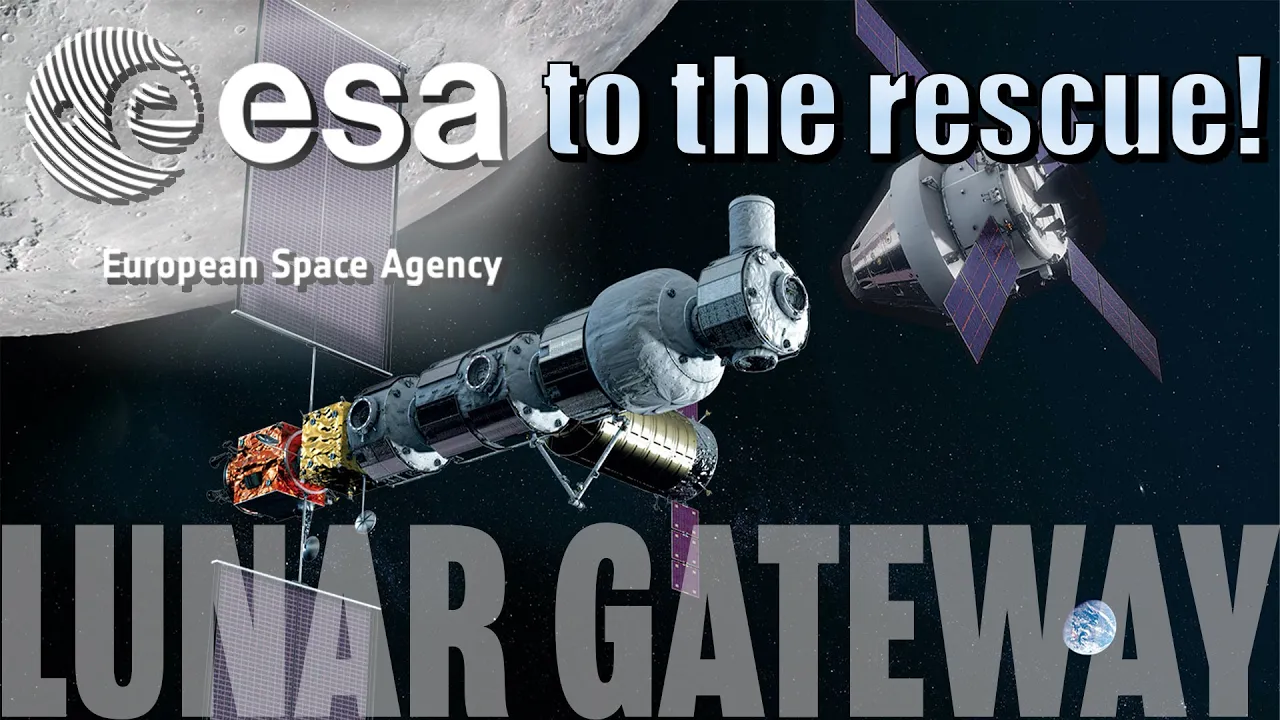
this station was almost identical in shape and size to tiangong-1 with only 14 cubic meters of pressurized internal volume it was visited by shenzhou 11 on october 19 2016 where two taikonauts that is the chinese variant of astronauts stayed on board for a bit more than 26 days the station was deorbited on the 19th of july 2019 and of course china is planning to build their own modular space station as part of the kiangong program it will be far larger than can go 1 and 2 and will consist of three separate modules the launch of the first module is planned for 2022 with complete assembly by 2023 so then what will come next well we assume that the future of low earth orbit and space stations will be mostly commercial in nature apart from china's space station of course we'll have the axiom space station and maybe a few new commercial space stations of course having the rotating voyager station of the gateway foundation would be awesome but it will take quite some time in our opinion until we have that fascinating rotating real space station fully built and then there will be another space station circling the moon quite soon our friends from total space we'll talk next week about this namely the return of humans to the moon with the artemis program and about the lunar gateway the first space station in orbit around the moon this would be really exciting because we'd say it is damn freaking time that we finally returned to the moon so anyways go and check out their channel and subscribe to them so that you don't miss this exciting next episode by the way i'm currently recording this alone and per voice over since jishuan is taking a break from youtube for a few weeks but don't worry she'll be coming back we hope you also kind of enjoyed this episode format as well even though jishwan isn't here this time and we'll see you in the next video of this epic collaboration series in which we'll talk about the future mars colony one until then all the best from justin and me and on to the future
Up Next

59:17
NASA Space Technology Spinoffs: 40 Years of Innovations Changing Life on Earth
@scifestafrica6186
100 views•2016-03-22

12:54
Triumph of Orthodoxy Icon: Byzantine Art & History Explained
@BenCallan
2.1K views•2024-08-06

9:49
FastAPI vs Flask vs Django: Choosing the Right Python Web Framework
@TechWithTim
302.5K views•2024-05-26

1:42
Game of Thrones Opening Credits: A Cinematic Analysis
@gameofthrones
46.3M views•2011-04-18
Related Study Plans & Knowledge Roadmaps
Structured learning paths in General & Interdisciplinary Studies
general-studies
Elevator Engineering: History, Physics & Cities
01From Hoists to Safety Brakes: The Dawn of Vertical Lift
02Hydraulic vs. Traction: The Engineering Physics of Elevators
03Modern Speed, Safety, and Algorithms
+ 2 more learning modules
12h5 modules
Explore Roadmap
general-studies
Rubber: Material Science, History & Geopolitics
01Origins of Natural Rubber & Mesoamerican History
02The Chemistry of Natural Rubber & Vulcanization
03The Geopolitics of the Rubber Boom & Colonization
+ 2 more learning modules
12h5 modules
Explore Roadmap
general-studies
Containerization: Evolution, Logistics & Trade
01Ancient Trade & Bulk Cargo: Amphorae to Barrels
02The Industrial Revolution & Cardboard Packaging
03The Containerization Revolution: Malcom McLean
+ 2 more learning modules
12h5 modules
Explore Roadmap
general-studies
Textile Tech: Evolution, Labor & Global Impact
01Pre-Industrial Textiles: Handloom & Cottage Industry
02Mechanization: The Spinning Jenny to the Power Loom
03The Factory System & Global Labor Transformation
+ 2 more learning modules
10h5 modules
Explore Roadmap