









![[FULL] PM Wong’s Budget debate round-up speech](https://i.ytimg.com/vi/ybGDy4DsuSQ/maxresdefault.jpg)

![[천문우주 별별톡톡]실생활 속 우주기술](https://i.ytimg.com/vi/2IDQfhsrfOQ/maxresdefault.jpg)


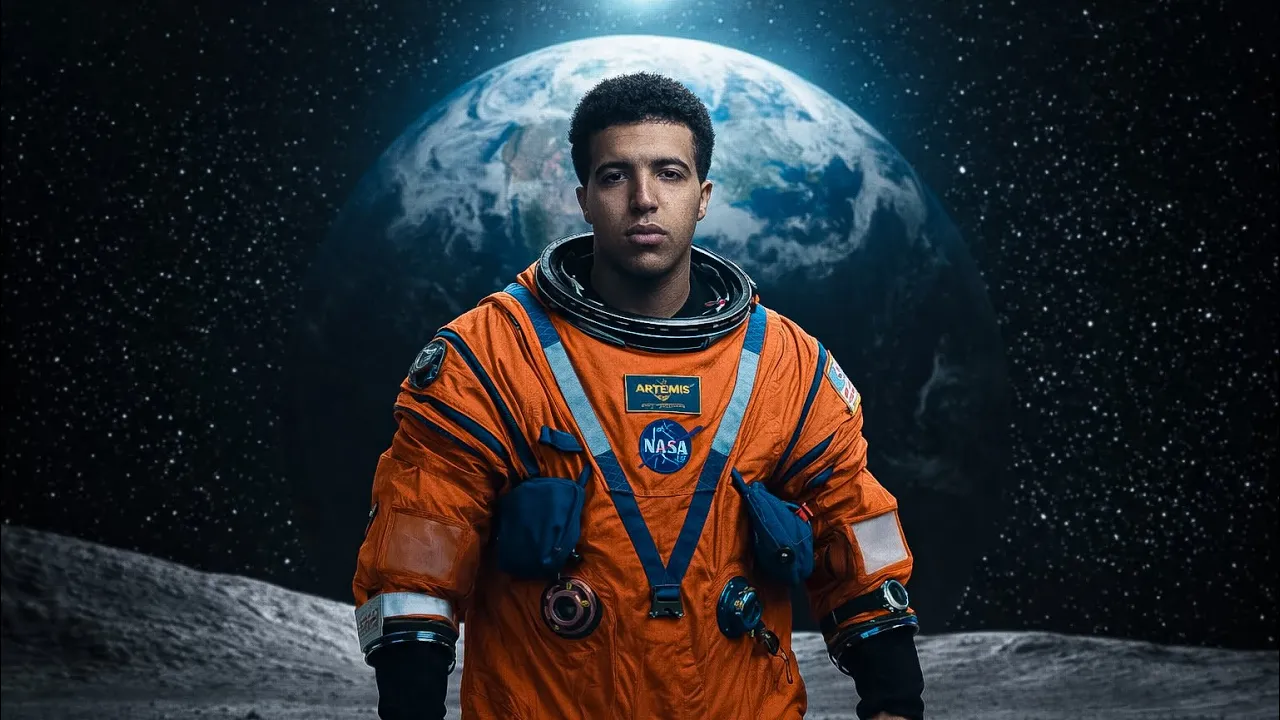




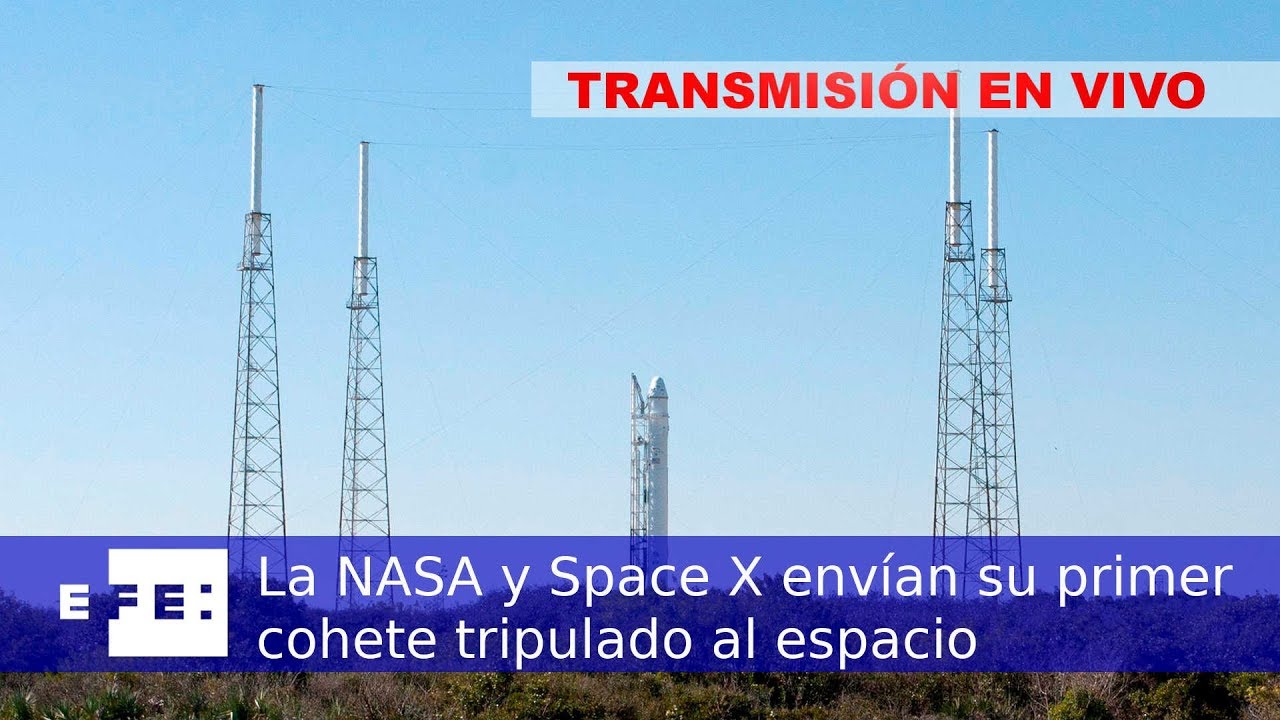

NASA's Technology Transfer Program has produced over 2,000 spin-off technologies that benefit everyday life on Earth, ranging from improved tires and ski boots to GPS-guided tractors and medical devices, demonstrating how space exploration investments generate innovations that advance science, technology, and human welfare globally.
NASA Space Technology Spinoffs: 40 Years of Innovations Changing Life on Earth
Added:The concept of 'technology transfer' and how research developed for one sector, such as aerospace, can be adapted for commercial or civilian use.
A basic historical overview of NASA's major eras, from the Apollo missions to the Space Shuttle program, to contextualize the 40-year timeline of these innovations.
The extreme environmental challenges of space flight—such as microgravity, radiation, and extreme temperatures—which necessitate highly advanced engineering solutions.
Understanding the basic economic principles of public funding for R&D (Research and Development) and how government spending can stimulate private-sector innovation.
In-depth case studies of specific NASA spinoffs that revolutionized daily life, such as CMOS image sensors (used in smartphone cameras), water purification systems, or memory foam.
The administrative and legal processes of NASA's Technology Transfer Program, including patent licensing and collaborative R&D agreements with private industries.
Analyzing how current and future space exploration initiatives, such as the Artemis program and potential Mars missions, are driving the next generation of terrestrial technology.
The study of public-private partnerships in the aerospace sector and how commercial space flight companies are collaborating with NASA to accelerate technological breakthroughs.
100 views0likes59:17Original Release: 2016-03-22
[Music] right good afternoon ladies and gentlemen good afternoon we have to do this every time let's try again good afternoon ladies and gentlemen that's much better welcome to scifest Africa 2016 and welcome to the official opening day of scifest Africa 2016 our 20th anniversary um and really you know on this occasion it's a great privilege for me and an honor to be able to introduce somebody who you know started as you know a colleague and really has become a friend of scifest Africa and a personal friend so welcome Jim Adams deputy chief technologist of NASA um who I'm proud to to be introducing to you today um as I've said Jim has become a great friend of scifest Africa from when we met him 3 years ago when he was doing Outreach in kyala on behalf of the US Embassy um and we also welcome you today representatives of the embassy welcome um to this afternoon's lecture so Jim Adams is the Deputy Chief technologist of NASA and he was trying to explain it to me last night but really what that means is that Jim oversees all the technology developed by NASA for their various missions which I think is a pretty cool job um and so you know all the technology that's being developed for NASA to go to Mars um you know which for me I think is is really one of the exciting Parts falls under Jim um he's also in charge of all the chief technologists at the various field centers of NASA so jet propulsion lab um Godard you know each of those centers has a chief technologist and and Jim is in charge of all of those um before working as the deputy chief technologist of NASA he was the deputy director of the planetary science division um at Nasa and you worked on Mars you were there the day that the you know the Rover landed yeah so Jim how many missions actually have you been involved in in exess of 30 I've lost count okay he's lost count over 30 so I really think this is a man who enjoys his work you can see it um every day when you talk to him about NASA when you talk to him about the work he does at Nasa and before that of course you were at Godard as well um just outside DC in Maryland where he was you know he had various titles and various jobs at n um and so with our 20th anniversary we started having a conversation about you know how do we celebrate 20 years of scifest and an interesting thing came up which was well you know it's actually also the 40th anniversary of spin-offs um which is a publication that NASA brings out every year to communicate the different technology spin-offs um or the spin-offs of the technology that NASA has developed and I say to Jim you know what would be really interesting is if you could find the first edition of spin-offs I would love to see the technology in that addition um and that really started a conversation about the lecture that you're going to see today um so Jim welcome back to scifest Africa welcome back to South Africa and let's hear all about 40 Years of spin-offs welcome thank you thank you so yes I am Jim Adams at least for today until somebody tells me different I started my career working for General Electric Company designing spacecraft and satellites and sensors I even helped to design the first space shuttle toilet um let's see I have a degree I my undergraduate work is in physics I have a master's degree in electrical engineering and after that I said I'm done with school I just want to build satellites and so that's what I did um over the years as Ana pointed out I've been involved in almost 30 or more than 30 different missions to space and I've had the privilege of leading several teams to do amazing things like landing on Mars and you can see the a life-size uh cutout of the Mars rover out there like putting New Horizons together the New Horizons probe that recently flew by Pluto like helping to design the architecture that will make the International Space Station work and now today we're heavily involved in trying to figure out the best way to get to Mars how will we fly human beings to Mars we're of course we're already at Mars because we've got robots there now but in the future we want to send human beings that's a huge systems engineering problem and that those systems engine engineering problems will be solved by technology the technology that we are working on creates ideas among um people around the world they say oh we can use this bit of technology to go do something else and that's what a spin-off is you know the NASA budget is a huge amount of money it's like $19 billion a year that's a lot of money but it fuels an economy globally that's $330 billion annually and that's not just NASA that is uh that includes Sansa which is the South African National Space Agency it includes the commercial industry like the Direct TV guys that broadcast television to you it it includes um all of the radio satellites that you listen to it it includes weather satellites and it includes some of the the Aeronautics work that we do so there's lots of ideas that are generated but what I think is really exciting is that there are people around the world that take those ideas that we might have used to go to space and they bring them home they come they come up with new and Innovative uses for them and that's really what spin-off is all about spin-off is taking NASA's intellectual property and moving it into something that is uh uh economically viable uh here on Earth and so I've got several stories little vignettes topics to show you um that we've identified over the years so far to date I believe there's a library of 2,000 different spin-offs you can search that Library if you want by going to spinoff NASA.gv and there all of it is there so let's see so yes there have been 40 Years of spin-off it actually turns out there's 39 Publications because we skipped a year to make the publication line up with the year at one point but this this is Ana's original request the the F very first spin-off was published in 1976 to celebrate the bicentennial that's 20 years of the existence of the United States the very first spin-off in the very first spin-off book was about how materials used in NASA Rockets made for better tractors and plows and allowed companies to make plows that could plow longer before breaking so that that's a good thing to bear in mind because we'll come back to that in a minute so in the the 1970s people looked funny go here's here's four four things that came from our investment in Apollo so the Apollo missions were developed in the 1960s but then these products came out in the 1970s as a result of the investment in Apollo the Goodyear company worked with NASA to come up with new fibers and new techn techologies for making rubber work well with tires so when you ride on a good your tire you're riding on NASA technology the Apollo Mission had to keep astronauts hands and feet warm so they developed a thin film resistive heating device that then the skiing industry picked up and started to put into ski boots and ski gloves and today when you see a thin film heater anywhere you're using NASA technology this is really cool this this was me when I was in 1975 actually I looked better than that so how many of you know what this thing is it's vinyl right what's on it music right today we don't use those very much anymore but when you put them on a turntable and and uh and play them they needed just the tiniest bit of lubricant well it turns out that the record industry turned to NASA and they used a lubricant that we developed for the Apollo space program to to put over top of the vinyl records so that they would play better last longer and there would be less wear on the needle stylist the this one's really cool when the astronauts would return from the um lunar uh from the Moon they would splash down into the ocean and some of our initial tests um they we would we would splash down the capsule the astronauts would get out of the capsule they get into life rafts the helicopters would come over and try and pick them up off the life rafts and the life rafts would turn upside down be pretty much a bummer to go and be the first man on the moon and then drown in your own ocean after you got back so NASA developed a technology uh for those life rafts that's really from the waste down here and those life rafts now have baffles underneath them that collect seawater and so the seawater underneath the life raft here fills up this area and makes it more difficult for the life raft to to uh invert to to turn upside down and in that way then we could hover a helicopter over that region create some turbulence but still get the astronauts out of the life raft today nearly every life raft that's on a cruise ship or a sailboat uses this sort of technology in the 1980s we were busy designing the space shuttle and we had technology left over from Apollo as well oh oops we'll talk about the ' 80s first so here you see uh a worker in a flame retardant suit NASA developed a material called AST quartz Astro quartz is a sort of an impregnated Teflon that in that is extremely resistant to heat and then when you marry that with a reflective coating you can actually keep a worker safe if he has to walk through Flames usually emergency workers use this sort of thing um NASA developed Advanced sensors usually um we're trying to make sensors as light as possible so that we can fly them deep into space because the more weight you have to fly the more expensive it is the less other stuff you can fly so we had developed a piso electric sensor it's a sensor that when you press on it it puts out a voltage that's um uh relative to the uh pressure that you put on it so you could tell whether or not something had hit you hard or had hit you soft we were using it to detect to detect dust impacts but there is a fella who was uh into uh the Martial Arts Taekwondo and karate and he thought well gee maybe I could take a license for that piso El electric sensor in a thin film and use it to measure the impact of my trainees and he formed a whole business around supplying these sensors for the martial arts because we were trying to to detect dust impacts in space uh black and& Decker uh I don't know how many of you know what this is anybody know what this is that's a dustbuster so no NASA didn't invent the dustbuster and we didn't take a dustbuster to space but what we did do was we worked with black and& Decker company to develop an algorithm to know how best to charge the batteries and today the uh the method of charging batteries on Black & Decker products including handheld electric drills uh leaf blowers and even I even have an electric chainsaw right uh they are all driven from that original work of uh investigating the best way to charge and recharge batteries this one's interesting it makes you think that maybe we invented the floppy disc um most people don't even recognize that as a floppy disc and some people don't even know what a floppy disc is anymore but um but in fact when we were putting the tiles on the space shuttle there are many many of them and they're all unique and we had to keep track of them they were usable but often times we take them off to uh work on the space shuttle and then put them back on so we developed a relational database system it was the very first relational database uh in order to keep track of space shuttle tiles today just about anything that you uh track in a database is as a result of that early work in relational databases that NASA invested in predominantly because we wanted to keep track of the tiles on the space shuttle in the '90s the Lear company was developing private jets and NASA's Langley Research Center had been doing uh advanced work in the area of wing design and these these kinds of Blended Wings between the body and and the the front of the wing the Leading Edge was work that NASA was leading uh the community in so they came to us and we worked with the Leer company to design highly efficient Jets so that corporate entities could buy their own Jets um the Ames Research Center and the jet propulsion lab worked with a number of different companies in the 1990s to uh develop handheld email devices now that may not seem like a big deal to you but if you grew up when I did we didn't even have cell phones in fact the region that my wife grew up in everybody shared a phone up and down her street right one phone for 15 families right so the idea that you could connect a device a handheld device into a telephone and get messages was groundbreaking in the early 90s and uh it was NASA algorithms and technology miniaturization technology that enabled us to do that um in the sports industry our investment in materials and understanding how materials respond to uh environmental changes like impacts and and uh heat enabled this particular golf comp Golf Club company to make better golf clubs that would drive golf balls even further um also NASA is always interested in trying to understand the temperature of things why the temperature of things tell you about the energy state of it right so we've we've developed over the years hundreds of temperature sensors in this particular case this company called BD picked up our uh temperature sensor and turned it into a handheld thermometer so you didn't have to stick a thermometer in your mouth or anywhere else so in the 2000s NASA worked with a variety of Emergency Response companies to develop a robotic technology that enables robots to get into buildings that might be uh unsafe for human beings in order to to look for things like perhaps bombs or to look for unconscious victims or maybe to to do some work that would be too dangerous for a human being so a collaboration between NASA and US industry has yielded this uh robot which I forget the name of at the moment but it's in hundreds of fire departments across the United States today so if you were how many of you were at scifest last year yeah I brought with me a friend her name was Katie Coleman do you remember did anyone of you go to Katie Coleman's lecture she spent six months on board the International Space station she's an astronaut and one of the things that she tells me is that because of the rigors of space because floating around in microgravity causes your muscles to atrophy because you're not exercising as much as you should your bones start to release calcium and it makes it much more difficult for you when you uh land on Earth we force the astronauts to exercise two hours a day right in space just so that their muscles don't die down and they don't lose too much calcium in their bones well the technology that we've developed in order to enable astronauts to work on treadmills and lift weights in space is technology that has been taken and directly applied here on Earth and this is a system that is now in hundreds of rehabilitation centers that can be programmed to either lighten the load as a person is maybe learning to walk after back surgery perhaps or it can make the load heavier if a person is trying to develop muscle mass and these are all over the United States what one of the things that we've done is advancements in materials in the 2000s we were able to take our um our understanding of how airf flow flows over certain kinds of materials at microscopic levels and enable a textile company to make speed skating suits that enabled us speed skaters to place well in the Olympics I've always wondered about this picture it looks like his blade is coming off are speed skater blades hinged or is he just destined to crash also in the uh 2000s some gentlemen at JPL um we working on welding Parts together space technology required us to very in a very precise way using lasers weld these two parts together well that was creating ultraviolet light and they were looking for a new way of shielding those individuals from the exposure of the ultraviolet light that they um that they were creating because of the welding well as it turns out Birds of Prey do this this in their eyes automatically there are little droplets of oil in rap in birds of birds of prey that help the Eagles and the Falcons not only be shielded from UV light but once they're not exposed to UV light then they can actually see what they're hunting better and so that technology we've patented this technology to put it into a curtain so that a welder could actually see better of what he's welding an eyeglasses company came along and uh formed this product called Eagle Eye and picked up our technology our patent got a license for it and turned it into sunglasses and now I can walk around uh sports venues and airports all across the United States and spot the NASA technology either on the eyes or on the heads of uh people across the United States this one I love this one there's actually three spin-offs in this image Can you spot them let's see who's got who's got one I'm looking for kids the grown-ups are seeing it winglet yeah yeah you're not a kid yes so that this this bent wing tip doesn't mean that the pilot took a corner too fast and ran into the side of the uh terminal it actually changes the air flow off the tip of the wing so that the vortices coming off the tip of the wing provide extra lift for the plane and when you do that the airplane industry in the United States the airline industry can save billions of dollars a year in um in fuel costs that technology was developed at Nasa Langley Research Center the next thing is we've been working with the uh Federal Aviation Administration to try and find ways to reduce the sound of airplanes you know in in the 1960s and 7s we'd build our airports way away from cities but now by 2010 the cities had grown out to the airports and the people that are living next to the airports they're complaining about the sound of the airplanes landing and taking off so it turns out that if you can create a bypass around the jet engine and then blend that bi that cool air with the hot air then you can reduce the sound that people hear on the ground and that's what these uh sharks teeth or Chevrons actually do and then the last bit of Technology you can't actually see NASA's interest in maintaining safety at all costs developed a a methodology for creating checklists and assuring that the checklists are followed they they have been adopted by US Airlines and Airlines around the world to make sure that when we fly we're flying safe so in the 2000s we were looking for better ways to feed astronauts and no we don't feed astronauts with baby bottles what we did we we started looking at nutrients and we were able to isolate a nutrient called DHA which today we happen to know is in fish oil and most health food nuts will tell you that fish oil is good for you so we learned that in the 2000s we patented this uh method of obtaining DHA from algae and we were able then to uh develop foods that um were low in Mass but also kept our astronauts as healthy as possible in space a small company in Pennsylvania picked up this technology and decided that they could provide dietary supplements for a variety of things but they started with baby formula so baby formula contains a supplement with DHA in it to assure that the infant will grow healthy and strong and it's using NASA technology uh to do that today that business is worth about5 billion annually one of the interesting things is um NASA's interest in Aeronautics and efficient airflight was um was um transferred to the trucking industry there is a guy who is riding to to work on his bicycle one day and he worked in the wind tunnels measuring the turbulence around uh wings at Nasa Langley's Research Center and he he would be passed by these trucks and get nearly knocked over and he said gee I wonder if the technology we're working on to redu to transform the turbulence like the bent winglets um of the airplanes and and reutilize that turbulence can be used to make bicyclers more safe on the roads and that became the aerodynamic fronts of trucks when you see those fairings up top here and the way the cowling is made on a truck and then sometimes you'll see little tabs down the bodies of the trucks those were all NASA technologies that were result of our investment in um Aerospace the interesting thing is NASA said we went to the trucking compy companies because we were having an energy crisis at the time and we said hey would you like this why don't you guys start doing this to your trucks and we actually outfitted a a truck and we said see it's much more fuele efficient but back in those days the way that they overcame the way they they got better loads and and speed was they just put bigger engines in it so um the trucking companies all said no we don't really need that we we know what we're doing and then the next year every Trucking Company when they released their new truck it looked like that so so even though they didn't license our technology they took our idea and improved upon it and made something that saves fuel enables more Goods to Market and uh makes people safer on the roads so what's the what's the spin-off in this picture cell phone no NASA didn't invent the cell phone so the camera exactly right so a fellow um named fossum at JPL in the 1970s was working on how to make highly accurate scientific sensors Imaging sensors um to uh take pictures in deep space as I've said before you want to make them as light as possible as small as possible you but you want the best possible quality that you can get out of it so he took the CCD charge couple design device design and improved upon it and made something called active pixel CCD and so today nearly every iPhone that's released has a NASA developed charge couple device active pixel charge coupled device camera in it and it's the the active pixel part is the thing that enables the camera to find your face in the field of view before you've even taken the picture or to change the focus automatically um as you're getting ready to to take a picture that's all NASA technology so remember I said the very first spin-off was about plows pulling uh um tractors pulling plows more efficiently and with less breakdown well the very last spin-off that we've been working on it's not even been written up quite yet is that John Deere has picked up a patent from us well what is that John Deere is a big tractor company in the United States um in the 2010s or so the Federal Aviation Administration came to NASA and and they said you know we've got lots and lots of airplanes that are using GPS to guide themselves but we do not allow them to land using GPS signals why because the signal from a GPS can be degraded such that you would only know your position to within 10 m well being off by 10 m if you're trying to land on a Runway and you're actually over here when you think you're over here you could actually be R Landing either on the wrong Runway or you could be landing in the grass right very very dangerous so Landing with GPS they weren't allowing that so NASA worked with the Federal Aviation Administration and came up with an error correcting GPS that allowed us to know our position to within one foot and now suddenly the airlines can trust their GPS signals all the way down to the ground much safer much more accurate than than ever before so John Deere saw that and they said hey you know we're using GPS signals um in our tractors to guide them as they plow the fields so that they get the the most efficient plow on the field and they said sometimes we repow a row because of the error so they took that signal that error uh correcting GPS they've put it into their tractors that are pulling plow and now um farmers are getting much more acreage out of their plow than they ever did before because there's less error associated with the way they're plowing the other interesting thing is that John Deere took it a step further and they said well gee if we know where we're at so accurately maybe we don't need a driver and today in North America 75% of tractors are autonomous because of the accuracy of the GPS signals coming out of the GPS receiver and John Deere tractors so if you fly on an airplane you sail on a boat or perhaps you go backpacking you ought to be taking an emergency locator be Beacon with you if you're flying on an airplane there's one called a black box NASA worked with a number of government agencies both inside the United States and out to develop a standardized method of emergency location so when this Beacon goes off like somebody's boat overturns in the ocean the beacon goes off a signal goes up to a satellite generally it's a weather satellite from the national um atmospheric and Ocean Oceans Administration Noah um and then it's relayed back down to a ground station station at Nasa Goddard space light Center and then from there Communications uh we're able to geolocate that the position of the person that's having the problem we can send a communication to the Coast Guard the Park Service emergency rescue people or health officials so they'll know how to go save a life today actually as of 2010 35,000 people had their lives saved because of this it's kind of an ugly device though when you ride on an escalator especially in the United States there's a NASA algorithm that controls the way the motor responds to the load on the escalator when there's nobody on an escalator the motors are not working so very hard when there's lots of people on the escalator they have to work very hard well so that means that you designed the motor for the maximum load well if there's nobody on it you're wasting energy if the if the motors are drawing full current so we developed a variable motor uh controller that adjusts based upon the load on the motor and today every escalator and almost all elevators and even some air conditioners and washer washers and dryers in the United States use this algorithm or this um it's either it's it shows up as an algorithm or a small circuit to uh change the variability of the load on um change the current going into the motor because of the variability of the load and so the United States is saving energy as a result of this and I believe that that has now come overseas and it's being used worldwide so I don't recognize this place actually when when I was given the notes for this slide somebody told or the the notes actually said this is a soccer stadium in Durban and I looked at it and I said that can't be right and so I actually confirmed I might have even written to Anya and said is that this is Cape Town and um so what is the spin-off in this picture the roof yeah the roof so in the 1960s NASA was looking for ways to protect astronauts from the rigers of space especially the Sun the heat from the Sun and the uh micrometeoroid environment so when an astronaut would do a space walk he'd get into a space suit it looks pretty much all white the Same by the way color as the roof of this Stadium the fabric that we developed is an impregnated Teflon and it was patented by a company in Upstate New York the the uh state of New York who then said well gee we can we can make space suits out of this but we could also make it in large bolts and it's extremely strong and it stands up to weather extremely well and today many Stadium roofs are made out of a fabric that was developed because we needed to keep astronauts alive in space Also if you ever fly into Denver International Airport in Colorado it's got like these tent like structures and that's all the same material as well so memory foam just about everything you sit on today has memory foam that was a technology that was developed by NASA in the 70s and I realize I'm going backwards in time but it was developed in SE in the 70s by some guys that were looking uh to figure out ways to to improve Survival on airplanes in the event of an accident they were looking for ways of absorbing energy and one of the best ways to do that is to crush something but if you crush it and it doesn't bounce back it's not usable another time and so the idea of memory foam came up at NASA ases research center when they were doing that research they patented it today it's not only in mattresses it's in football helmets it's even in horse saddles to keep people more comfortable I love this story um when we were launching the Apollo Rockets you can go back and watch the video um the rocket would take off and you'd see these umbilicals fall away and in order to assure that the umbilicals got out of the way of the rocket there was a swing arm that would swing out of the way well when it got to the end of travel it was bouncing back well it' be a real bummer to have the rocket take off and then the swing AR arm to bounce back and then hit the bottom of the rocket on its way up so we developed a fluidic damper system and patented it so that the swing arm would bounce back and then and stay back or would swing away and then stay back some really smart people picked that up and said hey we can use that to dampen vibration in a variet of things in the United States it's used to dampen vibration in buildings especially in California uh in earthquake prone zones in London they built this bridge called the millennial bridge and when they opened it it shook so much that people were afraid to cross it and they shut it down because they thought it was unsafe the city of London went to the company that had the patent on our fluidic damper system and said can you help us with this and some guys came out with their little measuring devices and uh accelerometers and they went back and they did some pretty heavy duty masks I think and um and they came up with a system of several hundred of small fluidic dampers that they've mounted on the millennial Bridge you know the bridge was was had become a joke they um in fact in London they refer to it as the wobbly Bridge right but when you put these dampers in the right positions on the bridge it settles right down and not only can you walk on it you can also drive on it right so now the millennial bridge is open but um they still call it the wobbly Bridge so heart transplants South Africa had a has a rich history in Hearts heart transplants but while somebody is waiting for a heart while a patient candidate is waiting for that precious life-giving heart to show up he needs to be kept alive or she needs to be kept alive one of the things that's really important is the efficient pumping of blood around the body one of the things that's important in a space shuttle engine is pumping fuel into the engine efficiently so this device actually uses technology from the space shuttle main engines to pump blood through the through the entry and the exit so that people it's a hard assist device basically it keeps people alive for while they're waiting for a u for a transplant in fact it's so efficient it can run on ba batteries for eight hours so the person doesn't actually have to be plugged into the wall or stay in a hospital they can go about their daily lives while they're waiting and it's so small it's only 3 in long that can actually be used in pediatric patients so today 1,500 people have had their lives saved because of taking this implant and 500 of them may I think it was 451 um of them have been children this one's especially important to me a particular developer of a pacemaker was having problems because the insulation on his wires that go from the pacemaker to the spot on the heart um was breaking down well that's a that's a really that's a problem because if the electrical signal you see the electrical signal is supposed to come down this way right and stop here and stimulate this region of the heart at the right time but if it's if it gets out here and stimulates this region of the heart at the wrong time you could think you're having a heart attack the reason that's important to me is my mother has one of these so the fact that the insulation on the wire was breaking down was a problem and he came to NASA and he said what do you got and we said well we've got this polymer that if you coat in your wires in will probably not break down and so today thousands of people are using heart uh pacemakers that have NASA technology in the coatings on the wires in their bodies if you want to know more about the innovative ways that people have taken n a technology and turned it into something to benefit mankind right here on Earth you can go to spinoff nasa.gov where every one of the spin-offs is held or is uh housed what I would encourage you if you're younger in this audience to do is to continue to be creative to think out of the box to try and find ways to take an idea that somebody developed over here and use it over here then you'll have your own spin-off and as NASA goes to Mars we will generate thousands of new technologies thousands of new patents and thousands of people will have the opportunity to be creative with those Technologies and perhaps change life on Earth thank you for [Applause] [Music] listening do we have time for questions how much time 15 minutes okay so I told you I've had a long career right and one of the things I'm pretty bold about is I can answer almost any question every now and then I get stumped but um I told you I've worked on everything from toilets in space to probes to Pluto right so um if you've got a question I'm interested in answering we can do questions for about 15 10 15 minutes Wendy so I didn't do it a company who took our technology did it and I believe that what they did was they mounted these um fluidic dampers on the underside of the bridge at the right spot so that it dampened the harmonics it was seing from natural vibration yeah oh yes is my mic not working oh I I see yeah and by the way I give out stickers to Learners that that ask good questions that's go goes to Wendy um I'm interested in the interface between NASA and the private sector you said several times we develop this technology and then this other company picked it up yes um how does that work in practice Yeah that's a really good question and you get a sticker too right so so we have this office that works for me called technology transfer office and so we've we've have access to all of n NASA's intellectual property which is patents and software uh in a catalog in a system that people can log online if they want and um and see what we've got right but the purpose of the uh technology transfer office office is to make it easy for an entrepreneur to find a technology that maybe NASA has developed that could make his job um more efficient or uh or run better or solve a particular problem that he's got but I will tell you that most people don't even know to go to look on the internet for NASA's technology transfer office database of available Technologies what really happens is there's word of mouth and so we put out several Publications a year one of which I'm talking about today spin-off that encourages people to think about ways that they can engage NASA for um technology the other is something called Tech briefs which is also online which is that's those are ideas that are available for patent that maybe we haven't thought of uh innovative ideas with and then just meeting with the public we have NASA 10 field centers around the nation and they hold seminars sometimes virtual sometimes in person about solving problems with NASA technology and they attract tens of thousands of entrepreneurs a year um looking for solutions to particular problems so that's the way we do it once once a entrepreneur says I'm interested then it's a matter of the legal guys getting together and creating a license to our patent we do do we we actually charge a fee for our patents but we don't charge an exorbitant fee and in fact at times we're criticized by some of the press by saying they say well the fee that you charge for your patent doesn't even cover the licensing fee with the patent Bureau let alone the the cost of developing the technology well that's not the purpose the purpose of the fee is to to assure that the entrepreneur is serious right because if they take a license on our patent then that means that somebody else might not right and so um we do charge a fee and a significant portion of the fee goes back to the employee who invented the device in the first place yeah okay can we choose three and then hands up if you want questions okay I'm going to start with Learner in the middle and then gentleman in the white T-shirt and in the front end so I'm not sure who the Learner in the middle is there we go okay hello I wanted to ask um is Area 51 real because we always hear of there being a secret sector where you know experiments are carried out and stuff like that so in all your years have you found is there maybe a possibility of it being there so there is an Area 51 I've never been there and the the answer is that it's used for military storage there's there's no truth to the idea that we're keeping secret alien life forms there or anything like that the the bottom line is that NASA as an agency we don't we don't keep secrets our ideas are things that we want to share with people and so the very thought that NASA could keep something like that secret is nearly impossible so but that's a good question why don't you hand the sticker back to him the the road I also joke around from time to time and I say well you've heard of Area 51 but have you heard of Area 52 that is a joke by the way don't go look that's what he says I'm just curious um how does NASA communicate with the astronauts when they are in space how do the signals get sent and secondly how delayed is it ah good question so Hand this back to him will you please thank you so we use radio waves just like radio here on but we focus them using Dish antennas kind of like you use dish antennas to receive TV signals the um the wavelengths are different because they're assigned by an international telecommunications um uh Union that's uh I believe attached to the U the UN um so there's certain wavelengths or bands that are specific for uh deep space communication and so we use those bands um the most common is s band but most efficient is Ka band and the problem with Ka band is sometimes if there's too much water vapor in the atmosphere it gets attenuated so we we use pretty much standard radio communications like you would with an airplane even uh to communicate with astronauts in space the question of time delay is really about distance because um there's a time delay anytime you communicate with somebody with radio waves it's just that if you're really close to them you don't notice it right the time that it takes a radio wave to get from me to you is the speed of light and so the um the speed of light takes the same amount of time it goes the same speed whether you're uh trying to talk between the Earth and the moon or the Earth and Mars it's just that the distance is longer so Mars is so far out that it takes sometimes as much as 21 minutes for a radio signal to get from Earth to Mars or from Mars to Earth the radio signals from Pluto from the probe that we flew to Pluto 4 hours I always think that's kind of interesting that those radio signals would be in space they're like little it's just like light photons like we measure with telescopes right they they could be in space so the New Horizon's probe at Pluto could broadcast a signal and then suddenly let's play pretend disappear right and these little radio waves would be in space for 4 hours before anybody on Earth hears them and we would have no idea that that the uh New Horizon's probe had disappeared the same is true when we're looking at distant galaxies we're looking back in time because those light waves were emitted at uh you know light years earlier and now they're coming and those photons are falling on uh the receivers which in this case in that case would be telescopes so it's it all has to do with the speed of light and distance it's a good question we got time for one more Jim one occasionally hears misinformation of invention attributed to spinoffs from space which weren't yes uh some had come to mind I may or may not be correct or barcode cordless drills for instance Teflon coated pans can you give some examples so no Teflon was not invented by NASA but we picked it up really fast because it's really useful right one that people use a lot think a lot is uh is this powdered drink called Tang was very popular in the 60s NASA used it in space to um hydrate our astronauts but we did not invent tank right so those are two of the the really cool ones um bar barcodes no that wasn't a NASA technology um in fact we used it for a while but we we're moving on to things like RFID tags and that that sort of thing cordless oh yeah was the that was the dustbuster earlier that that was developed in collaboration between NASA and the um black and deckor yeah all right so do you want a sticker Mike so I'm going to take two more the one in the middle and Ernie just yeah yes my question is most on um fuel efficiency the amount of fuel that the Rockets are using and the amount of uh smoke coming out are you looking at a more efficient way of getting payload into space without burning so much T yes that's the first question the second question is um that you the the rockets that are being sent to space I I've heard that me from space X they're planning to make them reusable once again and how is that going to work out yeah all right those are two really good questions just hand him a sticker too so the um so we are always looking for more efficient Rockets constantly because the biggest the most drastic thing about a space mission is the launch right the biggest expense sometimes is the launch right um 90% of the fuel that we spend on a space mission is simply to get it off the Earth and into low earth orbit right so we're constantly looking for new ways more efficient ways to launch one of the solutions may be to not launch it at all but actually to build it in space and we've actually started 3D printing in space and we can now 3 3D print not only Plastics but metals and insulators and at some point we'll start mounting chips to those things and we'll have circuit boards and structures that uh don't even need to go through the rigors of launching at all we'll just 3D print to spacecraft and then attach a more efficient rocket system to move it on further out beyond Earth so that's a that's an excellent question remind me about the second one uh reusable Rockets oh reusable Rockets wasn't that cool anybody see SpaceX land their first stage back at the pad it took off it deployed a bunch of satellites and then it returned and landed upright on on a a Launchpad that's way cool and and extremely efficient if they can begin to reuse it now it's not easy and so that one time was a success but they've had a string of other times where they've tried and it hasn't work so well but every time they try they learn just a little bit more and I think if they keep trying if they're persistent they will make it happen I think that's an awesome way of improving the the overall efficiency of a commercial system like uh the SpaceX Falcon 9 that's a great question did you have one more question sorry I should maybe come to your next lecture and give it to Don but I was just wondering how it's all very well getting tomorrow have you got a way of coming back not yet you want to go so actually um one of the meetings that I was at before I came to South Africa was the debate over where are we going to get the fuel for the Mars Ascent vehicle that's the thing that the astronauts have to get into in order to get back off of Mars you know it's it like you said it's all very well and good to land something there which we've demonstrated we can do pretty efficiently right but getting off the surface the only time we've ever taken off the surface of another solar system body was Apollo and that was way easier there were only two as astronauts the moon was much is much smaller so less gravity than than Mars and there's no atmosphere huge huge challenge to develop the Mars Ascent vehicle and one of the ideas one of the standard Engineers ideas is take all the fuel you need land it on Mars and then use it to take off well um the that you pay an enormous price per kilogram of that fuel because you think about the expense that you have to go through just to land that kilogram of fuel on Mars just to get it to Mars in the first place just to get it off the surface of the Earth in the first place right we call that uh wheel ratio and it has a wheel ratio of something like for every kilogram of fuel in the Mars Ascent vehicle it's like a factor of 16 kg of fuel we have to start with on Earth we want to cut that down way down and so we might look at using the water and the CO2 on Mars and create a little chemistry lab to electroly the water and recombine it with the carbon and the carbon dioxide that we find on Mars uh and make oxygen and methane maybe or maybe we'll use oxygen and hydrogen as uh the fuels for the um Mars descent vehicle but no we have not figured it out quite yet all right I'm afraid I am going to stop there I know there's a question maybe CH later yep Jim thank you very very much for your time we appreciate you coming back thank you very much
Up Next
14:16
NASA Derived Technologies in Everyday Life and Industry
@NickUhas
90.6K views•2016-09-20

12:54
Triumph of Orthodoxy Icon: Byzantine Art & History Explained
@BenCallan
2.1K views•2024-08-06

9:49
FastAPI vs Flask vs Django: Choosing the Right Python Web Framework
@TechWithTim
302.5K views•2024-05-26

1:42
Game of Thrones Opening Credits: A Cinematic Analysis
@gameofthrones
46.3M views•2011-04-18
Related Study Plans & Knowledge Roadmaps
Structured learning paths in General & Interdisciplinary Studies
general-studies
Elevator Engineering: History, Physics & Cities
01From Hoists to Safety Brakes: The Dawn of Vertical Lift
02Hydraulic vs. Traction: The Engineering Physics of Elevators
03Modern Speed, Safety, and Algorithms
+ 2 more learning modules
12h5 modules
Explore Roadmap
general-studies
Rubber: Material Science, History & Geopolitics
01Origins of Natural Rubber & Mesoamerican History
02The Chemistry of Natural Rubber & Vulcanization
03The Geopolitics of the Rubber Boom & Colonization
+ 2 more learning modules
12h5 modules
Explore Roadmap
general-studies
Containerization: Evolution, Logistics & Trade
01Ancient Trade & Bulk Cargo: Amphorae to Barrels
02The Industrial Revolution & Cardboard Packaging
03The Containerization Revolution: Malcom McLean
+ 2 more learning modules
12h5 modules
Explore Roadmap
general-studies
Textile Tech: Evolution, Labor & Global Impact
01Pre-Industrial Textiles: Handloom & Cottage Industry
02Mechanization: The Spinning Jenny to the Power Loom
03The Factory System & Global Labor Transformation
+ 2 more learning modules
10h5 modules
Explore Roadmap