


















![[르포] 고유정.이은해 수감 중인 청주여자교도소...한데 모아놓은 이유는? / 뉴스플레이리스트] / 채널A](https://i.ytimg.com/vi/Iyfv3zjl0Ko/maxresdefault.jpg)











Authoritarian institutions can create highly efficient control systems by exploiting human psychology through environmental design, such as using electrified floors that create constant fear and conditioning prisoners to react subconsciously to stimuli, combined with team-based competition structures that turn individuals against each other and maximize productivity while minimizing resistance.
The Psychology of Imperial Prison Design in Andor
Added:Jeremy Bentham's concept of the Panopticon and Michel Foucault's theories on 'Discipline and Punish' regarding architectural surveillance.
The fundamentals of operant conditioning (behavioral psychology) and how environmental stimuli can be used to control human action.
Hannah Arendt's theory on the 'banality of evil' and how bureaucratic, highly efficient systems distance individuals from the moral consequences of their actions.
Basic knowledge of the Star Wars 'Andor' narrative context, specifically the totalitarian nature of the Galactic Empire's penal system.
The transition from physical panopticism to digital panopticism and Shoshana Zuboff's theories on Surveillance Capitalism.
Real-world penology and architectural determinism, comparing punitive carceral designs (like Supermax prisons) with rehabilitative European models.
The sociology of collective action and resistance, analyzing how heavily controlled populations organize and execute uprisings against systemic oppression.
Environmental psychology, specifically focusing on how sensory deprivation, artificial lighting, and spatial layouts affect long-term cognitive health.
588.9K views23.1Klikes13:12Original Release: 2022-10-27
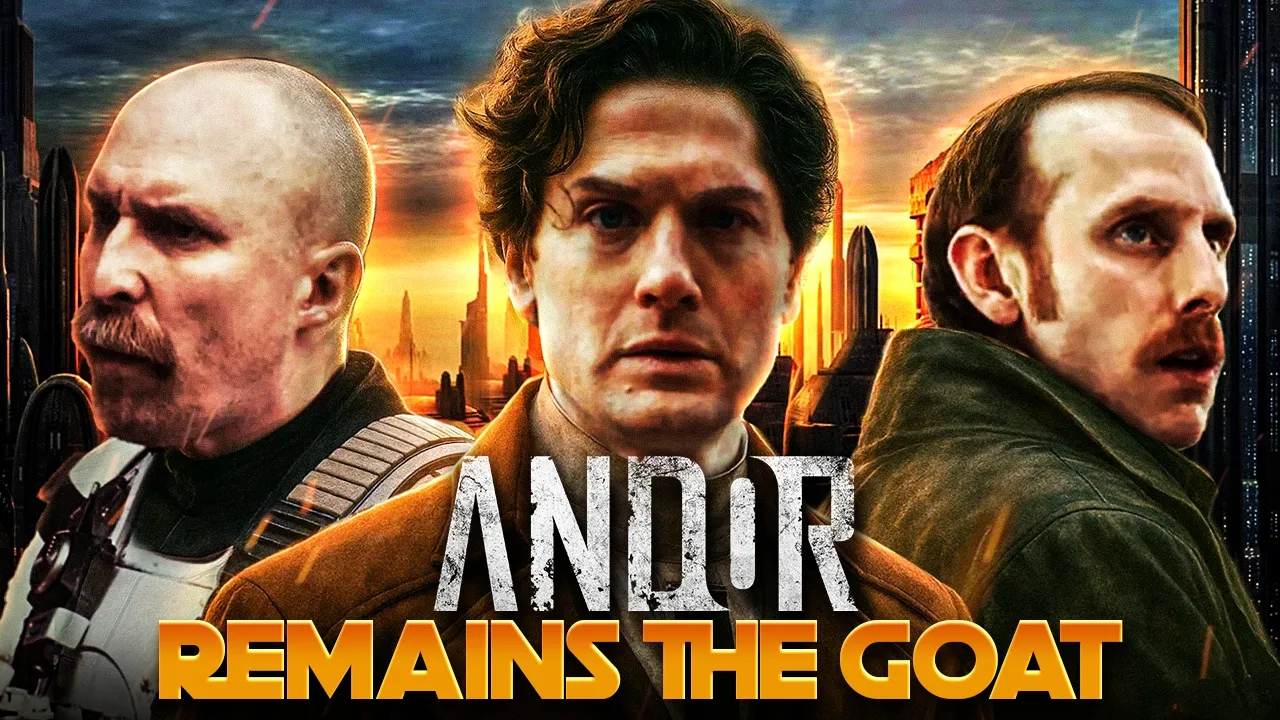
hello there friends welcome back to another episode of generation tank my name is Alan and be careful the floor is electrified episode 8 takes us to Narcan E5 just one small Cog in the larger Imperial prison slash labor system that we talked about in one of our previous videos it's even more cruel and evil than I realized and it's really shocking to me how efficient it is actually usually Imperial facilities look formidable are built in extremely terrifying and isolated areas but they actually have a lot of weaknesses that can be exploited either design flaws corruption discipline issues by the staff and so on but the narconify prison is as evil as it is brilliant let's break it down once they arrive to the prison we see two design features that are extremely efficient at preventing Escape one this prison is more or less underwater this means the only real Escape is out of the few surface exits that will surely be heavily guarded this funnels all Escape attempts to just one area this means you don't need a perimeter Wong which has a bunch of guards and takes up a lot of Manpower and any Escape underwater is going to be extremely hard and requires special equipment next we're treated with the shots of a high-ranking officer notice how the shot starts at their feet the Footwear is important now honestly I usually don't complain about stuff like this I mean I was completely fine with the space AKs but those are so clearly snowboard boots they have the burton-style boa quickly system on it the little Loop near the tongue to help get the thing off they even have what looks like the top straps for bindings I actually tried to find this model online it might be a burton they definitely modified it a little bit now the AKs make sense to me because they're an iconic sign for a revolution snowboarding however is a Counter Culture so it kind of is weird seeing um you know Imperial prison guards wearing what our Counter Culture symbol anyway These Boots Are insulated from the ground which is completely electrified or can be electrified on command once your son if not all of you are wondering how we risk standing before you with our weapons it's a potent question here those are Brilliance in this system you do not have to have guards carrying lethal or even non-lethal weapons really here which is important because they're only prison guards are not supposed to patrol amongst the populace with lethal weapons because they're usually heavily outnumbered and they can easily be overwhelmed and lose those weapons generally you'll see prison guards on catwalks or Towers armed with lethal or non-lethal Munitions and that's about it the electrified floor and the fact that all the prisoners have no shoes on solves that problem completely this is actually a terrifyingly efficient way to keep people under control and look just how much the sadistic guard enjoys watching them squirm I don't even think he's savoring their pain necessarily here I think it's just a power thing just read about the Stanford Prison experiments and you will understand what I'm talking about and it is indeed terrifying because unlike a shock administered from a baton which one can easily escape by running away or twisting their body you cannot escape the floor you were standing on I mean just imagine wherever you're watching this right now if the floor was actually electrified imagine the mental drain the constant fear that you would have in your mind from the situation it's akin to having the electrical baton stabbed into your stomach at all times but you never know when it's going to go off and hurt you this is a very carefully designed system utilizing basic human psychology against the prisoners it's just classical conditioning you know the famous pavlovian dog study but with negative reinforcement here and what's really messed up about the situation is you don't see the guard with electrical baton shocking you it's some person in the control tower pushing a button so it's almost like some kind of unknown force is shocking you there's no connection between you and the person actually doing the thing so it becomes even more confusing and even easier to condition prisoners to react to this kind of stimulus and this leads to incredibly docile prisoners they might not even consciously be following orders they've been conditioned completely subconsciously those there's another interesting thing here I want to point out look how serious these guards are even when they have complete control of the situation they're basically surrounding an unarmed and or here who's not dangerous at all yet they're still following protocol to the T and they maintain high levels of vigilance and aggression on top of that they're clearly nervous because they're short just one man as if it makes a difference we're not really used to seeing this high level professionalism in the Empire especially considering that these are just prison guards and not Elite Stormtroopers and we're clued in when the late guard finally arrives why this is sorry I had to wait the show ended down there they had to pull a guy off from four I came as quick as I could as we mentioned in our previous video about poured any criminal act with even indirect effect on the Empire will henceforth be branded are class one offense all prison sentences are immediately re-evaluated all outstanding fines and levies are to be paid in full this initiative is going to flood in already full prison system and push it to its limits the narcani prison is designed very well and therefore it requires a minimal amount of staff but it still requires a minimal amount of staff as always in a defensive system the easiest parts to overcome are static aka the walls the gates and even the electrified floors these things cannot react as quickly to a smart human being I mean Andor is already checking out the boots on his way in the key to any defense is actually the humans assigned to it they are the greatest strengths and greatest weaknesses in this system I think these Imperial guards were not as Vigilant probably weeks ago before Port was initiated and this is the Brilliance of Lupine Royal's raid as he said he wants the Empire to overreact and one thing they've done is crowd their own presence and flood it with tons and tons of new inmates this creates more opportunity for prison revolts and clearly these Imperial prison guards are feeling that extra tension now finally we have the last part of the puzzle how these guards deal with the prisoners I must admit I didn't think much and all the best time I Lay My Eyes on them look like a stiff breeze could blow them over that was my first impression of the man known as Focus here everyone stops what they're doing and acknowledges his presence and watches him join their room this is because this prison is not made of a bunch of individuals it's made of teams and when the prisoners are punished their punished as a team this is a great way to get the prisoners to watch over each other this is why you have this theatrical dissent from and or on this elevator everyone is watching him and they're going to make sure he doesn't screw up because they will suffer for it now in this prison there are seven floors and on every floor there are seven rooms and in every room there are seven teams each team is made up of seven people and all of these teams all of these rooms and all these floors are competing against each other everything in the Empire is about order and the structure is all about smaller Wheels inside of larger Wheels inside of larger Wheels it's represented in how the ISB building is constructed and how the supervisors are arrayed we see it in the galactic Empire's Crest and now we see it even more clearly in this prison seven seven seven seven seven seven like the seven different colors that join together in a prison to make white which is colorless this represents seven unique and distinct personalities that the Empire wants to wipe clean and so they feed him into this machine and out comes this Bland mundane colorless product and these products these war machines they're designed to do one thing and that's to bring more monotony less individuality and more oppression to the Galaxy the prison makes every table compete against each other in every room and as usual the Empire uses competition to turn people against each other so they're too busy to actually realize what's going on the slowest table in each room gets punished by electroshock and the winners get flavor in their food that sounds funny but in a world where everything is mundane even mundane rewards will reach new levels of importance everything is relative to what your current situation is in a world without currency or ownership of anything suddenly having a little flavor in your food can be one of the most important things of them all I mean human beings are remarkable for their ability to adapt to extreme situations and one of the ways we can adjust is we completely forget what the past was like when we were free and we enjoyed life you get shocked too many times you might forget everything and it's at that point you become a shell of your former self and of course it's the guards who control this reward and Punishment system remotely it's really the prison floor managers like Kina who keep the prisoners in line inside of the actual prison Kino in turn is also motivated to compete with the other rooms everyone is competing against everyone the only person who's not competing is the Empire who sits at the top this lack of interaction between the real Authority not Kino and the prisoners means that the prison guards will not face as many problems it's a Brilliance and cruel design this system is reminiscent of what you see in the automated warehouses like the ones that amaz Amazon runs every worker is given a set of amounts of points and once they run out of these points by missing too many shifts they're fired there's no manager who needs to make this decision to fire this individual and the workers also don't have the ability to become friendly with the manager and get special treatment I mean Psychopaths like Jeff Bezos Mark Zuckerberg they hate human interaction what they want are clearly defined rules clearly defined parameters they want order and everything like the electrified floor in the prison here the point system has very clear rules and boundaries you can complain all you want but no one will hear you there's a sort of tyranny from not having access to the actual systems that control your life you notice how most of the prisoners already cower in fear by the time Andor meets them they're completely broken by the system only melshi over here who some of you Rogue one fans might recognize handsome heart and spirit left inside of them I'm sure he recognizes Andor as a kindred spirits now everything in this prison is designed for efficiency look at the facility it's extremely clean there's no chance for disease the prisoners are desanitized daily their rooms their clothing are also cleaned they're given unlimited amounts of food and even their quarters aren't necessarily that depressing and are cleanly lit and open the Empire is usually portrayed as cartoonishly cruel but what's more evil A system that randomly kills and tortures people without reason or a system that is extremely efficient at keeping prisoners alive and healthy at least physically so that they can suck all of their energy out of them through Labor it's like the freaking Matrix guys they want to prolong the lives of these workers so that they can create more productivity the efficiency of this system is equally as terrifying as the chaos that is individuals like Darth Vader this clearly is not a first generation prison our County 5 represents years if not Decades of experience trial and error to create the ideal system to get the maximum productivity at minimal cost this is andor's Empire this is before Yavin 4 and Alderaan it's not flashy it's not ridiculous it's not building gigantic space stations with death lasers on them well it's not complete yet I guess instead the Empire here is a cold and hardened machine that ignores the individual Humanity of people and turns them into gears and statistics numbers on a spreadsheet this theme is repeated everywhere and it's becoming very clear you have serial stint in the Bureau of Statistics you have Dedra Miro in the ISB there's a reason why the two most talented and dangerous detectives chasing Andor and Luther Nyle are not Magical Force users or super badass assassins they're essentially just data analysts individuals who shift through the massive amount of information collected by the Empire and try to find what they're looking for Lutheran Royale was correct he sensed the slow and impeding Doom of Imperial competence of individuals like Deidre Mira who were far more efficient at cracking down on Rebel networks than a blunt and Antiquated tool like Darth Vader later this is why he chooses fire destruction and death this is why he's willing to start this war rather than die a slow death from the gradual creep of Imperial bureaucracy and authoritarianism and surveillance [Music] I'm a coward I'm a man is terrified the Empire's power will grow beyond the point where we can do anything to stop it I'm the one who says we die with nothing if we don't put aside our petty difference pity Star Wars has always guarded us from ourselves the original trilogy basically warned us about the the evils of the Vietnam War the prequel trilogy warned us about how democracies can slide towards authoritarianism if we become fearful and give in to militarism Andor warns us about a completely new danger the danger of the surveillance State the danger of Corporations turning human beings into numbers and instead of regarding us as the individuals that we are
Up Next

0:32
Retrofuturism in The Incredibles: A Visual Analysis
@EliTried
292.1K views•2025-08-14

20:12
Unfriended (2014) Screenlife Horror Film Analysis and Review
@theboredcyborg
372 views•2019-08-20

4:55
Film Blocking Techniques for Directors: Space, Shapes, Lines
@StudioBinder
1.9M views•2018-07-23

4:00
Evolution of Darth Vader: Anakin Skywalker's Animated Journey Across Star Wars Films
@TellItAnimated
13.4M views•2019-03-30
Related Study Plans & Knowledge Roadmaps
Structured learning paths in Film Analysis
film-analysis
Sensory Cinema: Foley, Haptic Sound & Texture
01Introduction to Film Sound and Foley Artistry
02Micro-Sounds, Textures, and Extreme Amplification
03Haptic Audition and Film Phenomenology
+ 1 more learning modules
12h4 modules
Explore Roadmap
film-analysis
Breaking the Fourth Wall: Mockumentary & Satire
01The Invisible Wall: Basics of Cinematic Illusion
02Looking at the Lens: Direct Address & Character Glances
03The Mockumentary: Satire, Realism, and Complicity
+ 2 more learning modules
12h5 modules
Explore Roadmap
film-analysis
Analyzing the Long Take: Cinema, Space & Ethics
01Foundations of Film Grammar: Montage vs. The Long Take
02Choreography and Mechanics of the Simulated One-Shot
03Phenomenology of Film: Real-Time Spatial Continuity
+ 1 more learning modules
14h4 modules
Explore Roadmap
film-analysis
Anachronistic Music: Period Drama & Subversion
01Foundations of Film Sound and the 'Needle Drop'
02Traditional Authenticity vs. Revisionist History
03The Rise of the Anachronistic Soundtrack
+ 2 more learning modules
12h5 modules
Explore Roadmap