












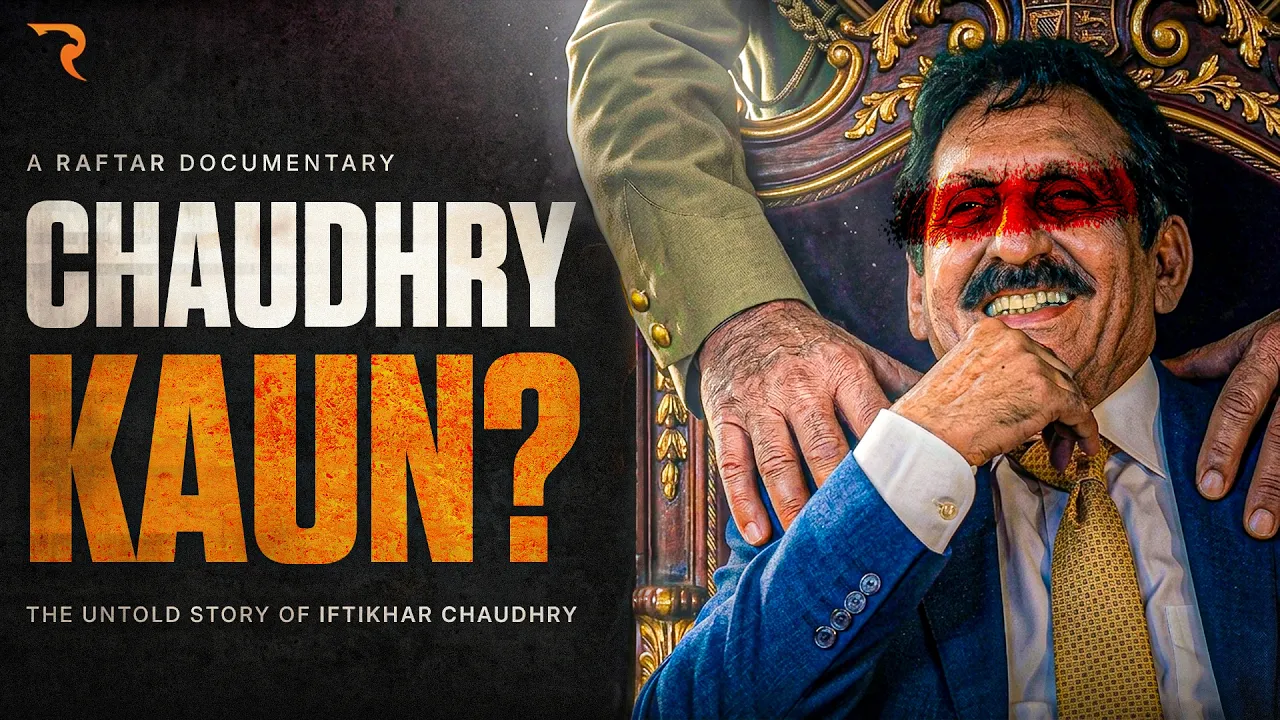


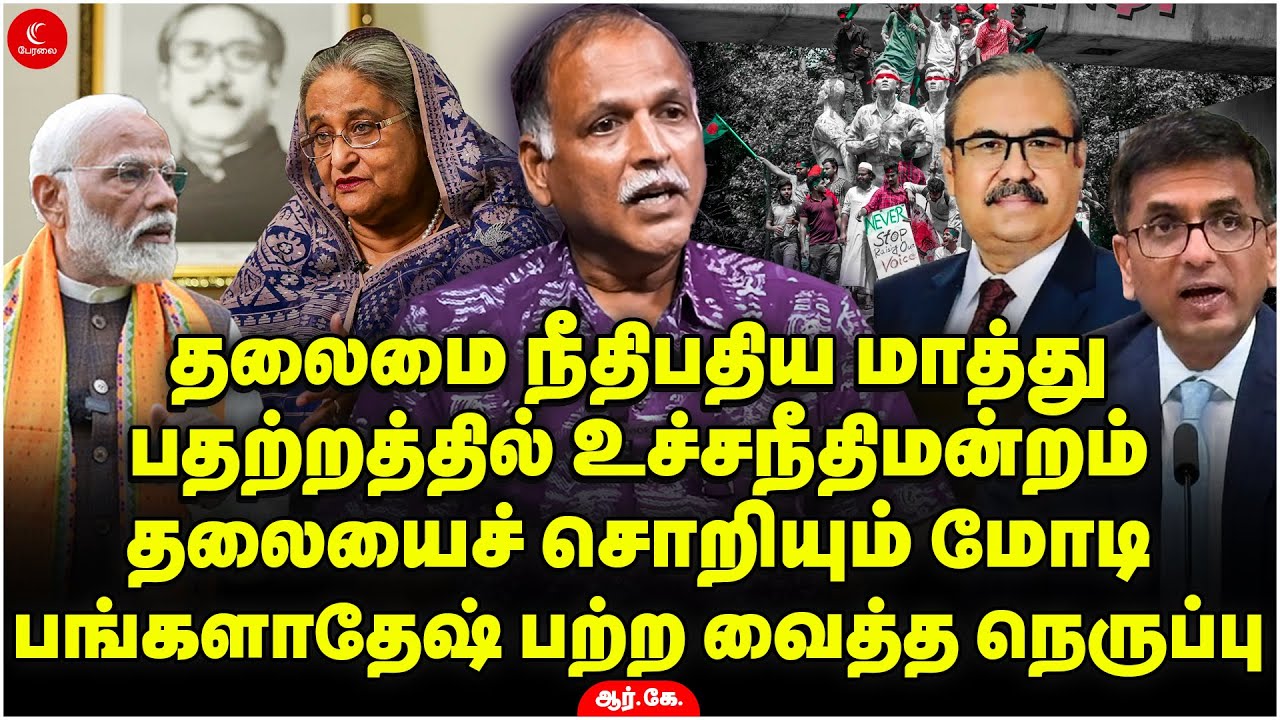

Judicial independence is a fundamental democratic value that requires both individual courage and institutional safeguards, as demonstrated by Pakistan's experience where the Supreme Court has evolved from a formal constitutional court to a people-oriented human rights court through judicial innovation, public interest litigation, and the courageous stand of judges during martial law periods, thereby strengthening constitutional democracy and the rule of law.
Judicial Independence in Pakistan: A Supreme Court Perspective
Added:The doctrine of separation of powers and the constitutional role of the judiciary within a democratic framework.
The core concept of judicial review, which allows supreme courts to declare legislative or executive actions unconstitutional.
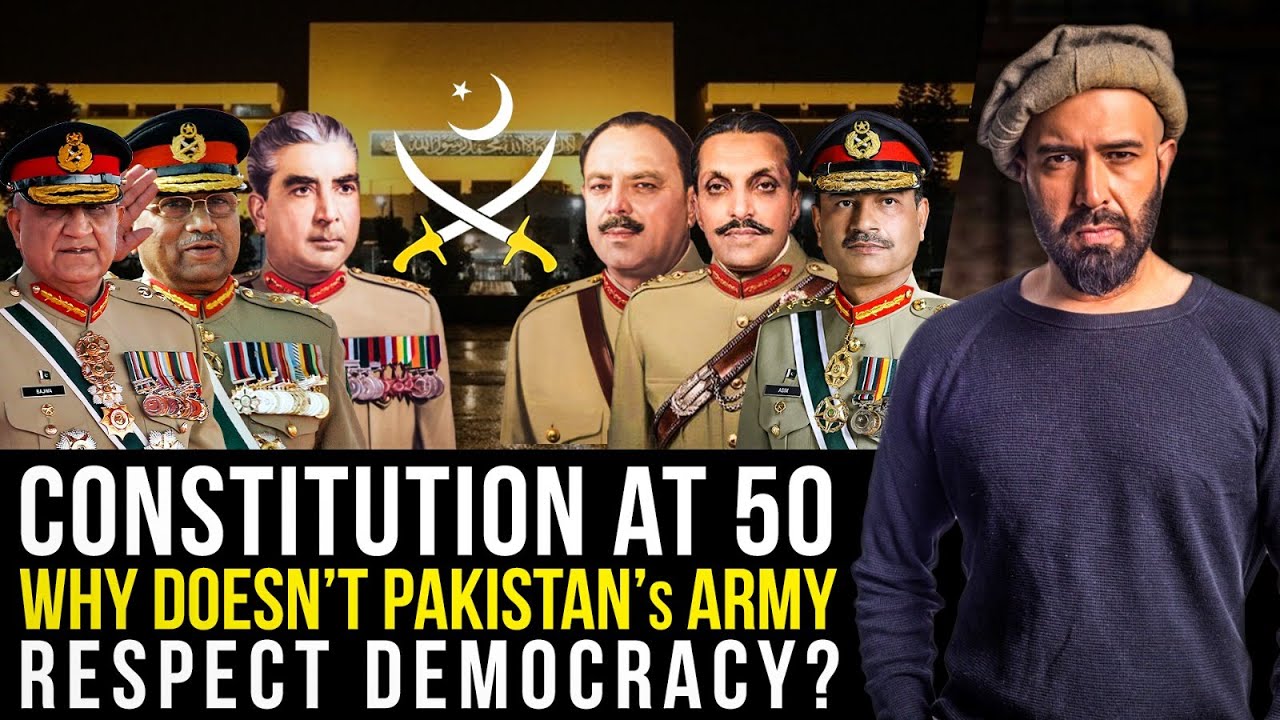
A foundational understanding of Pakistan's constitutional history, particularly the adoption of the 1973 Constitution and the historical tensions between civilian governments and military regimes.
The basic hierarchy of the Pakistani court system, including the role and jurisdiction of the Supreme Court of Pakistan versus the provincial High Courts.
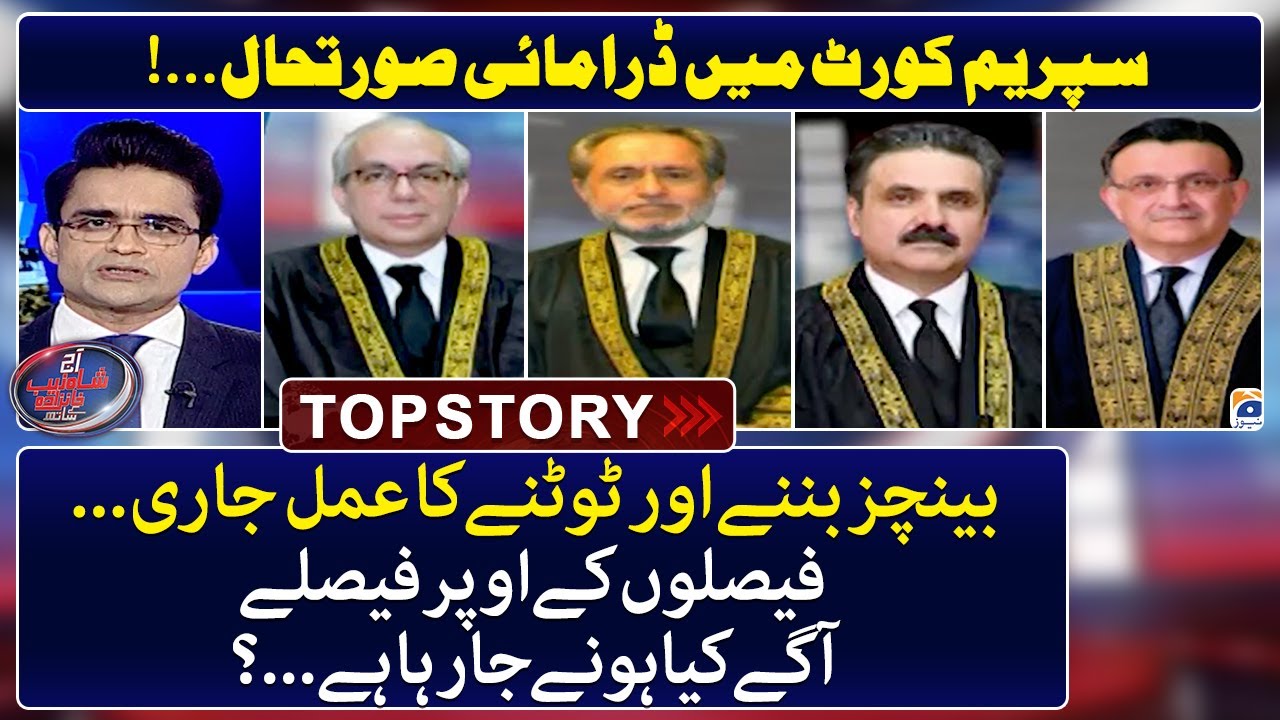
An in-depth analysis of Article 184(3) of Pakistan's Constitution and the controversial use of 'Suo Motu' powers by the Supreme Court.
Case studies of landmark historical judgments that shaped Pakistan's political landscape, such as the Lawyers' Movement of 2007 and the disqualification of sitting Prime Ministers.
The institutional mechanisms of judicial appointments in Pakistan, focusing on the balance of power between the Judicial Commission, the Parliamentary Committee, and the executive branch.
A comparative study of judicial activism and independence in South Asia, particularly contrasting the Supreme Court of Pakistan with the Supreme Court of India.
265 views1likes1:08:40Original Release: 2017-10-13
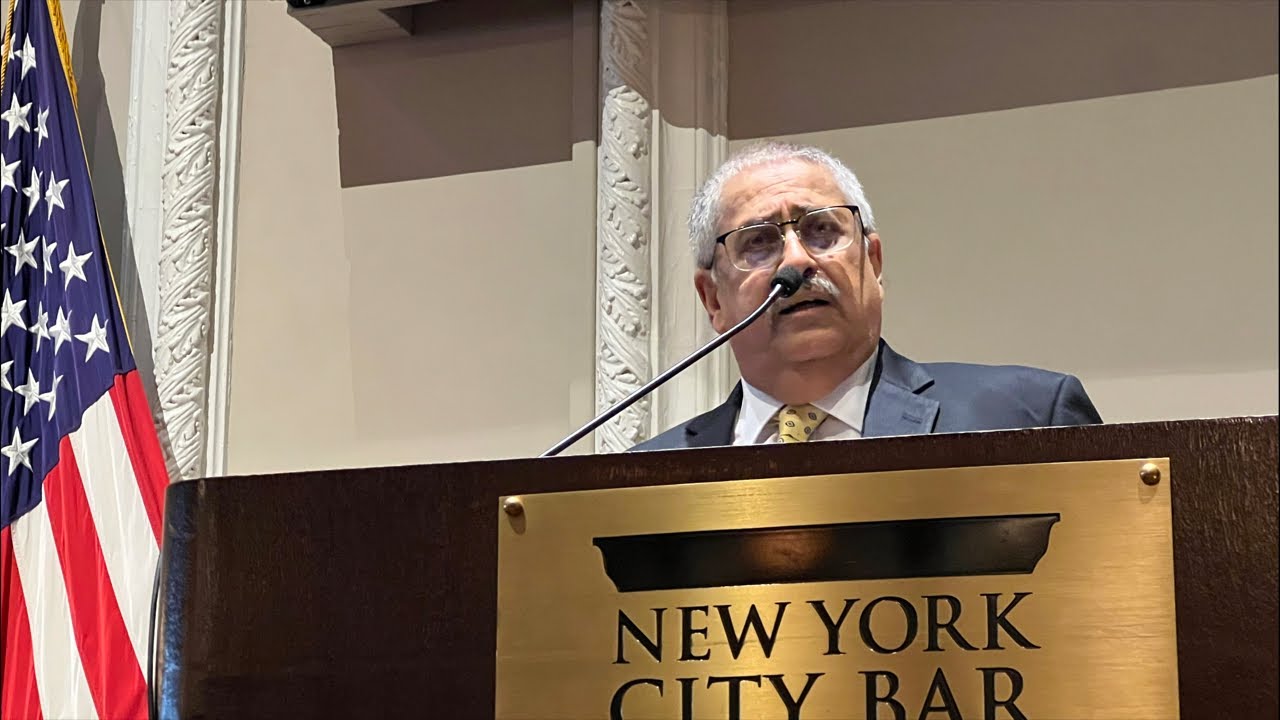
individuals the rigors necessary to both maintain and establish independence and the judiciary it often comes down to sometimes the acts of individual judges and sometimes it's about individual courage when we think about our own court system here in the United States we are often inspired by the view of the Supreme Court and even more in place with the attitude of judges of their opinions and of the history making that they have done in terms of both their opinions and their standing on various issues when we look around the world to other countries around the world that are also struggling with this question of digital independence Pakistan has to be one of them over the last several decades and it's in Pakistan is now seventy year of existence we have seen the struggle between executive authority parliamentary ascendancy and the judiciary and as judge Bennett pointed out repeatedly in his colloquy is about the judiciary our own experience has told us that this is a time-honored tradition and that no struggle is going to simply be achieved overnight well in this example when we think of Pakistan in particularly with Pakistan struggle to establish democracy to maintain the rule of law and most importantly to maintain a balance among various powers with so many pressures both internal and external at the forefront it seems to me only appropriate that we end this this symposium with such a speaker justice jillani is the former Chief Justice of the Supreme Court of Pakistan but like so many he started his career as an attorney in the district courts in this particular case in the district of Mathon and subsequently became advocate for the High Court later he became a judge in the Lahore High Courts and also an advocate general of Punjab in 1993 his elevation to the Supreme Court in December 23 December of 2013 also however took after a postscript of a maelstrom where a military coup in Pakistan led us to a situation where he was being forced like so many other judges to swear an oath tune to what was regarded as an unconstitutional order in ascendant military and rather than take on the potential for power he refused to do so with so many other judges and justices of the court so in that in that same regard and despite the fact that he has now stepped away from the direct political fray of Pakistan and taken on roles at the world justice forum he has still led a productive life in terms of his role in upholding the rule of law and maintaining its integrity and with that I'd like to introduce chief justice jillani to take the stage thank you [Applause] Thank You professor hamid for your very kind introduction and thank you just track by inviting me today at the keynote speaker which i take the great honor and thank you ladies and gentlemen for your presence and for your attention span i've been asked to speak on judicial independence the role of the Supreme Court in Pakistan and my tenure as Chief Justice of Pakistan I'll just briefly comment on what judicial independence is what are its various constituent elements how the Constitution of Pakistan has provided textual guarantees to ensure that what is the role of the Supreme Court under the Constitution and what role the bar the media and civil society has played in maintaining judicial independence and then I'll briefly comment on my channel every Chief Justice as you are all aware ladies and gentlemen judicial independence is one of the fundamental values which underpinned the foundation of a justice system in a democracy while commenting on the importance of judicial independence Alexander Hamilton one of the framers of the Americans Constitution once remarked and I quote there is no Liberty if the power of judging be not separated from legislative and executive powers Liberty can have nothing to fear from judiciary alone but have everything to fear from its union with either of the other departments unquote the Constitution of Pakistan contains specific provisions regarding judicial independence the very preamble of the Constitution mandates inter alia and I quote independence of judiciary shall be fully secured there are two aspects of judicial independence one of individual and the other is institutional to ensure individual independence the selection and appointment of judges in Pakistan is done by a judicial commission which is headed by the Chief Justice of Pakistan and comprises the four senior most judges of the Supreme Court a senior advocate of the Supreme Court nominated by the Council and Attorney General for Pakistan the nominee nominees of the Commission I mean the judges who are recommended are sent to a bipartisan parliamentary committee now that committee is bipartisan because it comprises of eight members four from the opposition and four from the Treasury benches then the recommendations for appointment of judges is received from the Judicial Commission by this parliamentary committee the committee can either confirm nomination by a simple majority are it can reject with 3/4 majority but within a period of 14 days of having received the nominations failing which the nominations are deemed to be confirmed and thereafter those are sent to the president for appoint necessity orders to ensure security of tenure the judges of the Supreme Court and High Court retire on attaining the age of superannuation and they can only be removed by a Supreme Judicial Council on charges of misconduct that Council is headed by the Chief Justice and comprises of two senior most judges of the Supreme Court and to senior-most chief justice's of the high court we have four high courts because we have four five high courts we have five provinces the judges are bound by code of conduct issued by the Supreme Judicial Council and also the mandate of their respective oaths of office before he or she assumed the office of a judge a declaration is made on solemn affirmation that and I quote in all circumstances I'll do right to all manner of people according to law without fear or favour affection or ill-will unquote it is only through a strict adherence to this oath that judges would inspire people's confidence and trust in their neutrality and integrity such a trust is not something static and this is very important such a Trust is not something ecstatic rather it is fluid it was the loss of this public trust which prompted Justice John Stephen of US Supreme Court to remark in that famous gold versus bushes case and I quote he was the one of the dissenting judges he said although we never do with complete certainty the identity of the winner of this year's presidential election the identity of the loser is perfectly clear it is the nation's confidence in the judge as an impartial guardian of the rule of law unquote then the other aspect institutional independence the institutional independence in Pakistan has been safeguarded by certain specific constitutional provisions the judiciary stands separated from the executive by a constitutional mandate there is a clog on the parliamentary power that it can legislate on any item in the federal legislative list except the Supreme Court that is the powers of the Supreme Court can be enlarged but those powers can not be curtailed this is a constitutional provision to insulate the judiciary from any discussion or controversy in the parliament it has been specifically provided that no discussion shall take place in the parliament with respect to the contact of a judge of the Supreme Court or a High Court in the discharge of his duties the judiciary has also been given a financial autonomy by providing or that all expenditure on judiciary would be charged upon the federal consolidated fund and provincial consolidated fund in terms of the specific articles of the Constitution and such expenditure shall be immune from discussion our vote in the parliament then there is a specific article in the Constitution to the effect that the decisions of the Supreme Court shall be binding on all other institutions in the country now this brings me to the role that the Supreme Court plays in the political system of our country we must keep in mind that judicial independence is not an end in itself in the constitutional scheme that underpinned the trichotomy of ours among the three organs of the state and provide an elaborate regime of fundamental rights the judiciary performs two functions prop by merrily that is keeping each Arkin of the state within the limits of his pass defined under the Constitution and secondly ensuring the enforcement of fundamental rights of the people the judiciary performed these functions through its power of judicial review fundamental rights and judicial review are the central pillars of the Constitution these two pillars play a critical role in the creation sustenance and development of a people-centric constitutionalism democracy and the rule of law regime this is because the constitutional regime of fundamental rights is an irrevocable constitutional contract between the state and the people of Pakistan unlike many other political systems in the world where such rights are provided through acts of the Parliament the Constitution of Pakistan dedicates a full chapter on the fundamental rights there are about more than 20 fundamental rights I need known that dilate in detail on that but briefly judicially it religious freedom equality before law right to fair trial all these are fundamental rights the rationale behind embedding these rights in the Constitution was that these may not be tampered with by passions of the day are fluctuating majorities in the parliament this is reflective of one of the most fundamental features of our Constitution that is substantive democracy democracy and appends a complex interplay between majority and minority rights the enforcement of such rights the modes tolerance pluralism and a liberal society it is only in such a society that democracy can be preserved the powers of judicial review guarantee the enforcement of the irrevocable constitutional contract between the people of the principle and the state as the agent therefore it would not be an exaggeration to suggest that in the absence of fundamental rights and their enforcement through judicial review there would be such a constitutional wide that it would be difficult to sustain the public legitimacy of our constitutional structure it is therefore important to understand the concept of judicial review its parameters and how this bar over the years has expanded the role of the Supreme Court I'll discuss this in four different aspects firstly the constitutional and historical context of the development of fundamental rights and judicial review in Pakistan secondly the comparative and global context of the expansion expansion of constitutionalism and judicial review and thirdly the enforcement of fundamental rights through public interest litigation and fourthly the radical shift of the enforcement of fundamental rights through judicial review in the post 2007 period when Marshall ah was imposed by General Musharraf unlike some other countries Pakistan has been lucky to have a history at least of a formal constitutional fundamental rights regime and judicial review in all the three of its constitutions that is the 1956 the 1963 Constitution and the 1973 the problem has of course been in the lack of constitutional stability and the Constitution structure as the 1956 Constitution was a brigaded by Marshall or regime in 1958 and the VIII constitutional structure of 1962 was abrogated by martial law in nineteen 69 but despite the imposition of military rules three times that is 1977 1999 and on the 3rd of November 2007 the Constitution of 1973 has never been abrogated and the fundamental rights and constitutional regime the Constitution judicial constitutional judicial review regime has not gone through any radical alteration and remain intact since 1973 Pakistan had a stable constitutional structure providing the necessary conditions for the expansion of fundamental rights and judicial review regimes moreover the judicial innovation shown by the superior court judges is obvious from the development of fundamental rights and judicial review jurisprudence since 1956 for instance it was the Supreme Court which declared a right to education as a fundamental right again it was the Supreme Court which declared that anything hazardous to environment would constitute violation of fundamental right to life then again it was the Supreme Court which declared that bonded labor was violative of the fundamental right to human dignity in order to protect you dish independent the fundamental rights and the judicial review regime the judicial courage shown by individual judges has been seminal they refused to take unconstitutional both imposed by martial law regime in 1981 in 2000 and in 2007 now in all these three cause martial laws the number of judges who refused to take oath had been progressively rising and in 2007 about hundred judges refused to take oath now this was the events of 1970 2007 were unprecedented and those events were transformative I say transformative because the entire bar the civil society and the public in general came on the street in support of judiciary and against martial law with the result the general had to lift the state of emergency restore democracy and hold elections after elections in February 2008 the Constitution was restored elected government came into power General Musharraf resign and then the judges were ultimately restored after the restoration of judges the Supreme Court threw a full court judgment declared the mashallah imposed by General Musharraf to be illegal it declared that the Supreme Court had a judgment which legalized the marshal imposed by General Musharraf was wrong and it set aside that judgment and the judges who took fresh oath of loyalty to General Musharraf they were proceeded against on charges of misconduct most of them resigned the expansion of constitutionalism and fundamental rights through judicial review is a global phenomenon and Pakistan did not remain unaffected such developments a banana analyzed by various jurists and scholars like crashing Hal Maki Giulio Reyes Figueroa by David Robertson and by Upendra back sea and its van old Huck from Bangladesh Tom Ginsburg describes this global phenomenon in the following terms and I quote from France to South Africa to Israel Israel parliamentary sovereignty has faded away we are in the midst of a global expansion of judicial review and the most visible and important power of judges is the power of judicial review unquote now in Pakistan the Supreme Court has to the exercise of its power of judicial review has come out whether another concept and that is the public interest litigation public interest litigation is the kind of litigation which seeks to advance the cause of individuals are disadvantaged groups are which raise issues of public concern it is a mode to use law to effect social change the connection between fundamental rights and public interest litigation is aptly captured by an academic who says and I quote the guarantees of fundamental rights and assurance of directive principles directive principles are part of the Constitution described as the conscience of the Constitution would have remained empty promises for the majority of illiterate and indigent citizen under adverse earlier proceedings public interest litigation has been a conscious attempt to transform the promise into reality unquote so the fundamental rights guaranteed by the Constitution is a kind of promise to the citizens the directive principles provided in the Constitution again are a promise to the citizens that the state would do this the public interest litigation has attempted to transform that promise into reality to its power individual review public interest litigation is a term which finds no place in the Constitution in any other Pakistani law therefore as a constitutional remedy it owes its creation to judicial interpretation of the constitutional provisions to constitutional provisions which are articles 199 which relate to the powers of the high courts of judicial review an article 184 3 which relate to the power of the Supreme Court then I have referred to various judgments of the Supreme Court in which public interest litigation has been commented upon and under that concept the reliefs were provided and law was late ever since the enforcement of fundamental rights through public interest litigation such litigation has developed immensely with the connected development of the expansion of judicial review public interest litigation has taken different procedural forms namely through motor cases in which the Supreme Court itself takes a notice of a matter without any formal petition on a newspaper report or on television report which primary Shaya indicates violation of the Supreme Court takes up the case then we have human right cases then we have letters sent to the Supreme Court which have been converted into constitutional petitions then we have a constitutional petitions filed by individuals and social organizations on issues of public importance the Supreme Court in 1992 established a human right self within Supreme Court the human rights cell is an institutional mechanism at the Supreme Court which can be approached by any person or group for addressing of their grievances which relate to violation of their right and mostly when such a petition is received they are sent without lawyers the Director General Human Rights he sends a notice to the concerned Department and after receiving the notice 80% of the grievance is addressed because the concerned Department can't I mean is made aware that the method is now in the notice of the Supreme Court so if there is illegality he would rectify it if the matter is not settled at the human right cell level then it is sent to the court to be decided on judicial site provided it discloses a prima facie violation of fundamental right now after the imposition of marshal in 2007 and the courageous stand taken by the judges when they were restored there was a tremendous inflow of human rights petitions before the Supreme Court and the number of cases increased because the public started trusting the court greater and the Supreme Court also and the High Court also became more tip in enforcing those rights because of the independence because of the confidence gained through that experience of movement for restoration of the judiciary in Pakistan now I come to my junior as Chief Justice of Pakistan I was a judge of the Supreme Court for a decade but remain chief justice for a short period because of the attainment of age of superannuation as I assumed the office of the chief justice I had three concerns which influenced my jurisprudence and policymaking during the period I held the office one concern was that Pakistan in Pakistan Islam is a state religion however there are followers of other religions as well like Christianity Hinduism Buddhism and PI's they are a fundamental fundamentalist and extremists among followers of every faith and Muslims are no exception there are some in our country who interpret religious tenets in a rather myopic manner this at times leads to religious intolerance in the wake of such religious extremism the minorities feel insecure marginalized in a time denied their fundamental rights democracy is not merely a majority rule democracy is also the rule of the basic values values upon which the whole Democratic structure is built and which even the majority cannot touch it is the Supreme Court which has to actualize the constitutional values and these rights although there is a specific provision granting the right to religious freedom that is the article 20 but I found that there was no judgment of the Supreme Court to lay down its import and its parameters in the wake of frequent violations of this right there was need for a judicial pronouncement not only to provide a sense of security to minorities but also to sensitize the public about the constitutional rights of the minority communities this was my first concern the second was that certain populist judgments of the Supreme Court had interfered with the policy-making domain of the executive authority undermining the principle of separation of powers which underpins the constitutional scheme this led to unattended adverse effects on national economy the potential investors considered Court interference as a risk factor to invest Pakistan some of the cases which sent discouraging signals to potential investors were the privatization of steel mills case the rental power case and the recorded case this was my second concern my third concern the Chief Justice was that I found that a sufficient amount of time of the court used to be consumed on account of frivolous litigation and frequent exercise of sumoto jurisdiction this was at the cost of substantive cases which has which were left out and the backlog was increasing there was need for court reiteration that such a jurisdiction was meant only for those matters of public interest which were relatable to the enforcement of fundamental rights particularly of the marginalized communities which remained our unattended as the victims did not have the means to seek redress no how did I address these concerns while addressing the first concern I found that article 20 of the Constitution guaranteed Regis freedom but those entrusted with the Lauren's enforcement well either not fully aware are sensitized and at times were vulnerable to faith related prejudices as a consequence there were incidents of religious or sectarian violence and discrimination with the result that minorities felt insecure religious extremism is one of the elements in our socio-political culture religious orthodoxy is a Pinet potential threat to judicial independence and judges are vulnerable to threats and assault when there are series of cases which have religious are sectarian tones in such a political milieu the codes have a duty to play a more proactive role in disseminating the constitutional values and enforcing the rule of law one of the first thing I did was to declare 2014 at the year of religious tolerance and interfaith harmony harmony secondly I took sumoto notice of certain incidents of harassment and violence against minorities particularly the Peshawar church blood last case in which 81 Christians died and several got injured although a criminal case was registered in the church in the church blood but many months past and neither the culprits were arrested nor did the agree families received any financial compensation as promised by the concerned authorities besides that I also took notice of the news items that the members of the collage and my smiley communities were being threatened to Jane their sect are with our face physical threats there were other complaints from members of the Hindu and Christian communities as well I summoned the Attorney General for Pakistan and advocate general of four provinces leaders of minority communities after hitting all these leaders the law officers and the Chinese Journal for Pakistan the court passed a detailed judgement and I authored the judgement speaking for the court I spelt out the meaning and import of article 20 of the Constitution relatable to reduces freedom and issued eight directions both to federal government and four provincial governments to ensure that minority communities enjoyed their right of freedom of religion and belief their their fundamental right to life is fully secured that curricula at school and college is appropriately developed to promote a culture of social and religious tolerance that steps are taken to ensure that hate speeches are discouraged and people involved are punished that a National Council for minority rights deformed and that a special police be created to protect the places of worship of minorities and that the I last direction was that the implementation of this judgement in letter and spirit would be ensured by the Supreme Court itself I created a permanent three member bench of the Supreme Court to ensure its implementation and that bench is still functioning while interpreting article 20 of the Constitution the court held that religious freedom is available to all whether Muslims are non-muslims the judgement was called a judicial bombshell by a jurist and while commenting on this judgment he said and I quote in other words Muslims don't have the spirit the village right to believe then non-muslim but there is an equal religious protection clause under Article 20 for all Pakistani citizens this is indeed a principle radical implication moreover article 20 confers further rights secondly the right to profess and practice is conferred not only on religious communities but also on every citizen in other words every citizen can exercise such a right to believe against the dominant religious views of its own community thirdly even within religious communities sects have a right to belief against their own core religious denominations fourthly the right to belief has three distinct dimensions that is the right to profess the right to practice and the right to propagate unquote ladies and gentlemen one of the most important functions of the Supreme Court in a democracy if judicial lawmaking there are situations when a judge finds uncertainty in law this and uncertainty is a catalyst for judicial creativity in the context of us Brown versus Board of Education was product of such an uncertainty similarly the judgment on religious freedom by the Supreme Court of Pakistan was a product of a societal insensitivity to religious freedom which led to uncertainty in law when I laid down my dog their chief justice one of the comments made in media was and I quote justice jillani in his short tenure brought about a silent revolution in a religious minority right through a judgement he interpreted article 20 of the Constitution as giving non-muslims absolute equal religious freedom of belief what she'd been propagation with their Muslim brothers with Muslims having no speedy right to religious belief it also issued numerous directions for the protection of religious minorities and established a permanent bench of the code for their addresses unquote now addressing the second concern which was judicial interference in the policy-making domain of the executive I made it well I made it a point to share my concern with all the stakeholders right in my first speech as chief justice designate a day before I took oath in the full court reference held in honor of the outgoing chief justice I made it clear that this distinction is being blurred on the judicial side I reiterated the principle of trichotomy of PARs in two judgments I did not quote both the judgments which fine mentioned in my paper but I'll just quote a punch paragraph of a judgment wherein the privatization of one of the major banks in Pakistan was challenged while dismissing the petition and upholding the privatization I said and I quote the code while dealing with cases eligible to financial management by the government are awarding a contract by must appreciate that these are either policy issues are commercial transactions requiring knowledge in the specialized fields the code lack the codes lack the expertise to express an opinion on the soundness otherwise of such extra transactions the codes should ordinarily refrain from interfering in policymaking the mean of the executive authority are in the award of con contract unless there is a rider unless those acts smack arbitrariness favoritism and a total disregard of the Mandate of law unquote then at the chief justice I organized a International Judicial Conference in which there were various sessions and I dedicated one session on economic development and the ROO the role of UDC I invited economists to candidly comment on the judgments of the Supreme Court which you know affect the economic development and they were they were very candid about commenting on our judgments now while dilating on the role of the Supreme Court in Pakistan I must add that although religious freedom is a constitutional right it's a fundamental right but in a Muslim majority country what are the parameters of this right of religious freedom the Supreme Court in a judgement dilated on this issue also in a religious state like Pakistan a liberal democrat may have concerns about dependent enjoyment of his fundamental rights and the court was very conscious of this concern a typical case which is reflective of the Supreme Court view is a case where a piece of legislation which sought enforcement of Islamic provisions supposedly Islamic provisions that bill was called his Bible was changed was passed but the federal government on account of political it was a provincial act of habour Pashtun sub-province which was headed by a party which which was on the religious right now because of fear of reaction the federal government did not directly shelling T the the act but it filed a reference before the Supreme Court of Pakistan the court declared the offending provisions of the said bill to be ultra virus of the fundamental right and directed the Governor of Punjab province not to grant a cent the judgment is important for three reasons first it laid down that religious freedom is not absolute and it has to conform to other laws and the Constitution second that in the event of a conflict between a law which is being projected as a religious and fundamental rights provision of the Constitution the later shall prevail and third it was a case in which political issues were brought to the court because the political leadership was shy of the extreme right it could not resolve the issue in the political domain fearing backlash from the fundamentalist lorry and filed a reference in the court the Supreme Court in Pakistan has been conscious that it has to play an active role as an important pillar of the state to sustain democracy the expansion of fundamental right jurisprudence has transformed the court from a formal Constitutional Court to a court with a human right phase in which the essence of constitutional interpretation is people Orientals people-oriented leading to a reconstruction of judicial review this transformation of the court if the essence of the judicial anthem of the Supreme Court which it may be of interest for you was created by me it is engraved on the entry gate of the Supreme Court and minded it was not me who said it should be engraved there I was not the Chief Justice then it but the full court really decided that indicated in anthem while dispensing justice and exercising its jurisdiction relatable to the enforcement of fundamental rights the Supreme Court has kept three considerations in what view number one the democracy is one of the that that judiciary is one of the three organs of the state and good governance is possible only if three remain within their defined limits second that the law may not keep pace with changing times and may not get to every situation the court and particularly the Supreme Court has to bridge the gap between the law and societal dynamics this consideration is particularly relevant to the powers of the court the Supreme Court under Article 184 3 of the Constitution and third the court has been conscious that as member of United Nations and being part of global community Pakistan has a certain obligations and international law any activity with nikah the country that has or has the potential to have Nexus with a criminal with a crime committed outside it can't be it a financial crime or an act of terror has to be brought to justice under the law if laws are floated it breeds contempt the society becomes prey to stagnation resentment violence which in the world of connectivity is then exported dr. Martin Luther was alluding to this chain reaction of injustice when he said and I quote injustice anywhere is a track to justice everything the challenges faced by Jewish in Pakistan during the last few years has reach I the judiciary particularly the Supreme Court it marked the beginning of a constitutional jurisprudence it has led to an end of end to constitutional deviations that is free imposition of frequent Marshall knows it has established social role of the rule of law which had the effect of greater like creating greater awareness among the people of their rights and the values of democracy this change in constitutional culture of our country has five distinct phases one is that the events of 2007 when the judiciary was sacked and then there was a mass reaction and general had to restore it these events led to a bitter realization that Mayor formal Constitution legitimacy based on textual guarantee the constitutional textual protections cannot protect judicial independence and power it is in fact the legislation of the Supreme Court in the eyes of the public at the Garden of those values of justice that guarantees its independence and sustained prestige second the court the Supreme Court is not merely mandated mandated by the Constitution but in fact is bound by the spirit of its office to exercise its independence in order to provide a necessary check on the actions of the legislature and exactly the court is fulfilling this role with an appropriate Z and enthusiam but not with regard to the importance of other pillars of the state nevertheless this deference to other pillars of state did not prevent the court to proceed against the prime minister when he disobeyed a court order he was convicted for contempt of court and he had to leave the office of the prime ministership that is Yusuf Raza kala and the other case is that of the the the man who was current till recently the Prime Minister Nawaz Sharif there was serious allegations of corruption arising from the anomaly papers and the supreme court found that his conduct was not forthright and it was not qualified to hold the office of the prime ministership he had leave the office and he is facing trial now this judgment has been subjected to criticism and acclaim boat I need not go into details but in all such judgments which have a political dimension such criticism comes now I've been told that the time is almost over so I'll just briefly see that this I'll just briefly comment on a very important function of the Supreme Court the Supreme Court through its judgment has to play an educative role and thereby disseminate the Constitution values it has to act as a pedagogical institution because as rightly pointed out by Thomas Thomas champ Jefferson and I quote even under the best forms of government those entrusted with power have in time perverted into tyranny the most effectual means of preventing this is to eliminate the minds of the people at large unquote so the Supreme Court through its judgments has to illuminate the minds of the people it has to keep that objective in mind while laying down its opinion before I conclude I may add that the court is a human institution and may not be perfect as aptly remarked by a former judge of and I quote US Supreme Court and I quote we are not final because we are infallible we are infallible because we are final unquote ours is a rainbow account of judicial history the court has passed through testing times but mostly it has led to institutional vindication the assertion of judicial independence the rise of vibrant media a vigilant civil society and the emergence of an independent media would go a long way in strengthening democracy political institutions and ensuring an expanded enforcement of the rule of law the idealism reflected and sacrifices made during the movement launched for judicial independence are a testimony to people's faith in the Constitution and its abiding values as long as the spirit is alive the Constitution and the law shall reign supreme for as learn at hand very aptly remarked and I quote Liberty lies in the hearts of men and even when it dies no Constitution no law and no code can save it unquote thank you thank you chief justice we probably have time for maybe one or two questions if anybody would like to pose them and then we'll go ahead and wrap up gentlemen in the front and please well go ahead and ask both questions and then we'll give the Chief Justice I just want to say thank you justice jillani I also wanted to say that anyone here should read the opinion that they wrote on religious tolerance in freedom it's a legacy to the history of judicial decision-making globally number two I think your law and justice Commission in Pakistan is a very important model for administering in view of its administrative effects in Pakistan and the inclusive approach used in the law and justice commission to helping manage the justice system I think your remark regarding that governance body would be very helpful to the audience thank you and to the gentleman in the back yes chief justice my name is kami but Tom with the Pakistani spectator and my question is that I have green passport even though I've been here for more than 30 years and my question to you is this can you have sound sleep in a country where over 80% people do not have access to healthy water still General Musharraf mister 10% no our chief has billion of dollars stacked up abroad where they get they are getting the lowest interest rate and my question the other question is related question how can I convince my American friend as a journalist that Pakistan is a country where only general or justice are not corrupt and rest of the institution are corrupt because no justice are no general ever served prison in Pakistan thanks easy questions he asked question about the dark Commission judicial policymaking committee which is headed by the Chief Justice of Pakistan and comprises of five Chief Justice's of four provinces and Islamabad Capital Territory now this committee has periodical meetings and it it's a carried out research about which law requires reform it entertains suggestions for new legislation and then after deliberation is it sends its proposal to the law department for onward transmission to do the concern committee of the Parliament so it's a permanent body which is headed by the Chief Justice and as but I I would like this body to be a little more active and I I would suggest that it should comprise more academics in it people who can do research work and come out with their suggestions about reforming various laws and well your question is reflective of certain concerns and those concerns may be shared by many but you try to appreciate that I have been a part of Jewish judiciary and the judiciary has done its bit to reform the system and the the system is on its way to for Reformation but the kind of change and the kind of question you have asked it's more political and it relates to political changes it relates to political parties it relates to so I may not be the best person to respond to this question well we've already extended the time as originally scheduled so I'm gonna go ahead and ask that we closed the symposium first by thanking our keynote speaker from traveling so far to be here and all of the panelists who participated and of course all of you who have taken time out of your day to learn hopefully of various lessons and important lessons learned in this experience about judicial independence as part of the just attack program and in light of our efforts to be both transparent and monitor and evaluate I remind you that if you've not completed your evaluation form the bright lime green forum please do so on your way out we look forward to seeing you again please be aware that there will be a introductory training in November followed by other symposia and all that information can be found on our jest track website so thank you again and a good afternoon [Applause]
Up Next
11:54
Judicial Overreach in India: Harish Salve on Court Power Limits
@RepublicWorld
137.4K views•2025-10-25

4:27
US Secondary Sanctions Impact on EU Businesses and Blocking Legislation
@Bureauvandijk
1.6K views•2019-03-20
5:27
Forensic Phonetics: Speaker Identification in Legal Cases
@nptel-nociitm9240
539 views•2025-03-19

24:42
Police Interrogation Tactics: False Confessions & Legal Reform
@LastWeekTonight
7M views•2022-04-18
Related Study Plans & Knowledge Roadmaps
Structured learning paths in Law
law
Self-Defense Law: Imminence & Castle Doctrine
01Foundations of Self-Defense Law
02Imminent Threat & Reasonable Belief
03The Principle of Proportionality
+ 3 more learning modules
12h6 modules
Explore Roadmap
law
Defamation Law: First Amendment & Actual Malice
01Introduction to civil torts and the First Amendment
02Elements of Defamation: Libel and Slander
03Public Figures vs. Private Individuals
+ 2 more learning modules
8h5 modules
Explore Roadmap
law
Hearsay Rule: Trial Evidence & Exceptions
01Introduction to Trial Evidence & Courtroom Basics
02Demystifying Hearsay: The Core Definition
03Non-Hearsay: Exclusions Under FRE 801(d)
+ 3 more learning modules
14h6 modules
Explore Roadmap
law
Medical Malpractice: Law, Liability & Care
01Foundations of Tort Law and Civil Liability
02The Four Elements of Medical Malpractice
03Defining and Proving the Standard of Care
+ 2 more learning modules
12h5 modules
Explore Roadmap