



















Authors can verify their royalty statements by analyzing key components including life-to-date units, tiering clauses, and sales categories, while watching for red flags such as unsupported calculations, late payments, and changes in accounting systems; authors should gather all historical statements, contracts, and correspondence, use tools like BookWire and Nielsen Bookscan for verification, and request detailed sales records and inventory information from publishers to ensure accurate royalty reporting.
Understanding Royalty Statements: Questions to Ask Your Publisher
Added:Understanding standard publishing contract terms, including advance payments, royalty rates, and sub-rights.
Basic financial literacy concepts, specifically the difference between gross revenue, net revenue, and net receipts.
How the book distribution ecosystem works, including the role of distributors, retailers, and the concept of book returns.
Common terminology used in publishing agreements, such as 'reserve against returns' and 'deep discount clauses'.
The process of conducting a formal royalty audit and when it is financially viable to hire an auditor.
Strategies for renegotiating contract terms, escalators, and reversion of rights clauses based on royalty statement performance.
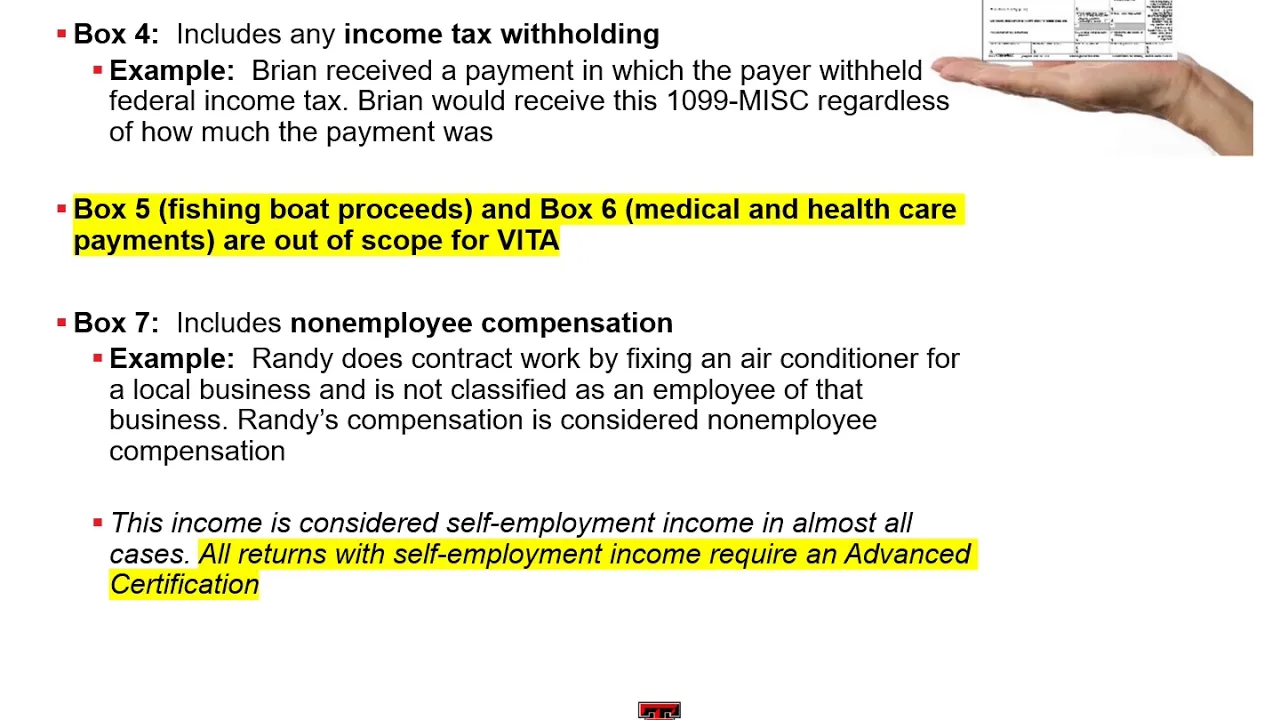
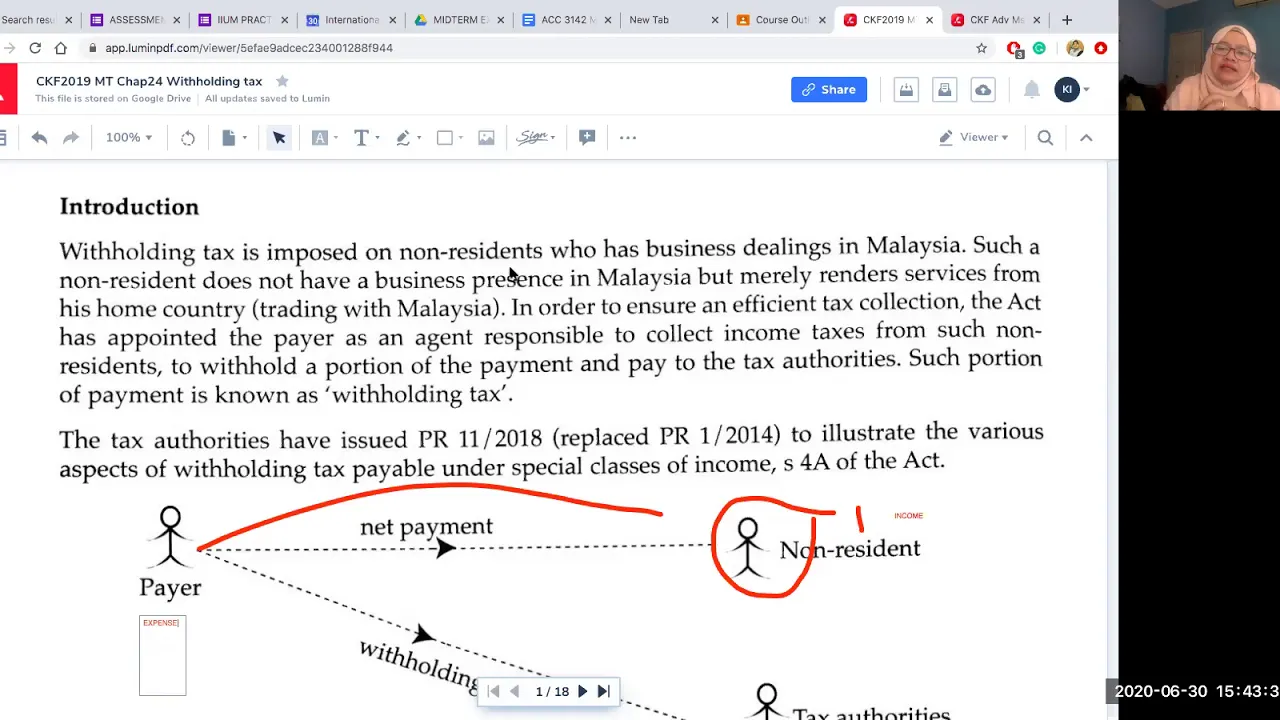
Tax implications of royalty income, including self-employment tax, 1099-MISC forms, and foreign withholding taxes.
Comparative analysis of traditional publishing royalty distribution versus self-publishing distribution models (e.g., KDP, IngramSpark).
4.9K views51likes1:02:34Original Release: 2017-11-30
thank you authors guilt for having me a little more background on myself I am a CPA I have about 20 years experience practicing I am the unique CPA that never really did audit never really did tax because it didn't sound interesting to me as much as I liked accounting and I started my career in a financial advisory services practice which was really helping clients and attorneys figure out numbers about 11 years ago I had an opportunity to testify as an expert witness in a case against it was actually on behalf of a small publisher against one of their authors who had a royalty auditor that came in and made these wild accusations about underpayments it really didn't bear out to be true and in that final decision by the judge he wrote in his opinion that if you had wanted to get the numbers right in the first place you should have just hired misstates so I got interested in the field and then really started doing most of my work on behalf of authors I also work doing royalty audits on patent holders trademark owners really anybody that has a right to receive royalties but I really like my work on behalf of authors because I feel like I'm making a big difference in in an individual's life as opposed to working on a big dispute for multinational corporation and while I like to serve those clients just as well as I serve my author clients I just find this work very rewarding so I'm gonna get into some royalty statement basics depending on where you are in your writing career you may have a really good understanding of your royalty statements or you might be brand new to getting statements have no idea what they say or again you could be an established author and your statements have either gotten so complex that you can't understand them or so summarized you don't know what's going on but they they do seem to be a source of frustration for a lot of authors so we'll get into some of the basics we just rebranded our whole and he so I'm very excited about the art but that's that's an aside so so what is typically contained on royalty statements I use this chart for a lot of presentations so you'll see in the green this is almost what's always on there I've yet to see a statement that doesn't have this kind of information which is it's kind of the most basic stuff you need to know to see how you're being paid for the sales of your book there is there's additional information that may or may not be on statements and that would be your life to date sales and units gross units returned dollars package versus standalone probably doesn't play as much to this group but if you're in the higher education space that's a big deal because a lot of products are packaged with other educational platforms rentals are becoming more common especially in higher education so some publishers will tell you if your book was sold as a rental some some won't electronic versions and access that's more and more showing up on a royalty statement and then if their sales have other stuff but that other stuff is generally going to be on your royalty statement somewhere but it might not be described there now the the information that's rarely on a statement is over here which is more of the details and these are really details that you would need to have an information you would we would want to have to understand if your royalties are correct so you'd want to know what your publisher is giving away for free you may want to know where the sales are going what countries if you have specific royalty rates for specific countries if your book is packaged with other things so a DVD companion or a children's book with a toy or your book is packaged with another book you'd want to know what's what's going on there and then this this information at the bottom is really inventory records which I'll get into in a little bit but looking at was printed and what was shipped out what was destroyed will will be a test to help you understand if the sales that are reported to you are right and then what I call sub rights details that could also be known as foreign rights but subsidiary rights are really any other rights that your publisher is allowed to grant to others to make some version of your book and oftentimes it will just show up as a number on your statement so there might be a version of your book printed in France and you'll just see sub sub rights France but you really won't know what's behind that number now this is a really simple example of a statement and I'm sure we all wish ours could look this this straightforward this this is a little bit different than some might be used to it's gonna depend if you're paid on net revenue for your sales which you may be for some of your books and not others but typically in trade you'll be paid a percentage of the list price of the book so this statement is meant to represent just one particular ISBN if you were an author you may have five ISBN let's say have one book out there you might have five a special SBI ISBN for hardcover paperback you might have an audio version you might have an e-book so so typically your Royals are royalties are reported at the ISBN level so you can imagine this is one statement depending on you might have multiple books with the same publisher or how many versions or iterations of that book that are out there that royalty statements can become very large one of the things I'd also point out here is that you may have deductions and a lot of times publishers will deduct things that are perfectly legitimate but not giving you an explanation so if you have a statement and you have a deduction on that statement and you don't know what it's for that's something you wouldn't want to ask your publisher a balance for word that's typically something that's coming from the previous or else you see so for example if you hadn't earned earned your your advance and you might have a little bit of advance left to work off that would be shown on this statement potentially as a balanced forward the other thing you should pay close attention to is life to date units now life to date units are important for a couple of reasons one if you have a tiering clause in your contract which changes the royalty rate based on how many copies are sold you want to make sure that this is being properly calculated also here we have four thousand eight hundred sixty eight units sold life today sixty four sixty two I can't do my the math and I had that quickly but presumably the life to date units on the previous statement should be around fifteen hundred or so so it's a really simple check to see if the the units are rolling forward properly the other thing to keep in mind is to always go back to your contract now if you have tiering that's going to happen at certain sales levels does that Tyrian apply to just print books or is it print and ebooks or there's separate tiers for each of those so so that's something you wanted to be cognizant of and just understanding your statements and knowing what questions you might want to ask your publisher I don't have anything published but if I did I would probably have a little notebook saying what are what are my total units from my first statement add the next units from my second statement and see if that matches the life to date and keep that that running so here's some here's some of the red flags that we see in royalty statements again calculations that are not supported so you might just have a number on there you might see something that just says adjustment and that really goes also into insufficient detail if your publisher can't answer questions you may have about your royalty statements obviously that's a late flag if your publisher is sending payments late that's red flag now again a lot of this is not going to apply to some of the bigger publishing houses but if you're with a smaller publisher atmae so I recently had a client who always got her statements six months late with no explanation and we we went in and did some work with her and found out there were there were much bigger problems there escalation payments not in accordance with the with the contract clauses so that's you're tearing that's something that should be fairly easy for you as an author to spot and if and if you find a mistake I would go to the publisher immediately and ask for that your payments are not as high as you expected based on discussions with individuals within your publisher I'll get into other sources of information that might make you think your your payment should be higher and we can talk about the pros and cons of those but if there is a marketing person saying your book is doing great and we had X number of sales and you don't see it hitting your royalty statement I would enquire with that individual to see where the sales are now they may have been speaking to you at the end of a reporting period and a sales haven't hit your statement there's a perfectly legitimate reason for that but if you're if you're hearing that your book is you know the best thing since sliced bread and you're getting paltry royalties and low sales again that's something you would want to dig into repeated incorrect calculations I have seen great royalty statements that come out of an automated system at the publisher I've also seen statements that are on an Excel spreadsheet that were manually done and there's incorrect calculations if you if you deal with spreadsheets a lot you should be or or you know a little like to dig into that stuff you'll you'll be able to spot an excel statement just an excel statement on its own would be a red flag to me because that means you're dealing with a publisher that doesn't have systems in place to generate a royalty statement poor internal controls I don't want to get too too much into the CPA accounting world but if you are with a major publisher or any kind of public and it publicly traded company it's not a bad idea to read the annual reports and see what's going on with the company as a whole so I had an issue where there were problems with an author statement I went and read the annual reports of the publisher and they had disclosed that they had problems with internal control and royalty reporting in a different division so wasn't our division but again it gave me pause to say are there problems throughout the company so that's something that's public information you can find if there's any kind of accounting problems restatements internal controls is the red flag that kind of thing if there's a change in your publishers accounting software obviously they're not gonna tell you hey we changed accounting software but if you see a different kind of statement start to come in that's probably an indication if your statement looks different it's an indication they've changed something and whenever there's a change there's potential for mistakes to be made because all of the old information in the system needs to be ported into a new accounting package and new software and whenever that happens I think things can just not translate properly so so if you start getting new form of royalty statement pay close attention to what's on there also if there's a change in royalty accountants or or or the contact that you normally speak to in royalties that individual might have had a lot of history with your contract with your contracting your royalties and a new person comes in you might have special clauses in your contract that that say your royalty should be calculated differently for a certain bucket of sales and a new individual might come in and not actually read that contract and not make that special calculation so again if new new individual comes in it's a good idea to pay close attention to your statements and finally business mergers and acquisitions are some kind of change in ownership this is key because as as we've all seen over the past 20 years this major consolidation and the publishing industry there are a lot of legacy systems that need to be merged and there's a lot of contracts particularly if you have a book that's been in print for a while there's legacy contracts out there and when a merger happens there's thousands of contracts and authors to deal with and get them all into one system and again getting that it's not an automated process an individual needs to go through read your contract to make sure your rates are set up properly and make sure everything's flowing the same way and a lot of times mistakes happen in that process and this slide I put in here just to show you how complicated a publisher systems may be by all means nobody needs to absorb this but this is this is actually based off something I received from a publisher when I said hey can you tell me how your systems work and how you generate royalty payments and this is what I got and actually the audit went back to 2011 and there was a whole other chart of how things worked so my point with this is that not that that publishers are deliberately making mistakes in your system or tryin to under pay their authors my point being is this is really complicated stuff and it goes through a lot of a lot of different places to ultimately generate a royalty payment to an author so now I'm gonna talk about how you can try to analyze your statements and really where to start so so here's here's what I would gather like I said a pad of paper or even better if you are if you are proficient in excel that's a great place to start doing some of your work you're gonna want all of your historical Royals tea statements you can want all of your contracts amendments addendums anything you have related to your books any relevant correspondence with your publisher and also just to listen your head of any public and any issues you've had so maybe in the past your publisher sent you a check that was outside of the royalty cycle and said well this is because we've we found an ISBN that was missing well that would be great to get an extra check but it's also might be an indication that everything you are due to be paid is not actually getting getting paid so anything that's come up in the past I always would put in the back of your your mind if you're working with an outside expert I caution on on sharing correspondence with your publisher is you need to make sure that you are not covered by any confidentiality or non-disclosure agreements to share that typically I'm not an attorney so I'm not giving legal advice but typically you can share all of your stuff with your attorney and also you can share your royalties statements and your contracts with your attorneys and advisers but I would be careful if you've signed it any kind of blanket information that says you cannot share this this information with somebody else but assuming you're looking at information on your own this is the kind of things you'd like to gather so being the accounting and Excel nerd than I am this is what I would do if I if I had all of my statements in one place I would try and analyze them in one place so this is it this is a fancy version of something we did in Excel based on an author's statements and there could be a lot more buckets than are on here but right now I just have print units and electronic units this particular slide was developed for higher education so the electronic rate is much lower than you would typically say seeing trade which would be 25% or more so I like to just put that out there but without without recreating the slide it's good - it's good to see what your units are what the sales of those units are your royalties and then you can calculate what is the effective price per unit what's the effective royalty rate and and what's the royalty rate per unit now again you might have a lot of audiobooks so you would put audiobooks in this kind of summary you might have a lot of export sales and you would want to group export sales really anything you'd want to look at and try and understand the trends is something that you would would try and analyze in one place so this is based on the data that I just I just showed in that detailed chart and this shows that that that while units of books are going up the affective royalty is going down now there could be a very legitimate reason for this it might have been that in the beginning you had a hard cover come out and then as he moved to paperback you receive a lower royalty on those paperback books but if that that's not the case you might want to dig a little further and try and figure out why your affective royalty rate is going down are your books being sold at high discount are there special sales going on your and you're not receiving the full royalty rate is there something else in the contract it calls for a lower rate and so while you're while your sales units are going up your your royalties are declining if you can't figure that out that's a really good question to ask your publisher I like this slide because you might look at your dollars and and and see a dip in 2011 here most common reason you would see this dip is some kind of user error we do this all the time and all of the work that we do is trend things out and if I if I have somebody bring this to me I'll say go back and check your data so there could be a problem with what you've put in there if not and you've checked it your publisher might have missed something and in this time period and not calculated and paid all the royalties that were due so I'm really a big fan of trends because I think you can you can see things going on that you wouldn't see flipping through a multi-page statement and also back to creating all of this this data most of your statements should have summary level information on the first few pages and so instead of going through the hundreds of pages if you have hundreds of pages you can pull it off those summary pages put them in a very simple table and really hit chart wizard and excelling and get a chart that will will give you a bigger picture book wire something I want to mention book wire is a site used by publishers to to purchase ISBNs for books that they're going to release they have a great interface that anyone can go on type in an author's name and it will it will return all of the registered ISBNs for that author so this is something you can use to go type your name in and then see what ISBNs are out there you can then take that list of ISBN that I'll call out there to what to what appears on your royalty statements and sometimes you might find hey there's something here that's not on my royalty statements what is that if you find that I would search that ISBN out on you know out on the web sometimes you'll find that so it is a legitimate ISBN that is for a foreign Edition and that may not show up on your statements it may show up somewhere else that might show up in sub rights which we can talk about more but I really like book wire for a quick check especially if you are a new author and you see for ice be n show up on your royalty statement again see the hardcover softcover a book and then you find a couple more you might you might find some some versions of your book out there that aren't on your royalty statement and that is something that would go directly to my publisher and say hey what is this why isn't it on my statement now it can be a little bit finicky so if your name is is Jane Smith you're gonna get a lot of hits for Jane Smith but it has some decent filters in there where you can I think you sort by author and and find that your Jeannie Smith and it will turn your return your books but we do this whenever we're analyzing statements for an author just to get a list of the universe out there and then compare it to royalty statements Nielsen Bookscan many of you have heard of it this is well even before I started doing this I know some folks that publish books and authors out there Ingram used to actually have a number that you could dial in and it would tell you the sales of a book for the last week and month based on what they were distributing so that was a really long time ago now you can't get that information for free but if you are working with an agent your agent generally has an account with Nielsen Bookscan and what Nielsen Bookscan does is collects sales at pointa sales information from the book trade and will report back how many sales there are and publishers use this obviously for competitive reasons to see what's going on with a book so if you it the data should be directionally correct it's not gonna match your royalty statements and it's not going to match your royalty statements because of timing and also because certain books are not going to be captured by Nielsen Bookscan so if you have a coffee-table book that's typically sold through let's say anthropology or Urban Outfitters or something like that that's not going to be picked up by Nielsen Bookscan so it might not work for your book but if your book goes through Barnes & Noble and Target and those types of retailers it should be picked up and I also understand although I've never seen it is that if you have the Amazon author platform I don't have the excess because I'm not an author you can get access to some of the Nielsen Bookscan information so it's a really great check if you think your royalties are too low and you can get this either you sign up on your own or you can get this through an agent and you see that your Nielsen Bookscan numbers are actually a little bit lower than when you're seeing on your statements you're probably okay conversely if you if you see that your Nielsen Bookscan numbers are far in excess of what you've ever seen on a royalty statement then you probably do have a problem and should go to your publisher immediately and just ask them to help you reconcile that difference Amazon author rank this is what I want to caution against and this is what this was what this was kind of at the heart of the case I testified on about 11 years ago there's a lot of blogs out there that will tell you about the Amazon author rank and it's algorithms which I don't fully understand but essentially if you have a big bike in one day that can influence your your rank and then it and then it goes down from there but but if you have a let's say your your book was written up in a magazine and a lot of people went and looked up the book and buy your book for one day that's gonna have a large spike and then it's gonna trail off whereas if an author had consistent sales of a book they're never going to have a large spike but they they're going to consistently move up a little bit a little bit a little bit what can happen with the author rank is that books that have lower sales at a certain point in time will have a higher author rank than then an author with more total sales so I've had authors come to me and say but my Amazon author rank is great like my royalty statements must be wrong that's not really the case so I would I would caution against going with with Amazon author rank as and as as it being any kind of indication of what your actual sales are Nielsen Bookscan is a much better indicator of that although I would understand that Amazon author rank would be exciting to see what your book is doing day to day but again it can be easily manipulated by a lot of different factors so this is this is close to some of the some of the red flags but common errors you might find so incorrect royalty base is the publisher making a mistake and applying your paperback rate to your hardcover rate are they applying an e-book rate to a paper book rate or vice versa so that's something you would want to look for so again you have to go back to your contract look at the type of sales that you have and are the rates being applied properly under reported sales this gets back to something like a book wire check are there is pians out there that for whatever reason are not making it on to your royalty statements I had a client who sold or wrote math textbooks and the there was a whole bunch of math textbooks that then they were for the higher education market they also did versions that went to the high school market for whatever reason the publisher net coated high school textbooks into their system and we found these ISP ends and found he had been paid think on about he had been underpaid about three hundred thousand dollars just for the sales into the high school market so that that ISBN check through book wires is really helpful inappropriate deduction so your contract might have a definition of what a publisher can deduct from from sales or what the definition of net sales is if your royalties are based on a net sales calculation I had a client that was with a print-on-demand publisher and it said that this print-on-demand publisher could deduct certain things like Freight and some other other minor reasonable things but what this publisher was actually deducting from the sales was also the cost to print the books which was not allowed so so that would that's something you want to look for you might not have this unless you go to the next step and ask for additional document documentation but again inappropriate deductions could play in to your statements miss applied conversion rates if there are subsidiary rate subsidiary rights agreements out there and say that the publishers being paid in Euros and then translating it into dollars that's something that could be an error in royalty reporting misunderstanding of the License Agreement again these are individuals that put information from your agreement into their systems if you have a complex calculation in there that could be misunderstood or it could just not be translated from from the text into the publisher system or there could be some disagreement over the terms what you believe the terms mean versus what what the publisher believes the terms mean and and the last one we got into a little bit before but it's something that you can you can spot pretty easily which is this non escalation of royalty rates so after 5000 con five thousand copies are sold your rate jumps to percent you can look at your statements and see that that didn't happen that could be a simple mistake by the publish to not put that trigger within the royalty reporting system to increase the rate and again you want to go back to your contract and look very carefully what counts to that pool to get you to the units is it is it all print is it just softcover is it just hardcover is it everything combined you want to be careful about what that means so now I'm going to talk a little bit about what are some of the specific records you can ask your publisher for so you can kind of go go through and do a deeper dive into your royalties statements and and understand the royalty payments you're making something I'll start with is is how long can you go back how much information can you look at now if you've had a book that's just been published in the last year this is probably not an important question if you've had a book that's been in continuous print for a number of years it is an important question so first off you may have a clause in your contract that allows you to request certain information or allows one of your advisors to request information I call them audit clauses but often they don't have the word audit they'll say examination of records retention of records there was types of terms so you want to look at that and see what it says so it may say something like the author and or his or his or her representatives has a rights request certain records for two years after a statement is rendered this is important because if you don't have a time limitation typically you can look at records going as far back as the reach of contract statute of limitations in the state in which the contract is governed I'm not going to give you all all of those those those statutes but a lot of contracts are governed by New York law New York gives you six years some contracts are governed by California California is four years so that's that's important to know because you might have become disillusioned with your publisher let's say and you think something's going on and it's been going on for ten years well that may be the case that may not but you can't go back and get ten years worth of records and in most jurisdictions so if you don't have a limitation you don't have something that says you can look back and that and the time is limited I would I would try and do a little digging and see how far back you can go and ask for all of the information going back for that time period because it's always better to get it in one ask rather than saying let me look at the last two years and then go back to the publisher and ask them for more information generally speaking this is what you want and this is the stuff you would need to create a royalty statement create a creative payment to an author so we'll instead of instead of trying to back into what you should be paid this is almost like taking the information that's out there and then using what you know from your contract and try to recreate what royalties should have been paid to you so the things you're going to ask for is a detailed sales records what's in detailed sales records are usually the customer the date of the sale were there any returns what was the price and what what type of product was sold the detailed sales records should be by ISBN you'd also want an inventory not an inventory and the invoice number on their inventory records inventory Asst is something that a lot of publishers will just hand over to you which is basically what they'll call a reconciliation to print so inventory records are going to contain what was printed what was shipped out and then the stuff that was shipped out has either been sold given away as free or destroyed what came back so returns and then what's left there's typically going to be some amount of inventory that is unaccounted for and some amount of inventory that's unaccounted for is reasonable but it's it's got to be a reasonable percentage I would say that that is about up to 3% of total books printed that's unaccounted for that wouldn't really be a red flag now if there is 15 percent of inventory unaccounted for there's a big problem you'd also want to ask for your foreign rights contracts some publishing agreements give you the ability to approve any foreign versions adaptations translations of your book some contracts do not they just give the publisher the right to enter into these agreements but you would want to ask for those agreements so you can see what's going on with your book this is important because a lot of authors will say my friend just went to Germany and found a copy of my book and I didn't know that my book was being sold in Germany and how much is out there well either the publisher entered into a legitimate sublicense with the German publisher or they did it so you want to see what what rights they have granted to others other grants of rights again this could be a grant to adapt your book it could be an audio version it could be anything else in the contract that the publisher is allowed to do so you'd want to see any contracts for those and then also to the extent deductions are allowed from your royalties you're going to want specific information related to the deductions that are made from your royalty statements so how are you going to analyze your information some of this is a little bit of a repeat but looking at your royalty statements what types of sales have you had over time and do they make sense what's your average price per unit what's the overall revenue trend what's the overall unit trends now if you have a trade book and it was really popular 3 years ago and it's and it's the decline that might make sense if you have a really popular evergreen book that's been in continuous print for 20 years and you and it's and the sales are pretty steady and then you see a sudden decrease you might want to understand it's so important to go back to your audit clause because there's you know as much as there's boilerplate not your ought to cause your your agreement as much as those boilerplate contracts out there there's still a lot of variation that we see so you might see that the publisher has a right to give away as many free codes as they want you really want to pay attention to those escalation causes what if your book is packaged with other things now you don't see this as much in pure trade but if you have a children's book that's it's packaged with a CD or a toy or another author how are you going to be paid on that the detailed sales records should have details about what kind of sale was made again if it's not laid out in the detailed sales records it should be by ISBN and you should be able to look at a particular ISBN and figure out really looking by just googling your ISBN figure out is that a print version is it an e-book is an audiobook what is it so you really want to take a look at the detailed sales records and then what you would do is take those records and figure out what royalty rate should be applied to them based on your contract and how does that tie into what's on your royalty statements one of the other things to look out for is a return for reserves on your royalty statements now your contract probably says that a publisher can keep a reasonable return for reserves older contracts would have some percentage listen there what that reasonable percentage would be so say 10% of sales if you have returns coming in and and the publishers not releasing the return for reserves I would ask your publisher why is that why why won't you release this or if the if your reserve for returns is really high and you're not seeing big returns again why why does the publisher need to keep that I wouldn't say that that's a big finding the money but it's money that the publisher is holding on to that you you're losing the benefit of investing so that's something to keep an eye on in the Billo materials really gets into if you have packaged goods so if your book is part of a compilation if they take parts of your book and combine it with somebody else's book you're going to want to see how are you being paying or being paid royalties on that it's typically by page count if you're combining a book if your book is sold with other stuff and the bill of material should show you everything in that package and how attribution is given to the to the work to the components within that package and therefore how much are you being paid in royalties again the subsidiary rights records what you should get if you if you ask for it is the contract that your publisher has made with let's say again a French publisher you should see that contract and you should see what the terms are now that will have specify the royalty rate the payment schedule all of the stuff just like your publishing agreement with with your publisher and then what you'd also want to ask for is what information has your publisher received with with respect to the remittance of dollars under that contract now you might see let's say agreement with a French publisher to do a French version of your book and no royalties come through after that but you do see books being sold in the French market from from a friend or a trip you went on then you would want to go back to your publisher and say I know this thing's in print you entered into the the agreement two years ago where are the royalties and again the inventory records how how do ebooks move and essentially the inventory records should tell you what was sold and you want to look and see what was sold does that match what is sold on the the sales detail that's been provided and also the royalty statements the other thing I'll mention here is destroyed copies it's it's legitimate for copies to be destroyed if if a publisher gets returns from a retailer and they cannot be resold but what you do want to look for is a really high number of destroyed copies I can't tell you what that number would be I'd say three to five percent it's probably reasonable if you see destroyed copies in excess of returns you're going to want to ask your publisher why are these being destroyed they might have just printed too many they might have missed their forecasts and printed too many but you you should ask about that if it looks like an unreasonable amount being destroyed so what are the results of doing all of this work you're gonna find well two types of findings but I should say three you can find that everything is fine there's no issues I've never personally seen that but it's sometimes it's just very small issues but there's either clear mistakes or miscalculations in the calculation of your royalties or there are legitimate disagreements over how to interpret the contract if you get into that you need to consider if you want to engage an attorney typically under reporting that I've seen varies from year to year but it's ten to twenty percent of royalty payments and why would you want to do this does it upset the publisher generally not I think I think publishers understand that authors want to know what's behind the calculation of their royalties and and have a right to know I put the scale here just to try and show that it helps balance the relationship a little bit obviously publishers are multi million some multi-billion dollar organizations and you are an individual author so so the leverage going into the negotiation is not in your favor but an author that is showing that they are willing to proactively go in and check out how their royalties are are calculated it will probably get a little more attention from the publisher in terms of making sure that the publisher gets the calculation right and so that's it with what to look for I'm gonna I'm going to have Jennifer open it up to questions I think some have come in and I will be happy to answer whatever you have okay so let's see what questions we have here I'm if you want to submit a question you can do that using the Q&A button it should be in the toolbar on your screen it on the top or the bottom so let's go ahead and through these this questions from Steve says I'm about to retire so is it okay to destroy really old royalty statements I represented some of my projects as Asian and packager for others I want to clean on my office completely I would I would say yes unless you you want them for some reason it sounds like you don't so I would I would destroy anything prior to six years your publisher should have copies of those records if you ever needed to get them the other thing you might want to do is if you want an electronic record ask your publisher if they can send you PDF versions of the statements and most will ok um the next one's from Tracy what do you do when you're pretty sure the sales reported are being underestimated and the publisher is a huge one that has rights to your next book well you can you can do everything I said you can try and verify it if you are convinced for whatever reason you might want to engage an outside accountant to help you review that and I can talk more offline about what that involves and you also if you're really really convinced to this you may want to engage a publishing attorney to help you with the negotiation of your next book if you have that opportunity sometimes you can use the threat of an audit as leverage but if you're really not comfortable I think I'd have to know more about why you're not comfortable because obviously you would be leery about going into the next book with them so move along try to get as many of these done as we can um this one says hi Julie I'm a literary translator and most contracts specified that I earn sorry I just jumped away from me that I earn and advanced against all royalties plus royalties but one contract with the publisher says they will pay an outright fee of Acts and a royal G of X % I understood this to mean I would get royalties as a first copy sold ie the fee was not in advance however I have never received a royalty check with my statements based on your experience how do you understand that wording and what do you think I should how do you think I should contact the publisher to discuss alright well to be fair I would want to read the wording but it does sound like there is a flat fee payment for you to do the work and then royalty you should follow after that so you should be earning royalties you could also ask the publisher can you give me a statement of the sales or a royalty statement and see how they lay it out on there they might be counting it as in advance and it may be that all of your other works had an advance system in place and then royalties and whoever was setting you up just assume that this new contract was the same as the other so again that that's what we see happen a lot there's just assumptions that there's a new contract out there it's gonna follow everything the other contracts did and therefore nothing nothing different is done so whoever's calculating royalties isn't isn't expecting you to get royalties from day one so I think my understanding matches yours I just want to read the language to be sure that's the next question I'm gonna kind of group two together because they're very similar can you estimate how often there is a real problem with the calculations as in if we aren't checking that closely how likely is it we're being underpaid and someone else that's the same question like how common do you think these errors are if you could guess like would it be 5% would it be more I would say probably 75% of the time there is some error if it's not say it's a big error but there's errors all the time and again that goes back to the human input so the error might not be that your royalty rate is 10% the the dollars that needs to be applied to is let's say 7,500 dollars so the royalty should be $150 that's a really simple calculation error which which doesn't necessarily happen but there can be a lot of errors with miss applying the rate to the type of book a lot of errors you'll find in the tearing clauses but it's it's rare to have a very clean review so I've had one recently where everything tied out within the penny except for I think $200 and quite frankly I was suspicious at the data I got because it was it was just too perfect you expect that a publisher is not going to be able to account for certain units that the things are gonna get lost in a warehouse and you would expect to be some variation that's that's normal in accounting and that's normal and reporting but I do see errors probably 75 percent may be too conservative it's certainly not 5 percent my around my agent my agent does not send me realty statements if there are no funds due to me I have to ask for them each time it's just something is it worth bugging them yes they're your statements so I would ask for them next question is Nielsen Bookscan the only way to double-check approximately how many buy books have been sold what does typically charge so Nielsen Bookscan is it's tricky I had to get an account through a third-party seller but you can get it by contacting them but they can they I think it's around fifty to sixty five dollars per ISBN again if you have an agent your agent probably has an accountant can get it for you am i the other thing I would look into is if you are on that Amazon author portal I don't know how they charge or how that works but they will give you access to books scan information through there but that is the best source because that's collecting point of sale data from retailer so that's giving you a good idea of how much your book is selling through so if so if it's less than what's on your statements you're in good shape if it's a lot more than what's on your statements and then there is a there is a problem but it's a really good quick check and it's probably worth the investment if you don't have too many ISP ends do sales of sub rights show on a statement only once the sub rights advance money has been paid off for example with audio rights are bought for five thousand and that shows up on your statement without sales info will the sales info show once the five thousand is earned out it should so assuming that that the sub right agreement is like a typical publishing agreement where there is an advance and then there are royalties after that advance has burnt been earned out you would you would expect to see the advance payment and then you probably wouldn't see any of the royalties being earned off like you would on your regular publishing statement you wouldn't see those and while the advance was being earned off but once money is remitted to the publisher for those sub rights say an ongoing royalty that should start show up on your statement so it's really as the cash comes in that's what you see on your statement the reason I say to look at sub rights is that's often handled by an entirely different department within the publisher it's not run through the royalties department that department will execute the sub rights contracts collect the money and then as money comes in send a note to royalties and say hey Jane Smith received this much for her sub rights agreement so sometimes it can it can get lost in the mix and it's really as the cash comes in if you were to want to do an audit of your sub right so to speak then you would want to ask for the agreement and then all of the statements that your publisher got from this this third party license licensee do publishers have to provide inventory inventory statements on request it depends your contract might there's a few contracts out there that specify what they need to provide most contracts are very broad and we'll say the books of account or any records used to verify royalties a lot of the publishers we'll just give it to you maybe not to the author they'll give it to me but it depends on the publisher so some publisher it's just it's just matter of course they're gonna give over the inventory records there's some other publishers they see this more in smaller university presses that say we don't have to show that that's not sales records but if you really are truly doing an audit and audit is meant to verify so you want to verify the sales records to the royalty statements to something else that shows sales which is inventory so it really depends on the publisher you know I have these grand plans about what to get in an audit clause for authors that that specifically says what a publisher has to provide I don't know that they would ever agree to that kind of thing but you know if it's really general a publisher can say well that's not covered by this this general statement but if it's really specific you have to be careful you're not loose leaving something out but also you you could generally lay out the things that you'd want to see so unless your contract specifically says it has to give it to you I don't know that they have to give it to you okay I think that kind of relates to this next question which is have you ever negotiated or helped negotiate a contract and if so what terms did you try it especially hard to get that are not normally granted to authors sure so again I think in the in I want to say in the old days but 15 to 20 years ago Auto clauses were in a lot of contracts and they were very general now either they will be left out that doesn't mean you can't get the information that's it that's another another presentation almost but what I would advise authors to get is an audit clause it says they have a right to review the records I would strongly advise do not get a time limitation in there so I had an author that didn't have an audit clause his publisher said you can't do an audit for years and they gave him an amendment they gave him an audit clause and he was thrilled to get it and the audit clause said you may look back two years he didn't realize that actually where his book was published and where the where the contract was had an 11 year statute of limitations so the publisher kind of pulled the wool over his eyes by saying here we'll grant you the claws you can look back two years well legally without that clause he could have gone to court and gotten 11 years so I would strongly advise against getting that time limitation in there now you're gonna have to give on some things and what do you what do you want the most if you have the two-year limitation that just means you have to be on top of it and make sure you are make sure you're you're questioning your statements every two years if you feel that you need to the other thing you can do if you have that limitation is if you are not sure about something in your royalty statement and maybe you don't want to audit on your own or you don't want to engage someone put in a very formal letter to your publisher I received this statement on this date I do not accept it because of X Y & Z and that will kind of stop the clock for that statement because a lot of times they'll say unless you dispute it in writing you've you've been deemed to accept a statement so that that's what I would have the audit cause in there also you want to have really specific definitions of what rights you're granting so does a publisher want to make a game with your work or or not well you have to think about do you want to allow them to do that you want to be I mean there's so many I have a whole other list of things that I'm trying to think of them off the top of my head but but you really want as clear as you can contract language so if they talk about deductions what are those deductions that are allowed specifically if the publisher says you get a certain rate on special sales what is a special sale every term and your contract should be defined and there's things that you might not think about but can come back later and be a problem so I think as much specificity as you can is helpful the other thing I would I would kind of preach to all authors especially with your first book is consider investing in a good publishing attorney that can help you through the process I know we hear attorneys and think it's a big expense it's it's probably not as expensive as you think it can save you a lot of money in in the long run so I just put that plug they're to the attorneys I am NOT an attorney but I think it really helps negotiating your contract and also somebody that it's done published publishing contracts before and also if you are a member the author's field does do contract reviews you know they are not we can ago she you know for you but the author's field does do contract reviews so if you do have a contract that you have some questions about you can send it to our staff here and they'll look at it only if you remember them let's see here can you comment on how helpful the author's licensing and collecting society is for authors no I don't have a lot of experience with them I mean I have some experience with some of the global organizations that are collecting overseas and they distribute the funds to individual organizations but I don't think I can comment on how helpful that particular organization is how much might it cost to have someone do an audit for us I have four books since 2011 from one publisher for example I don't want to quote fees here you know it depends some some audits if depending on what the royalties have been and our experience with the publisher we will do it on a contingency basis meaning we will not charge the author anything unless we collect something from the publisher so then what our fee will be a percentage of what is collected for others if we're a little unsure will charge an hourly rate and and what I always do with authors is first look at their contracts and look at their royalty statements we don't charge for that and try and scope it out and then give a better idea and then and then and then figure out what the hourly fee is sometimes it's a really low early fee plus some kind of higher rate if we recover the other thing to look for and this is something you should put in your contract is if there's an underpayment finding a five percent or greater the publisher is will reimburse the author for the cost of on it that still shows up and if you know to ask for that you might be able to get it so then if you want to hire a professional to do an audit and you find something the publishers not only going to pay you the underpayment but also pay for your auditor I can say audits do not cost you know $300,000 but they cost in the it could it could be a small review could be a couple of thousand dollars up to tens of thousands of dollars depending on how much how much work there is but again with my clients we always fill pit out we say you can spend this much money and then see where we are and and see how cooperative the publisher is do you want to go further or do you want to stop here and have you got enough information next ones is hi Julie what can an author do if her agent doesn't send royalties in a timely manner how long does an agent have to pass on the royalty statement so that again should should be driven but by the agreement written agreement hopefully that you have with your agent so royalty statements depending on when you're paid typically come out three months after the close of the state statement cycle so if you're paid you know quarterly it comes out like three months later into the next quarter so if you know when your statements come out and you know with what the period is and then when they come out I don't see why an agent is holding on to them for more than a week or so again a lot of this stuff comes out in PDF form and it should be an email to you they should be able to forward it to you so I would raise that and do all publishers provide royalty statements they should and that should be something that is listed out in your contract I've seen some very small publishers that produce a really basic statement that is a royalty statement I mean that's another bandwagon I want to get on is what is what is a good form or lt statement again I don't know that that that author groups or we can affect change in the industry to say what should be on a royalty statement but there's some real basic stuff that you would expect to be on there um and said we have another question what is reasonable to be deducted by publisher if oil tees are based on net sales also what royalty percent for print versus ebooks is reasonable so I'm not sure about the deductions question again that's gonna be contracted driven no net sales in its most basic form is gross sales minus returns equals net sales your contract might say that they can deduct shipping costs or something else or normal trade discounts whatever that is all the trade discounts are probably part of the net and then I'm sorry what was the second question also what royalty percent for print versus ebooks is reasonable so I think author still has a lot on their site but so so print books you know there's ranges out there that you can see depending on the type of book anywhere from I'd say five to twelve thirteen percent in higher education you can see rates up to eighteen to twenty percent ebooks started really around twenty five percent some authors have contracts that that where they've gone up a lot of the original ebook a lot of the original contracts that had ebook rates in there talked about this this most favored nations concept so if the publisher generally started offering a higher rate on ebooks then everybody would get that so I think that has stopped publishers from really raising the e-book rates because if they raise it for one author they need to raise it for everyone but there's a there's a lot out there that you can read about what is the fair rate royalty rates initially kind of came to these certain rates that we have based on what was the fair split of of gross margin between author and publisher and it doesn't always work work that way now but that's that's kind of where you get some of these benchmark rates so I don't want to tell you what what the what the precise rate is but I know Authors Guild does talk I think they're fair contract initiative writings about ebook rates and and what is fair but a lot of it initially was driven off a margin and in just the the authors groups are ebook rates aren't high enough because you create a PDF you distribute a file say to Amazon and then there's not the same cost of printing a book so there were a couple more that are kind of specific so we'll send those to Julie and and we'll answer those for you separately since they're kind of more specific questions and this video is being recorded and will be housed on the author's field website later in case you want to you know watch it again or or look back at some of the slides so Thank You Julie so much very much ok and thank you everyone for watching and have a great weekend thanks everyone
Up Next
37:19
Licensing Your Book Rights: A Guide for Authors | 20Books Vegas 2021
@20Booksto50kRLiveEvents
228 views•2021-11-13

12:54
Triumph of Orthodoxy Icon: Byzantine Art & History Explained
@BenCallan
2.1K views•2024-08-06

9:49
FastAPI vs Flask vs Django: Choosing the Right Python Web Framework
@TechWithTim
302.5K views•2024-05-26

1:42
Game of Thrones Opening Credits: A Cinematic Analysis
@gameofthrones
46.3M views•2011-04-18
Related Study Plans & Knowledge Roadmaps
Structured learning paths in General & Interdisciplinary Studies
general-studies
Elevator Engineering: History, Physics & Cities
01From Hoists to Safety Brakes: The Dawn of Vertical Lift
02Hydraulic vs. Traction: The Engineering Physics of Elevators
03Modern Speed, Safety, and Algorithms
+ 2 more learning modules
12h5 modules
Explore Roadmap
general-studies
Rubber: Material Science, History & Geopolitics
01Origins of Natural Rubber & Mesoamerican History
02The Chemistry of Natural Rubber & Vulcanization
03The Geopolitics of the Rubber Boom & Colonization
+ 2 more learning modules
12h5 modules
Explore Roadmap
general-studies
Containerization: Evolution, Logistics & Trade
01Ancient Trade & Bulk Cargo: Amphorae to Barrels
02The Industrial Revolution & Cardboard Packaging
03The Containerization Revolution: Malcom McLean
+ 2 more learning modules
12h5 modules
Explore Roadmap
general-studies
Textile Tech: Evolution, Labor & Global Impact
01Pre-Industrial Textiles: Handloom & Cottage Industry
02Mechanization: The Spinning Jenny to the Power Loom
03The Factory System & Global Labor Transformation
+ 2 more learning modules
10h5 modules
Explore Roadmap