













![How to Make a TV Show Bible [with Template and Examples] — TV Writing & Development: Ep5](https://i.ytimg.com/vi_webp/Z56nxVKmwR8/maxresdefault.webp)









![It’s All About Story And Nothing Else - UCLA Professor Richard Walter [FULL INTERVIEW]](https://i.ytimg.com/vi_webp/_tT_GjjlCLs/maxresdefault.webp)

Authors can maximize their income by licensing their books across multiple revenue streams including publishing, audio, translation, gaming, apps, and film/TV rights, with key considerations including term length, payment structure, exclusivity, and geographic scope; authors should conduct due diligence on licensing partners, negotiate favorable terms, and track all agreements to avoid conflicts, as one book can generate hundreds of potential licensing events that diversify income and reduce career risk.
Licensing Your Book Rights: A Guide for Authors | 20Books Vegas 2021
Added:Basic concepts of copyright law and intellectual property rights for creative writers.
The fundamental differences between self-publishing (indie) and traditional publishing contract structures.
An introductory understanding of subsidiary rights, including translation, audio, and foreign market rights.
Standard contract terminology, such as royalty structures, advances, and grant of rights clauses.
Drafting and negotiating the specific clauses of a film or television Option and Purchase Agreement.
Developing professional pitch materials, such as loglines, bibles, and pitch decks, to attract Hollywood producers.
The role and selection process of hiring entertainment attorneys versus literary agents for media rights representation.
Managing an intellectual property (IP) portfolio to strategically carve out and license merchandise, gaming, and spin-off rights.
The structural and creative process of adapting a novel into a screenplay format.
228 views6likes37:19Original Release: 2021-11-13
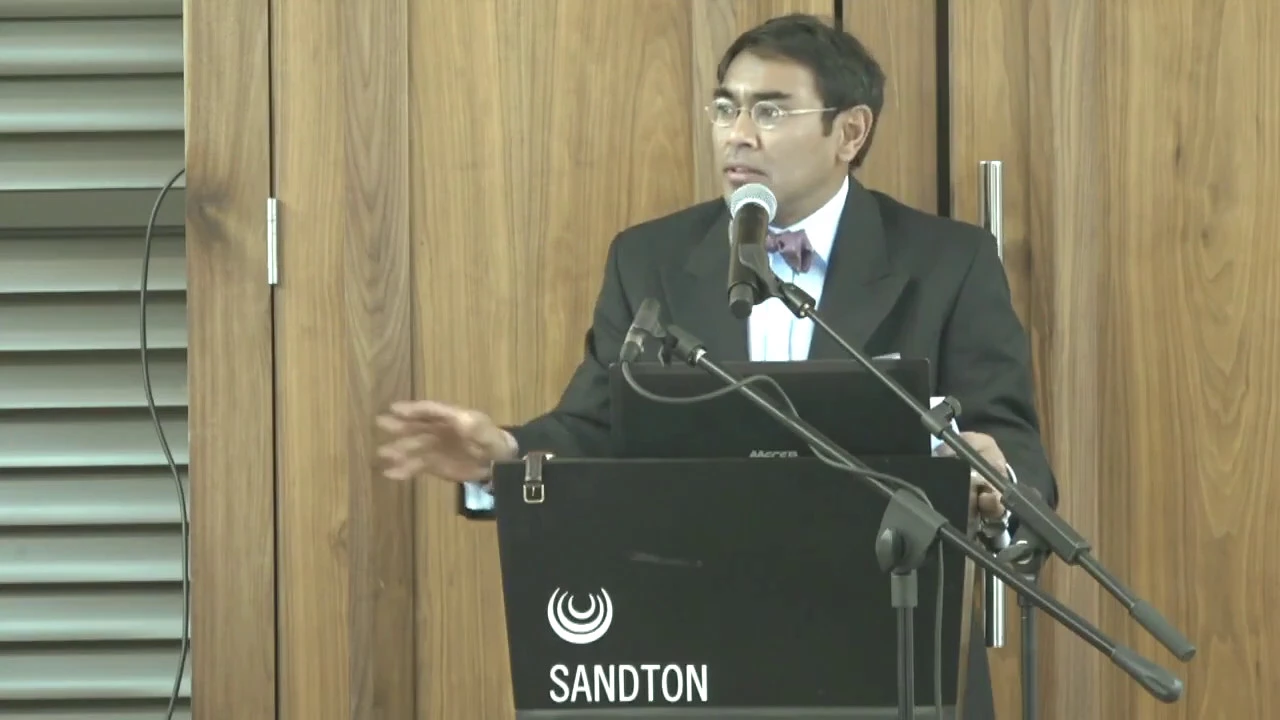
hi thank you i know it's late in the conference and i'm really appreciative of of you joining me this is my first time at uh 20 books to 50k and i want to thank uh both craig martel and michael anderley for inviting me i've really enjoyed my time here i've learned a lot and hopefully i've been able to convey some useful knowledge to my fellow authors so if you're here to learn about licensing for your books then you are in the right place so let's get started so licensing your work what every author needs to know this is the legal disclaimer language that i present in all of my presentations which basically says that yes i am an attorney but this is not legal advice you have to sign an engagement letter to get legal for me to be your attorney and uh if you are my client and you're here i will contact you individually with legal advice i wouldn't convey it this way so is there a little feedback or is that just the size of the room just making sure thank you i appreciate it okay so this is a little bit about me uh it should say usa today best-selling author of over 20 books i think i'm at 25 now i do have a pin name that i use as well i'm pretty proud of those letters i think we all are when we get them i have founded my own law practice which specializes in intellectual property i seem to do a big business in books to film and then representing authors i'm also i'm very excited i was one of the founders of the women's fiction writers association so i'm kind of proud of that as well so i want to start with this image because this is always where our magic is our magic is in the books that we create and it truly is magic and and you i know from experience my own experience that you all spend so much time and energy creating those books and i often use this image because one book is like one little seed it's a piece of intellectual property and from that one seed will flow so many potential revenue streams and that's really what this presentation is about today it's kind of funny i mentioned this on my first presentation you know craig corralled me at nink and i had done a books to film presentation and a trademark and copyright presentation and he said will you come and speak i said oh yeah i'd love to it's you know it's an hour from la it's it's not so tough i'd be happy to i've always wanted to go to this conference in the before times you know so i thought i was going to give the two presentations that i had given at nync that year and then i look at the google sheet and there are two presentations that i've never heard of right so it really was a kind of a gift because what craig did is that he allowed me to really drill down into my knowledge base and think about when i think about licensing and when i think about authors and i think about revenue streams what i would want for you to know moving forward so that you can make as most the most money possible on your books and do it in such a way that your rights are protected and you as intellectual property creators are protected so from one that one little seed springs this giant tree and what i like to talk about when i show this image is that each one of those branches is a different revenue stream it's also what we call a different subsidiary ancillary derivative work so one book potentially equals hundreds of potential licensing events right and why would you want to deal with the hundreds of potential licensing events for one book oh there right there that's why that's why but with that comes a lot of rights questions sometimes a lot of contracts a lot of things that you want to consider and i want to i want to walk through kind of an overview of what you can look for when you see these licensing deals to hopefully protect yourself in some ways i would always advocate that if you get into a situation where you don't know exactly what you're negotiating and you don't know exactly what the contract says that you reach out to someone like me who has a background in intellectual property who can review it for you and we're going to see why that becomes more and more important with the more rights deals that you sign so licen as a copyright owner of intellectual property these are the rights that you have you have reproduction rights distribution rights the right to create adaptations which are derivative works performance and display rights which include all of these things which can be really lucrative and really amazing for authors publishing film tv audio books comic book rights translation rights gaming rights app rights and merchandising and i was just looking at this list and i have clients who have have licensing deals for one book for all of those categories right so so and that's that's amazing because it all springs from one book so if you have a if you have a portfolio of 100 books and you can get 10 15 licensing deals for for all of those books think about the multiple revenue streams that you're going to have and i think that as independent authors mature and develop such a big library it becomes more and more likely that you're going to have at least a few of your books with licensing deals you're also a business owner and an entrepreneur these are titles that often come second to authors when it comes to their publishing career so many of us have other careers that we've done and we're business people but the writing is something that we're drawn to and we want to do and i have a lot of clients that thought about the business of writing after they had already been writing for quite some time they're not really an overnight success but suddenly when they have the the option of publishing or filming tv or apps or something like that they haven't really prepared in their mind what that looks like for them i love this slide i've used it twice this week and one of the reasons is is that one of the the primary reason that i advocate for trying to find as many licensing deals as possible or that you're comfortable with as the creator of intellectual property is that you are squeezing as much revenue from each title as possible it is the diversification of your intellectual property which i think can offset a lot of the risk that comes inherently to having a creative life there is a lot of risk because you're your own boss and we all know that the market can change and and what readers want to read can change as well whoops oh oh there it is okay i don't know what happened but we're back okay so when licensing licensing subsidiary rights keep the following in mind who is licensing who's on the other side of that contract in negotiation what are you licensing which branch on that tree are you going to exploit or capitalize on what is the term so that means how long i tend to advocate for as uh limited of a term as possible for as much money as possible how much will you get paid and how does the licensing agreement end i think this is really important and i think anyone who's had a traditional publishing career understands that some of those ways that you can get your reversions of rights are very challenging so you always as an intellectual property creator want to look at how do i extricate myself from the term of this agreement is it automatic or do i have to proactively do something so who is licensing so i tried to find someone shady i don't know how shady this guy is to try to convey to you that when you get approached for someone to license your rights you may want to do a little bit of due diligence i think we all do that in this community by asking our fellow authors if they've heard of the company do they know this individual have they been presented with a contract have has this individual or corporation that wants to license your rights what is kind of the reputation for them and i think that that's the first place that you start is you start with the other authors that you respect trust and know what are they licensing so again this is the list of the potential things publishing rights ebook trade paperback film rights tv audio rights comic books translation rights foreign gaming rights app rights and merchandising i'm going to go through each of these a little bit so that you can get kind of an overview of what i'm seeing in the marketplace as far as these individual agreements i've discovered over this week that the film and tv component is really a big ticket item and so i'm going to drill down a little bit more into that today to give you kind of my thoughts on that so publishing rights most people i think that are coming to the conference some of them most of them i think are indie authors they may come from a traditional publishing background and they may even be considering as part of the diversification of their portfolio to add traditional publishing rights um and then we'll get into the foreign publishing rights as well israel seems to be one of these places that's coming for a lot of rights right now and creating a lot of offers from from companies so i used to negotiate a lot of publishing deals with new york um and this is the thing one of the things i want to highlight with that is you really want to understand how you're going to get your books back right i often say to authors who come from an indie background and want to go into trad that you're going to give up a lot of control over your books and your marketing and all of that and you're not going to have whatever money you get on your advance that may be all you see right and then the reversion language that is in the agreement you want to see that it's pretty specific because what a lot of traditional publishers have figured out with ebooks is that it costs them very little to keep that book for as long as they want because it's not like they have it's not print books in a warehouse that they have to pay warehouse costs on and it shows up as an asset on their spreadsheets so just be really aware of how you're going to get that book back and i've spoken to some chat offers authors to think of it as a loss leader meaning that if you really think that that book is a trad book is going to help you garner a wider audience or you're going to get some eyeballs that you don't get in the e-book area that that's fine but have a strategy or a reason why you're doing it and you know what to be honest that can be as simple as you want the validation of a publisher saying we like you that's fine but but be aware of some of the pitfalls that you might run into audio rights i know this is a very hot topic right now so audio rights can be really lucrative again you would want to look for the same sorts of things as to how long the term is who the company is on the other side one of the things that i've tried to negotiate is uh with with audio is it possible that when the audio agreement ends that you as the author can buy if you like it the the audio recording that they've put together i would say that if you do the numbers you actually crunch them what you're going to discover is that if you can do the actual capital outlay yourself and fund the audio you're going to end up over time earning a lot more money than you will on your advance i said this earlier this week and i'll say it again if a big corporation usually if a big corporation offers you a million dollars for your audio rights they're making 20 million dollars right so a corporation doesn't usually offer a big outlay of capital unless they're able to exploit that at an even greater level oh and one thing i do you know sometimes people just don't want to mess with it right i have a lot of clients where they they completely understand that they're going to make they would make a lot of money if they exploited them themselves but they really don't have the bandwidth they just would really like someone else to do it but again i think it all boils down to being able to make those decisions from a from a place of empowerment having the knowledge and really understanding all of that translation rights those can be quite lucrative as well as you know that becomes has another layer of interesting another interesting component because you've got to find a translator then you've got to vet the translation you've got to look at the the laws with regards to the translation in the other countries so i do have a lot of clients who kind of lay that off with a company gaming rights and app rights those are very hot right now it seems like a lot of gaming and app companies are popping up a lot i would advocate that you try to do some due diligence on the different app companies to see what kind of reputation they have and what kind of business they actually have film and tv rights this is one of my favorites um i spent a lot of time in the film and tv space i was a motion picture literary agent at icm and i did subsidiary rights which is books to film so we've managed to do deals with all of these companies and and i really love that so much and it seems to be a very big ticket item right for authors so one of the things and i'll get to this later that i think is super important is that when you're doing different licensing deals say you're doing an app right you're doing an audio translation you're doing a foreign translation when you get presented with that agreement there are certain things that you want to carve out and make sure sure that you retain for yourself that agreement that you're presented with oftentimes is in the light most favorable to the corporate entity that presents you with the agreement and i'm going to talk about this later that you want to be able to negotiate those agreements here's an example there are some app companies that will try to make a right scrap for film and tv but they're not necessarily going to exploit that some authors don't care they're fine with that the challenge becomes is that if you go ahead and sign that for whatever term and then a producer or netflix or one of these entities wants to license or option your book then you cannot do that right because you've already you've already placed you've already put in place a licensing deal that encapsulates those rights so i spend a lot of time trying to help my clients understand how the different licensing deals that they've put in place how they interact with each other so film and tv let's talk about film tv it's one of my favorites so one of the questions i get asked the most from authors is how can i get my book turned into a film or a tv show right and the challenge is is that as authors we know exactly how to write a book a book is 50 000 words if you set a goal of a thousand words a day and you sit in the chair and you do it for 50 days you will have 50 000 words they won't be good words necessarily but you'll have 50 000 words right and that's a book and you can edit that book into something that someone other than your mom might want to buy over time can't do that when people ask me about film and tv i can't say to them do these three things and you will definitely have a movie or a film deal but what i can tell you after 20 years of working in the entertainment industry that there are these these are the three primary ways that i have seen that books get discovered the first one is organic discovery so production companies and studios have a ton of development executives who are paid to find material to put into production they spend a lot of time on the computer looking for material that they think will fit with that production company slate i've mentioned a couple times this weekend if you haven't already done it on any social media that you have or any websites anything like that if you would put for film and tv right inquiries and then an email address make it easy for your material to be discoverable by someone in this space they're always looking the first email you're going to get is going to say are the film and tv rights available and the reason that they're going to ask that is that they're not going to want to necessarily invest the time in reading the material or even pitching the material internally to their other co-workers if the film and tv rights have already been scooped up so that's the first email you'll probably get the second one the second type of the second type the second way sorry that things are discovered is through submission and i spent a lot of my time doing this so it's submitting to executives over and over and over again right talking to executives that i know that i've known for 20 years saying i read this great book you what are you looking for i think you should read this this would be perfect and trying to submit the material there's an old saying that i kind of like which is how many no's do you have to get through to find your yes and that's what the submission process is like so we spend a lot of time submitting material the third one which is the sexiest one of them all is the outlier event and those are those stories that we live for right like my mother's aunt went to college with issa rey's mother's aunt she read my book and they thought it was fabulous and now i've got a movie deal yeah so we're all storytellers and those great sort of outlier events are the ones that i think we enjoy the most one thing that i've learned having worked in this industry for a really long time is never say never you know there are a lot of people that start out in hollywood as wanting to be a screenplay writer they leave they write their books and then suddenly not suddenly but then hollywood wants their books you know george r martin is one of them he was tried to become a screenplay writer and moved away and then hollywood came for his books i think i would call that a bit of an outlier event although my mentor worked with him for a very long time and those books were submitted over and over and over again until they finally found a home if you do become part of that really kind of small group that gets an option agreement or a purchase agreement for film and tv there are different types of agreements one is an option agreement a shopping agreement and an attachment agreement so the option agreement is usually an option purchase agreement where they're going to give you a certain amount of money for a certain amount of time which will allow them to try to set up the project and they won't pay the purchase price until it actually goes into production usually it's the first day of production so what you're optioning is you're giving that production company the right or that amount of time to try to set up your project a shopping agreement is oftentimes a freebie where a producer is saying we'll provide the sweat equity you let us have your material and walk with that material for a while and try to find a home for it the next one is an attachment agreement and i'm seeing more and more of these and i think it's because the speed at which people want to put material together and get it into production what that is is that it's kind of similar to what we call an if come agreement which means that it's it can have option language in it and it can have money for an option but you're not necessarily hammering out the purchase price or your participation on the back end within that first agreement there's a paragraph or a clause in it that says when the producer has a third party distributor or financier who wants to board the project then you as the author or your representative will negotiate directly with that third party what the purchase price will look like i kind of like it because it provides a little bit of leverage for the author at that time but here's the interesting thing about that is that when that times that that time comes so say you have a producer they have the attachment agreement your representative gets to negotiate directly with netflix because they want to board the project you're so excited about that at that point that usually that deal makes you would think that you would have enough leverage especially if they've already attached a director or a screenplay writer and they have a take but a lot of authors are are so excited about it you know and and those deals do make i just did have a book that was under an attachment agreement to a production company and hbo max has picked it up and that deal is closed so we're really excited about that it's been picked up by nick hall who just finished white lotus or lotus i don't know which way to pronounce it so what is the term of your agreement this is a topic that you always want to be sure of how long do the people who are licensing your subsidiary rights get the material for oftentimes the offer that you receive will be for a pretty lengthy amount of time does it work for you if not then go back to them and negotiate it try to get it for the amount of time that will work for you what i'm seeing is that for publishing deals they oftentimes don't want to put a term in they the reversion language will be with regards to a trigger meaning that they sell below a certain amount there are some publishing houses that do have terms um a lot of the apps that i've been seeing they will ask for a seven or a five-year term but many of them will negotiate back to two or three option agreements a lot of times the producer will make an offer for 18 months and 18 months i don't like to see that go over more than 12 months so i will often ask clients if i can go back and advocate for 12 and 12 as opposed to 18 and 18 because 18 and 18 just feels a little bit too long so how much will you get paid that's always the question that you you want the answer to right and it's completely negotiable i see books that go under option for a very low amount and then i see books that go under option for six figures okay um as far as the the app deals that i'm seeing those are it's very interesting there are some app deals that i'm seeing in the marketplace where there's a big advance a lot of my clients are seeing that with that huge advance there's an earn out that has to take place and they're not necessarily earning out within the term um and so they're not capitalizing on the royalty structure within it audio books as you know some of the audio books will provide a large advance but then you have to earn that out translations same but those advances seem to be a little bit smaller overall in the marketplace how does the licensing agreement end i think this is really important because some of the agreements that you'll see will have an automatic renewal clause they'll say one term is a year and it will automatically renew after that year and then you can kind of get into this ongoing loop of it automatically renewing and they'll have a window of time of 30 to 60 days before the expiration that you as the author has to have to proactively put in your calendar and then let them know in writing that you don't intend to renew right really helpful to the corporation quite challenging sometimes for the authors if you're not so good at calendaring those events and if you have a hundred licensing deals that can be a little bit hard so i do like to try when i'm representing authors to make it that it's less likely that you will miss that date to have it be a full term whatever that is whether it's a year two years or three years and then at the end of that term hopefully at that point then you as the author if you provide um written notice within 30 60 or 90 days you can get your rights back and again it's always a negotiation no matter who it is on the other side how do the licensing deals interact with each other i touched on this a little bit earlier when i was discussing film and tv rights the idea that you could potentially license some of the rights that you would like to keep for yourself so that you can exploit them later one book can have multiple licensing deals that's also true with uh audio translation all of them you want to make sure that you understand what what area you get when i say area like if you're talking about translation so what countries what languages what have you licensed same with apps a lot of them are non-exclusive if they're not exclusive then you can license to maybe three four five but you need to understand the exclusivity component uh the geography component all of those things to make sure that you're not in breach of your own contracts because you that would be horrible i've been talking to my clients a lot about making a spreadsheet it seems so simple or some sort of project management software such as monday.com where you can actually put in the one book and then you can line up all the licensing deals uh and and they'll email you when it's time to renew or time for you to leave updates like that because it is one of those things that if you have one book with 100 different licensing deals you can really lose track of it if you have 100 books with 50 licensing deals each or 10 licensing deals each that that becomes a giant octopus right pretty quickly all right when you are presented with an offer to license any rights to your work negotiate yeah it's one of my favorite things to do for other people don't love it so much for myself but i do love to do it for other people and as i mentioned before those agreements generally come to you with the best interest of the corporation in mind i have noticed though i have a number of clients who are creatives who created their own companies and oftentimes those agreements are not necessarily in the best interest of the corporation those agreements because they're author founded they often take into account what they would want to see in those agreements themselves because they come from a trad background they come to this space as an author they really do some of those agreements feel like they're more equitable when you negotiate you're going to be negotiating the term the length of time you're negotiating the amount of money and you want to negotiate the language so the language can be more favorable to you as the creative person ask for what you want in your agreement and let the other side tell you no i feel like that as authors we spend so much of our lives trying to get people to be excited about our work that oftentimes it's hard for us to ask for the things we want read your contracts you laugh but so many people don't right they're they're dense and they have legalese and if you don't want to read them then find someone else who will read them for you and they can tell you the pitfalls of the agreement or they can tell you what they see in the marketplace and the things that should be changed or the things that could be problematic later on it can save you a lot of pain so the goal of the licensing deal always always the goal is for you the author to have more revenue streams than to diversify your portfolio so that you can actually live off of what you're making and you can set it aside you know and you can continue to keep doing what you love so that's that's what i have for today yeah so we're a little bit we've got some time we've got some time so if you guys have questions i'm happy to answer them and they can be questions about film tv licensing anything so yeah hi so i've got a couple of of potential deals that i've been talking to people about um one of them is for stage so how do i make sure that i'm not interfering with any possible future you know film or whatever right is there a performance clause that i need to put in there yeah so it's really interesting in film and tv oftentimes film and tv studios will allow authors to retain stage rights it's one of those things that's a little bit counter-intuitive but you licensing the stage rights to someone else won't necessarily preclude a film and tv deal later on but you're going to want to have an attorney someone like me or someone out of new york actually take a look at it and be able to say to you no you you'll be in a good space here but yeah that's a good question and that's a lot of fun yeah yeah when somebody wants to make a production out of your material thank you the other one that i'm looking at is a little bit more creative it is uh building a there's a firm that builds escape room designs and i approached them and said i've got these books i think some of them might make good escape room designs and they are interested but they wanted me to come up with what's the deal look like okay and so oh i see they want you to put come up with the deal memo yeah yeah so and i've just kind of let it sit because i was like i actually reached out to a lawyer locally and they never get back to me which is really nice um so i want to move forward on that and i'm just kind of at sea as to how to start so i love that you know it's it's so interesting to me that you know that picture of a tree every now and then that tree grows a new branch right three years ago there were no app deals and now there's a lot of app deals and this is sort of the example of that so i think that what you would have to do is name you know you're actually licensing it's almost like live-action gaming right i do not think that that is going to preclude you from any other sort of deal but you want to be really explicit and this is where the spreadsheet becomes so important too is that so say you go ahead and you license to them the ability to do this gaming and that you get a revenue stream or participation or anything like that and then somebody goes to the gaming and then they want a license for film and tv or they want to buy your film and tv rights the reason it becomes important to keep track of the things that you've done is that whoever is going to do the business affairs for the film and tv or for whatever you have to be able to explicitly carve out what you've already given or conveyed or licensed because you could inadvertently become be in breach of your own of the agreement so that's the only thing i would say is keep track of what you've licensed keep track of when the license starts when it ends and and then be try to always say to whoever is doing your other deals these are the these are the things that i've already conveyed yeah thank you yeah of course hi hi maggie uh i asked you this the other day but everybody else was gone so this is more for the rest of the audience but let's say that you're seeking a traditional publishing or a movie or tv deal yeah and you live in let's say ohio yeah what do you recommend on getting an attorney who specializes in those genres yeah so so the great thing about that is that film and tv is predominantly based in los angeles and there are a lot of intellectual property attorneys in los angeles and so if the other party is based in los angeles there i have a lot of clients that live all over because of the fact that they're doing business with someone in los angeles the same can be safe for trad publishing that you could find an attorney in new york i do have clients that utilize my services and then i have other attorneys that i work with in other states as well you may be able to find someone in ohio who has a background in film and tv and publishing my big thing is always try to find someone who has done one of those deals before because when i was agenting and i would we would see some red lines come through and if it was somebody's uncle's brother's sister who had done real estate law and now was trying to redline an agreement for film and tv you could really tell because just like any industry that has kind of specialized language there are certain clauses that are pretty non-negotiable at this point right um so yeah did that answer your question okay good yeah thank you hi i have a question about translation rights my publisher sold the french and german rights like 10 years ago i should be getting them back really soon oh that's great can i just take that translated book and like have someone transcribe it or does the company that did it or the translator that did it own that it depends on the country it really does depend on the country there are different laws in different countries what you might want to do is you might want to reach out to the company that create if you like the translation right i don't know is it audio or is it translation it's french it's just french yeah but not audio no okay so you might want to reach out to the publishing company that did the translation if you like it and say look the term is coming up could i buy the translation from you okay and that way you don't have to go through the hassle of of translating it yourself again okay because that's something to definitely check on yeah and i would check on the individual countries as well because it depends on the country whether or not the translation whether or not the translator has any sort of right or claim to the translation that they did is that something i can google and find out yeah or you or you can ask someone like me um so about translation rights what's your advice on weighing whether to license a foreign translation or whether to go in d and hire a translator and do it yourself right so there's so many things that go into making that decision and it's always really personal it's been my experience with a lot of in the authors something like translation or audiobook if you can actually swing the capital outlay yourself you're going to end up making more money over time than if you go with a translator that's not to say or go with a company that's not to say it will always be the case and here's the thing if a company came to you said here's a check for a million dollars we only want it for three years you know i mean how do you say no to that right so it's it's kind of a a weighing game now i do know i i have had clients where you know they'll get offered say ten thousand dollars actually do their books will cost ten thousand dollars that's 25 that's a 20 there that's a 20 000 swing and that can be kind of a tough capital outlay it's been my experience so far with my clients that if they can do the capital outlay over time they're going to make more money themselves but it's not always that way thank you very much yeah of course i still have time does anyone have questions about anything at all because i would love to answer oh look at you thank you sure um if you're following up following on that if you decide to say do the translations yourself and produce those in another country copyright i know you talked about copyright earlier do we throw a u.s copyright on that translation or do we throw it on in that other in that country that's a really good question jen and i think i'm gonna have to look it up okay i think it's co i think it's country by country and the thing is is that what i would advocate is that whatever agreement that you have with the translator that you want to make sure that it's a work for hire and there's a conveyance and an assignment right so that it's yours um there are a lot germany is one of those countries that kind of sticks out in my mind there are a lot of people that when they're doing german translations they will only hire u.s citizens and it's because germany has a different sort of legal background with regards to copyright ownership for translations okay yeah and i don't know about all the other countries i would have to look it up all right anyone in back of me okay you have another one oh yeah on audiobooks yeah so i'm producing my own audio books so smart so yeah it's really made all the difference and so um on those of course i've got all the um the rights were conveyed to me by the narrator so i owned them one hundred percent so smart and in that do i need to copyright those the performance as well or will they yes there are two separate entities two okay okay they're two separate entities i'll get to work yeah thank you yeah all right well thank you thank you yeah of course it's been a long week right wow much
Up Next
15:06
The Untold History of Mattel's Thundercats Classics Cancellation
@spectorcreative1872
7.8K views•2021-12-10
20:08
Hollywood Fantasy Orchestrator RPG Expansion Pack Tutorial Walkthrough
@HighResolutionJapan
1.1K views•2024-03-08

9:49
FastAPI vs Flask vs Django: Choosing the Right Python Web Framework
@TechWithTim
302.5K views•2024-05-26

1:42
Game of Thrones Opening Credits: A Cinematic Analysis
@gameofthrones
46.3M views•2011-04-18
Related Study Plans & Knowledge Roadmaps
Structured learning paths in General & Interdisciplinary Studies
general-studies
Containerization: Evolution, Logistics & Trade
01Ancient Trade & Bulk Cargo: Amphorae to Barrels
02The Industrial Revolution & Cardboard Packaging
03The Containerization Revolution: Malcom McLean
+ 2 more learning modules
12h5 modules
Explore Roadmap
general-studies
Textile Tech: Evolution, Labor & Global Impact
01Pre-Industrial Textiles: Handloom & Cottage Industry
02Mechanization: The Spinning Jenny to the Power Loom
03The Factory System & Global Labor Transformation
+ 2 more learning modules
10h5 modules
Explore Roadmap
general-studies
Pharmacology: Botany, Patents & Biopiracy
01Foundations of Ethnobotany & Traditional Medicine
02The Birth of Synthetic Chemistry: Aspirin & Penicillin
03The Battle Against Malaria: Quinine to Artemisinin
+ 3 more learning modules
12h6 modules
Explore Roadmap
general-studies
Writing Surfaces: Papyrus, Parchment & Paper
01Ancient Foundations: Clay, Stone, and Egyptian Papyrus
02Parchment, Vellum, and the Rise of the Codex
03The Chinese Rag Paper Revolution and the Silk Road
+ 3 more learning modules
9h6 modules
Explore Roadmap