










The Thundercats Classic toy line was never completed by Mattel because the 2011 Thundercats show underperformed, causing retailers to pull out and making the collector line unsustainable; Bandai's initial 8-inch scale figures were too large for collectors, and when Mattel's temporary staff left, the brand was abandoned until Super 7 took over.
The Untold History of Mattel's Thundercats Classics Cancellation
Added:Fundamentals of intellectual property (IP) licensing and how toy manufacturers acquire rights from media conglomerates.
The economics of toy manufacturing, specifically the high upfront costs of tooling and steel mold production for action figures.
The history of the ThunderCats franchise, including the original 1985 animated series and the 2011 reboot's commercial impact.
The business model of direct-to-consumer collector platforms in the 2010s, such as Mattel's MattyCollector subscription service.
Case study of license migration, specifically how Super7 acquired the ThunderCats license post-Mattel to launch their Ultimates line.
Analysis of modern crowdfunding platforms (like Hasbro's HasLab) as a solution to the financial risks of niche collector lines.
The role of community management and brand transparency in sustaining or damaging collector-focused product lines.
An exploration of intellectual property law regarding legacy toy designs and vintage mold ownership.
7.8K views505likes15:06Original Release: 2021-12-10
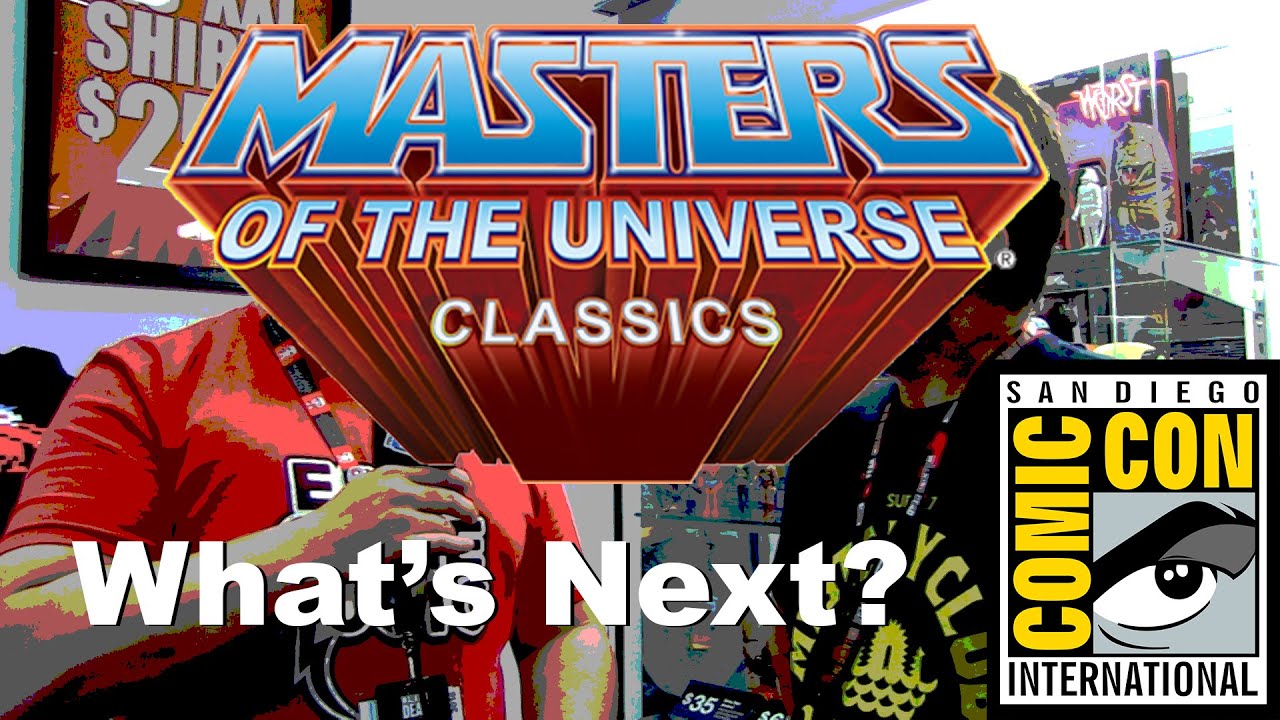
I have been waiting to do a Thundercats video for a long long time and I can't say it's because I'm a lifelong fan of Thundercats the way I am of He-Man or Star Wars I do like Thundercats they're just not my number one but they're definitely up there but part of the reason is I worked a long time to try to get to work on Thundercats and Thundercats have had a long long and well odd history at Market especially with collector product Lately from scales to switching back and forth with companies to making figures that looked less or not so much less like the Vintage line well Thundercats has been an adventure and behind the scenes it was a big part of my career for a lot longer than I guess you know shows publicly since well very few ThunderCats toys actually got made by companies high was was at with at the time or rather was with while they could make them I don't know the point is the story of getting Thundercat collectible toys and adult collector toys to Market is a really interesting one and I was involved for years on what became only like seven figures from Mattel at the very end but the amount of work that went into this was just well borderline insane because it was it it was like a decade of work it was long and twisted road trying to get the license to do collector scale and how we got to do it and how we stopped doing it so quickly is an interesting story all right so part of the story starts off with the 2011 relaunch of the brand where there were actually two major brands that were being relaunched for kids and to some part collectors the first being Thundercats and the second being Voltron both Brands were heavily looked at by Mattel and and there was debate about which one to go after but this was not the only time that Mattel actually went after the ThunderCats license years before we're talking like 20072 2008 there was a major initiative to do a Thundercats line at Mattel in fact I remember designed did these really Kick-Ass t-shirts that was the Mattel gear logo with the ThunderCats head inside that had down the sleeve uh Team Thundercats on it this was way before I was in the design group or the or rather the boys Marketing Group so I was very jealous of these t-shirts that they all got all right so when it came time to looking at which brand to go after Thundercats or Voltron well part of it was feeling a little burned from not getting Thundercats the first time back in 2007 but another reason that Voltron was looked at over Thundercats as the one to actually acquire was because Thundercats is very similar to a brand Mattel already had that being He-Man and the Masters of the Universe sure they're not exactly the same but they're both Barbarian Warrior magical sword you know type properties with you know human animal creatures that battle each other versus something like Voltron is a giant you know Space robot that combines and defends the Galaxy so thematically very different properties ironic though that neither one neither Thunder Cats nor Voltron really got a fair Shake of the stick at Mattel and both were almost cursed with extremely limited releases but for very different reasons and again it makes quite an interesting tale of how both Brands related to each other and in the end wound up really not being a success most of the Voltron product that was aimed at kids only got shown once at San Diego ComicCon but never got released because the show didn't do well and when the show doesn't do well when the content underperforms retailers pull out that's the number one reason why you don't see a brand going to retail Thundercats on the the other hand did make it to Market but not from Mattel it went to Bandai when Mattel took Voltron or chose Voltron as you know between the two well Bandai scooped up Thundercats and Bandai did a great job I thought on this line it was very accurate to the show very kid-friendly they had Vehicles they had figures Deluxe figures playsets the whole nine yards roleplay everything that should be a very successful boys toy line unfortunately much like Voltron the entertainment was not that popular it was more popular among adults than it was kids I'm not saying it wasn't good I mean I enjoyed both the Voltron and the ThunderCats 2011 shows but the vast majority of the I guess toy buying public shall we say were kind of out and as cool as the show was and as cool as the toys were they were basically not going to make it long term and in addition to doing the kid product Bandai did Double Down On Doing collector Nostalgia product very Sim similar to what Mattel had been doing at MADD collector with Brands like DC and Masters of the Universe by doing Thundercats Classics which of course when I saw this I was like oh great somebody's doing exactly what what I wanted to do with the brand awesome I'm out and then I saw them I was like what the what they're too big they're too tall they're they're huge they don't fit in with anything yep Bandai collector scale figures were 8 in making them a good 2 in too big to fit with anything else in my collection luckily uh Thundercats is owned by Warner Brothers so I already had a relationship with them and I asked the Warner Brothers crew at a meeting once what was up with these giant Thundercat toys and they said oh Bandai wanted to do them in the same scale as the Vintage line they figured since the Vintage line was 8 in that's what collectors would want and I was like no no that's not how it works they want Universal scale everybody wants things to fit it's not a one-off but unfortunately the ship had s I sort of expressed my thoughts and Warner Brothers shook their head like oh that's really interesting we'll pass that on to Bandai I'm not saying that my response was what caused Bandai to then reissue liono and mumra in a slightly SL smaller six-inch scale but they did but it was kind of like too little too late once you have your foot out the door it's really hard to backtrack and put something out that's a different scale or sort of 80% the same but slightly different to barket so even though Lono was scaled down to 6 in for the second wave it was just too little too late it wasn't going to be possible to continue the line especially because retail was out on the main planogram which was dedicated to the content to the kid show with the kid show bombing well you need a kid show to have a collector line as an adjacent skew in the planogram it sort of carries it along like a tugbo think of it like that like the uh you know the planogram is the main boat and the collector line is being hauled out by the uh by the main line so without a main line yeah so we were Bandai was a little too little too late on getting a Thundercats line out for collectors simply because the content didn't do well and their first attempt was the wrong scale so as cool as it was to to see what Thundercats could look like for a collector line I figured well that's it the story's over we're never going to get to do you know Mattel Thundercats Classics but there was the opportunity to do the waiting game you see Bandai had exclusive rights to Thundercats and they had it for 3 years so basically all we had to do was wait out the contract Bandai wasn't going to renew the contract since the Show underperformed and The Collector line underperformed so they had no interest in renewing but they couldn't just cancel the contract so we had to essentially sit there for three years with no Thundercats product from anyone while we waited for the rights to free up so that we could add them to the MD collector Port folio and when we could G I was overjoyed we had worked so hard to get the ThunderCats license for collector figures and I knew that MADD collector could handle it without entertainment because it's sold directly online so it doesn't have to be dependent on retail in order to have a planogram with an adjacent collector skew it was really just about running out the clock and waiting for bandai's rights to end and sort of you know at midnight whatever day it ended we swooped in made a pitch to Warner Brothers and said okay now that Bandai is officially not making ThunderCats toys anymore we want to do it and we want to do Thundercats classic just like we do Masters of the Universe classic Ghostbusters DC and have a really awesome 6-inch universe that can all live together and of course Warner Brothers was very excited that we were so passionate about this I mean we had been working got five years I think on trying to get a Thundercats license going now while originally obviously ly we just put together a quick year one Plano or rather uh be sheet we actually mapped the line out for over half a decade I think it was uh it was a good six years that we figured out or five years which included everything from Main releases to San Diego Comic-Con items to add-on items holiday items even adding up to a play set just like we' done with Castle grey skull on the Masters of the Universe line essentially once you establish kind of a footprint or a method of producing a collector line it's very easy to cut and paste that template to another brand because you can prove oh it already worked well on this brand in the case of He-Man we can apply the same structure to Thundercats so we worked very carefully plotting out the entire line for yes five or six years and finding ways to make sure each year had a good representation from all the different factions so we didn't burn through characters too quickly we wanted to go out with some really you know hot aess characters but the idea was to do very much like what we did with Motu Classics and have some surprise and Delight items like our first ComicCon set but unfortunately that all fell apart and what would have been a surprise and Delight ComicCon item turned out to be the last Mattel Thundercats item which made it a lot more bizarre than surprise and Delight so when Mattel came to Comic Con in 2015 this was right after I left the company for an opportunity with Jax the Maddie paloa panel was presented by Mark Morse here now Mark is an awesome guy I got to work with him for years he was actually a big Hot Wheels guy for years and years and he was a director at Mattel when he gave the presentation I think he may have given a little bit of the impression that he was the new brand manager over MD collector which wasn't exactly so Mark was the director over all of boys so he would have been my boss if you will he was in charge of the whole portfolio WWE Batman Max Steel you know whatever else narudo I don't even remember what else was happening probably not Nudo at that point but you get what I'm saying he was not focused solely on Maddie collector the way I was he was over the entertainment and games group at the at the end there on the right overseeing lots of properties with different brand managers under him on individuals Maddie collector unfortunately was too small to have its own brand manager now Kim here who many of you may know as skeletor's love child on the boards because she was a huge Skeletor fan I was very grateful to have her on the team but she was also a uh she was a temp she wasn't a full-time Mattel employee she was brought in just to help with the logistics of making sure the work got done and product got from you know the port to to where it needed to be she was not a toy designer or a marketing manager by background so Mattel kind of left this huge amount of workload on Kim which I felt terrible for her because you know not that she wasn't qualified to do this but it was just it was way more work than you know one person could do and one of the problems is on a brand like MADD collector you don't get any internal recognition meaning if you do really well on Barbie at Mattel for example you're going to get you know fireworks and and cake and and balloons and and you know all sorts of things people are going to congratulate you there's going to be giant plaques in the lobby saying Barbie did something great this year and it's all because of you know XX team let's celebrate them not so much with MADD collector with mdty collector you were basically lucky to get an off-brand cake and maybe a few scraps and it was more so people would say wait are we still making Man toys no I'm not making that up so combine that with the fact that there were very very angry fans that wrote some very not nice letters to the people brand managing MADD collector did not exactly make it a brand that people were jumping to work on so it kind of fell to Kim to carry the entire ball and like I said she was a temp she wasn't even a full-time employee so when she left the company about four or five months later that meant nobody was running MADD collector Mark had own responsibilities as a director overseeing everything so the first four figures or five figures that could be created was basically about it because there was no one left to work on the brand it wasn't an official brand on the books it was just something I was doing in my spare time so when Super 7 came along and said well we'll take over both Masters of the Universe Classics and Thundercats Classics from um Matel I could understand completely why Mattel jumped at the situation and said great it makes so much more sense for a company like Super 7 to be producing these figures they're smaller they're faster and they're catering just to the adult collector Mattel is there to sell diecast cars and blonde brunette dolls you know to the masses Super 7 is there to do creative adult collector executions so it's great to see that a company like Super 7 was able to get both Thundercats and Masters of the Universe Classics or at least for a limited time before Mattel took it back I mean what Super 7 has done with Thundercat is beyond what I ever hoped to between things like the thundertank and all of the mutants the sculpts the original tooling they've done some amazing amazing stuff and I'm so glad because like I said I worked for years trying to get this line to happen and I'm just so glad to see it happen by some company somehow some way to finally have Thundercat 6in figures I hope you enjoyed this video and it clarified some of the backstory of what happened with Thundercats at Mattel if you have any other questions let me know in the comments below I always comment back thanks for watching and I'll see you guys next time
Up Next

48:16
What is Public Relations? An Introduction to PR Basics
@BiolaUniversity
240.3K views•2013-07-11

12:54
Triumph of Orthodoxy Icon: Byzantine Art & History Explained
@BenCallan
2.1K views•2024-08-06

9:49
FastAPI vs Flask vs Django: Choosing the Right Python Web Framework
@TechWithTim
302.5K views•2024-05-26

1:42
Game of Thrones Opening Credits: A Cinematic Analysis
@gameofthrones
46.3M views•2011-04-18
Related Study Plans & Knowledge Roadmaps
Structured learning paths in General & Interdisciplinary Studies
general-studies
Elevator Engineering: History, Physics & Cities
01From Hoists to Safety Brakes: The Dawn of Vertical Lift
02Hydraulic vs. Traction: The Engineering Physics of Elevators
03Modern Speed, Safety, and Algorithms
+ 2 more learning modules
12h5 modules
Explore Roadmap
general-studies
Rubber: Material Science, History & Geopolitics
01Origins of Natural Rubber & Mesoamerican History
02The Chemistry of Natural Rubber & Vulcanization
03The Geopolitics of the Rubber Boom & Colonization
+ 2 more learning modules
12h5 modules
Explore Roadmap
general-studies
Containerization: Evolution, Logistics & Trade
01Ancient Trade & Bulk Cargo: Amphorae to Barrels
02The Industrial Revolution & Cardboard Packaging
03The Containerization Revolution: Malcom McLean
+ 2 more learning modules
12h5 modules
Explore Roadmap
general-studies
Textile Tech: Evolution, Labor & Global Impact
01Pre-Industrial Textiles: Handloom & Cottage Industry
02Mechanization: The Spinning Jenny to the Power Loom
03The Factory System & Global Labor Transformation
+ 2 more learning modules
10h5 modules
Explore Roadmap