










![[장자 길라잡이] 71 - 내상 없는 삶](https://i.ytimg.com/vi/v6mrJMRNow0/maxresdefault.jpg)
![[사탐영역 허꽃별선생님] 2026년 3학년 3월 생활과윤리 해설강의](https://i.ytimg.com/vi/i4eKNwU2GJM/maxresdefault.jpg)

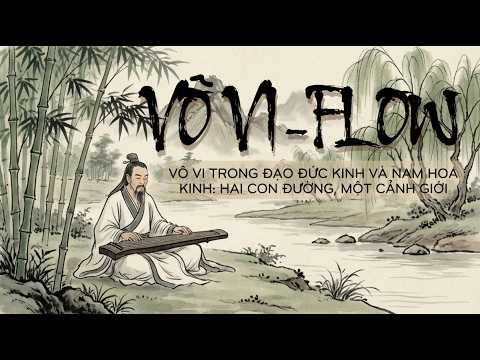






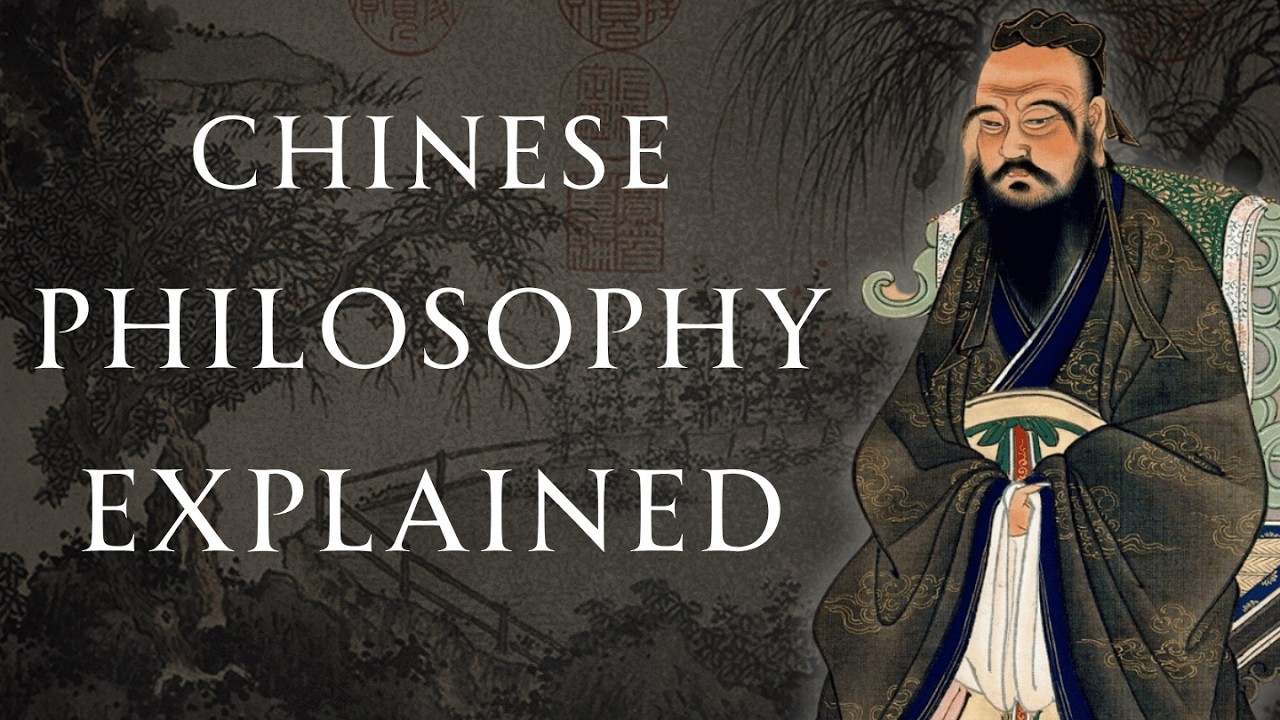
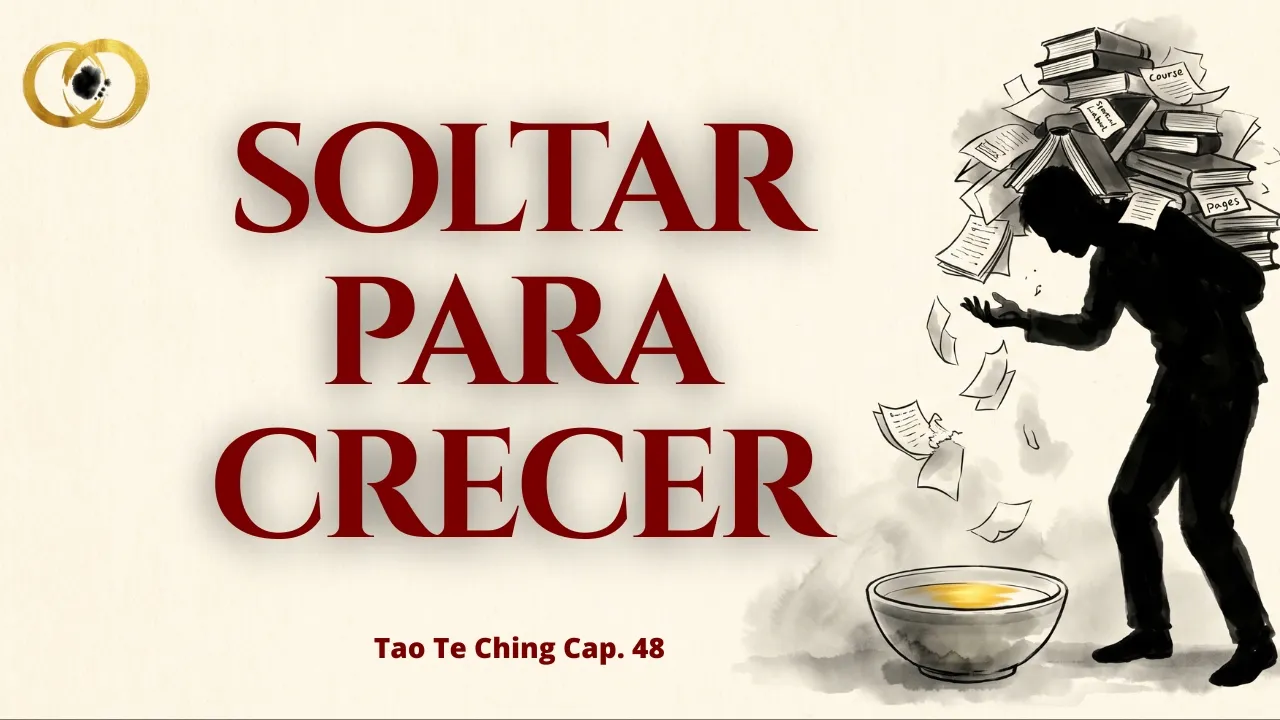
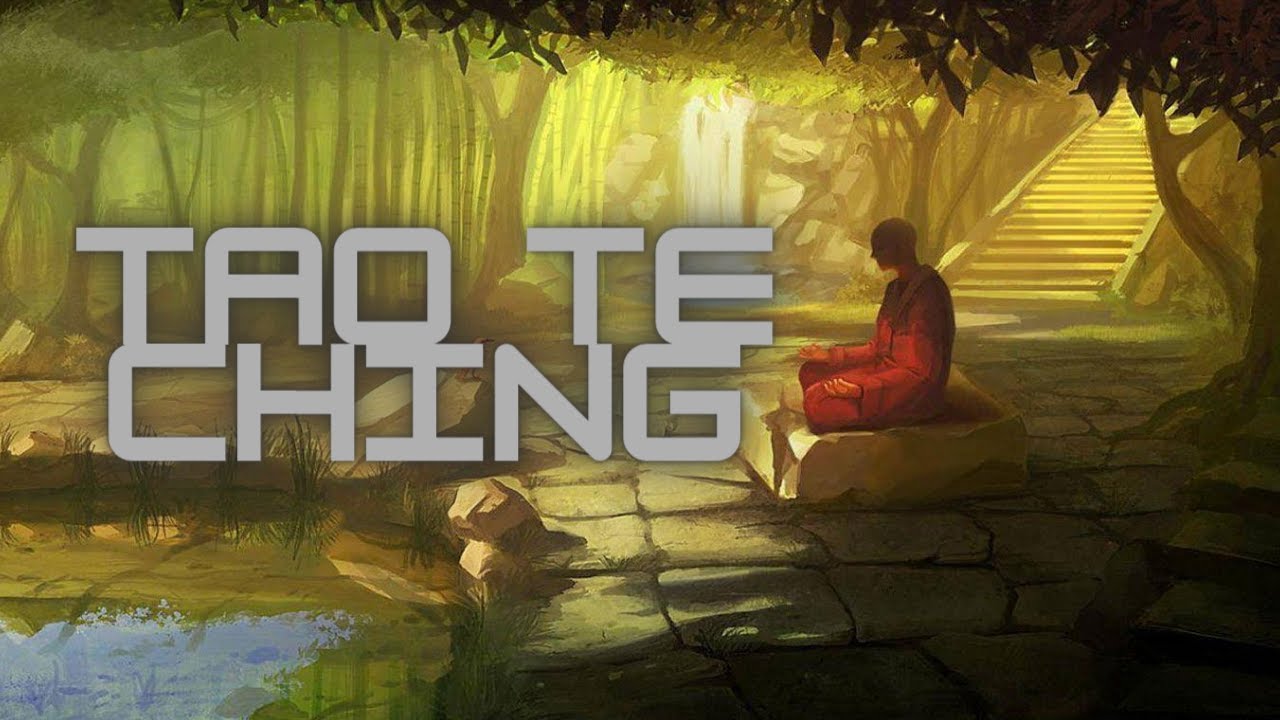
Wu Wei (无为), meaning 'non-doing' or 'doing nothing,' is a key Daoist concept that paradoxically advocates for effortless action rather than inaction; it teaches that by letting go of rigid ego-driven plans and responding spontaneously to situations, one can achieve maximum skill and efficiency, much like water that flows around obstacles or an artist who surrenders to the spirit of their craft rather than forcing their vision.
Wu Wei: Daoist Philosophy of Effortless Action Explained
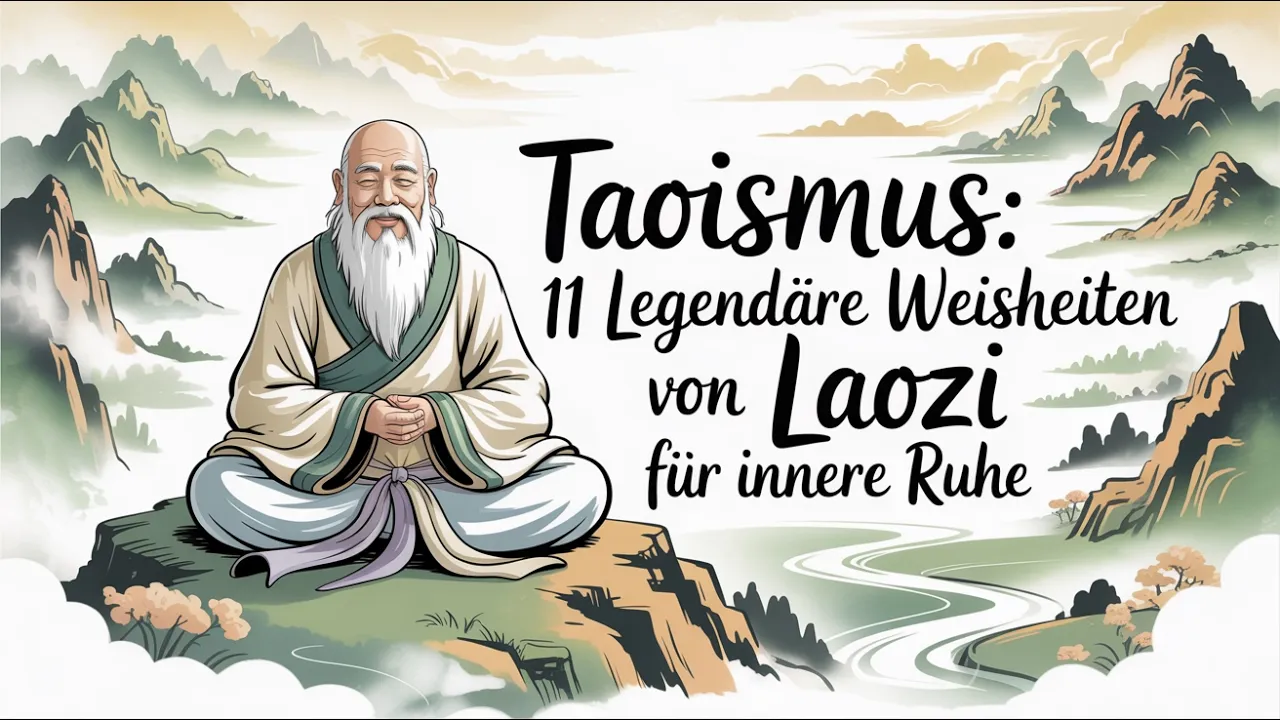
Added:Introduction to Laozi and the foundational text of Daoism, the 'Dao De Jing' (Tao Te Ching).
The philosophical concept of the 'Dao' (The Way) as the source and driving force behind everything that exists.
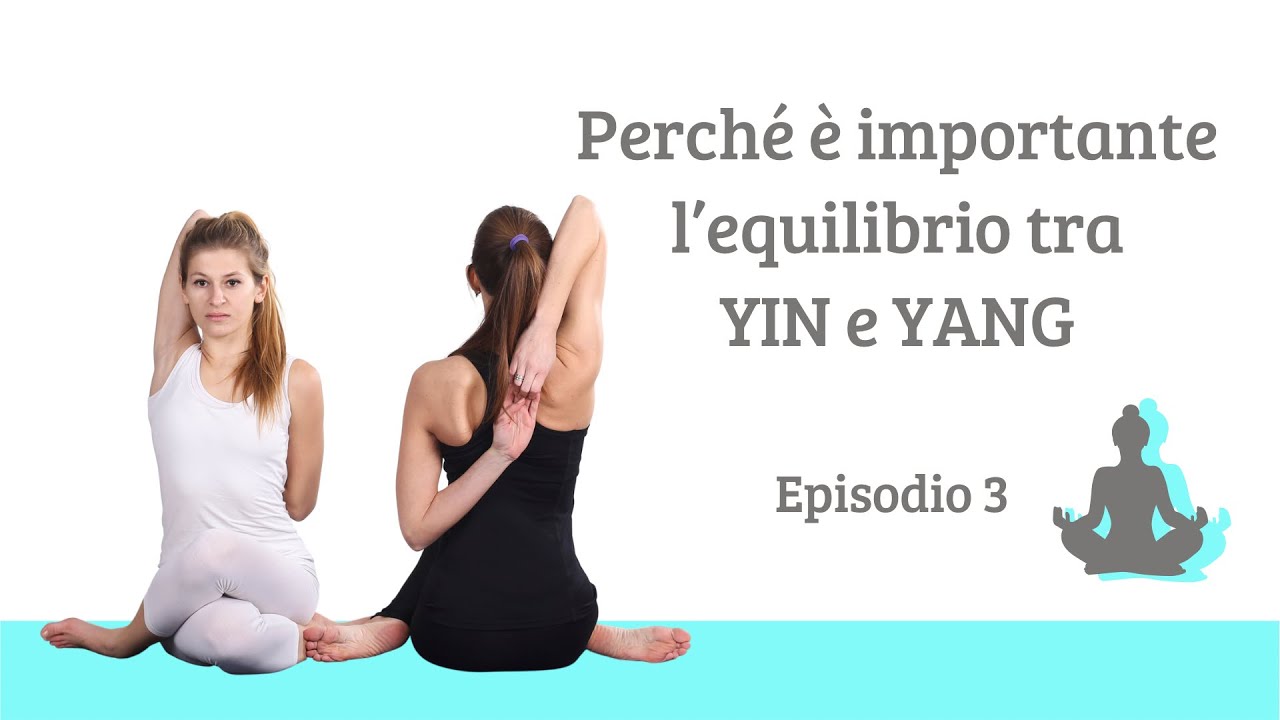
The principle of Yin and Yang, which explains how contrary forces are actually complementary and interconnected in the natural world.
The historical context of the Warring States period in ancient China, which motivated thinkers to seek harmony amidst chaos.
A comparative study of Daoist 'Wu Wei' versus Confucian emphasis on deliberate ritual ('Li') and moral cultivation.
The connection between Wu Wei and the modern psychological concept of 'Flow State' developed by Mihaly Csikszentmihalyi.
Practical applications of strategic passivity in modern leadership, conflict resolution, and stress reduction.
Advanced exploration of the 'Zhuangzi', focusing on stories of spontaneous skill mastery, such as the fable of Cook Ding.
1.6M views39.5Klikes5:23Original Release: 2016-04-01
'Wú Wéi' (无为) means, in Chinese, 'non-doing', or 'doing nothing'.
It sounds like a pleasant invitation to relax, or worse, fall into laziness or apathy.
Yet this concept is key to the noblest kind of action, according to the philosophy of Daoism, and is at the heart of what it means to follow 'Dào' (道) - 'the way'.
According to the central text of Daoism, the 'Dào Dé Jīng' (道德经),the way never acts,yet nothing is left undone.
This is the paradox of Wú Wéi : it doesn't mean 'not acting,' it means 'effortless action,' or 'actionless action'.
It means being at peace, while engaged in the most frenetic tasks, so that one can carry these out with maximum skill and efficiency.
Something of the meaning of Wú Wéi is captured when we talk of being 'in the zone', at one with what we're doing, in a state of profound concentration and flow.
Wú Wéi is closely connected to the Daoist reverence for the natural world, for it means striving to make our behaviour as spontaneous and inevitable as certain natural processes, and to ensure that we are swimming with, rather than against, currents.
We are to be like the bamboo that bends in the wind, or the plant that adjusts itself to the shape of a tree.
Wú Wéi involves letting go of ideals that we may otherwise try to force too violently onto things.
It invites us instead to respond to the true demands of situations, which tend only to be noticed when we put our own ego-driven plans to one side.
What can follow is a loss of self-consciousness, a new unity between the self and its environment.
But none of this means we won't be able to change or affect things if we strive for Wú Wéi.
The Dào Dé Jīng points out that we should be like water, which is submissive and weak, and yet which can't be surpassed for attacking what is hard and strong.
Through gentle persistence and a compliance with the specific shape of a problem, an obstacle can be worked around and gradually eroded.
The idea of achieving the greatest effects by wise, strategic passivity has been central to Chinese notions of politics, diplomacy and business.
In the manuals on wisdom produced by Daoists, we are repeatedly told that rather than impose a plan or model on a situation, we should let others act frantically, and then likely adjust ourselves as we see the direction that matters have evolved in.
In China's Táng (唐) dynasty, many poets likened Wú Wéi to the best aspects of being drunk.
It wasn't alcoholism they were promoting, but the decline in rigidity and anxiety that sometimes comes with being a little drunk, and which can help us to accomplish certain tasks.
One poet compared someone inspired by Wú Wéi to a drunk man who falls uninjured from a moving cart.
Such is their spiritual momentum, that they are unaffected by accidents and misfortunes that might break those of a more controlled and controlling mindset.
Theories of painting from the Táng period onwards made Wú Wéi central to artistic practice.
Rather than labouriously attempting to reproduce nature as faithful copyists, the artist should find nature within themselves, and surrender to its calls.
The painter's task is not to imitate the external surface of things, but to present the 'Guǐ (鬼)' or 'spirit' of things like mountains, trees, birds and rivers, by feeling some of this spirit in themselves, and then letting it 'flow out' through the brush, onto silk or paper.
It followed that Daoist thinkers revered not just the finished work of art, but the act of painting itself.
It considered artist studios as places for applied philosophy.
The Táng dynasty poet, Fú Zài (符载), described a big party that had been thrown to witness the painter, Zhāng Zǎo (張璪), in action.
'Right in the middle of the room, he sat down with his legs spread out, took a deep breath and his inspiration began to issue forth.
'Those present were as startled as if lightning was shooting across the heavens, or a whirlwind was sweeping up into the sky.
'The ink seemed to be spitting from his flying brush.
'He clapped his hands with a cracking sound.
'Suddenly, strange shapes were born.
'When he'd finished, there stood pine trees, scaly and riven, crags steep and precipitous, clear water and turbulent clouds.
'He threw down his brush, got up and looked around in every direction.
'It seemed as if the sky had cleared after a storm, to reveal the true essence of ten thousand things.'
Fú Zài added of Zhāng, whose works are sadly now lost, that he had 'left mere skill behind', and that his art was 'not painting', but 'the very Dao itself'.
A good life could not be attained by Wú Wéi alone, but this Daoist concept captures a wisdom we may at times be in desperate need of : when we're in danger of damaging ourselves, through an overly stern and unyielding adherence to ideas which simply don't fit the demands of the world.
Up Next

12:17
Wuwei in Daoist Philosophy: The Art of Non-Action Explained
@ReligionForBreakfast
171.2K views•2022-12-18

164:01
John of Damascus on Holy Images: A Theological Defense
@BannedBooks
139 views•2026-04-25
9:14
John Locke's Political Theory: Education, Toleration, and Rights
@theschooloflifetv
3.1M views•2016-04-08
4:57
The Myth of Sisyphus: A Greek Legend of Eternal Punishment
@TEDEd
8.6M views•2018-11-13
Related Study Plans & Knowledge Roadmaps
Structured learning paths in Philosophy
philosophy
Frankfurt School: Critical Theory & Culture
01Foundations of the Frankfurt School and Critical Theory
02Horkheimer & Adorno: The Critique of Instrumental Reason
03The Culture Industry and Mass Deception
+ 2 more learning modules
12h5 modules
Explore Roadmap
philosophy
Philosophy of Language: From Frege to Austin
01The Linguistic Turn: An Introduction to Language in Philosophy
02Gottlob Frege: Sense and Reference
03Early Wittgenstein: The Picture Theory of Meaning
+ 3 more learning modules
15h6 modules
Explore Roadmap
philosophy
Feminist Epistemology: Standpoint & Injustice
01Introduction to Epistemology and Feminist Critiques
02Sandra Harding and Standpoint Theory
03Donna Haraway and Situated Knowledges
+ 2 more learning modules
12h5 modules
Explore Roadmap
philosophy
Environmental Philosophy: Ethics & Deep Ecology
01Foundations of Environmental Ethics & Anthropocentrism
02Biocentric Individualism and Animal Liberation
03Ecocentric Holism and Deep Ecology
+ 1 more learning modules
10h4 modules
Explore Roadmap