







![The Ahgren Ryan Power Hour 3 - Bits and Banter [05/16/2025]](https://i.ytimg.com/vi_webp/CWolZ8hJCGs/maxresdefault.webp)

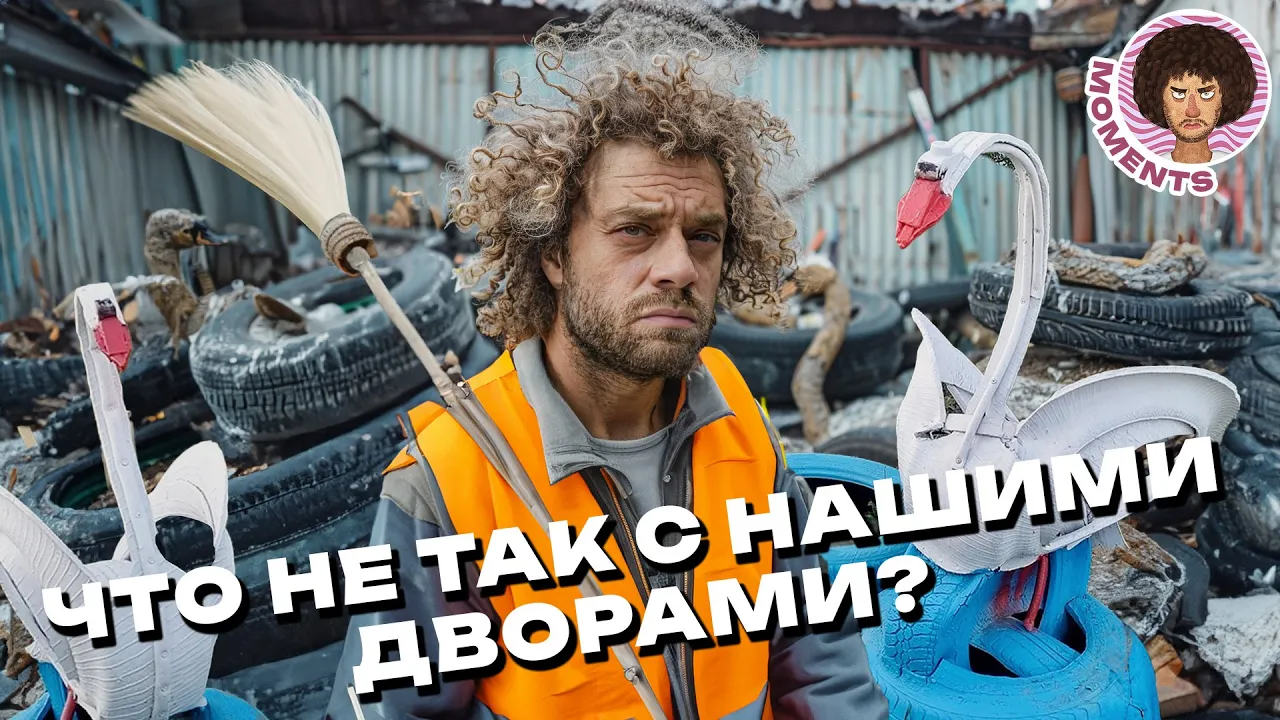







Open source urbanism is an emerging movement where citizens collaborate to transform neglected urban spaces into community assets through participatory placemaking, creating commons that foster human connection and counteract the isolation caused by technology-driven urbanization; this approach involves identifying underutilized spaces, engaging local communities in co-design processes, and implementing creative interventions like maker spaces and cultural laboratories to rebuild social bonds and create regenerative urban environments.
Recoding Cities: Participatory Placemaking & Open Source Urbanism | TEDx
Added:The fundamentals of traditional urban planning, specifically the distinction between top-down (centralized government planning) and bottom-up (community-driven) development models.
The basic concept of 'placemaking' as a multi-faceted approach to the planning, design, and management of public spaces that capitalizes on a local community's assets and potential.
The core philosophy of 'open-source' collaborative systems, emphasizing shared resources, transparency, peer-production, and adaptability outside of software development.
The social dynamics of civic engagement, including how public participation affects community resilience, equity, and local governance.
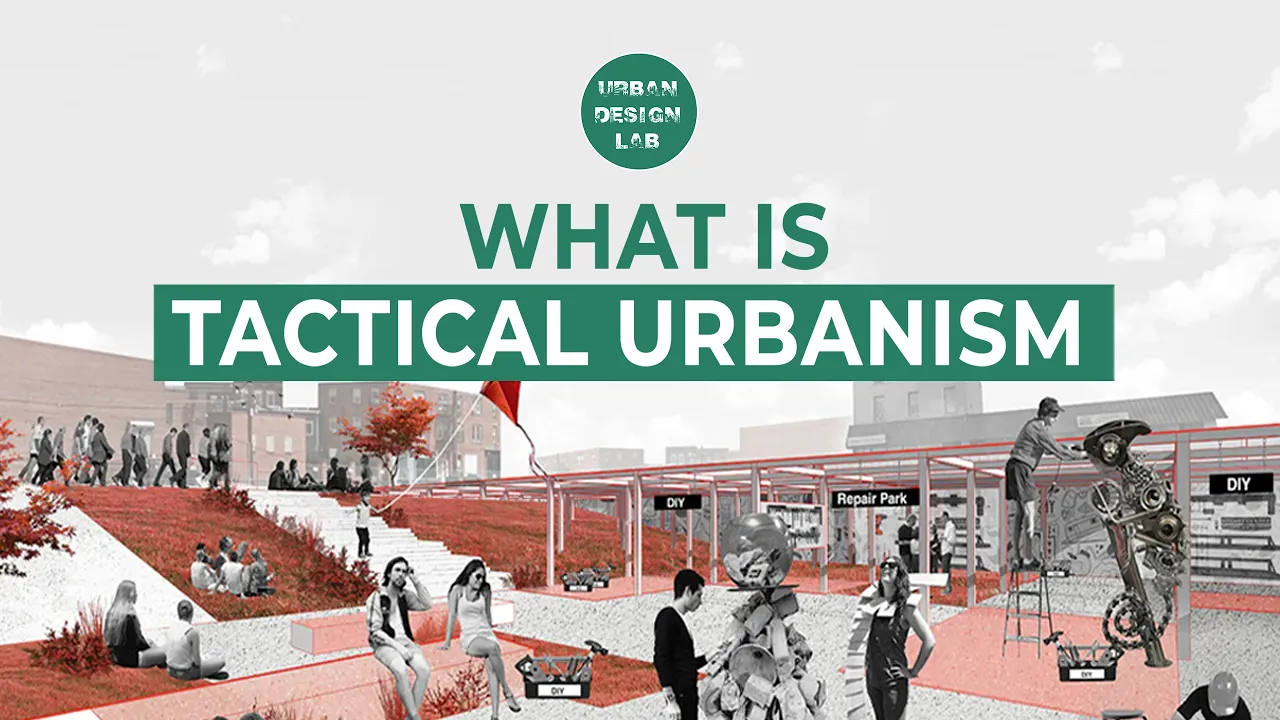
Tactical Urbanism: Studying short-term, low-cost, and scalable physical interventions (such as pop-up plazas or DIY bike lanes) to catalyze long-term spatial change.
The 'Urban Commons' Framework: Exploring how public resources and spaces can be collectively managed by citizens rather than solely by municipal governments or private markets.
Civic Technology and Co-Design Platforms: Investigating digital tools, open-data portals, and participatory budgeting software that facilitate decentralized urban planning.
Policy and Zoning Integration: Analyzing how municipal governments can reform restrictive regulatory frameworks, building codes, and zoning laws to legalize and support grassroots, open-source urban projects.
137.3K views10Klikes20:23Original Release: 2017-01-30
on November 7th 2012 my father was by himself on the stairs in his house and he was having a heart attack a few hours passed and my cousin found him on the stairs dying he didn't want to be helped he actually got angry he could barely speak but he wouldn't let my cousin do anything about it he was taken to the hospital and he passed away two days later that could have been stopped I'm going to tell you a few things today about why I think he made that decision of course there might be many reasons why one would choose to not want to survive but the main one was probably that he felt alone that he had lost his sense of belonging to a community and I feel I could have helped him if I understood that better and a lot of people are in that situation today this is increasingly problematic as technology is accelerating our life we have car services smaller housing and we have the possibility to work remotely and even in a near future we'll be able to probably shop and have things printed at home so we won't have to meet our neighbors as much as as technology enthusiasts thinks that's amazing and I do in many ways if it's not a choice it's something that's problematic because it further isolates you and it deepens this crisis of belonging many people live in these places concrete jungles experience a life where you don't meet a lot of people in shopping malls or have a sense that they're going to be trapped in a in a world of poverty or being given choices access to owning a home where there's no real sense of community it's pretty obvious from that picture um it's a cut and paste environment even in pretty nice places you can have this and in places like New York when you see it from above it looks bustling and thriving and it is but a lot of people probably also feel like they've lost the sense of community so what's missing I think we need to go back in time a little bit and as Shakespeare used to say what's past this prologue indeed our lives in the past were not perfect but we had to live in communities together we had to depend on each other so we had a village around us and that's something which we have lost the obligation to have and it's definitely something that as I said through technology we can access new things that are exciting but we shouldn't leave behind those who don't have the choice so what can we do about this we can create contexts where people can come together public spaces the public realm or what in what urbanists call the urban well with Urban quality we can have markets we can have these playgrounds whether you're rich or you're poor and you can have places that are like Urban theaters where people come together whether it's tourists or not that are there enjoying it this is Sienna and for centuries people have enjoyed this magnificent square and also you can be proactive and transform Landscapes into places that Multicultural communities can benefit from this is the same everywhere and inside as well you don't have to depend on a park or a place that's in your neighborhood it can happen indoors in an office environment like second home or in a school in a university and even Time Square this fact that we're gregarious beings is something we can make happen pretty much anywhere by Design because we all need a common designers Architects urbanists planners know this but they're not necessarily obligated to create one what's a common a common is a place where you can meet people in a non-transactional way it's a place where effectively you're with others and you can be yourself or you can be someone else if you choose to be with others but it's a place where you define your relations uh and how you behave in the world that's not Guided by any elements that are exterior 66% of Americans is his estimated don't have an appropriate public space 66% of Americans that's 2/3 and if you look at parks in white neighborhoods and Latino neighborhoods in La the ratio is 1 acre to 40 1 to 40 it means that it's really not well distributed so it's a problem why have we gotten there we've gotten there because of many centuries of uh not necessarily looking into this in a profound way from an architectural and urbanistic or plac making standpoint but I think moreover It's really because of a thing we call zoning a lot of people find zoning probably terribly dull so do I it's probably my least favorite word but we have to observe it as Architects and urbanists we have to observe it and what does zoning do zoning is a negotiation between land owners and land administrators it basically says what you can and what you can't do and that's okay we need zoning and we need codes we need to codify that the new urbanism movement has tried to create new codes so that we include the public realm and urban quality into those codes but overall what's happening is that because of the cost of land and the way things are shaped the politics the bureaucracy little by little we squeeze the common out it means that zoning kind of killed the commons Bobby Kennedy used to say we measure everything in short except that which makes life worthwhile and I think that's true I think we do this still today and as we enter the age of AI and big data and machine learning it's more important than ever that we decide what's important because data will decide the decisions that we make so what I've just told you about the zoning and the crisis of the commons making people more isolated and killing the sense of belonging for people in communities is really just going to be Amplified because we haven't decided what to measure there are some people who have been Pioneers in deciding what's important to measure Jane Jacobs was one of those I would call her the first modern placemaker she was defending Urban villages in New York against the relative but some would say certain hegemony of Robert Moses who was the master builder he he had taken New York out of the Great Depression by Paving the way for the future but then he became like a dictator and really decided too much of what was happening without having to ask questions and therefore freeways motorways highways however you call it an American um came to be all over and they started to destroy the communities and she stood up and she stand she she was one of those architects of change a bit like a civil rights um like a civil rights movement leader she made that stance and it's important to understand that she was one of the first a bit later came Yan Gil a fellow Dane architect urbanist who was very inspired by the quality of life in Italy and particularly those towns like the one I showed you earlier Sienna where you had these squares and you had people walking about the city and meeting their neighbors and he was wondering how Copenhagen could become like that a city that had been like New York taken over by the car you all think perhaps of Copenhagen today as a cycling City well actually that's very much thanks to Young Gil who paved the way by understanding and actually counting person by person with his wife how many people were sitting on benches in public squares how many people were in cafes he tried to understand what were the metrics that were needed to transform the way that we look at cities because when he went to the town hall there was only data about cars so you can't really make a stance for people if all you know is about cars and where we've landed today I think is incredibly exciting which is that we've had a movement of open- source software very significant a movement of Open Source Hardware also very significant and now we're seeing the beginning of an open-source urbanism movement where placemakers are becoming citizens they're not necessarily experts they're the amateurs that get together and decide what to do to improve their city in other words don't ask what your government can do for you but what you can do for it or rather what you can do for your city and those citizens maybe you are getting involved and this is changing the dynamic so I am a proponent of observing that this quality of Open Source urbanism is going to shape future the future of cities and I have a theory around how you can do this I call it recoding or the art of participatory placemaking I wrote a book called a recoded city which really scouted the world for examples of some of these activists some of these professionals that had leaned towards these new qualities of how to build cities for people and not for cars or for business but for people and you know some of the examples they're out there people talk about them like the Highline in New York or the many projects that uh project for public spaces have been uh doing around the world this one is an example in Detroit transforming an abandoned square into a dance floor almost or this can also be in disaster relief areas like Toyo ito's home for all Sendai reconstruction effort where he was commissioning Architects to create new forms of town halls or places where people could gather this is Klein dim architecture and really it it only showed one thing in my opinion which is wherever you are in the world if you're rich or you're poor you still need the same thing you need to be able to get together and feel like you're part of a community and if you don't have a space to do that it's not going to happen the internet is good but it won't do it for you so I started a range of experiments because I was so curious and this has started way before the incident of my father but it did remind me and accelerate my understanding that I needed to be committed to this every day so clear Village is an organization I started a few years ago just under 10 years ago which focuses on converting neglected spaces and transforming transforming into Community assets this is a world Garden that was a place of elitist Horticulture in Georgian times and this is how it looked and we started a project raising money and designing an opportunity for people to come together these non-experts or the wise men that were locals to come together with a plan on how we can transform this place into a thriving Garden that would help kids elderly uh youth offenders um and people who were disenfranchised to have a place where they could have experiential learning and this is just one example we do this programmatically in many different kinds of spaces helping communities help themselves it's a healing process I did this also in East London in the lior which is a cultural laboratory for a community because I understood that you couldn't just have it Outdoors but also that you needed to have a new kind of place that replaced the role that churches and um town halls used to have they were gathering places imperfect certainly but they were gathering places they've had a huge role for communities are we going to depend on Starbucks or Wei workor or commercial environments that even if they're sometimes genuine about their intention they're still mertile they can't give us the freedom of expression that we need to have they're transactional so the line morph is one of those places I took this old Warehouse or a set of warehouses had to destroy a little bit of the old Stones I confess but put together a team and that team you might notice that one of the people there is pinching my bum that's my director she's tough and as I'm stating I am a radical feminist so um I chose her uh to work with me and this whole team to make sure that we could bring people together to have a larger conversation to have these conversations that we can't have every day and it really became sort of self-fulfilling where we had I created tons of events and brought the community together and the street started to fill up and as I did that I understood that there was one thing missing very important one which was a place where we could educate people to be part of of this transformation in the community it was not enough to just have the space where they could be together but again to have a new learning ground a place where they could accelerate themselves and be more for their own community so I started a maker space or Fab Lab which is focused on technology for good or for social impact and very much related to the local community it's called the machines room and we do what many maker spaces do we bring makers together we give them the tools of digital fabrication like 3D printing CNC milling and then we help them create products sometimes open-source Prosthetics or Robotics and by doing that we activate people's ability to become entrepreneurs of change and they can localize this effort and bring it back into the community and what's beautiful here is that as we did that we understood there was a whole network of these places in East London where this is situated and we started a thing called The Maker Mile and the maker mile is what you could say a prototype of a circular economy neighborhood an open-source Hardware cluster that is looking at how we can develop these regenerative capitalism thinking how we can bring people together in a much more constructive way and now that I've given you these four prototypical examples I want to say that they're all tied together the first one clear Village about identifying neglected spaces and opportunities for community to come together the second one the lime Warf a place where people can come together the machines room a place where technology is helping people and it puts a human face on technology it doesn't make people come apart and finally the make a mile that builds around the space this Village this network of people and there's an exponential curve here it's interesting to see that once you play something then once you have the formula for this it starts to move Al together by itself and I think there's such a thing as the DNA of place so recoding comes from that term that I think that you can recode the DNA of place a bit like crisper how we can intervene in the genome I think that we can do the same with places if we listen carefully we can look at it and create these projects by having creative catalysts I've been a creative Catalyst in my community but this can happen with anyone really having the Curiosity to find this opportunity and by doing so we can spawn a whole bunch of projects around this and to have these participatory elements activate the city as a whole so it becomes almost contagious or viral I believe this is really fundamental so I'm asking you to become creative catalysts to find those neglected spaces use a prop appropriate technology and build these new Commons I think this is incredibly important because we're going to be facing on top of everything I mentioned that are stressors on communities four major shifts in the next few decades we're going to reach a population Peak on Earth we may become Eternal or become machines hard to decide we're going to experience a massive biodiversity loss and we may become multiplanetary so we have to decide together who are we as humans are we robots are we alone in our Corner looking at our screens no we need to come together as a humanity and we know we've got challenges out there but it really starts with building those Commons together that future starts with you and I want to quickly depict what it might look like you you might know your neighbors that's quite exciting I actually didn't know my neighbors until I started that project but more importantly you might actually start to value your life based on not what you own but what you share very important value life based on what you share not what you own and on top of that this might have led for my father to to have a few more years of life I think that's really where it's at and you can see my father in that picture holding my son's hand and I wish I wish he had been here today but I think that I have some of the clues on why we don't want to be amongst others and what's more important than to be with others this is about care it's about love it's about the warmth cities are not machines cities are the synthesis of relations and we should make them so thank you
Up Next
14:26
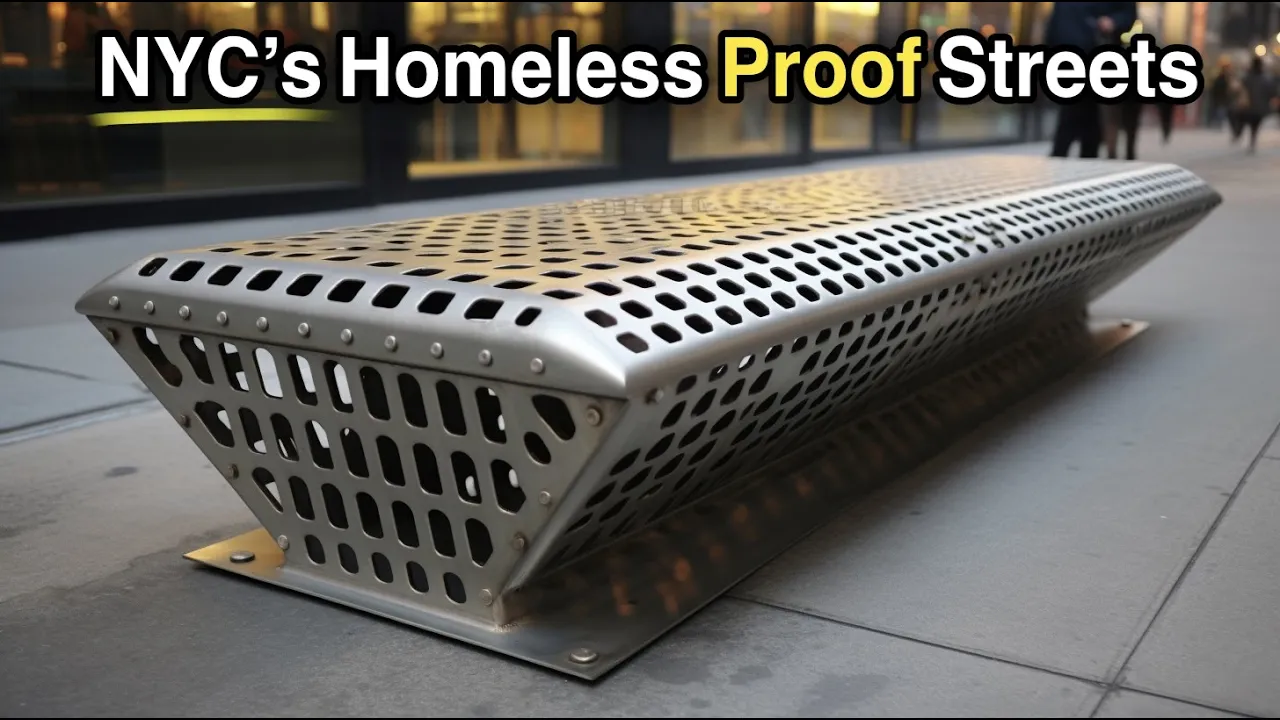
How Hostile Architecture Targets the Homeless in NYC
@CashJordan
20M views•2023-11-12

12:54
Triumph of Orthodoxy Icon: Byzantine Art & History Explained
@BenCallan
2.1K views•2024-08-06

11:43
Indigenous Astronomy: Rethinking Space Ethics | Karlie Noon TEDx
@TEDx
15.1K views•2025-11-30

1:42
Game of Thrones Opening Credits: A Cinematic Analysis
@gameofthrones
46.3M views•2011-04-18
Related Study Plans & Knowledge Roadmaps
Structured learning paths in General & Interdisciplinary Studies
general-studies
Elevator Engineering: History, Physics & Cities
01From Hoists to Safety Brakes: The Dawn of Vertical Lift
02Hydraulic vs. Traction: The Engineering Physics of Elevators
03Modern Speed, Safety, and Algorithms
+ 2 more learning modules
12h5 modules
Explore Roadmap
general-studies
Rubber: Material Science, History & Geopolitics
01Origins of Natural Rubber & Mesoamerican History
02The Chemistry of Natural Rubber & Vulcanization
03The Geopolitics of the Rubber Boom & Colonization
+ 2 more learning modules
12h5 modules
Explore Roadmap
general-studies
Containerization: Evolution, Logistics & Trade
01Ancient Trade & Bulk Cargo: Amphorae to Barrels
02The Industrial Revolution & Cardboard Packaging
03The Containerization Revolution: Malcom McLean
+ 2 more learning modules
12h5 modules
Explore Roadmap
general-studies
Textile Tech: Evolution, Labor & Global Impact
01Pre-Industrial Textiles: Handloom & Cottage Industry
02Mechanization: The Spinning Jenny to the Power Loom
03The Factory System & Global Labor Transformation
+ 2 more learning modules
10h5 modules
Explore Roadmap