







![Tudo sobre Proteína C-reativa (PCR) [VEJA AQUI]](https://i.ytimg.com/vi_webp/SgWxdz_GI4A/maxresdefault.webp)






















In primary care, C-Reactive Protein (CRP) should be the first-line inflammatory marker test due to its rapid response (within 6 hours), quick normalization (half-life of 18 hours), and distinct reference ranges independent of age or gender, making it ideal for acute infections, postoperative monitoring, and autoimmune flare-ups; Erythrocyte Sedimentation Rate (ESR) is preferred for chronic inflammatory conditions like polymyalgia rheumatica, giant cell arthritis, and hematological malignancies because it reflects long-term inflammatory burden, though both tests have limitations including false positives (236 per 1,000 tests) and should never be used for screening or ruling out nonspecific symptoms without clinical correlation.
ESR vs CRP: Inflammatory Markers in Primary Care Explained
Added:Understanding the pathophysiology of the acute-phase response and systemic inflammation.
Basic hematological concepts, including erythrocyte properties, plasma proteins, and the role of fibrinogen.
The physiological function and hepatic production of C-reactive protein (CRP) in response to cytokines.
Fundamentals of primary care diagnostic reasoning, including the concepts of test sensitivity, specificity, and positive/negative predictive values.
Clinical diagnostic algorithms for resolving and managing discordant ESR and CRP results in symptomatic patients.
Guidelines for the long-term monitoring of specific inflammatory rheumatological conditions, such as Giant Cell Arteritis (GCA) and Polymyalgia Rheumatica (PMR).
Evaluation and workup protocols for patients presenting with incidentally discovered, persistently elevated inflammatory markers (e.g., ruling out occult malignancy or chronic infection).
Comparative clinical utility of next-generation or niche inflammatory biomarkers, such as Procalcitonin for bacterial sepsis and Calprotectin for bowel inflammation.
212 views7likes11:01Original Release: 2025-03-19
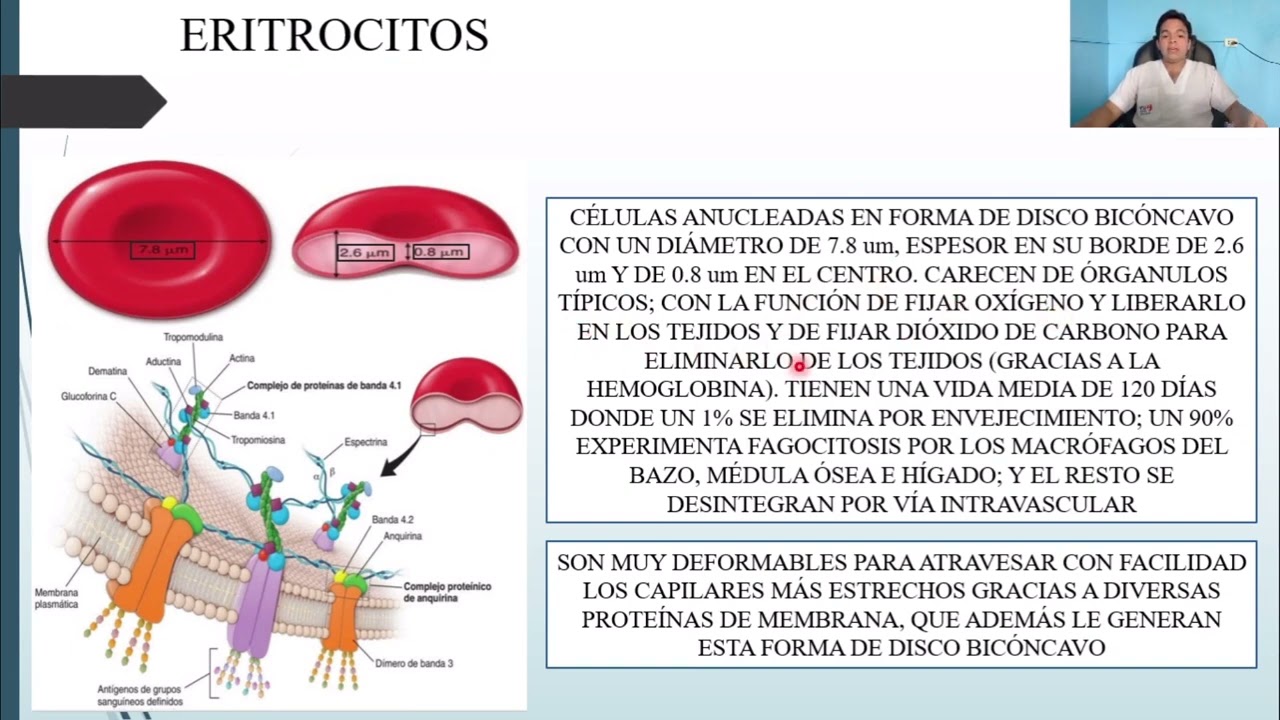
if you're listening to this podcast on YouTube for a better experience switch to the video version the link is in the top right corner of the video and in the episode description hello and welcome and Fernando HP in the UK today we're looking at the guidance on inflammatory markers ESR and CRP focusing on what is relevant in primary care only for these I have reviewed a number of nggs guidelines and medical Publications a full list of the source is consulted can be found in the episode description right without further Ado let's jump into it the most commonly used inflammatory Market are ocy sedimentation rate or ESR and C reactive protein or CRP ESR and CRP are not only frequently ordered in primary care but also the rate of testing appears to be increasing it is estimated that for every 1,000 inflammatory Mar tests done there are 236 false positives which leads to 710 GP appointments 229 blood test appointments and 24 referrals in the following 6 months furthermore there are concerns about excessive testing because clinicians often check multiple inflammatory markers simultaneously so this is the reason why it is generally advised to avoid using these tests for screening or as a rule out for patients with nonspecific symptoms but let's start with the basics inflammation is a fundamental response to injury infection or disease it involves a complex Cascade of immune mediators which leads to the production of acute face reactants that is proteins that increase in response to inflammation this is where ESR and CP come into play Let's have a look at them individually and in a little bit more detail and let's start with CRP what makes CP clinically useful firstly CRP is used to assess the progression of inflammation and infection unlike ESR the CP test measures the level of just one specific protein CP is primarily produced in response to inflammation and can be elevated due to for example infection tissue damage autoimmune diseases postoperative uations and cancer CRP is produced in the liver by hepat todes and is triggered by interlukin S however CP can also be generated by at deposites and obesity can sometimes cause lowlevel elevations in CP generally less than 20 milligrams per liter in obese people in liver failure on the other hand CP levels may be unexpectedly low CIP Rises right rapidly following an insult like infection or inflammation usually within 6 hours pecks at around 48 hours and responds rapidly to treatment because it has a short half life of about 18 hours meaning that it falls quickly once inflammation resolves making CP a useful marker for both diagnosis and monitoring increases in CP values are nonp specific for many disease processes and should not be interpreted with not a complete clinical evaluation we should interpret CP with caution and for example it is possible the CP may be normal in Myoma and in patients with some connective tissue diseases however because it is a direct marker of inflammation CP is generally more sensitive than ESR particularly in the early stages of the acute phase response the fact that CP Rises and Falls quickly in response to changes in inflammation makes CP particularly useful in monitoring acute conditions such as bacterial infections especially sepsis and pneumonia postoperative inflammation distinguishing infection from normal healing and chronic inflammatory diseases such as rheumatoid arthritis and inflammatory bowel disease for example now let's talk about oside sedimentation rate or ESR unlik C P ESR does not measure a specific protein instead ESR reflects the rate at which red blood cell settle in plasma over 1 hour and it is measured in millimet per hour determined by the amount of clear liquid at the top of the test Cube after 1 hour during inflammatory States fibrinogen and other plasma proteins increase which cause red cells to stick together making them fall more quickly so what are the key characteristics of ESR it is an indirect measure of inflammation ESR Rises more slowly than CRP and can take up to seven days to Peak making it less useful for acute diagnosis and treatment monitoring importantly ESR may be normal especially in the early stages in conditions like cancer connective tissue disease and infection so normal AA cannot exclude this diagnos es ESR is best for measuring imunoglobulin load which is useful in connective tissue diseases Myoma and some hematological malignancies ESR is influenced by multiple factors including age sex anemia and hyp idemia meaning that ESI levels are higher in females and with increasing age and finally samples taken during difficult Veno puncture may give give erroneous results which may not be accurate on short clotted or hemed samples so if ESR is less specific than CRP what should we ever want to use ESR instead of CRP well ESR is best used in chronic inflammatory conditions examples are polyg reatica ormr Templar arthritis or giant cell arthritis and multiple Myoma as well as other hematological malignancies so let's recap because this is the interesting part we know that both ESR and CRP indicate inflammation but when should we use one over the other from a general point of view CRP should be the first line test in most cases on this basis we should use CRP when we need rapid information and acute infections or inflammatory conditions we want to result with distinct Normal and abnormal reference ranges without variations for age or gender we want to monitor treatment response since CRP normalizes quickly or if we suspect acute problems like bacterial infections postoperative infections or autoimmune flareups however we should use ESR when we're dealing with chronic inflammatory conditions such as PMR or giant cell arthritis we need a mark of long-term inflammatory burden on when we are investigating hematological malignancies like Myoma next let's discuss some common pitfalls and limitations of these tests firstly in respect of requesting ESR and CP together we should point out that in most cases requesting both ESR and CP together is a necessary CP should be the first choice for most inflammatory conditions so this means CP alone is enough in the majority of cases however exceptions could be polyal rheumatica Janel arthritis and hematological malignancies where having both tests may be useful secondly we should avoid over Reliance on inflammatory market results this is because erased ESR of CP does not automatically mean infection or autoimmune disease because many factors can increase inflammatory markers including pregnancy aging and obesity and because we should always correlate results with the patient's history and clinical signs and thirdly we have the pitfall of false positives and incidental findings and let's remember that for every 1,000 inflammatory Market tests done 236 are estimated to be false positives and that this can lead to unnecessary GP consultations additional tests and patients anxiety before we conclude let's look at the interpretation of results so how should we interpret ESR and CP well when we receive an inflammatory Market result we should always ask ourselves is the elevation significant does it correlate with the patient symptoms and does it change the management plan whilst you could think that this is obviously the trickiest part in fact interpretation should be relatively straightforward as long as there's a clear indication against which the test result can be evaluated the difficulty lies in the interpretation of an incidental abnormality when no specific disease is suspected in these cases we should carry out assistance review focusing on infection autoimune conditions and malignancy plus examination of the patient if course is suspected then we should carry out further specific investigations however if no obvious Source can be found the test should be repeated how soon this should happen will depend on our clinical judgment whilst some energ guidlines indicate that some patients over the age of 50 or 60 with persistently raised inflamatory markers have an increased cancer risk the presence of a raised inflam cometry Mark alone is not enough to Warrant a cancer pathway referal this is because ESR and CRP have a low sensitivity rate Which is less than 50% and that's it a review of inflammatory markets in primary care we have come to the end of this episode remember that this is not medical advice but only my summary and my interpretation of the guidelines you must always use your clinical judgment thank you for listening and goodbye
Up Next

8:16
Top 5 Essential Blood Tests for Rheumatoid Arthritis Explained
@rheumatologistoncall
34.1K views•2023-10-22

48:47
Graphic Medicine: Comics for Collaborative Healthcare Communication
@nationalpatientadvocate
189 views•2023-12-04

10:28
Neuroanatomy: Central and Peripheral Nervous System Divisions Explained
@AKLECTURES
136.2K views•2014-09-20
3:05
Stages of Labor and Vaginal Birth | Childbirth Animation
@nucleusmedicalmedia
52.1M views•2017-08-18
Related Study Plans & Knowledge Roadmaps
Structured learning paths in Medicine
medicine
Abnormal LFTs: Diagnostic Workup & Pathology
01Liver Anatomy and Basic Physiology
02Introduction to Liver Function Tests (LFTs)
03Hepatocellular vs. Cholestatic Patterns
+ 3 more learning modules
12h6 modules
Explore Roadmap
medicine
Analyzing Blood Smears: RBC, WBC & Platelets
01Introduction to Blood Components & Smear Preparation
02Normal Morphology of Blood Cells
03Erythrocyte Pathologies & Morphological Variants
+ 2 more learning modules
12h5 modules
Explore Roadmap
medicine
Mechanical Ventilation: Waveforms & Alarms
01Anatomy and Physiology of Breathing
02Introduction to Mechanical Ventilation & Core Modes
03Ventilator Settings and Waveform Interpretation
+ 2 more learning modules
12h5 modules
Explore Roadmap
medicine
Neuro Exam: Localization & Stroke Syndromes
01Foundations of Neuroanatomy and Vascular Supply
02The Neurological Examination: Step-by-Step
03Principles of Neurological Localization
+ 3 more learning modules
18h6 modules
Explore Roadmap