

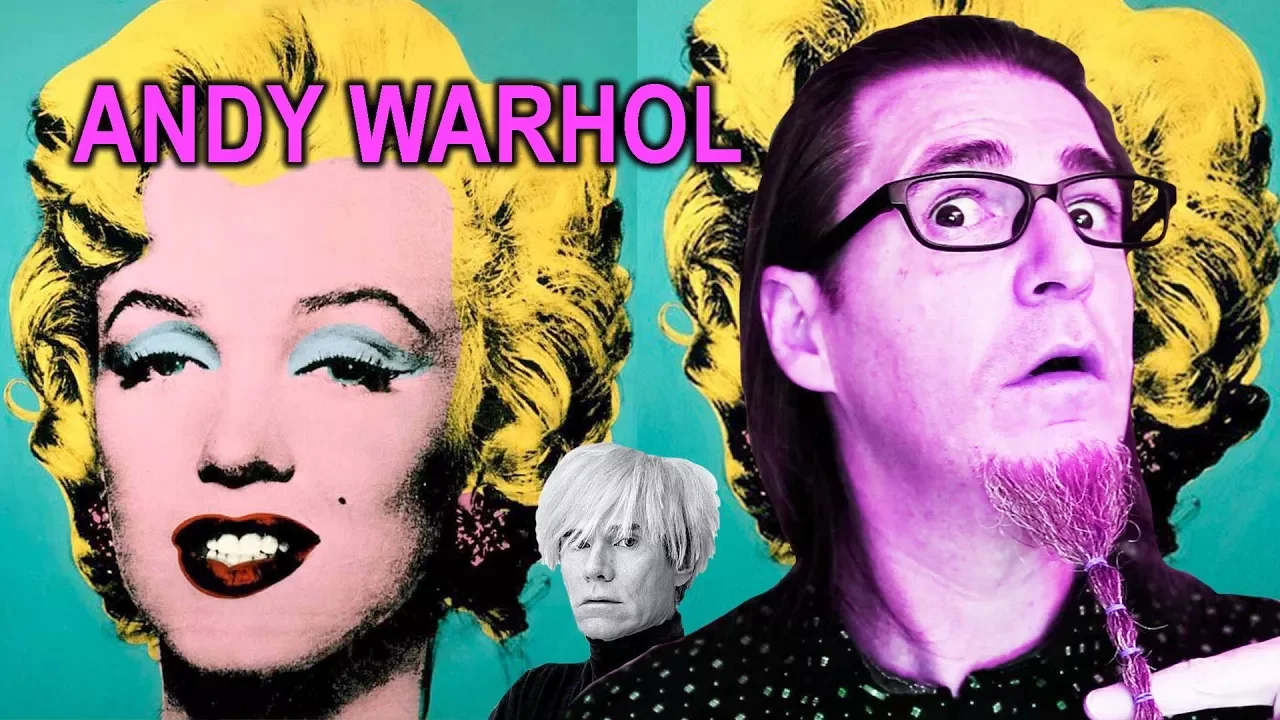














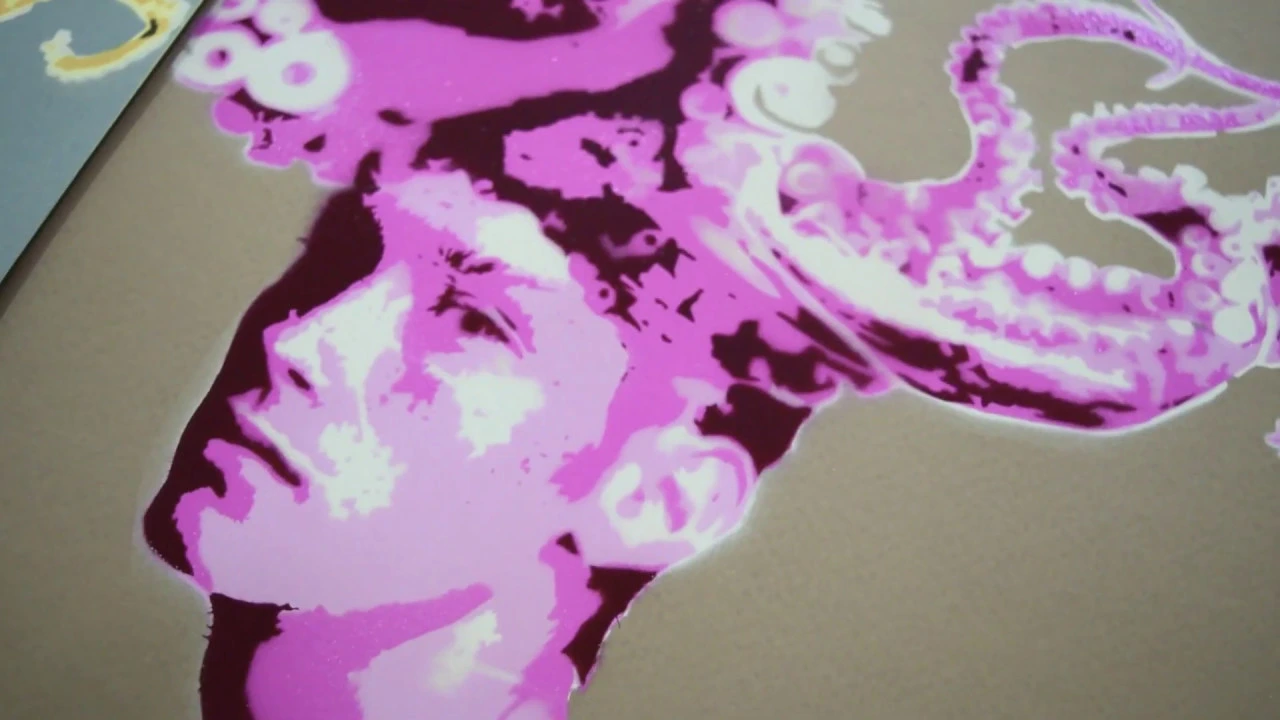



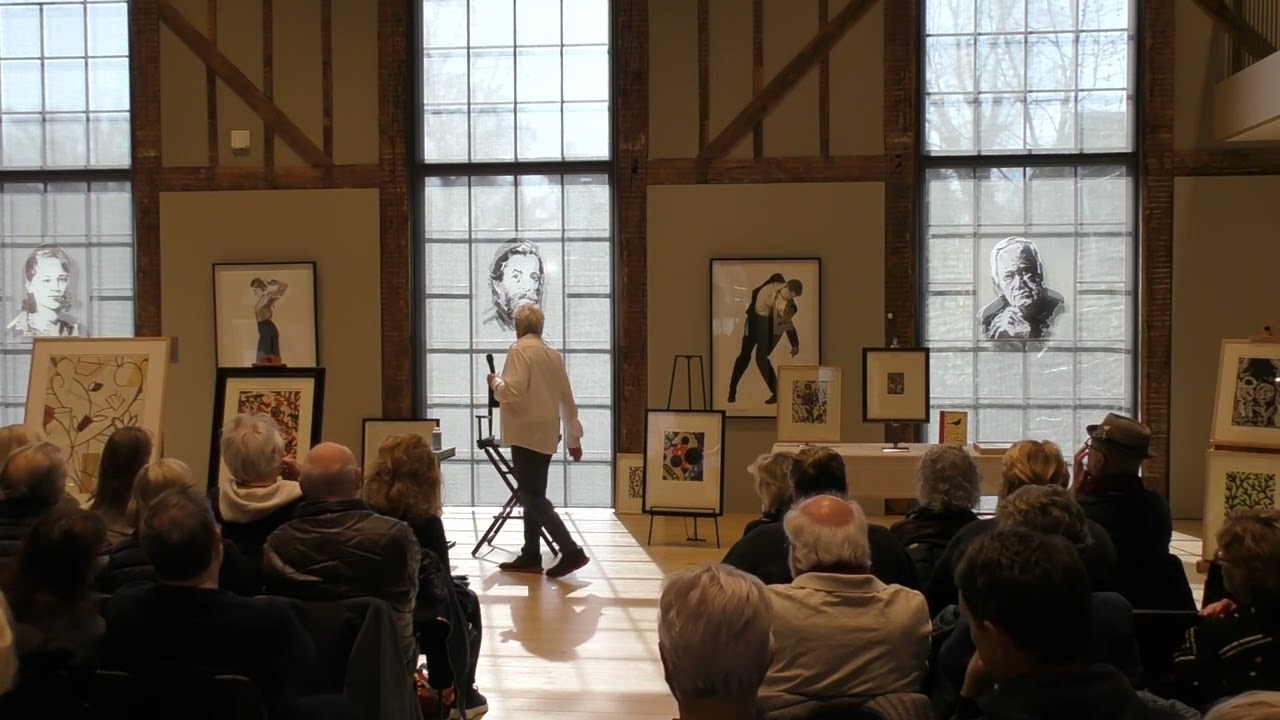
Andy Warhol revolutionized printmaking by combining photographic and hand-painted stencils to create colorful, layered silkscreen prints; the process involves coating screens with light-sensitive emulsion, exposing them to light through stencils to harden the emulsion in non-image areas, washing away unhardened emulsion to create positive stencils, mixing acrylic paint with screen printing medium for workable ink, and pulling ink through the stencil with a squeegee to produce multiple variations of the same image while maintaining painterly spontaneity.
How to Make Silkscreen Prints Like Andy Warhol | Tate
Added:Understanding of the Pop Art movement and Andy Warhol's artistic philosophy regarding mass production, consumerism, and celebrity culture.
Fundamental concepts of printmaking, specifically the distinction between stencil methods and other traditional forms like relief or intaglio printing.
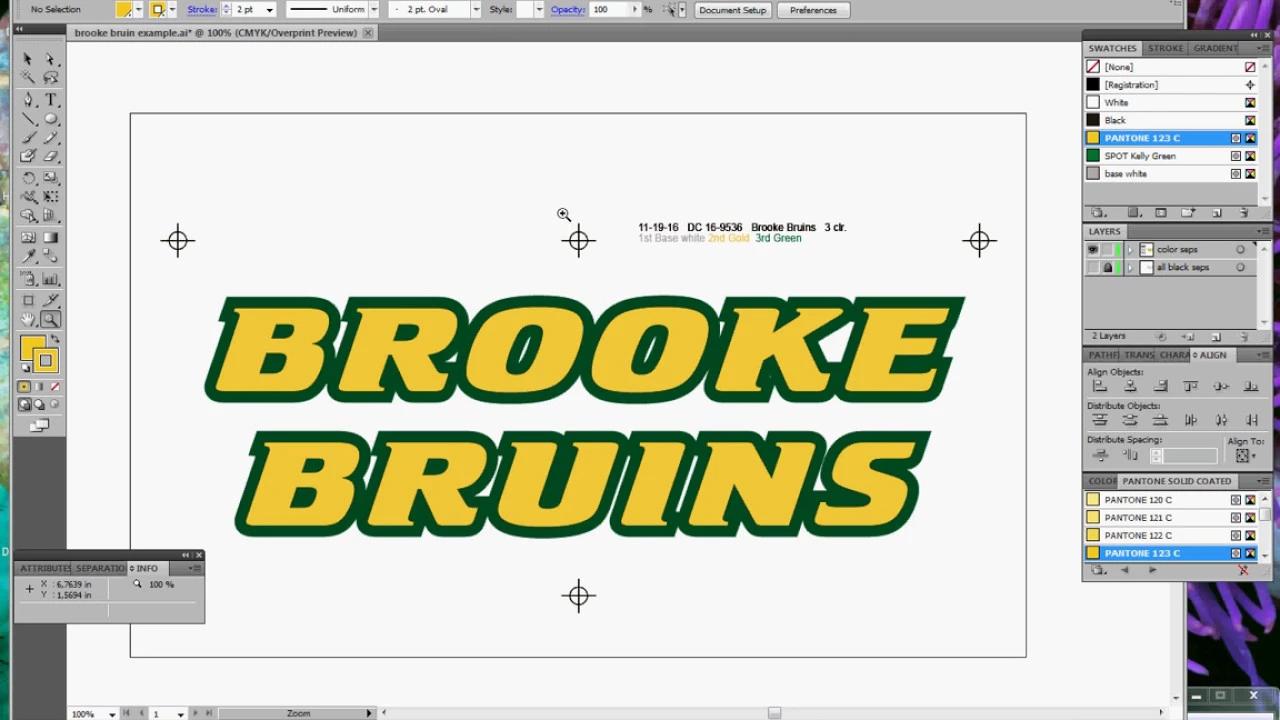
Basic color theory, including how color layering, opacity, and spot colors interact when printed on top of one another.
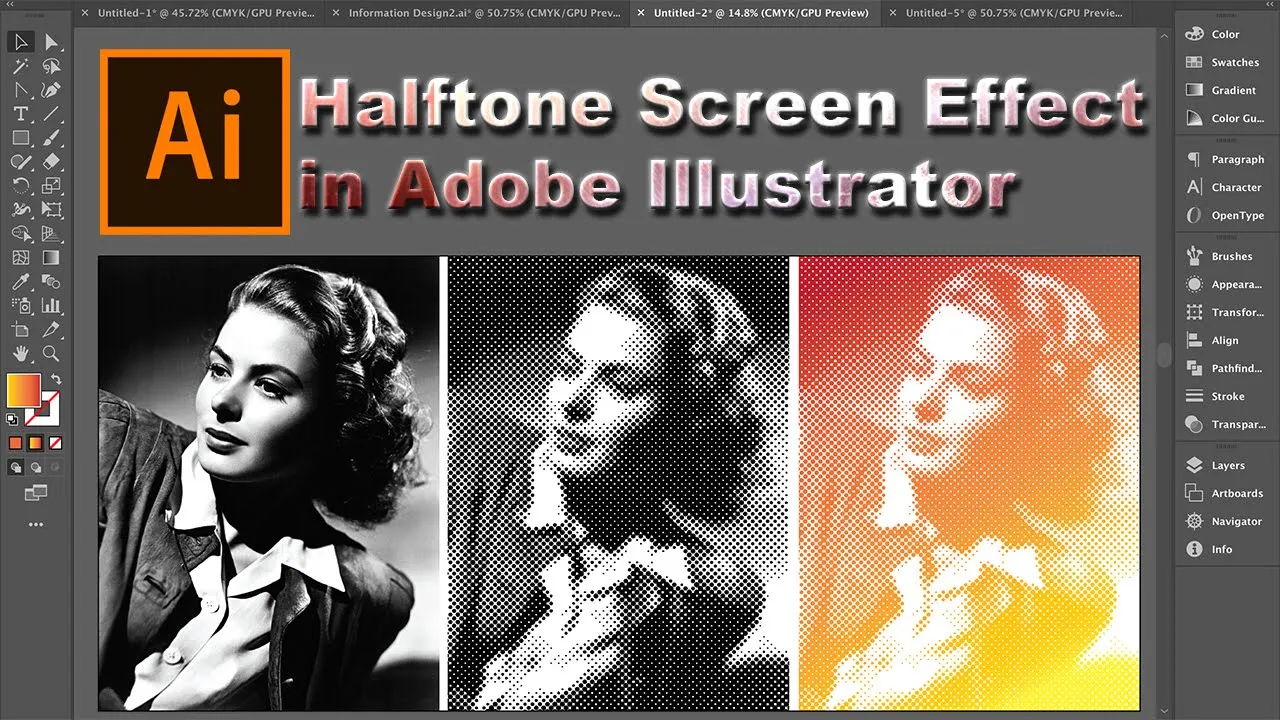
The concept of graphic high-contrast imagery, such as halftones and line art, which are essential for creating successful screen stencils.
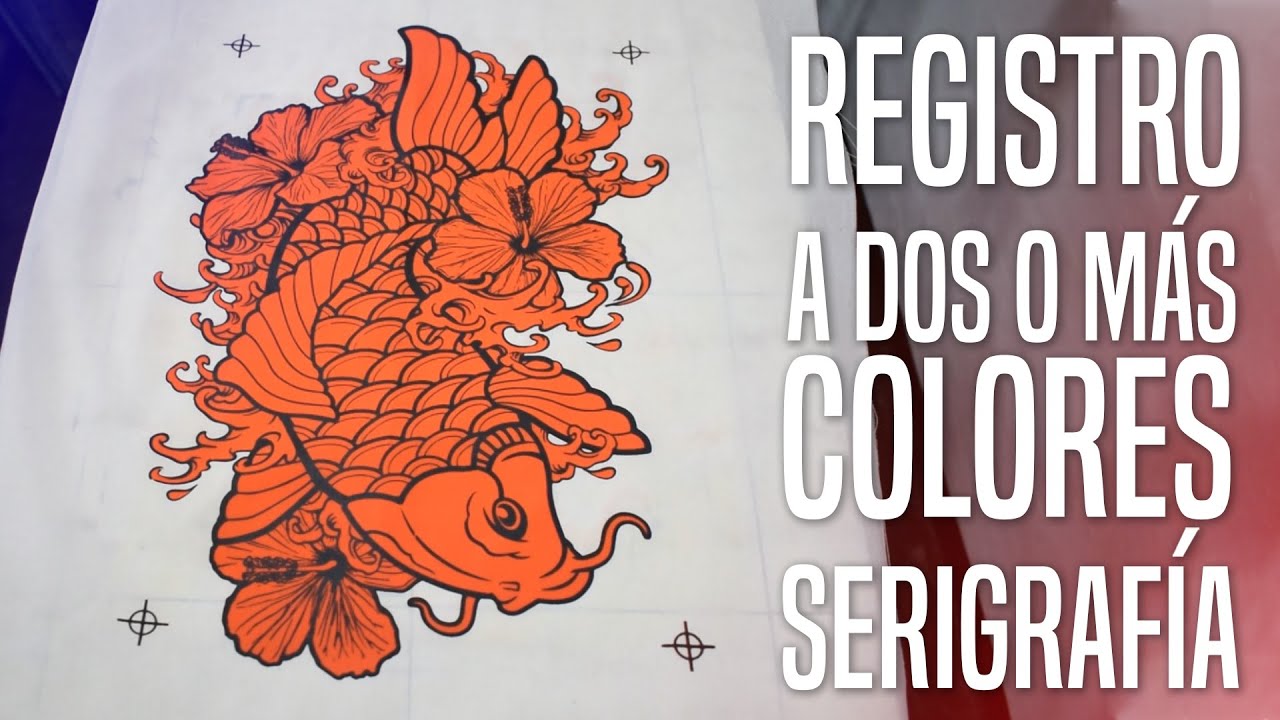
Mastery of multi-color registration techniques to align multiple screen layers precisely on a single print.
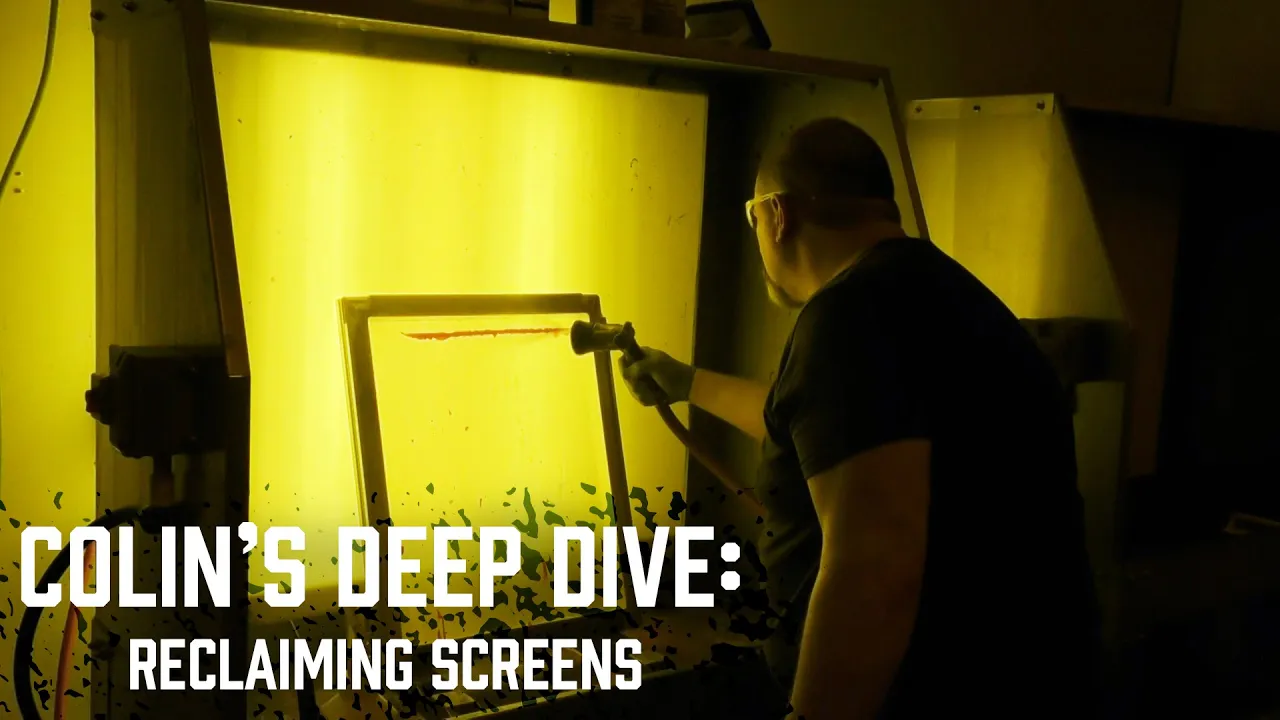
Advanced photo-emulsion chemistry, including exposure times, light-source calibration, and screen reclaiming processes.
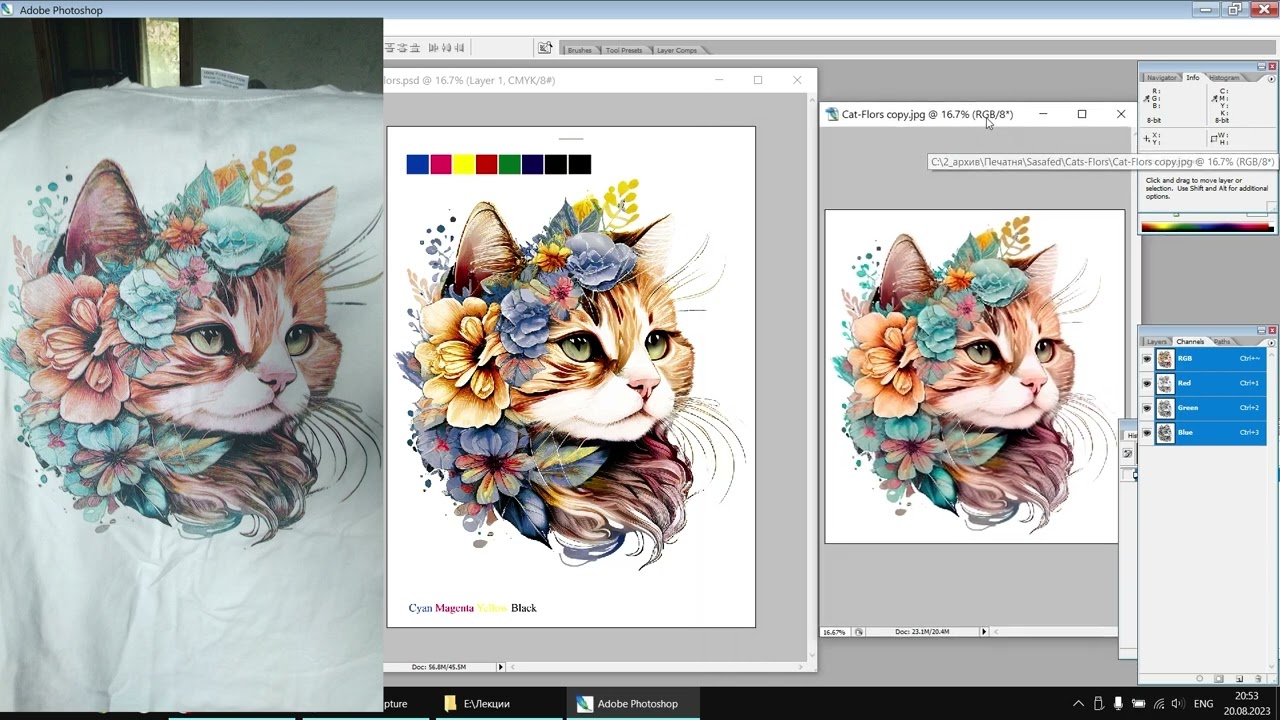
Four-color process printing (CMYK halftone screen printing) to reproduce full-color photographic images.
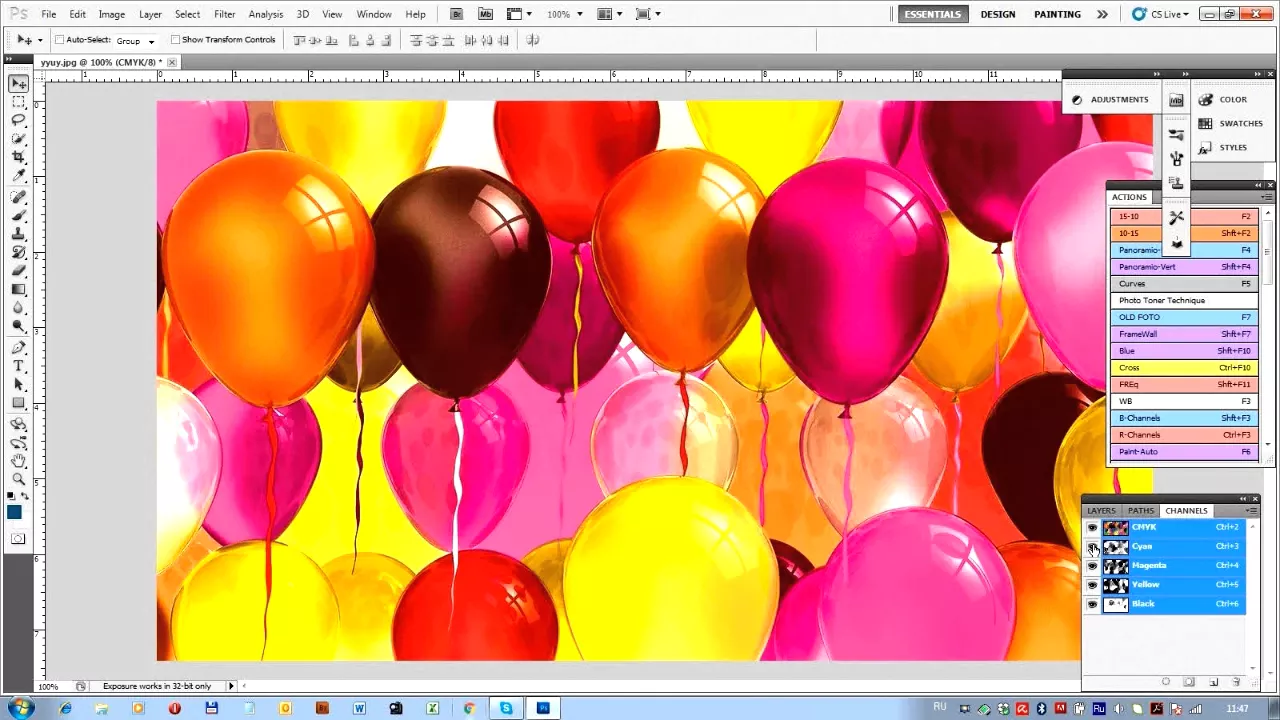
Exploration of modern digital prepress tools, such as Adobe Photoshop, to prepare digital photos for physical stencil output.
Understanding the market economics of printmaking, including numbering limited editions, signing prints, and artists' proofs.
791.5K views21.9Klikes5:30Original Release: 2018-03-14
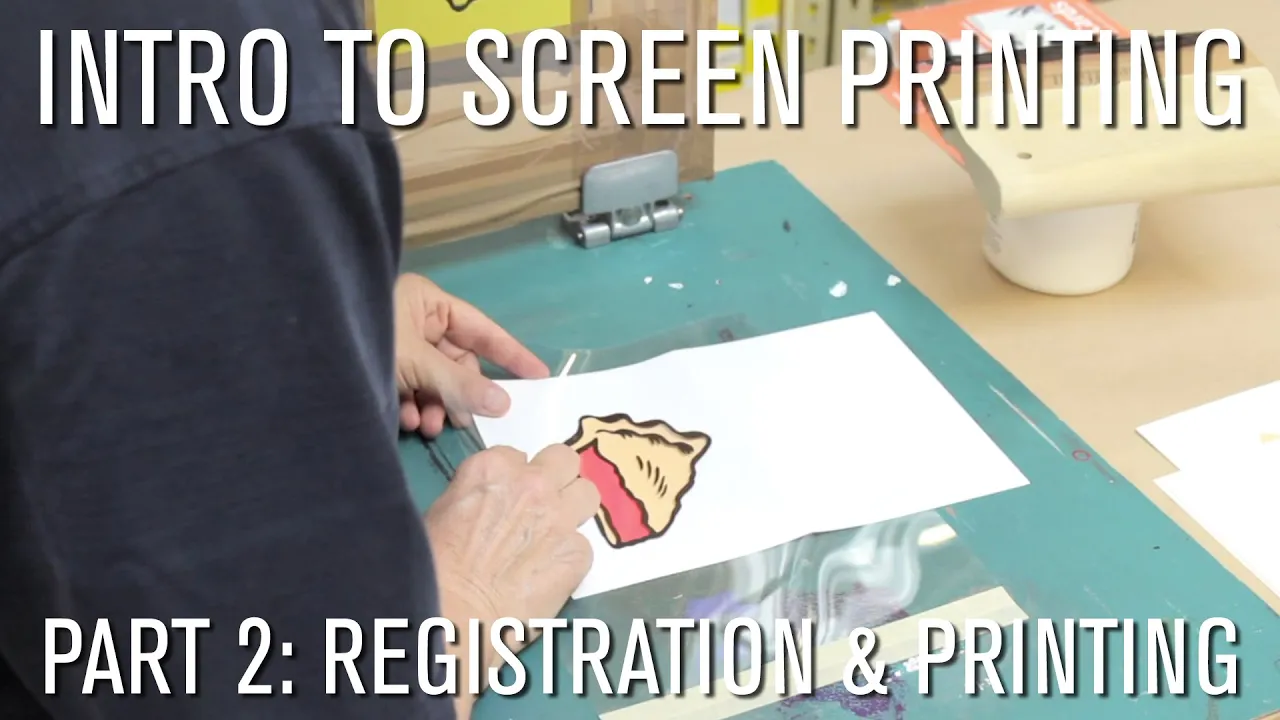
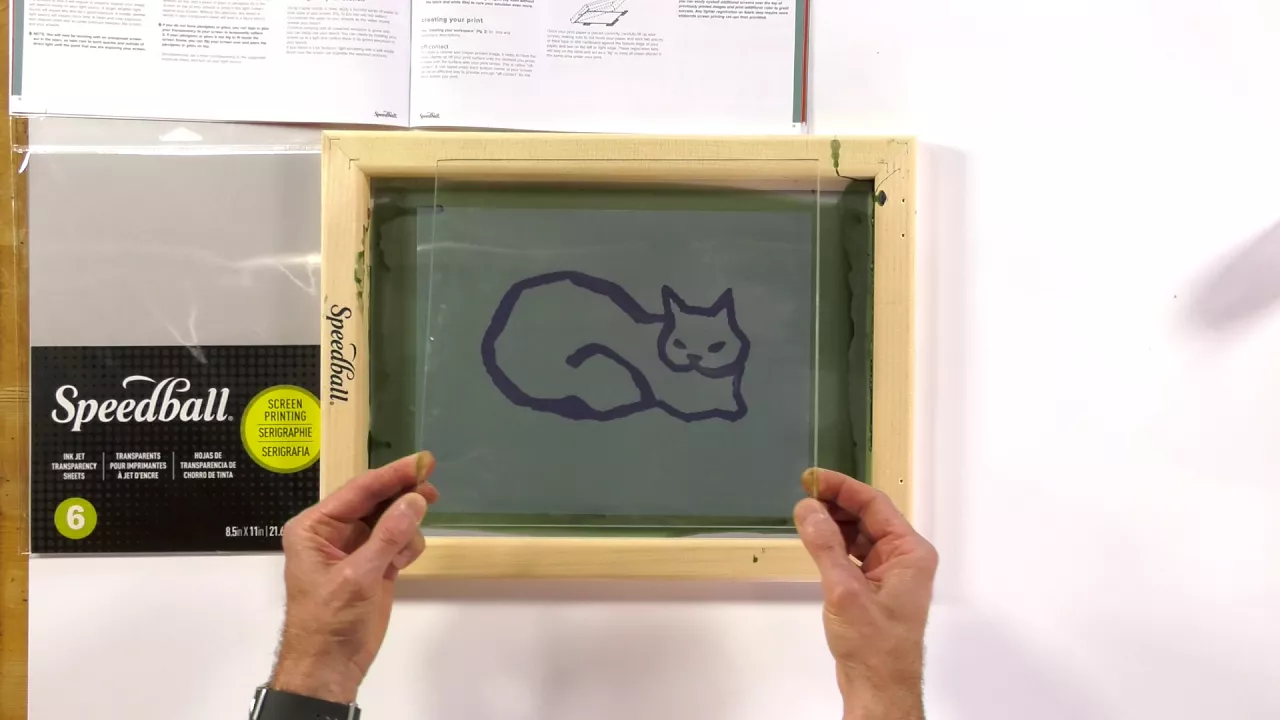
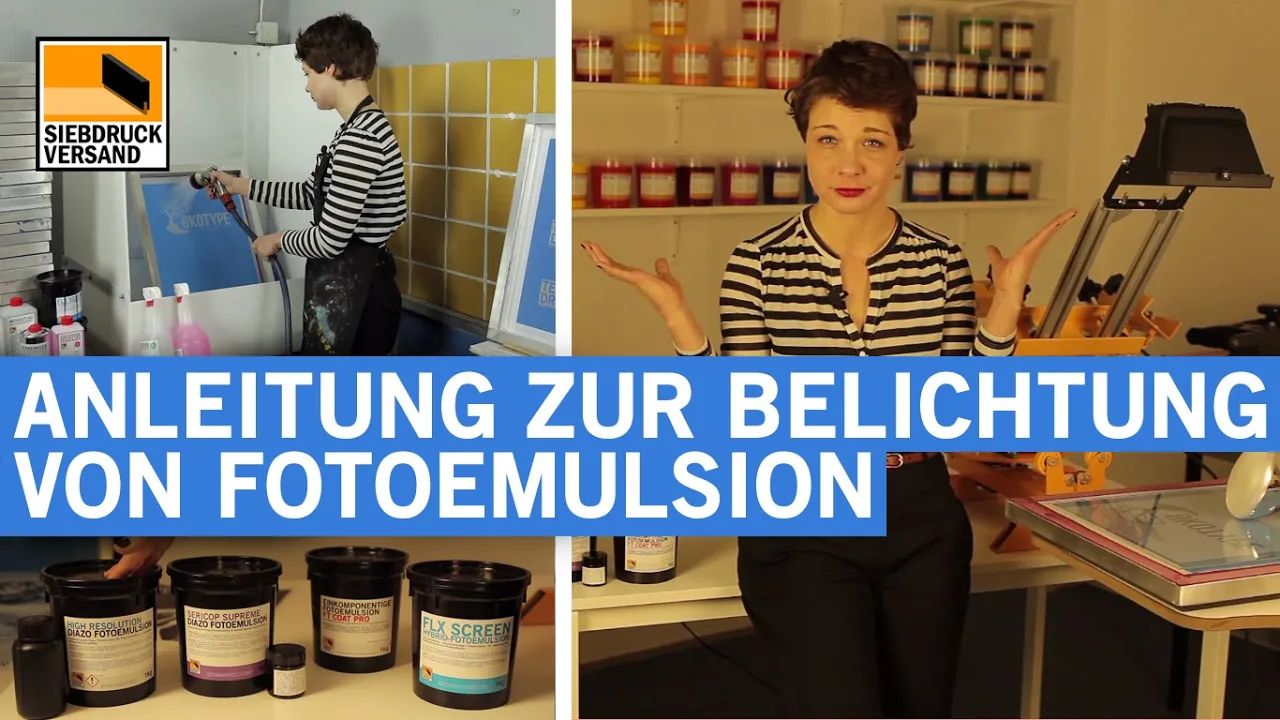
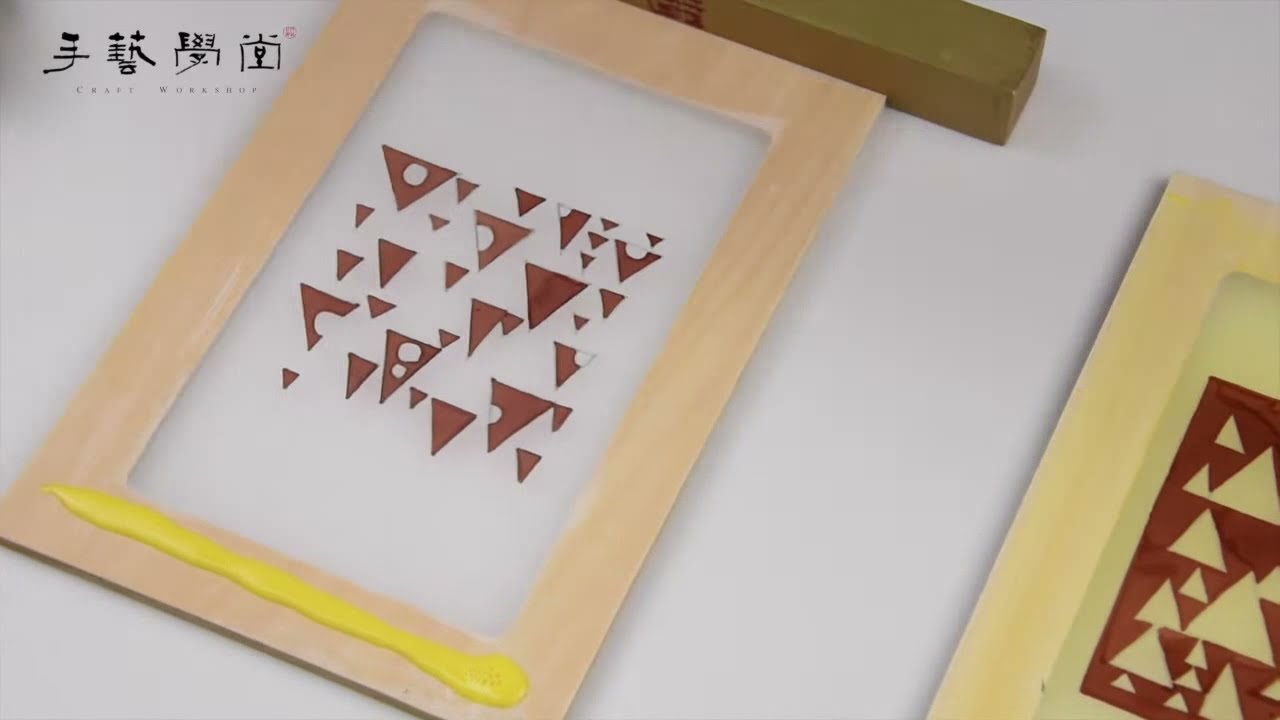
in this video I'm going to look at how to print like Warhol I'm using more whole series of mud screen prints from 1972 as my influence in particularly the way he combines photographic and hand-painted stencils I think the aspects that were most interesting to me are his use of these painting marks you can see that there is a variation of layers and layers of color that are brought together in this print we have approximate about eight or nine different layers to give that depth to the image for my screen print I'm going to create an image combining four to five layers of color for this screen print I've chosen a press photo of Michael Manley the Prime Minister of Jamaica in the 1970s and 80s to make the photographic stencil I create a high contrast black and white image and printed on tracing paper to the size I want to work with to make the hand-painted stencil I've placed the drafting film over the photographic stencil I apply acrylic paint to block out the areas for the background layers like Warhol I'm using loose brushstrokes and I don't mind because over the edges of the photograph in his mouth series you can see that the stencils don't line up which adds to the painterly effect so what I'm doing is mixing Apollo photo emulsion adding a sensitizer to the emulsion which turns it into a photographic emulsion that we can coat onto a screen that then becomes light-sensitive I pour a generous amount of emulsion into the coating trough and apply an even pen layer to the screen I popped a screen into a drying cabinet and repeat the process for each screen for this print I'm using three screens and I have to act quickly because the emulsion is sensitive to light the screens are exposed in an exposure unit I'm exposing multiple images onto the same screen the stencils go underneath the screen printed side up with the screen on top as the light shines up from underneath everywhere that's black the light can't get through so the emulsion can't harden everywhere else the light can get around so it hardens the emulsion on the screen it's important to wash down the exposed screen as quickly as possible to stop further exposure everywhere that was black on our image where the light couldn't get through the emulsion washes away bringing it back to the original mesh and the spheria that being compassed through with screen printing what you see is what you get so essentially you're making a positive rather than a negative these screen printing inks are made from mixing acrylic paint with screen printing medium by adding the medium it changes the consistency giving me more time to print before the ink dries a screen printing table can be set up anywhere all you need is a secure base with hinge clamps attached when I'm printing multiple stencils I masked the other images to stop ink from passing through before I print on paper I print the image on a sheet of acetate I mark the position of the image to help me line up the paper correctly this is repeated with every layer to start printing I'll pull the squeegee towards me at an angle applying for impression I reflect the screen to reload the ink and stop it from drying and remove my print I repeat this until the first layer of my Edition is finished I use water to wash the ink off the screens the registration sheet and the squeegee and I'll make sure my screen is fully dry before moving on to the next color in Warhol's work he typically used very bright vibrant commercial colors influenced by his early career as commercial artist in the 1950s I'm using green as my next layer similar to the backgrounds in Warhol's Mao it's not a solid block of color and you can see the loose painterly brushwork [Music] instead of creating a perfect addition where all the prints are identical I've taken a more playful approach varying the background colors on each print the final layer is the black this is the layer that ties everything together up until now the image has been quite abstract so the black photographic layer gives a definition for me what comes across the most in this process is the power of seen a repeated image of the same person the beauty with screen printing is that even though it's a repetitive process there's a lot of play that can come within the image as artists we never know how it's going to turn out and that's where the excitement lies you
Up Next
15:16
RFRA Explained: Religious Freedom vs. Discrimination Law
@hiphughes
14.4K views•2015-04-06

12:54
Triumph of Orthodoxy Icon: Byzantine Art & History Explained
@BenCallan
2.1K views•2024-08-06

9:49
FastAPI vs Flask vs Django: Choosing the Right Python Web Framework
@TechWithTim
302.5K views•2024-05-26

1:42
Game of Thrones Opening Credits: A Cinematic Analysis
@gameofthrones
46.3M views•2011-04-18
Related Study Plans & Knowledge Roadmaps
Structured learning paths in General & Interdisciplinary Studies
general-studies
Elevator Engineering: History, Physics & Cities
01From Hoists to Safety Brakes: The Dawn of Vertical Lift
02Hydraulic vs. Traction: The Engineering Physics of Elevators
03Modern Speed, Safety, and Algorithms
+ 2 more learning modules
12h5 modules
Explore Roadmap
general-studies
Rubber: Material Science, History & Geopolitics
01Origins of Natural Rubber & Mesoamerican History
02The Chemistry of Natural Rubber & Vulcanization
03The Geopolitics of the Rubber Boom & Colonization
+ 2 more learning modules
12h5 modules
Explore Roadmap
general-studies
Containerization: Evolution, Logistics & Trade
01Ancient Trade & Bulk Cargo: Amphorae to Barrels
02The Industrial Revolution & Cardboard Packaging
03The Containerization Revolution: Malcom McLean
+ 2 more learning modules
12h5 modules
Explore Roadmap
general-studies
Textile Tech: Evolution, Labor & Global Impact
01Pre-Industrial Textiles: Handloom & Cottage Industry
02Mechanization: The Spinning Jenny to the Power Loom
03The Factory System & Global Labor Transformation
+ 2 more learning modules
10h5 modules
Explore Roadmap