Fitts and Posner's three-stage model of motor learning describes how individuals progress through three distinct phases when acquiring motor skills: the cognitive stage (beginners consciously break down movements using working memory with high error variance), the associative stage (learners develop proceduralized processes through deliberate practice, reducing errors), and the autonomous stage (expert performers execute skills automatically with minimal cognitive effort, allowing attention to shift to perceptual-cognitive processing). Coaches should design training programs that appropriately challenge athletes at each developmental stage.
Fitts and Posner's Three Stages of Motor Learning Explained
Added:Deep Dive
Understanding the fundamental definition of a motor skill and the core distinction between motor control and motor learning.

#NeuroPhysioClub: APRENDIZAJE MOTOR.
962
Motor control focuses on how the nervous system controls movement at a specific moment, while motor learning studies how the system learns to control movement and becomes more efficient over time. Motor control represents a static snapshot, while motor learning provides a dynamic, broader view of the process. In clinical practice, we work more with motor learning than motor control because the latter is a photograph while the former is a video showing the processes involved in achieving that moment.
Click to watch →
Motor Control & Motor Learning Part 2
7.9K
Motor control refers to the complexity of the brain in learning how to move, requiring sensory input, motor output, and understanding of how occupation and environment influence movement. Motor learning is the process by which people acquire new movement patterns through practice and experience. The key distinction is that motor control focuses on the mechanisms of movement execution, while motor learning focuses on the acquisition and refinement of those movement patterns.
Click to watch →
Habileté motrice CAPEPS : la comprendre, l’analyser, l’utiliser dans vos copies (externe & interne)
386
A motor skill is defined as a stable and singular organization of motor conduct oriented toward a goal. The stability means it is learned and consolidated, not a random gesture. The singularity means it is specific to the individual and depends on their resources. The goal orientation means it is effective in a given context, such as successfully crossing a balance beam.
Click to watch →

Kuliah Sains Sukan: Pengenalan Kepada Lakuan Motor
127
Motor learning is defined as a stable change in performance resulting from repeated practice, involving a graded process from simple to complex skills, while motor control is the study of posture, movement, and the mechanisms controlling movement through the interaction of muscles and nerves, consisting of voluntary (conscious, planned movements influenced by experience) and involuntary (automatic, reflexive movements occurring spontaneously) types.
Click to watch →

1) BECERİ ÖĞRENİM KAVRAMLARI VE GENTİLE SINIFLAMA - BESYO ÖABT 2023 (BECERİ ÖĞRENİMİ)
2.3K
This section covers the foundational concepts of motor learning and performance. Skill (beceri) is defined as the ability to perform tasks easily and with mastery through physical and mental effort. Motor control examines how the central nervous system organizes muscle and joint movements. Motor skill is the ability to perform movements. Skill learning studies how movements change through practice and experience. Performance encompasses physical, physiological, biometric, and psychological characteristics during activity. Key distinctions include: motor learning is permanent while performance can be temporary; motor learning results from experience while performance results from practice; motor learning involves changes that may not always be observable in performance.
Click to watch →
Deep Dive
The conceptual difference between temporary motor performance (acute execution) and permanent motor learning (retention over time).

Motor Performance does NOT always equal Motor Learning
1.2K
Motor learning is the process of changing movement performance through instruction, practice, or experience, while motor performance is simply the ability to execute a motor skill at a given moment; improved performance during practice does not necessarily indicate lasting motor learning has occurred, as true skill acquisition requires retention and transfer capabilities that manifest later rather than immediate performance gains.
Click to watch →
Physical Educ8or: IB SEHS: Skill: Principles of Skill Learning
9.3K
Learning is a relatively permanent change in performance brought about by experience, which tends to stay in memory even if it takes time to transfer between short-term and long-term memory. Performance, in contrast, is a temporary occurrence that fluctuates over time, with high and low moments even when learning has taken place.
Click to watch →
Understanding Fibrocartilaginous Embolism, with Lowri Davies
249
A critical distinction in FCE rehabilitation is between motor learning (permanent CNS changes) and temporary performance improvement. Motor learning occurs when the nervous system retains and progresses skills between sessions, while temporary improvement shows no carryover. Rehabilitation should only continue when genuine motor learning is occurring, as indicated by progressive improvement that persists between sessions.
Click to watch →
Season 5: Episode 1: Ron Kipp World Class Race Coach, PSIA Examiner, and Motor Control Expert.
586
Performance and learning are distinct concepts in motor learning. Performance is like freezing water - it appears to change but can return to its original state. Learning, however, is like boiling an egg - it causes a permanent physical change in the structure. When learning occurs, there is a physical change in the nervous system, such as myelin changes in neurons, that cannot be reversed. This is why learning is difficult to observe directly - we cannot cut open a brain to check if learning has occurred. True learning is demonstrated when athletes can perform skills consistently over time, even under different conditions.
Click to watch →

MED - Andrea Cardone: Il talento, lo stile di conduzione e l' apprendimento nel settore giovanile
333
Motor learning is defined as a set of processes associated with exercise and experience that determine a relatively permanent change in performance or behavioral potential. Unlike performance, which is momentary and influenced by temporary factors like fatigue and motivation, learning represents a lasting change that persists over time. Motor learning is evaluated through four key parameters: improvement (performing skills more correctly over time), consistency (repeating improved performance across sessions), stability (maintaining performance despite variations in conditions), and adaptability (performing successfully under changing conditions). True learning involves lasting changes that remain stable across different situations and time periods.
Click to watch →
Deep Dive
Basic models of human information processing, including sensory input, cognitive decision-making, and motor output.
Cognition and Human Performance, Lecture A
385
Human information processing theory deals with how people receive, store, integrate, retrieve, and use information. The basic model recognizes three subsystems: (1) Perceptual system that processes incoming sensory information, (2) Motor system that controls action and physical behavior, and (3) Cognitive system that provides processing connecting the two systems. This is a simplified model of a multi-stage process beginning when senses like vision and hearing come into contact with stimuli, with only a small percentage of stimuli passed along for further processing.
Click to watch →

AS PE Acq Information Processing
18.1K
The human information processing model consists of three main components: sensory input (using senses to receive information), central mechanism/brain (processing and decision-making), and effector mechanisms/muscles (producing physical output). This mirrors computer systems where input devices gather data, the processor interprets it, and output devices display or execute results.
Click to watch →

Khawaja Tahir || HCI || Lecture 2 || Human Information Processing Model
3.2K
The Human Information Processing Model consists of three major subsystems: (1) Perceptual System - captures sensory data from the environment using five senses (sight, hearing, touch, smell, taste), (2) Cognitive System - processes, interprets, and makes decisions based on information, connecting it with memory, and (3) Motor System - executes actions based on cognitive decisions. These subsystems work together to enable humans to interact with and respond to their environment. Humans are considered Ashraf-ul-Makhlooq (noblest creation) due to their unique decision-making capabilities.
Click to watch →
Interfaces Humano-Computador - Aula 08 - Revisão
3.8K
The human information processing model explains how humans understand the world. It includes: sensation (physical stimuli felt by sense organs like visual and auditory), perception (organized understanding involving knowledge and experience, allowing perception of movement, depth, and sound location), and motor response (acting on artifacts like mice and touchscreens). Memory has three levels: sensory memory, working memory (for decision-making), and permanent memory (storing semantic and procedural knowledge). Fitts' Law explains motor action time based on target size and distance.
Click to watch →

ATPL Human Performance 040 - Ep.08: Information Processing (Part 1) | ATPL Training | ATPL Exams
151
Humans process information through a systematic model involving reception, interpretation, and response. Information enters via senses (sight, hearing, touch, smell, taste) and must exceed sensory thresholds to register. The central decision maker interprets stimuli using stored experience and knowledge from short-term and long-term memories. Responses can be unconscious motor actions or conscious decisions. This model enables identification of errors at any stage, such as incorrect radio frequencies from faulty long-term memory recall.
Click to watch →
Deep Dive
Awareness of how feedback (internal sensory feedback and external instructor feedback) influences physical movement adjustment.
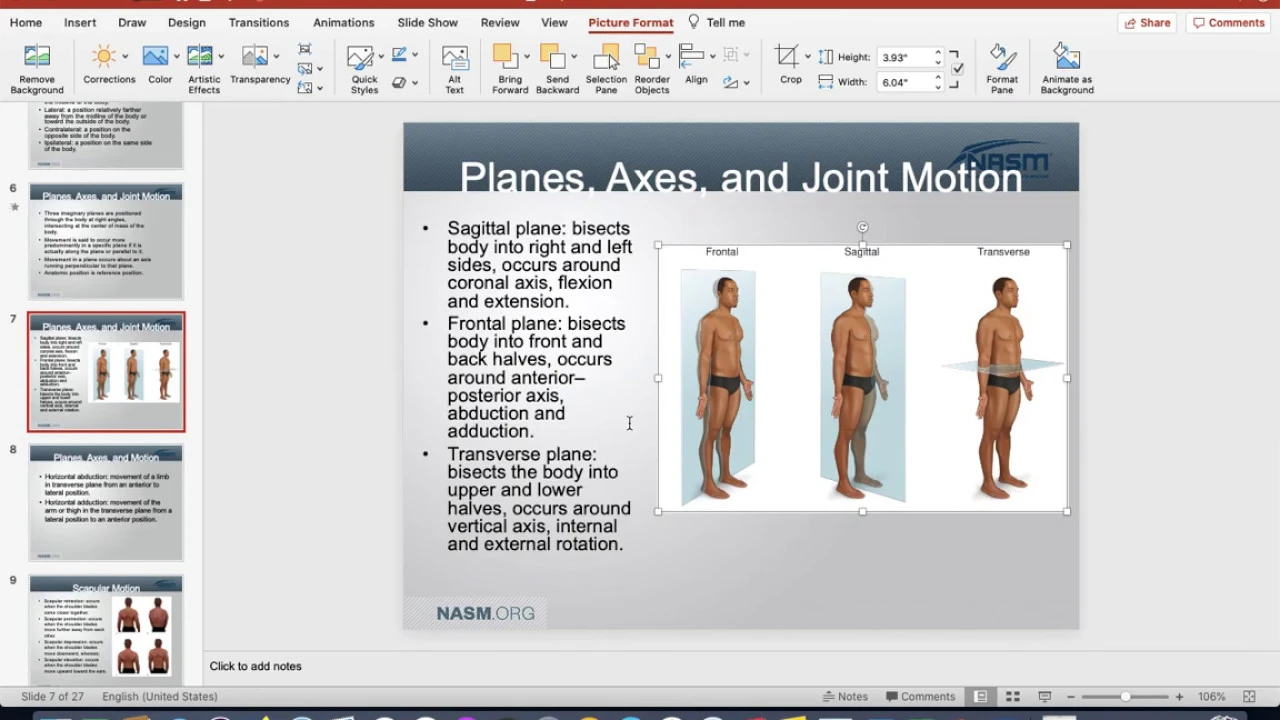
Chapter 5 - Human Movement System
9.5K
Internal feedback (proprioception) allows individuals to sense their own movement quality and make adjustments. External feedback comes from coaches, equipment (heart rate monitors), or visual observation. Effective movement professionals help clients develop both types of feedback awareness. When internal and external feedback align, performance improves; discrepancies indicate problems needing correction. Developing sensitivity to both types enhances movement quality and prevents injuries.
Click to watch →
リハビリの効果を驚くほど変える、運動学習をわかりやすく解説します!
2.1K
External feedback comes from others observing and telling you how you performed (e.g., 'Your knee came forward too much' or 'Your throw was 140 km/h'). Internal feedback comes from your own body sensations and self-awareness (e.g., 'I felt my elbow drop a bit' or 'That throw felt good'). Internal feedback is more important for long-term performance because it allows self-correction without external input. However, beginners often need external feedback first to develop the awareness needed for internal feedback. The goal is to gradually shift from external to internal feedback. This principle applies to rehabilitation, where helping patients develop self-awareness of their movements is crucial for lasting improvement.
Click to watch →
Eric Earley PhD Defense: Sensory Substitution in the Presence of Vision
160
The center-out reaching paradigm measures endpoint error and adaptation through repeated reaches. A hierarchical Kalman filter models internal model adaptation and control noise. Ballistic movements (500ms) isolate feed-forward effects by preventing online correction. Perturbation blocks introduce unexpected dynamics to test adaptation. These methods reveal how sensory feedback influences both immediate motor control and long-term learning, distinguishing between target-specific and target-agnostic motor planning strategies.
Click to watch →
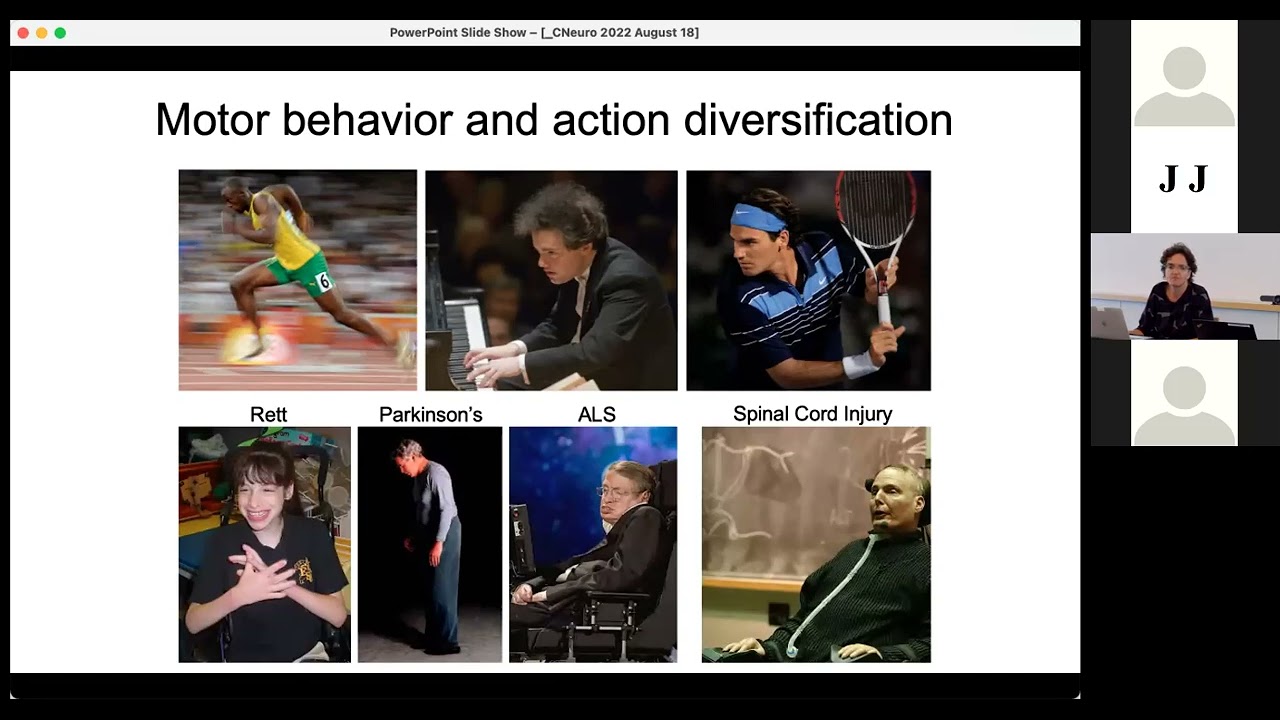
2022-08-18 Silvia Arber - Organization and Function of Circuits for Body Movements - Special Lecture
343
Movement involves a continuous cycle where the nervous system predicts what will happen next (efference copy) and compares this prediction with actual sensory feedback. When sensory feedback matches predictions, movement continues. When unexpected deviations occur, immediate corrections are made. This feedback operates at every level of the motor output system and is highly topographic, meaning feedback signals are organized according to body parts. This system allows rapid adaptation to environmental changes.
Click to watch →
Bewegungslehre - Das Regelkreismodell nach Meinel & Schnabel - Sport Theorie, Abitur & Studium
43K
During movement execution, the planned movement is carried out while simultaneously collecting feedback information. External disturbances (störgrößen) such as obstacles or unexpected changes in conditions can interfere with the movement. Simultaneously, the nervous system gathers both external information (what is seen and heard) and internal proprioceptive information (body position and muscle tension). This dual feedback collection enables the system to assess whether the movement was successful and identify areas for improvement.
Click to watch →
Prerequisite Knowledge
- Concept 01Understanding the fundamental definition of a motor skill and the core distinction between motor control and motor learning.
- Concept 02The conceptual difference between temporary motor performance (acute execution) and permanent motor learning (retention over time).
- Concept 03Basic models of human information processing, including sensory input, cognitive decision-making, and motor output.
- Concept 04Awareness of how feedback (internal sensory feedback and external instructor feedback) influences physical movement adjustment.
Subsequent Learning
- Step 01Comparing Fitts and Posner's model with alternative theories, such as Bernstein's Dynamical Systems perspective (freezing and freeing degrees of freedom) and Gentile's Two-Stage model.
- Step 02Applying stage-appropriate pedagogical strategies, such as tailoring instruction, demonstration frequency, and guidance for cognitive vs. autonomous learners.
- Step 03Designing effective practice structures (e.g., block versus random practice, massed versus distributed practice) based on the learner's current stage of acquisition.
- Step 04Analyzing the transfer of learning and measuring retention to objectively assess which stage of learning an athlete or patient has achieved.
- Step 05Investigating the neurobiological shifts during motor skill automaticity, focusing on how brain activation transitions from the prefrontal cortex to the basal ganglia and cerebellum.
Stages of Learning
Elite Performance
Stages of Learning
0:10Playing Section
- 1
Explains Fitts and Posner's three-stage motor learning model.
- 2
Cognitive stage relies on working memory and conscious step-by-step execution.
- 3
Skill progresses to associative and autonomous stages with deliberate practice.
Ecological Dynamics and the Constraints-Led Approach
While Fitts and Posner's model views motor learning as a linear, cognitive process of building an internal mental blueprint, Ecological Dynamics—rooted in Nikolai Bernstein's work and ecological psychology—offers a major counterpoint. This perspective argues that movement is self-organizing and emerges from the interaction of personal, environmental, and task constraints, rather than a stored cognitive program. Instead of progressing through rigid cognitive stages, learners solve the 'degrees of freedom' problem. Beginners initially 'freeze' their joints to simplify movement, gradually 'freeing' them as they learn to exploit natural physical forces like gravity and inertia. This approach rejects the idea of a highly representational, 'autonomous' stage, arguing instead that learning is a continuous, non-linear adaptation process where perception and action are directly coupled with the environment.
Deep Dive
Comparing Fitts and Posner's model with alternative theories, such as Bernstein's Dynamical Systems perspective (freezing and freeing degrees of freedom) and Gentile's Two-Stage model.

Motor learning part-6 | Fitts and posner three stage | Gentiles two stage mode | physiotherapy |
382
Motor learning progresses through distinct stages: Fitts and Posner's three-stage model (cognitive, associative, autonomous) describes how learners move from conscious, error-prone movements to automatic, efficient performance; Systems' three-stage model (novice, advanced, expert) explains how degree of freedom increases from simplified to coordinated movements; Gentile's two-stage model (understanding task dynamics, then fixation/diversification) distinguishes between open skills requiring strategy diversification and closed skills requiring movement fixation.
Click to watch →
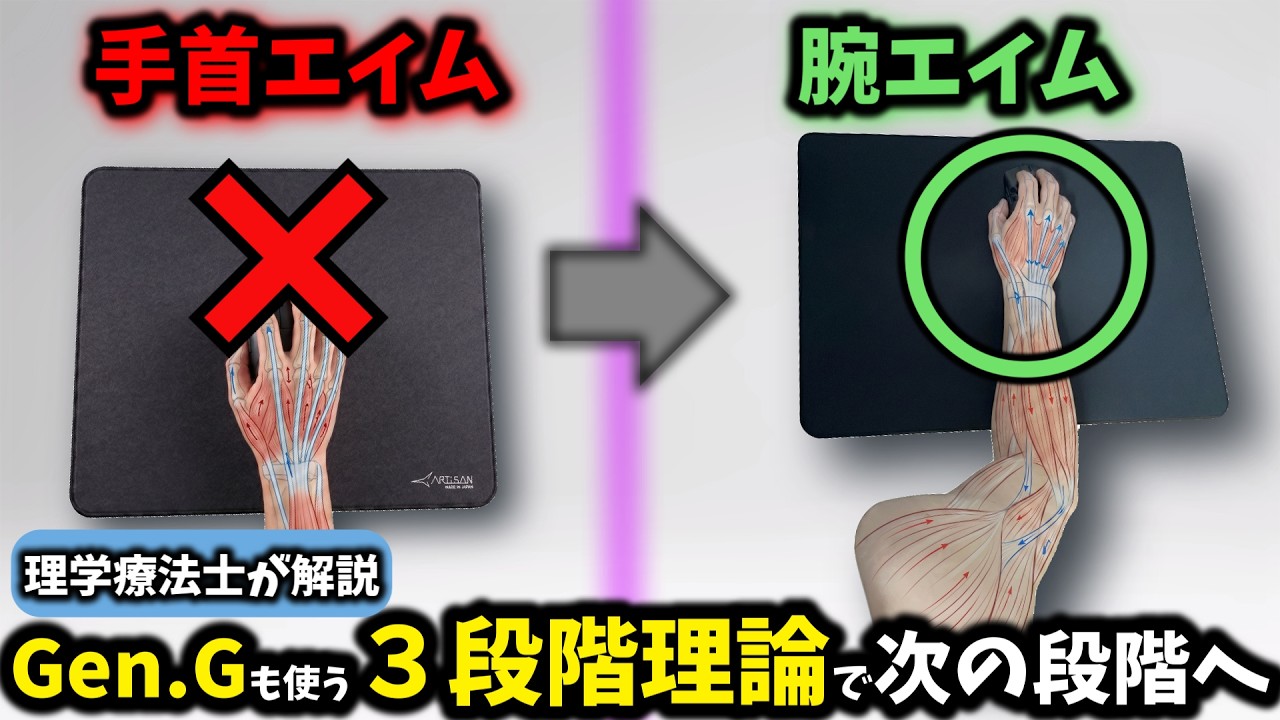
【理学療法士が解説】手首エイムがダメな本当の理由 エイム上達3段階|Gen.Gも使う運動科学理論で完全解説
279
Fitts & Posner's theory describes motor learning from the brain's perspective: (1) Cognitive stage - conscious understanding of movement, requiring attention to arm position, resulting in slow aiming and overshooting; (2) Associative stage - refined movements, decreased errors, and sensory mapping for different distances; (3) Autonomous stage - automatic movements without conscious thought, freeing cognitive resources for strategy. These two theories are complementary: Bernstein focuses on body mechanics while Fitts & Posner focuses on brain processing. The process of unfreezing degrees of freedom and motor learning through association occur simultaneously. Stage 1 players typically occupy Cognitive or early Associative stages, Stage 2 players occupy Associative stages, and Stage 3 players reach Autonomous stage.
Click to watch →
운동상해건강운동관리사 자격증 필기 스포츠심리학💁🏼♀️
615
Gentile's model divides motor learning into: (1) Movement acquisition stage - learning movement form and characteristics; (2) Fixation and diversification stage - refining movements and adapting to different environments using feedback from actual performance. Bernstein's model addresses the degrees of freedom problem through three stages: (1) Degrees of freedom fixation - reducing complexity by constraining unnecessary movements; (2) Degrees of freedom release - gradually releasing constraints to allow more natural movement; (3) Utilization of redundancy - using remaining degrees of freedom to optimize performance through the body's natural properties like elasticity and momentum.
Click to watch →

2020년 생활스포츠지도사 2급 스포츠심리학 21:40 와이너 귀인이론에서 과제난이도 불안정아니고 안정적입니다!!! 과제난이도는 안정성이 안정적!!!
25.7K
Motor learning involves controlled processing (conscious, effortful thinking by beginners) and automatic processing (unconscious execution by skilled performers). Fitts and Posner's three-stage model describes progression: cognitive stage (learning through observation and explanation), associative stage (refining skills and error correction), and autonomous stage (automatic execution with reduced conscious attention). Bernstein's stages include freezing degrees of freedom, progressive release, and utilization of dynamics. Adams' stages describe movement concept acquisition, fixation and diversification, and coordination and control. Attribution theory explains how individuals perceive causes of success/failure through locus of control (internal/external), stability (stable/unstable), and controllability (controllable/uncontrollable). Ability is internal, stable, and uncontrollable, while effort is internal, unstable, and controllable. Transfer of learning includes positive transfer (facilitation), negative transfer (interference), and zero transfer (no effect).
Click to watch →
![2025 대비 7일 완성 스포츠지도사 2급 필기 [스포츠심리학] 무료 이론 강의](https://i.ytimg.com/vi/1RoWgL78Fvo/maxresdefault.jpg)
2025 대비 7일 완성 스포츠지도사 2급 필기 [스포츠심리학] 무료 이론 강의
159.8K
Gentile's two-stage model of motor learning includes: (1) Movement concept acquisition - understanding the movement goal and environmental constraints, and (2) Practice - either fixed (for closed skills) or varied (for open skills). Fixed practice is used when environmental conditions are stable, while varied practice is used when conditions change.
Click to watch →
Deep Dive
Applying stage-appropriate pedagogical strategies, such as tailoring instruction, demonstration frequency, and guidance for cognitive vs. autonomous learners.

Temas del segundo dominio del perfil docente: La enseñanza y Los principios pedagógicos plan 2017
932
Teachers should model and influence students' learning and self-regulation strategies. Many students cannot develop effective strategies independently but can learn them through direct demonstration and teaching. Teachers should think aloud while demonstrating strategies, providing cognitive demonstrations that exhibit the thought processes guiding strategy use. This eliminates the need for translation when explaining strategies using impersonal language. Teachers can demonstrate strategies through study skills, text elaboration, and verification of learning.
Click to watch →

LA ENSEÑANZA. JERE BROPHY.
433
Teachers should design and teach students learning and self-regulation strategies. Teachers should explain the purpose being pursued, what the strategy contributes to the student, and the contexts in which it should be used. Teaching becomes more effective when it includes cognitive demonstration, where the teacher thinks aloud while demonstrating the use of a strategy. This makes explicit the thought processes that guide the use of the strategy in various contexts.
Click to watch →

ADI part 3 videos | instructor training | 17 competencies | Teaching and Learning strategy
1.5K
The instructor must develop the ability to recognize when to use each teaching level. Guidance is useful when the student is struggling with a new situation or task, such as finding a gap at a roundabout. Prompting provides hints and clues when the student needs some assistance but can still work independently. Independence is appropriate when the student has demonstrated sufficient competence. The instructor should also know when to remain quiet and let the student work independently. This requires developing judgment about when to intervene and when to allow the student to learn through their own efforts.
Click to watch →

II Jornada Internacional Neurociencias Nuevas Formas de Aprender
117
Effective teaching should match strategies to the learning stage. In the cognitive stage, instructors should demonstrate and provide clear instructions. In the associative stage, practice should focus on error correction and refinement. In the autonomous stage, learners can practice independently.
Click to watch →
Facing the challenges of remote learning: How to assess your students
194
Autonomous learners develop three types of strategies: (1) Cognitive strategies - methods for addressing specific tasks like reading context clues or predicting vocabulary; (2) Metacognitive strategies - awareness of how effectively cognitive strategies are working, enabling learners to adjust approaches; (3) Socio-effective strategies - managing emotions like anxiety and frustration during learning. Staged practice breaks down exam tasks into sequential steps, helping learners internalize requirements. Cambridge provides ready-made lesson plans modeling this approach. Teachers should allow learners to use their own effective strategies rather than forcing uniform methods, intervening only when learners struggle consistently.
Click to watch →
Deep Dive
Designing effective practice structures (e.g., block versus random practice, massed versus distributed practice) based on the learner's current stage of acquisition.

How to Optimize Learning
135
Learning progresses through three stages: (1) Cognitive stage - athletes think their way through new skills, making mistakes; coaches should focus on critical components and use demonstration. (2) Associative stage - athletes refine skills, shift from visual to feeling understanding, and develop ability to handle contextual interference. (3) Autonomous stage - performance becomes automatic, but athletes often become frustrated when improvement slows. Quality practices are the exception, not the norm. Effective practice design maximizes motivation, energy, and skill development. The amount of time spent designing a practice should be proportional to the practice time itself.
Click to watch →

Week 10 SPS606585 Practice condition part 1
118
The elaboration hypothesis explains CI effects through elaboration of memory representations. When learners experience variation, they must reconstruct their motor programs and add more experience to their knowledge base. The choice between block and random practice should depend on skill complexity and learner expertise. The practice specificity hypothesis states that test performance is directly related to the similarity between practice conditions and test conditions, including sensory-perceptual characteristics, performance constraints, and cognitive processing. Overlearning refers to continuing practice beyond the point where new knowledge is gained, most effective for procedural skills. Mass practice involves longer, less frequent sessions with minimal rest, while distributed practice involves shorter, more frequent sessions with longer rest intervals. Research shows distributed practice leads to better learning outcomes for complex skills. Three hypotheses explain this: fatigue hypothesis, cognitive effort hypothesis, and memory consolidation hypothesis. The optimal practice structure depends on skill type: discrete skills benefit from mass practice; continuous skills benefit from distributed practice.
Click to watch →

VCE PE 3&4 Unit 3 Head Start Lecture
945
Practice distribution: distributed practice (shorter, more frequent sessions better for learning, elite level) versus massed practice (longer, less frequent sessions causing fatigue, amateur level). Practice variability: blocked practice (repeating same skill, beginners) versus random practice (mixing different skills, intermediate/experts). Feedback types: intrinsic (performer's own senses) and augmented (external sources) with sub-components of knowledge of performance (technique details) and knowledge of results (outcomes).
Click to watch →
ACCELERATED LEARNING! MetaDoc teaches us how to rank up faster
26.6K
Distributed practice (spacing out practice sessions over time) is more effective than mass practice (long, continuous sessions). While mass practice may seem efficient by maximizing repetitions, it prevents the brain from consolidating learning through rest periods. Effective distributed practice involves: (1) initial focused practice on a skill, (2) spaced repetition at increasing intervals (e.g., 20 minutes, then 3 days later, then 7 days later), and (3) continuing to space further apart as proficiency increases. This counteracts the forgetting curve and allows for better long-term retention.
Click to watch →
A Cognitive Perspective on How People Learn: Implications for Teaching
51.9K
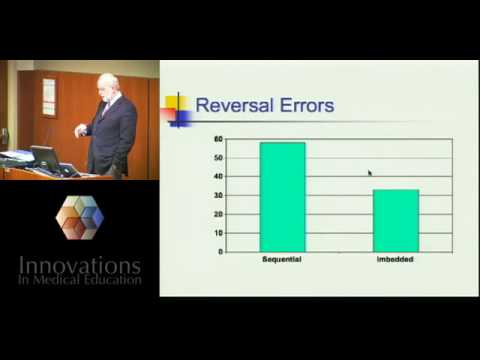
Two critical practice strategies dramatically improve learning outcomes. First, mixed practice (interleaving different problem types together) produces significantly better results than blocked practice (grouping similar problems). In ECG studies, mixing different case categories during practice produced 50% improvement in diagnosing new cases. Second, distributed practice (spreading learning over time) outperforms massed practice (cramming). While massed practice may yield comparable immediate performance, distributed practice maintains performance over time and produces more confident learners.
Click to watch →
Deep Dive
Analyzing the transfer of learning and measuring retention to objectively assess which stage of learning an athlete or patient has achieved.

تصميم تجربة التعلم | د. سناء عمر عبد الجبار
144
Effective evaluation of the knowledge retention and transfer stage involves assessing: (1) Integration - does the learner successfully integrate new knowledge into existing capabilities? (2) Application - does the learner apply knowledge effectively in real situations? (3) Contribution - does the learner share knowledge with others? The best description shows the learner successfully integrates and applies knowledge while contributing to others. The worst description shows the learner fails to reach this stage or dismisses learning value.
Click to watch →
운동상해건강운동관리사 자격증 필기 스포츠심리학💁🏼♀️
615
Retention is the ability to maintain improved motor performance over time, influenced by task complexity, environmental factors, age, and practice frequency. Transfer refers to how past learning experiences affect new motor skill acquisition, with positive transfer occurring when previous learning helps new learning (e.g., baseball skills helping golf skills) and negative transfer when previous learning interferes (e.g., badminton wrist snap interfering with golf swing). Transfer depends on task similarity, stimulus-response similarity, cognitive process similarity, and practice method. Effective motor learning requires considering practice structure, conditions, variability, and team training to simulate real competition scenarios.
Click to watch →
Benjamin Rebouillat EDC 2022
766
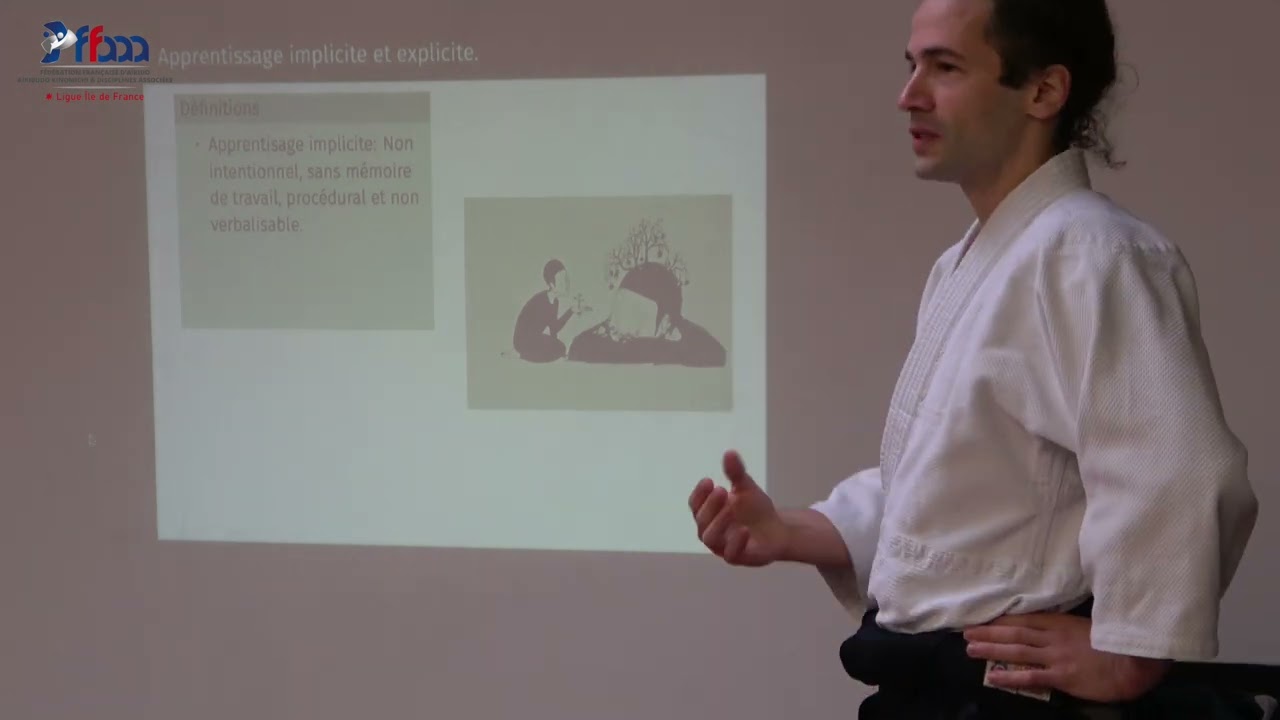
Learning effectiveness is measured through three dimensions: (1) Performance - immediate ability to execute learned skills; (2) Retention - ability to maintain knowledge over time (tested at intervals like 20 minutes, 1 hour, or 1 year later); (3) Transfer - ability to apply learned skills to new contexts or related tasks.
Click to watch →

How A Few Words Can Make or Break Basketball Players (Internal vs External Cueing) - Podcast 85
965
Retention tests measure how well athletes maintain learned skills after practice, typically assessed 24 hours later by having them perform the same task again. Transfer tests assess whether athletes can apply learned skills to similar but different situations, such as moving from shooting on the left wing to shooting from the right corner. Both retention and transfer are critical for effective skill development, as athletes must be able to reproduce skills independently and adapt them to new contexts.
Click to watch →
Motor Performance does NOT always equal Motor Learning
1.2K
Optimization and mastery of movement skills are always about retention and transfer. Temporary performance changes during practice are not valuable if they rarely show up again in the chaotic, ever-changing conditions of actual sport performance. The degree of learning can only be measured later.
Click to watch →
Deep Dive
Investigating the neurobiological shifts during motor skill automaticity, focusing on how brain activation transitions from the prefrontal cortex to the basal ganglia and cerebellum.

Вадим Гурьев для Academy Rugby Centre: Общие принципы формирования двигательного навыка, ЧАСТЬ 1
791
Motor automation involves structural neural reorganization: initial learning engages associative frontal cortex and premotor cortex; with repetition, new pathways form between these areas and the cerebellum; the cerebellum takes over control, reducing cortical cognitive load; basal ganglia store movement sequence parameters. This explains why practiced skills feel effortless. The cerebellum's three anatomical regions handle different functions: old part manages primitive reflexes and balance; intermediate part handles locomotor programs; new part handles complex voluntary movements. This structural basis for motor learning has profound implications for training methodology.
Click to watch →
Okihide Hikosaka: Neuronal Circuits Related to Emotion
545
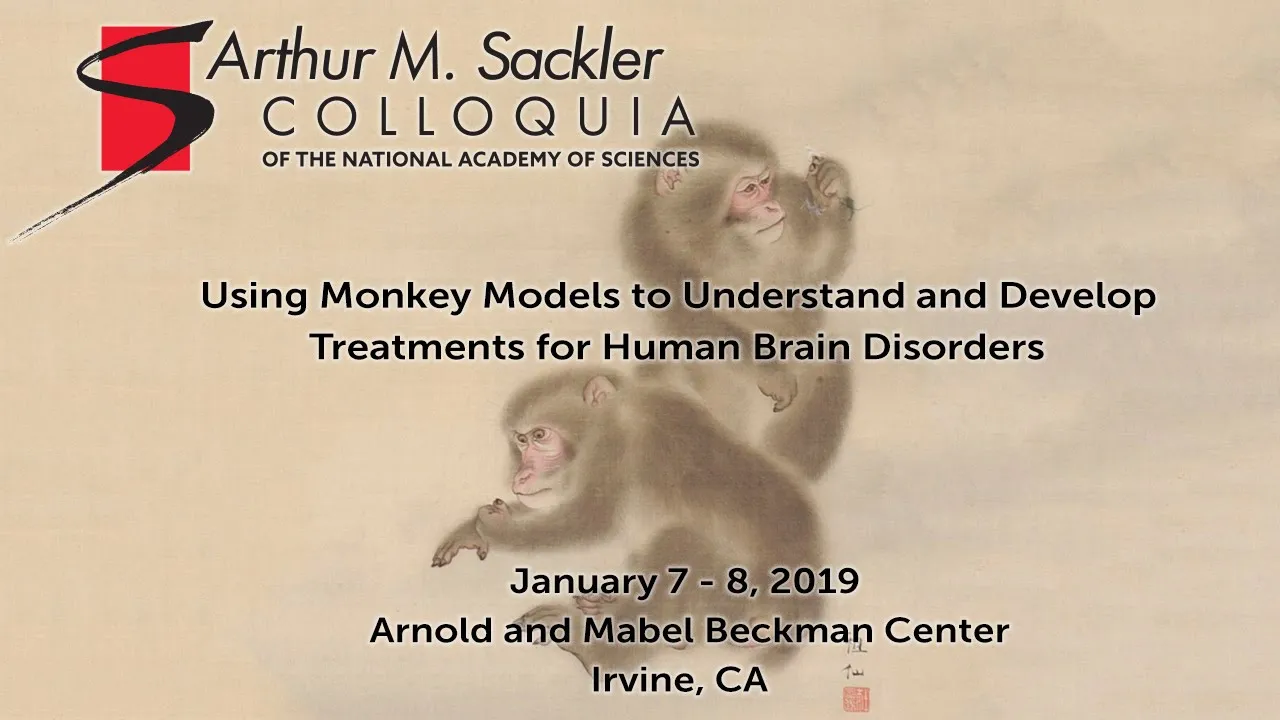
Learning progresses through distinct neural hierarchies involving prefrontal cortex and basal ganglia circuits. New learning activates pre-SMA neurons intensely during initial trials, decreasing as skills become automated. Skilled performance relies on different circuits with minimal pre-SMA involvement. Human and monkey pre-SMA show remarkably similar activation patterns during learning tasks, validating monkeys as models for human cognition. Two parallel basal ganglia circuits serve different functions: the anterior circuit connects with association prefrontal and parietal cortex, supporting new learning and controlled behavior; the posterior circuit connects with sensory-motor areas, supporting automatic, skilled behavior. The cerebellum provides timing signals to these circuits. Proper integration of these multiple inputs is essential for normal behavior, with abnormal interactions potentially contributing to neurological and psychiatric disorders.
Click to watch →
The Social Brain Ep. 11: Master Any Skill – Neuroscience of Motor Learning
441
The motor system involves a distributed network across the brain. The prefrontal cortex plans abstract goals, the pre-motor cortex handles concrete planning, the basal ganglia select and initiate habitual movements, and the cerebellum refines movements through error correction. The spinal cord actually executes movements based on where the brain directs it. This three-tiered organization explains how movement progresses from conscious planning to automatic execution.
Click to watch →

CEREBELO | NEUROLOGÍA
24.9K
The motor system enables voluntary movement through multiple brain structures: prefrontal cortex forms motor images, primary motor cortex executes movements, premotor and supplementary motor areas plan movements, basal ganglia modulate movements, and the cerebellum coordinates and refines movements. The motor planning process begins in the prefrontal cortex, passes to the premotor area, then to the basal ganglia and cerebellum. The cerebellum integrates motor plans with proprioceptive information about body position, acting as a 'master of movements' by knowing both what the cortex wants to do and how the body is positioned. The cerebellum receives continuous proprioceptive information through spinocerebellar tracts (posterior, anterior, cuneocerebellar), entering via the inferior cerebellar peduncle. The cerebellum sends refined commands back through the superior cerebellar peduncle to the primary motor cortex. The cerebellum is crucial for motor learning - the ability to improve movements through practice.
Click to watch →
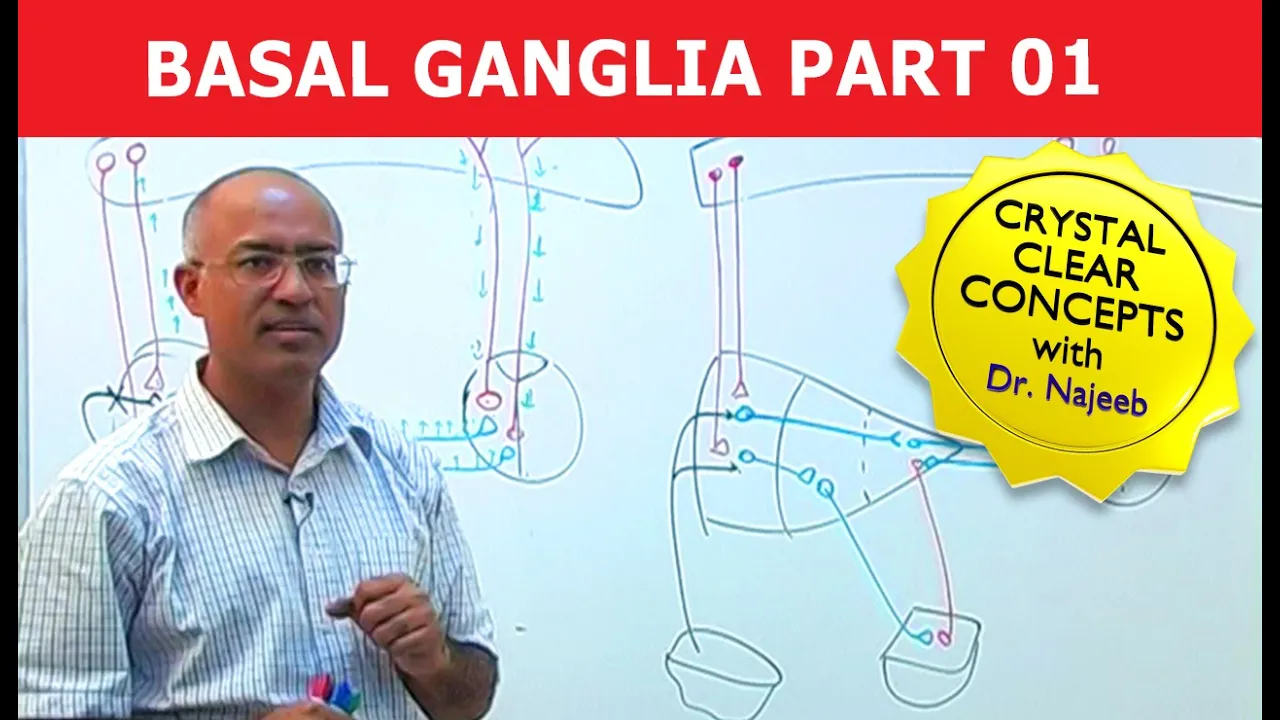
Basal Ganglia | Neuroanatomy | Part 1/3
679.5K
This extensive section explains how basal ganglia control movement through neural circuits. The motor system involves upper motor neurons (corticospinal and cortical nuclear fibers) descending from cerebral cortex to control lower motor neurons in spinal cord and brainstem. Motor plans are stored in basal ganglia and cerebellum. When initiating movement, the idea must first consult basal ganglia for planning and refinement before descending to lower motor neurons. Basal ganglia electrical activity begins even before movement execution. A cortical-basal ganglia-thalamic loop allows consultation, refinement, and execution coordination. Movement initiation begins in prefrontal cortex, proceeds to supplementary motor area and premotor area, consults basal ganglia, receives thalamic feedback, and activates primary motor and somatosensory areas before descending to lower motor neurons.
Click to watch →
Stages of Learning
Elite Performance
Stages of Learning
0:10- 1
Explains Fitts and Posner's three-stage motor learning model.
- 2
Cognitive stage relies on working memory and conscious step-by-step execution.
- 3
Skill progresses to associative and autonomous stages with deliberate practice.
Ecological Dynamics and the Constraints-Led Approach
While Fitts and Posner's model views motor learning as a linear, cognitive process of building an internal mental blueprint, Ecological Dynamics—rooted in Nikolai Bernstein's work and ecological psychology—offers a major counterpoint. This perspective argues that movement is self-organizing and emerges from the interaction of personal, environmental, and task constraints, rather than a stored cognitive program. Instead of progressing through rigid cognitive stages, learners solve the 'degrees of freedom' problem. Beginners initially 'freeze' their joints to simplify movement, gradually 'freeing' them as they learn to exploit natural physical forces like gravity and inertia. This approach rejects the idea of a highly representational, 'autonomous' stage, arguing instead that learning is a continuous, non-linear adaptation process where perception and action are directly coupled with the environment.
Understanding the fundamental definition of a motor skill and the core distinction between motor control and motor learning.
The conceptual difference between temporary motor performance (acute execution) and permanent motor learning (retention over time).
Basic models of human information processing, including sensory input, cognitive decision-making, and motor output.
Awareness of how feedback (internal sensory feedback and external instructor feedback) influences physical movement adjustment.
Comparing Fitts and Posner's model with alternative theories, such as Bernstein's Dynamical Systems perspective (freezing and freeing degrees of freedom) and Gentile's Two-Stage model.
Applying stage-appropriate pedagogical strategies, such as tailoring instruction, demonstration frequency, and guidance for cognitive vs. autonomous learners.
Designing effective practice structures (e.g., block versus random practice, massed versus distributed practice) based on the learner's current stage of acquisition.
Analyzing the transfer of learning and measuring retention to objectively assess which stage of learning an athlete or patient has achieved.
Investigating the neurobiological shifts during motor skill automaticity, focusing on how brain activation transitions from the prefrontal cortex to the basal ganglia and cerebellum.
102.3K views714likes3:23@SportScienceCollectiveOriginal Release: 2017-03-15
welcome to the sport Science Collective coaching science Series in this video we discuss the three stages of motor learning fits and posner's three-stage model is one of the traditional cognitive theories of skill acquisition used to explain cognitive and behavioral changes that occur through the learning of motor skills it is proposed that as movements are learned individuals gradually progress through three stages which comprise of a cognitive stage an associative stage and an autonomous stage Fitz and posers stage theory of motor learning is conceptually similar to other information processing theories that proposed movement becomes automatic as individuals progress through the learning Continuum fits and stage theory proposes that beginners in the cognitive stage rely on working memory and need to consciously attend to the movement breaking it down into steps during execution while completing the movement beginners use declarative knowledge and integrate this into their movement which is broken down into sequences the unintegrated control structures responsible for movement are attended to in a stepbystep fashion during this phase there is a large amount of variance and error in skill performance as the learner reaches the associative stage information begins to operate through proceduralized processes separate from working memory and movement becomes fluent in motion reaching this stage is dependent on the skill and may require varying amount of deliberate practice which is described as practice that is both effortful and working towards improving performance due to the high amount of deliberate practice Elite athletes operate in the autonomous stage and have typically overlearned skills meaning they can be executed with minimal cognitive effort required when attention is no longer occupied by the mechanics of movement it may instead be used for perceptual cognitive processing resulting in improved anticipation and decision- making at this stage of learning there is minimal variance and error in skill performance and greater ability to detect errors in movement Fitz and posner's three-stage Theory suggests the processes and cognitive demands of Performing movements change as a result of differences in skill level task complexity and amount of pressure on the individual an understanding of this Theory will will help inform coaches on how to best design training for each individual specifically training prescription should change in order to continually challenge athletes as they progress through the three stages of motor learning thanks for watching stay tuned for future sport Science Collective coaching science series videos
Up Next
20:34
Kerbal Space Program 1.2: Rendezvous and Docking Tutorial
@Orb8Ter
172.9K views•2017-01-28

12:54
Triumph of Orthodoxy Icon: Byzantine Art & History Explained
@BenCallan
2.1K views•2024-08-06

9:49
FastAPI vs Flask vs Django: Choosing the Right Python Web Framework
@TechWithTim
302.5K views•2024-05-26

1:42
Game of Thrones Opening Credits: A Cinematic Analysis
@gameofthrones
46.3M views•2011-04-18
Related Study Plans & Knowledge Roadmaps
Structured learning paths in General & Interdisciplinary Studies
general-studies
Elevator Engineering: History, Physics & Cities
01From Hoists to Safety Brakes: The Dawn of Vertical Lift
02Hydraulic vs. Traction: The Engineering Physics of Elevators
03Modern Speed, Safety, and Algorithms
+ 2 more learning modules
12h5 modules
Explore Roadmap
general-studies
Rubber: Material Science, History & Geopolitics
01Origins of Natural Rubber & Mesoamerican History
02The Chemistry of Natural Rubber & Vulcanization
03The Geopolitics of the Rubber Boom & Colonization
+ 2 more learning modules
12h5 modules
Explore Roadmap
general-studies
Containerization: Evolution, Logistics & Trade
01Ancient Trade & Bulk Cargo: Amphorae to Barrels
02The Industrial Revolution & Cardboard Packaging
03The Containerization Revolution: Malcom McLean
+ 2 more learning modules
12h5 modules
Explore Roadmap
general-studies
Textile Tech: Evolution, Labor & Global Impact
01Pre-Industrial Textiles: Handloom & Cottage Industry
02Mechanization: The Spinning Jenny to the Power Loom
03The Factory System & Global Labor Transformation
+ 2 more learning modules
10h5 modules
Explore Roadmap