



![Why Journalists Ignore Your Pitch [And What You Can Do About It]](https://i.ytimg.com/vi/5IzD5jQdnQ0/maxresdefault.jpg)

















A press release is a news-style document that companies send to journalists to share important updates, and to write one effectively, follow this structure: identify a newsworthy angle that matters to your target audience, craft a compelling headline under 15 words, write a lead paragraph answering the five Ws (who, what, when, where, why), expand with context and facts in short paragraphs, include meaningful quotes from relevant stakeholders, add a brief boilerplate about your company, and provide clear contact details; remember to keep it objective and non-commercial, as journalists only cover about 25% of received press releases.
How to Write a Press Release: Complete PR Guide
Added:Understanding the basic distinction between public relations (PR), earned media, and paid advertising.
Familiarity with the concept of 'newsworthiness' and the core criteria journalists use to select stories (e.g., impact, timeliness, proximity).
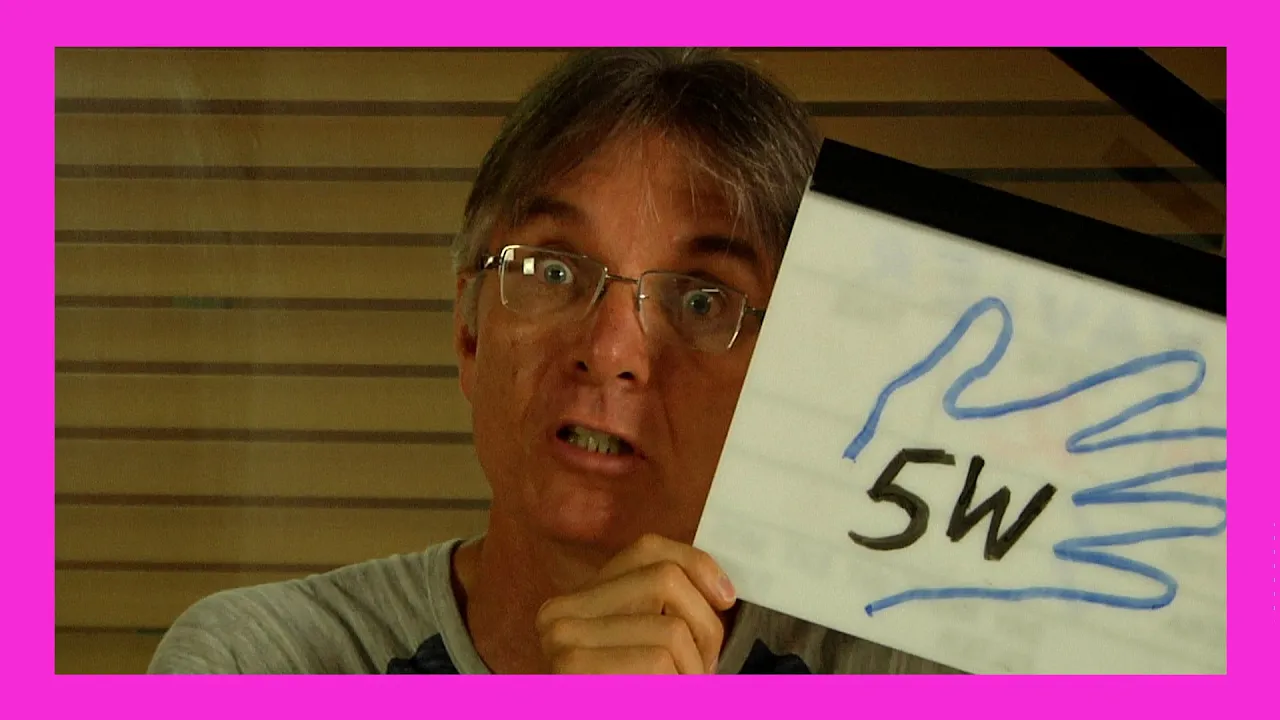
Basic knowledge of journalistic writing, particularly the 'Inverted Pyramid' structure and the 5 Ws (Who, What, Where, When, Why).
Identifying target audiences and understanding how to align organizational goals with public interest.
Mastering the art of media pitching, including how to craft personalized outreach emails that capture a journalist's interest.
Building and segmenting media distribution lists using PR database tools to target the right industry-specific contacts.
Developing crisis communication strategies and learning how to write press releases under high-pressure or sensitive scenarios.
Measuring PR campaign effectiveness through key performance indicators (KPIs) like media placements, share of voice, and referral traffic.
Integrating SEO (Search Engine Optimization) best practices and multimedia elements into digital wire distribution networks.
25.5K views394likes6:32Original Release: 2022-01-21
what is a press release simply put a press release is a compelling and objective yet interesting story about something that happened such as a funding announcement or the opening of a new office when delivering it to journalists it's important to include enough details that the journalist has a complete overview of all the information it should not be commercial simply telling someone or others how great you are or selling something is not going to work that's the room of advertising and not pr a personally should inform people in an objective way about what you want to make public now only if the journalist is interested in the news then they'll write about it in their publications however did you know that only 25 of press releases a journalist receives is getting picked up by them that's why learning how to write one is very important now when do you write a press release when is news actually newsworthy to start you need to have something to write about making an event up isn't going to work and viewing all events is newsworthy also isn't going to work always ask yourself if the event you want to write about is something that the world should know about what is the real benefit of others knowing about this maybe it's interesting but maybe it's also just enough to simply write a small message about on social media some examples of when to write a press for these are a funding announcement or you're expanding into new markets you've produced an industry research or a data report or maybe the event that occurred has a large impact on businesses or society so you have something interesting to say now let's look at how to write a press release about it that will get noticed step one do something who's worthy i said it before i'll say it again make sure that what you want to write about is actually worth your time and that of others have news that a journalist wants to cover and readers will want to read if your news isn't newsworthy no one will spend time writing about it nor reading it step 2 choose your angle before you get to the actual press release writing one of the most important things to start with is choosing the angle that matters for your target audience the angular hook can be tied to societal event that took place and in other words is the perspective your story will take remember that the angle of a press release that will interest the readers of a specialist magazine will be very different than the angle used for a local newspaper and also keep in mind that you're not only targeting potential readers but you're also targeting journalists if you don't do your research and you target the wrong journalist writing a good press release won't get you anywhere to begin with step 3 follow a journalistic press release structure in order to be able to write a winning press release it's also necessary to understand the press release structure this means one title and subtitle grab the attention of the readers it's the first thing people will read and based on that they will make their decision whether they want to read the whole thing or not so try to keep it short this way it's easier to read it looks more appealing and as long as it's not more than 110 characters people might even tweet about it make it fresh newsworthy interesting as the whole decision-making process takes about three seconds number two intro or lead the second most important part of writing a press for these is to craft the lead that's exactly where the impatient ones will find the answers to the most important questions including the five w's what the news is about who's involved when and where it happened and why it's important aim to answer the five w's briefly but hold to your reader's attention number three the body or copy of your press release you've written a great headline a sub-headline and delete now it's time to write the body here are some tips write in the third person write in a non-commercial journalistic way format for skimmers meaning short paragraphs and flat free use stats figures and quotes if you're basing your press release on external sources make sure you cite them that way you will become more credible in the eyes of your audience it's essential to make sure that whatever you're linking to is legitimate and not fake news so prove your credibility step four essentials because beauty is in the details give your readers the essential details and by details i mean the basic information that is necessary to figure out why this press release is newsworthy you don't want to write a novel just give a brief explanation and get the reporters excited about something they're right about it's always good to include relevant quotes to show the perspective of others they bring another perspective to the text and make it more diverse votes can easily make your text more interesting and more readable and those should be good enough reasons to include them now additional data can also be good to include it to your press release if there is any if so this is the time to do it without actually overdoing it remember sometimes less is more and that's exactly the case when it comes to writing a good press release then step 5 contact details always introduce yourself don't forget to add contact details so the journalists will know how to reach you or anyone else worth contacting now the second one the boilerplate is the perfect way to end the press release if you've caught the journalist's attention and they kept on reading until the last part of your press release most likely they want to know more about you the boilerplate is exactly the place where they'll find any additional info about your company or about you so make it fun make it interesting it works as your business card and you want to present yourself as well and then step 6 the final step check check double check triple check check again is it newsworthy is the heading catchy is it objective not promotional and are there no spelling mistakes if your answer to all those questions is yes then you have a great chance that your press release will go viral just remember to send it to the right journalists and preferably at the right time curious how make sure to check the next video
Up Next

36:40
Social Listening and Online Reputation Management Explained
@brand24
30.2K views•2020-10-15

12:54
Triumph of Orthodoxy Icon: Byzantine Art & History Explained
@BenCallan
2.1K views•2024-08-06

9:49
FastAPI vs Flask vs Django: Choosing the Right Python Web Framework
@TechWithTim
302.5K views•2024-05-26

1:42
Game of Thrones Opening Credits: A Cinematic Analysis
@gameofthrones
46.3M views•2011-04-18
Related Study Plans & Knowledge Roadmaps
Structured learning paths in General & Interdisciplinary Studies
general-studies
Elevator Engineering: History, Physics & Cities
01From Hoists to Safety Brakes: The Dawn of Vertical Lift
02Hydraulic vs. Traction: The Engineering Physics of Elevators
03Modern Speed, Safety, and Algorithms
+ 2 more learning modules
12h5 modules
Explore Roadmap
general-studies
Rubber: Material Science, History & Geopolitics
01Origins of Natural Rubber & Mesoamerican History
02The Chemistry of Natural Rubber & Vulcanization
03The Geopolitics of the Rubber Boom & Colonization
+ 2 more learning modules
12h5 modules
Explore Roadmap
general-studies
Containerization: Evolution, Logistics & Trade
01Ancient Trade & Bulk Cargo: Amphorae to Barrels
02The Industrial Revolution & Cardboard Packaging
03The Containerization Revolution: Malcom McLean
+ 2 more learning modules
12h5 modules
Explore Roadmap
general-studies
Textile Tech: Evolution, Labor & Global Impact
01Pre-Industrial Textiles: Handloom & Cottage Industry
02Mechanization: The Spinning Jenny to the Power Loom
03The Factory System & Global Labor Transformation
+ 2 more learning modules
10h5 modules
Explore Roadmap