
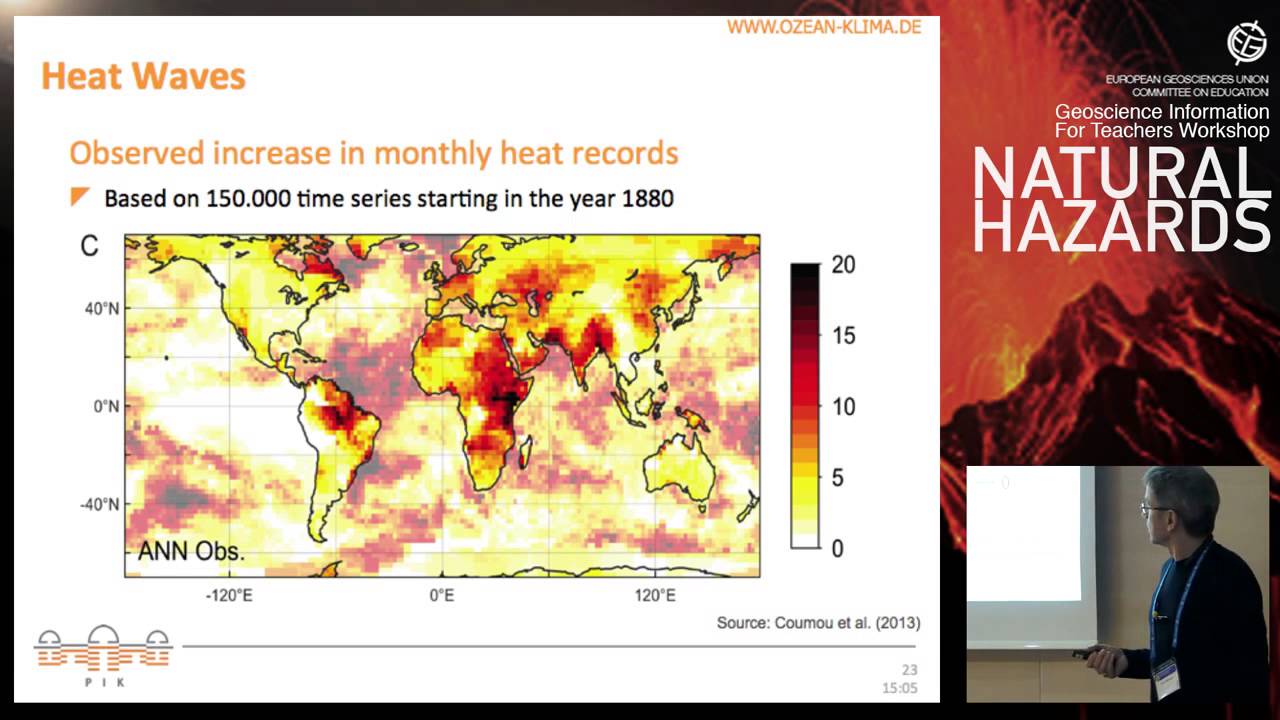



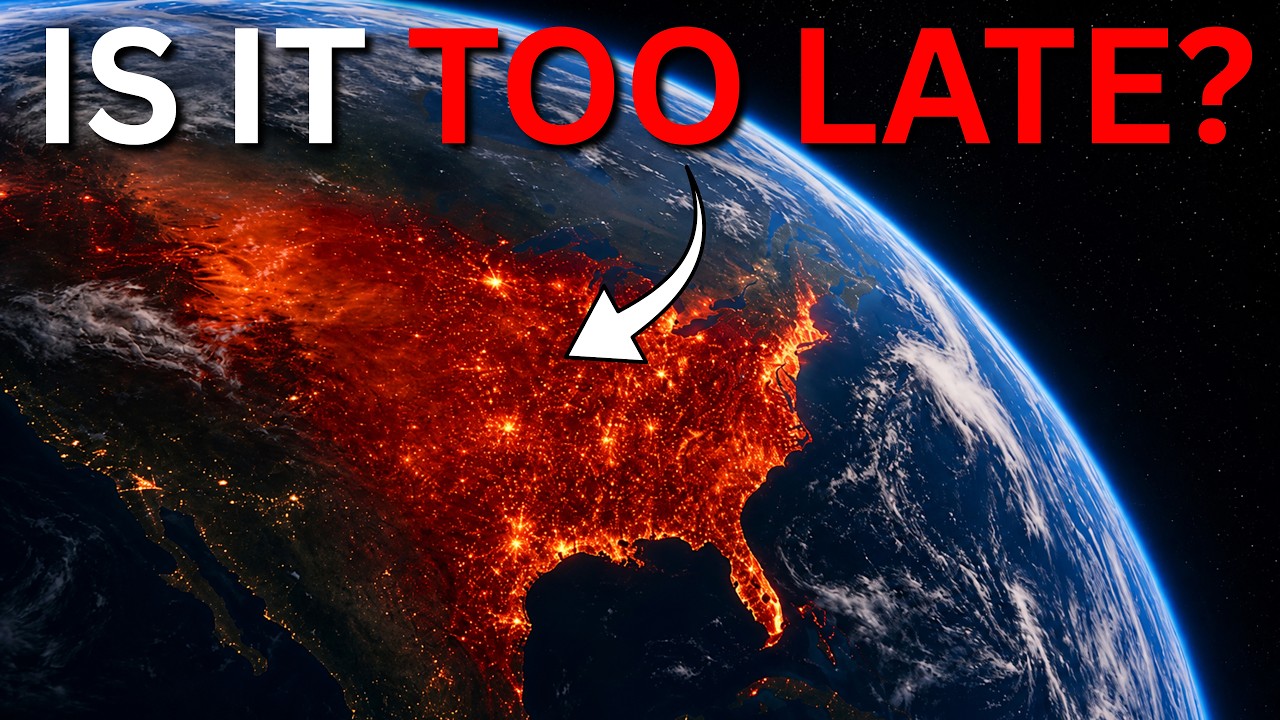














Heat waves caused by high-pressure systems that trap hot air from North Africa can severely stress power grids by increasing cooling demand and reducing nuclear plant efficiency, threaten human health through extreme daytime temperatures and lack of nighttime cooling relief, and damage agricultural crops during critical growth periods.
Heatwave in Western Europe: Grid, Health, and Crop Impacts
Added:Basic understanding of the greenhouse effect and how global warming increases the frequency and intensity of extreme weather events like heatwaves.
Fundamentals of electrical grid infrastructure, including how power is generated, transmitted, and the concept of 'peak demand' during high temperatures.
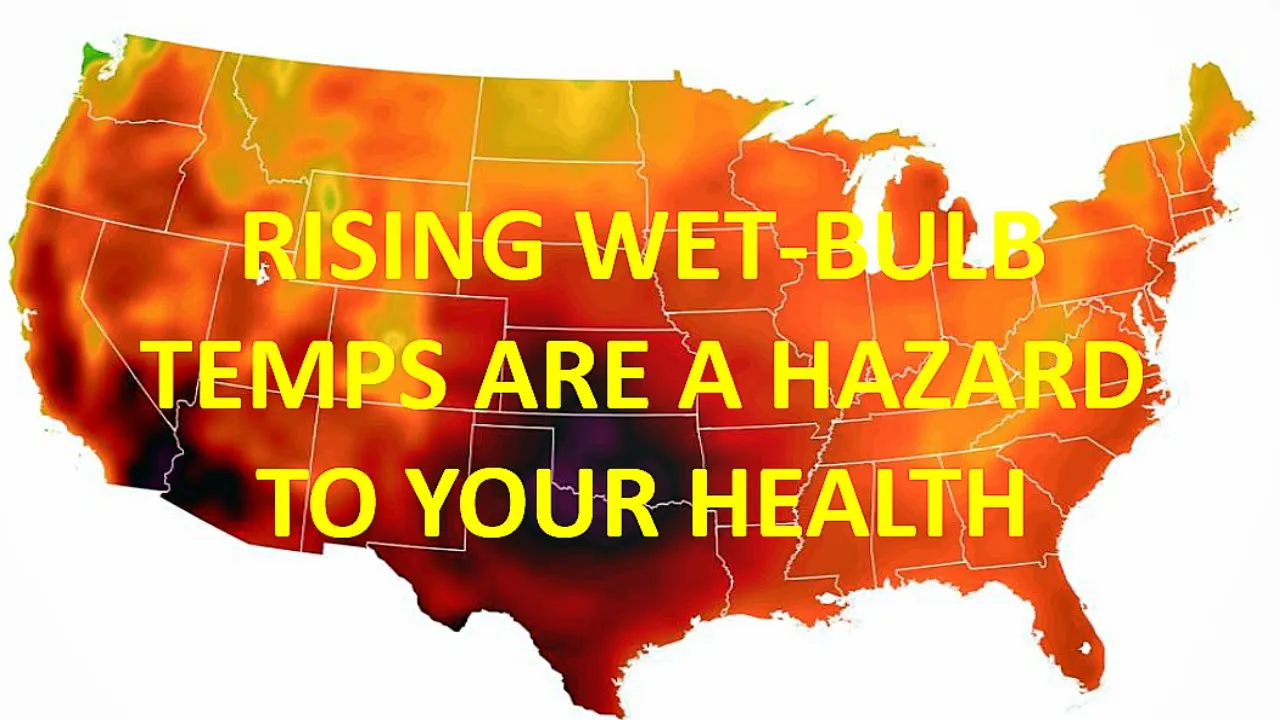
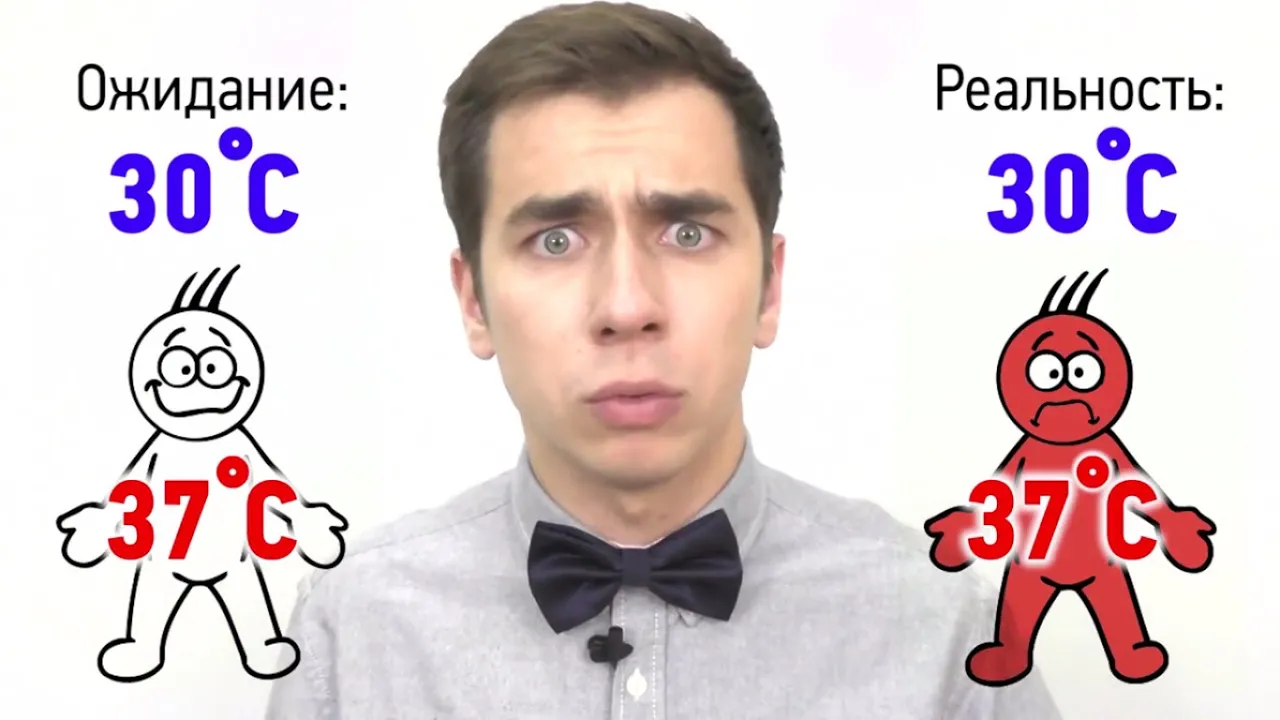
The basics of human thermoregulation, including the physiological effects of heat stress and the concept of wet-bulb temperature.
An introductory understanding of agricultural cycles, crop water requirements, and the impact of soil moisture deficits on crop yields.
Strategies for climate-resilient agricultural practices, including the development of drought-resistant crop varieties and advanced irrigation management.
Grid modernization techniques, such as integrating renewable energy sources, decentralized microgrids, and smart grid technologies to withstand peak demand shocks.
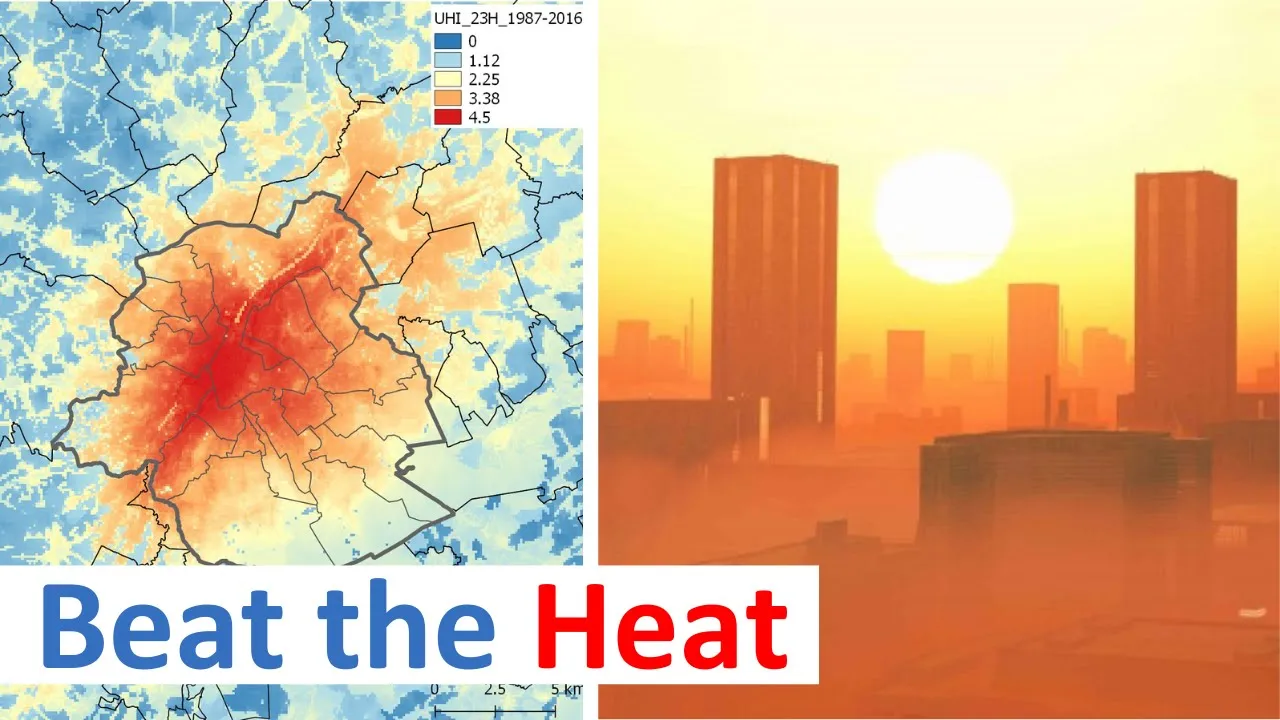
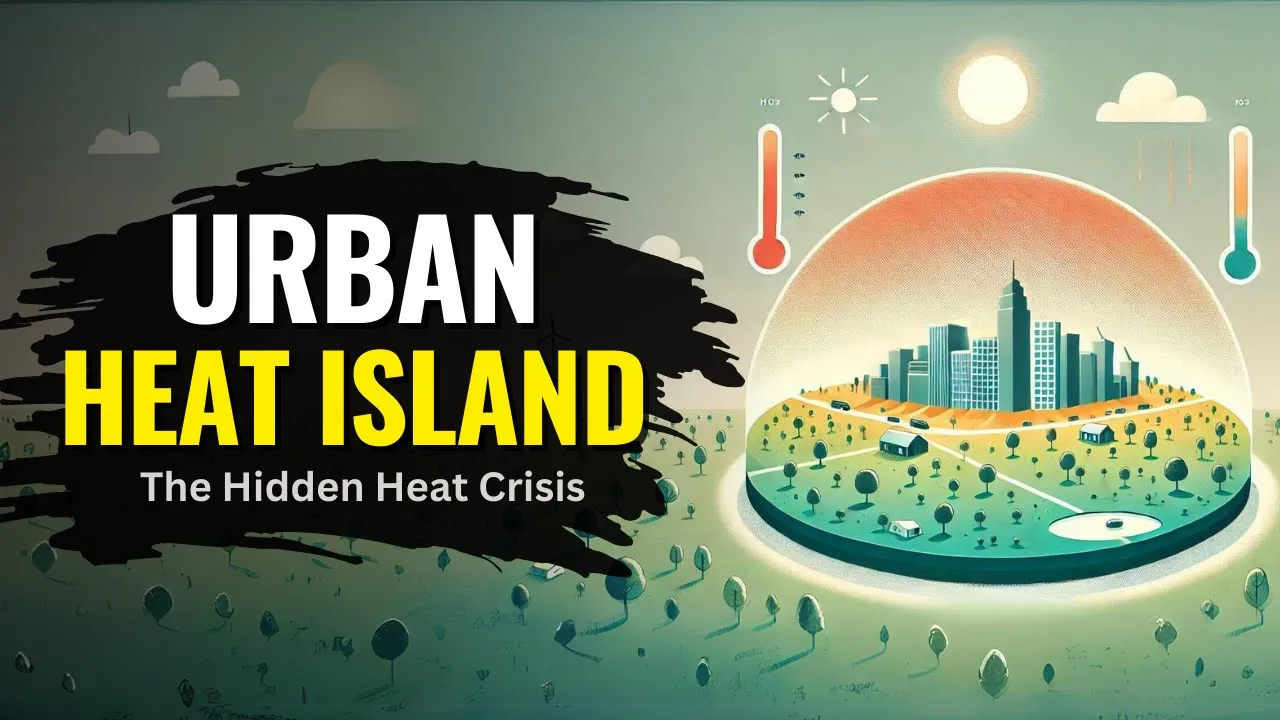
Urban planning and design principles to mitigate the 'urban heat island' effect, such as green roofs, urban forestry, and cool pavements.
Policy frameworks and public health interventions, such as early-warning systems and municipal heat action plans, to protect vulnerable populations during climate crises.
38.5K views183likes2:59Original Release: 2025-06-30
Temperatures across Western Europe are expected to be ten degrees above the norm in coming days. The heatwave has been triggered by a blast of hot air from North Africa. It's expected to stress power systems and has triggered health alerts. Joining me now is Joe WERTZ, Bloomberg's weather and climate reporter. Joe, thanks for joining us bright and early around the studio, around the desk.
What can we expect that it's going to be scorching, but there's going to be impacts for that kind of on a human personal level, but also on a on a company level and for the energy grid itself. Yeah, that's right.
So it is it's going to be super hot. It's already been super hot.
Look, I mean, the this get this high pressure system in its we don't only have kind of a change of of the winds that normally blow westerly that are now blowing up from the south that we bring in in this hot blast of air from from North Africa that you mentioned. Also the high pressure is really clearing out all the clouds. So we've just got the sun just just just baking everything. So, yeah, stress in the energy grids.
We've got operators in France, you know, that have have warned that the rivers there might be getting warm, that it's the same rivers that they rely on for cooling the nuclear plants there. So energy grid stress from that, plus increased cooling demand. And this thing is just sitting over Europe and just just just baking in it. How long is this expected to last and what is the impact going to be on agriculture?
Yeah, we've already seen some impact from agriculture and farming.
It's kind of a crucial time for some farmers in a lot of parts.
You know, we should see it here for the next couple of days.
Really, France is getting right in the bull's eye of this this this this heat dome effect. Temperatures there well north of 40 degrees and some of the central areas. And, you know, it's you mentioned impact on human health, which is a big deal. We've got, you know, heat health alerts, basically covering parts of the UK, big, big areas of Spain, nearly all of France. And, you know, the temperatures are going to be hot during the day, but they're also not going to cool off in a lot of these areas at night. That's come, you know, makes for uncomfortable sleeping conditions for a lot of folks.
But that also doesn't give folks, you know, the relief, the cooling relief that you typically get at night, which is a major, you know, health risk for especially vulnerable people, kids or older folks.
Yeah. Or folks with medical conditions.
We're talking some in some areas of nighttime temperatures of 25, 25 degrees. Absolutely.
Even warmer in some areas, too. So just no relief at night from this.
You know, luckily we've got a lower pressure system coming in that might it should bring in a little stormy or weather some more clouds.
That should also clear out that high pressure and drop temperatures a little bit. But we got a couple more days of this in store.
Up Next
69:59
Urban Heat Islands and Environmental Justice: A Panel Discussion
@ceejh3973
178 views•2021-08-27

15:54
Life in Biosphere 2: Sustainable Ecosystems & Human Survival
@TED
334.9K views•2009-06-16
14:30
Microplastics Everywhere: How Plastic Impacts Our Lives
@TEDx
100.9K views•2018-05-08
10:28
Ice Stupa Artificial Glaciers: Solving Ladakh's Water Crisis
@SonamWangchuk66
3.2M views•2015-05-03
Related Study Plans & Knowledge Roadmaps
Structured learning paths in Environmental Science
environmental-science
Ocean Noise: Cetacean Impacts & Mitigation
01Fundamentals of Underwater Acoustics
02Marine Mammal Bioacoustics
03Anthropogenic Noise: Shipping & Seismic Surveying
+ 2 more learning modules
16h5 modules
Explore Roadmap
environmental-science
Road Ecology: Corridors, Overpasses & Fencing
01Foundations of Habitat Fragmentation and Carnivore Ecology
02The Road Barrier: Ecological Impacts of Transport Infrastructure
03Principles of Ecological Corridors and Connectivity Mapping
+ 3 more learning modules
14h6 modules
Explore Roadmap
environmental-science
Ocean Acidification: Kelp Buffering & Shellfish
01Fundamentals of Ocean Chemistry & pH
02Chemical Pathways of Coastal Acidification
03Bivalve Physiology & Calcification Under Stress
+ 2 more learning modules
18h5 modules
Explore Roadmap
environmental-science
Ice Stupas: Glacial Retreat & Water Security
01Foundations of Glaciology & Mountain Hydrology
02Climate Change and Glacial Retreat Dynamics
03The Science of Ice Stupas & Artificial Glaciers
+ 2 more learning modules
14h5 modules
Explore Roadmap