







![Where to start with Ancient Greek literature according to an Ancient Historian [cc]](https://i.ytimg.com/vi_webp/0eF1_lppHug/maxresdefault.webp)






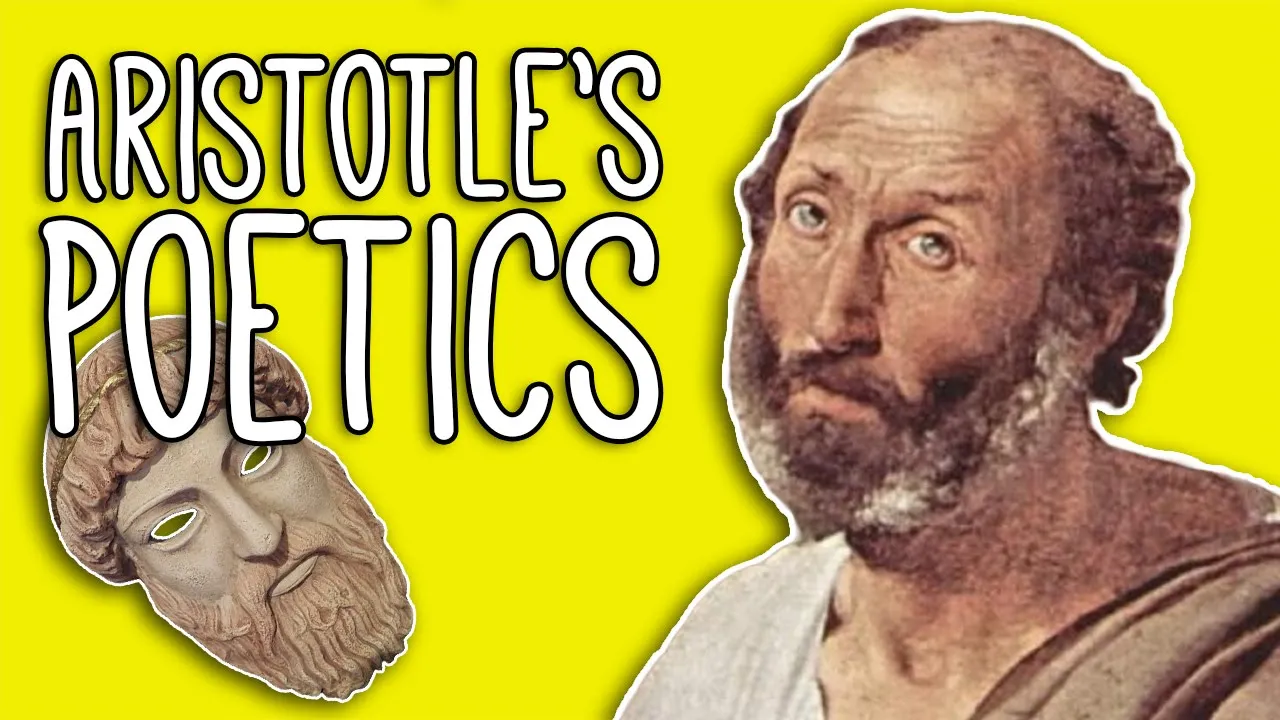








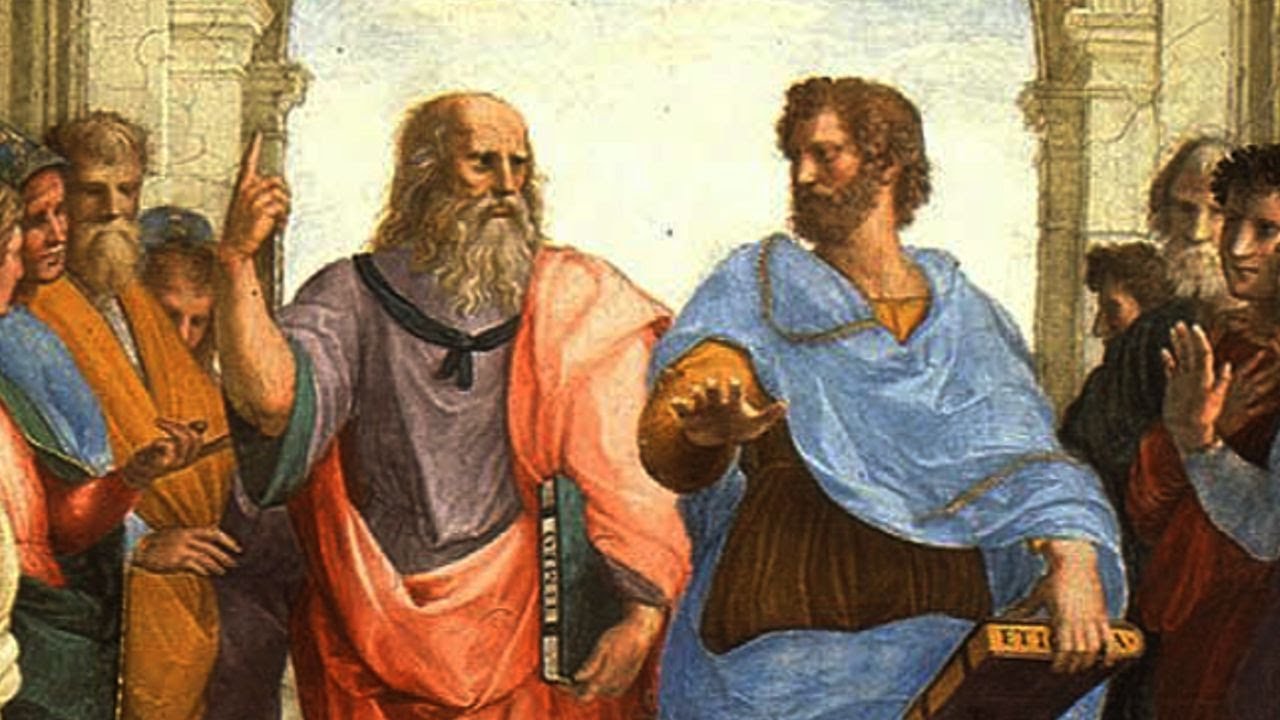
Mimesis, meaning imitation or artistic representation, was central to both Plato and Aristotle's aesthetics but with fundamentally different implications: Plato viewed mimesis negatively as an 'imitation of an imitation' that distances art from truth, caring only about whether the content being imitated is true; whereas Aristotle embraced mimesis positively as a legitimate form of artistic expression that can be evaluated by how well it imitates human experience, emotions, and life itself, regardless of whether the content is factually accurate, thereby establishing that technical execution and emotional resonance matter more than truth-value in determining artistic merit.
Mimesis in Aristotle's Poetics | Philosophy of Art (60 chars)
Added:Plato's Theory of Forms and his critique of art as a deceptive imitation 'thrice removed' from ultimate reality.
The basic translation and etymology of the Greek term 'mimesis' (imitation, representation, or mimicry).
A general understanding of the intellectual relationship and philosophical divergence between Plato and his student, Aristotle.
The historical context of ancient Greek drama, particularly the roles of tragedy and epic poetry in Athenian society.
Aristotle's concept of 'Catharsis' (emotional purgation) and how it functions as the psychological goal of mimetic tragedy.
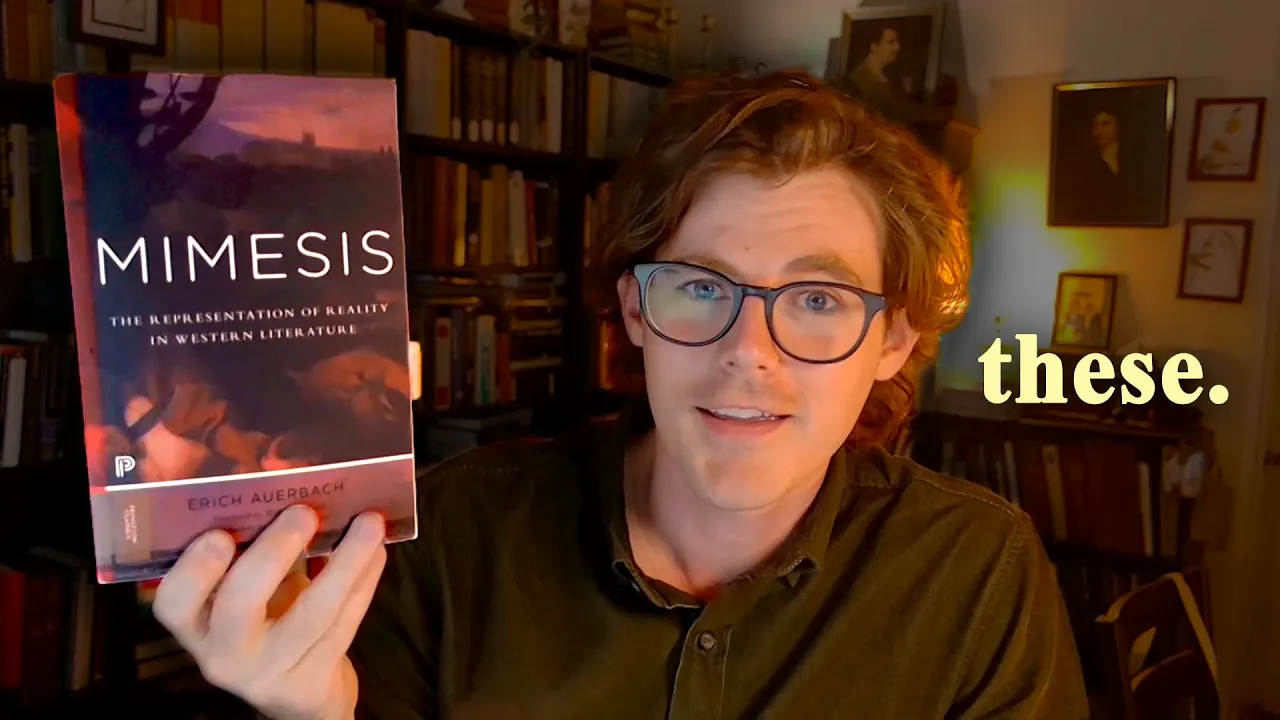
Erich Auerbach's seminal work 'Mimesis: The Representation of Reality in Western Literature' to trace how representation evolved from Homer to Virginia Woolf.
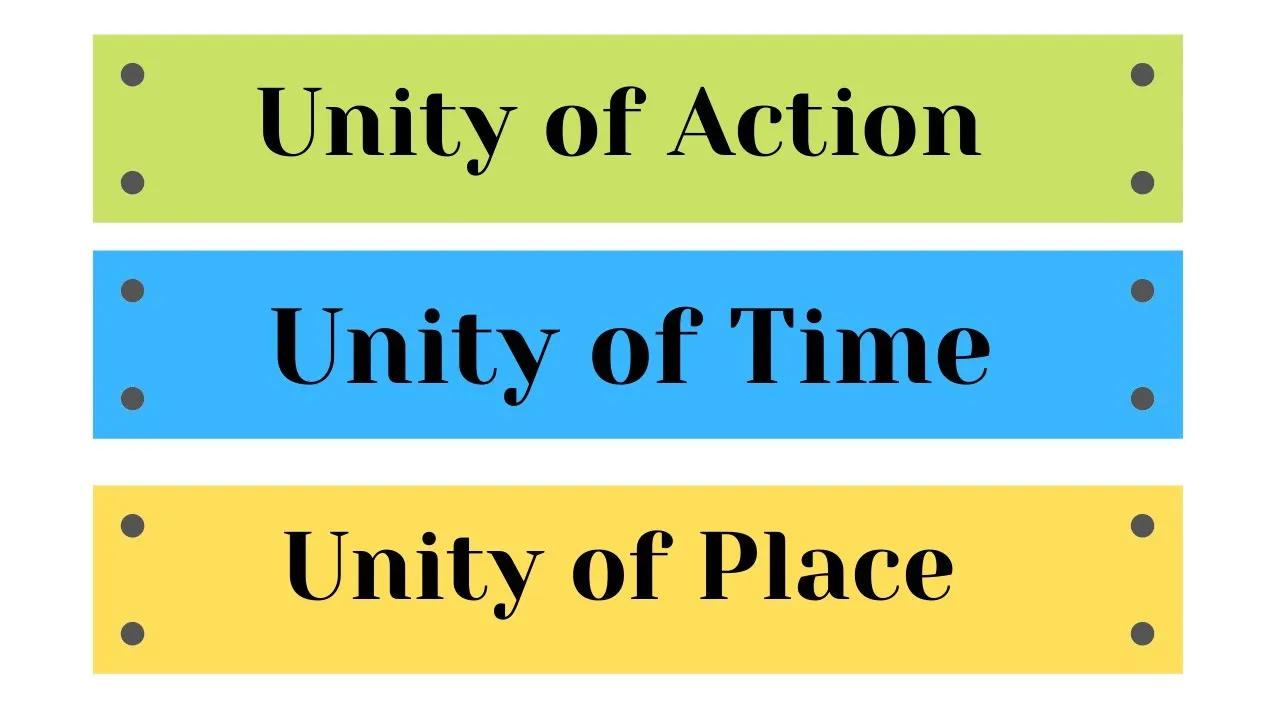
The 'Three Unities' of drama (action, place, time) and their influence on Renaissance and Neoclassical theatre.
The shift from mimetic art to expressive and abstract art movements in the 19th and 20th centuries.
Applying theories of representation to modern media, digital simulations, and Jean Baudrillard's concept of simulacra.
57.6K views1.1Klikes6:29Original Release: 2020-07-13
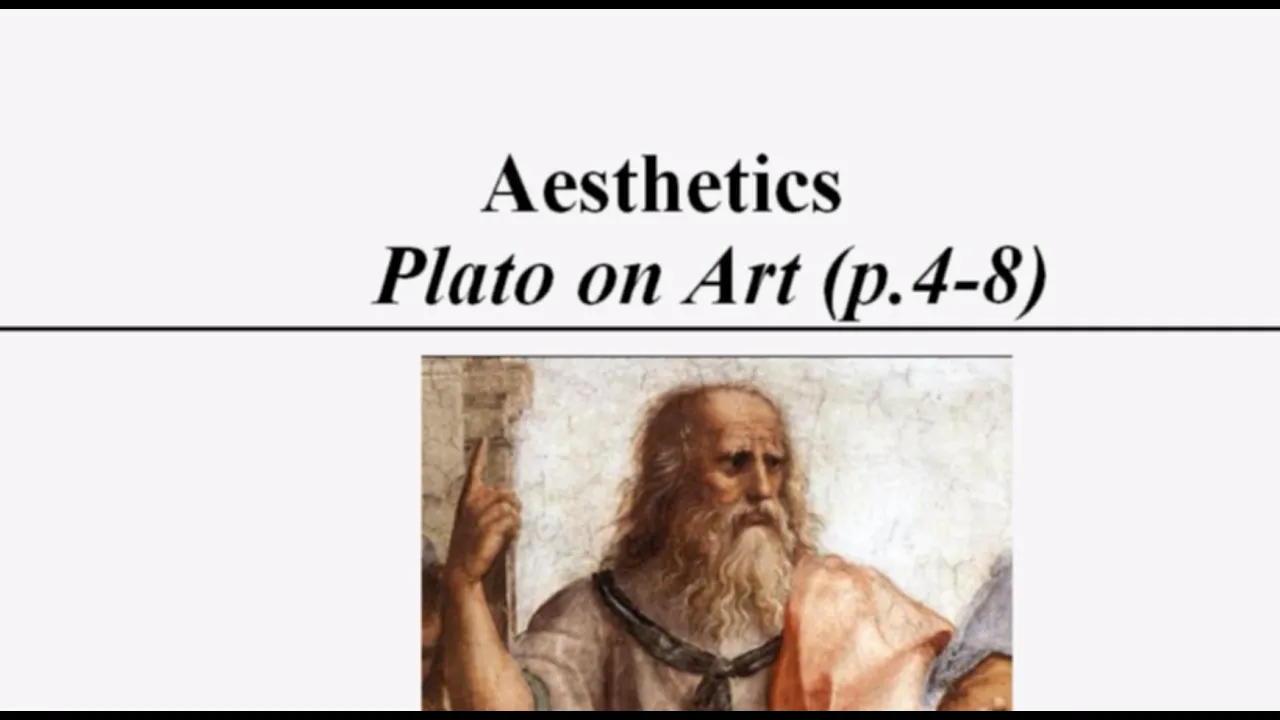
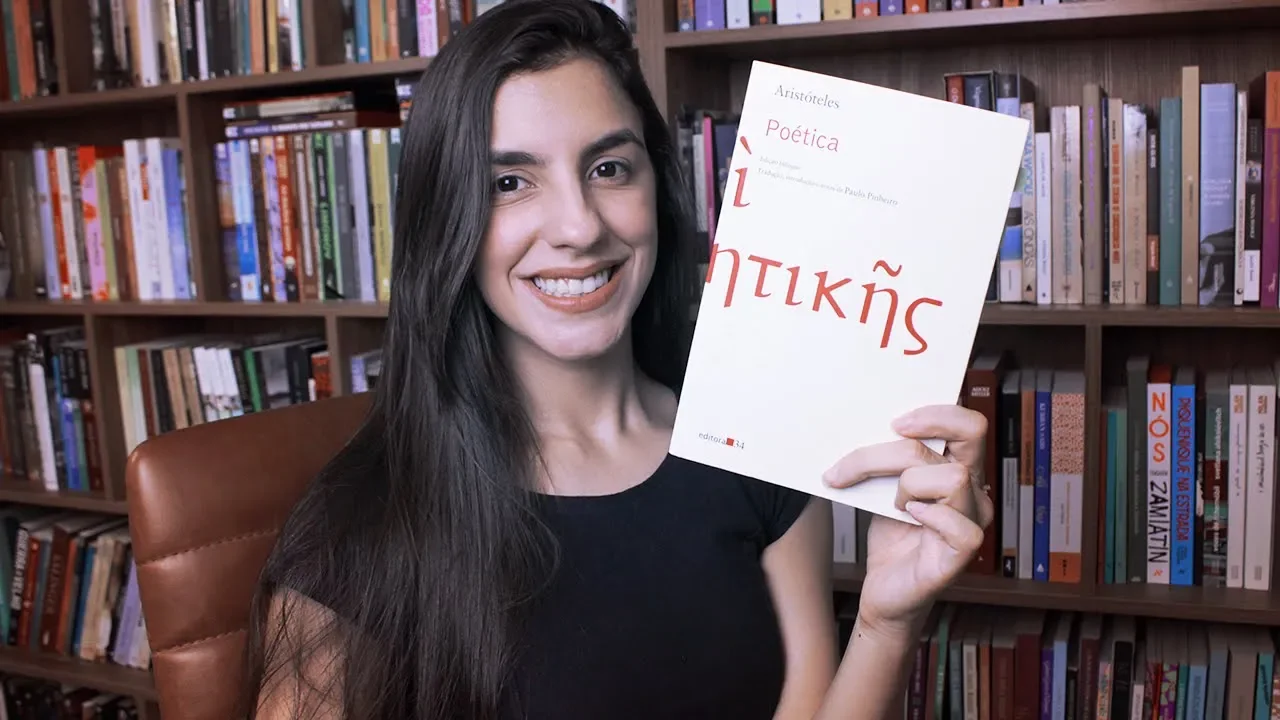
welcome back to carne visa or today we're going to be continuing our series on Aristotle's Poetics looking at what is mimesis now mimesis is an ancient Greek term used to mean imitation resemblance or artistic representation the term is important to the aesthetics of both Aristotle and Plato as one of the purposes of art was to mimic the real world now for Plato mimesis is a central concept both to his theory of forms as well as his conception of art and artistic representation for Plato mimesis was a negatively coded term meaning an inadequate imitation in the way that the real world nearly imitates the pure forms poetry merely imitates life and therefore is further from the truth as we discussed in the first video despite Aristophanes critique of Socrates and clouds he and Plato actually did share kind of this negative coating of mimesis and this negative sense of mimicry and imitation and the art of the theater or the art of literature mimesis to Plato necessarily can only be a weaker version of what it imitates so an imitation of an imitation is necessarily further from the truth in this way an imitation is only valuable if it is in fact mimicking something that is true or real and the closer to that truth the more valuable the imitation therefore Plato doesn't care about how well you craft a story all he cares about is what the initial story is and whether or not that story is true Plato had no patience for rhetoric ich ins and Sophists who were very good at convincing people of things but didn't have any idea of what was actually true or didn't care about the truth of the fact of the matter therefore for Plato the skill of convincing people of something which he viewed as the skill of creating literature in the theater was unimportant because it was completely separate from what really mattered which was the truth of the content that they were imitating for Aristotle on the other hand mimesis is much less naked we coated it takes on the meaning of artistic representation Aristotle also acknowledges a wider range of meetings beyond simple visual or auditory similarity as we talked about in the last video Plato's ideas of artistic beauty really were only about kind of paintings or sculptures and story didn't really fit in there but for Aristotle music wasn't simply a mimicry of natural sounds or these things but rather it could be mimetic of emotions that one feels when listening and the same could be said of the stories or portrayal and drama Aristotle also makes a distinction between different types of mimesis representing things as they are as they're believed to be and as they should be as we will see with comedy and tragedy he also distinguishes between representing people as better than they are and as worse than they are so Aristotle has kind of a much richer and more positively coded notion of mimesis than Plato did now that mimesis wasn't very important in central to Plato's theories simply that he uses it more as a diminutive term insulting things that are mimetic rather than kind of this expansive idea of artistic representation additionally with respect to the value of mimesis Aristotle distinguishes between characteristics which make a piece of work valuable independently of its connection to truth remember Plato only cared about our mimesis insofar as it was imitating the right thing however Aristotle says we can talk about something in terms of mimesis in terms of how it imitates and the way that it imitates and it can be good or better or more beautiful based on how it imitates something if a play there's a good job of imitating the motions that we feel and life we can talk about it as being good even if it's not a direct perfect representation of what the world is Aristotle's Poetics represent exactly this distinction regardless of the truth of the content or values presented in the story what makes the story a well-written story now Aristotle does go a little bit into kind of and the ideas that are present he does talk about morals he does talk about values and virtues within his poetics but he takes them as secondary to plot and character which is the key difference between him and Plato Plato says what matters is the content that you're imitating Aristotle says to make a good play you have to do it well and that matters more than what you're imitating or what you're talking about now later conception of Arts have generally proved disproven that the sole purpose of art is mimesis at least as a purely visual or auditory sense through abstract painting and sculpture one could argue that abstract painting and sculpture may be imitations of emotions in certain way and entirely red painting may be an imitation of an anger or something like that an entirely blue painting might be sadness blah blah blah but the idea that they are purely mimetic in the sense of representing something that is out there exactly in the world a Jackson Pollock doesn't really do that in the very strict literal sense of drawing someone's face or paintings on one's picture however a great deal of art does remain mimetic and serves the purpose of mimicking or representing reality as Aristotle argued in many theoreticians of aesthetics think now there are ways that we can mimic emotions or give rise to emotions and therefore have art which is not directly mimicking the facts of the world but giving rise to those emotions and therefore mimicking emotional states next up we're going to start looking at some of Aristotle's distinctions between different kinds of poetry and different kinds of art we'll look at Aristotle's mediums of art here's 3 of these distinctions the next three videos we'll delve into those three distinctions watch this video and more you're at Carnegie's org and stay skeptical everybody
Up Next

9:59
Kant's Aesthetics: The Beautiful, Sublime, Art, and Genius Explained
@sethtichenor
33.5K views•2010-10-04

164:01
John of Damascus on Holy Images: A Theological Defense
@BannedBooks
139 views•2026-04-25
6:07
Gottlob Frege: Founder of Analytic Philosophy and Modern Logic
@CarneadesOfCyrene
15.3K views•2016-12-08
4:57
The Myth of Sisyphus: A Greek Legend of Eternal Punishment
@TEDEd
8.6M views•2018-11-13
Related Study Plans & Knowledge Roadmaps
Structured learning paths in Philosophy
philosophy
Frankfurt School: Critical Theory & Culture
01Foundations of the Frankfurt School and Critical Theory
02Horkheimer & Adorno: The Critique of Instrumental Reason
03The Culture Industry and Mass Deception
+ 2 more learning modules
12h5 modules
Explore Roadmap
philosophy
Philosophy of Language: From Frege to Austin
01The Linguistic Turn: An Introduction to Language in Philosophy
02Gottlob Frege: Sense and Reference
03Early Wittgenstein: The Picture Theory of Meaning
+ 3 more learning modules
15h6 modules
Explore Roadmap
philosophy
Feminist Epistemology: Standpoint & Injustice
01Introduction to Epistemology and Feminist Critiques
02Sandra Harding and Standpoint Theory
03Donna Haraway and Situated Knowledges
+ 2 more learning modules
12h5 modules
Explore Roadmap
philosophy
Environmental Philosophy: Ethics & Deep Ecology
01Foundations of Environmental Ethics & Anthropocentrism
02Biocentric Individualism and Animal Liberation
03Ecocentric Holism and Deep Ecology
+ 1 more learning modules
10h4 modules
Explore Roadmap