
![Lógica clássica [1] - Introdução (2/3)](https://i.ytimg.com/vi_webp/78SLaYiMrzY/maxresdefault.webp)
















![[취미는 과학/ 확장판] 14화 수학, 1+1은 정말 2인가? (feat. 김상현 교수)](https://i.ytimg.com/vi_webp/Qpi5Q6VgssI/maxresdefault.webp)


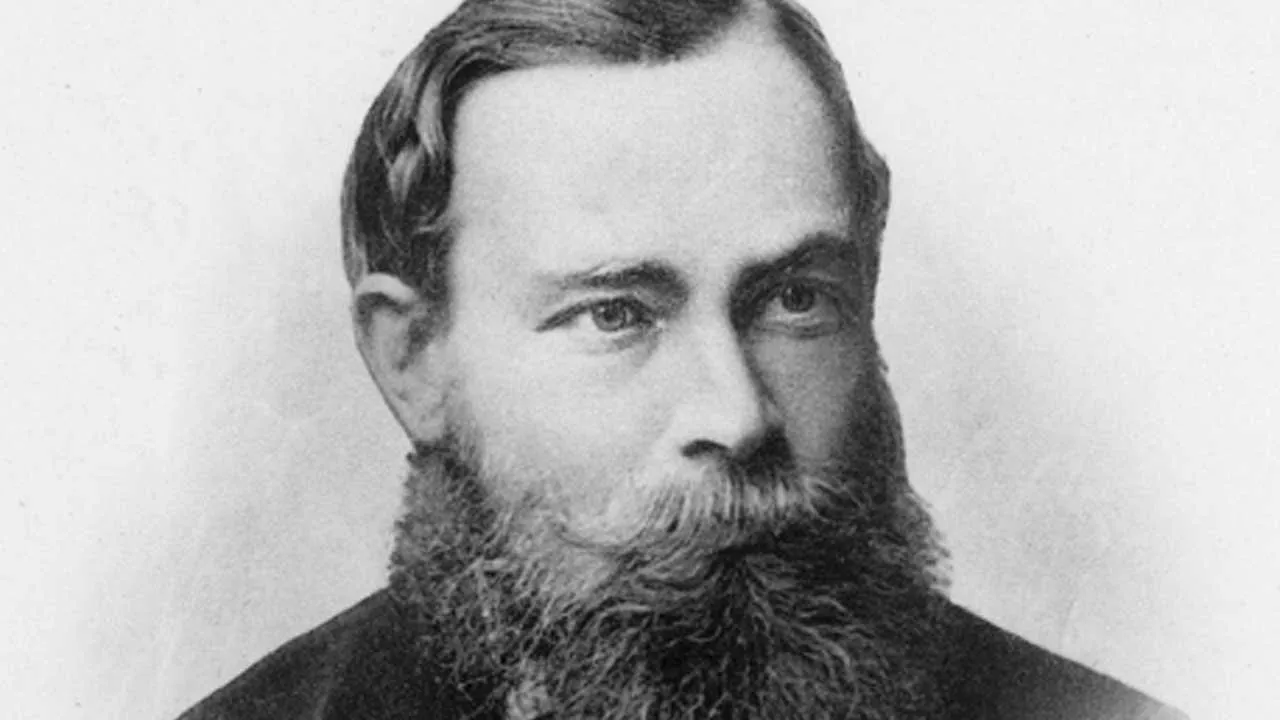
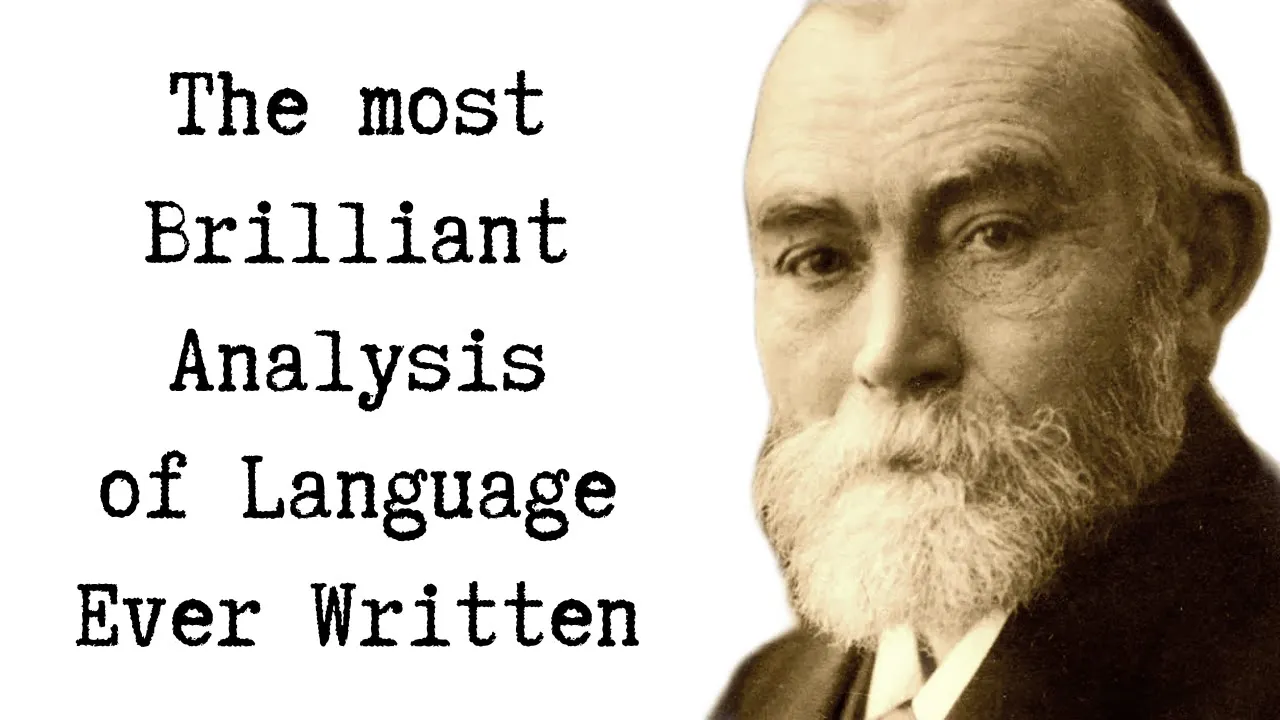
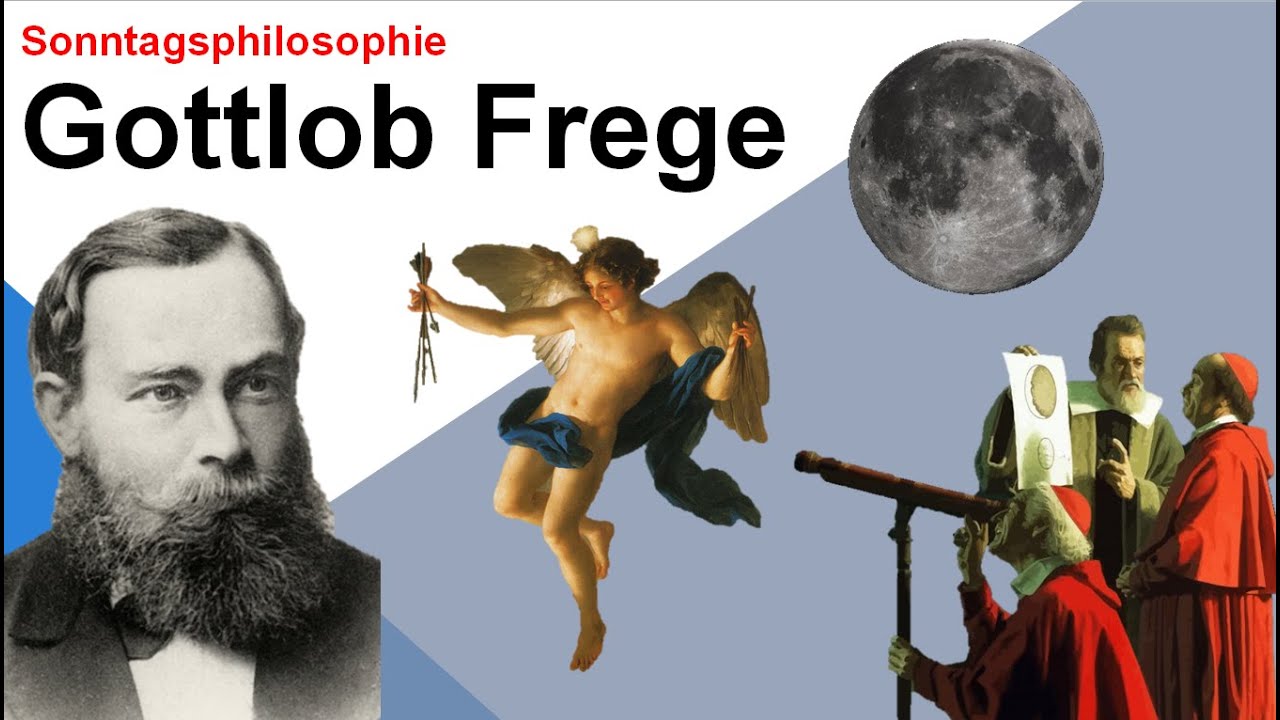
Gottlob Frege (1848-1925) was a German mathematician and philosopher who invented modern logic (propositional calculus/quantification logic), pioneered the linguistic turn in philosophy, and is considered one of the founders of analytic philosophy; his work on sense and reference distinguished between how words are presented (sense) and what they refer to (reference), while his logicism project aimed to reduce mathematics to logical statements, though it failed due to Russell's paradox discovered in his Basic Law V.
Gottlob Frege: Founder of Analytic Philosophy and Modern Logic
Added:An understanding of classical Aristotelian term logic (syllogisms) to appreciate the revolutionary nature of Frege's predicate calculus.
Immanuel Kant's epistemological distinctions, specifically the concepts of analytic vs. synthetic and a priori vs. a posteriori judgments.
The basic concept of 'psychologism' in philosophy and mathematics, which is the view that laws of logic are psychological laws of thought.
Introductory familiarity with the philosophy of mathematics, particularly the question of what numbers actually are.
Russell's Paradox and how it exposed a critical contradiction in Frege's set-theoretical foundations (Basic Law V).
A deep-dive into Frege's seminal paper 'On Sense and Reference' (Sinn und Bedeutung) and its foundational role in modern philosophy of language.
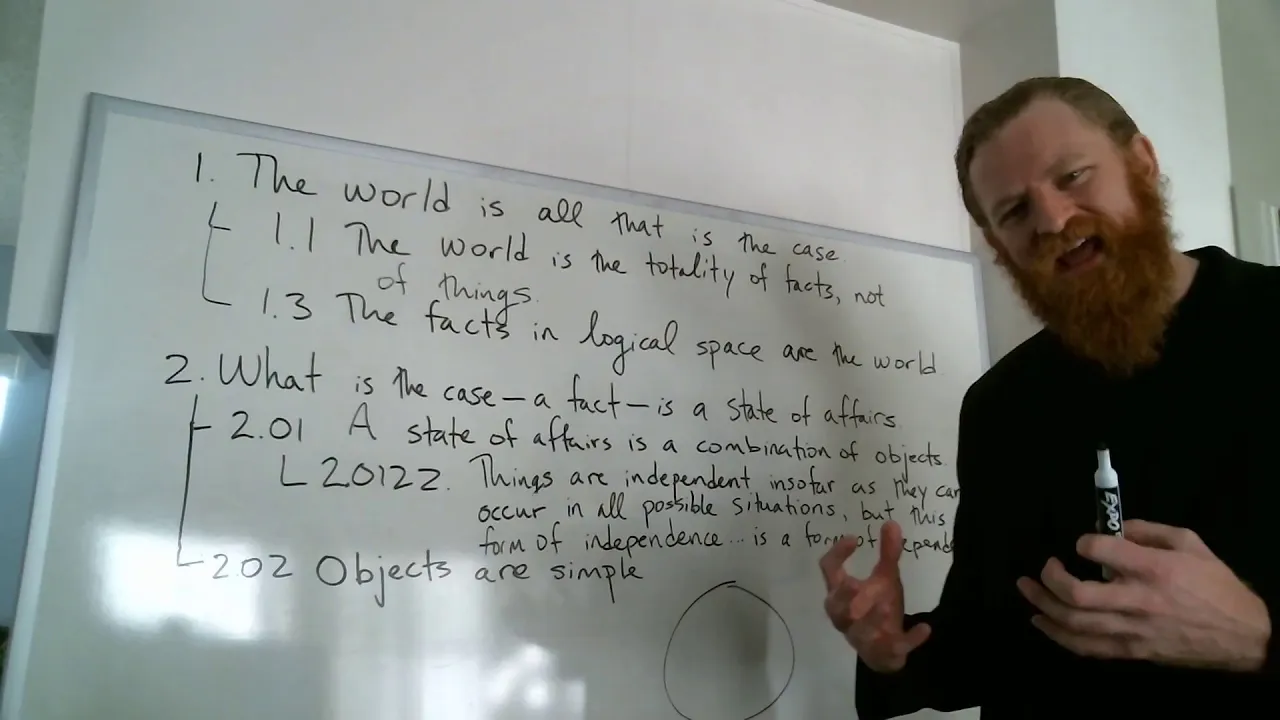
The development of Logical Atomism and early analytic philosophy through the works of Bertrand Russell and Ludwig Wittgenstein.
Kurt Gödel's Incompleteness Theorems, which fundamentally challenged the logicist ambition to reduce all of mathematics to a formal logical system.
The application of Fregean compositionality in modern formal semantics and computer science.
15.3K views290likes6:07Original Release: 2016-12-08
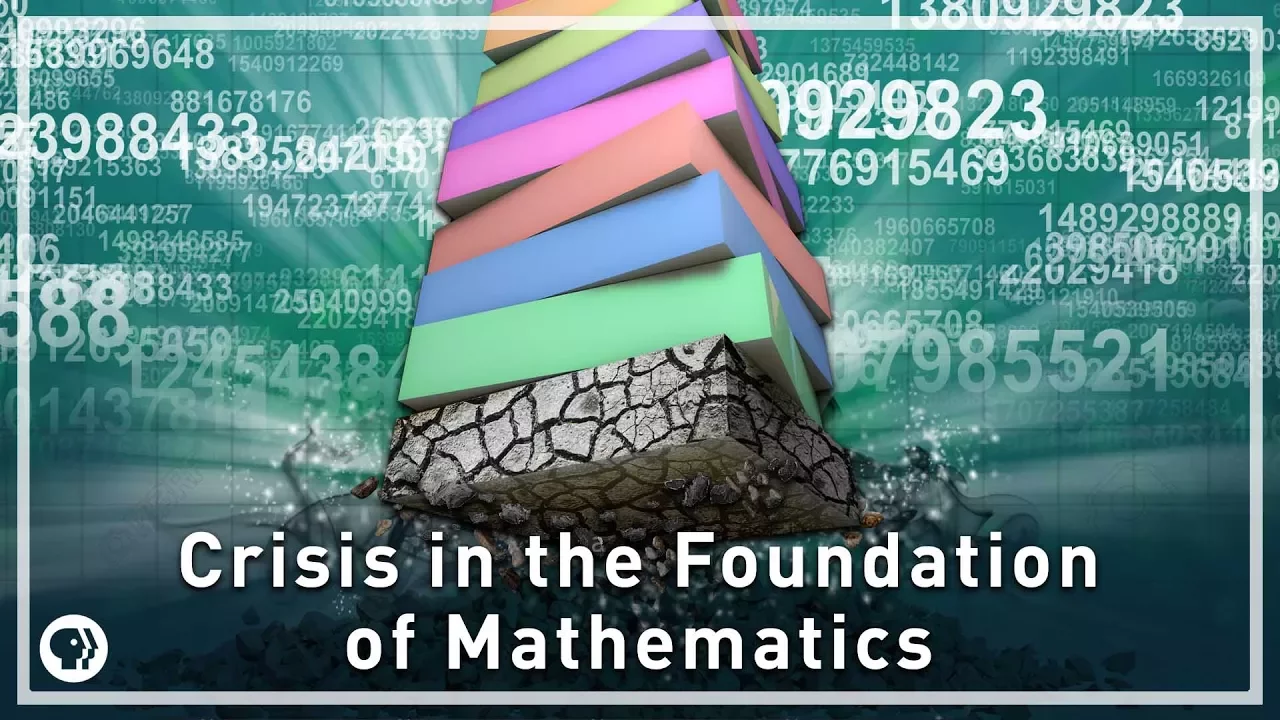
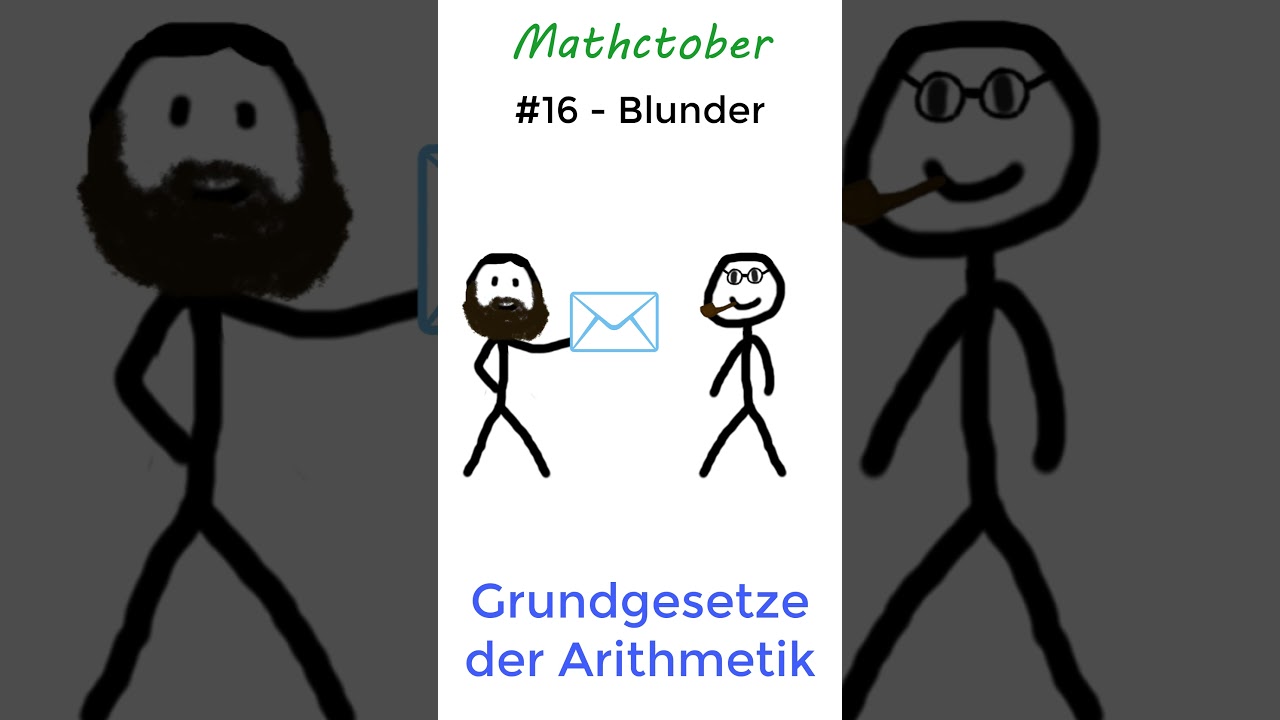
welcome back do Carnegie store today we're going to be continuing our series four weeks of famous philosophers slowly and steadily in this video we're going to be looking at Casa Vega inventor of modern logic champion of logis ISM and founder of analytic philosophy now though he was largely unnoticed in his lifetime frege's work had a profound and lasting impact on 20th century philosophy and he's arguably one of the fathers of analytic philosophy which is the philosophy that we do here on the channel franca wrote one of the three most important logical texts of all time he invented propositional calculus also known as quantification logic which eventually overtook Aristotle's categorical logic is the primary logic used in philosophy he pioneered the so called linguistic turn which led philosophers to examine our commitments in terms of the language that we use he was one of the champions of a position known as logis ism which claimed that math could be reduced to logical statements this video we're going to cover some of the brief highlights of frege's life so frege's life was not as eventful as many of the philosophers we've examined he was born in 1848 in modern-day Mecklenburg humpin and Germany his father was the principal of a girl's high school there he studied in a gymnasium in winds Wismar and after graduating went on to study at the University of Jena and later at the University of gutten again he do this ph.d work in mathematics specifically geometry after graduating he turned to logic his first book outlined his new form of logic which used variables and the rules of a formal language to function which was unique usually we previously had only used kind of formal language and deductive rules in that way in mathematics but he brought it along to logic and he would go on to publish a book which is considered to be one of the three most important texts in logic of all time two works of Aristotle and the person were going to be covering next Bertrand Russell and eventually published three papers comparing two different things one of which is the on sense and reference which is a very well known work of frege's before his death in 1925 now up until this point in history our understanding of formal logic had really been purely Aristotelian or effectively based around Aristotle and his ideas or what we might call today categorical logic this logic took all sentences is having a subject and a predicate and explain several relations between these two things so all X or Y no ixora X or Y and some X are not Y if you're curious check out my series on categorical logic frege's logic took this further by using variables to represent sentences and finding ways we could kind of use these terms of universal or existential quantification to quantify over them and it could handle other relations and quantify over the particulars in those statements so statements like all dogs chase some cats who chase some rats who eat some cheese became easy to represent and we had a clear way of doing that in frege's logic which we didn't have in the previous Aristotelian logic for more on the differences between categorical logic and propositional calculus and/or predicate calculus and the reason that change was so significant watch the 100 days of logic and you'll really see how different categorical logic is from what we use today but also how categorical logic had its influences in the logic we use today now Franco was a staunch advocate of a position known as logis ism which claimed that mathematics could be reduced to logic Fraga famously failed in this project due to one of the axioms in his system which is known as basic rule of five which Russell pointed out to him in a letter just before the book's publication could be used to derive Russell's paradox Frigga attempted to modify the rule but is generally considered to have been unsuccessful however some philosophers still believe that we can represent all of mathematics with the laws of formal logic we just haven't really done it in a clear way yet check out my series on paradoxes for more on Russell's paradox I think it's in the month of paradox now Prager also made great advances in the philosophy of language as I mentioned he was part of the linguistic turn and one of his most famous publications was on sense and reference where he made a distinction between the sense of a word and the reference for word the sense of a word was the way it was presented basically and the reference of the word was the object that it referred to for example the morning star and the evening star are two different senses for the same object there are two different ways that we speak about the planet Venus Freya examined two puzzles of sense and reference in his paper and then Russell went on to examine two more puzzles so for additional info on these puzzles and more check out my series odd for puzzles in the philosophy of language where we outline some of frege's positions as well as some of Russell's positions in the philosophy of language that was gutful of friggin inventor of modern logic champion of logis ISM and founder of analytic philosophy next up we are going to take a look at Bertrand Russell himself watch this video more here at Carnegie stuff or didn't stay skeptical everybody
Up Next

36:39
Queer Theory Explained: History, Language, and Identity in Philosophy
@PhilosophyTube
1.6M views•2019-10-28

164:01
John of Damascus on Holy Images: A Theological Defense
@BannedBooks
139 views•2026-04-25

4:58
Russell's Theory of Definite Descriptions Explained (Philosophy of Language)
@CarneadesOfCyrene
52.5K views•2015-03-21
4:57
The Myth of Sisyphus: A Greek Legend of Eternal Punishment
@TEDEd
8.6M views•2018-11-13
Related Study Plans & Knowledge Roadmaps
Structured learning paths in Philosophy
philosophy
Frankfurt School: Critical Theory & Culture
01Foundations of the Frankfurt School and Critical Theory
02Horkheimer & Adorno: The Critique of Instrumental Reason
03The Culture Industry and Mass Deception
+ 2 more learning modules
12h5 modules
Explore Roadmap
philosophy
Philosophy of Language: From Frege to Austin
01The Linguistic Turn: An Introduction to Language in Philosophy
02Gottlob Frege: Sense and Reference
03Early Wittgenstein: The Picture Theory of Meaning
+ 3 more learning modules
15h6 modules
Explore Roadmap
philosophy
Feminist Epistemology: Standpoint & Injustice
01Introduction to Epistemology and Feminist Critiques
02Sandra Harding and Standpoint Theory
03Donna Haraway and Situated Knowledges
+ 2 more learning modules
12h5 modules
Explore Roadmap
philosophy
Environmental Philosophy: Ethics & Deep Ecology
01Foundations of Environmental Ethics & Anthropocentrism
02Biocentric Individualism and Animal Liberation
03Ecocentric Holism and Deep Ecology
+ 1 more learning modules
10h4 modules
Explore Roadmap