

![How Does 3D Printing Actually Work? The Tech That Builds Objects Layer by Layer [ID1312]](https://i.ytimg.com/vi_webp/oeyzY1LR-vQ/maxresdefault.webp)




![[Aula 5] CURSO IMPRESSÃO 3D para iniciantes com Cura 3D | Infill e Perímetros (Wall, Shell)](https://i.ytimg.com/vi_webp/ySW2IzZAbo4/maxresdefault.webp)

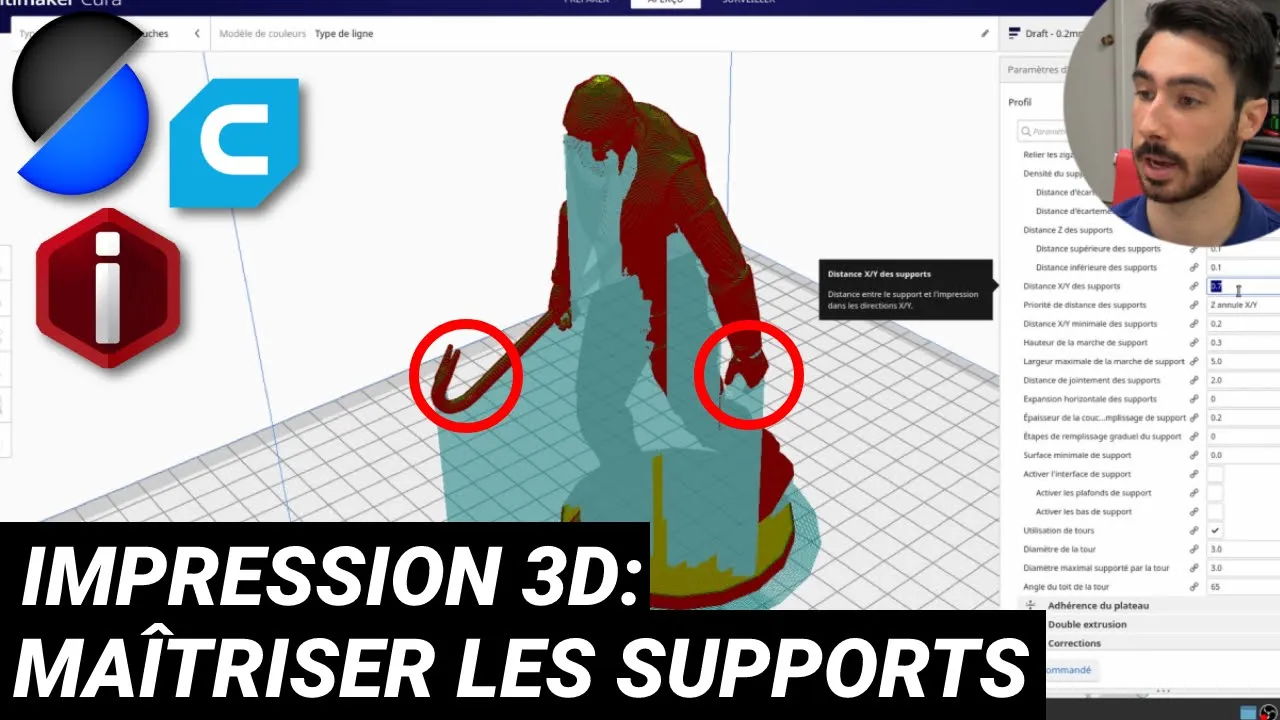

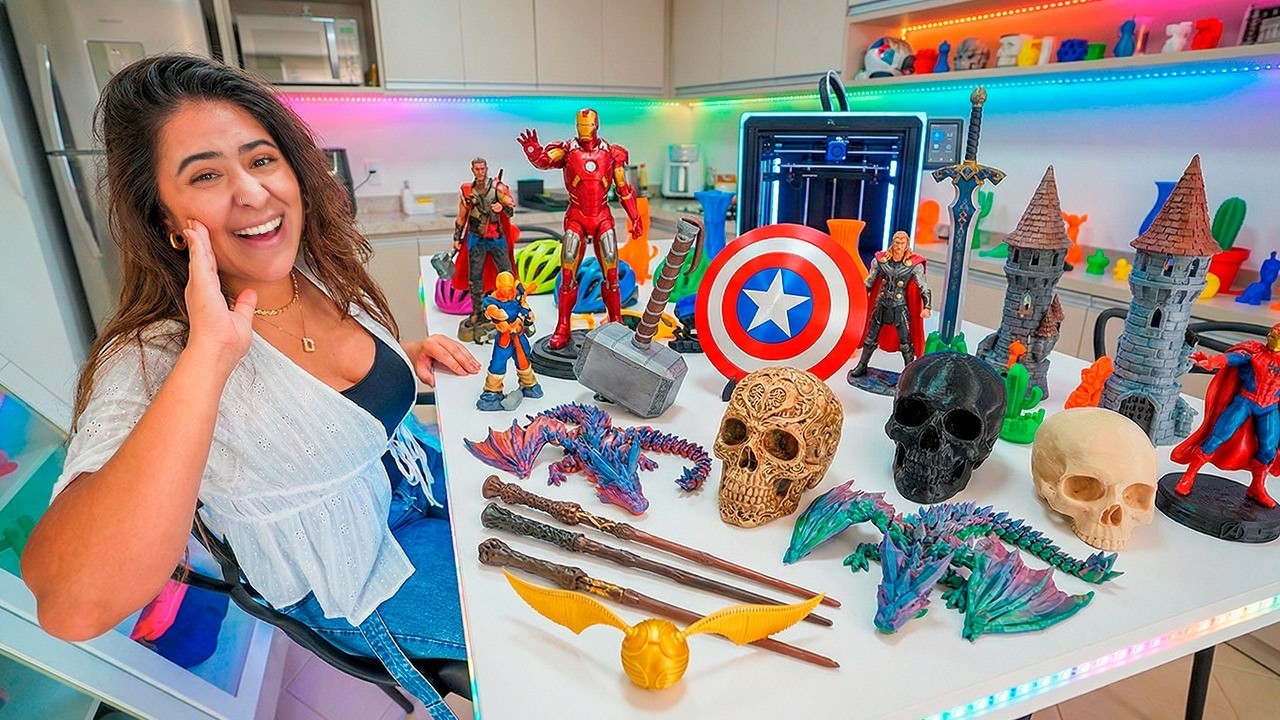

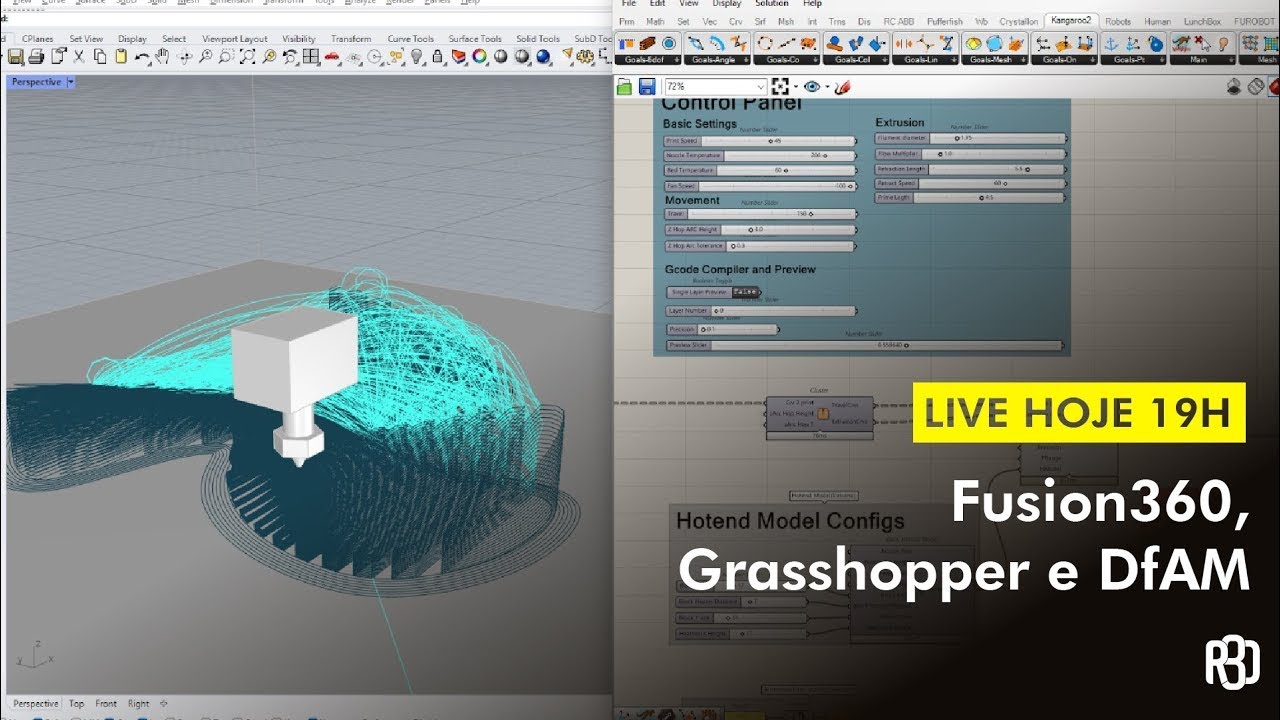





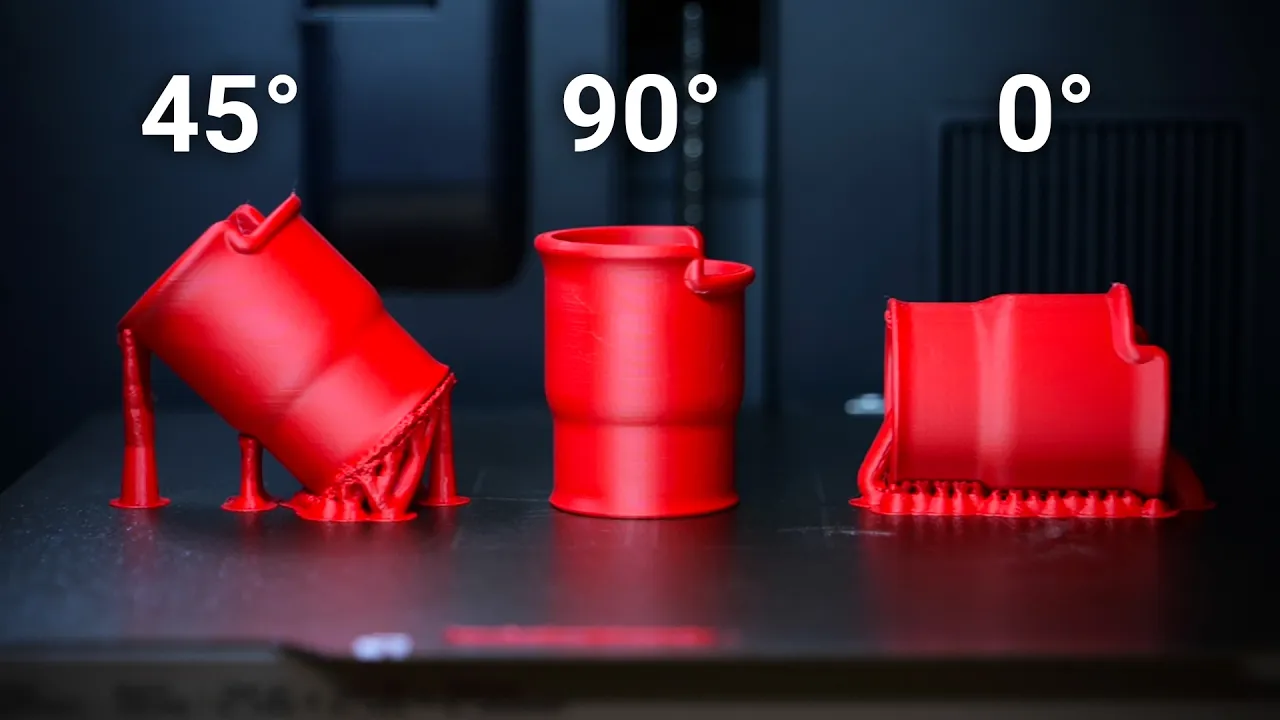
In FDM 3D printing, print orientation significantly impacts part strength, quality, print time, and material usage, requiring designers to balance competing factors such as layer alignment (with layers being the weakest points), nozzle diameter limitations (where 0.4mm nozzles cannot resolve finer details than approximately 0.1mm layer height), and support material requirements; there is no universal optimal orientation, and the best choice depends on prioritizing specific features like strength, detail preservation, or minimal support.
Optimizing 3D Print Orientation for Strength and Quality – A Guide
Added:Understanding the basic mechanics of Fused Deposition Modeling (FDM), specifically how 3D printers build objects layer-by-layer.
The concept of material anisotropy, particularly how 3D printed parts exhibit different physical properties (such as tensile strength) along different axes.
Familiarity with slicing software (slicers) and basic terminology like layer height, infill density, shells, and overhang angles.
The purpose and general function of sacrificial support structures in 3D printing.
Design for Additive Manufacturing (DFAM) principles, such as designing self-supporting angles and integrated chamfers to avoid the need for supports entirely.
Advanced slicing techniques, including variable layer height, adaptive infill patterns, and the configuration of soluble support materials.
Post-processing methods to enhance strength and surface finish, such as thermal annealing of plastics or chemical vapor smoothing (e.g., acetone on ABS).
Empirical testing of printed parts, including tensile and impact testing, to scientifically validate the strength benefits of different print orientations.
110.3K views2.4Klikes4:16Original Release: 2015-08-19
welcome back to 3D printing 101 in this video we'll be discussing the best ways to orient your 3D prints now you can explore microscopic world so when you're printing out a photo on a piece of paper the orientation that you print out doesn't really matter it's going to look pretty much the same right but with 3D printing the way you Orient and place that part on the build platform has a huge effect on that final part because 3D printing is a layer-by layer process these layers will affect your part strength part quality print time and also material use particularly when it comes to support material but how do you determine the best way to print your part well I'm going to go through some practical examples to show you what choices I would make and why take a simple rectangle you could print it like this on its side or standing up like this or even crazy angles like this the most influential Factor on your print should be what kind of strength you require the layers of a 3D print are much like a wood grain and will always be the weakest point of a print with this in mind you would probably print in this orientation right yes and no this is where it gets fairly interesting an fdm 3D printer generally has A4 or 400 Micron size nozzle but could probably print down to A.1 or 100 Micron layer this means that the finest line your printer is capable of extruding is four times coarser than the finest detail resolve on the sides of your prints so if you need your part to have the highest detail possible you may indeed have to print it in this orientation despite being a weaker print overall this is especially important for text and small details such as texture and why when you're printing busts or characters you'll generally want to print them standing up rather than lying down on their back or side the next consideration is support material some shapes are easy and don't need any but some might and the amount you need is heavily dependent on your print orientation more support means longer print times and more material used however you may have to print in these orientations for strength or quality reasons so as you can tell by now there's a lot of trade-offs in printing orientation so let's work through a practical example I've got a pair of Sennheiser hd25 headphones that I really like and I wanted to design a headphones holder for them that fitted onto my desk this is the design I came up with so there's a few considerations firstly I want it to be strong enough to hold the headphones but also resilient enough in case someone bumps into the table and knocks it I also chose to stick my makers Muse logo onto it I want that to print nicely and legibly so what orientation would you choose so how about this orientation as you can see the logo looks fantastic due to being printed along the sides of the part however we have a problem the layers are running across the holder this means this holder won't be very strong at all there's also a lot of support material which wastes plastic and is a pain to remove so how about this orientation the lines run along the holder so it should be pretty strong but now the logo looks pretty bad as it's suffering the limitations of the nozzle diameter the layers also mean that although this part won't break where the headphones are held it may break further down the mount where the layers have a very small contact area also again there's quite a lot of support material so that just leaves us with this orientation printing the part on its side gives us the best of both worlds a very strong part with nice big layers but also a pretty good definition on the logo as it's still along the sides of the print the only downside with this orientation some printers will struggle to print this part without significant warping due to the very long and thin edges and particularly the support that's underneath the edge of the headphones holder so if you're printing in this orientation and your printer can't handle it you may have to go to pla or try one of the other orientations so there you have it as you can see there's no clear answer when it comes to print orientations there's almost always some sort of trade-off and it'll just come down to what features you want most prominent in your 3D print it's also a good idea to keep your print orientation in mind right from the start of the design process so when you get to that final print you won't be stuck trying to find out which way is best to print it if you enjoyed this video please do consider subscribing to Makers Muse for more 3D printing 101 and if you have any further questions please let me know in the comments below thanks for watching guys bye
Up Next
30:21
3D Printing Lessons: 12 Years of Experience, 30 Minutes of Advice
@MakersMuse
55.5K views•2025-08-31

12:54
Triumph of Orthodoxy Icon: Byzantine Art & History Explained
@BenCallan
2.1K views•2024-08-06
25:35
Fusion 360 Beginners Guide: Design & 3D Print a Maker Coin
@MakersMuse
271.9K views•2017-03-31

1:42
Game of Thrones Opening Credits: A Cinematic Analysis
@gameofthrones
46.3M views•2011-04-18
Related Study Plans & Knowledge Roadmaps
Structured learning paths in General & Interdisciplinary Studies
general-studies
Elevator Engineering: History, Physics & Cities
01From Hoists to Safety Brakes: The Dawn of Vertical Lift
02Hydraulic vs. Traction: The Engineering Physics of Elevators
03Modern Speed, Safety, and Algorithms
+ 2 more learning modules
12h5 modules
Explore Roadmap
general-studies
Rubber: Material Science, History & Geopolitics
01Origins of Natural Rubber & Mesoamerican History
02The Chemistry of Natural Rubber & Vulcanization
03The Geopolitics of the Rubber Boom & Colonization
+ 2 more learning modules
12h5 modules
Explore Roadmap
general-studies
Containerization: Evolution, Logistics & Trade
01Ancient Trade & Bulk Cargo: Amphorae to Barrels
02The Industrial Revolution & Cardboard Packaging
03The Containerization Revolution: Malcom McLean
+ 2 more learning modules
12h5 modules
Explore Roadmap
general-studies
Textile Tech: Evolution, Labor & Global Impact
01Pre-Industrial Textiles: Handloom & Cottage Industry
02Mechanization: The Spinning Jenny to the Power Loom
03The Factory System & Global Labor Transformation
+ 2 more learning modules
10h5 modules
Explore Roadmap