





















A relational database is a structured data storage system that organizes information into tables with rows representing records and columns representing attributes, enabling efficient querying through SQL and maintaining data integrity through features like foreign keys, indexes, transaction consistency, stored procedures, and concurrency control mechanisms.
Relational Databases Explained: Structure, Queries, and Benefits (2024 Guide) -
Added:Basic familiarity with how data is structured in spreadsheets using rows and columns.
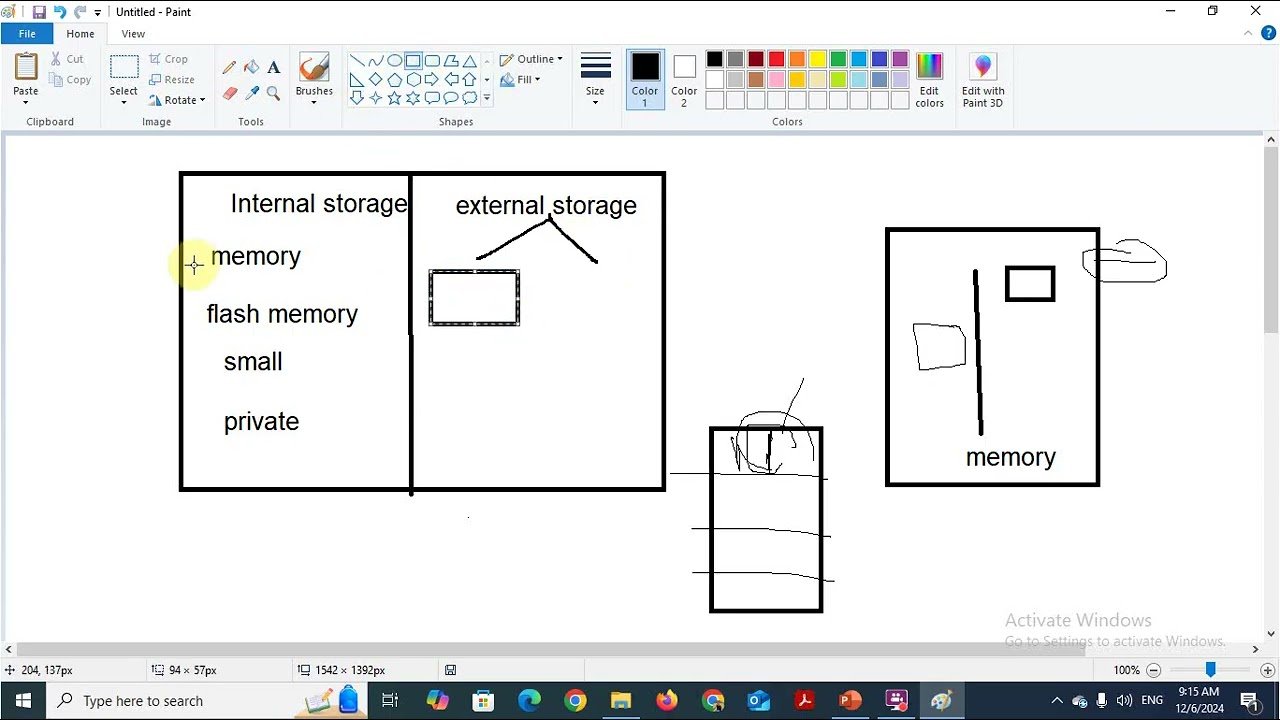
A foundational understanding of data persistence and the difference between temporary memory (RAM) and permanent storage.
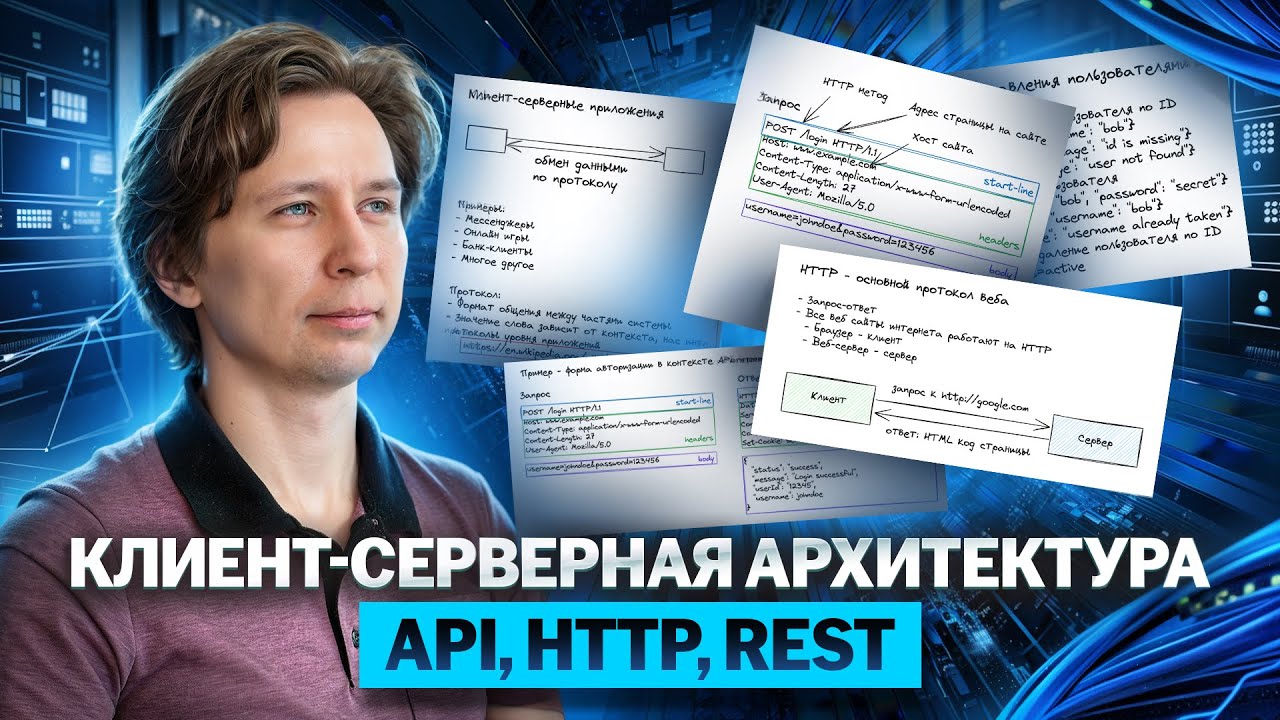
Fundamental knowledge of client-server architecture, specifically how a client application requests data from a server.
Database Design and Normalization, including Entity-Relationship (ER) diagramming and applying normal forms (1NF, 2NF, 3NF).
Advanced SQL querying techniques, such as complex JOIN operations, subqueries, window functions, and transaction control.
Database Performance Tuning, focusing on deep-dive indexing strategies, query execution plans, and caching mechanisms.
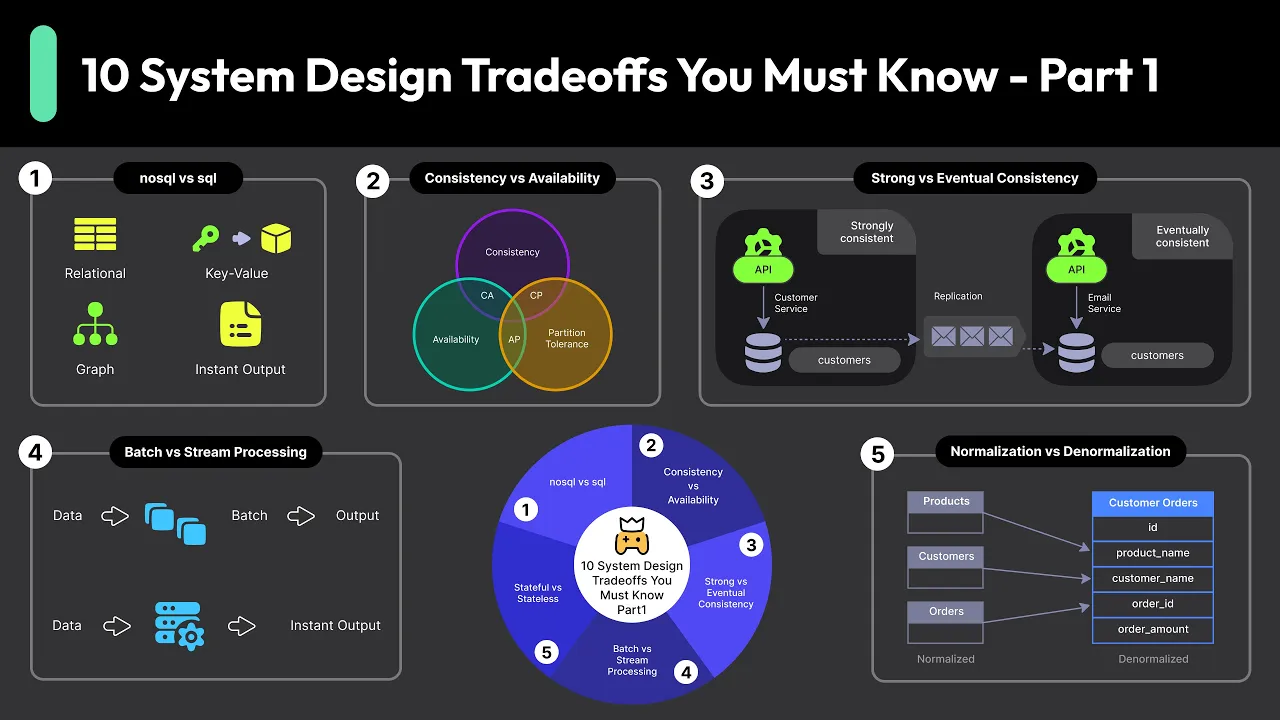
A comparative study of Relational (SQL) vs. Non-Relational (NoSQL) databases to understand the trade-offs in scalability and schema flexibility.
268.7K views4.3Klikes7:53Original Release: 2021-10-22
I've got a pop quiz for you.
What database system has been around for almost 50 years?
I guess you can guessed it by the topic of this video.
It's a relational database.
Hello, my name is Jamil Spain, Developer Advocate with the IBM Cloud and Brand Technical Specialists in the U.S.
Financial Services market.
And today's talk, we're going to dive a little bit into relational databases.
I'm going to get into some of the characteristics of the database model and also some benefits that it provides for you when making your decision that you want to use this for your next project to get started.
Let's talk about the structure of a relational database system.
It's going to pretty much map out your data points and bring out the relationships in that. And the way that it accomplishes that is through.
The first thing is making tables, which represents particular items or nouns or particular entities of your particular system that you want to actually prototype. So let's say I have a bunch of books.
Now this is going to be a table.
It accomplishes the attributes of these books by having columns and columns will be things like name.
Date.
OK, maybe author.
Of course, got to have a author for a book and every.
Table is going to have an ID, feel some way to uniquely identify it. Each each row of this.
Database table represents an actual record or an item, a type of book.
That's how it really fulfills that ability to hold the database system there.
And then as you wait, you kind of query out this particular system is through what we call a you will a structured query language.
And it's a particular system, you can say select.
All the books.
And give me all this data out for me to use.
Now we have one particular item here books, but where it really comes, you really see the power of a relational database.
Let's say now I want to show the authors.
And the way that relational databases can really provide the structure of relating these two entities together is by describing them through a particular entity or relationships.
You have one that you're here about where books can have multiple authors, so maybe a one.
To many.
You can have a one to one.
And just a couple of relationships you can you can kind of mirror within the database system, so one way that I can have this kind of a normalized structure is to say definitely the authors is going to have.
Its own particular ID and name any, any any any particular order of attributes that I want to describe there, but I can also one of these fields can be an actual number that actually relates to the ID.
Of this feel, and this is what's known as a foreign key.
And of course, there will be a name there, so when I do my query, the next query I do, I can reference both these tables and say, Hey, give me all the books and give me more of the author information from this table using this foreign key to describe that particular structure there.
And you can imagine you'll be running a lot of these queries a lot, and there are some benefits or some things that are provided to help with those to speed up these queries and make them operate as efficiently as possible.
You have the database will provide ways that you can kind of set an index. Let's say that I'm often querying and always trying to pull out by name or by date.
I can set an index.
On this particular column, which will automatically index all the values, so the next time you run, this query is going to pull from what we like to call this cache of all the values.
Most importantly, every time new roles are added, records are added to this particular table. The index keeps building this recent, I like to say, cache of all these values, so it's always keeping up to date to work there.
So this is all the characteristics of what you kind of have to model out your particular application that you want to build and describe how the entities are related to each other.
Now let's switch over here to some of the benefits that you're going to get out of the box with a relational database that you want to use.
The first we'll talk about is actual consistency.
Now, this is useful because let's say there is some point where I want to run multiple of these transactions.
Let's say I'm modeling an inventory system for an E commerce application, and I have the need to write several queries in a row that may manage a couple of different subsystems.
But if one of those queries fails, I want the option to be able to roll back.
The whole set of all those queries, just to make sure that my data always maintains some consistency there.
The second is the option to do stored procedures.
Sounds like a very complicated word there.
But think of store procedures as the ability to write multiple blocks or functions of code, or if there are a certain amount of queries that I continue to always run, I can kind of model these. So it takes me less code to write that particular to access that same functionality with less SQL code.
And as you start to get into more SQL writing with relational databases, you'll see queries can get pretty big.
Another way you can do this, as well as another topic code views here.
Definitely want to introduce some of these keywords as you do your deeper dove. You were able to see a lot of these and it'd be familiar to you.
And the last one is a mechanism to handle locking in the database.
And concurrency.
Why is that important?
Well, at some point multiple users are going to want to use the database, maybe at the same time, maybe two applications are going to be adding in books.
And if the first application is making a particular insert into this table.
You're going to want to make sure that the database is locked until that right is done and then the second application has its ability to go in and make its insert as well.
So these are all built into a lot of the relational databases that you use.
A lot of these benefits will be provided for you out of the box, not necessarily something you'll have to write in code, but just know that you'll have this at top of mind when you are kind of selecting to use a relational database for your next project.
I hope this is good for you to understand the foundation of relational databases.
Talk to you next time.
If you have questions, please drop us a line below.
And if you want to see more videos like this in the future, please like and subscribe.
Up Next
11:47
FastAPI Database Migrations with Alembic and SQLAlchemy
@design.code.evolve
359 views•2024-01-09

87:26
Introduction to Secure Multiparty Computation with Yehuda Lindell
@fhe_org
7.7K views•2021-02-04
8:22
Load Balancing Explained: Algorithms & Architecture
@IBMTechnology
309.8K views•2021-10-04
19:25
Enigma Machine Mechanics: WWII Encryption Explained
@JaredOwen
13.2M views•2021-12-11
Related Study Plans & Knowledge Roadmaps
Structured learning paths in Computer Science
computer-science
Container Runtimes: Namespaces, Cgroups & Go
01Linux Systems & Go Programming Foundations
02The Core of Isolation: Chroot and Filesystems
03Linux Namespaces: Process Isolation
+ 3 more learning modules
32h6 modules
Explore Roadmap
computer-science
Building a CHIP-8 Emulator: Rust & CPU Basics
01Computer Architecture Foundations (Bits & Bytes)
02Rust Programming for Systems Development
03CHIP-8 Virtual Hardware Specifications
+ 2 more learning modules
32h5 modules
Explore Roadmap
computer-science
Building BitTorrent: Go, P2P & Concurrency
01Go Fundamentals & Concurrency
02Networking Foundations & P2P Architecture
03Bencode Parsing & Torrent Metadata
+ 3 more learning modules
26h6 modules
Explore Roadmap
computer-science
Actor Models (C++ Concurrency & Lock-Free)
01C++ Multi-Threading Foundations
02Thread Pools and Task Scheduling
03Atomics and Lock-Free Queue Design
+ 3 more learning modules
45h6 modules
Explore Roadmap