



















![반도체·HBM… 뉴스에서 항상 듣던 반도체 용어 전격 해부 (feat. 김정호 교수) [취미는 과학/ 76화 확장판]](https://i.ytimg.com/vi_webp/mNef_eJ4qlk/maxresdefault.webp)
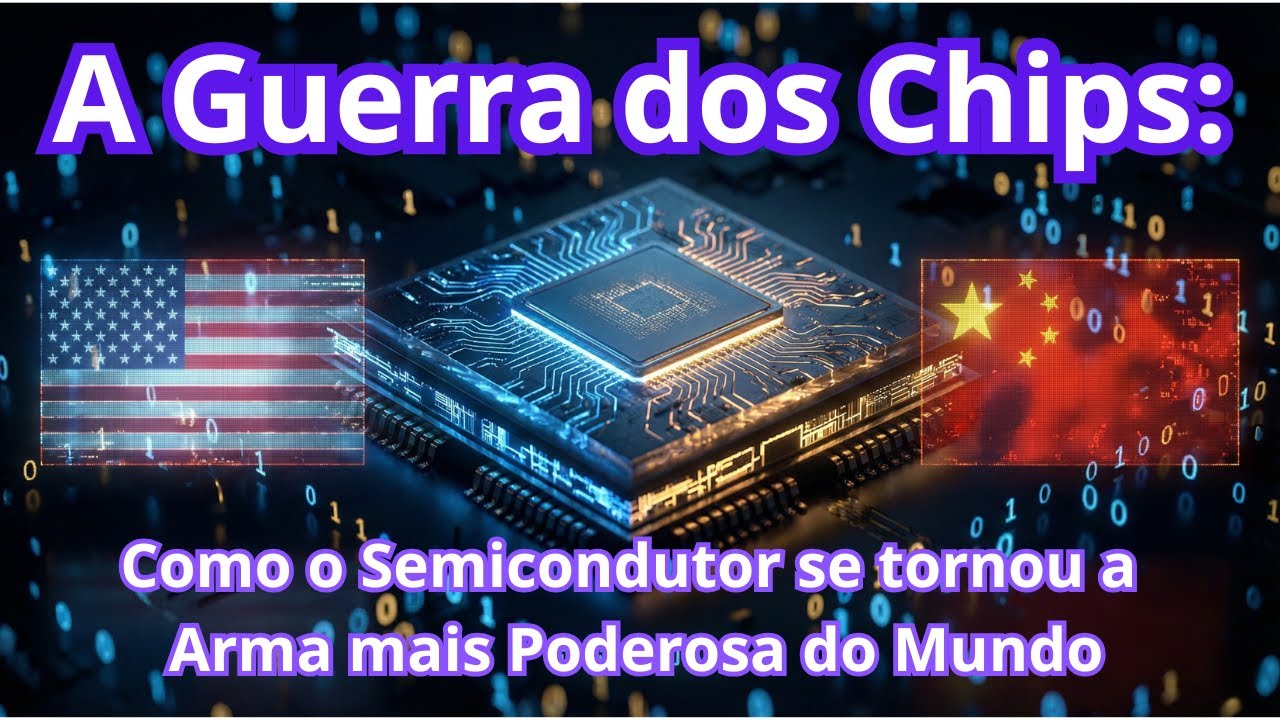
Semiconductors have become the most critical strategic resource of the 21st century, with Taiwan controlling 30% of global chip production and manufacturing 90% of the world's most advanced processors, making the island a pivotal battleground in the ongoing US-China tech competition; the 2020-2022 global chip shortage, exacerbated by the pandemic, exposed the fragility of concentrated supply chains and prompted major powers to invest heavily in domestic semiconductor production through initiatives like the US Chips and Science Act ($80 billion) and the European Chips Act, fundamentally reshaping global technology governance and economic relationships.
Chip War: Semiconductors and Global Geopolitics Explained
Added:Basic understanding of semiconductor technology, including what silicon microchips are and why they serve as the fundamental building blocks of modern electronics.
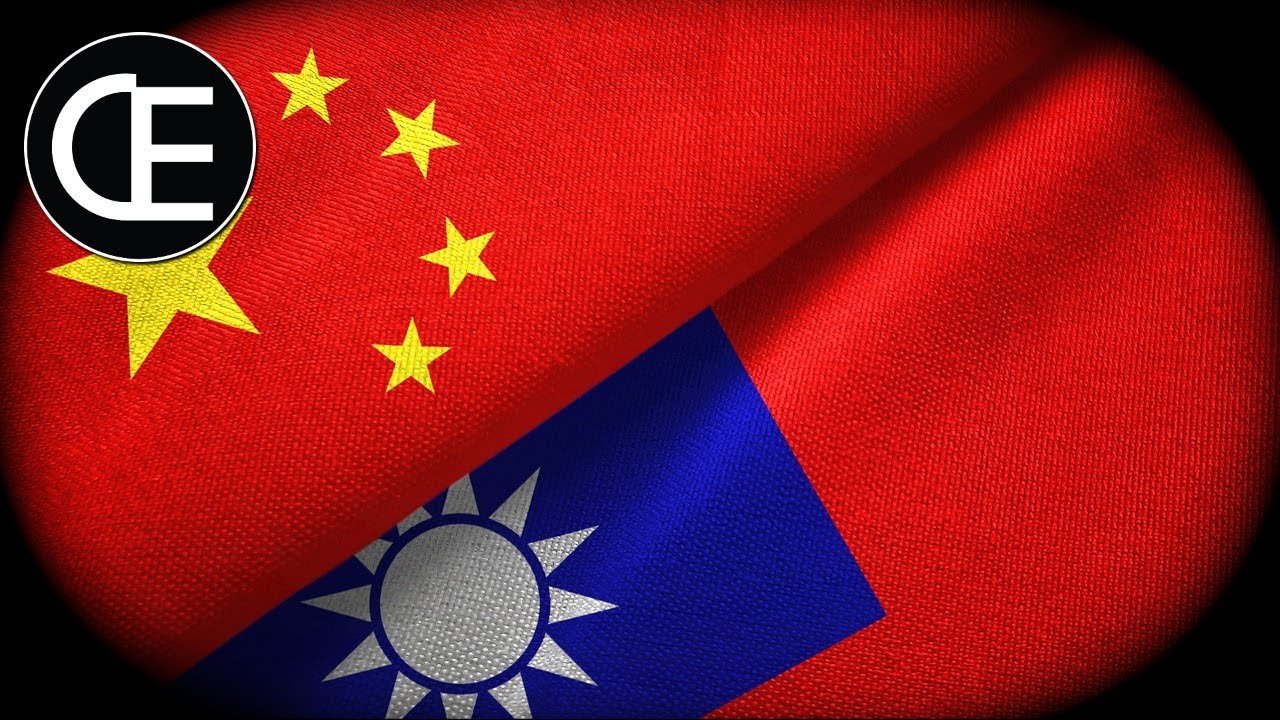
The geopolitical history of Cross-Strait relations between Taiwan, China, and the United States, including Taiwan's unique political status.
Fundamentals of global supply chain management, specifically how specialized manufacturing and geographic concentration can create economic bottlenecks.
The concept of technological sovereignty and how governments use export controls, tariffs, and trade sanctions as tools of foreign policy.
In-depth analysis of the ASML monopoly on Extreme Ultraviolet (EUV) lithography machines and the extreme technical challenges of manufacturing sub-3nm chips.
Evaluation of the legislative and economic impacts of the US CHIPS and Science Act and the European Chips Act on global fab construction.
Strategies for corporate and national supply chain resilience, such as 'nearshoring', 'friendshoring', and the decoupling of US-China technology ecosystems.
The direct correlation between advanced semiconductor access and the acceleration of Artificial Intelligence (AI) development, supercomputing, and modern military defense systems.
269.6K views3.9Klikes51:21Original Release: 2024-12-22
it's technology of the smallest kind it's everywhere it's in the finest grains of [Music] society from Autos to manufacturing to Data Centers um to Communications everything depends on semiconductors semiconductors are more important than oil microprocessors are a highly strategic industry across from China the island of Taiwan is the world's largest producer of electronic chips a situation that is creating geopolitical [Applause] tensions if we imagine China taking over Taiwan semiconductor industry the worldwide economic shut down Taiwan with sem is probably the best defense has a a cicon shield since the 1980s the United States and Europe have been off shipping the production of electronic chips the globalization Trend was driven by differentials in labor cost it was simply cheaper to hire workers aware of their dependence Americans and Europeans are facing a Race Against Time to produce their own chips they're building the biggest plant they've ever built in the world here in Arizona 18 months ago go is Desert the country that produces microprocessors will thus control the global industry the world geopolitics has been defined by where the oil reserves are for the last five decades and I think where the chips come from is more important for the next five decades from Taiwan to the far reaches of America microprocessors are now coveted by the major world powers [Music] [Music] manufacturing a microprocessor requires cuttingedge technology and it all starts with one of the most abundant elements in the Earth's crust extracted as quartz the Silicon is first melted in an oven at, 1400° and then cooled in silos the material is then cut to form thin silicon Wafers the electronic circuits that form the micro processors are etched onto these Wafers they are found in all electronic devices in the 1980s Europe preferred to transfer production of this technology to Asia Taiwan decided to make it a strategic [Music] industry GP it's very strong in right now in technology it's very strong in terms of the talent Supply right the the workforce quality and uh it has the uh strongest uh I would say semiconductor supply chain cluster with Global Partners in terms of the infrastructure cost structure Taiwan become very promised land for this kind of stuff the island just off the coast of China is the main stronghold in this strategic industry Taiwan accounts for 30% of the world's supply of microprocessors the small country is a vital pillar of the global economy it owes this transformation to one man Morris Chang born in China in 1931 this engineer is venerated as a national hero in Taiwan in 2018 Morris Chang was awarded the country's highest civilian Honor by the president of the Republic Morris Chang studied at the best American universities before becoming the founder of tsmc the first Global manufacturer of microprocessors he is revered throughout Silicon Valley Morris the world is full of successful people frankly but we've never seen impact like what you've made and um on behalf of all of us you're my hero thank Morris Shang I think rightly can claim to have really reshaped the chip industry starting in the late 1980s when he founded tsmc he was actually present at the creation of the semiconductor industry when he worked at Texas Instruments in the late 1950s and so he's been with the chip industry from The Invention actually the uh very idea the the new business model uh the Pure Play Foundry business model uh now everybody uh thinks that uh it was a pretty clever idea but at the time nobody needed that platform he with the support of the Taiwanese government which was a founding investor in Taiwan semiconductor Manufacturing corporation began pouring money into expanding production capacity in Taiwan designing none of their chips in house but providing Outsource manufacturing for chip firms in Europe the United States across the world pretty quickly uh in the early 90s uh and I think that tsmc existence certainly helped to accelerate the formation of a lot of fabulous companies uh there were maybe 25 fous companies in the whole world and then 10 years later there were 400 500 fabulous [Music] companies in less than 40 years tsmc has built an Empire of Mega factories across Taiwan in the suburbs of Taipei the tsmc factories are impenetrable corporate communication is strict interviews with employees are forbidden as are images from inside tsmc has become the center of global attention the company has the power to paralyze the world tsmc produces 90% of the most advanced processor chips from Apple whether it's an iPhone or Nvidia which Powers many data centers tsmc produces many of their chips and without tsmc's production the entire digital economy would simply ground to a halt of all of the companies you know in the world this is the only company that currently has something they make in our possession right now there are no others so there's basically air and tsmc tsmc's stock market value constitutes over half of taiwan's national wealth these days 30% of the world's electronic chips are manufactured on the island China the USA and Europe are lagging far behind and have to import the bulk of their [Music] microprocessors and in March 2020 the world economy's dependence on this technology was exacerbated by the covid crisis [Music] Co was this massive accelerant now everybody's communicating online Zoom became a common word you know not for a telescopic lens but for how we communicate the semiconductor industry was sort of Rolling Along at five or 6% kind of growth rate and all of sudden when Co happened that bounced up to demand of 20 to 25% but it also disrupted Supply chains so the supply went negative the global pandemic created an imbalance between microprocessor supply and demand we pushed out of our Fabs 1.15 trillion chips well exceeding any record in the past so we've been running at way above full capacity for a couple years the problem we're facing right now is that demand has just exploded and Fabs have four walls and you can only produce so many chips within those four walls the Western World then became aware of its vulnerability and a chip shortage you know all of a sudden car manufacturing lines were stopped economies were you know unable to uh move forward everybody in the world realized how important chips are we became really important overnight in 2021 and 2022 a major company like apple lost over1 billion due to a shortage of microprocessors the decline in production also meant delivery delays for all games consoles car manufacturers began to panic today the big three announced all plants will be shut down over concerns of the Corona virus all the plans through March 30th in 2020 when started covid-19 the automotic industry the business is go on the downside they just stop all the ship Force company like a tsmc give the production capacity to some other industry so forget about Automotive all the suddenly every country in the world wake up then automatic me begin to increasing their demand now they ask our fun company we say sorry we don't have capacity we don't give your capacity of somebody else oh no [Music] kid thousands of people in mid Michigan are temporarily out of work tonight and it's all because of a little chip in the car parks of American autom ERS tens of thousands of vehicles are waiting for their microprocessors in 2021 many of these vehicles were not even produced yet costing the global automotive industry around €200 billion in 20122 the crisis had still not been [Music] resolved near laav the Renault Factory in sandville has become silent once more person for [Music] there's a lot of analogy to what we saw in 1973 you know in 197 three and oil was a given nobody worried about oil it was always there until it wasn't now we fast forward 20120 s chips always been there until they weren't and all these questions slly pop up where are they you know where do they come from who is producing it this is exactly why chips and semiconductors are now strategic the globalization Trend was driven by differentials in labor cost it was simply cheaper to hire workers uh in places in East Asia it was driven by typical Trends in terms of shipping costs going down in terms of new it Technologies making it easier to have a firm that operated in Europe and the US and that's where the vulnerability comes in for decades companies have massively delocalized production without a second thought microprocessors have been no exception and today Western leaders are acutely aware of their dependence the pandemic has painfully exposed the vulnerability of Chip Supply chains covid-19 pandemic exposed the fragility of just in time Supply chains I think for a couple of decades now political leaders meanwhile have just not thought much about the industry they've thought semiconductors were something that plugged into their computer or smartphone and they're thinking stopped basically right there global semiconductor shortage has caused a shortfall on consumer goods especially automobiles and contributing to higher prices around the world and so it's only in the past couple of years due to the pandemic due to the geopolitical competition that leaders have started thinking about is this a risk to limit the effects of the shortage and reduce their technological dependence America China and Europe are taking action in 2022 each announced its microprocessor plan for developing their own production capacity the College of commissioner has adopted today the European chips act the Chip War has been declared there are a couple of different Wars going on simultaneously there's Wars between companies struggling for market share but there's also competition between nations for who gets which part of the supply chain on the 2nd of August 2022 Taiwanese television channels broadcasted the arrival of an official airplane live on air Nancy Pelosi was on board the then speaker of the United States House of Representatives and third in line to the presidency it's the first time in 25 years that that such an important American political leader has set foot on Taiwanese soil today our delegation came to Taiwan to make unequivocally clear we will not abandon our commitment to Taiwan and we are proud of our enduring friend although Nancy Pelosi broadcasts her visit across social media she doesn't mention anything about a very important meeting about microprocessors here she is with Morris Chang founder of tsmc and Mark Leu the current CEO of the company if you look at taiwan's production of semiconductor you can easily tell that Taiwan has occupied a very important place in the world and it might come into play in the near future that China might have the temptation to think about time one semiconductor is something that they want to take over China wants to expand its influence and power uh beyond the first island chain Taiwan happens to get stuck in the way and they want to take Taiwan over the absolute majority of the people here say no to unification using Force becomes the only option for the Chinese government to uh unify Taiwan Nancy Pelosi is in Taiwan tonight and China is already responding Pelosi's late night landing was quickly followed by news of Chinese military drills all around the island using missiles and fighter jets China organized an unprecedented military blockade of Taiwan for several days president XI jingping sent a strong message to Taipei and Washington politician too old [Music] [Applause] since 1949 Taiwan has been one of the obsessions of the Central Powers in October 2022 during the 20th Congress of the Chinese Communist Party president XI jingping reaffirmed his commitment to Annex the rebel Island China's ambition for Taiwan is not just politically fueled the island is at the heart of the technology war between the USA and China for if we imagine the world with China taking over Taiwan semiconductor industry and they use this as a weapon against the rest of the democracies I'm sure uh the rest of the democracies uh which relied on semiconductor industry in Taiwan I'm sure they will react in a very strong way Taiwan with semiconductor is probably the best defense United State you make sure we are here to make thing for you it's not for our interest for their own interest for Apple for all these company they require our continue our business and Chinese they maybe like it have but us say no no sorry we not allow this happen an armed conflict in the thawan straight could jeopardize the majority of the world's Electronics production faced with China Taiwan can count on a powerful military ally are you willing to get involved militarily to defend Taiwan if it comes to that yes you are that's the commitment we made the idea that that it could be taken by force is just not appropriate it will dislocate the entire region and be another action similar to what happened in in uh in Ukraine am [Music] I'm State Senator David Livingston in Arizona before I got elected I was one of the top financial advisers in the [Music] country Arizona is famous for our copper we have cattle we have citrus and now we have the chips [Music] in the Arizona desert new businesses are opening up so they can benefit from America's help the Taiwanese company tsmc is building its first mega Factory in the United States this is the Taiwanese semiconductor plant phase one is a $12 billion investment and and if it goes well I think the long-term plans the next 20 years is to build three of these plants up here in this [Music] location so right there you look at at four stories from from nothing 18 months ago was Desert that's how fast it's going economic impact projection in the next 20 years is $38 billion because of the plant because of the other companies that would come here to support it because of the new apartments the new houses that would be the new restaurants I actually feel personally it's going to be bigger than that it warms my heart because Taiwanese semiconductors and their people picked us and they and we competed against the whole world on where this plant was going to be this will be their biggest plant they have and it's here in my hometown in my district um it makes me very proud very [Music] happy this semiconductor Factory will soon produce 5 nanometer chips the latest generation of microprocessors that are currently only being made in Asia needless to say the choice of location was no coincidence it was in Phoenix Arizona's capital that the agreement between the USA and Taiwan was announced in 2020 thanks to active lobbying by the governor of the state Taiwan semi is without a doubt this decade's biggest win in Arizona we showed up to the discussions we answered the questions and we pitched what was best about our state we've got the lowest flat tax in the nation it we've eliminated over a thousand regulations that make it a great place to live work play and obviously scale a business Doug Ducey is a longtime friend of Taiwan that's why a month after Nancy Pelosi's controversial visit the governor is heading to the island thank you for coming to see us hello I'm Doug Ducey governor of Arizona it's my great honor to meet with President Sai the Chinese Communist party doesn't dictate to any American where they can and cannot go if someone wants to go visit our partners in Taiwan they should feel free and doing so we have we SP spoke with the education Taiwan semiconductor is the best in the world I think what we'll be able to have in Arizona will actually be a deterrence to any aggression from China's perspective that they would have on the island of [Music] Taiwan in another victory for the governor in December 2022 the boss at tsmc welcomed Joe Biden to his Factory in Arizona to announce a $30 billion additional investment thank you to everyone at tsmc especially Morris Chang who founded this company in 1987 and uh grew it into a global Giant and today tsmc has announced a second major investment they will construct a second fab here in Phoenix to build chips three Nano chips a few weeks later in The Gardens of the White House it is a historic day for the American economy following her return from Taiwan Nancy Pelosi stands as Master of Ceremonies today Mr President with the stroke of your pen America declares our economic independence we strengthen our national security and we enhance our fam's financial [Applause] future we are the United States of America a singular place of possibilities I'm not going to go sign the chips and science act and once again I promise you we're leading the world again for the next decades Thank You by signing the chips and science act Joe Biden gives priority to the protection of American interests ready got it reducing costs creating jobs and countering China are becoming key features of Washington's trade policy 80 billion have been allocated to Industry and research of which 52 billion was just for microprocessors it is the United States's largest public investment since the second world war in the audience a rather discreet man has been working behind the scenes to reach this outcome running a business Empire his company invented the first electronic chip back in 1971 Intel is now the second largest producer of microprocessors in the world I came into the role as CEO you know we we basically laid out this very simple view the world needs more geographically balanced resilient Supply chains and the world now realizes that that's the essence of the US chip act to get more geographically balanced resilient Supply chains I can't put oil reserves in my country but I can help build Fabs in my country we have to build out we are coming to you live from Licking County Ohio this is the site where Intel is breaking ground for its newest chip manufacturing facility Intel is going to build a Workforce of the future right here in Ohio a brand new2 billion campus 7,000 construction jobs please join me in welcoming Intel CEO Pat gizer we made it this great state of Ohio has this tradition of manufacturing you all like to build stuff and that's exactly what we're going to do together we are going to build the most advanced stuff in the world right here in Ohio unfortunately we produce zero zero of these Advanced chips in America zero and China is trying to move way ahead of us the United States has to lead the world in producing these Advanced chips and this law makes sure that we will Intel boss Pat Ginger is one of the several entrepreneurs close to the president in the United States industrial policy in key economic sectors has a bearing on the interests of the state [Music] okay ready one 2 3 Let's dig in Ohio Intel's 20 billion industrial complex will only take 2 years to get up and running this is thanks to the chip act that is thanks to the money of the American taxpayer semiconductors is an expensive competitive market I can't make those level of Investments without the incentives so we're looking for offsets of 30 to 40% of a 20 billion dollar the uh investment and that's exactly how the chips Act is designed and as I say to the political leaders you know we're not looking for handouts but if I'm going to make this level of capital investment it has to be comp in the World Market combat this the American reindustrialization strategy is accompanied by punitive and radical [Music] measures American companies are no longer permitted to work with telecom's giant Huawei and SMI China's leading producer of microprocessors in Beijing this measure is perceived as an aggression [Music] like the United States China is investing billions in the microprocessor sector to no avail the Chinese government has poured a lot of money into chipm but it's done so in a very ineffective way China spends more money importing semiconductors than it does importing oil technolog in response to American sanctions Chinese semiconductor production has hit an all-time high in recent months 300 billion chips have been created in the country's factories CE fore nowadays China manufactures barely 15% of the electronic chips it consumes but it displays the unbridled ambition to close its technological Gap and become self-sufficient by 2025 [Music] [Music] in China the world of microprocessors lacks technology brains and production capacity this is the Chinese industry's greatest weakness which is significantly dependent on foreign microchips and I work in China for about 2 years I was hired by smik as a vice chairman in 2020 the former executive of Taiwanese company tsmc was recruited by the leading Chinese manufacturer of microprocessors Professor Chang now lives in the United States in Silicon Valley before I went to China I heard they are going to put in several hundred 100 billions into semiconductor industry I think there must be a master plan after I went there I found there no master plan you think China is a kind of concentrated government politically it is but economically it's not because local government have their own funding they can do whatever they can people just want to have power if you look at the aggregate funds that China devotes to ship making it's billions and billions of dollars but much of that comes from different provincial or local officials and they all want a facility in their Province or their city so it ends up being very inefficient in terms of how this is spent as a result although China's firms are subsidized more than anyone they've really struggled in the past decade to actually improve their manufacturing capacity relative to other countries there is a tech War underway who will have the technology that leads right now the US has it but our lead has been slipping and China certainly wants to have its own indigenous technology that doesn't rely on us or Taiwanese or Korean or [Music] does China have the means to achieve its [Music] Ambitions will it be able to catch up in less than 2 years in This Global race for the production of microprocessors Europe seems overwhelmed despite speeches by leaders in Brussels [Music] man to regain its sovereignty Europe needs more factories like this one in the suburbs of Dublin the most modern Factory in Europe is being built in these very suburbs of the Irish Capital isn't that magnificent we call this Fab 34 it's a 17 billion Euro project two years to build it a year to put equipment in it and qualify it in a year to ramp it or so it's a it's a multi-year project by the end of 2023 this plant will produce the latest generation of micro processors but appearances are deceptive [Music] Fab 34 is not a European Factory it is owned by the American manufacturer Intel and its boss Pat Ginger today we are announcing our European investment program we envision investing up to 80 billion euros in the EU over the next decade European commission president Ursula vanderlan recently said there is no digital without chips and she is absolutely right ladies and gentlemen a month ago the commission presented the European chips act with this the European commission president appears in Intel's promotional video to publicize its microprocessor plan also want to strengthen our resilience in total more than 43 billion EUR of public investment both European union and National level investment will support the chips act until 2030 incapable of addressing this technological sovereignty problem Europe has therefore agreed to help American companies in the trade war between the US and China Europe seems to be the biggest loser however Brussels can rely on three European manufacturers of microprocessors Europe actually boasts a major champion in the industry asml is a Dutch firm unknown to the general public this company produces photolithography machines using ultraviolet radiation capable of Engraving even the smallest [Music] objects without asml we would not have any microprocessors for our mobile phones what we are doing we make a big slide projector we are providing a machine that actually takes the design of a computer chip and it translates that design onto a carrier a carrier is the microchip that when you open your phone you see all these little chips sitting there you know that's what we do it's expensive but it's like a slight projector each of its overhead projectors costs $ 25 million only tsmc Intel and Samsung are able to afford them this is a very profitable industry tsmc they have announced that they want to spend 140 billion over the next three years Samsung similar amount of money Intel more than100 billion so there's already 3400 billion are only three manufacturers allocated to build out that capacity why would you then from a risk management point of view put everything in Asia you want to distribute this across the globe it's logical this is why Intel American company comes to Europe This is why TMC Taiwanese company goes to the United States the semic industry is an expensive industry to compete in building a new facility can cost2 billion for one plant so any effort to change the geography of where factories are located is going to cost a lot of money now the question is is it worth it I believe we have been too dependent on Asia and I would like to see us resore our [Music] manufacturing should countries fund a thriving industry that is riding on the strong wave of demand for microprocessors governments need an incentivize sub idiz those big companies to just start such a big project as a kind of a co- partnership governments and manufacturers working hand inand in Asia Europe and the United States the Chip War has only just begun microprocessors have become the main raw material of our digital live there is no innovation without semiconductors there is no green without semiconductors and there is no National Security without semiconductors it's that important to the Future Let's treat it with that priority this war that is both commercial and political is revealing the limits of globalization the microprocessor crisis will no doubt further the feud between Chinese and American Giants will Washington maintain control of its strategy or will it have to contend with a China committed to resorting to violence in order to close the tech technology Gap [Music]
Up Next

17:10
Electro-Health Device Teardown: Circuit Analysis with Schematic
@bigclivedotcom
77.6K views•2025-01-20

12:54
Triumph of Orthodoxy Icon: Byzantine Art & History Explained
@BenCallan
2.1K views•2024-08-06

92:39
Power of Central Banks: Japan's Economic System Documentary
@Moconomy
131.1K views•2024-11-09

1:42
Game of Thrones Opening Credits: A Cinematic Analysis
@gameofthrones
46.3M views•2011-04-18
Related Study Plans & Knowledge Roadmaps
Structured learning paths in General & Interdisciplinary Studies
general-studies
Elevator Engineering: History, Physics & Cities
01From Hoists to Safety Brakes: The Dawn of Vertical Lift
02Hydraulic vs. Traction: The Engineering Physics of Elevators
03Modern Speed, Safety, and Algorithms
+ 2 more learning modules
12h5 modules
Explore Roadmap
general-studies
Rubber: Material Science, History & Geopolitics
01Origins of Natural Rubber & Mesoamerican History
02The Chemistry of Natural Rubber & Vulcanization
03The Geopolitics of the Rubber Boom & Colonization
+ 2 more learning modules
12h5 modules
Explore Roadmap
general-studies
Containerization: Evolution, Logistics & Trade
01Ancient Trade & Bulk Cargo: Amphorae to Barrels
02The Industrial Revolution & Cardboard Packaging
03The Containerization Revolution: Malcom McLean
+ 2 more learning modules
12h5 modules
Explore Roadmap
general-studies
Textile Tech: Evolution, Labor & Global Impact
01Pre-Industrial Textiles: Handloom & Cottage Industry
02Mechanization: The Spinning Jenny to the Power Loom
03The Factory System & Global Labor Transformation
+ 2 more learning modules
10h5 modules
Explore Roadmap