




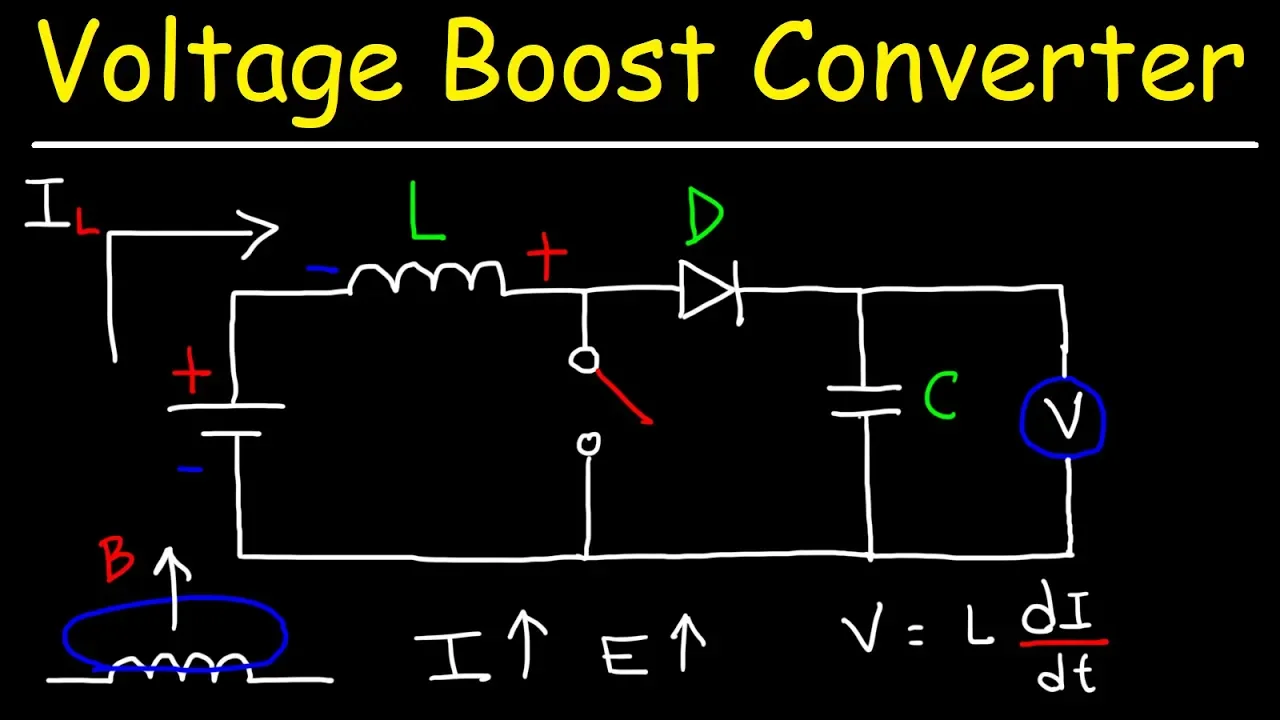
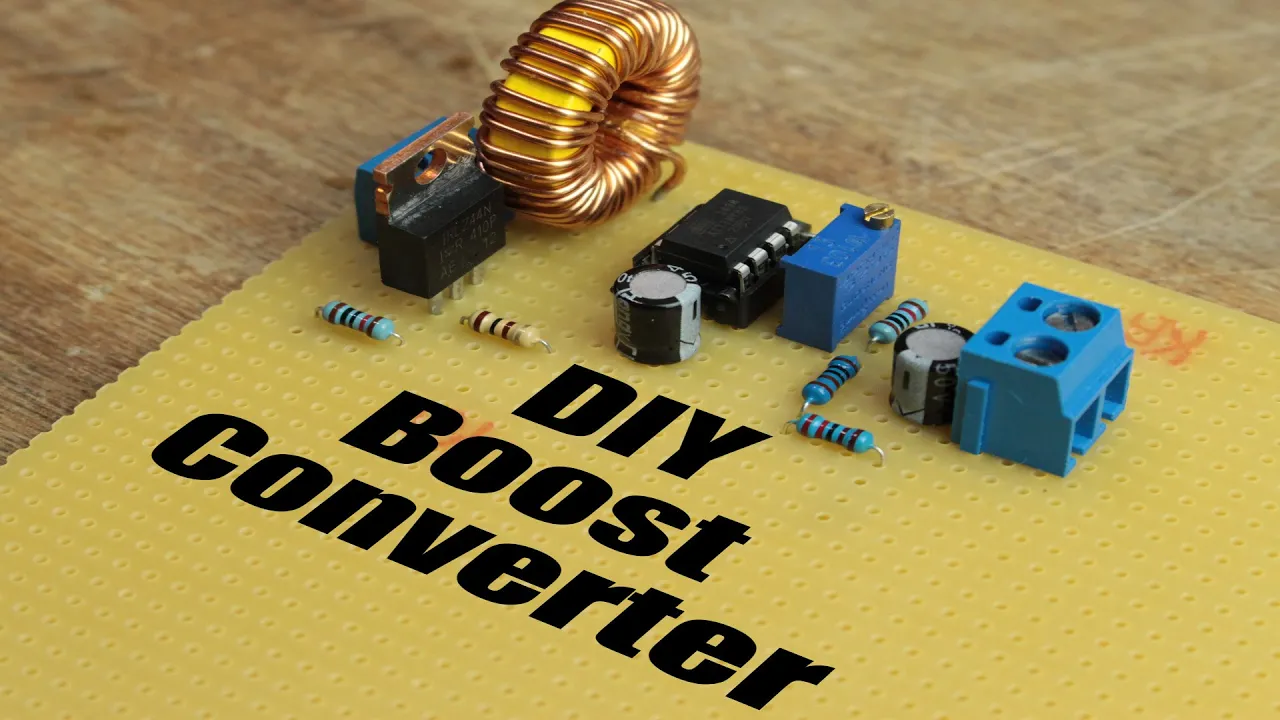
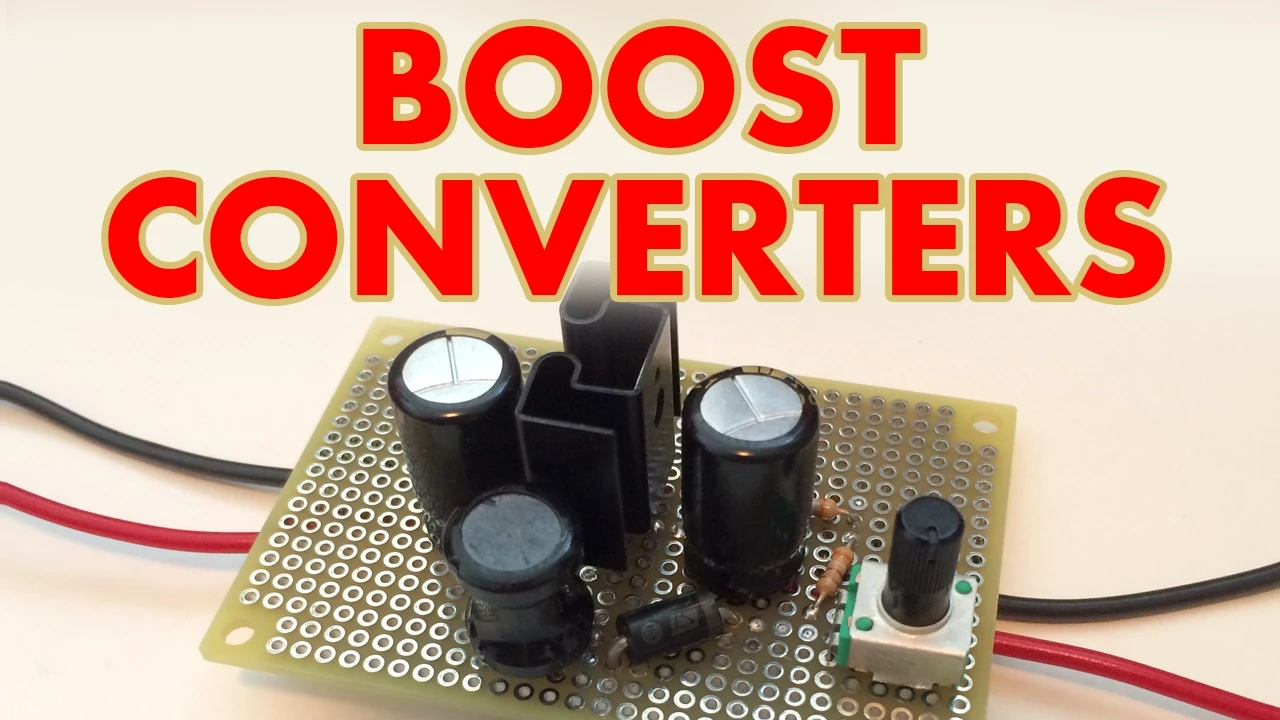
















This video demonstrates the reverse engineering of a portable electrical stimulation device, revealing its circuitry that converts low battery voltage (2x AAA cells = 3V) to approximately 130V using a boost converter with an inductor and capacitor, then delivers this high voltage through an H-bridge driver to electrodes for muscle stimulation or pain relief; the device uses a microcontroller with tri-state multiplexing to control multiple LEDs and buttons while implementing polarity reversal to prevent skin irritation from sustained DC current.
Electro-Health Device Teardown: Circuit Analysis with Schematic
Added:Fundamental circuit analysis, including how to read schematics and the roles of basic passive components like resistors, capacitors, and inductors.
The basic operating principles of DC-DC switch-mode power supplies, specifically how a boost converter steps up voltage.
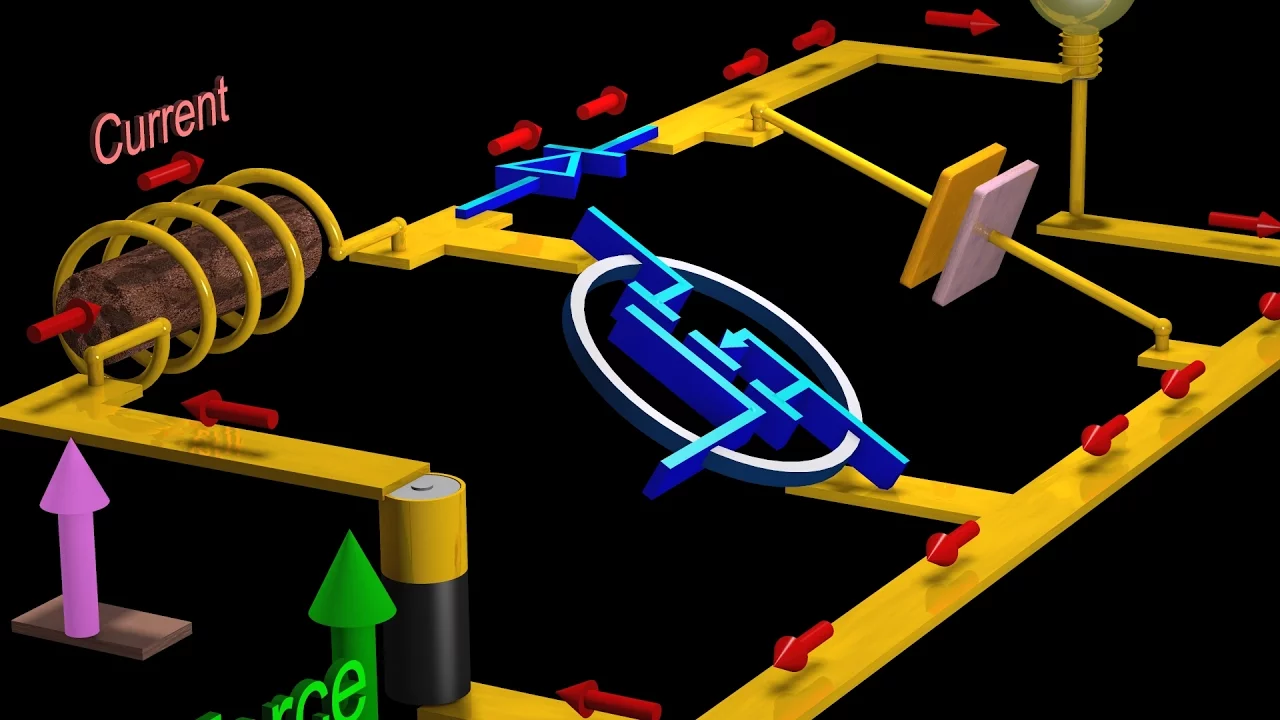
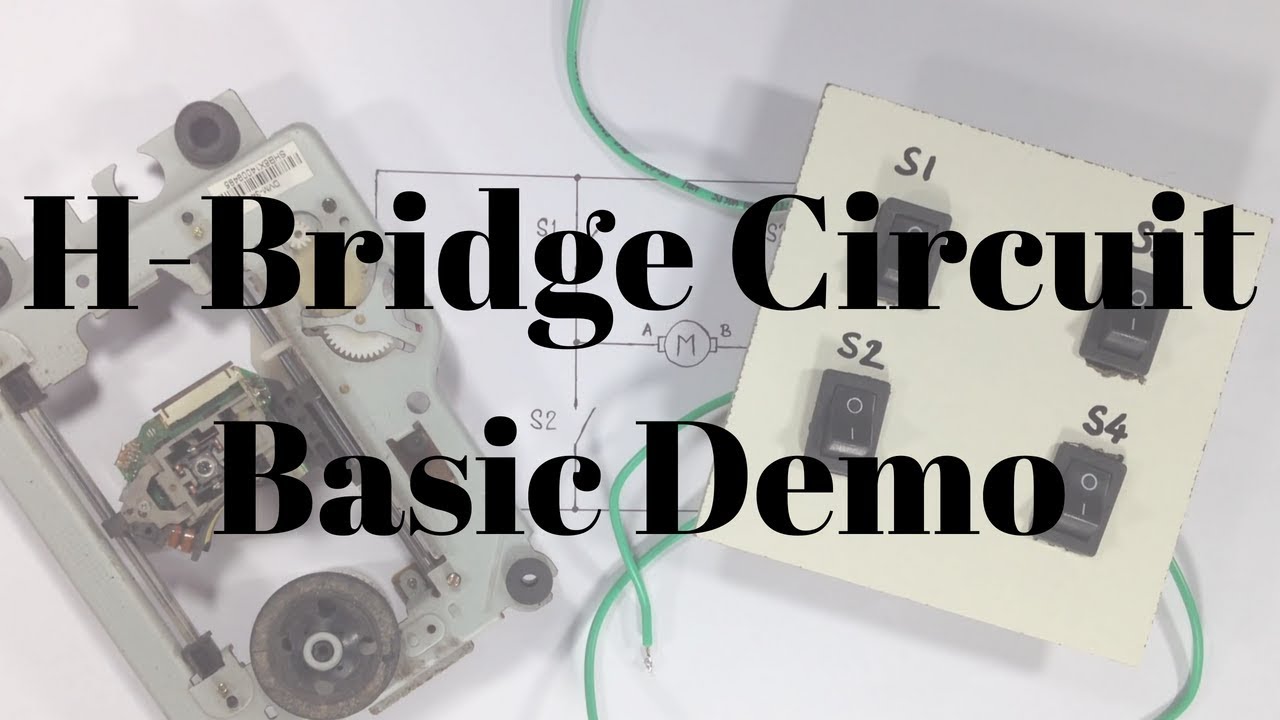
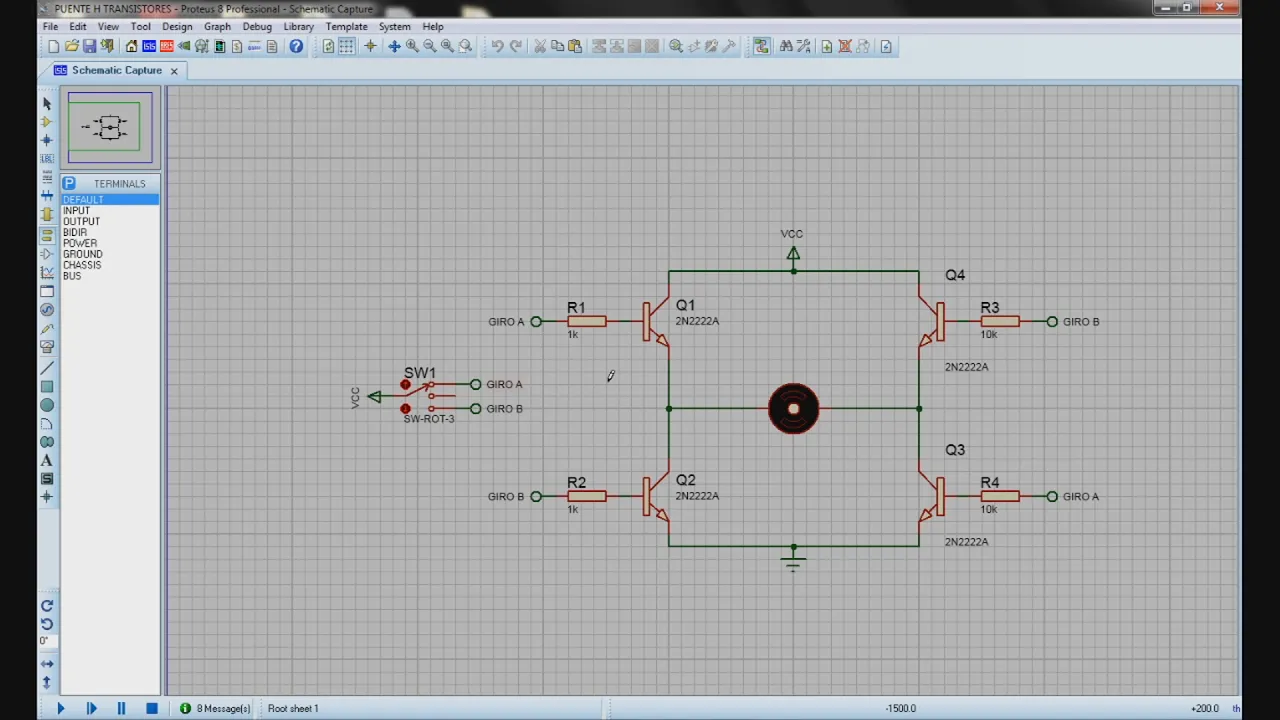
The concept of an H-bridge configuration and how it is used to alternate the direction of current flowing through a load.
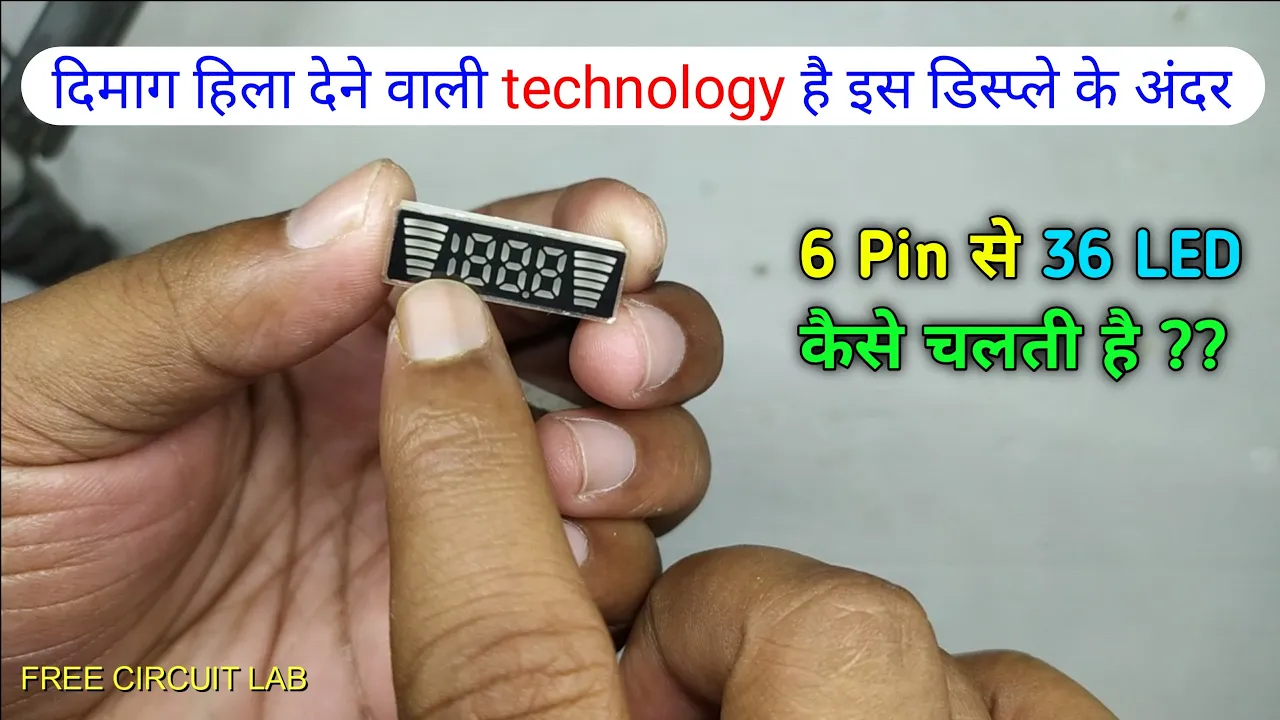
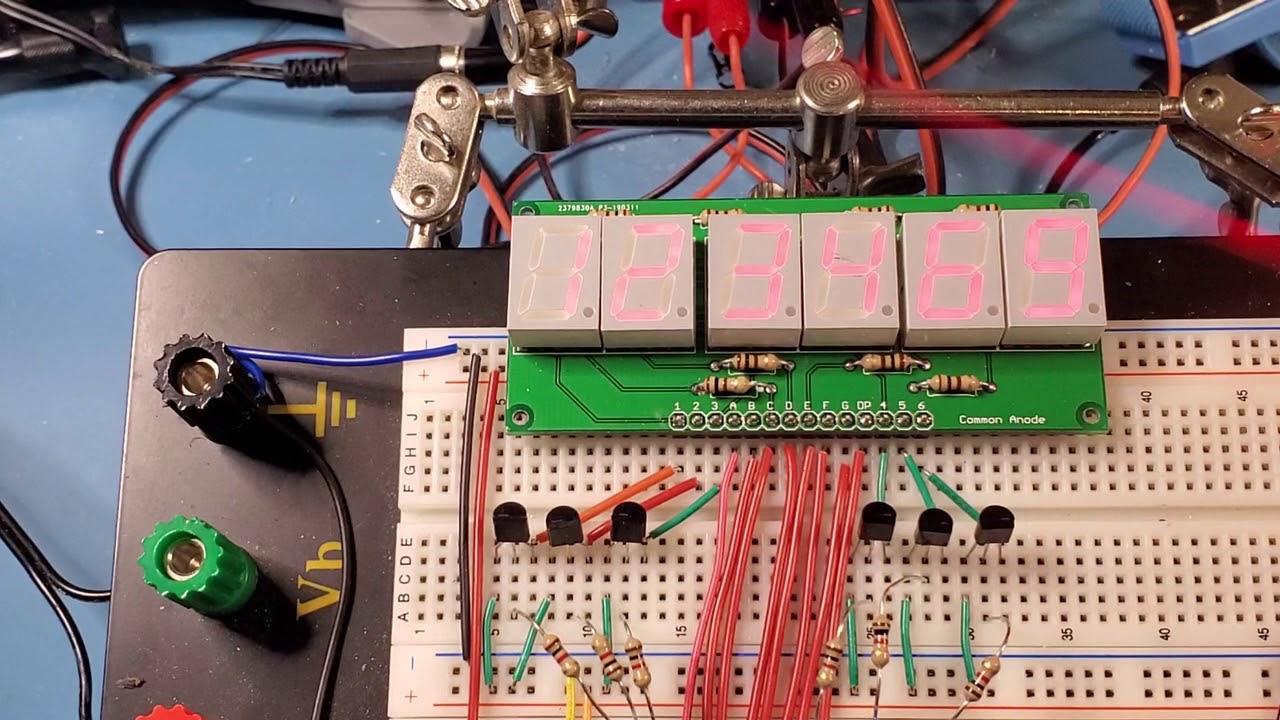
Basic digital design and display control concepts, particularly how multiplexing is used to drive multiple LEDs with minimal microcontroller pins.
Medical device electrical safety standards (such as IEC 60601-1) governing safe current limits and galvanic isolation for human contact.
The physiological principles behind electro-stimulation (e.g., TENS or EMS) and how different pulse widths, frequencies, and waveforms affect muscle and nerve tissues.
Advanced hardware reverse engineering methodologies, including PCB tracing, component identification, and capturing signals with oscilloscopes and logic analyzers.
Practical PCB layout design considerations for integrating high-voltage switching boost converters with sensitive low-voltage microcontroller circuitry.
77.6K views4.8Klikes17:10Original Release: 2025-01-20
let's take a look at a common medical electrical stimulation device and these things have been around for a very long time they've had multiple uses but the direction of their Sals has changed dramatically so originally this type of device which designed to connect to electrodes and you put it across areas of your body that you want stimulated electrically and in the past this used to be sold as instant muscle bodybuilding things you've probably seen the kits that were sold online with telar in and it would show a a musclebound bodybuilder and it would say with these electrodes on and it would say you can have this as well and people bought them and nothing happened because you have to go to the gym if you want big muscles the next use was transcutaneous electrical nerve stimulation otherwise known as tens and in that instance if you've got major pain in an area of your body you can put the electrodes either side of that and it provides stimulation and it does two things it suppresses the sensitive to the nerves by overdriving them effectively and it can cause the brain to release endorphins but these days it's gone more in the direction well the fact it's called the SM player multi-gaming expert it's gone a very different direction and I'll show you some of electrodes that are sold with these well I'll show you one right now you see it's not just good enough to let let me grab the handheld electrodes you can get handheld electrodes to give yourself zaps now Dem at that in a moment or you can get insertable electrodes much in the style of the Victorian uh electrical treatments of the past which I will not be demonstrating in the video but suffice to say there is an insulator here there's a metal tip metal back and it provides stimulation of bits so let me read the instructions of this then I'll give myself zaps with this then we'll open up reverse engineer it and explore the circuitry so let's see what kind of I read here I can't there are so many words I can't read in this um your breath creates the feeling of Sesame cake like f or silk rain babbling Brooks can agitate shaking making you excited sometimes as high and sometimes madly let you don't know in heaven or in Hell DIY features you can give full play to your imagination and Mining method of using this product there are so many bits in this suffice to say it says if you use it in your bits you can wipe it with medical grade alcohol for cleansing okay let me turn this on and give myself zaps with the worst possible combination electrodes right across the chest that's a great idea oh it's powered by the way with uh two AAA cells in the bottom here let's not read the back of that it's very UNS subtle uh socks toys indeed for socks yes uh so it has a little volume control knob at the side here make sure it's pushed all the way up do not turn it on with all the way down it's not very clear but make sure it's all the way up otherwise you're going to have a very very bad experience then holding the electrodes or the ones that clip on or the ones they do gloves they do socks they do ear they do electrodes for everywhere Japan is big into this as well it's very odd so I'm gripping these little hand electrodes which are a conductive Rubber and they've got these little pushin connectors here here and I shall push uh to push and hold that to activate the power little red LED is lit down here and then I shall select pulse oh and immediately feel that okay and it's quite slow but I'll turn it up I think that's making bad connection or something cuz it's quite random oh no it's just ow and really oddly it does alter it must change the priority it is pausing why is it doing that unless it's just going around to the start of its cycle or something like that not really sure yeah it's odd it's missing uh so if I turn this down again oh actually there's a speed button here oh uh and I press that it increases the speed not that many steps actually this is different to another unit I looked at well let's try let's try the one that I came AC CER last time let's press numb oh that is quite strong oh that is quite forceful so what I'm getting now is I'm getting a strong vibrating sensation in the hands it's very jumpy it's not it's very different I'm expecting the circuit to be different inside then we have uh absorb whatever that is is this going to make me Reg this what's that it's a vibrating pulsing sensation it's stopped and then it starts again can see the the green LED flickering there and then there's Auto which probably goes through everything yeah it's going to go through everything like Christmas lights so I shall turn this down now and I shall turn it off and we'll open it up right let's take batteries out and we'll make sure it's not holding a charge inside some of the electrodes seem very ill advised but it is quite a low power unit it's not putting out a lot although the previous one I got was just immense it would actually physically sprained muscles the actual force of the the stimulations it caused so there's major variation between these let's get the screwdriver into this that is not reaching this screwdriver that's not reaching uh next screwdriver this one reaching but not gripping oh uh one moment let's go for a universal kit um try this one these aren't expensive they're often sold with the toys these particular ones came from AliExpress I do wonder how widespread they're used I have noticed I should make a video about that I have noticed people doing things for pleasure that are actually quite dangerous I saw a product being sold on ety that is just basically yeah it it's designed to use with the Violet Ray type units but the modern ones and it was a sort of whip thing and uh it will actually cuz we've reverse engineered one of those before and the output is not isolated from the mains the the metal whip was directly connected to the mains via components and could give a significant electric shock terrible I don't think the sellers actually realize this hope they don't realize it here's the circuit board uh get this out without getting Zapped okay there's the capacitor that I think is probably holding the charge let's short that with a pair of tweezers twizz no sparkk okay let's make sure that's discharged yes it's discharged okay right so what do we have here we have the buttons we have the output Jacks little 2.5 mm Jacks you the LEDs an inductor for stepping the voltage up and the capacitor and there's a little potentiometer for for changing the power look quite a lot of transistors um okay right I shall take a picture of this and we can reverse engineer and explore the circuitry one moment please reverse engineering is complete let's explore I'll Zoom down a little bit onto this get maximum coverage here so the good news is that the little potentiometer over here is actually not it's not just sending a signal back to the mic controller it is actually limiting how much voltage can be generated although I did measure the voltage across this capacitor and managed to get a peak of 130 volts being switched by an H bridge to U with no obvious significant current limiting very strange here are the battery contacts 3 volts coming on here there's the microcontroller getting fed by that directly a little decoupling capacitor which it's a miracle this thing even gets on okay because this here is the inductor a 2,200 microen inductor being switched by this little transistor here and it charges this capacitor on the back this 250 volt capacitor via this little diode which looks suspiciously like a 1 14148 which they are rated for about 150ish volts I think and they are fast switching diodes so it can of Mak sense so we have this transistor switching the Boost circuit to step the voltage up and then these two are actually controlling the H bridge but the H bridge is based entirely on PNP transistors which is very very odd we have the LEDs and there's a resistor in every output and the way they're driving these LEDs they're using five pins um they could theoretically have just put one resistor per LED and given it its own pin but they didn't suggesting that this may actually be designed for other products that have digital readouts and things like that where they use a lot more LEDs and then there are the switches which are also multiplexed onto just three lines then the output uh the two jack connectors are just in parallel here Okie dookie let's take a look at the schematic which is in two parts for those wondering I will be exploring these but I'm going to have to use the cryptic I'm going to look at their construction internally and I'm going to have to be all cryptic and be Victorian about it and say let us take a look at these Health electrodes yes very healthful just to use them with our electrical medicine machines as they did in the Victorian era they were very adventurous with electricity and many ways that are not discussed so here we have two AA a cells 2 * AA a and there's the decoupling capacitor and then I've drawn the microcontroller absolutely massive it's a 14 pin microcontroller pins for positive pin 11 negative U but I've drawn it really big just because the way things are connected to it so they're using Tri-State Multiplex in LEDs this means they're using five lines each with its own resistor and technically speaking that could drive up to 20 LEDs because Tri-State multiplexing you have basically a pair of LEDs connected across each pair of lines in every combination and it just means that by changing uh the outputs between inputs and outputs in the polarity you can control individually 20 LED so they tend to scan them there is another pin that is not used on the circuit board this pin here right next to the other LED pins and that kind of makes me think that maybe they even have the facility to control with have six pins which would be about 30 LEDs to calculate how many LEDs you can drive take the number of pins in this case five deduct one four and multiply the number of pins five times that minus one 5 * 4 is 20 the other bit of circuitry here the buttons are also multiplexed on three pins we have the buttons bridging every combination of those three pins plus we've got them going to ground the Zer volt rail so it can actually take an input an output high and then look at the other inputs or switch again it's switching inputs and outputs it's doing major Tri-State multiplexing stuff here just to keep the pin countown then we've got two connections going out to the H Bridge which is on the next page that's the bit that zaps you um and we get the the high voltage generator which is this 2,200 microhenry inductor the little diode going through to charge this 100 Nar 250 volt capacitor which I did measure at 130 volts and the transistor is driven by this base value resistor and a capacitor just to basically give it a good Spike initially to turn it on I'm guessing and then there's an 18K resistor in series here that you have control over so when this is turned up to its lowest uh that's at full 18K and as you turn it basic goes down to zero which is just that 510 ohm resistor and it varies the amount this transistor turned on and therefore the amount of energy is imparted into this inductor that when it collapses magc field collapses it goes through the St and charges up that capacitor let's take a look at the next page which is the bit that zaps you well that's the bit that zaps you really but it's the bit that alternates polarity it's really important to note that when applying electrical current across the human body aside from the usual risks of getting putting your heart into a state of ventricular fibrillation which is low with this unit because it's very low pulse duration but the other things to consider are you can't just apply pulse DC across your body because if you if I stuck a couple of say copper coins on with wire soldered and stuck a low voltage DC Supply across my skin after a while redness would occur and it perforate the skin probably because uh it causes um electropos it damages the cells so that's why you have to apply AC so here are the two outputs from the microcontroller controlling these two transistors this is so odd because of the way they've done this normally in an H Bridge I'd expect two PNP transistors going to the positive Rail and two npn transistors going to the negative rail plus another couple of npn transistors switching the uh the two PNP using them as a level shifter to basically allow the microcontroller to switch at higher voltage the the bases of these transistors but in this case they've used npn transistors pull into the Zer volt rail to turn on all the transistors including the ones down here which means they're being used in what's called an imiter follower mode which means they'll never fully turn on it's very strange the way they've done this but there's low current involved at high voltage so I guess that's why they're justifying that but these transistors are controlled by the microcontroller and they then control the two transistors in diagonal Pairs and when these two are turned on the connections here this end will go positive and this will be negative and then when these two are turned on this will go positive and this will go negative so it can actually alternate the polarity and uh because the way it's configured it can also just be nothing going out so it can say we grab a positive there and negative there and then it will turn it off and then positive there negative there it will just keep swapping polarity and just giving Jabs or whatever they've programmed in for zations but that's it h rather than draw these lines across the a connects to the there and B connects to there both transistors diagonal transistors are being switched by one transistor with 33k resistors which is quite high value for all of them I guess the high value resistor also with the gain of the transistor limits the current to degree all these transistors are 2 L the two here are G1 and the one in the other page for switching the high voltage circuitry was also a G1 but that is it so there is Major variation in these a lot of people people seem to make them um the circuitry the appearance of the units is often very similar but the circuitry is different oh that's quite odd how they've molded this with the the led the switch uh depressible plunger here and the LED can also effect press that you could yeah the circuit board also has a couple of washers little plastic washers on it I wonder if that's just to adjust inside not really sure just to make it more snug Maybe to stop it moving about with the battery connections don't really know but that is it the uh Therapy Unit the muscle exerciser the transcutaneous electrical nerve stimulation pain relief device and the pleasure device that is it that's what's inside so in a future video I shall look at the electrodes take them apart and see their construction but of course that's going to have to say Victorian Medical electrod or something like that to avoid uh any confusion but there we have it the classic um little high voltage exercise unit
Up Next

30:12
Arduino Nano 33 IoT Complementary PWM with Dead Time
@ys_embedded258
525 views•2021-09-03

12:54
Triumph of Orthodoxy Icon: Byzantine Art & History Explained
@BenCallan
2.1K views•2024-08-06

9:49
FastAPI vs Flask vs Django: Choosing the Right Python Web Framework
@TechWithTim
302.5K views•2024-05-26

1:42
Game of Thrones Opening Credits: A Cinematic Analysis
@gameofthrones
46.3M views•2011-04-18
Related Study Plans & Knowledge Roadmaps
Structured learning paths in General & Interdisciplinary Studies
general-studies
Elevator Engineering: History, Physics & Cities
01From Hoists to Safety Brakes: The Dawn of Vertical Lift
02Hydraulic vs. Traction: The Engineering Physics of Elevators
03Modern Speed, Safety, and Algorithms
+ 2 more learning modules
12h5 modules
Explore Roadmap
general-studies
Rubber: Material Science, History & Geopolitics
01Origins of Natural Rubber & Mesoamerican History
02The Chemistry of Natural Rubber & Vulcanization
03The Geopolitics of the Rubber Boom & Colonization
+ 2 more learning modules
12h5 modules
Explore Roadmap
general-studies
Containerization: Evolution, Logistics & Trade
01Ancient Trade & Bulk Cargo: Amphorae to Barrels
02The Industrial Revolution & Cardboard Packaging
03The Containerization Revolution: Malcom McLean
+ 2 more learning modules
12h5 modules
Explore Roadmap
general-studies
Textile Tech: Evolution, Labor & Global Impact
01Pre-Industrial Textiles: Handloom & Cottage Industry
02Mechanization: The Spinning Jenny to the Power Loom
03The Factory System & Global Labor Transformation
+ 2 more learning modules
10h5 modules
Explore Roadmap