






![[김성완의 시사야] 김치형의 경제읽기 | 다시 움직이는 행동주의 펀드 | 김치형 경제전문기자 | KBS 220908 방송](https://i.ytimg.com/vi/0R9P2YubGg0/maxresdefault.jpg)
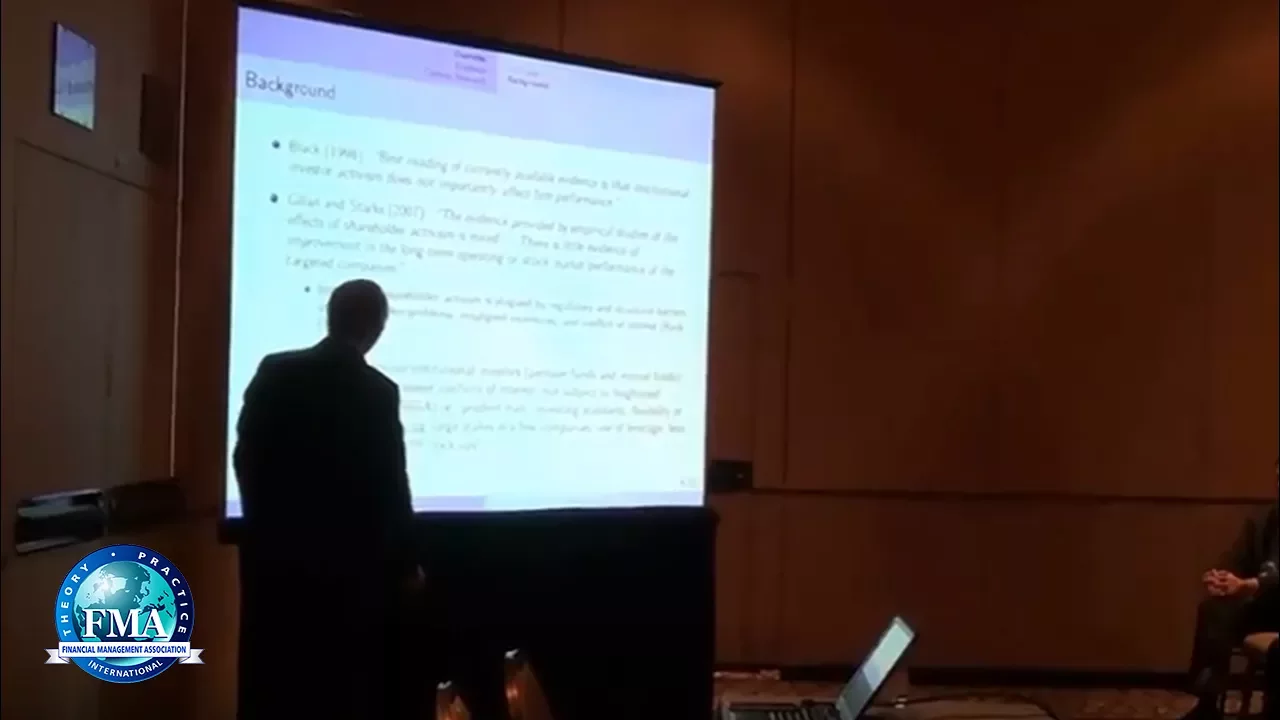



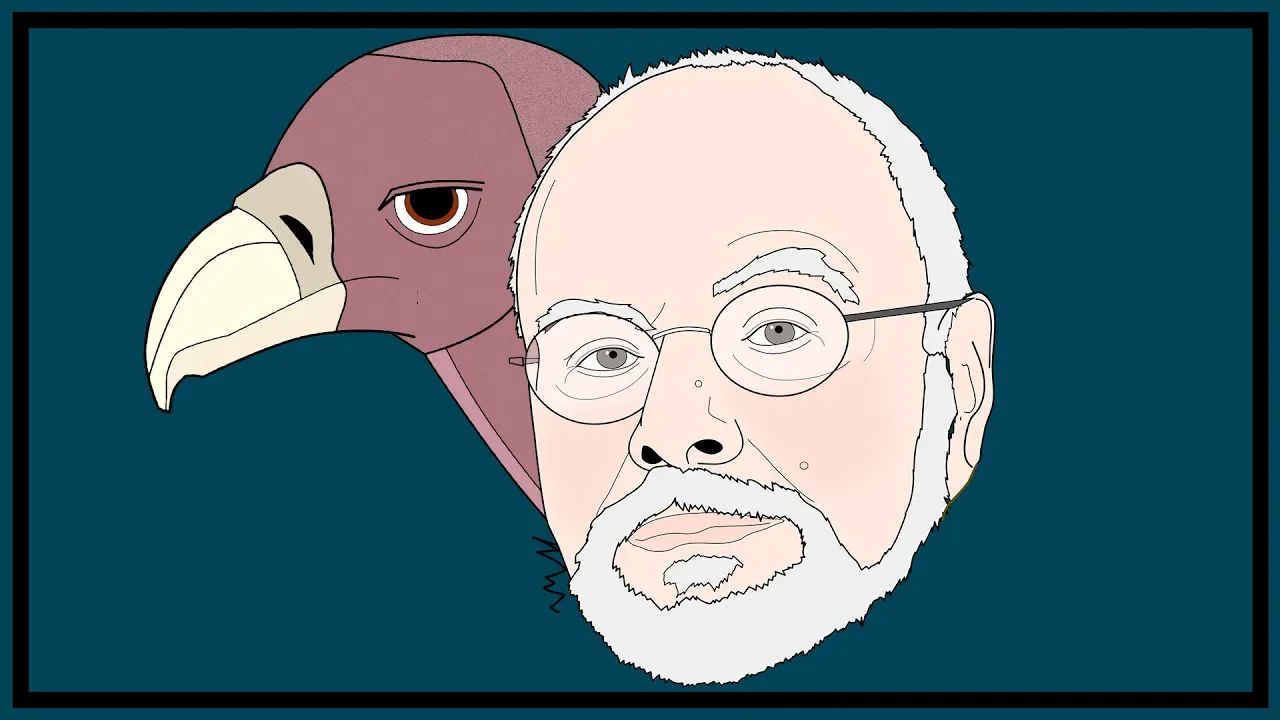
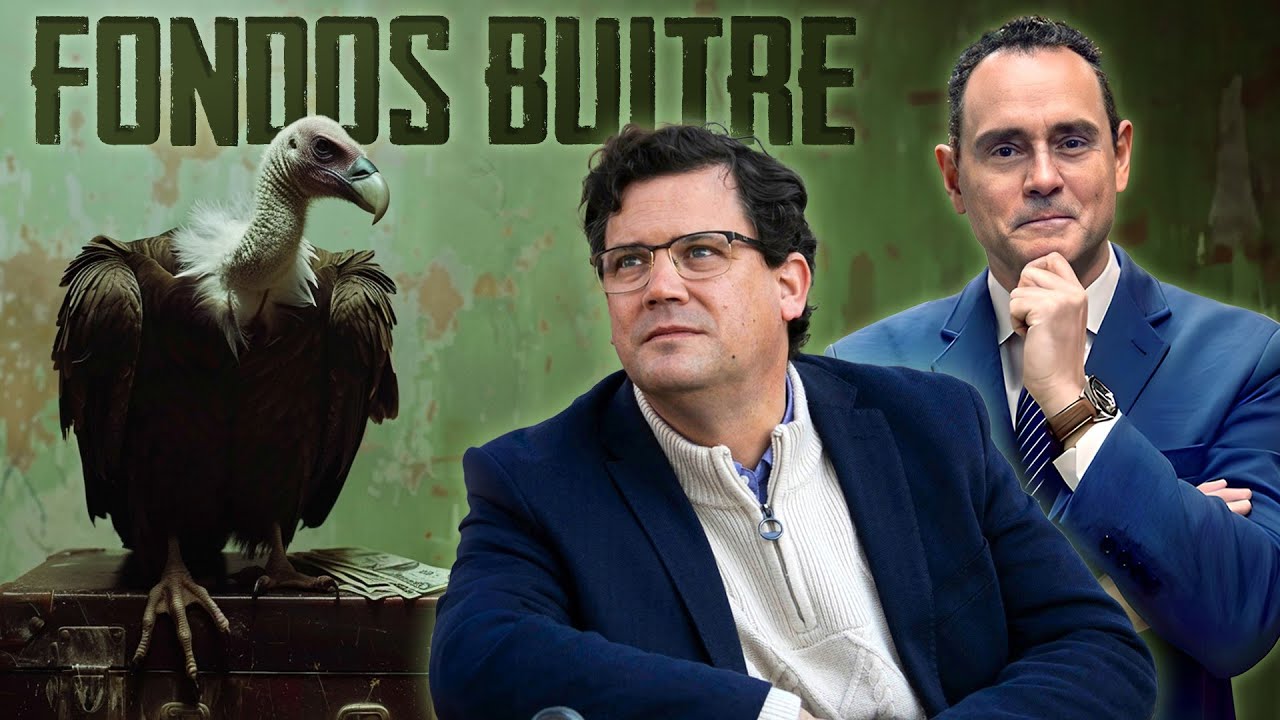








Paul Singer, an American billionaire hedge fund manager known as 'the vulture,' pioneered the vulture fund model by purchasing distressed sovereign debt at deep discounts and suing defaulting nations in international courts to recover full face value plus interest, penalties, and legal fees; his aggressive legal warfare tactics, which include exploiting bankruptcy loopholes, deploying private investigators, and leveraging political connections, have made him one of the most influential yet controversial figures in global finance, with critics condemning his practices as economically predatory while supporters acknowledge his exceptional returns.
Paul Singer: The Investor Who Redefined Financial Warfare
Added:Understanding of sovereign debt, government bonds, and how nations borrow money on international capital markets.
Fundamental concepts of distressed debt investing, including how hedge funds acquire debt at deep discounts from struggling entities.
Basic knowledge of international contract law and the concept of sovereign immunity, particularly how jurisdictions like New York handle foreign bond disputes.
The role and operation of activist hedge funds, specifically how they acquire minority stakes to influence corporate governance or extract payouts.
The evolution of Collective Action Clauses (CACs) in international bond covenants designed to prevent holdout creditors from blocking debt restructurings.
The ethical and economic debates surrounding 'vulture funds' and their impact on the public services and economic recovery of developing nations.
The study of 'lawfare' as a financial instrument, examining how litigation strategy is increasingly integrated into alternative asset management.
The intersection of private capital and geopolitics, specifically how high-stakes financial disputes influence foreign policy and international relations.
233.4K views6.8Klikes1:06:32Original Release: 2025-08-25
that his business is killing babies. The world's most feared investor. This guy is is like a kind of financial terrorist. Actually, Paul Singer.
>> Paul Singer.
>> Paul Singer. Paul.
>> And yet, this American billionaire is not a household name.
>> You may never have heard of Paul Singer, which tells you a lot in itself, but in Washington, he is rockstar famous. He has a lot of power because he's a multi-billionaire who influences other billionaires. He's the leader of the pack. He's the one who tells them where to spend their money.
So, how does one of the most influential, well-connected people in America stay in the shadows?
>> He's someone who also tries to make himself seem like a middle-of the road kind of person.
>> In Washington, he's feared. On Wall Street, he's celebrated. And behind closed doors, he's an unstoppable megalomaniac.
This is the tale of the world's most aggressive investor and how many people have really died at his hands.
[Music] To provide exclusive insights into the insane story of Paul Singer, we interviewed Greg Palest, a man that has been following the New York billionaire for decades now. And if you're going to cover corporate crime, you're going to run into Paul Singer, who understood that the best crimes are those you make legal. He's quite a brilliant man. I'm not going to take that away from him, but what a terrible way to use your your intelligence. My name is Greg Palast.
I'm an investigative reporter, as you can see from my hat. Old school detective style reporter. I used to be a detective, and I've been uh reporting for BBC television, for the Guardian newspaper out of England, and then uh in the US for Nation and Rolling Stone magazines.
[Music] Captain Pablo Lucio Salonio is in fear.
He's trapped on his own ship, not by enemies, not by war, but by a court order in West Africa. The orders are clear. Step off the ship and you will be arrested. The AR Libertat, his ship, Argentina's Pride, a sovereign warship, isn't going anywhere. It's been seized in Ghana.
But wait, Ghana? What beef could Ghana possibly have with Argentina? They share no borders. They have no history.
Neither is a superpower. But the Ganaian court isn't the one calling the shots.
In fact, the court is just the surface.
The real pressure comes from deeper pockets. The paperwork points to the cayman's. A hedge fund is pulling the strings. Behind it, a New York billionaire with a long memory and an even longer reach. Captain Pablo Lucio Salonio can't leave his ship because of one man, Paul Singer.
This story isn't about Ghana or Argentina. It's about a man who treats sovereign nations like overdue clients.
A man possessed with getting back what he thinks is his. Because in his world, money isn't influence, it's power.
Money controls power and this is a guy who he gives you some insight into how that has happened.
>> So who is Paul Singer actually? He's a man of the past, I think. And I think that the policies and the views and even the way he has made money um is part of what's gone on and what's gone wrong with our economy over the last 40 years.
>> Tinger is born into a Jewish family in T-neck, New Jersey, 1944. His dad owns a local pharmacy. His mother stays at home. The singers weren't incredibly rich, but they weren't suffering either.
Paul goes on to study psychology at the University of Rochester, then law at Harvard. His first job, a housing attorney at Donaldson Lufkin and Generate, a mid-tier investment bank.
Not glamorous, but it pays the bills. He spends his time working on mundane real estate lawsuits. But then he notices something.
Trained as a lawyer, he becomes fascinated with bankruptcies and the art of lawfare. He realizes that the court system is a battlefield perfect to manipulate these bankruptcy situations and make a lot of money doing it. Singer begins to see these distressed cases not as theories, not as stories of recovery, but as opportunities. The courtroom isn't just where disputes end. It's where fortunes are made. If you understand how to tilt the system, this is where it starts. The roots of a financial philosophy that won't just make him rich, it will make him feared.
Because to freeze a sovereign navy's warship halfway around the world, you need more than capital. You need precision lawfare. You need a legal playbook that most governments can't match. He's quite a brilliant man. I'm not going to take that away from him.
But what a terrible way to use your your intelligence.
>> Over the years, Singer develops an array of aggressive tactics. He doesn't just fight in courtrooms. He hunts in the shadows and even sends private investigators into the personal lives of his opponents.
>> Elliot does have a history of using private investigators. Rumors suggest that firms like Elliot Management hire former CIA and MOSAD agents to dig up dirt from public and sometimes not so public sources. Essentially preparing blackmail files that quietly reminds adversaries that their private business could be put out there in no time.
>> He he was trying to use information, private personal information about me to destroy me and and chase me uh off the air. We'll return to that part of the story soon. It deserves its own moment.
For now, know this. Some of Singer's strategies are so aggressive they've been banned outright. The UK outlawed one of his core plays entirely. It's not until the 1990s that Singer's legal obsession and appetite for escalation collide into something else. A financial siege unlike anything the world has seen.
Paul Singer is at a crossroads. For years, he has been working for the same investment bank. And by all accounts, Singer was a capable attorney. But the slow nature of corporate law feels passive to him. Deals happen or fall through regardless of how much effort he pours into contracts. Singer hungers for much more than a lawyer's desk job could offer. In 1977, Paul Singer steps away from law and launches something of his own. A small hedge fund built from a bedroom office with $1.3 million scraped together from friends and family. It's enough to do what most people can't even imagine. Start managing other people's money before being wealthy yourself. He names it after his middle name, Elliot.
It doesn't mean much yet, but it soon will. Hedge funds aren't for everyone.
They are private pools for the wealthy, built to recklessly take on risks and aim for massive returns. And they operate with fewer rules. It's the financial wild west, a world in which aggression isn't punished, but rewarded.
And soon the playground for Paul Singer and his Elliot management. Already in the early days, Singer's firm stands out. Elliot's really shown an ability to make money when everybody else is losing and that's extremely attractive to many investors. If you put your money with Elliot, you are very unlikely to lose money simply because Elliot historically has not let that happen.
>> Elliot management has incredible success with something called activist investing. Activist, not that kind of activist, although Paul Singer does that, too. We'll get back to that. But he's also an activist in a let's say different way. In finance, activism isn't about marching. It's about taking over. And besides singing, there's nobody who represents that more than Carl Icon, a man we've already covered on this channel.
Motorola is a perfect example of how Carl Icon operates. First, he chooses a company he thinks is poorly run and trading below value.
Two years ago, he started buying up millions of shares of Motorola. Now, he controls over a billion dollars worth of stock. As he usually does, he's been making demands in order to jolt up the sagging stock price. First one, dump the CEO. That happened in December. Then break up the company. His goal is always the same, to reap a hefty profit for himself. Why does everybody say that you're the man everybody loves to hate?
>> Love to hate? Well, you're hurting my feelings.
>> This label comes from his ruthless approach to corporate takeovers. Take 1984 when Carl Icon bought ACF Industries, a railc car manufacturing company, his first item of business.
>> How could I get rid of 12 floors of people? So, I figured, how do I do that?
>> It wasn't just a mere fantasy. Carl Icon really did that. firing 12 floors of employees in an instant and no signs of remorse. Now imagine that there's only one guy considered more extreme than Carl Icon. It's Paul Singer.
>> They're called activists because they try to create a change at a company but um do it in a very active way. So whereas you know the average investor might sit around just waiting for their stocks to go up, activists are really trying to uh make a difference. They used to be called corporate raiders.
>> It sounds technical, but it's personal.
Imagine you open a neighborhood pizza place. A friend invests in your shop.
Next thing you know, he's demanding a new source recipe, firing your cousin, and bringing in his old college roommate to run operations. All because he owns 20% slice of your business. That's activist investing. In the real world, it's not about pizza. In the real world, it's about billiondoll companies. And Paul Singer takes it one step further.
He is the danger. Paul Singer isn't the kind to knock. He kicks down the door.
He doesn't just pressure CEOs. He inserts himself into the boardroom.
Elliot demands board seats, vetos mergers, forces strategy shifts, all without ever officially running the company. This is stealth control. The power to steer decisions without wearing the title. To run a business without having to build one. But most of it still comes down to that pizza shop example. buy another, scale it, convert it into a bakery, then lay off the thousands who used to make dough by hand. There's a deep uncaring evil in them. They just don't care about what happens to others and they will do anything to make a buck no matter who lives or dies. And Paul Singer's Elliot management are the best in this game.
Elliot is considered probably the biggest actually. They're definitely considered the biggest baddest of the activist investors. Nobody's bigger than them. Nobody is more active. They are the most active activist investor.
Elliot is global. They have taken their activism to Europe, to Asia. Nobody's really scaled their strategy, you know, scaled the activist strategy as well as Elliott has. There's no company that's safe from Elliot and that's extremely intimidating to companies.
>> When Elliot targets a company, it usually wins. And even when it doesn't, it creates chaos.
>> Hardly anyone tries to stiff arm us.
Hardly anyone.
>> Paul Singer will go to any length to get what he wants. And if that means bringing down an entire American town or going up against dying factory workers, then so be it.
[Music] Thousands of workers are dying slow, suffocating deaths. They spent decades building America, insulating its homes, wrapping its pipes, earning just enough to raise a family. But they didn't know that every breath they took on the job might kill them. Asbestos doesn't strike fast, it waits.
It lives in the lining of your lungs.
And when it finally speaks, it's already too late. The company responsible, Owens Corning, a building products giant. The company is drowning in Asbestos lawsuits. The man it had quietly poisoned over decades demand compensation, hoping for a payout before their time runs out. Billions in liabilities, enough to drive Owens Corning into bankruptcy.
And that's when Paul Singer arrives. not to save the company, not to help the dying to get their payout, but to go on an unprecedented legal rampage. So what they did was they used the bankruptcy courts. So Paul Singer bought up companies who were going into bankruptcy or were in bankruptcy and bought them for next to nothing because the companies were bankrupt because they owed their workers who were dying of asbestos. They owed them money for their medicine and for their care. And Singer realized, well, others realized, but they weren't going to take advantage of it, that under US bankruptcy law, you can eliminate lawsuits, including by your dying workers. So, he took advantage of this.
Elliot sees the opportunity. It buys the company's bank debt for pennies, then starts the crusade. This is where the brilliance of Singer shows. His lawyers fight to reduce what the company owes its victims. When you're taking money away from people who are dying, who literally are dying because they don't have enough air and they cannot breathe.
It's a horrible way to die. They fund research downplaying asbests role in worker illness. And they even lobbyed Congress to cap what dying men could claim. behind the scenes, they bankroll a PR campaign to discredit the dying, portraying them as frauds who are faking their sicknesses. And he ran a campaign, public campaign, saying all these people were fakes. And he got some doctors say, "Oh, they're all fakes. They're all lying. It's nonsense." And he even got George W. Bush to endorse his position and promote the idea that these asbestos workers were were faking their deaths, were faking their choking, that they couldn't breathe. But, you know, you could see it. You have to understand it's not a mystery disease. You see it on you can see it in an X-ray. Uh, you know, it's it's so the idea that these guys were faking it is this was ugly stuff, but he understood the power of political cover and it works. pay out drop and singers profits rise. One journalist said it best.
But it's not just the dying who pay the price. Sometimes it's entire towns.
Before Paul Singer shows up, it's one of the last thriving places in smalltown America. The kind of place politicians always promised to protect. The heartbeat of Sydney. Cabelas, a beloved outdoor retailer with deep local roots.
Elliot smells opportunity. In December 2015, the New York-based hedge fund buys an 11% stake, not to grow the company, not to make it better. Singer's game plan is to push the board to sell off the company. Cabela's management, apparently fearing a long and costly fight with Singer, announced it would look for a buyer. Now, at the time, the outdoor retail company was doing fine.
No sign of trouble, no immediate need to sell. But Singer didn't care about the company's health. He was concerned with making a hefty profit and support would soon arrive. About a year later, after Singer got involved, Bass Pro Shops comes knocking. The iconic brand puts around $5 billion on the table to take over Cabelas. Soon after, Singer gets what he wants.
>> Two of the biggest names in outdoor outfitting are becoming one. Bass Pro Shops is buying Cabela. It's a deal worth $5.5 billion just announced today.
Cabela's stock price surges on the announcement and Singer is ready to cash out. Within a week, literally a week, Paul Singer cashed out. He bought the stock for $38 a share. He sold it for $63 a share. His hedge fund made at least $90 million upfront and likely more over time. But unlike Singer, the city of Sydney didn't get the $90 million. Instead, they were handed a death sentence. Cabela's headquarters shut down. The downfall of the city's biggest employer triggers a downward spiral. Thousands of jobs gone. Home values collapsed. Hundreds of foreclosures. And just like that, a thriving rural town is now just another casualty in Elliot's invisible profit machine. But Singer isn't the kind to slow down after a win. He moves like a virus. From one opportunity to the next, one battlefield to another. And halfway around the world, another fight is brewing. Only this time, it was an entire democracy on the line.
[Music] Mass protests erupt in South Korea.
>> Bribery investigation now includes the president. Samsung's merger at the center of controversy.
>> June 2015. A nation begins to fracture.
What happened and what does Paul Singer have to do with it? To understand, you need to start inside South Korea's most powerful dynasty. Samsung, the lease, Samsung's controlling family, wants to tighten their grip. To do that, they propose merging two Samsung companies.
Chale Industries and Samsung CNT. But there's a catch. The merger terms are built to favor the family. Minority shareholders get steamrolled, but someone's watching. Elliot management is among the shareholders and as you know by now Singer is not the kind to be steamrolled. He is the steamroller. He spots the imbalance and makes his move.
Although his fund holds just 7% of Samsung CNT they launch a full-blown assault to block the merger. We're talking lawsuits publishing open letters rallying global investors to stop the deal. This isn't just a shareholder upheaval. It's a foreign invasion. At least that's how Samsung paints it. And Samsung strikes back. They post a cartoon online. Paul Singer as a vulture clawing at the nation's flag. By now, the shareholder vault becomes a national spectacle. Now, US hedge fund Elliot Associates, which is the third largest stakeholder in Samsung CNT, is pushing really hard to block the company's proposed merger. Elliot says the terms of the merger are completely unfair, but Singer doesn't flinch.
July 2015, the vote goes through. Elliot loses. Samsung wins the vote barely and only because Korea's state-run national pension service sides with the merger.
Case closed? Not quite. Prosecutor's questioning of the former president did not finish until 11:40 p.m. on Tuesday with some 14 hours after it began at their central district prosecutor's office.
Park is accused of funneling millions of dollars from big businesses into organizations set up by her close friend Choice and Seal. Months later, the real story emerges. Samsung secretly lobbyed the president's office to pressure the NPS. In return, the company funneled tens of millions to a confident of the Korean president. What started as a corporate merger ends as a political collapse. President impeached, Samsung's heir indicted, corruption exposed at the highest levels, and now Singer wants revenge. Years later, Elliot takes South Korea to international arbitration and wins. $18.5 million in damages. A hedge fund armed with 7% and pitbull-like tenacity just cracked open a presidency. This is the singer method because Elliot isn't just a hedge fund. It's a lawfare machine.
$40 billion in assets, shareholder pressure, legal warfare. And of course, you can't forget about the private investigators. His next move isn't in court, it's in the shadows.
[Music] Imagine you're a CEO. You've prepped all night for an important board meeting. You know your numbers, your slide deck, your rebuttals, but none of it matters.
Because once the meeting starts, it's not about your company's finances anymore. It's about your past. private texts with your ex-wife, wild remarks in the boy's group chat, or even printed out nudes, that thing you thought no one knew.
That's how Jonathan Bush must have felt.
>> Elliot does have a history of using private investigators. Some of their investors will go to meetings with executives with a um thick dossier of stories and articles and basically ammunition that they can kind of flip through and say, you know, here's all the bad stuff you've done and we're going to go public with it if you don't listen to us.
>> It's 2017. Jonathan Bush runs Athena Health, a billiondoll healthc care company. He founded it in 1997 and has turned into a rising star in digital medicine. It's not just his company, it's his baby, his legacy. But then Paul Singer arrives. Elliot management announces it now owns a stake in the company. And they want what they always want, maximize their profits at all costs. To do that, Elliot Management wants to separate the father from the baby. They want Bush to sell Athena Health to a private equity firm and the pressure starts immediately. But Bush resists. As the company's founder, he doesn't want anyone to dictate on what he is supposed to do with his own company. But then suddenly, he has no choice but to listen.
His past is catching up with him. The revelation this week that the CEO of Athena Health attacked his former wife during a divorce 14 years ago has raised questions about how the company is handling that incident.
The assaults included calling her a [ __ ] while pushing her into a wall and repeatedly slamming his closed fist into her breast bone just inches from their baby. Bush apologizes and his ex-wife even comes to his defense. But only days after this revelation comes the next blow.
The UK-based newspaper Daily Mail publishes another story on him.
>> Athena Health CEO and cousin of George W. Bush is caught on film describing the inappropriate things he wants to do to a female employee.
>> All of it hit at once as if someone had been waiting with a trigger finger.
There are also obvious questions about where this information came from and how it was leaked, if you want to call it that.
>> The reporter is not saying what everyone on Wall Street is thinking, and Bush himself knows exactly where the attack is coming from.
>> Oh, you think you were personally attacked?
>> Oh, yeah, I think I was. I mean, yeah. Yeah, I found I didn't even know what the London Daily Mail was other either. I didn't know what Elliot was and I didn't know what the London Daily Mail was until I found myself on the cover of it uh for beating my wife. Uh so yeah uh it was a >> it was a deeply personal uh program that ran very well for them.
>> Yeah.
>> And that I wasn't you know neither I nor my board was uh equipped to handle.
The pressure escalates and within just 11 days Bush is out, kicked out of the company he founded himself. No lawsuit, no board vote, just collapse.
Elliot gets what it came for. Athena Health is acquired for $5.7 billion by Veritas Capital and Evergreen Coast Capital, an affiliate of Elliot. And as always, they leave no fingerprints.
Officially, Elliot denies orchestrating the smear campaign. Hedge funds, especially activist hedge funds, are established users of private detective services. Sometimes it's simply about paying an investigator to calm through public information. But other times, it's hiring former CIA operatives, MI6 guys, or former MOSAT people. Hatch funds are paying people who bring the tactics from intelligence service to the corporate world just to win a hostile takeover battle. That actually sounds insane. So, was Elliot really behind the downfall of Jonathan Bush? Insiders believe Singer was behind it all, or close to it. No one can say for sure, but just the rumor that a hedge fund could deploy intelligence operatives is enough to silence any opposition. And that's the point. When asked about it, Elliot comments that they are vetting all third-party investigators now, which means they didn't always. Inside Elliot, silence is standard. Employees are strictly prohibited to have private social media accounts. and singer. He never comments, never tweets, never explains. The dirty work is done by others. He stays in the shadows, but signs off on everything. And Paul Singer is willing to sign off on things no one else will touch.
>> A lawyer who used to represent Elliot told me, you know, to do activism really, really well, you have to not only be smart and persistent, but you have to be willing. And he not everybody is willing to be the bad guy. So Elliot is willing to be that bad guy. They are willing to cross lines and step over boundaries that others wouldn't cross.
Part of what makes Singer so effective isn't just his appetite for pressure.
It's his command of the rule book. He knows bankruptcy law like Navy Seals no demolition charges. every loophole, every filing strategy, every court where delay turns into leverage, he's already mapped it out. Whether it's going up against dying factory workers, bringing down CEOs, or allegedly deploying ex spies in a corporate drama, it all flows from the same skill set. And in countries like the UK, some of his tactics, they are outright illegal. To the average person, it's horrifying. to psychopathic megalomaniacs simply aspirational. But none of all this is what made Paul Singer actually rockar famous in Washington and Wall Street. Remember that warship from the beginning, the captain who wouldn't leave. This story is just getting started and Singer is about to reveal his full playbook to the world. Because when countries collapse, when their leaders are desperate, when their people cry for help. Exactly. That's the moment when Singer strikes with unprecedented tenacity. Not with tanks, not with threats, but with claims, lawsuits, seizures, his full arsenal to force courts to rule in his favor. This is what made him rich, and that's what made him the most powerful and arguably the most hated investor on earth.
>> I think this would be a good example of the tenacity cuz this was a crazy fight.
I don't think anybody's ever seen anything like it.
>> The most insane financial showdown the world has ever seen is about to begin.
[Music] He's called the vulture not just by Argentina. He's known by that by his friends in the banking industry.
>> Elliot is the ugly face of America.
>> They call him a vulture. But what does that actually mean?
>> He is known as the vulture. I think cuz I gave him that name.
>> And why is Paul Singer the king of them all? While investing legend Buffett read balance sheets or real estate magnet Sam scanned through listings, Singer waits not for the right stock, not for the right property, but for the right collapse. He doesn't beat markets. He builds legal traps, then waits for entire nations to fall into them. Or as one expert puts it, his approach is the perversion of international law in action.
While governments scramble to feed their people, Singer sues them in court.
Because Paul Singer's real secret isn't what he bought, but what he turned the legal system into, a money printing machine. And make no mistake, he didn't just use the machine, he built it. We'll get to how he did it soon, but let's first look at the strategy that earned him the title Vulture Lord. countries um have to borrow money to uh to survive just like you know you have to um well kid doesn't really borrow money but your parents borrow money to buy a house and if they get into trouble um then somebody can come along and take over this debt at a very low cost and force them to pay it when they really here.
>> Countries borrow money like families take out mortgages. It's how they build hospitals, stabilize economies, or simply keep the lights on. But sometimes things go wrong. A financial crash, a political crisis, a global recession.
Those countries default on billions in debt. But nations can't go bankrupt the way people can in America and other nations where you go into bankruptcy and your debts are reorganized. So usually it's an informal system and that's when vultures descent. Most creditors negotiate. They settle for less knowing a struggling nation can't pay in full. But Paul Singer doesn't settle. Instead, he waits for that moment of weakness. His fund stands still until the bonds are dirt cheap, scoops them up, and then sues for the full amount. Not just what was owed, but the whole inflated sum, the remaining balance, interest, penalties, years of legal fees. The total sum sometimes amounts to maybe a hundred times what you invested. And it's always by definition you are attacking the poorest, most defenseless corporations, people, and nations.
It's like buying a $50,000 foreclosed house and suing the desperate family for $200,000 and walking away victorious. Sounds unfair, but the kicker is US courts let him. A ruthless strategy built on elite lawyers, endless cash, and having no conscience.
In the 1990s, the Democratic Republic of Congo was ravaged by a colera epidemic, a waterbornne disease that killed silently, but is entirely preventable with clean water and basic medicine.
International aid from the US and Europe was supposed to help to stop the spread and to save lives. But instead, that aid money intended to end the epidemic ended up with Paul Singer. Not because he stole it, but because he did something previously unheard of. Paul Singer had purchased um the debt of the Republic of Congo which was in the middle of civil war and um and a collar epidemic. He bought some old debt for $10 million and then whipped around and sued the Congo and won a judgment because they had no way to defend themselves in the middle of civil war. In other words, Singer legally intercepted the funds.
>> And that's why um one of the United Nations officials told me that his business is killing babies.
Before he becomes the vulture lord, Paul Singer was just another hedge fund manager in New York. But in 1996, everything changed. Singer spots an opportunity in Peru. So, uh, after his hit on the asbestos, Singer hired in a lawyer who said, "Look, the nation of Peru was in deep financial trouble some decades ago, and they'll find these old bonds, some of which have been sitting around in a bank vault for 20 years.
[Music] The country is in financial distress.
Its debt is trading for pennies. So Elliot management buys in a slice and does what almost no one had done before.
He sues a sovereign nation in a US court and wins. That single case sets a precedent. Sovereign immunity once a shield for governments suddenly has holes in it. A hedge fund drags a nation into court and walks away with millions.
He's like a repo man as we call in the US. You know, when you don't pay make your car payments, some guy comes out of the bushes and grabs your car and gives it back to the bank. So, he's like an international repo man.
Wall Street watches and learns Singer has a new weapon, the American legal system, and the world had a new name for it. The term vulture fund enters the lexicon coined by the insiders themselves. A not to those who profit from carcasses circling until the collapse then swooping in to feast. What he does is he takes the weak. That's why he's a vulture. He watching nations die and he swoops in and cashes in. That's how he operates. He's been doing it again and again for years and it's made him a multi-billionaire.
By the early 2000s, it's a political grenade. Pop stars condemn it. The World Bank warns it threatens debt relief.
Even US Treasury Secretary Henry Pollson testifies, "I deplore what the vulture funds are doing."
But to Singer, it's a business model.
And Peru is just his first kill. In the years that follow, Singer refineses the playbook and shapes the system to fit it. At first, he hides behind shell companies, letting subsidiaries wage legal war in silence. But once the rulings go his way, Singer steps into the light. Now, Elliot management sues openly, proudly, setting an example other hedge funds quickly follow. Singer doesn't just use loopholes, he engineers them. So singer's actions were at one point illegal. It's called it's a it's an old English law called champy. You cannot buy a company or buy bonds of a nation with the concept that you're going to sue. You don't buy to sue. It's it was against the law. However, Paul Singer isn't concerned with centuries old British laws. But he got the laws in New York State where he's based, he got them changed so that what was illegal and I talked to lawyers from major law firms who tried to stop him on behalf of these victim governments and they tried to bring charges against um Singer and his operatives um under this charity rule. But Singer is no rookie and he exactly knows how to deal with opposition. But it was Singer had tremendous political influence and was able to basically uh overturn the law. And so that left him as the sole vulture, the sole bird, the sole predator for a while until he was unfortunately imitated by some other wouldbe billionaires.
Hedge funds like his can now freely buy up distressed debt and sue the heck out of their targets. On top of that, he pushed for a small change in how interest on debt is calculated.
Something most people wouldn't even notice, but it made a huge difference.
It triples his payday when the lawsuits hit. And just months after this bill became law, he even donates to the politician who helped pass them. The UK sees it coming. In 2010, it outright bans vulture style lawsuits against the world's poorest nations.
Keep in mind that some of Singer's actions have well certainly according to the United Nations, according to the World Bank, not the most progressive organization, uh Singer's attacks are unconscionable and should be stopped. So what's what happened is I did uh a report for BBC television and by the next morning the British Parliament passed a law that said uh you cannot use the British courts to collect money against these nations in civil war or in epidemics.
But in America, the machine keeps running. At the end of the video, you'll understand why people like Paul Singer have tremendous influence over our political process.
For now though, New York billionaire Paul Singer is Argentina's public enemy number one. The question is, how did he earn that title? The answer finally takes us back to a familiar place.
[Music] In 2001, Argentina breaks. It was one of the wealthiest nations only some decades ago. But now their economy is in freef fall just as their currency. Middle class families watch their savings evaporate overnight. Riots erupt across the country. and the man at helm flees his country in a helicopter escape. It's the perfect situation for vultures to start circulating.
>> 2001, Argentina set a record by defaulting on $95 billion worth of loans. Their economy tanked and vulture capitalists like Paul Singer swooped in and purchased nearly worthless debt after the default. Then they waited while the debt gained value and now they want full repayment.
It's the largest sovereign default in history. Most of Argentina's creditors, pension funds, banks, private investors accept the painful reality. They agree to restructure, taking losses of up to 70% just to keep the country afloat. But not Paul Singer. Argentina has defaulted. Its people are in poverty.
>> You have to understand, people were eating out of garbage cans in Argentina.
They were completely broke.
But Paul Singer is only just getting started. While Argentina pleads for leniency, Singer's hedge fund, Elliot Management, moves in through a shell company called NML Capital. It buys up the country's defaulted bonds, debt that is nearly worthless. and Singer bought up some old debt of the nation of Argentina for just $50 million. Singer doesn't want a slice of the pie. He wants it all. He then turned around and sued the nation of Argentina for $4.5 billion.
What begins here is not just a debt dispute. It's the starting point to the most aggressive financial hunt the world has ever seen. Over the next decade, Paul Singer transforms litigation into warfare through shell companies and elite lawyers. His hedge fund files lawsuits around the world, chasing any Argentine asset with a price tag.
>> He tried to capture the central bank reserves, some of the pension fund assets. Uh he also, you know, targeted uh SpaceX launch sites all in the effort to get paid back. No measure is off limits.
>> The most famous one was in 2012 when he tried to seize some Argentinian warships that were there for a training session in uh in Ghana.
In 2012, Singer's lawyers find a clause buried in Argentina's old bond contracts. It just two Latin words pasu.
They argue that if Argentina pays the 93% of bond holders who accepted a discount, then it can't skip the 7% who didn't, including Singer. Argentina can't pay anyone unless it also caves to him. He did this through what the Argentine government and the United States Treasury call extortion. He says, "If you don't pay me, I'm going to stop you from borrowing money. I'm going to choke your nation to death."
[Music] The ruling puts Argentina in a headlock and Singer is the one squeezing. Critics call it economic blackmail.
>> He's basically a privateeer, a pirate.
[Music] >> But from Singer's perspective, the story is simpler. They argue Argentina had years to engage but refused.
>> They never put a deal on the table, never sat down with us. They were an example of just stubborny um entitled.
[Music] >> But even the IMF and noble economists start sounding alarms. They warn that giving Singer what he wants might doom future debt restructurings everywhere.
>> They stubbornly refused to negotiate with Singer.
>> By the end of 2012, Paul Singer has done something no hedge fund ever dared. He hasn't just sued a country, he's cornered it.
And the worst is still to come.
In June 2012, Argentina sends off one of its proudest symbols, the AR Allah Libertad, a tall ship, one of the fastest and largest of its kind in the Southern Hemisphere. On board, around 200 people, sailors, officers, naval students just weeks from graduating. A peaceful journey meant to honor the next generation of Argentina's military. It's a tradition that was never meant to make headlines.
But on October 3rd, it does. La Libertad docks in the port of TMA, Ghana. It's a routine stop until it isn't. A local court, issues an order. The ship cannot leave. Behind it all, Paul Singer, his hedge fund, Elliot Management, claims Argentina owes millions, and this is how he intends to collect. It's never been done before. No one seizes a military ship over a financial dispute. But in Ghana, a country with a strong enough legal system ranked above India and Brazil, Singer makes it stick. Argentina refuses to pay. So the ship sits trapped. Not for a few hours, but for weeks about 200 Argentines are essentially held hostage. You know, if you do that or I do that, that's considered an act of war. It's considered an act of piracy.
Then comes the moment. Ghanian officials try to move the ship to a different birth, but the Argentine sailors refuse.
They draw weapons, ready to defend their ground. The crisis is on the edge of exploding into a standoff between two nations. All because of the ambitions of a single billionaire with a legal team and a grudge. Eventually, diplomacy prevails. The UN steps in and the Tribunal for the law of the sea rules.
La Libertad is a military vessel immune from seizure. It must be released.
Elliot does not get the money. Not a dollar. Not yet. Instead, Argentina celebrates the ship's return with a hero's welcome because it must. The truth is, Argentina has just been publicly humiliated. Paul Singer never needed to win the case. He just needed to send a message. He showed the world that no government asset, not even a naval ship, is beyond his reach. This was never just about Argentina. This was about what Paul Singer is willing to do anywhere. And the message was received.
After the warship standoff, Argentina takes a stand. It refuses to give in to Paul Singer. refuses to settle, refuses to pay, and for that choice, the country is locked out of global markets completely. Because of Singer's legal victories, Argentina can't borrow, not from anyone who matters. From 2012 onward, to stay afloat, the government starts printing money, a lot of it. At first, it seems like a workaround, but then inflation takes off. Prices double.
By 2015, Argentina has one of the worst inflation rates on the planet, second only to Venezuela. While middle-class families see their life savings evaporate and factories lay off employees, social workers report something far darker. In the poorest neighborhoods, suicide rates are rising.
Quietly, but consistently, most of those people don't know Paul Singer's name.
They don't care about lawsuits or billionaires in New York. Yet, the fallout from his pressure campaign shapes their lives anyway. Argentine President Christina Kchner calls it imperialism.
Motherland versus vultures, she declares. But behind the slogans, it's the people who pay the price.
Well, Argentina has reached an agreement to pay US hedge funds that have sought for 14 years to profit off the country's economic crisis. The hedge funds bought up Argentina's debt for bargain prices after his financial crisis, then demanded full repayment. Former Argentine President Christina Fernandez de Kersner had refused to pay the firms, calling them vulture funds. But under the new right-wing president, Mauricio Makerti, uh, Argentina has agreed to pay $4.65 billion to four hedge funds, including Elliot Management, run by billionaire Paul Singer.
By 2015, the standoff is no longer sustainable. A new president is elected, Moritzio Makri, a candidate supported by Paul Singer. His promise is simple. fix the mess and rejoin the world. And in early 2016, Argentina agrees to pay. The total deal is $4.65 billion. Paul Singer's share a staggering $2.4 billion. His original investment just over $100 million. The return almost 20 times that. And that's before interest.
With the debt paid, Argentina is welcomed back into international markets. Wall Street applauds, credit flows again. And Paul Singer, he completed the most aggressive financial crusade in modern history and walked away with the richest ransom the hedge fund world has ever seen. But while the world watched the high-profile battle play out, something more important was happening quietly back in the US.
Because wherever Singer gets involved, the pattern repeats. If he doesn't believe a leader should be in place, whether or not he does it directly, he's shown an ability to essentially take out corporate leaders as well as heads of state. And he's by far the only investor who can do that. He's a guy that can sway the balance.
>> But if you ask Paul Singer, there's a noble side to his tactics. Critics condemned Singer's targeting of a weak country as immoral. Half the population was living in poverty after the country's default in 2001. But Singer saw it differently. He laid the blame at corrupt officials. What he does is he gets journalists and human rights organizations, whatever, to attack those nations leaders as corrupt. And by the way, he's often very much right that they're corrupt. If they're corrupt nations, their their people are the victims, not billionaires like Paul Singer. Paul Singer is not their victim.
But he uses it's a trick. It's a brilliant trick about saying these nations are corrupt, so you can't defend their refusing to pay their bills. And so again, he he pretends that he's doing some the world a big favor. I'm exposing corruption, so give me the money that they've stolen.
You know, it it may make no sense to you and me, but it's been very effective line.
He's a vocal advocate for transparency in government, at least abroad. Because back in the US, his own political operations are anything but transparent.
While staying almost invisible to the public, he has quietly become one of the most influential figures in American politics.
>> Paul Singer became the number one donor to the Republican party in New York.
>> And the last chapter of this story is not about Argentina. It's about America.
>> Uh the Obama administration's uh cabinet member in charge of the auto bailout said that Singer's actions were no less an extortion of the US government. It's pretty hard to extort the US government, but Singer did it.
[Music] Paul Singer probably first came onto my radar um maybe around 10 years ago when I became aware that that he was uh a major funer of some of the think tanks that had played uh a really enormous role in uh pushing the United States into uh the uh invasion of Iraq.
Paul Singer has enough financial muscles to push a whole country into war. And he does that by funding think tanks. We'll get to what that means in a minute.
While the world was watching Paul Singer fight Argentina, he was quietly building something bigger and more dangerous back home, a domestic empire designed to shape politics, law, and culture. And the heart of that machine, think tanks.
But what even are think tanks and why are they so powerful? Think tanks are like political brain factories. They don't run for office. They don't hold rallies. Instead, they do the quiet work, writing reports, crafting legal arguments, training policy experts. They create the ideas and then push them into the hands of politicians, judges, and the media. And that's where Singer positioned himself, right in the middle of the political spiderweb to lobby for what he believes is right. He >> is interested in another sort of sometimes fringe aspect of the Republican party, which is advancing a very aggressive foreign policy. The the type of foreign policy that frankly Donald Trump essentially ran against um which led to the invasion of Iraq.
Singer didn't just donate. He took the reigns, becoming chairman of the Manhattan Institute, a conservative think tank known for pushing pro-c corporate, tough on crime, and anti-regulation ideas. Their reports shape courtroom rulings. Their scholars testify before Congress. Their op-eds shape the news you read. He's the big funer, if not the founder of the Manhattan Institute, which has had a huge effect on American law in both the courts and in Congress.
And his influence goes beyond foreign policy. His views mirror another powerful network we've covered before on this channel, the Koch brothers. Both operate on the same formula, low taxes, fewer rules, maximum profit. To scale this strategy, in 2014, Singer helped launch the American Opportunity Alliance, a kind of elite donor summit where the wealthiest Republican funders align their strategy.
>> They they absolutely are seeking to influence and ultimately try to capture the the this realm of ideas or the or the policy debate around specific issues.
But it goes much deeper than that. It's about funding certain politicians and the experts that are advising them.
>> When you start to peel back the layers of that, you'll realize that these organizations, they share many of the same funders and these funders fund many of the same politicians. So these funders are now controlling both the voices that are the supposed experts speaking to the politicians who happen to be also funded by the same people.
Um, and now you've created a pretty effective closed feedback loop.
The same donors fund the think tanks, the media outlets, and the politicians.
The result, a closed circuit of influence. What the public sees as spontaneous debate might be closer to a script, but funded from the same checkbook. Paul Singer doesn't just fund political change. He manufactures the blueprints, trains the messengers, and tells other billionaires where to sign.
He has a lot of power because he's a multi-billionaire who influences other billionaires. He's the leader of the pack. He's the one who tells them where to spend their money.
And just like in corporate boardrooms, Singer never needs the spotlight. No elected office, no press briefings, just influence, layered and quiet. I did this story on how and then how this money secretly some of it got to Mitt Romney, this presidential candidate, and Barack Obama actually mentioned my investigation in the debates with Romney, but there was no reporting on it, even though Barack Obama had mentioned my story. And then the head of the uh uh United Auto Workers Labor Union contacted the Associated Press, which is the arbitrator of what is news in America. You you don't get into a paper in the United States unless you're in the assoc unless it's been basically uh approved and sent about by the Associated Press. He says, "Well, what happened to Greg Palace story about Paul Singer?" and the vulture hit. Um the Associated Press reporter told the head of the union for the first time in 30 years of his career, he was told, "Do not touch this story. We can't print this story." So my story was spiked nationwide.
>> He shapes the outcome from behind the scenes, a puppet master in the shadows.
You have to understand Paul Singer actually opposed Donald Trump. He was afraid that that Trump would lead America into a recession. But then after soon after Trump got into office, he told the press, he said, "You know who's waiting for me in the Oval Office? Paul Singer." And so Trump, who's like the most self-centered, egotistical man that may walk the planet, he was impressed that Paul Singer would come to see him.
So imagine that the president is like, "Oh, you know who's coming to visit me?"
It's like he who's getting a movie star was coming to visit him. So um just shows you how powerful this guy is when the presidents go, "Wow, Paul Senior is going to talk to me."
When Congress passed sweeping corporate tax cuts in 2017, Singer's fingerprints were there when progressives proposed a wealth tax.
Singer's think tanks help block its progress in court. But not everything Singer funds fits the mold. He regularly receives praise from LGBTQ activists who call him a rare ally in the Republican donor class. In the case of gay rights, my younger son came out to me as gay in 1998 when he was uh 21 years old. And um shortly after some brief discussions um I became very interested in um being a funer of u of gay rights groups um of helping out in that um uh in that realm.
The culmination of that was um very highly strategic and wellexecuted project was a partnership with the governor of New York with uh us and our u our Democratic friends to um to make um uh gay right gay marriage legal in New York which required Republican state senators help and we were involved in it.
>> He's also supported Republican efforts to elevate women in leadership. Some call it genuine, others see strategy.
>> He's someone who also tries to make himself seem like a middle-of the road kind of person. He does his own PR campaigns around things like gay rights and advancing women in the Republican party.
>> What's not up for debate is his invisibility.
>> When you are an activist who is willing to go to the lengths that Elliott is, you do not live in a glass house. you do not give people any opportunity to go after you. And I think that's why he doesn't want you to know who he is. Um, and yeah, I mean, when you are so powerful and when you do, you know, use your money in ways that are controversial and that maybe a lot of people wouldn't agree with, you're going to keep um, you know, somewhat of a low profile. I think there's probably a lot more that we don't know. He's very good at keeping the stories out, burying the stories.
>> But here's what we do know. Paul Singer has used the art of lawfare to crush companies, financial leverage to trap nations, and his networks to bend American democracy. Paul Singer was caught giving um a free vacation in Alaska, an expensive vacation with private jets and private planes for one of the US Supreme Court justices, Samuel Leo. So this guy was basically and this is absolutely unethical if not illegal.
[Music] He built a reputation by winning ugly and for investors his exceptionally high returns are all that matters. I don't think he even minds being called a pirate or minds being called a vulture because it brings him all these other investors who think that he would do things they wouldn't do but they don't mind collecting the money.
When Elliot opens to new clients, the ultra wealthy come in droves and spots are filled in a matter of an hour. They don't see the private investigators chasing CEOs. They don't see the ruined pensions. They don't see the mass layoffs. Or they may see exactly that and think whatever. Singer will protect my capital. At least that's what Singer himself wants to be remembered for.
>> He tried to make a difference. He um um protected a lot of people's uh capital over a long period of time.
>> Even his fiercest critics would probably admit that about him. But Paul Singer is not alone. Other billionaires have followed his model. The question is, how many invisible empires are shaping our world by now without us realizing it?
But there's a reason why Paul Singer's think tank has gone after voting rights cuz they know that's the final defense that America has against predators like him is our vote because we have more vote than they have money. And uh so democracy is the answer. And that's as my fellow Americans um don't take this democracy and don't take your vote for granted cuz these billionaires are coming after your right to vote.
If you like this video, chances are you'll enjoy our video about another very controversial empire.
Up Next

0:55
Three Undisclosed Keys to Success: Essential Insights
@gennadythoughts
245 views•2026-05-30
46:36
Retention Habits of Top DTC Ecommerce Brands Revealed
@SendItPodcast
44K views•2026-03-03

15:23
Decoy Effect: How Pricing Psychology Influences Consumer Spending
@bobinvestsUS
90K views•2026-01-05

17:30
The Planned Obsolescence of Light Bulbs and Tech
@veritasium
25.3M views•2021-03-26
Related Study Plans & Knowledge Roadmaps
Structured learning paths in Business
business
Pop-Up Retail: Strategy, Design & Execution
01Introduction to Pop-Up Retail & Strategic Goal Setting
02Budgeting, Site Selection, and Legal Essentials
03Experiential Retail Design & Visual Merchandising
+ 2 more learning modules
15h5 modules
Explore Roadmap
business
Reg CF: Startup Funding, Marketing & Launch
01Introduction to Equity Crowdfunding & Reg CF
02Platform Selection & Legal Preparation
03Crafting High-Converting Campaign Assets
+ 2 more learning modules
14h5 modules
Explore Roadmap
business
Productized Services: Scaling Solo Freelance
01Foundations of Productized Services
02Packaging and Scope Definition
03Pricing and Subscription Models
+ 2 more learning modules
15h5 modules
Explore Roadmap
business
Gov Procurement: Find, Bid & Win Contracts
01Introduction to Government Procurement & Business Setup
02Small Business Certifications & Set-Asides
03Finding and Analyzing Contract Opportunities
+ 2 more learning modules
14h5 modules
Explore Roadmap