













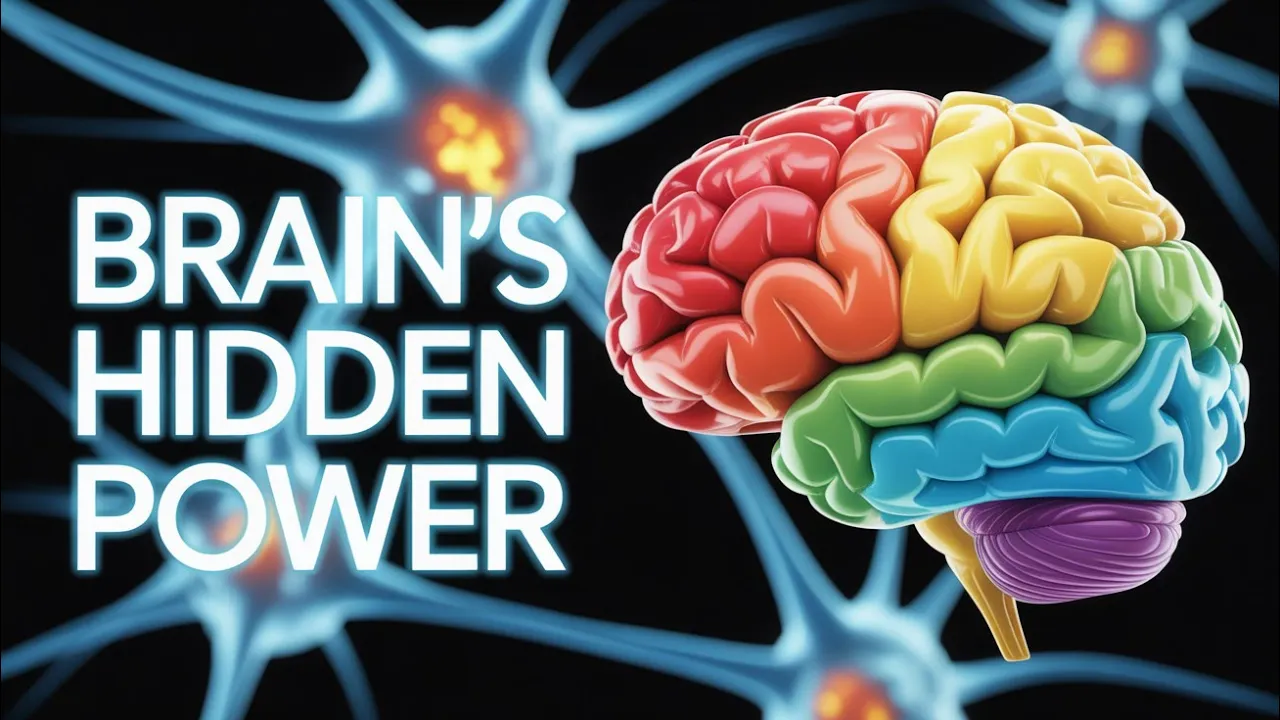






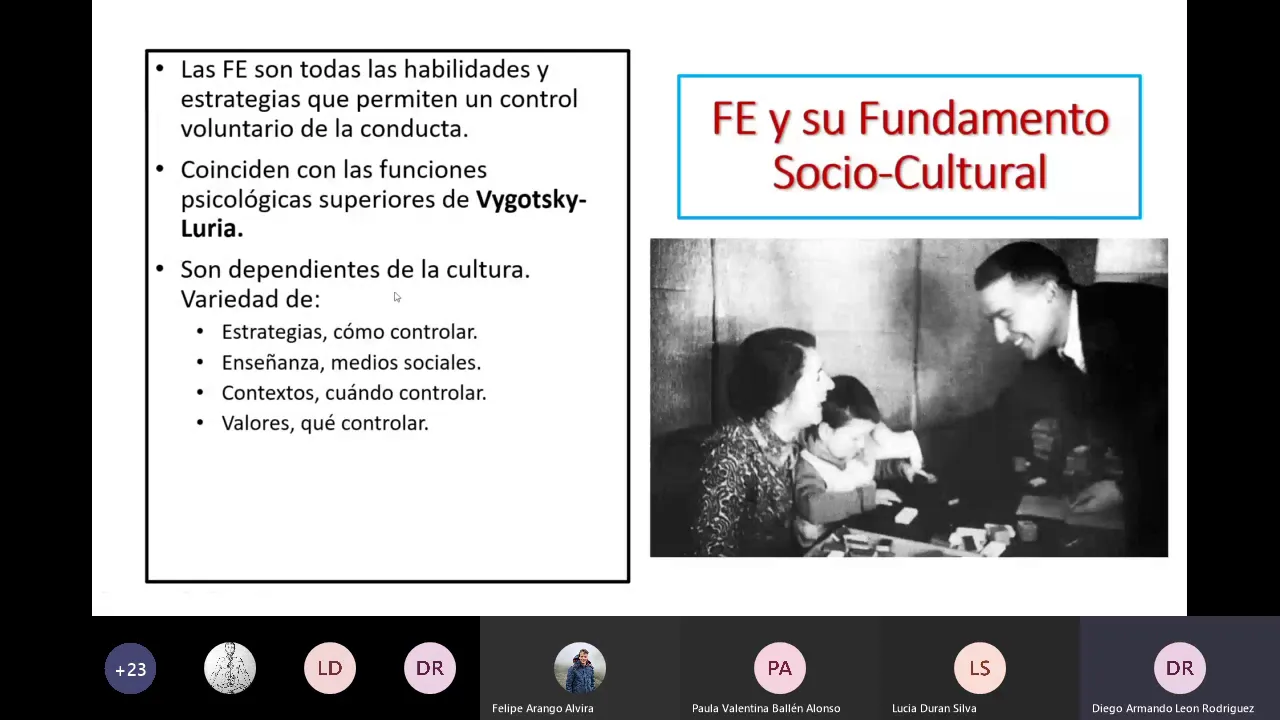
The prefrontal cortex, located anterior to the central sulcus, is essential for executive functions including working memory (holding information temporarily for decision-making), cognitive flexibility (shifting attention and rules), and temporal order memory (remembering sequence). This is demonstrated through lesion studies like Phineas Gage's case, where damage to this region caused severe personality changes and inability to maintain organized behavior, and through behavioral neuroscience experiments showing that dorsal lateral prefrontal cortex lesions impair delayed response tasks, while single-unit recordings reveal neurons selectively firing during memory maintenance periods.
Executive Functions of the Prefrontal Cortex & Working Memory
Added:Basic neuroanatomy, specifically the major lobes of the cerebral cortex and their generalized functions.
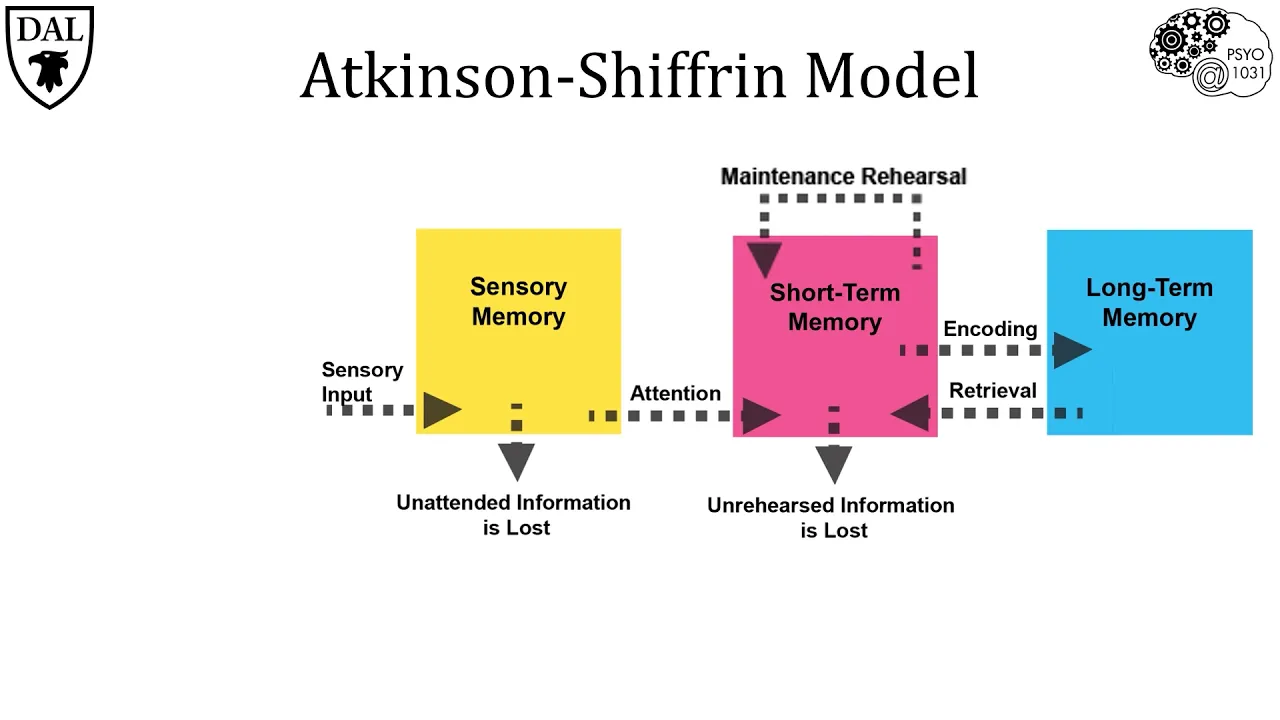
The distinction between short-term memory and long-term memory systems (e.g., the Atkinson-Shiffrin model).
Fundamental concepts of neural communication, including how neurons transmit signals via action potentials and neurotransmitters.
An introductory understanding of cognitive psychology, focusing on how the brain processes, stores, and retrieves information.
Clinical disorders linked to prefrontal cortex dysfunction, such as ADHD, schizophrenia, and executive dysfunction syndrome.
Advanced neuroimaging methodologies (like fMRI, PET, and EEG) used to observe working memory and cognitive load in real-time.
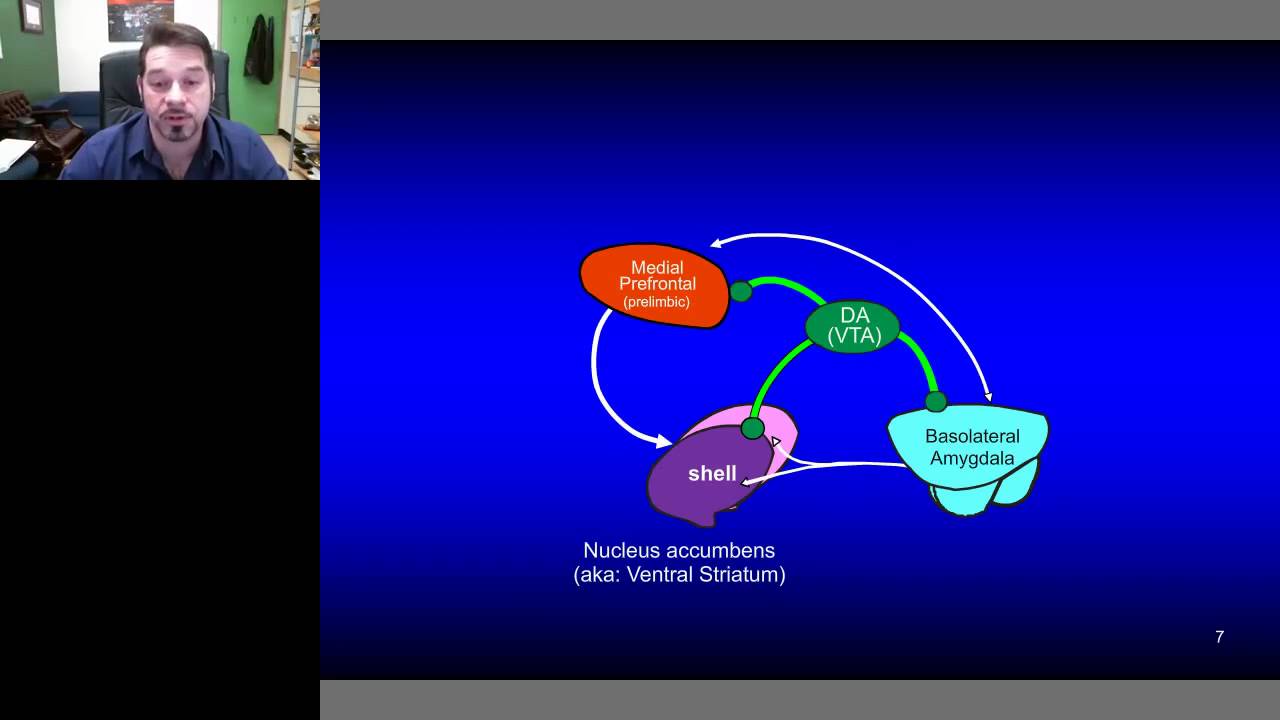
The neural circuitry of decision-making, including the interactions between the prefrontal cortex, amygdala, and basal ganglia.
Cognitive rehabilitation strategies and neuroplasticity interventions for patients recovering from traumatic brain injury (TBI).
The computational modeling of working memory and how executive functions inspire artificial intelligence and neural network architectures.
22.2K views204likes1:01:22Original Release: 2013-01-04
actually a a totally legitimate criticism of the design and one that's you know you have to realize that all these experiments that we talked about in the the papers that are written not one of the experiments even in the best science journals are perfect okay and so this wasn't perfect because it was hard to I mean I couldn't teach that that many classes and have that many students and so we did it in the best way possible I also uh uh um uh don't uh uh support or that that conclusion is not strongly supported because just general learning in universities uh University classes are not changing your cognition you're certainly learning stuff I hope um uh but there's not uh strong evidence that there's changes in cognition just because you happen to take a particular class but there's more evidence that changes in cognition can be seen with exercise so um uh uh but still an important concern um but what I really wanted to get at uh um with the discussion of that um uh of that experiment is that I am at the very beginning of this new research area trying to understand the brain basis of how exercise may or may not change your cognition so I started with basically a psychology experiment a behavioral experiment can I see cognitive changes in my students if I make them exercise more and I have preliminary data that the answer is yes but now and what we kind of got at at the end of of the class H that I want to just focus on more because this is kind of again a wrapping up of what we've been trying to learn what we've been trying to figure out which is what are the brain Chang that might underly these these um cognitive changes that I did see in my class that exercise versus a class that didn't exercise okay and so this is you know what what neuroscientists what scientists think about and so I want you to be able to appreciate that now you're able to understand and come up with some hypotheses so what are some hypothesis about things that could change in the brain that might underly this this uh behavioral change that we see okay given the fact it might be because one teacher was different than the other it might be because of exercise the fact is you see a change in cognition so again we talked about a little bit at the end of the course but this is a key question because it makes you go back and think about all the different things as a neuroscientist you might go back and look at so what are some of those things let's start from the beginning we started with synaptic transmission could that be changed could that be different in students that exercise versus not students that exercised yes or no yes okay so how might you study that any ideas how would you CH how would you study a chain in synapse function did we did we talk about a paradigm that you do see changes in synaptic uh uh um uh plasticity sorry say say one more time HEB HEB LA right so what was the um Paradigm that we looked at to be uh to show a real example a possible example of pe's law we talked about uh so I'm talking about a cellular example of HEB yes there that se something right so there was the sea slug the apesia where we saw habituation shortterm habituation and long-term habituation but what about in an animal with the hippocampus yes bdnf could change so that's another thing that you can look at in these in these subjects but I'm looking for a meleon examples of cellular plasticity synaptic plasticity that you might be able to look at in subjects that exercised yes the rats okay how what what exactly would you look at there's one one big important concept that we talked about changes in synoptic plasticity in the hippocampus neurogenesis is another example so that that could change synaptic plastic that is a change in number of neurons there but I'm talking about an example ltp thank you long-term potentiation so that is uh uh present in the hippocampus of M animal so you know I couldn't study ltp in my students because I would have to take their Ty campy out and they need them right now so uh that we can't do that but if I made rats exercise for example so let's just imagine I did the same experiment with rats I I made them exercise and then instead of teaching them about um uh the uh uh the effect of exercise of the brain I made them do some sort of cognitive test I made them do a spatial money test and I I really work their hippocampus and I saw that they got better at hippocampal dependent task so I would really want to look at their synaptic transmission looking at ltp is ltp stronger in them or not I want to look at bdnf I want to see what the bdnf has has increased I want to look at um uh well the the apia example that was given is another example that's that's a uh a slightly different system but same kind of idea anything else that you want to look at in these rat models now that have exercise and show better cognitive performance I'm just using rats now for an example because you can use them in experiments in much more direct ways than you can use humans any other examples from all the different things that we talked about over class cellular examples uh brain brain area examples what part of the brain would you look at in in these animals yes the cortical thickness cortical thickness you can absolutely look at ptical thickness um you can look at hippocampal size I talked about studies in humans where if they exercise the elderly people that exercise for a whole year actually their hip cani got bigger compared to age match control um anything else that comes to mind from all the things that we talked about okay so this is a really important uh example for you to think of about because it's it's uh that's why we end with this part of the class because with these Global kind of more cognitive questions we can then go back and and think about all the different paradigms and all of the different scenarios that we've learned about through the semester and have you start to come up with actual experiments that you might do and hypotheses why are you going to look at bdnf well other Studies have shown that bdnf is important for plasticity so I would want to measure bdnf and we talked about the fact that you can measure bdnf in saliva so you might even be able to do it in humans okay so this is what I'm talking about thinking like a scientist that is using all the information we've we've gradually ACR over this whole semester long uh um uh journey together and uh trying to start to answer new questions maybe you might uh notice that uh exercise enhances your your cognition or when you get better sleep that it enhances your cognition we will now be able to kind of think about how one might be able to study that as a neuroscientist so I just want you to appreciate that and these are the kinds of questions that we're definitely going to be asking you as part of this 60% uh um um of the uh final exam that we'll be focusing on uh this last part of the um of the uh uh coursework after the last exam okay okay so today I want to move on to executive functions and the prefrontal cortex and we start here with a uh historical example uh of a very famous um neurological patient has anybody heard of fin Gage okay great so you'll know that he was a manager in a um uh uh train railroad construction company he was working uh here on the east coast and he was um uh apparently uh tamping down uh a an explosive area and he was using this uh special tamping Rod just a big old Rod uh to do that to get it nice and flat before um an explosion a a um uh kind of controlled explosion was to take place so he knew there was Dynamite underneath there and he was using this big old rod and tamping it down and unfortunately the rod was made of metal and there was was uh the the metal rod uh hit a rock and caused a little spark which ignited the dynamite underneath the dirt that he was actually camping down and the rod went up through his skull and you can see his skull right here and the rod actually went in underneath his cheek here back behind his left eye and came up here this is a reconstruction of what happened and it went all the way through it exploded all the way out but what was amazing is that after about a minute he sat back up and he was able with a little bit of help to actually walk to the doctor to get his two big holes in his head clean up here is a just a actual picture of the skull itself and um uh he was he was actually able to talk to the doctor and so for some reason um he was able to survive this um terrible terrible accident but you can see this is uh a MRI reconstruction of the pathway of this tamping Rod um so you can show what parts of the brain uh were affected this is um the most Anti part of your brain uh the most Anti part of the frontal Lo called the prefrontal cortex and so what this case shows us is what this area of the brain might be responsible for so certainly uh it was clear the that uh Phineas Gage um uh recovered from this but the result of this once he was able to recover from uh the actual wounds was the quote that was given by his friends was Gage was no longer Gage so he tried to go back to work as a manager he was actually known as a very meticulous excellent manager of people he kept things in order he was able to manage people and tell them what to do to get the job done quickly and efficiently he turned into a complete um disorganized mess he was not able to get his job done he um while he was known as a very you know mild mannered uh kind of guy he started swearing all over the place he started gambling he couldn't hold down his job anymore um he started drinking he would go through these mood swings where sometimes he would be very very withdrawn and other times he would be completely maned so that's what I mean by Gage was no longer gug if they were able to test his General IQ his IQ would be identical to or very very similar to what it was before the accident just like hm's IQ actually got a little bit better because he wasn't suffering so much from these debilitating uh epileptic seizures um but so many parts of his life his a his ability to keep things in order to do things in a uh ordered way uh uh were completely uh damaged by this damage that he received in the prefrontal cortex so what are the major functions of the prefrontal cortex that we're going to be talking about today there's two that we'll focus on one uh one emotional and emotional not exactly in the same way as um the uh amydala has been implicated in EM motion so now we have two areas important in emotional processing igula particularly studied in fear um uh patients with amydala damage can't recognize different uh emotions on faces um but prefontal cortex uh uh damage has um perhaps more Global or more subtle effects people with prefrontal damage um have a hard time recognizing social cues so you know when you don't want to talk to anybody anymore and you kind of start backing away and you start looking at your cell phone and you start going away somebody with pref front delion will not recognize those kinds of signs now you might think that some of your friends have pref delion but but uh this is this is much more pronounced uh and so they're not able in a statistical way to read major kind of social sence that most of us would would uh um would take so um emotion is one of the reasons and what I'm using for evidence for this is also the fact that his emotional state was so volatile after uh this damage um uh going from manic to uh withdraw in fact uh the more common uh effect of prefunc damage is very withdrawn very blunted uh emotional um uh um expression uh with pre fungal damage uh but you can get manic activity as well so that's the emotion now I want to spend the most part of uh uh the rest of today's session talking about the different cognitive effects of um prefontal damage and so here again we're kind of at the same point we were with patient hm so with patient hm you had this experimental surgery damage of the medial temporal lob area that caused this this striking this devastating um memory impairment that seemed very specific for memory and then we talked about all the experiments that that went on to study this the the lesion experiments animal that helps Define which areas were involved and we're at the same point here now we have some Clues from Phineas Gage and his his uh observation that Gage was no longer gauge to try and glean what these areas are doing we're going to go one step further here not just looking at lesion studies but looking at um what we'll call behavioral neurophysiology this is something new and um so this is kind of the new thing that we're going to be covering today so cognition before I go into cognition I just want to give you a little uh primer on the anatomy of the fontal lobe so the whole fontal lobe is before is anterior to the central sulcus remember just posterior to the central cor sulcus is primary somata sensory cortex S1 primary seata sensory cortex does anybody remember what's just anterior to the central sulcus what brain area is just anterior to the central cus yes primary motor cortex so right before that so that means primary motor cortex and um secondary motor areas that are just in front of that are part of the frontal lob since the frontal L is defined as anything anterior to the central Fus so um uh uh but in front of the major uh primary secondary motor areas is the area called prefrontal cortex and that's what we'll be focusing on today so the frontal cortex in general includes these motor areas together with these emotional and cognitive areas but if we focus on prefrontal cortex you uh really have more of a focus on the emotional and cognitive components that we'll talk about today okay now um the other thing that I want to point out is the relative difference in size specifically of the prefontal cortex these more of emotional areas in different species so here is a squirrel monkey um it's a smaller smaller kind of monkey a cat tiny rees's monkey has a little bit bigger uh prefrontal area relative to the rest of the brain chimpanzee pretty big but the main point I make with this side that is shown in your book that's emphasized in your book is that um the human has the largest relative size of the prefontal cortex of all animal species again just defined by um uh how I defined it in front of uh secondary motor areas so uh humans whatever function up is up here is very very well uh um um um um developed uh compared to other species um oh I also want to remind talked about something in the very beginning of class and that is frontal lobotomies remember frontal lobotomies were part of this psycho surgery that was done in the 1950s um if you really want to fit yourself out you can go on YouTube and look at examples of frontal lobotomies um and these were done to try and help cure uh schizophrenic patients um and they they really blunted emotion remember I told you frontal o lesions were were blunting of um emotions so what they did basically is you see this is uh um patient um sorry not patient but Finas gauges Legion what they do is they go through the eye socket they they don't do this anymore but they went through the eye socket with a little um switch blade and just made made a cut right behind this in the frontal Lo cutting off the connections between the frontal lobe and the rest of the brain this was in patients that had um schiz Fria that had um severe manic depressive disorders where they were very very disruptive and you know what it did blunt their emotions they were not nearly as aggressive as before but you you completely removed their personality in the same way that gauge was no longer gauge you're removing their personality so we want to try and understand what we understand now about the functions of these areas that that put our personalities up in the fontal load okay so the first major um kind of studable-winter and this is the same kind of task that um was uh uh this is related to the delayed nonmatching the sample path that we talked about in the medial Temple lobe um uh section um and this is uh how it was done so monkeys are sitting in front of a um uh a tray uh the tray has two different um um two different uh holes in front of it and what you do is you show the animal a food morsel usually a raisin or peanut or an M&M they like those and then you put the food in one of the containers and then you cover it with two identical covers just uh little little square plaques and once you cover it then you give you you uh shut the animal's door so he doesn't have access to this for a very short time then you raise it up again you give them the opportunity to to find the morcel you haven't done any bad tricks you haven't changed it but you do this over and over and over again so that there's a lot of interference between wait was it this one or that one because I've been seen either the right or the left so many times this is an animal that's um that's hungry so he's motivated to see it what we see this simple task monkeys can do they can learn how to do it no problem at all but even with a very very short delay interval people uh early on found that even very very small selective regions of one part of the prefrontal cortex called the dorsal lateral prefrontal cortex it is here's the lateral prefrontal cortex dorsal lateral prefontal cortex is is right in here even a very small portion uh these early St were done actually in chimps um you can um uh get a severe impairment of the ability to perform this simple task with just a short delay okay so let me make sure I want you to understand this task cuz we're going to compare and contrast this task with um uh with our delayed non-matching the sample task okay so all it is is there's two holes here and I'll put a food Morel here and I'll cover it and then after just you know you have to close your eyes for two seconds open your eyes again you have to tell me which food well you want to choose choose this one CU I put it in but then on the next trial I might put it in this one this Tri next round might put in this one again then this one and um so there's a lot of interference there there is an impairment you now choose by chance even after just a very short Delight interval so tell me think about this task for a second why would you fail this task what would be some reasons why you would fail this simple task thinking about what you might have to do to perform this task any ideas so this is what neuros psychologists did they uh they did a very very simple task and they found the Striking depths that now they have to figure out what what might be wrong there could be lots of things wrong what do you think what what could make somebody fail at this task yes um that specific part very good so that particular part of the bin could be the part that stores very shortterm memories even after a few seconds so you need that part to keep something in mind great any other ideas did you have another did you have another thought any other ideas what what if my poor little monkey just didn't understand the rules would that cause him to not perform well yes or no yes okay so there are lots of reasons any anybody else can come up with anything to I mean you you do really badly at the task you can tell it was blind okay but that's a good reason maybe it was blun maybe you didn't have a visual cortex lots and lots of reasons yeah um also perhaps that part of the brain works in decision making monkey not really know not knowing which one to choose right very good so so she says maybe that part of the brain that was damaged uh has important things to do with decision making maybe he knows it or but he just can't make his final decision maybe he can't see it maybe he's not hungry because you know the part of the brain important for appetite has been damaged maybe he can't move his arm because you damaged his arm part for the brain that's not true all these other things can be controlled for so it turns out that um it's not specific decision-making but that's an excellent uh Point uh excellent possibility it's not Motor problems we can test that it's not vision problems we can test that it's not not liking the food or not being able to choose food because there's other CHS that he does perfectly well what it turns out to be is uh exactly what our first uh um responder said that it's the animal can't hold hold things in mind for a short time now think about this holding things in mind do you do that a lot yes okay tell me an example of when you hold things in mind what do you do when you hold things in mind yeah what are you doing so okay great when you meet somebody and they tell you your their name and you don't want to look like schmuck and not know their name and he says he repeats it all the time perfect that is a perfect example of what's called working memory keeping things in mind any anything else that you're doing yes when people ask me a question I have to like keep a question in mind right keep their question in mind if they ask you two in a row then that's even harder so yeah that's excellent example yes yeah when you go into room and you can't remember why you came into the room to get something that is example of failure of working memory yes tells Direction when somebody tells you directions perfect uh great example any anything else what about games that you play yes like a phone number a phone number That's a classic example of working memory and um so you know you have to get the phone number and it's not in your phone you have to remember it that's that's about at the limit we we can remember about seven items at a time and that is memory through through this working memory keeping in mind it's also called mental scratch pth memory you're using it all the time you are all using it right now to try and keep the things that I said at the beginning of the class in mind so you could you can build on it for the rest of the class that's how I designed my lectures assuming that you all have great both working memory sometimes by the end of class we're getting back to longterm memory I'm asking you to go back and remember what the delay nonmatching to sample task is that's longterm memory so you're using this in every class not just my class you're using this uh mixture of working memory and long-term memory all the time so this is not some weird you know esoteric kind of thing it's not like sensitization in the se- slug where you think I that has nothing to do with me even though it does the molecular aspects absolutely do this is a function that is used all the time it's a critical um it's a critical uh cognitive function so think about this for a second what if you weren't able to do that what would your life be like do you think if you had a terrible memory and every time you went into a room you couldn't remember what the heck you were uh you were going into the room for but you still had your long-term memory so you could remember the things that you learned before what do you think that would be like can anybody give any examples of what how that would change the way that they that they go to school and they they live that you're living right now as students notbook notebooks you can you would buy a lot of notebooks that's a good good good answer yes yes I would be able to get okay wouldn't be able to get dressed in the morning because you walk in and out of the room forgetting your socks and forgetting you know your shirt and these other things exactly and that's exact L why fineas Gage lost his job after the prefrontal damage he was no longer able to be a manager what do you need to do to be a manager you need to keep these things in mind okay was there a a question over here example over here no okay great so that that's perfect example we're talking about a fundamental cognitive function that was first yeah no that's a really good question we're gonna actually talk about that at the end of the class the answer is no why do you think I said no what's the difference between this deficit and hm's core deficit yes well hm could create any new memories whereas like Gage would probably if he met someone over and over he remember them would be long term but he couldn't just remember a phone number perfect perfect so fin Gage can't remember short-term things but it still creates new long long-term memory so if you met somebody over and over they you would remember him but you know you may have weird social interactions with them they want may not want to know you anymore but you would remember them so very very different and uh conversely hm could have a perfectly normal conversation and even remember your your name short term if you practiced it in mind but by 10 minutes later he'd be like we've never met right so that's very very different um uh things but both obviously critical cognitive functions you need both your medial temporal Lo and prefrontal cortex to function particularly when you're students okay so here is a uh uh just a reminder of this other key task delayed non-matching to sample task where uh you you're shown a sample stimulus and then there's a difference between a sample stimulus and a novel stimulus now one point that I want to make that's very important is the amount of interference in this delayed response test there's only two Wells and so you're getting when you're doing this task for whatever 50 100 trials it's like I can't I can't remember because was it this one on that time seen them so many different times it's like going I know if you go to the gym and you go to the same gym all the time I go to the same gym all the time and you go and you put your things in a locker and you can't remember where you put in I guess it's the same as parking but nobody has a car here so we go Jim and said um I can't remember which which locker I went to this time because I've been in this gym so many times and I put my stuff in so many different lockers I have to parse out what that is that is part and I'm using um well that's partially long-term memory but uh the the idea of interference being high is the same with that example here we are using uh low interference Island because I'm using different stimuli on every single path so I'm asking you to remember a sample stimulus for for example the longest delay a 10minute delay that really Taps medial temporal L function so if you have a medial tempal Lo deficit um or lesion especially a small lesion you're fine with the short delays but once I start taxing you both with multiple sample stimuli and with long delay intervals between the sample and the choice that's when you start getting uh impaired with a medial temporal Lo lesion okay now would somebody with uh with an would a monkey with a prefontal legion be impaired on this task on this task with long delay intervals yes you think so who any does everybody agree why do you think why do you think he be here prevent you from keeping in in mind situ right so so that's a really interesting and important observation so what he said is he thinks that that his um uh uh uh opinion is that animals with prefrontal lesions would be impaired on this task because uh to keep things to be able to perform this task with a 10-minute delay you have to keep it in mind that is a totally reasonable idea but the the fact is that um once you get out to a 10minute delay um you're actually not practicing it in mind so you're not you could and if you did that with a prefrontal lesion uh or with a uh yeah you might be able to do that but what happens is when the delay is longer you move from a strategy of just your working memory is working keeping things in mind naturally to uh a situation where your medial temp gets engaged because it's a situation where you can't keep things in mind so a perfect example is patient hm so patient hm could remember my name if I told him my name because he's he's like you he practices my name he says it all the time during the conversation because he knows he has a bad memory so he says it all the time but once I distract him and that's the distraction is like this this longer longest delay especially For Animals uh that don't have as long um a memory span as we do that really shifts into what the medial Tempo load is important for so you just have to know that the medor the the funer Lo is um important for shorter intervals of keeping things in mind but once you get to longer delays um you start to engage the medial temporal load because uh you simply can't keep things in mind all for that long that's not uh that's um you start to to rely then on the medial Temple Lo but that's an excellent um uh possible response okay so now we have this classic task um delayed response uh we're seeing a really really striking deficit with very short delay intervals with a very selective Legion in part of the prefrontal cortex okay it happens to be dorsal lateral prefrontal cortex here is in the monkey here's here's the uh name in the small PPE dorsal lateral prefrontal cortex okay so from our medal tempor Lo uh uh um um uh section we Legion this and we got the St said aha it must be important for um working memory the question is how what exactly are these cells doing to allow working memory to happen now we asked that same question in the medial tempal lob and we kind of jumped to a much more cellular uh uh level uh level of understanding with ltp so we said how can we remember all these things well there's ltp in uh the hippoc campus so that that is involved here we're able to go in and um actually ask the question in a much more uh direct way or we're asking the question here in a much more direct way how are we're going to do this we're going to record the activity of individual cells in this key part but this kind of leion causes this massive impairment specifically on this task we're going to record and ask what the cells are doing on a path that's very similar to this but not identical okay and what we see is these these cells are really active during that delay interval where the animals must keep things in mind this is the delay interval where uh presumably the animals with lesions are forgetting where uh where that stimulus was so let's see how that works here is the task that uh has been used to study um the activity of these individual cells in the dorsal lateral prefrontal cortex it's called the ocular motor delayed response class pass sorry I should have written that out ocular motor delayed response test it's actually written in the um figure Legend so how does this work here we don't have um just two Wells we have eight possible positions is that right 1 2 3 four 5 6 s yeah eight possible positions and here's how the Tas works the monkey this is a computer monitor the animal sitting there he's uh first has been taught to fixate on the central fixation point and then um at a certain time uh a q stimulus is shown Q stimulus is shown to the left he maintains fixation during the delay interval he has to maintain fixation but the Q sign disappears and then um uh when he's given a signal that is this Q stimulus disappears sorry the uh the fixation spot disappears that's his cue to make an ey movement to the location where the Q was shown okay so he has to keep in mind where that Q was and make a psychotic eye movement to that location so presumably at this delay interval he's thinking okay it's on the left left left left left and then when the Q uh when the fation spot disappears he makes his eye movement there okay so we can look at activity during the cue period during the delay period and during the response period here we're looking at um the eye traces and how precise the dots are the location of the trace when um first when the actual dot is there so the animals can maintain fixation at very particular points if they have a Target and here is how precise they are if there is a 3se second delay between the que and the response so here there's no target but they're just going to the spot they remember it's it's you know it's a little bit worse but not so bad and it gets a little bit Messier when the delay is 6 seconds long so they're able to do it at a behavioral level though they're able to do this task does everybody see how it's similar to this task any questions about that yes how how do you get the animal to fixate on a queue and respond to that kind of queue uh it's very simple so you use something the animal really likes turns out animals really like fruit juice okay and so you um uh you uh get him at a point of day when he hasn't drunk a lot and he's he's thirsty and you find his favorite fruit juice and what you do is something very simple first you put him in a dark room and then you shine a big white circle on the computer screen and naturally what you do you look at it and when he does that you give him a big big sore of juice okay then you do that again and you teach him that every time he looks at that dot he gets a big spot of fruit juice and then you make the dot smaller and smaller and smaller until he's staring at it so he could you know suck out as much fruit juice as he wants and that's how you get them to um um first fix a and then what you do is you um teach them that the queue is good too so then you uh um what you can do in training is now you first taught them to fix it so they know that once that dot is out there it's a specific color dot and you always use it all the time that they have to keep their item then you can teach them to fixate longer and longer right so it's not just when a Cod but you have to stay there first for 200 milliseconds then 400 milliseconds to get the same juice and you could increase the juice because it's harder and harder but then what you can do is uh once they piix St here you remove that and put a big Square someplace else they say oh well maybe I'll try and fixate there and you do that then you give them huge juice okay that's good so so it's like the same way you would uh motivate a student to do a task for you you give them $25 if I give you $25 will you come do my task yeah I'll go do your task same kind of motivation except monkeys use a currency of uh fruit juice so um this is the task they can learn it uh um just with this kind of shaping and they can perform the eye movement task quite well even after a delay so I just want to make sure everybody understands that this is a very nice and clear uh um variation of the same delayed response T there just a delay here's the delay here and you have to go where uh with no queue you have to go to where the response is and here here's the que first and then we give a delay and then they have to go to where the queue is and the reward isn't there but once they uh attain this spot they get the fruit juice squired into their mouth okay so that that is the task and now we're going to look at the pattern of neural activity in uh during the CU period during the delay period and during the response period and I'm going to show you how many Action potentials how many spikes that you see in these individually isolated prefrontal neurons during QE delay and response so here is um the activity and let's just look at this um uh Ras right here so here on the horizontal line are individual trials and each one of these tick marks is an individual Spike so here's TR 1 2 3 4 5 and down here I've averaged all of the uh responses over time this is the um uh this is the fixation period here between these two lines is the Q presentation period between here and here is the delay period and here is the response okay and so what we're looking at here is the activity during trials in which the self Target was shown so here is um uh fixation here is self Target being shown here's delay and here's response these are all correct trials so what do you see here in which period do you see in general the most activity in terms of individual Action potentials which which period is it the delay right so in the delay when the animal is remembering presumably this stimulus because it gets it right at the end you see huge activity as if the cell is just keeping that stimulus in mind okay so maybe this cell keeps everything in mind and so when he's he's forming this trial this trial this trial this trial that is when this is the target you might see the same thing is is that what we see here is this this trial here's this trial this trial this trial is there the same activity in all these different trials or are they different same or different across the different graphs are they the same pattern of activity here and in the other graphs or are they different different sorry different okay so how are they different okay so that's she said only one cell this is the same cell measured that's a very important point I'm glad you you uh uh said that um so this is the same cell across all these trials for these when this was shown this was shown this was shown this of course they were shown in random order and they just uh um put them organized them by when this was the target when this was the Target that shown here when North was the Target that was shown here this is exactly the same cell yeah resp exactly so what this graph shows you need to uh understand this because I'm going to ask you to interpret these kinds of graphs in the exam this this um this individual cell only responds mainly in the delay interval when the animal is remembering the South Target but it's not responding it's actually not responding any different from fixation period where the animal is doing nothing that's kind of What's called the Baseline period um only response in this directionally selective um manner okay and the fact that you're only responding in the delay interval remember there's absolutely nothing on the screen in the delay interval except the fixation point in fact the same fixation point is in the on on the screen in the delay interval in this in on these trials these trials these trials in the delay these trials all of these different trials so you can say well is this a sensory stimulus response is this a sensory response of the cell the answer is no because the same exact visual stimulus is not causing the same activity what seems to be modulating this individ idual cell is memory for a particular direction keeping something in mind for a particular direction okay so that means that as you go to the Next Room trying to remember do I have my sock am I going here for my sock and I'm go in here for my shirt you might have individual cells in your prefrontal cortex that are selected for that memory for the sock I'm going in for the sock now I'm going in for the key now I'm going in for the um jacket now so this in this way this is a directional selective working memory signal and you could extrapolate that to humans we could have object selective working memory signals so you're at you're saying so we start out with this idea keeping things in mind um is what the prefrontal cortex does it's a very important cognant function we use it all the time you're all using it right now and now we can say what exactly are these cells doing they are firing in kind of an information specific way and maintaining this in mind by saying okay I am the South firing self I'm only going to fire when I have to remember to go south that's the only time I'm going to uh fire that is the signal that the brain is giving you to help you keep things these things in mind this is a very simple signal it's a motor-based signal but we have uh lots of things that are kept in working memory you have um uh you have uh perhaps uh the definition of prefontal Cortex in your working memory that would be helpful for you to keep that in mind to to um uh continue class that might be represented in your uh uh prefontal cortex right now yes any also rains information ah great question is there any other way to figure out whether this cell retains other information besides Direction and the answer is absolutely yes and the way to do that is you have to train the animal on multiple different tasks and while the while you have the cell on the end of your electrode you're recording from it you have them do this task and other control task to see how selective this is um it it does this cell that responds to direction also on to particular pictures for example keeping a picture in mind and not a direction in mind and it turns out that this area that's being that's being recorded from is very specific for kind of Direction selective motor responses this is like working memory for actions right so you um um what is a good example where you have to wait 5 seconds before putting your PIN code in so you have to hold back remember what your PIN code is and put that in so you're using your working memory to remember that PIN code and uh um that that kind of action preparing for Action is uh what this part of the prefrontal cortex does but the way you answer your question is to design other tasks to to uh uh control for other things this cell might do great question anything else any other questions about this does everybody understand you must understand that this is is recording from one prefrontal cell showing something very very specific that is selective working memory for a particular direction okay so now we know the pattern of activity underlying working memory and the fact that it's highly selective it's not like every time anything gets is in mind the cell is firing it's firing for memory for particular things okay okay and this should remind you from data from a previous lecture I just wanted to try and tie it in again bring you back your medial temporal of dependent longterm memory and that is our motor cortex lecture if you remember this came directly from the actually this one wasn't from the book but um uh this is a task in which uh animals were asked to Simply move to different directions recording in primary motor cortex and we found cells that were selected for General movement Direction but these cells were different this cell um just started right before the movement started that was a movement centered task this is a a a cell that fires that starts to fire right when the memory comes in mind this is way before the preparation for the actual response and in fact oops here is a a trials that go on for let me see these the trials that go on for like 15 seconds uh before the animal have to make his response and this is an individual uh prefrontal cell that is maintaining this activity for as long as the animal keeps this thing in mind now this didn't go to the longer extent of the delayed not match to sample task but this is uh suggests that when you keep things in mind the an anticipated if it's going to be there going to be there um you can still see this happening this delay activity happening for the long time again I show this because this is clearly not a motor response he's not preparing for Mo movement right now he's keeping this in his working memory and um these these responses they're similar in their directional selectivity but they are centered on zero here which is the uh initiation of the movement these are movement related uh um patterns of spiking from an again individual cell responding to all these different directions uh and uh that should be uh you should understand the difference between that and this working memory signal that we're seeing right here any questions about that okay good okay and this was just the um this is from the previous chapters uh uh uh chapter five on motor respones this is a motor learning uh um tuning curve so this is the selectivity of neurons to and 180 degree Movement we could make the same kind of tuning curve for this neur it would be very specific for the South Direction This is isn't a movement learning curve this is a working memory um uh um tuning curve okay so uh just one or two more quick tasks before the end um we spent a lot of time on this one key area of cognition dependent on the prefontal cortex working memory we talked about the deficit that you see the deficit you might see in a human we talked about how Phineas gages uh Behavior was consistent with this kind of working memory definely he couldn't keep a job couldn't keep things in mind keep things in order and um uh um and then in the monkey what the neural basis of that was I want to mention um this lecture and next lecture two other tasks that are very prototypical of um tasks that will be impaired if you have a prefontal lesion of course our first task is delayed response the second task is a task of task shifting a a shifting task and the deficit you see in this task tends to be a deficit of perseveration with prefontal Legions what is this task it's a task that you might have heard of before called the Wisconsin card sort task and here's how it works you get different uh cards like this and um you're told at some point that this card is correct okay and you have to figure out what the rule is it could be all cards with one symbol on it are correct you match the number it could be with all that all only the cards with this uh ugly yellow color are correct it could be that all the cards with circles on it are correct so it could be a a number rule a color rule or a form rule I don't tell you that I just say this is the correct card figure out what's correct and then once you pick this I'll tell you that's right or that's wrong okay so you figure it out let's say it's the form rule so you pick this when I say correct and then you start picking all of the circle cards that come up but then I switch the rule on you and I switch to the color rule at some point and then you have to figure out what that is okay so you can imagine that you you just have to keep keep uh uh these things in mind you have to uh uh be able to uh uh look at all these different categories and um and categorize things well this is a classic task where if you have a prefrontal lesion you do not you are not switching uh appropriately and instead you end up perseverating over the form or perseverating over the color even if I tell you that it's now a number uh uh mat or I I I switch the rule to the number no matter what you will just keep doing color color color color okay and so um what does this tell us this tells us that uh the prefrontal cortex another one of the cognate functions is um uh being able to switch attention back and forth to different things now do you think that is a fundamental function how many how many times do you switch your attention from your texting to your lecture to your what you're thinking about whether you're hungry it's noon I want lunch that is what you do you you need to be you're doing it all the time and uh uh you can do it effectively or not effectively another kind of task again just understand that this task um is one that's very sensitive to prefontal lesions and finally um I want to uh um this PA shifting uh um task the Wisconsin hard sodum task also gets at another General cognitive function that has been attributed to the frontal Lo and that is the organization of goal directed Behavior how do you organize your your um uh your ability to do things if you're' given a recipe to follow you there's actually a specific order to do uh to do it or else it completely comes out wrong people with prefrontal Legions have a very difficult time following a recipe they can read it they could understand it they could even memorize it but to be able to do it in a logical way is very very difficult and that is a good example of what people have come to describe as executive function organization of goal behav related behavior and one aspect particularly that that is relevant in the recipe kind of example is temporal order memory you need to not just remember what order to do it in but to do uh that particular order and it turns out that uh both being able to enact things in a logical order and to be able to remember temporal order is something that patients with prefrontal lesions have severe impairments on so here is a task where um you can give imagine whole bunch of line drawings of normal everyday objects and I'm just going to show you them one at a time first so I'm going to show you a lamp I'm going to show you a table I'm going to show you a chair I'm going to show you a bird I'm going to show you a cat I'm going to show you a car and then what I'm going to do is I'm going to now show you a card like this or a screen like this and I'm going to have two of these objects and sometimes uh um one of them will be uh one of them will have been on the list and one of them will not and uh I'll ask you uh which one have you seen before and sometimes both objects will have been on the list before and I'll ask you which one did you see first patients with prefunc lesions have uh uh severe impairments at memory for temporal order but not memory for the objects themselves they can remember what objects they saw they just can't tell you what order it was in why because this executive function is helping you keep things in mind keep things in order patients with pre Allegiance have a hard time telling a story they can't tell a joke at all why because in a joke timing is critical you have to tell the buildup and then give the punchline and you know they're they're exuberant so they tend to tell you the punch line and then nobody nobody laughs at all um so that's another terrible deficit of having prund Legions but also illustrates uh the um uh the the critical aspect of tiny in prefontal function uh so yeah so here's the the finding lesions of dorsal lateral prefontal CeX that same area important for working memory produce a selective impairment on the recency task that is the recognition memory task but not the item recognition of the T and uh we'll end there um and uh I will see you on
Up Next

32:15
Prefrontal Cortex Neurobiology: Mental Disorder Circuits | Yale Neurology
@YaleSchoolOfMedicine
100.2K views•2019-07-15
21:55
Deciphering Neural Circuits Controlling Anorexia in Mice | Richard Palmiter
@AllenInstitute
2.3K views•2011-10-10

64:22
Introduction to Brain and Behavior | Neuroscience Course Overview
@newyorkuniversity
188.7K views•2013-01-03
13:03
How Exercise Benefits Your Brain: Science Explained
@TED
11.4M views•2018-03-21
Related Study Plans & Knowledge Roadmaps
Structured learning paths in Neuroscience
neuroscience
Appetite Regulation: Brain Circuits & Hormones
01Foundations of Endocrinology and Brain Anatomy
02Introduction to Energy Homeostasis
03Peripheral Signals: Leptin, Ghrelin, and Insulin
+ 2 more learning modules
14h5 modules
Explore Roadmap
neuroscience
Neuroeconomics: Value, Risk & Brain Mechanisms
01Foundations of Neuroscience and Brain Anatomy
02Introduction to Neuroeconomics and Subjective Value
03Dopaminergic Prediction Errors & Reinforcement Learning
+ 3 more learning modules
18h6 modules
Explore Roadmap
neuroscience
Spatial Navigation: Cells, Grids & Brain Maps
01Foundations of Brain Anatomy and Memory
02Place Cells and Head-Direction Cells
03Grid Cells: The Brain's Coordinate System
+ 2 more learning modules
12h5 modules
Explore Roadmap
neuroscience
BCIs: Neural Decoding & Prosthetic Control
01Neuroscience Foundations: How the Brain Signals Intent
02Signal Acquisition: Recording the Brain's Activity
03Neural Decoding: Translating Brain Waves into Data
+ 2 more learning modules
25h5 modules
Explore Roadmap