


![시간을 허비하지 않는 마음의 기술 [삶의 재해석]](https://i.ytimg.com/vi/c7prjehFoJI/maxresdefault.jpg)










![[넛지 파이널에디션 / 리처드 탈러, 캐스 선스타인] 행동경제학 고전 / 넛지 개념, 뜻 / 넛지 예, 유용성 / 선택설계 / 슬러지](https://i.ytimg.com/vi_webp/mT4YipwWQNM/maxresdefault.webp)



![[#어쩌다어른] 내가.. 지금 가스라이팅 당하는 건가?🤔 내 주변에 손절할 사람들만 꼬이는 이유~?! | #편집자는](https://i.ytimg.com/vi/81XUJ7tlb8E/maxresdefault.jpg)


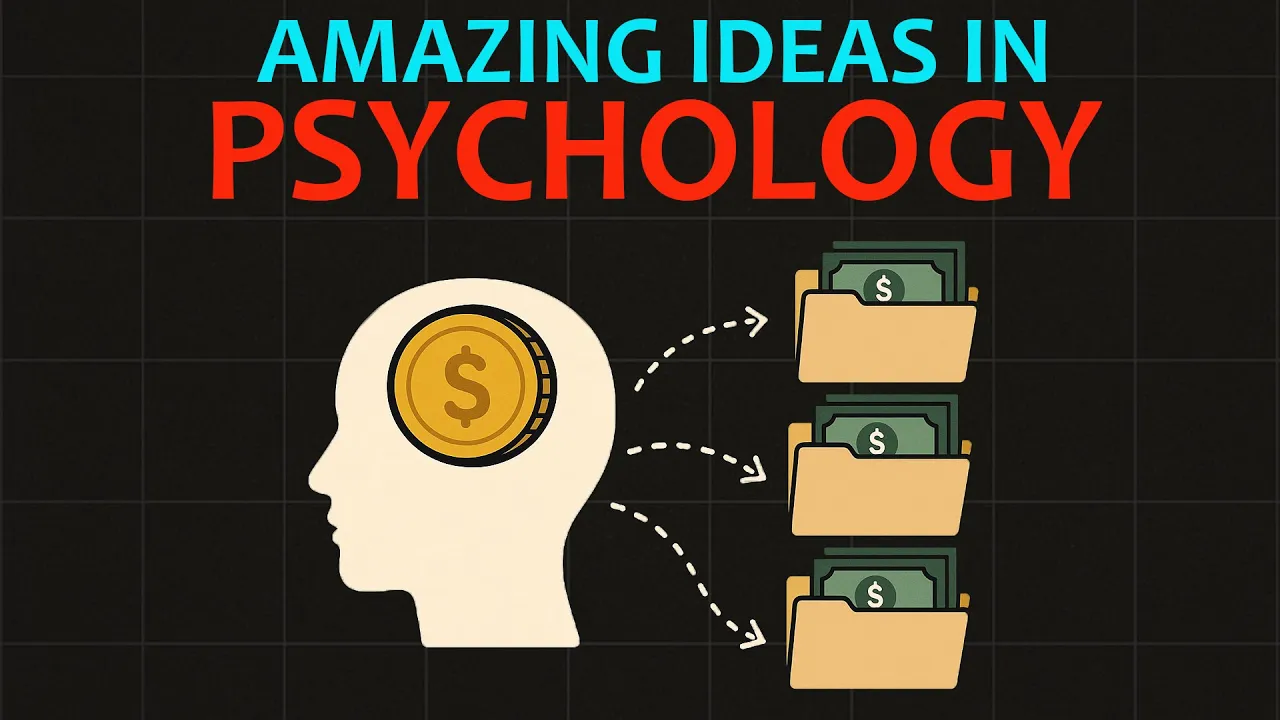
The 'pain of paying' refers to the psychological discomfort people experience when parting with money, which varies significantly based on payment method and timing; cash payments feel more painful than credit card payments because they are more salient and immediate, while prepaid or bundled payments reduce this pain and can increase overall satisfaction by removing the mental burden of tracking individual expenses.
The Psychology of Money: Pain of Paying Explained
Added:Introduction to Behavioral Economics: Understanding how psychological, cognitive, and emotional factors affect economic decisions, contrasting with classical rational choice theory.
The Concept of Mental Accounting: How individuals classify, organize, and evaluate financial transactions based on subjective criteria rather than objective value.
Loss Aversion: The psychological principle that the pain of losing is psychologically about twice as powerful as the pleasure of gaining.
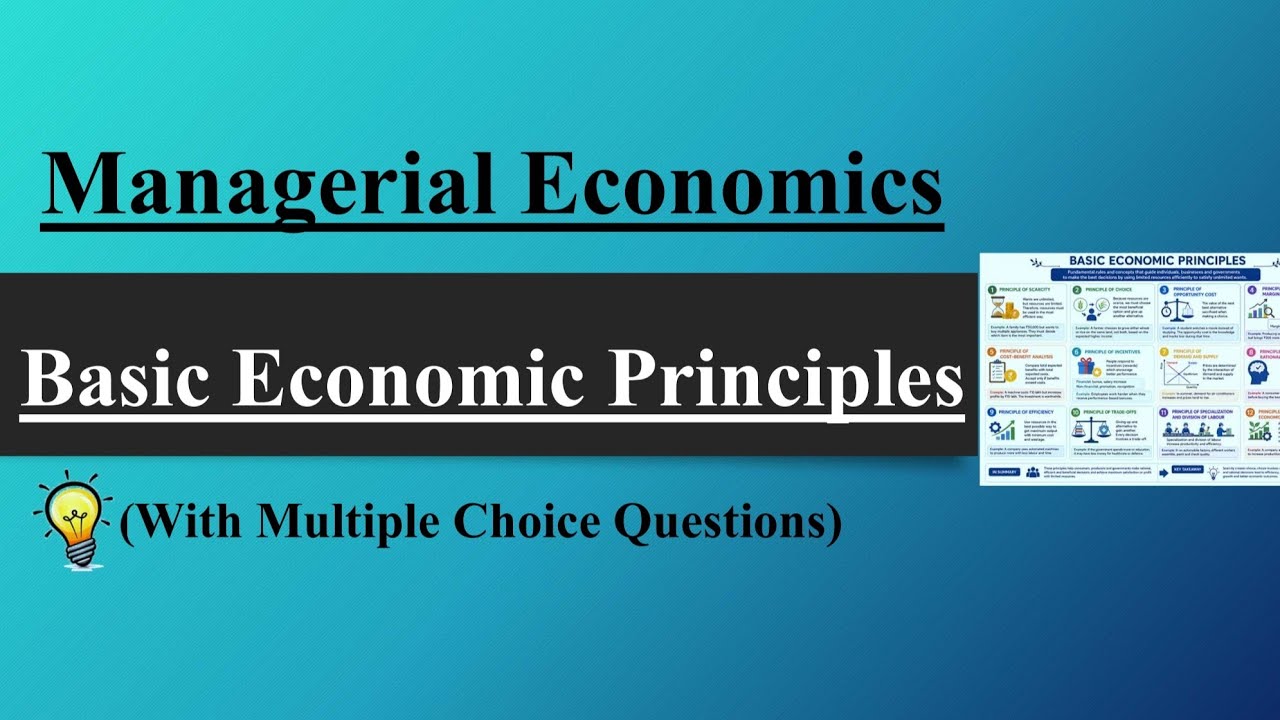
The Principle of Opportunity Cost: The fundamental economic concept representing the potential benefits an individual misses out on when choosing one alternative over another.
Choice Architecture and Nudge Theory: Exploring how the presentation of choices can influence consumer decisions without forbidding any options or changing their economic incentives.
FinTech Design and De-biasing: Analyzing how modern digital payment systems (e.g., mobile wallets, buy-now-pay-later) strategically minimize the pain of paying to boost consumption.
The Decoupling Effect: Studying the psychological consequences of separating the timing of payment from the timing of consumption (such as subscription models or pre-paid vacations).
Applied Personal Finance Strategies: Implementing behavioral interventions (like cash-only budgeting or artificial friction) to consciously regulate personal spending habits.
121.3K views1.3Klikes14:51Original Release: 2013-02-01
this is Duke University one of my favorite factors in all of the psychology of money has to do with something called the pain of pain and here is the idea IM Imaginee that you go to dinner it's an expensive dinner it's a good dinner at the end of the dinner you are paying and you can pay either with cash or with credit card ask yourself which one would feel worse which one would you feel a bit more tting a bit more unpleasantness it would kind of diminish the joy of the meal H basically everybody when they ask this question said the cash would feel worse than the credit card now why why does the cash feel feel so different you know how much the meal would cost this is not surprised you see the men the prices on the menu but something about the cash feels feels differently where is it where is it coming from and there is this notion of the pain of paying which says that the agony of parting with our money has to do with the saliency of do we see this money going away and it has to do with the timing of whether the money is going away at the T same time that we're consuming so imagine the following example imagine that I owned the restaurant and and I learned over time that people basically eat 50 bites and pay $50 that's what everybody does or more or less everybody does and I came to you and I said that because I like you so much I'm going to give you a great discount it's going to be 50 cents per bite I'll only charge you 50 cents per bite and not only that I'll only charge you for the bites you eat so I'll serve you your dish I will stand back I will open my little notebook and every time you will take a bite I will write a v in this to indicate how many bites you you took and at the end of the meal I will charge you 50 Cents Only for the bite you took now ask yourself is this going to be a financially efficient meal of course you start at 50 cents per bite and only for the bites you eat but how much fun will that meal be probably will be quite terrible in fact in my PhD seminar not too long ago I tried that I usually bring lunch for the students in their PHD seminar and on that particular day I told them that I'm going to charge them 25 cent per bite I gave I brought pizza the same day and you know what their bites were so huge it was awful like they basically stuffed their face to get the maximum amount of bites and you know they were really good these are PhD students that really ve very well versed in getting free food and eating very quickly but at the end of the day they did not enjoy it sure they paid a little less but the misery was very was very high here's another way to think about it imagine you're going for a cruise it's a cruise to to Alaska it's a beautiful cruise and you have two ways of paying you can either pay 3 months in advance before you go on the cruise or you can pay the moment you get off the boat which one of those is the economically efficient way to pay of course the moment you get off the boat you keep the money for longer you can invest it and so on but ask yourself how would you feel during the cruise if you know at the end of the cruise you have to pay all this amount ask yourself how would you feel on the last day of the cruise knowing that tomorrow you're going to be parting with all this money and you will probably spend the whole day in the buffet trying to advertise your investment trying to get as much as you can back and then of course you'll have to pay a trainer or go to the gym or do something else to try and get rid of this extra extra weight so what's interesting here is that we have this notion of the pain of paying and what the pain of paying does is it adds a moral tax onto our consumption and because of that it changes how we feel about payment and what's also interesting about this moral tax it's about saleny it's about how we feel about this payment how how much attention we give to it how much do we notice it and because of that it can change how we enjoy the experience so think about the following question are there cases in which you would like to increase the pain of paying and are the cases in which you like to decrease the pain of paying so think about this for for a minute or so here are a couple of ways to think about the pain of paying and is it good or is it bad so for example I think that if we go around our consumption day by day we might want to feel more pain of pain we might say to ourself oh you know what I'm spending too much money on all kinds of things let me feel more pain of paying let me switch from credit cards which disassociate the consumption from the timing of the payment to cash or if I can't go all the way to cash maybe I'll go to debit cards which give you some sense of pay at the moment maybe I'll sign up for automatic notification that every time I use my debit card would let me know that I just spend some money and that would increase U the pain of paying and control my spending to some degree you can also think about the difference between paying for gasoline and paying for electricity when we pay for gasoline we stand in the gas station we put the thing in we press the button and we see this running around there's an incredibly High pain of paying feeling to it because we see the amount of money running you could imagine by the way an even worse version you could imagine that filling the gas station would take would be instantaneously and with no amount of money but then the gas company will have a little meter running in your car and as you're driving you see how many sents of being taken away from your bank account and every time you press fast on the accelerator it would go a little faster that will probably maximize the pain of paying but with gas even the way it is now with petrol we have have this increased High pain of paying we see the amount of money we buy a lot of it every time we see it running around think about electricity electricity we have no meter in the home it's usually outside we don't see it progressing it's automatically taken from our checking account a month and something later after we finish consuming it no pain of pain now maybe we should have brought some pain of paying into it for example what if we put the meter in the middle of the living room right now we would take it or even better you know there used to be this English system where for heating at home you would put coins into the system and it would heat your house just for a while imagine your air conditioning and heater was working like this every time you wanted heat or AC you would put the money in and it would H run until it used and then you had to put more money in now the pain of paying would increase further your house would probably not be as comfortable as you want now there are some cases we might want to decrease the pain of pain imagine you go on vacation and you go on vacation it's expensive place and you know you spend lots of money on it but in the evening you want this particular drink Martini um and it's expensive now if you feel the pain of paying and you have to pay extra for the martini you might decide not to have that Martini but is this the right thing well if you paid for a prepaid vacation that includes everything you might spend in absolute terms more money but you would not have to think about all of these small components and by not having to think about all of these small components you might actually enjoy your vacation to a high degree so you can imagine how prepaying for something or paying for an all-inclusive vacation or paying to reduce the pain of pain could actually get you to do something that you want to do but have a hard time doing and here's one last example of uh the agony of pain of pay and how to reduce it and this has to do with what is an ideal gift think about it what is an ideal gift and I don't mean that you could say you know shoes or a backpack or something like that what are the characteristics of an ideal gift and one thing about an ideal gift is that it removes the pain of paying from other people so I'm sure all of you have things that you want but don't feel right about getting and those are exactly the things that are great gift because you want it and this pain of paying is preventing you from doing this so imagine for example that you walk down a street and you at the window of a store you see a hat and you put on the hat and it's beautiful it's wonderful it's the right color and size beautiful shape really interesting but then you take it off and you look at the price and you say to yourself I just can't imagine paying this amount of money for a hat who really buys hat you put it back you go home and you find out that your significant other bought the same exact hat for you from your joint checking account what do you do do you say honey thank you very much I thought about it I considered it but I decid it was not worth it please take the hat and return it of course not you would be incredibly grateful why because your significant other has just taken this pain of paying out of the transaction giving you only the benefits and that's by the way one of the characteristics of a good of a good gift so going back in general to the pain of paying it means that payment have the opportunity cost right you're giving up something when you're buying something which we don't always notice but it's a part of the this utility it has hassle component taking cash taking credit cards and so on but it also has a component of the pain of paying of a moral tax of some guilt is associated with the payment and different methods of payment could create different amount of guilt and different timing of payment would create different guilt so if we prepaid for vacation not so much guilt if we pay for vacation or for meal for every bite maximum guilt if we pay after the fact like in credit cards not so much guilt in addition to the timing the method of payment also matters if you go to a casino and you take $1,000 and you transition them to chips now you've basically in your mind taken all this amount of money and allocated them to be spend in the in the in the casino not so much pain of paying is involved now when you spend it or if I gave you $1,000 good for an online store for 10 years the money would be associated with that particular purchase there will be no pain of paying and you would find it incredibly easy to to spend on that on that category there was a very interesting case about the pain of paying that happened many years ago with America Online America online for a long time used to charge people by the hour in fact they had two packages you could pay $19.95 for 20 hours and then plus $2.95 for every additional hour or you could get a smaller package of 9.95 for 5 hours plus 295 for each additional hour but most people took the 20 hours for 1995 and they paid additional and then at some point in 1996 at the end of 1996 AOL decided to move to a membership in which there would be no charge for the additional hour so instead of 1995 for 20 hours plus 295 per hour they move to 995 for all the amount of time that you can consume now let's assume that you're going to make this transition from this tier system up to 20 hours and then each additional hour cost you to the system in which you can buy you could use as much as you want what do you have to try and estimate you have to try to estimate how many people are going to start using more that was a period to modems were around and America Online had to decide how many more modems to have so they basically look at the distribution of how many people used it and they said the people who are using more than 20 hours they were constrained by the marginal cost so the people who use more than 20 hours would probably want to use more maybe another 10 hours maybe another 20 hours these are people that were constrained by the marginal cost but the people who used 19 hours were not really constrained they could have used another hour but they said you know maybe the people who used 19 hours were a little bit constrained because they kind of missed the calculations but the people who used 10 hours those people clearly didn't have any more demand they could have used another 10 hours and don't feel H and don't pay for it so they look at this distribution they looked at the number of people who spend more than 20 hours and assumed that they will use much more they took the people who spent 19 and maybe 18 hours and so on and said maybe they will use a little bit more because they got confused with the calculation and trying to keep track and based on that they increased their capacity by a tiny amount but what actually happened that night on December 1st 1996 their demand quadrupled right why because it wasn't just about the 20 hour it was about the fact that if you were AOL user and I was in those days if you an AOL user in those days I guess I'm dating myself sorry for that but if I if you were like me an AOL user in those time you had a little clock a little bit like the gas meter like the gasoline meter that runs around and says finished one hour finished two hour and even though I might never get to my 20 hours this was an annoying feeling just knowing what it is and it's counting and going up and up and up was annoying feeling and because of that even the people who were using very little all of a sudden changed dramatically their behavior and started using much more now to AOL sad reality they were completely unprepared for that so that night they had to deal with all kinds of excess demand and they had to hire lines and get all the small operators to uh to help them out and these small operators were uh only happy to you know stick it to them and overcharge them H for this uh for this particular privilege but this was a case in which AOL should have been prepared right AOL made the rational calculation as if people what was stopping them was only the marginal cost but if you think about people is what's stopping them is both the rational cost the increased marginal cost but also the pain of paying you would make very different predictions about what's right and wrong and very different predictions about how your Market would look like before such a change and after such a change
Up Next
5:26
Nudge vs. Sludge: The Ethics of Behavioral Interventions
@imp_actually
1.9K views•2018-11-05

68:32
Cognitive Skills for Differentiated Instruction | Teacher PD
@BrainWareLearning
631 views•2017-12-17

9:55
Thinking, Fast and Slow: Daniel Kahneman Animated Book Summary
@FightMediocrity
2.3M views•2015-06-05

6:40
The Nocebo Effect: How Beliefs Can Cause Real Harm
@CGPGrey
10.4M views•2013-12-23
Related Study Plans & Knowledge Roadmaps
Structured learning paths in Psychology
psychology
Neuroscience of Creativity: Networks & Training
01Foundations of Creative Cognition
02The Cognitive Neuroscience of Insight & Fixation
03The Triple Network Model of Creativity
+ 1 more learning modules
15h4 modules
Explore Roadmap
psychology
Imposter Syndrome: Etiology & CBT Framework
01Defining the Imposter Phenomenon
02Socio-Developmental Etiologies
03CBT Fundamentals & Thought Distortions
+ 2 more learning modules
15h5 modules
Explore Roadmap
psychology
Adult ADHD: Executive Dysfunction & Scaffolding
01Neurobiology of the ADHD Brain
02The Core Triad of Executive Deficits
03Executive Dysfunction and Emotional Regulation
+ 2 more learning modules
12h5 modules
Explore Roadmap
psychology
Loneliness: Evolution, Neurobiology & CBT
01Evolutionary Origins of Human Connection and Loneliness
02The Neurobiology and Physiology of Chronic Loneliness
03Maladaptive Social Cognition: The Psychological Loop
+ 2 more learning modules
12h5 modules
Explore Roadmap