


















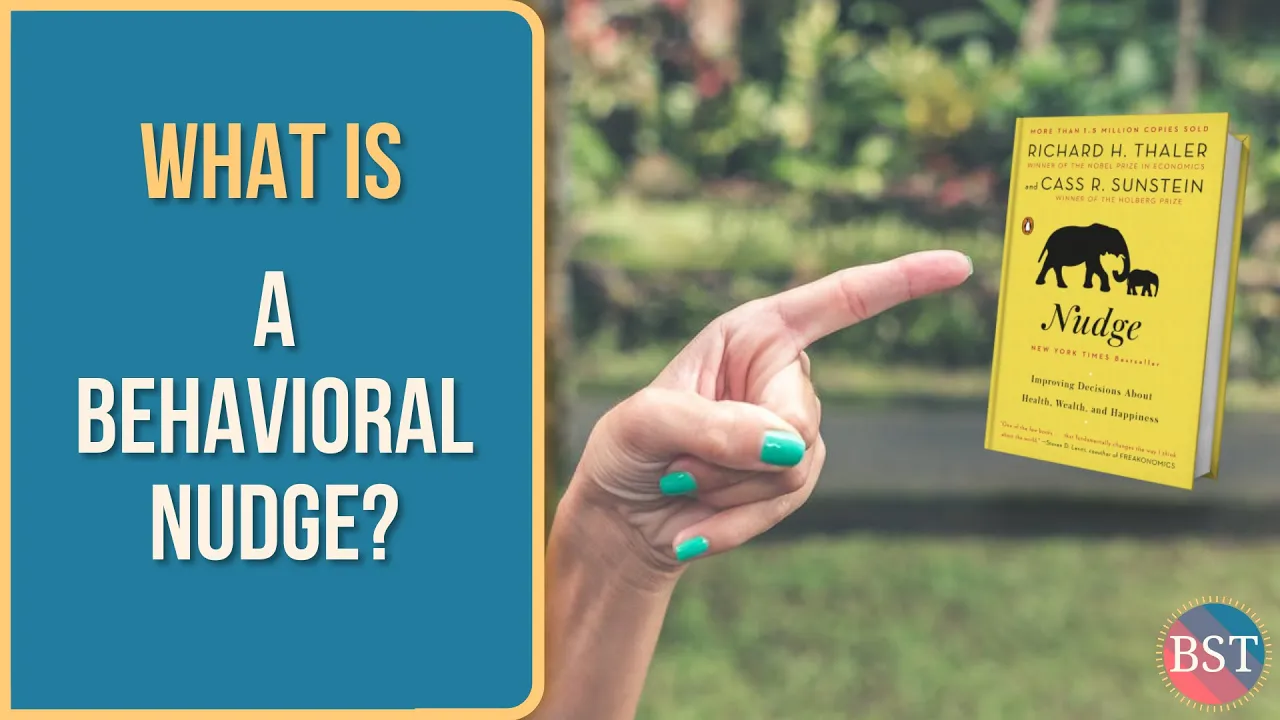









Nudging is a behavioral intervention technique that should always be designed to serve an individual's best interest or promote the common good of society, such as helping people reach their goals or reducing negative environmental impacts; however, when interventions are designed primarily to benefit companies at the expense of individuals by promoting instant gratification, wastefulness, or unnecessary spending, they become 'sludges' rather than ethical nudges, and practitioners can use the New York Times test—asking whether they would be comfortable with their intervention appearing on the front page of a major newspaper—to evaluate whether their approach is genuinely helpful or manipulative.
Nudge vs. Sludge: The Ethics of Behavioral Interventions
Added:Introduction to Behavioral Economics, particularly how human decision-making differs from classical rational choice theory.
The core concept of a 'Nudge' and choice architecture as popularized by Richard Thaler and Cass Sunstein.
Common cognitive biases and heuristics, such as status quo bias, loss aversion, and present bias, which behavioral interventions target.
Basic ethical frameworks, specifically the tension between libertarian paternalism (guiding choices) and individual autonomy.
The identification and mitigation of 'Dark Patterns' in user interface (UI) and user experience (UX) design.
Practical frameworks for ethical behavioral design, such as the FORGOOD ethical framework for nudging.
Case studies of 'Nudge Units' in governments and global organizations (e.g., the UK Behavioral Insights Team) and how they audit for sludge.
The concept of 'Boosts' as an alternative to nudges, focusing on empowering cognitive agency rather than altering choice environments.
1.9K views18likes5:26Original Release: 2018-11-05
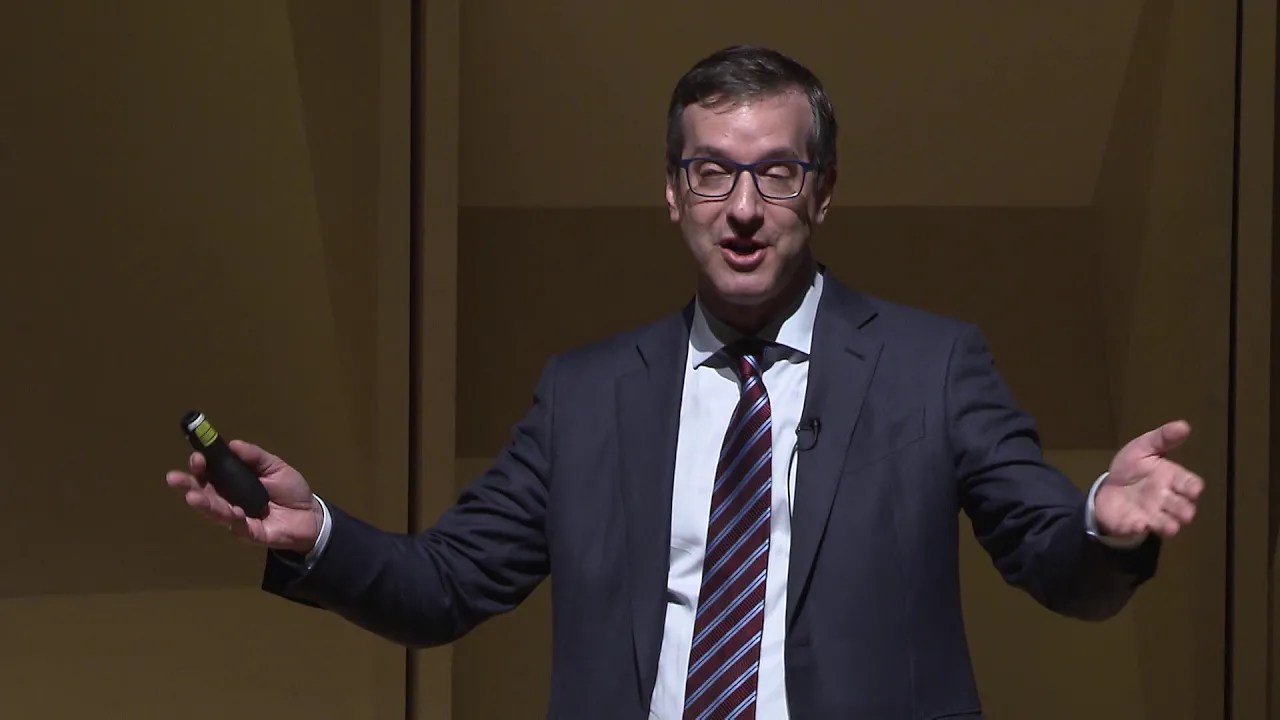
notice our tool and like any tool that can be used for good or for bad purposes well we cannot prohibit you from using these tools for your personal gain and at the expense of others we do want to make you aware of the Essex of nudging so you can decide for yourself what to use it for nudging does not come with an inherent moral compass that needs to come from you we believe that to call your intervention and nudge it should be in an individual's best interest or at least speed for the common good of society such as reducing the negative effects of behavior on the environment if you keep the concept of the intention action gap in mind then you're on the safe side because you will only be using nudging in situations where you help people reach their goals there can be situations in which a behavior change would be good for society even though it's not an explicit goal of an individual in our project use the Swedish Environmental Protection Agency for example we asked people what they thought about littering and most people agreed that they think it would be best not to litter even though they occasionally do it out of convenience so in this case nurturing people not to litter is still in their best interest even though they might not have this as an explicit goal have you ever wondered about the two elephants as a symbol for nudging the mother elephant is nudging the baby elephant in a loving caring way it is not trying to trick the baby or push it into a puddle it's a choice architect you are the mother elephant what if you don't know what the preferences of the people you're trying to nudge are ask them where they could use some help or observe them when they're interacting was your product or service and see where you can give them a hand nudging does not need to be or even should be done in secret a great nudge is something that helps people reach their goals my language learning app reminding me each evening to practice for 10 minutes much just like my Instagram now telling me that I've caught up with all new pictures and should turn off the app people might be thankful for encouraging them to eat more vegetables by placing them at the front of the buffet not at the end what if you ask people and then they say that they don't want to do what you want them to do then don't try to match them first of all if people really don't want to do that then a nudge will be ineffective anyway and you're wasting your time and second of all it is unethical if you still think it's necessary for people to change behavior for the greater good then you should use rules and regulations and taxes as policy instruments for good reason we have banned smoking and public buildings and have fines for littering nevertheless we see nudging concepts applied in situations that are not in an individual's best interest and it can be considered as manipulative in the last year's the term sludge has emerged to define behavioral interventions they are not in an individual's best interest have a look at the following slide this slide provides a reference for you to decide whether your intervention is a nudge or while nudges aim to promote welfare of the individual in society sludges focus primarily on the profit of a company at the expense of the individual not just try to make people healthier help them spend money in a smarter way help to conserve resources and usually create a win-win situation both for the individual and for the choice architect sludges are very similar to notice but promote instant gratification wastefulness of resources unnecessary spending and are usually only in the interest of the choice architect a typical example of a sludge that you might have seen booking your last vacation is flight insurance online portals use all kinds of manipulative tricks to get you to buy unnecessary turns as you can see on the slide after all that assurance allows them to sell the tickets sub cheap for example they may tell you that over 35,000 other people have protected their flight in the past 7 days using social proof as a slush so what if you're still not sure whether your intervention is a nudge or sludged the business world uses a simple ethics test to determine whether what they're doing is ethical this is also called the New York Times test and can help you decide the simple question you should ask yourself is what if my intervention ended up on the front page of my country's major newspaper tomorrow morning I'm fine with it or even proud of it great then it's probably a nudge not so good for a brand or even a disaster hmm probably is sludge we've designed a small quiz for you to test your knowledge on whether an intervention is a nudge or slash good luck
Up Next
8:40
UX Dark Pattern Psychology: How Design Exploits Human Cognition
@DougCollinsUX
508 views•2019-12-31

68:32
Cognitive Skills for Differentiated Instruction | Teacher PD
@BrainWareLearning
631 views•2017-12-17

9:55
Thinking, Fast and Slow: Daniel Kahneman Animated Book Summary
@FightMediocrity
2.3M views•2015-06-05

6:40
The Nocebo Effect: How Beliefs Can Cause Real Harm
@CGPGrey
10.4M views•2013-12-23
Related Study Plans & Knowledge Roadmaps
Structured learning paths in Psychology
psychology
Neuroscience of Creativity: Networks & Training
01Foundations of Creative Cognition
02The Cognitive Neuroscience of Insight & Fixation
03The Triple Network Model of Creativity
+ 1 more learning modules
15h4 modules
Explore Roadmap
psychology
Imposter Syndrome: Etiology & CBT Framework
01Defining the Imposter Phenomenon
02Socio-Developmental Etiologies
03CBT Fundamentals & Thought Distortions
+ 2 more learning modules
15h5 modules
Explore Roadmap
psychology
Adult ADHD: Executive Dysfunction & Scaffolding
01Neurobiology of the ADHD Brain
02The Core Triad of Executive Deficits
03Executive Dysfunction and Emotional Regulation
+ 2 more learning modules
12h5 modules
Explore Roadmap
psychology
Loneliness: Evolution, Neurobiology & CBT
01Evolutionary Origins of Human Connection and Loneliness
02The Neurobiology and Physiology of Chronic Loneliness
03Maladaptive Social Cognition: The Psychological Loop
+ 2 more learning modules
12h5 modules
Explore Roadmap