







![맨큐의 경제학 : 제1장 경제학의 10대 기본원리- 사람들은 어떻게 결정을 내리는가? - [4] 사람들은 경제적 유인에 반응한다.](https://i.ytimg.com/vi/qxZn4XmKWl0/maxresdefault.jpg)











Nudge is a behavioral economics concept that helps people make better decisions by making desired behaviors easier to perform without restricting freedom of choice. The book introduces 'sludge' as the opposite of nudge—making things difficult rather than easy—and emphasizes 'smart disclosure' as a better approach to government regulations. Key applications include automatic enrollment in retirement plans, which dramatically increases participation rates, and the use of visual cues like road markings to influence behavior. The book argues that while nudge can help with many problems, it is not a solution for all issues, particularly complex ones like climate change that require stronger interventions like carbon pricing.
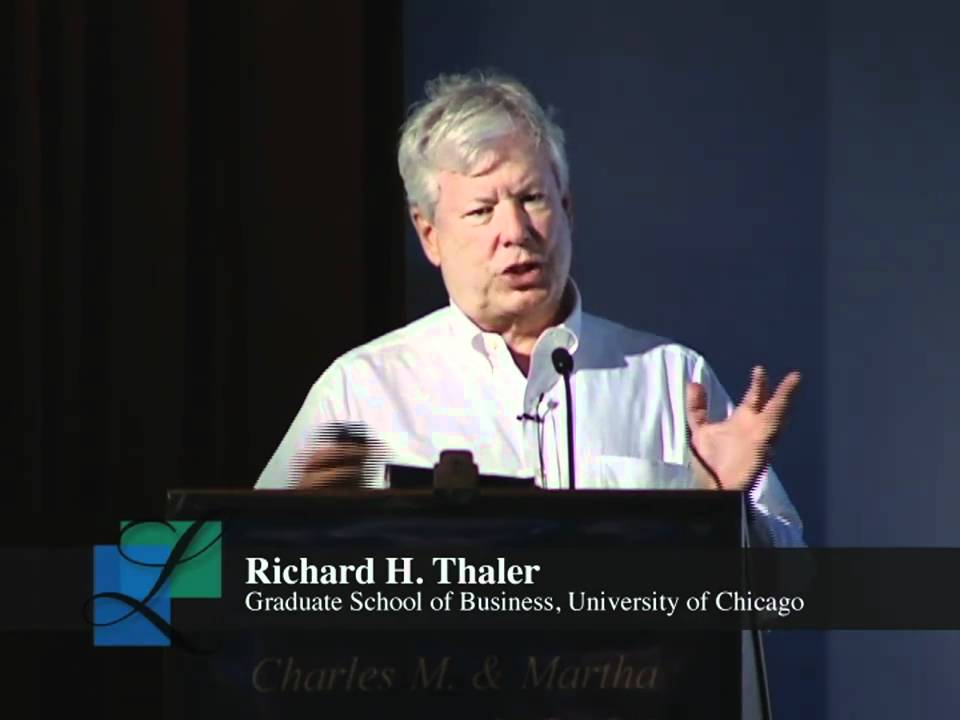
Nudge: Behavioral Economics with Nobel Laureate Richard Thaler
Added:The assumption of 'Homo Economicus' (Rational Choice Theory) in classical economics, which posits that humans always make perfectly rational decisions to maximize utility.
The concept of bounded rationality, demonstrating that human decision-making is limited by cognitive capacity, information availability, and time.
An introduction to cognitive biases and heuristics, specifically the dual-process theory (System 1 and System 2 thinking) popularized by Daniel Kahneman and Amos Tversky.
Basic principles of microeconomics, particularly how incentives and market mechanisms traditionally guide consumer behavior.
The design and implementation of 'Choice Architecture' to ethically structure environments in which people make decisions.
The concept of 'Sludge'—the negative counterpart to nudges, where behavioral insights are used to create friction or exploit cognitive biases for corporate or malicious gain.
Case studies on the real-world application of behavioral insights by governments, such as the UK's Behavioural Insights Team (Nudge Unit) and the White House Social and Behavioral Sciences Team.
The philosophical and ethical debates surrounding 'Libertarian Paternalism' and the balance between government intervention and individual freedom.
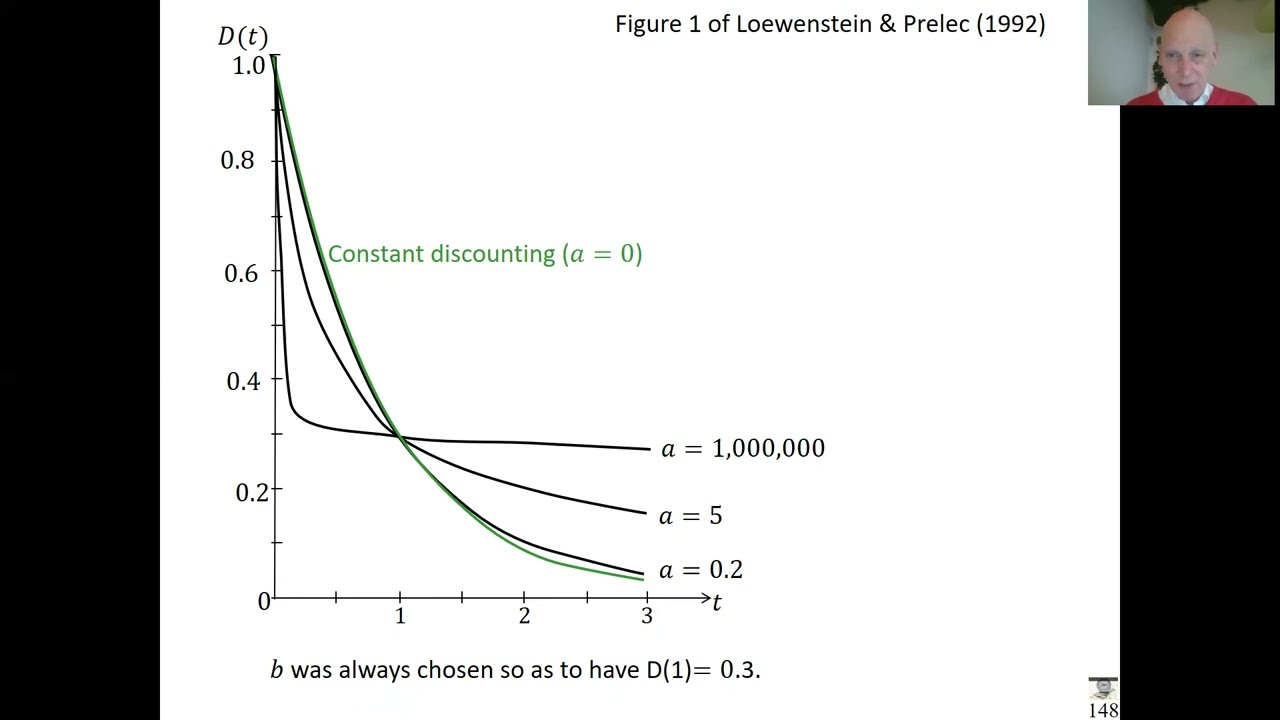
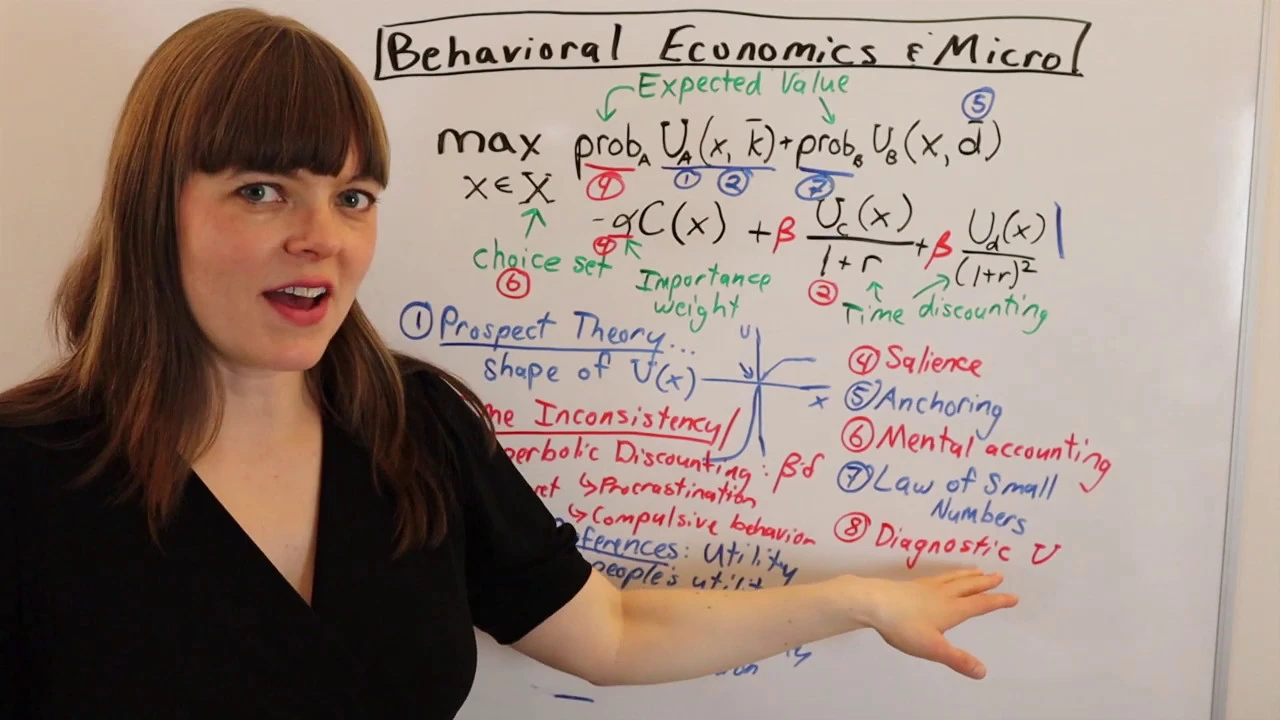
Advanced behavioral economic models, such as Prospect Theory, mental accounting, and intertemporal choice (hyperbolic discounting).
24.2K views430likes57:36Original Release: 2021-12-29
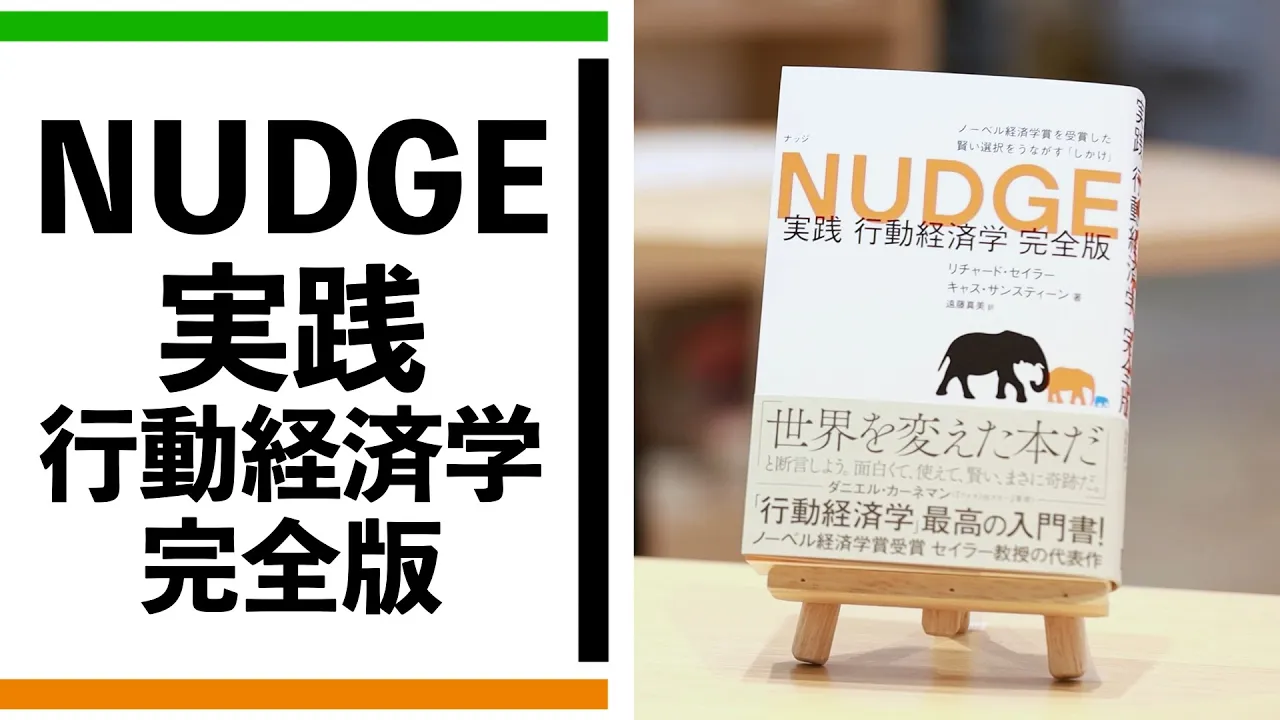
hi i'm hal varian i'm the chief economist here at google and it's my great pleasure to introduce richard thaler uh he was awarded the not 2017 nobel memorial prize in economic sciences for his contributions to the field of behavior economics in fact i would say he's almost the inventor of behavioral economics he and a small group of friends and colleagues uh he's currently the charles walgreen distinguished professor in the behavioral sciences and economics university of chicago blue school of business member of the national academy of sciences american academy of arts and science and in 2015 he was president of the american academy of sorry president of the american economic association he's been published in numerous prominent journals and is the author of misbehaving the making of behavior economics and before i leave the stage i want to tell you a very brief story about something that where i first met first got involved with richard and that was in uh uh the 1986 or thereabouts when we were creating a new journal for the american economics association we were thinking about what should go in that journal and i said why don't we have a section on anomalies things that don't fit into the standard models we use in economics everybody thought this was a great idea but they said where can we find a person like that and i said i've got just a guy for you so richard take it from there well that's true ever since then hal has been periodically claiming that he invented me um but that that series of anomalies uh turned out to be important uh because they were widely read and um there was a survey done something like half of the members of the association claimed to be reading them regularly and a typical journal article might get a few hundred readers if it's really popular so um i i'm not sure you invented me hal but uh i owe you a debt okay so i think uh you're on now so please uh let's hear your your current views on behavior economics and the challenges it faces wow um you know i think we're we've reached a stage where behavioral economy it's kind of a stage i was hoping to reach where behavioral economics is part of the repertoire so it used to be if you were a behavioral economist you were a professional troublemaker and um and it was a small group of troublemakers now lots of economists consider a behavioral approach just part of their toolkit and um i i think the biggest challenges are to apply principles to fields where it hasn't become commonplace uh i think one one area where it started but there's a lot of work to do is macro so if if you think about say what the the questions that the fed is dealing with now about inflationary expectations that is essentially a behavioral problem it's what do people think and why do they think it and the the fed is involved in not only taking actions about buying or not buying bonds but persuading people uh about what's going to happen in the future and that's an interesting behavioral problem there is a recent macro paper that's getting a lot of attention about whether inflationary expectations are worthwhile in the sense do they really help predict actual inflation or not so there's a technical issue there of course whether it's a good predictor or not but uh it seems to be raising uh quite quite a bit of interest in that uh particular area well i think one thing we're the profession isn't very clear about is whose expectations are we talking about right so i mean you can you can look at the yield on uh inflation index bonds and back out an expectation of inflation of traders of those securities but uh if you walk down michigan avenue in chicago or main street anywhere and ask people what their expectations are about inflation over the next year they are not likely to have a very strong opinion they're they're more likely to have an opinion about whether the bears are going to win their next football game than they are about what inflation will be in 2022 yeah so whose expectations is a big question to me and how do they form those expectations and this is very much a behavioral topic because one of the huge drivers is gasoline prices why because once a week you see the price of gasoline when you fill up your car and that's going to be a big driver things that are frequently purchased of that sort so here's an interesting thing when we're all driving evs how will inflation expectations change huh because when you plug in you don't see eighty dollars or whatever well it wouldn't be anyway but and it you you don't see a price and you're you're right that gasoline prices are probably the most salient price to most people yeah and then there are some grocery store items like milk and bread uh but everything else people don't really know or see they've got a uh inflation index called the sticky price index and what that does is it focuses on uh goods that rarely change prices so we're seeing there's something anomalous to use the term here uh there's something anomalous going on in terms of prices that usually are pretty stable are now going up what does that mean yeah and you know one thing i've been thinking about recently so we we've talked about sticky wages in economics going back to cain so in the great depression there was a question how can it be that a third of the workforce is unemployed why don't wages fall to clear the market and the sort of tautological answer was well wages are sticky meaning they don't fall enough to clear the market it's not an explanation um but i think there's a question now whether wages are sticky upwards because we hear about labor shortages in all kinds of domains every restaurant you go into as a help on its side and there are all these supply chain problems some of which are because they can't get enough truck drivers or something and my question is are wage setters too reluctant to raise wages for reasons that i i don't know but i suspect that there is some of that yeah yeah we're we're seeing it and of course what happens is when you raise the wages to track new hires you pretty much have to raise the wages for the existing employees as well uh if you don't you run into a lot of problems again of a behavioral nature so that you get although you could have signing bonuses and retention bonuses so this is what we call a framing right so if you give every new employee to grand and every existing employee two grand to stick around through next year maybe you don't have to be as clear about what permanent wages are going to be and they do that in the trucking industry for example that you're getting a wage but then once you complete a certain number of uh trips then you get a a bonus on top of that wage so so in the book i read the book maybe i i think we should mention what book this is excellent why don't why don't you uh tell us about the latest book well the latest book is called nudge the final edition and of course the nudge is a book that cass sunstein and i wrote back in 2008 and you might wonder why we would rewrite a book that was continuing to sell lots of copies and part of it is that the paperback contract had expired and no one had noticed and they got around to telling us in april of 2020 and if you remember there wasn't that much to do in april 2020 so we started tinkering and there was a mention early on in the book about the spiffy ipod remember those [Music] so um when we were writing this book we had both just bought our first smartphones and it just struck us that the world has changed so much in the relatively short time since we had written that book and i was bored so um we ended up uh it the new version is about two-thirds new we call it the final edition as a commitment strategy to make sure that we never make this mistake again because it was a lot of work what i tell aspiring authors is when you think you're 90 done you're 50 done yeah and all all the dull stuff comes at the end of fiddling around with the order of things and with the index and with all that other stuff so it's fun to write the first chapter of the book but then by the time you get to all this munition it's not that much fun you know we one of the things we wanted to do is introduce a concept we were talking about but had not written about which is what we call sludge so for since the beginning i've been signing copies of nudge nudge for good which is meant as a plea i'm sure you have a copy somewhere that says hell nudge for good and uh people don't always so what is sludge sludge is is the same tools but it you know the idea of nudge the basic idea is if you want people to do something make it easy and lots of successful firms like google have succeeded in large part because they make things easy you can google it right and um you know it's true of apple and amazon and netflix are all companies that make things easy and but lots of things are done that make things hard one thing that drives me crazy is lots of services make it very easy to join and very difficult to unjoin you can subscribe to many publications with one click and your credit card but to unsubscribe you have to call and go through some torture and um i i don't approve of that i've tried to convince some major publications to stop doing it but it's obviously profitable and so i i think one of our goals was to get rid of sludge there's a lot of inadvertent sludge which is not so the unsubscribed trap is intentional uh to me because it's profitable to get a a few more months of of your payments but a lot of sludge is just inept programming and um i think the world would be a better place if we had sludge exterminators um and i i encourage all of you googlers who are watching this live to um if there if you find sludge in the process get rid of it well another example of making it simple and easy to do is of course google maps remember what it was like planning a trip it was painful i totally agree and i think the uh the smartphone is the single biggest technological advance of i mean and we have so many more so than the personal computer and in part because the the computer we carry around in our pocket is more powerful than the first uh home computer we had and it has a map yes and i have a terrible sense of direction so i love google maps and you know you mentioned that gps is our ideal for a nudge and it's because you get to pick your destination suppose i want to come and visit you i plug in your address and that was my choice nobody's telling me where to go it will suggest a route but if i see something interesting i'm allowed to depart and all of life would be great if there were a google google maps equivalent and of course search is like that if i want to find out who has the record for the most touchdown passes in the season i can find that out instantly but there are lots of things that figuring out take our tax system the u.s tax system is sludge ridden in sweden one files your tax return by text message you get a text saying according to our calculations how we owe you [Music] 10 000 kroners if you agree press one and the money appears in your account and if you think of 89 of american taxpayers would be eligible for such a service because they take the standard deduction and the they passed a law saying it's illegal for the irs to send you a pre-populated tax return that is sort of encapsules everything that is wrong with washington and and with government well not everything i say not everything but it's a good chunk it's just i i i'm not saying it's the only thing wrong it's uh it's just an example of some special interests and if you guess who they are you'll be right uh have got that law passed and uh it makes all the rest of us worse off and there's a lot of that going on by the way you know who we owe the geo-positioning systems to is ronald reagan why was that the story goes that uh the military of course was some moving force to build the gps satellite system and uh and uh reagan got a demo he said this is wonderful can ordinary people use this tool and they said oh no no it's all encrypted only the military could use it he says we don't want that and so then they changed policy and made it available to everyone it was a little extra noise in it because they figured that consumers didn't need as quite an accurate position as the military needed but that was the that was the story right and then they got rid of that you know that that's actually a good example of another theme we talk about in the book that we call smart disclosure there's lots of government rules about disclosures and if you think of the technology used for almost all disclosures it's first century right i mean it's it you might as well be doing it with scrolls on parchment so putting the ingredients on a cereal package on the side of the package come on yeah and um that's true of almost all disclosures this site uses cookies well and you know yeah i mean the the the regulations that they passed in europe uh saying you have to warn about cookies and then so you know the first time you got one of those you say hmm if you don't want cookies press here and good luck good luck getting out of wherever you go if you start choosing right so that that's a that was a well intended bit of uh regulation that nobody took the any steps to think about okay well what what else and uh so yeah though they're there are the two two of the big themes of the new version of nudge smart disclosure and sludge and they try a new form of disclosure and just create more sludge and uh god knows we can do better so one of the impressive things about the uh original nudge book was it inspired uh several governments to put together nudge groups who would try to improve regulation and practices uh in ways that you advocated can you tell us a little bit about that what what so the the first uh country to do that was the uk and uh the story of how that happened was um when the it was david cameron um conservative party uh prime minister and there was a young guy working for cameron named rohan silva who read an early version of nudge and bought up i think the entire uk stock which was about 10 copies and piled them up on a prominent desk at the conservative party headquarters and david cameron picked one of them up he was nudged and read it and parties there have manifestos kind of like platforms here but unlike our platforms they take them somewhat seriously and it was in the tory manifesto that if they're elected they will do behavioral science uh informing policy and a week after the election i get this phone call okay we're doing this thing can you come over and help and um a guy called david halpern was is the one who created that first union and is still there and uh the white house followed suit after uh barack obama got elected and that that unit was created by maya shankar who is now a googler and somebody has been counting these government units and got up to 400.
really so that's governments and ngos and of course there are countless equivalents in in companies like google that are uh so you know the first few i had my fingers in the pie but uh um they're out on their own now and the you know what what are they trying to do they're they're not trying to it let's go back to the gps they're they're not trying to tell people what to do they're trying to help people get where they want to go so if you think of what's almost certainly the most successful application of behavioral economics it's been in the redesign of defined contribution retirement plans what we call 401k plans in the us and there have been three big innovations that have made those a lot better the first was changing the default to join what's now called automatic enrollment lots of people just didn't get around to joining even in companies that were matching contributions so they're just throwing money away uh and if you just sign up people and tell them they have to fill out a form if they don't want to join enrollments go to ninety percent uh almost everywhere the uk has done this at the national level and less than ten percent opt out the second is what we called save more tomorrow which is now called the generic is automatic escalation so raise people's contributions gradually because they initially sign people up too low they should be saving 10 12 not three and then the third was to create good default investment strategies like these target date funds um and the that that has worked and it's why it's easy you don't i mean the idea that everybody needs to become their own financial planner and figure out how much they have to save and then form the best possible portfolio uh is a bit preposterous there's there's a lot of interesting work to be done to help out guys our age of the the the second part okay you've retired how are you going to take the money that you've saved up and what are you going to do with it that turns out to be a more difficult mathematical problem than the saving up because you have to keep you have a pretty good idea when you may retire but you you don't know when you're going to die you may know you're sick and you can spend a lot but no one knows they're going to live to 100.
so solving that problem is hard and that's one of the things that behavioral economists uh can and should be working on well this is why they have annuities right annuities are one solution to that problem but here's what's interesting people who are in old defined benefit pension plans like your former colleagues at the university of california love them and those come with annuities but people in defined contribution plans almost never choose to buy them so that's an anomaly in and of itself the i got involved there was a labor dispute in chicago in the chicago symphony orchestra there was a strike and the big issue was the management wanted to switch to a defined contribution plan and the orchestra members didn't want it and a friend of mine and i looked at it at the request of somebody and it looked to us like what they were being offered was better than the thing they had but there was a guy in the union whose view was to find benefit good to find contribution bad and they could have lost one of the great symphonies in the world uh on on this problem and there were some nudges and uh fortunately there's they're still playing great fantastic i think one of the troubles is the the pricing is not often as attractive as one would like and here's a case where it looked like it was uh better to go to define uh contribution well the orchestra had been was offering a guaranteed minimum return on their investments which is not an offer you often get right yep and of course then the question is well will they really be liquid enough to pay up or are they outsourcing this to a insurance company or just how it's structured a lot there's a lot of devil in the details problem uh that's true so let's return to the book um i noticed as i read the book uh this this time there's a lot of lists in the book and this is a good thing i think because these are sort of the items that say well you have to uh look at problems with anchoring availability representativeness over contests loss aversions status quo bias framing and it's like you could go down the checklist this is what is this policy uh is this showing overconfidence is this showing status quo bias etc etc so it seems to me it's more operational than the first nudge book was more how to how to nudge yeah you know you know in the first book we introduced the term choice architecture and that's a term i made up now it's one thing to coin a term it's another thing to know how to do it right so you know i coined a term but i wasn't an architect and uh thanks to all these nudge units and and lots of academics and economics and management and psychology we've learned a lot about how how to do choice architecture better and like we were talking about before lots of technology firms have become very good at choice architecture if you think think about amazon they have every book in the world for sale now imagine going into a bookstore that had every book like the library of congress or something it would be a nightmare you know i want to find a copy of hal varian's micro book and it might take me months to find out where it is on the shelves it won't take long um at a good website so we've gotten a lot better at choice architecture and it doesn't take us long to find a movie we want to watch or a route we want to go to and so much of the reason we felt like it was worthwhile for us to rewrite this book and for people to read a new version is we've learned so much more about how to actually do stuff yeah so sometime when you're bouncing around youtube look up the att uh commercials from 30 years ago they ran a series of commercials about someday you'll be able to find any book in the world someday you'll be able to find a movie that's perfectly attuned to your taste etc etc and the amazing thing is how good they were they were really quite remarkably accurate that they were able to make this forecast 30 years ago yeah well um i i think you're right usually not the case forecasts of technology are usually hopelessly bad well i think the idea of having let's say a portable computer or or a mobile phone or something like that that was in dick tracy right in the 30s you had the watch that he spoke into so and now it's another wearing one yeah yeah it's amazing so so some of these things have have uh have done very well and when i saw my first uh mobile phone what impressed me the most was the fact that it had a camera with it and think of the implications of having a camera you're carrying with you all the time and it's had a huge impact on all sorts of things of having that that little uh device everybody knew what cameras were everybody used cameras but only on special occasions and with the mobile phones you had it all the time which made a huge huge difference in all sorts of things crime punishment etc right so yeah so one of the things we're very interested in at google is how we can be helpful in fact that's kind of our theme these days is being helpful in terms of the products we design like using the search of course but other products of other sources the maps the maps i was going to say earlier when we talked about maps what's interesting is you went through all this pain and suffering to figure out your route on the map and then you had the final insult you had to fold the thing back up and it never quite worked [Laughter] you know there's a whole generation of people listening to this that have no idea what you're talking about these are two boomers who actually had to deal with folding up maps you know so let me ask you uh one topic i uh i wish you had mentioned you have this astute observation confident speakers are more likely to be correct that's the the uh belief that people have maybe unwarranted yeah i don't think we say they are more like we say that people oh people believe that yeah i didn't mean to say it was your opinion it was opinion of one of the common um errors that people make but how do you speak and convey true uncertainty because maybe the best thing to say is well it depends or maybe maybe not or the probability is about either either direction well then it makes you look very wimpy compared to the person says by god inflation is going to go through the roof next quarter whereas really it's a very a question that in fact in reality there's a lot of uncertainty around it yeah so i mean think about the abuse that donald rumsfeld got for this line about the known knowns and the unknown knowns now he had his warts but that was a very sensible thing to say yeah and you know we economists talk about the difference between risk and uncertainty and we're gradually learning that with kovid that there's a lot of unknown unknowns because every time we think we've rounded the corner there's a new variant or a new problem and you know there's a paper i like that looks at the forecasts of fortune 500 cfos about the returns on the stock market over the next year and they asked them for confidence limits eighty percent confidence in them so they say give us a high forecast that will only be exceeded ten percent of the time on a low forecast that will the market will only do worse than that ten percent of the time now of course the actual number should lie between those two eighty percent of the time and and these are highly professional people the actual came in within their confidence limit one third of the time the reason for that is of course their confidences were way too narrow yeah now it turns out forecasting the stock market is nearly impossible so it's we shouldn't be criticizing them for not being able to do that no one knows how to do that right well i mean this one but the the the the problem was that they were giving forecasts as if they could and the reason i wanted to tell that story is i asked the authors well what would be a a forecast a rational range if you knew you don't know and it was something like up 30 down 10 now suppose uh the google cfo ruth says okay she's at some meeting and she says my forecast for the market next year is it'll be somewhere between up 30 and down 10.
she doesn't look like she knows anything yeah and you know suppose we go to the chief economist and we ask him and and he gives that answer they're going to say we finally need a second chief economist so it's very hard to give forecasts that are as wide as they should be because it makes you look dumb yeah and and when it comes to things like covid and forecasting the stock market we are dumb because we don't know what's going to happen next all right well on that note i'm going to switch to some audience questions that they've uh asked and um there's a series there's five or six of them i think so here's the first one will you accept crypto currency as value for something you're offering like black hot tickets or corner office booth what do you think of cryptocurrency well i think that i'm just too old to get it yeah um and i think most economists share that view i don't and it's clear we've been wrong so far it's clear that crypto currencies are not good as currencies because they're just way too volatile right so now uh you know i i sometimes play golf with my colleague gene farmer who is the leading exponent of the efficient market hypothesis people think that we must be arch enemies but we're actually good friends but i asked him what is more embarrassing to you bitcoin or gamestop and i don't ask these sort of obnoxious questions too often i'll get and he immediately said bitcoin and and the reason he gave is it shouldn't exist so gamestop that he undoubtedly thinks is mispriced by a factor of 10 or 100 or possibly infinity uh he's heard lots of obnoxious stories from me over the years of things like that but bitcoin he doesn't understand why it exists neither do i but um obviously we've been wrong in terms of what its price is and um uh so i i'm i'm not gonna make any forecast about what's gonna happen to cryptocurrencies well lotto exists and that leaves a room for other negative expected value good so it's it's amazing how popular it is yeah all right let me let me have another question here this actually this is a question that i put on my list as well should we teach nudging in school maybe starting at elementary school because you're trying you know at elementary school you want kids to interact peaceably want them to do things you want to learn how to focus and a lot of the nudges you have up here for government officials could just as well apply to kindergartners uh well you know i don't know whether we want to call it teaching nudging but i i think uh first of all i think we should be teaching probability and statistics somewhere and i for one would be happy to give up trigonometry for statistics uh even you a mathematical economist probably haven't used a cosign recently uh but you have looked at a uh uh statistics right so uh and there are things you know we could certainly teach people things like um uh not not being overconfident by having uh kids make forecasts and see how they do we could teach people um to ignore sunk costs as all economists think they should so i think there's lots of things that would be useful to incorporate in uh education i have a daughter who's a middle school math teacher and she teaches some of this stuff because she was born with it so i'll give you an example of what you were describing it there's a book very popular book called elementary probability using texas hold'em so all the examples of the probability the conditional expectation this that they're all they're all phrased in the in terms of texas hold them and of course that that people like that i'll give a plug to uh annie duke has a very nice book called thinking in beds and she was uh studying psychology and had a decided to become a professional poker player instead and now she's back and teaching what she learned about being a poker player for uh how to use those principles to make life decisions and i think um she she is actually quite active in this space of revising the curricula um to teach people to be better thinkers i think that's the right way to think about it it's not just the math courses that should be revised everything the uh the example um of uh of using uh texas holden work or games like that is i think very compelling because people it has a certain aura to it they're movies about poker players in fact now the ai challenge when these various ais compete against each other you know chess is dull now because it's pretty much solved but what they're doing is they're trying to see how you can use ai and poker which is of course much trickier a computer's pretty good at a poker face right they're not giving it no that's true but uh yeah uh getting the human element uh computers got very good at chess but as far as i know are still not very good at bridge and i'm not sure exactly why bridge is harder but i think part of it is that there's more of a human element perhaps perhaps we'll see okay question here do you see any potential nudges that could potentially help minimize the growing wealth disparity so we thought about nudges in the context of inequality um well i think you know there are two parts to the wealth inequality uh one is propping up the bottom and the the other is trimming the sails at the top and i i don't think that the latter is a behavioral problem um that that's a a tax problem and uh the same people who who won't let the government fill out your tax returns uh are busy rewriting tax laws and uh even the new democratic bill has lots of things in it that uh benefit the rich so it's difficult to get these things passed um and on the on the bottom side i i think there's uh a lot to do a lot we can do and um certainly the whole field of behavioral economic development esther duflow and her colleagues who won the nobel prize a couple of years ago they and their collaborators have pioneered that and i think that there's a lot of similar things that need to be done domestically and uh but there there are there's nothing simple like automatic enrollment there's no switch we can turn that is going to deal with inequality yeah and um we kind of know the directions we'd have to go but i i don't have an easy answer yeah all right here's here's uh i think the final question and uh thinking along the lines of your lakeshore drive and oak street uh example which is great example maybe you can describe it to the to the audience quickly and that when the question is asking for an example of that was a case where you had behavioral clues that help people slow down what about the opposite problem of trying to get people to speed up maybe like for vaccinations or climate change or other things where there's something urgent and you want people to believe that it's urgent engaging these things so man once you describe the lakeshore garage okay so yeah let's so the lakeshore drive is uh if you've never been to chicago you should go it's a beautiful city that people don't realize how beautiful it is um and there's a road that goes along the lakeshore all the way from the university of chicago almost up to northwestern and there's one point [Music] where there's a very dangerous curve and people wipe out there all the time and what they did is they painted lines horizontal lines across the road that as you're approaching the apex of this curve the lines start getting closer and closer together that gives you the illusion that you are speeding up and you reflexively tap the brake and slow down and it's a brilliant it wasn't our idea but i noticed it that's on my commute in chicago and i thought it was a great idea and the city tells us the accident rate did fall although not to zero um so it's a great nudge um the nudging was useful in vaccine take up for a while i think we've been in three stages the first stage when the vaccine first came available and there was excess demand we didn't have to nudge people and uh it was all a question of could you find a place that was uh had shots available then there was a middle phase where nudging was helping make it easy take the vaccines to the people free beers um because there were people who were just procrastinating or were hesitant then i think we got to a place maybe around may june [Music] where we reached the people who had strong opinions largely misinformed uh according to all the scientists and i share that view and um nudging wasn't really working i have advocated for mandates not necessarily issued by the government i don't know what uh [Music] well at the university of chicago and many other universities every student and every faculty member every employee had to be vaccinated before classes started and i think that's an a perfectly appropriate thing to do the national basketball association and national football league have not quite mandated the vaccine but they make life very difficult if you're unvaccinated and if you're unvaccinated and get a positive covet test you're in quarantine for two weeks and strict rules when you're on road trips so this isn't this is beyond nudging but uh i think completely appropriate so one of the themes of the new final edition of nudge is that nudge is not the answer to every problem it can help any problem but it's not the answer we completely rewrote the chapter on climate change um and the way we start is agreeing with 99 of the economics profession that the first step in dealing with climate change is carbon pricing and we're not going to get there until we do that and it's very frustrating that there's an alliance between progressives on the green side who don't like carbon pricing because they think the price will be too low and conservatives who just don't like taxes and that coalition has kept the price of carbon uh zero uh federally california has a cap and trade system um but uh federal level doesn't and i think that's too bad now there are things we can do and there are successful nudges you know you now you when you get your um your energy bill it will tell you how much can energy you're using compared to your neighbors that reduces usage by two or three percent and you might say well you know that's not a big effect uh that's true but it's also free right they're sending you the bill it doesn't cost anything more to include that little bit of information and as we quote president obama who used to say in such settings better is good yeah well you know better is good so so we should keep nudging where we can and if it's two or three percent improvements those are good but if we're dealing with a crisis like covid or like climate change we need sterner things like taxes and regulations and you know fraud we don't just nudge we we throw people in jail same with violent crime we we need sterner things for big issues but nudging can still help that's a great note to end with thank you richard and thanks to the audience for your questions and it's been great to have you here thanks al this is third time we've done this and um i said that uh i i'm in your debt uh i hope to see you soon and first drinks on me ah that's a good nudge [Laughter] thanks [Music] you
Up Next
10:39
Remote Work Bribes and the Creative Class: Urban Inequality Explained
@thehill
172.9K views•2021-05-04
5:07
Impact of Yuan in Indo-Russian Trade Amid Sanctions
@WION
261.9K views•2022-07-01
10:33
Behavioral Economics Explained: Rationality, Nudges, and Risk
@crashcourse
1.1M views•2016-03-12

113:18
The Age of Easy Money: Fed & Inflation | Full Documentary
@frontline
21.2M views•2023-03-15
Related Study Plans & Knowledge Roadmaps
Structured learning paths in Economics
economics
Sovereign Debt: Defaults, IMF & Restructuring
01Introduction to Sovereign Debt & Government Bonds
02Debt Sustainability & Credit Ratings
03Anatomy and History of Debt Crises
+ 2 more learning modules
12h5 modules
Explore Roadmap
economics
Market Design: Matching Theory & Gale-Shapley
01Introduction to Market Design and Price-Free Markets
02Two-Sided Matching & The Gale-Shapley Algorithm
03School Choice Systems and Mechanism Design
+ 2 more learning modules
10h5 modules
Explore Roadmap
economics
Impossible Trinity: Forex, Capital & Policy
01Introduction to Monetary Policy and Central Banking
02Exchange Rates and International Capital Flows
03The Mundell-Fleming Model
+ 2 more learning modules
8h5 modules
Explore Roadmap
economics
Healthcare Economics: Market Failures & Systems
01Introduction to Healthcare Markets and Market Failure
02Asymmetric Information and Adverse Selection
03Moral Hazard and Insurance Design
+ 2 more learning modules
12h5 modules
Explore Roadmap