







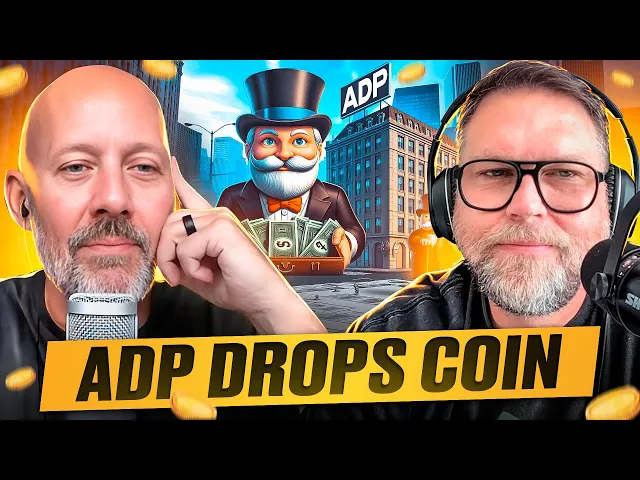


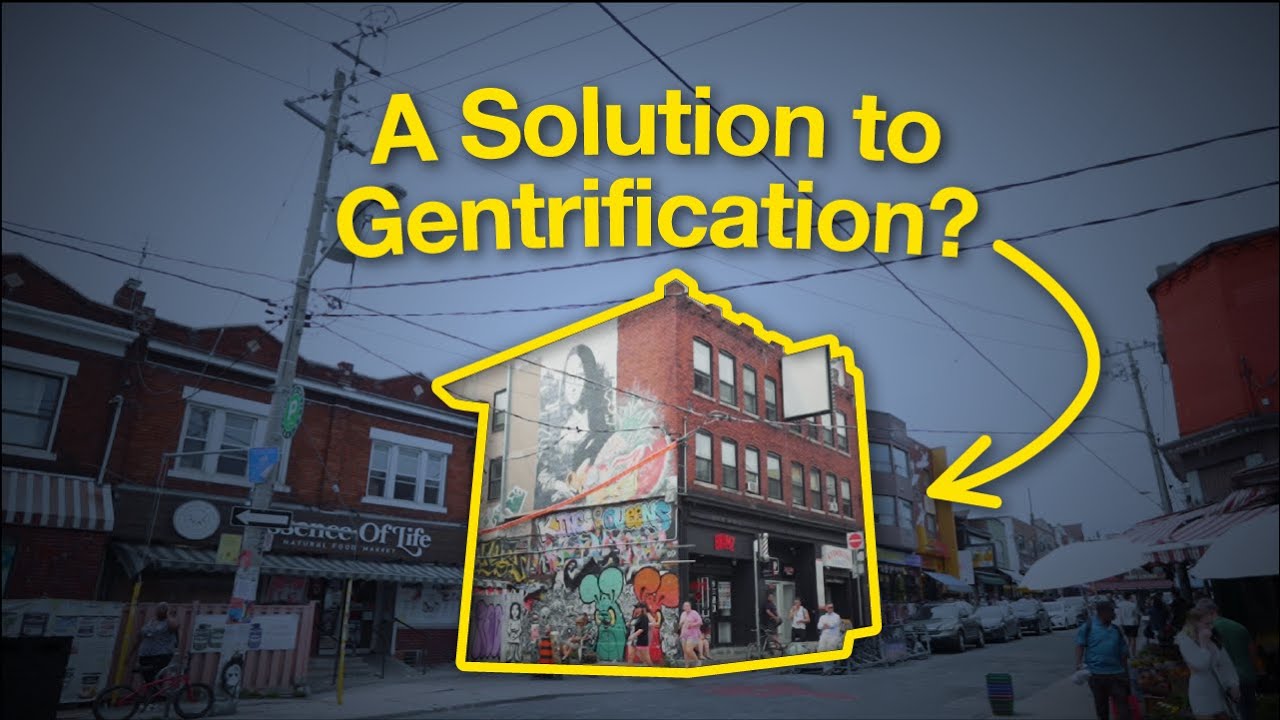

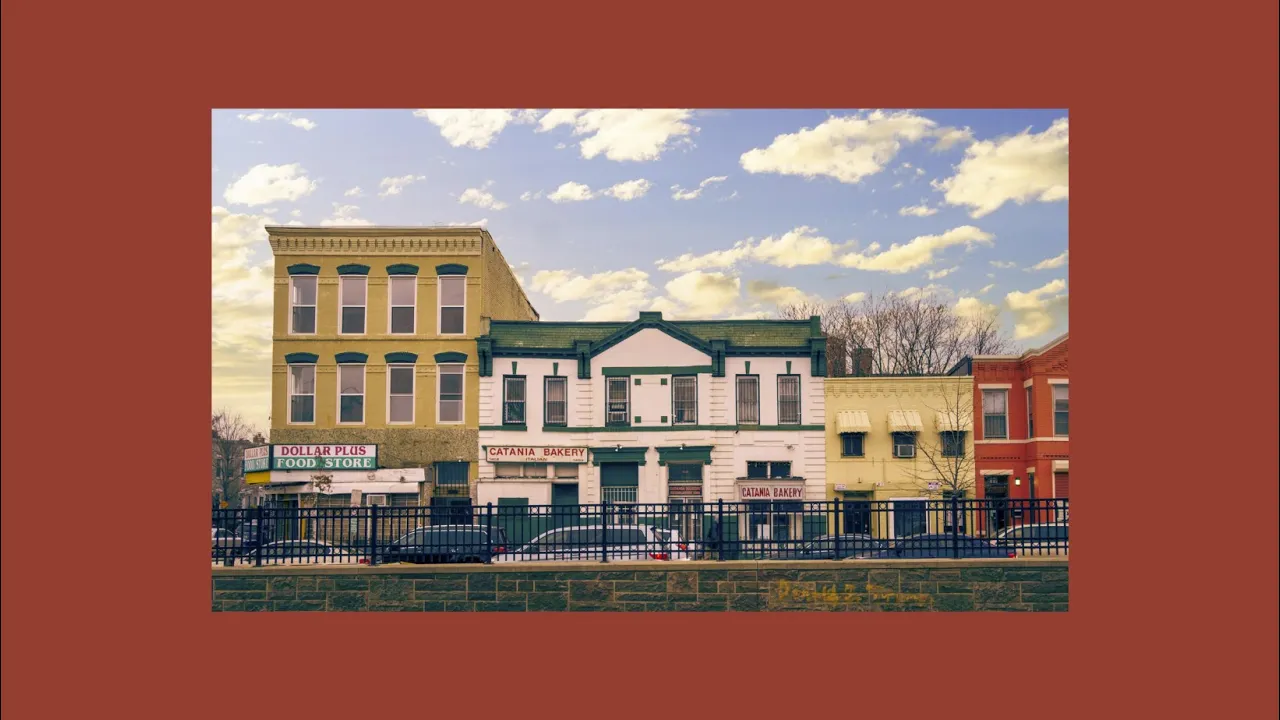





Cities are increasingly offering cash incentives to attract remote workers, a strategy that evolved from Richard Florida's 'creative class' theory, which suggests that cities should cater to affluent professionals through amenities like bike lanes and coffee shops to attract talent. However, this approach creates urban inequality by providing benefits primarily to already-wealthy professionals while neglecting existing working-class residents who face displacement and lack access to remote work opportunities.
Remote Work Bribes and the Creative Class: Urban Inequality Explained
Added:The concept of the 'Creative Class' (theorized by Richard Florida), which defines a socioeconomic class of highly educated professionals who drive urban economic growth.
The fundamentals of gentrification, specifically how an influx of higher-income residents impacts local housing markets, rental prices, and community displacement.
The basics of municipal economic development strategies, including how local governments traditionally use subsidies and tax incentives to attract investment.
The socio-economic shifts caused by the rise of remote work, particularly the decoupling of physical residency from corporate headquarters.
Evaluation of specific real-world case studies (e.g., the 'Tulsa Remote' initiative) to assess the long-term economic and social return on investment for host cities.
Advanced policy solutions for mitigating urban inequality, such as inclusionary zoning, community land trusts, and localized wealth-building initiatives.
The complex tax implications of remote work, including how municipal and state tax bases shift when workers migrate across jurisdictions.
The concept of 'Spatial Mismatch' and how digital-era migration patterns alter employment opportunities and wages for native, non-remote workers.
172.9K views4.9Klikes10:39Original Release: 2021-05-04
all right crystal what's on your radar well back in 2002 richard florida coined the term creative class to describe the white-collar professionals and entrepreneurs who were ascendant in both wealth and in culture at the time he encouraged cities to cater to their tastes and sensibilities of this upper middle class demographic give them their bike lanes and their art galleries and their artisanal cheese shops so that they will bless your town with their vibrant presence as he wrote creativity has replaced raw materials or natural harbors is the crucial wellspring of economic growth to be successful in this emerging creative age regions must develop attract and retain talented and creative people who generate innovations develop technology-intensive industries and power economic growth it was a sort of build the organic fair trade coffee shop and they will come ethos and cities actually did exactly that providence rhode island launched an unlikely bid to be the nation's capital of independent rock music pittsburgh added a bunch of urban hiking paths economic development gurus in memphis urged they at a celebrations of diversity festival but now in the age of universal basic income and direct cash assistance some cities are cutting to the chase and just straight up offering cash to entice this special vibrancy creating flowers of the creative class to move into their towns in fact according to npr richard florida himself is working with these cities to create these cash incentive programs so if you're willing to pack up your zoom office and head to say northwest arkansas near the bentonville headquarters of walmart you can get ten thousand dollars and a mountain bike but only if they decide based on your application that you qualify as top remote work talent in fact to even qualify to apply you must either work full time remotely or be an entrepreneur here's a portion of their promo pitch to the pmc i didn't expect downtown to be so hip and cosmopolitan i think the downtowns are like the heart of a place we have invested very heavily in our downtowns downtowns are the heartbeat of any community you know the goal is to have a cafe and all the downtowns of northwest arkansas this is where we're from we didn't want to move away we wanted to build something we are proud of here you know i truly believe that northwest arkansas can be a community model for the country and i believe that in 10 years time the country is going to know that we have done something here that people really want i'm really proud to live here it's incredibly intentional what we've done here community is the sum of its parts and the parts of the people so what makes home home i guess that answers the question actually now the fact that it's the walmart families foundation sponsoring a cash transfer program that explicitly prohibits the overwhelming majority of walmart's workforce from participating is really something in and of itself it's not just arkansas throwing cash at the pmc though tulsa topeka kansas north platte nebraska hamilton ohio newton iowa they are all offering their own versions of cash incentives for quote top remote work talent under the mistaken belief that what's wrong with their towns is that the people who already live there are not good enough the whole effort actually reminds me of the insane lengths that cities will go to to attract new employers like the embarrassing way that they threw billions at amazon one of the most profitable businesses in history in order to win the right to play host to their new headquarters or the 4.5 billion deal wisconsin offered to foxconn in order to build a new factory which just ended in total embarrassment catastrophe and a whole lot of wasted money oh and not to mention a lot of quashed hopes as well yep throwing money at already successful businesses while local small businesses struggle and close their doors sounds precisely like throwing money and glossy pr videos at affluent professionals while locals get eviction notices and police brutality it's one more way that the pandemic will exacerbate inequality long after the virus's threat itself has subsided a recent upwork survey found that something like 23 million americans are thinking of moving because of remote work in search of better quality of life and cheaper cost of living they get to still earn the same salaries plus maybe a little cash bonus thrown in but they get to live in whatever sunny low-cost locale that they please the largely low-wage service workers of course don't have this luxury or remote work of remote work or of casually moving to a new more affordable town there aren't any cash bonuses for cashiers or warehouse workers looking to head for greener pastures now i don't blame the professionals who are re-evaluating their lives maybe looking for more leisure more family time more space in fact if covid actually causes us to value things like family like community like leisure rather than ambition in the career ladder that would be unequivocally a good thing i also can't really blame small cities many of which are struggling for their desperation after all it's not their fault the national trade policy is decimated much of the country outside of a few mega regions many places are left with few options outside of trying to bribe a multinational monopoly to create a few more jobs in their town or to have richard florida help them lure the well off by conjuring just the right blend of micro breweries concert venues and walkable streetscapes but it's a perfect example of how if you're doing well in america then you're loved you're catered to you're sought after you get a mountain bike and a moving bonus and maybe more than anything you get cultural power both political parties cater to your every whim politicians go to the mat for your salt tax deduction msnbc hosts lament that your taxes on income over half a million dollars may modestly increase the republican party will plan a surface level diversity push to try to get back in your good graces you get to see your own preferences and lifestyle reflected back in the news media and in hollywood's conception of the good american life your spending habits determine the contours of our retail landscape and slight shifts and where you want to live redraw the political map and reshape the geography of power now if you're struggling it's the exact opposite you're pushed to the margins you're looked at as less than human you're treated as nothing more than a tool for helping the creative class to realize their dream lifestyle because inequality is about so much more than just income it's about who we deem to be worthy who we deem to be desirable who we desperately want to see move in and who we desperately want to kick out um sagar very interesting effort underway and it's the natural evolution of richard florida's thing used to be like oh create all these amenities and the right people from the creative class will flock to your town and now it's like well let's just cut out the middleman these people are thinking of moving let's just give them some cash and get them into town as if that's really the issue at play in this country and you know in some ways you can't blame the town because they literally what are they supposed to do like they need revenue their populations have been declining manufacturing based like exactly manufacturing based on we covered that story about the uh it was a town i forget it was missouri mississippi somewhere where they literally didn't have water because their infrastructure was so broken mississippi and mississippi and they needed a billion five billion dollars and they had like 10 000 people who live there what are you gonna do and it's just it's really you're pointing out the structural problems there and if you're a working class i hope you like driving because that's what's happening right like you'll have all these people move in and they'll buy up all the real estate that's what i've been hearing is happening in austin people get pushed out further and further and further if you i hope you like waking up at 4 30 a.m in order to get on the road and in order to get there and if you you know your tire blows on the way that's on you that's your problem you're gonna put more miles you'll lose time with your family there's no amenities for you yeah all the stuff around you gets is dilapidated or it's like chain or something it's not you know artisanal or whatever it's also funny like that arkansas video that you played it's like sam walton must be rolling his grave because he was i just wrote a book about he's actually stood for the opposite of a lot of these people i'm not saying he was a good guy but i'm saying in his personal life he was like i'm the richest man in the world and all i need is a truck and some hog hunting dogs and i'm like i'm pretty sure that guy would hate a lot of these coffee shops that are artisanal and more that they're trying to turn his city into but that what strikes me is i've been to that place a million times is that really what makes arkansas great might as well go to brooklyn it looks like it looks like any major like pmc gathering point from some coffee shop at san francisco to brooklyn to chicago to austin it's like the same cookie cutter thing yeah like if you hate strip malls this is the strip mall version of being around pmc because it all just looks exactly the same i like the artisanal cheese shop i'm not saying i like the coffee shop i like all these things but the point is like this is one of the subtle ways that inequality continues to grow and grow and grow and this is one of the ways where it's not just about the income level those are people that are already doing well right they're already making good money they're already live able to live a decent life whatever town they are now through remote work they get another array of options great for them great for them they get some moving bonus thrown in them and meanwhile the people who are struggling they don't get any of that they get an eviction notice in july when the moratorium is up right there this cash that could be spent on like helping the people that live in your town who've been there through thick and thin help them to be able to prosper rather than constantly chasing like oh this is the special class of people these are the these are the special flowers that we have to bring in to make sure our town is fine so it's just another way that the the country continues to buy for kate continues to separate separate out another way that people continue to feel like people who are in the working class continue to feel like this group gets everything they get to see their their preferences reflected in our streetscapes in our media in hollywood movies in all of that and i can never escape the toil of my day-to-day life i don't get the option of picking up and moving somewhere nice i don't get the option of remote work and lord knows i'm never getting an option of like ten thousand dollars to go and a mountain bike to go wherever i please i can't imagine staying in your hometown just because you like it and you like your family and you've been watching it just get sucked dry and then watching them throw tax breaks somebody from like new york city i i truly can't imagine what that's like but that's that's what you know it shows you where the priorities are that's what it is terrible coming up jennifer holdsworth carp and rachel bovard our team rising when rising returns
Up Next

60:14
The New Urban Crisis: Richard Florida on Creative Class Inequality (2017)
@urbanlandinstitute
14.2K views•2017-10-26
5:07
Impact of Yuan in Indo-Russian Trade Amid Sanctions
@WION
261.9K views•2022-07-01
10:33
Behavioral Economics Explained: Rationality, Nudges, and Risk
@crashcourse
1.1M views•2016-03-12

113:18
The Age of Easy Money: Fed & Inflation | Full Documentary
@frontline
21.2M views•2023-03-15
Related Study Plans & Knowledge Roadmaps
Structured learning paths in Economics
economics
Sovereign Debt: Defaults, IMF & Restructuring
01Introduction to Sovereign Debt & Government Bonds
02Debt Sustainability & Credit Ratings
03Anatomy and History of Debt Crises
+ 2 more learning modules
12h5 modules
Explore Roadmap
economics
Market Design: Matching Theory & Gale-Shapley
01Introduction to Market Design and Price-Free Markets
02Two-Sided Matching & The Gale-Shapley Algorithm
03School Choice Systems and Mechanism Design
+ 2 more learning modules
10h5 modules
Explore Roadmap
economics
Impossible Trinity: Forex, Capital & Policy
01Introduction to Monetary Policy and Central Banking
02Exchange Rates and International Capital Flows
03The Mundell-Fleming Model
+ 2 more learning modules
8h5 modules
Explore Roadmap
economics
Healthcare Economics: Market Failures & Systems
01Introduction to Healthcare Markets and Market Failure
02Asymmetric Information and Adverse Selection
03Moral Hazard and Insurance Design
+ 2 more learning modules
12h5 modules
Explore Roadmap