

















The new urban crisis refers to the geographic and economic divide created by the urban revival, where the top 10% of income earners move back to cities while the bottom 10% are pushed out, creating a 'winner-take-all urbanism' where superstar cities concentrate disproportionate shares of talent, technology, and innovation, leading to severe housing unaffordability, economic segregation, and a fundamental contradiction where the same clustering of economic activity that drives innovation also pulls society apart; this crisis requires local solutions through anchor institutions, universities, and mayors working together to create inclusive prosperity and devolving power from federal to local governments.
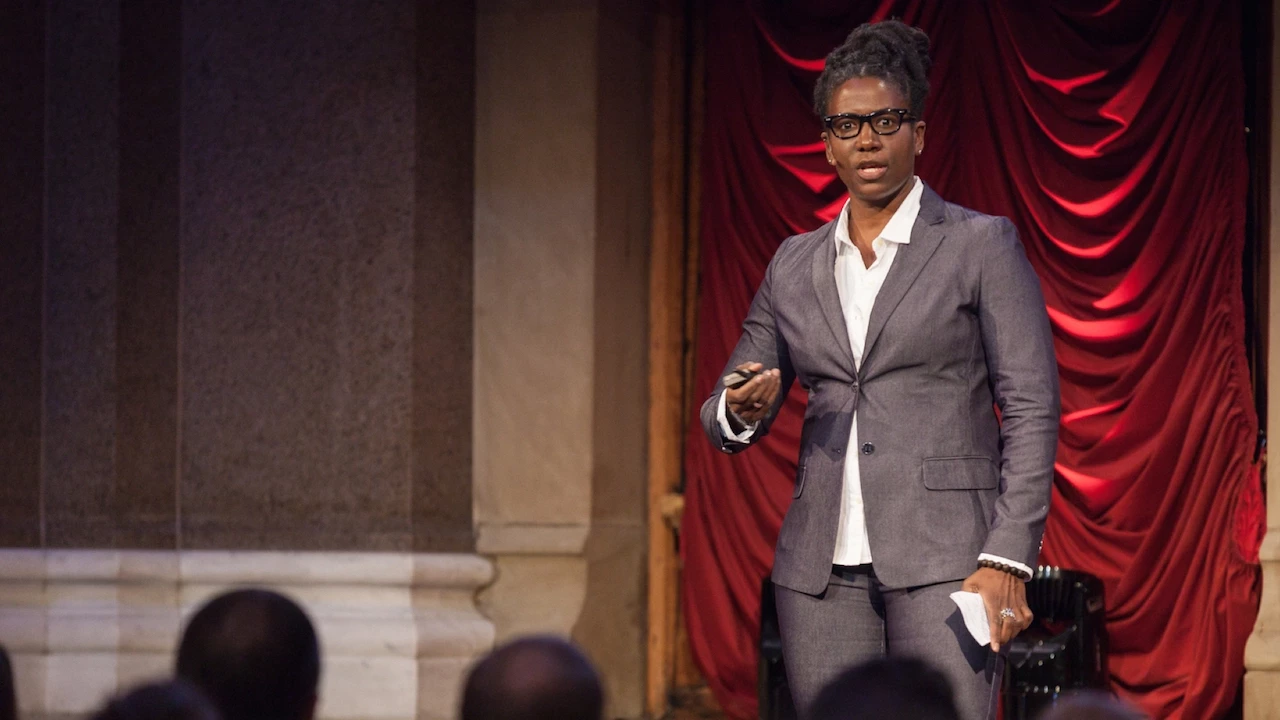
The New Urban Crisis: Richard Florida on Creative Class Inequality (2017)
Added:Richard Florida's original 'Creative Class' thesis, which posits that economic growth in post-industrial cities is driven by attracting highly educated, creative professionals.
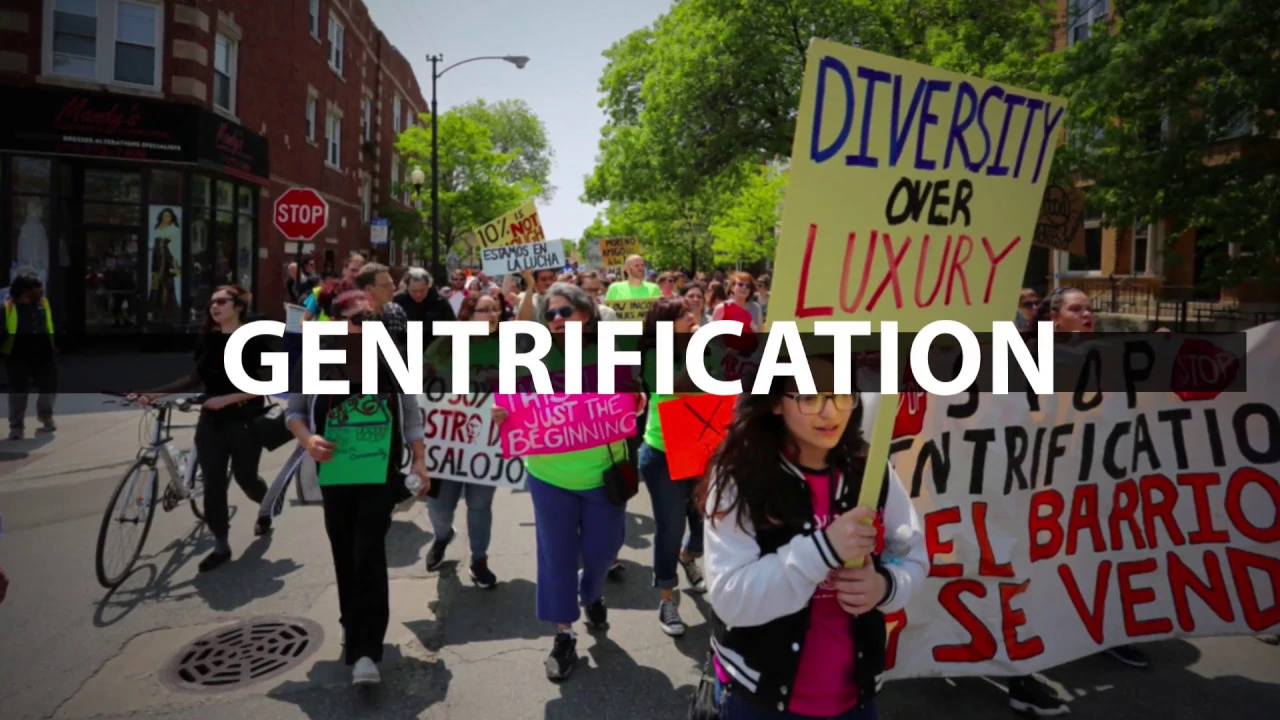
The fundamentals of gentrification, including its causes, stages, and socio-economic impacts on historical urban neighborhoods.
Basic economic geography concepts, specifically how post-industrial shifts transformed manufacturing-based cities into knowledge- and service-based economies.
The concept of spatial inequality, which explains how socio-economic divisions and wealth gaps manifest physically and geographically within urban areas.
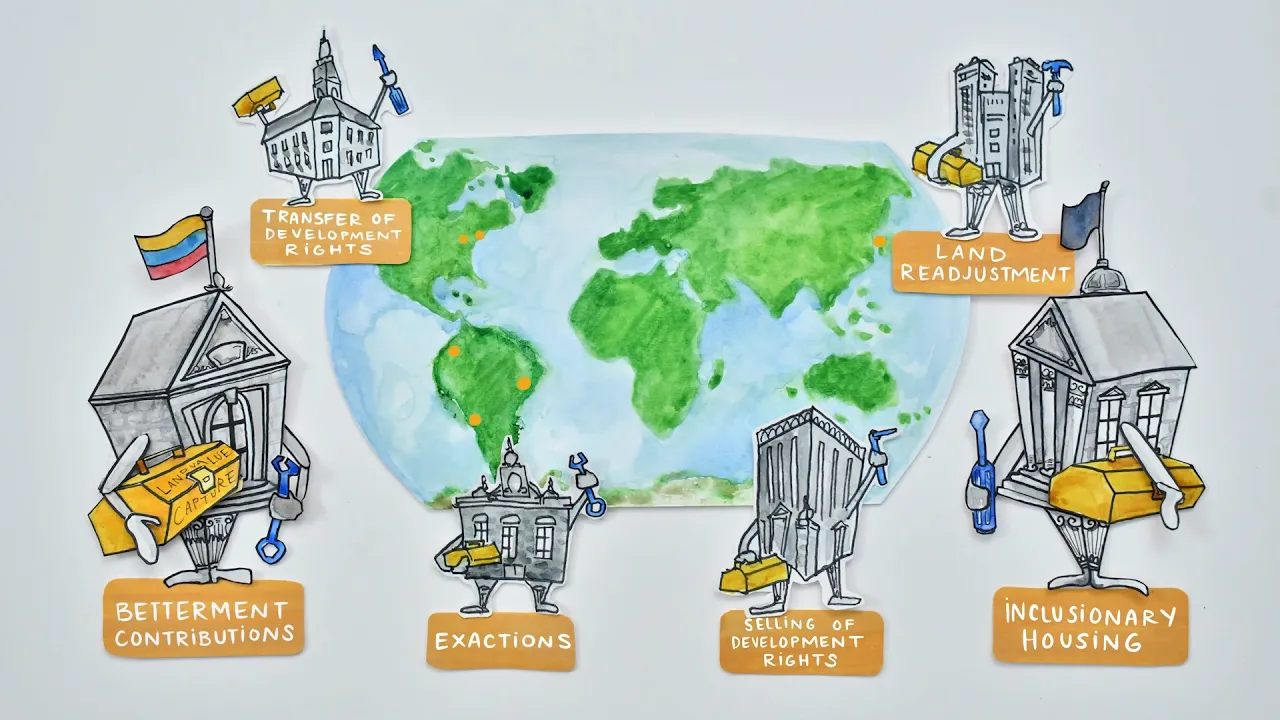
Policy interventions for inclusive urban development, such as inclusionary zoning, land value capture, and community land trusts.
Academic critiques of the 'Creative Class' model from other urban theorists who argue it prioritizes neoliberal growth over social equity.
The geography of remote work and how the rise of hybrid schedules has altered the spatial distribution of creative workers away from traditional urban cores.
Comparative urbanism, exploring how the 'New Urban Crisis' differs in Western post-industrial cities versus rapidly growing megacities in the Global South.
14.2K views167likes1:00:14Original Release: 2017-10-26
author thought leader in researcher Richard Florida has changed the way we think about cities he's one of the world's leading Urbanists he's a researcher professor at the University of of them he chairs the director is a director of cities at the Martin prosperity Institute at the University of Toronto he's a distinguished fellow at New York University he's a visiting fellow at Florida International University he's a writer and journalists he's upend many many articles in the Atlantic but we best known as the author of the rise of the creative class and more recently the new urban crisis a book that just came out a few months ago that is again challenged us to think about cities in a different kind of category so it's my honor to introduce to you 2013 MIT study named him as the world's most influential thought leader that's pretty amazing and the time magazine recognized his Twitter feed as one of the most influential in the world I like him because he would lived in Pittsburgh for 13 years taught at Carnegie Mellon University challenged us Richard on what's going on and where we need to be thank you mister man thank you thank you good afternoon everyone it's really a pleasure to be here at Uli and to be able to talk with all of you I'm a very fortunate person because the arc of my life and not just the arc of my intellectual life and my study of city and urbanism the arc of my life growing up as a boy coming of age going to university becoming a professor has been inextricably linked with the changes in our great cities in urban areas across America across Canada where I now live and across the world Mayor Murphy and I have known each other for a good long time and we've traded stories about our backgrounds which as you'll understand are even though he's an Irish American I'm an italian-american are remarkably similar a remarkably similar journeys through life through work through family and through community but I guess I want to start at the beginning and there's one fact that I can share with you that I think explains more of my love for an interest of cities than than any other any other degree any other book any other publication I was born in 1957 in Newark New Jersey I think that fact says volumes about the trajectory of my life and my interest in our great communities back in November of 1957 in 1958 and 59 in 1960 when I was a young boy in Newark it was a thriving vibrant dynamic city a spectacular downtown with large headquarters of companies including the great Prudential Insurance Company fantastic department stores if you know Newark bamberger's was headquartered there a Kresge's had a store there haines department store was located there unbelievable ethnic neighborhoods a remarkable Irish American neighborhood Jewish American neighborhoods at the great Philip Roth writes about italian-american neighborhoods in North Newark like the one I grew up in african-american neighborhoods Newark was a thriving City my dad well we're talking about this mayor Murphy and I am both our fathers left school at the seventh grade his dad to work in a steel mill in Pittsburgh my dad the seventh grade literally on the day in December when he turned thirteen to take up work in an eyeglass factory because when he was 13 it was 1934 it was the height of the Great Depression my dad his brother and his five sisters my grandfather and my grandmother all had to work to make a single family wage to keep the family afloat my dad took up work at a great factory in Newark's Ironbound district called victory optical making eyeglass frames and we'd gather we were growing up in Newark and gather every Sunday at my grandmother's house and when I was a little boy my parents like so many other members of their generation decided that to give my Bren and of course they gave us great Italian names that we were part of a melting pot we had to assimilate but they gave our my brother and I great Italian names Richard and Robert classic Italian names and they decided that they would move us from Newark like so many other members of their generation to the suburbs and I say the suburbs euphemistically speaking this wasn't the kind of suburb that you think about today which large subdivision and tract homes and McMansions this was really a hardscrabble Irish Polish italian-american working-class blue-collar town the town's called North Arlington New Jersey exit 15 W on the New Jersey Turnpike you can tell it by the smell you get when you get off that air that air that exit on the Turnpike they moved there because my mother's next oldest sister's seven girls my aunt Lonnie lived there and my aunt Lonnie and my uncle Walter my uncle Walter had put himself through Newark College of Engineering he had become a chemical engineer he rose through the ranks and was a vice president of Colgate Palmolive was the one educated person in our extended family had found good schools and for my parents good schools meant one thing nuns nuns a Catholic school the sisters of st. Joseph Queen of Peace boys school where I have the scars on both hands to prove my education and we lived there in this tiny little 850 square foot working-class house and you know when I was a kid I didn't want to become a professor I didn't want to learn about urbanism those were not the things that interested me as a kid growing up in the 60s I wanted to be one thing I wanted to be like the Beatles or the Rolling Stones or Jimi Hendrix or Eric Clapton I wanted to be a rock and roll musician and I asked my father I said dad can you buy me a guitar then my brother said dad can you buy me a drum kit and my father said sure my father loved music he never got to play an instrument he was a fan of the big bands the Dorsey brothers already Shaw of course our pisano Frank Sinatra Gene Krupa and he said here's your deal I'm going to rent you a guitar I didn't have the money to buy a guitar and in return for your learn playing this guitar you're not just gonna play that rock and roll you're gonna learn music I'm gonna find you a guitar teacher I'm gonna find you a guitar teacher and you're gonna learn to read music because that is the mark of a real musician and the deal my dad made in order for me to play guitar it's not on Saturdays when the factory was running over time I would go with him to the factory where I was introduced to the world of work and the work of industry in the work of the knowledge of workers and creativity of workers in that great plant victory optical and he would take me by the Newark Public Library where I could browse the stacks and find books and expand my mind and then he found of course an italian-american guitar teacher in Newark who could teach me how to play the guitar and I grew up in New Jersey and and and of course as a kid you know if you know my town I took like this how're you doing here at the Urban Land Institute is so nice to see you all in Los Angeles is a beautiful town and I already say I got a scholarship to Rutgers College where I learned English as a second language but one Saturday we were driving down the McCarter Highway going through Newark and going to my guitar lesson after leaving the factory and it was a hot summer day just like this one in July of nineteen sixty-seven I heard this bang bang shots rang out my dad said rich rich get down on the floor get down on the floor somebody's shooting at us North was embroiled in race riots my city my hometown was the site of an armed conflict there were not only police cars and police vehicles in the street the National Guard's had occupied there were camouflaged vehicles green tanks I had never I was a ten year old boy I had never seen a Hank my dad had his military service my dad's rich kid on the floor and the police officer came over and said sir turn this car around our city's involved in a riot we saw flames and streets burning we saw buildings on fire smoke filled the air I didn't know it at the time but that's the day I became an urbanist as a 10 year old boy I wanted to understand why how could it be that my city had suffered such trauma and tragedy what had happened what had happened to cause african-american people black people to riot what was happening there and I couldn't put it together I was a ten year old kid but I had I guess somewhere in the back of my mind I had to know why well I continued to play in my guitar and be in my band with my brother and I found though as I got to high school I was very interested in what was happening in cities and urban affairs and in our high school Queen of Peace boy school you could take elective courses in sociology and different subjects and I loved them and I found that I wanted to try to understand cities and I was always drawn back and my mom had gone to high school and had some successful friends in fact one of her friends had run the meadowlands Authority I kind of wanted to understand what was happening in cities but but I'm the first kid in my family to go to college I got that Garden State scholarship to Rutgers what do you think my parents wanted me to be a doctor of course the first in your family to go to school what to my parents was emblematic of the American dream to be a professional to be a doctor so I went to Rutgers and grudgingly enrolled in the pre medical course I took biology and precalculus and chemistry and all this stuff and I got straight C's like it was a complete washout so folks literally they call a family meeting and the family meeting is this is seven set so this is 14 aunts and uncles about 50 cousins all descent on our little house in North Arlington New Jersey to tell me to buck up to keep going that I had the brains and the willpower and the ambition to be a doctor and I said no mom and dad Oh aunts and uncles I don't like this I can't be a doctor this is it for me to which my father said you know what I've got an idea for your son you should be a dentist you should be a dentist can you imagine me with a drill trying to examine you you don't want that so I had a plan and in the back of my head I said there's another profession my parents will go for this my aunts and uncles would go for this no one in our family is this I said mom and dad I could be a lawyer I could study history and political science and pre-law and I like those subjects and I can be a lawyer my mother god bless her soul she said Richard you'll be a great lawyer she knew something a better son you're a great talker just like me see now that you're a great talker just like me so here I took my history course in my political science course my economic course in this was 1975 and I signed up for a course I don't know where I found it in the course catalog in urban geography and the professor who taught that course Bob Lake is still at Rutgers he is a fantastic guy he gave us an assignment the assignment was to take the train from New Brunswick take that train into New York and to walk the streets well from Penn Station down through Chelsea the Meatpacking District which really was a Meatpacking District to go through Soho and the areas around NYU in the East Village and the areas of Tribeca and wrote down in a diary in a paper and what we saw I couldn't believe it my vision of a city was Newark my vision of a city was a city flat on its back my vision of a city was the city with all respect to Detroit where my wife is from Pittsburgh were man it probably has experienced the most economic and social trauma of any large American city it was completely emptied of economic function save for the Prudential and and several companies that stayed there through thick and thin and helped to rebuild it my dad's factory closed I watched industrialization I saw my dad and thousands of other men get thrown out of work here in New York I saw Bohemians and hipsters and punks it was the beginning of the new wave movement I couldn't believe it that's what I had to study I took urban planning at Rutgers and urban politics and urban geography I got a skull I went and got a PhD oh my god my PhD thesis was the biggest amount of academic mumbo-jumbo word verbiage that you've ever seen and remember we didn't have computers back then we had IBM Selectric typewriters and so I typed this thing on an IBM Selectric but I'm a hunting Peck typer and I finally asked my mom I said mom will you help me will you help me type this dissertation she took one look at that academic mumbo-jumbo neo-marxist urbanite whatever interpretation of the political economy of some nonsense nobody could pronounce she took the thing and she flung it she flung it on the front lawn and she said I want nothing to do with this joke of a thing you're writing right in English but I was captivated my love for urbanism captivated by my first city of Newark and trying to understand why one city would decline in while New York for all its hardship at the time and its fiscal crisis was beginning to see green shoots of an urban revival I went off I studied at Ohio became a professor at Ohio State in 1987 ended up in Pittsburgh a city that was being led at the time by Mayor Murphy and an incredibly dynamic group of public and private and nonprofit city leaders and city builders I was brought there by Senator Heinz and his father who was still alive and the great dick sired the president of Carnegie Mellon to help establish a center for economic development that would help Pittsburgh figure out its way forward because this mayor Murphy knows Pittsburgh had seen sweeping the industrialization the steel mills were his dad and his relatives work were closing we're shutting down Pittsburgh was the epicenter of the industrialization but not just Steel Westinghouse Rockwell aerospace Gulf Oil Pittsburgh plate glass Pittsburgh campaigns at complex the Silicon Valley of its day all of which seemed to be had hit at once by this economic body blow population decline from 900 to 800 700 600 down to 350,000 people hundreds of thousands of jobs lost and the idea that least that was captivating some of us as naive as we were was that we could rebuild the city's economy connecting these research and development laboratories of the major companies the Westinghouse's than the alko is and others that were had campuses in Pittsburgh with the startling Lee and remarkable research of university laboratories and professors we did all sorts of benchmarking studies we dug deep into the data at a policy level we created a Technology Council in a technology transfer and commercialization fund a high tech council a Ben Franklin program at the state level to put all of this together and we could see in the data and a place like Carnegie Mellon on a per capita basis a per faculty basis of per researcher basis was producing star talent and producing patents and innovations and producing startups at the rate of an MIT in the Boston area in the route 128 Center and at the rate of the great San Francisco Bay Area Stanford in the Silicon Valley the problem is it wasn't sticking in Pittsburgh it was moving on my colleagues were going to head up the research laboratory at Microsoft the research laboratory Apple they were going to launch companies in the Silicon Valley one young man who was a there when I was there he started the company called BodyMedia one of these first companies that has sports sports technology that reads your pulse and read your heart rate and gives you feedback he's now the head of Google's secretive X labs they just they just profiled him in the New York Times and you know one day I was I was on sabbatical at Harvard and I opened a copy of the Boston Globe and the headline read one of our great companies in Pittsburgh at the time a great internet startup founded at Carnegie Mellon was going to move for Pittsburgh to Boston and I wanted to know why and everything that I thought I understood about urban economics was confounded Boston was more expensive the taxes were higher the real estate was more expensive the talent was more expensive the salaries were more everything was more why was this company leaving Pittsburgh where it was born in moving to Boston the answer that came back really confounded me they were leaving Pittsburgh to go to Boston because the talented and knowledgeable and creative people they needed were already living there that was the inspiration for rise of the creative class my time in Pittsburgh so here's what I did I remembered my mom I was turning 40 at the time I remember my mom throwing that dissertation the mumbo jumbo on the front lawn and I said I'm turning 40 my parents made an investment in me the state of New Jersey gave me a Garden State scholarship Ohio State gave me public funding Carnegie Mellon funded my research the Hines endowments funded my research the National Science Foundation funded my research I have to give back I'm gonna write a book not for my academic colleagues I'm gonna write a book for my mom and if I can write a book for my mom maybe I can speak because I wrote other books that you know my mother bought it my father bought it my brother bought it like three close friends wasn't that's all they went nowhere so I thought about what my mom would drill into my head and my mom every day of my life said you're a bright boy Richard you're a bright boy Richard study hard and remember the 3 R's you guys know what the 3 the 3 R's are in 3 R's you get there not 3 Lars it's reading riting and rithmetic it's only one darn R so I said the three T's based on Pittsburgh based on what I was observing in my town the great city and metropolitan area Pittsburgh Pittsburgh had technology that was the first T it had technology it had great research and development it had great professors it had spectacular software you know Pittsburgh is rebuilding itself around the driverless car I couldn't have predicted this when I was there they had robotic tanks rolling around rolling around Carnegie Mellon's parking lots and I'm like what the hell is the rolling the driverless tank doing what are they gonna do with that that's become part of the seeds of the revival a tissue engineering and biotechnology at the University of Pittsburgh software engineering and so much more but the technology wasn't sticking it was moving away and I loved Pittsburgh I thought Pittsburgh was an authentic real city industrial chic heart and soul it had great loft buildings in old warehouses but but it wasn't gluing itself there this he was Talent and what I said that in Pittsburgh it was no longer steel was our great export it was the talented and creative people who were born in Pittsburgh and the talented and creative kids were coming to our great universities who were then leaving and when I asked my kids how many of you wanted to stay in Pittsburgh a class of 52 hands went up two hands went up they wanted to go to Austin or Seattle where the Silicon Valley or Chicago or New York or wherever the Washington DC they wanted to go to cities that were more thriving of what they view as vital and God my third T was gonna be trade it was gonna be trade he was gonna be that you had to do technology talent and trade you needed to export your products but one day I met a guy named Gary Gates who had left the seminary as a gay man to come and study the location of gay men and the propagation of AIDS and my Dean one day said you should meet Gary because you're studying the same thing and I said how could this be I'm studying high tech think workers and knowledge workers and high tech clusters and Gary's studying gay men what could we have possibly in common but Gary had a great sense of humor was working on a sensitive subject this was almost 20 years ago at the time and Gary said to me name your five leading high-tech hotspots well I said that's San Francisco Bay Area that's Boston that's Seattle that's Austin in Washington DC said you've just named the five gayest cities in America tolerance technology talent and tolerance those three things happened a great quality of place an authentic real quality of place will you blend historic preservation with the natural environment you blend that all together and you do the small things that Jane Jacobs told you and that's what creates an economic that book by the way went nowhere that book was out for six months before it even made a dent it was going the route of all my other books but then a very smart editor at the Washington Monthly wrote a headline in that magazine and the internet had just become a thing and he didn't call it the rise of the creative class that headline which propelled the book to a best-seller simply read why cities with gays and rock bands will win the economic development race tells you what a good headline will do for you well my ideas about the urban revival in the urban come back shaped I saw urban decline in Pittsburgh I saw the beginnings of an urban revival in New York but I really dug into this by trying to understand the Pittsburgh paradox how a city with so many advantages could put this together and now Mayor Murphy and I were just talking about it what looks like that Pittsburgh has become one or two examples with several other smaller and moderately sized communities have been hit that have really put it together and our on track to really move forward and become an example of her I called it in my book the base case well I got the opportunity several years later this was in the middle 2000s to move to Toronto and the reason I always love Toronto great city it's a big city I had never lived outside the United States and believe it or not Canada really is a different country we know that now that we have this other president but never that's neither here nor there but it was pretty close by I had visited Toronto I had even gotten to know Jane Jacobs through a mutual friend and she had moved there the greatest urbanist of all time if his good enough for her it was good enough for me the University of Toronto was expanding they had a research center that had funding I didn't have funding in the state's foundations philanthropies scientific agent cutting back I didn't have funding I was self funding my research I had a Research Center on prosperity that was being funded by a by a wonderful donor and my wife is from Detroit so it would bring us within a three and a half or four hour drive of her family so here I go moving to urbanist nirvana I'm moving to Jane Jacobs hometown Matt Murphy remember at that time David Miller was our mayor David would be a left-liberal probably in American terms a social democrat european terms of social democrat co-founder of the c40 cities with Mike Bloomberg a person who was really trying to take my ideas about creativity and innovation and create a public policy agenda with several other councilors to create a more inclusive prosperity well I was moving to Canada it has publicly supported healthcare I was weaving Toronto it has a transit system in a subway I was moving to a place that was not a melting plop but a mosaic of multicultural understanding a place that was cohesive that didn't have violent crime where the urban schools worked and I wake up one day and we elected a new mayor I don't know if you remember the mayor but he's name was Rob Ford you're you're Rob Ford the crack mayor he was doing the crack doing the crack in his office how did he get elected he got elected on a platform that I described him as being the most entire urban mayor of any major city to rip out bike lanes and to declare that he said the city was having a war on the car we needed to reestablish and give the car its prominence that it deserved I mean it was just insane and the enemy was Florida's creative class they were the enemy and he won the mayoral tea of one of the most progressive cities in North America you see if I missed anything in rise of the creative class it's not that I got it wrong some critics say Florida got it wrong I don't think I got it wrong with all you mentality I think I got it too right I think what I got written the same critics some of my same critters are the people who said Florida's idea that cities will be saved by you apiece if it's those creatives and gays that's crazy talk when the crash comes when the tech crash comes we're all gonna go packing back to the suburbs this isn't going to work we're all gonna go packing back to our single-family homes in the suburbs and our routine jobs what I missed was the velocity and ferocity of the urban revival i sorely under predicted what would happen I thoroughly missed it I had no idea walk outside if you had asked me in 2002 when I published this book that downtown LA would look like this I would say you're from the moon if you had told me in 2002 that my wife city of Detroit would be a beat where where her her mom from among Jordan a very sophisticated woman would call me and say Detroit looks less like the old Detroit Richard it looks more like or Paris today come visit come sing it if you had told me that Pittsburgh would be a model of economic revitalization that not only would the city's downtown come back but its neighborhoods would rebloom I would have said I don't know what planet you're from but I can't believe that would occur in 15 years all of that happened in Moore and when I went on the speaking tour for this book when I went to Indianapolis and Milwaukee and Columbus and the Twin Cities and Philadelphia and so many other of your towns and so many other towns across I saw the same thing everywhere I went maybe the creative class thing work too well what I missed is that this urban revival was selling the seeds of a new set of divides in our society where the privileged third of us about a third of us get to do this knowledge-based creative professional artistic work we're getting ahead and we're doing pretty well even at expensive cities were compensated more than enough to at least get ourselves housing but it was the remaining two-thirds of society the blue-collar workers like my dad who were being thrown out of work and couldn't afford homes we now know about the opioid crisis in America and in Canada but even more so the forty five percent of Americans who do low-wage routine service work the people who work in offices and in retail shops who who work in supermarkets and hotels and hospitality and tourism who work in hospitals to take care of our aging parents or our kids who are members of the caring professions 65 million Americans who can barely make ends meet whose average salary if a creative class member makes over six figures and often that's a two-income household so double that compared to a service worker who's toiling doing two or three precarious and contingent jobs making 25 or 30 thousand dollars and when you push to the fringes of the metropolitan areas or or crammed into the disadvantaged parts of the urban center maybe has 10 or 15 grand left over to live a year to support their family that's the divide that's come upon us and I said when Rob Ford again how naive I am i said when Rob Ford was elected in Toronto I wrote this more and worse will follow if Rob Ford could be elected of Toronto more and worse would follow little did I know that my prediction would be quite a bit more accurate and damning than I might have imagined then the brexit came about and folks in the UK decided to undermine their own economy and vote to leave the European Union and I said I'm never telling my friends if the Brits are this dumb they've done the Americans a service because the Americans will never be dumb enough to elect Donald Trump and there we go so I set out to write this book on the urban crisis and I had written the book and it took about seven years to write it believe it or not and we had a party last November in Toronto at our house and the party was to celebrate the November election we invited our expatriate friends there we invited our Canadian friends there we dressed up our little daughter in red white and blue we had our sister-in-laws Hall in like a life-sized Hilary and a life-size Donald Trump we destra the little puppy and red white and blue we had this great party in about 8:30 it wasn't such a great party anymore and I didn't really sleep I groggily tried to sleep and the next day when we turned on The Today Show trying to our just our our minds to wrap our minds around this and what's running around in my head is I'm gonna have to rewrite this darn book it's already hard enough to write and now I got to rewrite it there's a new reality dawning and my publishers not going to say take seven years she's gonna take maybe say take seven weeks and my wife said something remarkable she said if we're this upset and she was a woman who projected many of her own hopes Jen identity on mrs. Clinton's presidency if we're this torn up because mrs. Clinton lost we're pretty advantage Richard we have a pretty nice home in Toronto we have kids we have a really nice life you're a professor I run our little business we travel she said if we're this torn up imagine if the shoes were reversed imagine if mrs. Clinton had won and and Trump nation had felt that it lost and we had many brother-in-law's we had many friends in Michigan who were ardent Trump supporters so we know these folks and I love them I don't dislike them I love my brother-in-law's I love our friends who voted for the other side I don't hate them I don't despise them and it dawned on me it wasn't Trump that was the problem it wasn't Ford that was the problem I had / it was the divide itself it was the economic and sociological and cultural no it's a geographic divide and no one saw this that it isn't just economic inequality and economic division it isn't just cultural and political division look at the damn map of red and blue America it's a seat and we did it we did many maps in many different ways of doing the math it's a sea of red with these giant spikes of blue in the two coasts and across the middle in college towns it's not economic equality that vexes us its geographic inequality it's that we're not only dividing between haves and have-nots we live in separate worlds we live in two distinct and separate worlds where our economic conditions and our political conditions and our ability to achieve upward mobility are completely different my dad with a seventh grade education lived right next door to my uncle Walter with a master's degree in chemical engineering and a master's in business was the vice president of Colgate Palmolive they were the best friends my dad was a New Deal Democrat my uncle will become a Reagan Republican best buddies it's unimaginable it's unimaginable three decades later that that could happen we occupy completely different universes so that's what I mean when I talk about the new urban crisis it's not the crisis of urban failure of my old Newark it's not the crisis of 1967 in 1968 in Detroit it's not the crisis of New York going broke it's a new kind of urban crisis it's a crisis in many ways of our own success but the creation of this urban revival which really picked up steam after I wrote raised the creative class you can date it almost to the year 2000 the year 2002 now is when the urban revival not only in New York and San Francisco and Los Angeles and the superstar cities but in all the cities in between accelerates over those years that top 10% of income earners have moved back to cities and the bottom 10% of income earners have been pushed out so here are the three or four key principles of the new urban crisis that I was able to distill with the help of a spectacular research team and a spectacular group of collaborators the first is what I call the rise of a winner-take-all urbanism winner-take-all urbanism just like we have a winner-take-all society where great celebrities like Taylor Swift or George Clooney or great sports stars like LeBron James or Steph Curry or Tom Brady are just like CEOs great CEOs and entrepreneurs can generate a disproportionate share of rewards they call this two superstar economy we have a winner-take-all economy and a pattern of winner-take-all cities and winner-take-all urbanism where disproportionate shares of talent of Technology of economic activity of knowledge of startups and innovation congeal in a very small group of super star cities and knowledge hubs all right you have statistic after statistic I tell people if you buy that book I'll be happy to sign it to you cuz it's gonna be the best month of sleeping you'll ever have but here's a few just the top 40 mega regions in the world we have 200 nations just the top 40 mega regions in the world areas like the New York Boston Washington corridor the Chicago to Detroit the Pittsburgh area Northern California this one Southern California Southern Florida it's not China that's our competitor Beijing to Shanghai it's not India Mumbai to Bangalore it's not Brazil it's real to South Paulo those 40 mega regions which has less than 18 percent of the world's population produce two-thirds of our economic output and 9 and 10 of our innovations look at high-tech innovation in the United States for all the talk of the rise of the rest and the rest are rising you can point at one hand to the rest like Pittsburgh or Nashville that are rising what's really happened is the established centers have consolidated their games disturbingly and tragically but not surprisingly the San Francisco Bay Area accounted for about 20% of all venture capital back startups in the year 1990 it now accounts for more than half more than half the only other place to increase its share of venture capital back startups is lower Manhattan every other places stayed level or declined we have a very small group of went and it's reflected in something you know well real estate prices the price of housing and the price of residential real estate on a per square foot basis that has stretched and stretched and stretched and expanded till its uncomputable winner-take-all urbanism a growing divide between the places that are winning and the places that are failing to keep up now here's the rub it's not like the winners have it all Easy Street and it's all rosy in fact those very winners are the ones that are most viscerally gripped by the new urban crisis guess we are the new urban crisis of inequality economic segmentation economic and income segregation and wealth segregation and housing on affordability is the worst in the largest the densest the most productive most affluent the most regret I could go on and on in in the cities that seem to have been doing everything right and in the cities that have elected the most progressive mayor's and in the cities that have voted the most for Democrats are voted in most blue they have the highest levels of inequality of economic segregation of housing unaffordability the new urban crisis winner-take-all urbanism is fractal it not only divides and pulls us apart across places it divides and pulls us apart within places the greatest degree of economic division occurs in our most successful cities and this gets me to what I call the fundamental contradiction not of our cities the fundamental contradiction of modern capitalism Marx said it was the ownership and control of the means of production in the rise of the capitalist yeah he got a lot of that right you got something wrong here's what it really is the same clustering of economic activity that powers innovation that drives productivity increase that that is the font of economic and social and civic progress that very same clustering and jamming of talented and ambition and diverse people and diverse industries and diverse firms and clusters in space this clustering force is the very same force that pulls us apart and divides us the more we cluster and jam ourselves into great places the more we divide across places and within them but the new urban crisis isn't just a crisis of cities anymore it's a crisis of our suburbs um and that's what is additionally and importantly new about it there's a great urban designer at Carnegie Mellon named David Lewis David is approaching his 95th birthday David told me this when I first went to Carnegie Mellon he said Florida I know you're captivated with cities I know you think they're wonderful I know you're talking about rebuilding cities and rebuilding he said the real crisis that will loom ahead is the crisis of the suburbs because cities have great infrastructure they have great even your own Newark he said look at Newark it has spectacular buildings look at Detroit look at Pittsburgh these can all be rebuilt and renewed the suburbs don't have the building stock they don't have the infrastructure they don't have the transit rebuilding them will be a project that is bigger by orders of magnitude well we know poverty has grown faster in suburbs than in cities rates of economic dislocation and dysfunction rates of criminal behavior opioid addiction go down the gamut the term City and suburb don't even mean anything anymore their terms I inherited from my boyhood that meant a lot then they don't mean anything anymore the rich people have moved back to the cities but there's still a lot of rich people in the suburbs poverty's moved out to the city but it's still in the city in the suburbs we live in a patchwork a patchwork of small areas of concentrated affluence and advantage in the city center around great knowledge institutions like Carnegie Mellon the University of Pittsburgh and USC and UCLA and all the rest Boston and Cambridge and all are great you Ann Arbor and Madison Wisconsin and Ithaca and around great natural amenities like coastlines and riverfront sand around transit hubs where the affluent are cramming themselves in and much larger spans of concentrated disadvantage that include the old dilapidated areas and disconnected areas of the inner city where poverty still remains grossly high and the Impala newly impoverished declining in dysfunctional form of middle-class areas of our suburbs a patchwork of a concentrated affluence juxtaposed to concentrated disadvantage it's not just the middle class that's declined in our society the middle-class neighborhoods that were our platforms of economic and social mobility had been eviscerated in 1970 three-quarters of Americans like me grew up in a middle-class neighborhood by the Year 2015 less than a third of us lived in a middle-class neighborhood in 203 of 229 neighborhoods at the Pew Research Center chronicles the middle classes declined well I'm a professor which means I come from this L school it was Fidel Castro school of public speaking I can keep you here all day but Tom and I want to talk I want to tell you the two things that I've learned that we have to do and then Tom and I can dig in the first thing is that the federal government is not going to help us that's not just from Trump the federal government hasn't helped us we are gonna have to rebuild our cities and overcome the new urban crisis on our own and that's what we did groups of local actors local men ned's local anchor institutions local corporations local real estate developers local city builders local activists and neighborhood groups got themselves together and caused the urban revival and when I travel from your city to your city all across this nation what I find is anchor institutions and universities and mayors and civic organizations and labor groups that are saying you know what you're right the urban revival has been exclusive we are going to work now as anchor institutions to make it more inclusive we're going to work to create affordable housing and workforce housing we're going to work to upgrade those service jobs we're gonna work to invest and build better transit and instead of privatizing everything create public goods and the second thing we have to do which is the big political project in this country and we need every one of you to be part of it the one thing this presidential election has shown us is that our system of governance in the United States is insane any name the fact that we port so much power in one person on high the great god of our imperial presidency the fact that in a country of 350 million people 350 metros 3,500 counties tens of thousands who Nyssa pala T's that we've put all this power in one person is insane the real key to unlocking our destiny is to shift that power to devolve that power away from the federal government and to give our local communities the power they need to run themselves it's economically efficient it's democratically efficient it works better people like it you know less than 20% of Americans have any level of faith in their federal government 50% of us have some faith in our state level government more than three-quarters of us believe and have confidence in our local level of government it's the only way we can overcome our divide the only way we'll overcome the divide between urban and rural America between thriving America and economically more challenged America between the places that are the winners and the losers is by empowering people who live there to build the kind of economies and lives the lives they want that's what my wife reminded me on an election day we have the power to choose where we live we like where we live we vote with our feet and we get nervous when a federal government or a state government tries to impose its values on us and we have these four to eight year would amount to electoral civil wars where we rip ourselves apart but if we can empower our local governments and if we can respect and trust one another liberal and conservative urban and rural and suburban as we do and if we can empower our local governments to build the kind of communities we want to live in we have a path to a bigger and brighter future thank you so much for listening to me thank you Richard your mother was right you're a good talker thank you Tom let me ask you a couple questions you've you've you've hit two home runs you were several years with the creative class of head of pretty much anybody who saw that trend in it you know we lived that in Pittsburgh and it's happened a lot of places in this one the urban crisis if you talk to uli district councils they will tell you their number one issue is affordability in there whatever cities are from what's the next one what's well I just have the great good fortune to learn from all of you and to Chronicle and I've always said it's not original its synthesis I've said this from day one it's synthesizing two things I learned from great cities in America around the world well I think you know you know this it's really trying to push it more practical agenda not you know I've been absorbed in thought I think it's a more practical agenda about two things we just talked about at the end one how do we build real inclusive prosperity how do we get a banana core institutions that you know so much about how do we get our meds and Ed's and big companies think about the Amazon hq2 thing you know I just wrote a piece about this what if Amazon instead of saying we're gonna take financial incentives commits to its new winter city it's home of Seattle and other cities to really be about creating affordable housing developing workforce and being part of the community so we got to do that and build the local partnerships second thing we've got to do which I know you're committed to is this move to devolution we've got to build a even more robust coalition of Mayors let's talk about that okay I think I think for all of us we recognize the federal government is dysfunctional and most state governments are dysfunctional in some of them actively anti city and in what we have seen in some ways is the world has moved what Uli has been talking about for 75 years which is that local governments and particularly in the United States have the ability in an intentional way to shape their futures not to say that global economies and everything don't have an image influence on that and so how does that play out widow so we begin to see cities like a Seattle like a Pittsburgh that are stepping away beginning to succeed in the face of chaos in many ways okay what is that what is it about those cities are you looking at that whatever be you know I'm making it you know it because you are a mayor and you know that mayor's do not have the same kind of partisan divisions I often say this when I go around the country talking to mayors of bigger cities I can't tell who's a Democrat or who are Republican I've made mistakes many times so I think we have to build a political movement based on local actors I think one good sign we have is cities coming to the plate around climate change when we saw those 200 and 300 cities say you know what we're in this together Republican Democrat red blue cities but I think it can go deeper and here's why no one would have expected that Donald Trump like him or not could be President no one would have expected that kind of outlier he wasn't a member of the Republican Party some people say it was a takeover of the Republican Party no one expected him to run the primary nevermind win the general you could imagine a ticket of local leaders emerging in this next clip when I turn on Meet the Press or whatever what it face the nation I forget but I hear Chuck Todd talking about what if Kasich and Hickenlooper ran together right what if a mayor like you or Mitch Landrieu this guy what's Garcetti what if Garcetti I could win the nomination and just imagine this for a minute what if that mayor said you know what we are broken and we are dysfunctional we're gonna do this in a nonpartisan way I'm gonna take I'll give you a Mick Cornett the former mayor of Oklahoma City who's a Republican chair in the mayor's conference what if we run together on a bipartisan ticket and just imagine this what if we said we know how to make America great it's not by screwing around in Washington it's about taking the power which belongs to you and giving it back to you that's what we're gonna do our platform is going to be to take that power that could get a lot of political resonance in this country so I think that's the movement we have to build first we have to work on our local communities to become more inclusive but secondly the long run has to be to get a political movement going that will take the power back from Washington and get it works and it also speaks to leadership you lived with Rob Ford who is a mayor probably relatively weak mayor I think but fortunately fortunately wait but but it is for me what is becoming interesting is the intentionality comes from some leadership it could be political leadership or I think of Cincinnati where you have this remarkable business organization and there were its really private leadership and I think that conversation about leadership right now because so much depends on that leadership in local governments you know maybe there is something I should write or we could we could write together about this because I think it's you're causing me to think in a very different way and just listening to you I think the mayor is a critical piece of this your leadership Bill Peduto --zz leadership in Pittsburgh Mike Bloomberg's leadership in New York Eric Garcetti is leadership here but there aren't bit mayors are kind of distributed on a bell curve for every really good mayor there's a Rob Ford and most mayors are just really good in where I am on that Bell Ford we would do each penny who you talk to very kind so but I'm saying there is there is a bell curve so in addition to that I think there are two other kinds of leadership that you're talking about one is what we now come to call these anchor institutions which I mentioned sometimes that's corporate leadership like the Prudential in Newark which invested in that city when no one else you know didn't do an Amazon and say we're gonna leave sorry it said no we're gonna stick Newark to riots and thick and thin and we're gonna put our money there and rebuild meds and Ed's the universities I think convincing that leadership that they can do stuff you know not only gold housing for their gold-plated think worker is an affordable housing and mortgage assistance workforce housing for service workers I think they could lead it upgrading the service jobs they employ universities and medical centers employ a lot of people in routine service jobs and they don't pay them very well they could be leaders high-tech companies so I think using it with the Allegheny conference kind of organizations the Cincinnati the Cleveland tomorrow's really helping them get the message this narrative of inclusion and then finally I think the professional staff that's what saved her on Oh mr. mayor what saved Toronto during Rob Ford is the fact that we had an incredible professional staff of city planners and economic developers I think those three points of leadership and then local city builders local real estate developers neighborhood activists community groups putting that all together and I think you know I hate to say it I think that is an asset that America has more than many other places and it has been able to uncork that also with philanthropic spending and I think that's how we can begin to do this so the first person I ever heard talked about the university's being the economic engine of a community was the guy that hired you dr. siren I didn't understand what he was talking about right and but and now I think we all understand that and and I'm you're the researcher but I'm told of a hundred top cities in America and 60 of them the largest employer is a university or hospital and only in too few of those are they the real economic drivers and so how does that happen where does that I think it didn't all I wrote about this but based on my experience in Pittsburgh you know in the knowledge economy it's no longer just big corporations where my dad and your dad work that were the hubs of that it's the university that is really the catalytic hub of the knowledge economy and if you look at the thriving places they usually not only have one they have two or three it's like Pittsburgh with the University of the Carnegie Mellon University and University Pittsburgh and Duquesne and others it's Boston with all they have it's Los Angeles with UCLA and USC well God the Bay Area London if you think about London it probably has five or six fantastic universities so they're the real hubs of the knowledge economy I do think though what is troubling to me they're also the most unequal places in the country and it's not just the big cities you know if you want to look at very unequal places take a great college town Ann Arbor Michigan Madison Wisconsin Boulder Colorado so I think these knowledge institutions unwittingly have begun to compound inequality so I think we're in the past we saw them as economic drivers and I think they still are I think it's very much in their interest to begin to help to try to MIT the negative externalities that they help produce in terms of this divide and I really do believe that universities and medical centers in particular could be real leaders in helping us bridge this geographic and economic divide the other big divide I see or what I call the bright lights so Pittsburgh and western Pennsylvania is the bright light so if I go to Butler PA or for a city or Newcastle small communities their kids want to move to Pittsburgh Pittsburgh's kids want to move to New York or Washington what do we do with cities that lost their industry their manufacturing don't have a big university or hospital what do we say to them you know I used to do something else he just ticked in my mind that maybe the kind of mayoral leadership that could really resonate with Americans today might not be the big superstar city mayor it might be the mayor of a comeback town like a Pittsburgh I just who embodies that more of that transforming and modernizing a blue-collar city so that's something I had never or even met when I think about mitch landrieu what he's done in New Orleans to address racial issues it might be that as a country we could be more unified by the heart the heartland of our Connie Lee der ship I think this is the toughest issue of all so I know this is the toughest issue of law overcoming these Geographic divides is probably the hardest issue we face in America and that face in a hundred years oh I look at Joe Raleigh in Charleston mayor for 40 years I look at Greenville not a mayor for 40 years but transformed their city and both in South Carolina by the way I think of two of the great small cities of America and neither I mean they have universities but neither big world-class research universities and yet I think it's through the through mayor or leadership and corporate leadership in those communities they made a very intentional decision about the kind of city they wanted how do we how do we as zealots here Richard translate that into the thousands of smaller towns around America that don't have a Carnegie Mellon or a major hospital or a university that's why I like being at Uli and that's why I like talking to you because you take all of these big ideas and mom might have said we're mumbo jumbo and you make them pragmatic that's what I love about interacting with this organization and all of you I think the way you do it is you recognize the differences I set it on stage but you're helping me understand it in a deeper way some places like New York or the Bay Area Los Angeles are going to be high-class places and they've got to do high-cost things like finance or entertainment or moviemaking or celebrity machinery a Greenville South Carolina can make things economically it can take that hard-working labor force it can afford to pay them last not it should pay them a living wage but they don't have to make the New York or LA wages we're lucky in America we have geographers call this a spatial division of labor a mumbo-jumbo term for a place that can have lots of different communities that do different things some can manufacture some can do logistics some can do transportation and I think that intentional leadership when you said Pittsburgh Pittsburgh found its niche right it didn't it won because it said I'm we're not going to finally said we're not gonna become the next Silicon Valley we're gonna do the things that Pittsburgh does well we talked about Nashville we can compete with LA in New York and London on music but at a different cost threshold and in different ways in Greenville South Carolina we are in other parts that we or Marysville Ohio we can make cars and harness our workforce I think this intentional leadership but not trying to be the next Silicon Valley or the next everywhere else really focusing that's where I think we've been successful by the way I think our great success in America has been teaching these communities how to focus on their strengths now we need to do more of that and get better at it the next thing we need to do is teach them how to do that and do it in a more inclusive way and we can focus on those threats and build those clusters in way that lifts more boats many more votes so I think in some ways your book every city I've gone to small cities that have a great regional hospital read your book and said we want to be a technology center and I think what we're talking about now is a really important message to begin to talk about for cities that are never going to be a city that has a Carnegie Mellon University but they're been they need to understand what their competitive advantages are and how that gets translated into a modern economy and if you have a Carnegie Mellon or if you have a University of Michigan or if you have a Michigan State or whatever the University of South Carolina you've got to use that but here's the thing that I find so interesting Oh talked about city and suburban how that doesn't make sense anymore I've been doing a big project on America's Geographic divides so you think about Sun Belt frost Belt you think about super star City and other city you think about suburb city urban rural all of that none of them makes sense you can find example of big cities that are doing great and big cities that are troubled you can find examples of suburbs that are thriving and throw birds that are in the toilet you know this Wall Street Journal story got me going where they talked about the rural America is the new urban center and it's oh no there are parts of rural America that are doing fantastically well that have done just what you said intentionally whether that was a resource economy whether that was an amenity economy whether it's something they could build around a little college or university they've intentionally through smart leadership begin to rebuild and revitalize their economy so so I think that's exactly what we have to do in the only thing I would add is a second caveat is we have to do it also with intentionality about inclusion and affordability and about making sure that the gap between the haves and have-nots begins to become we're running out of time but what I love that we've talked to you about is the Renaissance and manufacturing with artificial intelligence and 3d printing that could happen in America I think it is happening and I think you see it not only in the factory belt I mean where you really see it is these young people who you would have thought were members of making quotes the creative class who are very highly educated and very majouk ated a design and engineering who are saying no no I don't want to just make a virtual world I want to make something that's real I want to make products that people can touch so I think this opens up a whole new way of thinking about a manufacturing economy and it's where you can combine kind of the thinkers and the doers and and maybe that's a way of tying our country back together you design things in certain parts of the country and you make them another more affordable housing is more affordable other parts of the country but I think we're at the what what I like about this I think we're at the cusp of a new way of thinking about our nation a new way of thinking about its communities and a new way of thinking of overcoming these divides which are as you said local and intentional I love it thank you
Up Next
13:00
Community Land Trusts: A Solution to Gentrification
@AboutHere
1.5M views•2023-10-15
5:07
Impact of Yuan in Indo-Russian Trade Amid Sanctions
@WION
261.9K views•2022-07-01
10:33
Behavioral Economics Explained: Rationality, Nudges, and Risk
@crashcourse
1.1M views•2016-03-12

113:18
The Age of Easy Money: Fed & Inflation | Full Documentary
@frontline
21.2M views•2023-03-15
Related Study Plans & Knowledge Roadmaps
Structured learning paths in Economics
economics
Sovereign Debt: Defaults, IMF & Restructuring
01Introduction to Sovereign Debt & Government Bonds
02Debt Sustainability & Credit Ratings
03Anatomy and History of Debt Crises
+ 2 more learning modules
12h5 modules
Explore Roadmap
economics
Market Design: Matching Theory & Gale-Shapley
01Introduction to Market Design and Price-Free Markets
02Two-Sided Matching & The Gale-Shapley Algorithm
03School Choice Systems and Mechanism Design
+ 2 more learning modules
10h5 modules
Explore Roadmap
economics
Impossible Trinity: Forex, Capital & Policy
01Introduction to Monetary Policy and Central Banking
02Exchange Rates and International Capital Flows
03The Mundell-Fleming Model
+ 2 more learning modules
8h5 modules
Explore Roadmap
economics
Healthcare Economics: Market Failures & Systems
01Introduction to Healthcare Markets and Market Failure
02Asymmetric Information and Adverse Selection
03Moral Hazard and Insurance Design
+ 2 more learning modules
12h5 modules
Explore Roadmap