













![[앤디의 사과농장] 귀엽지만 소름끼치는 기괴한 호러게임 (21-10-15) | 김도 풀영상](https://i.ytimg.com/vi/Naw9EaLIrI0/maxresdefault.jpg)

![[ENG] Ethics in Digital Design: Making informed and responsible decisions | Alexandra Mihai](https://i.ytimg.com/vi/E-v5txvqniY/maxresdefault.jpg)

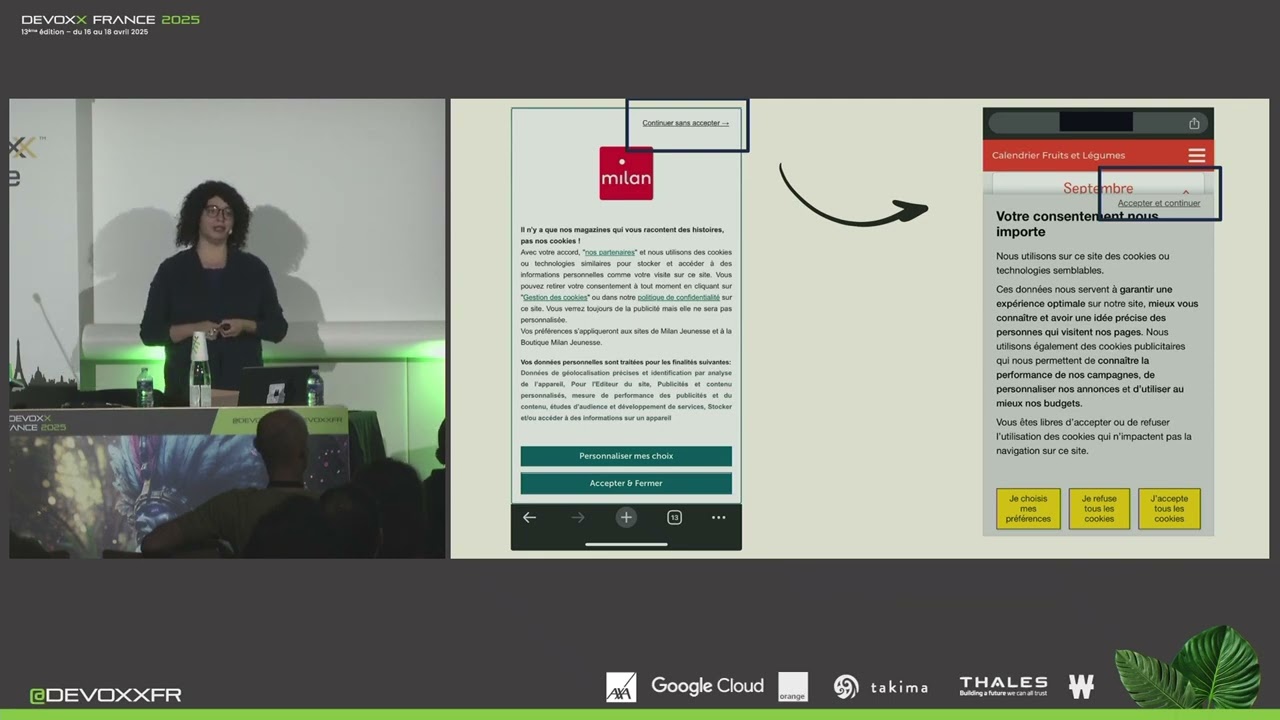








Dark patterns in UX design exploit fundamental aspects of human psychology including frustration (both internal and external), cognitive load (intrinsic, extraneous, and germane), trust, pattern recognition, and social psychology elements like scarcity and peer pressure to manipulate users into taking actions they wouldn't normally take; understanding these psychological mechanisms helps designers recognize and avoid manipulative design practices.
UX Dark Pattern Psychology: How Design Exploits Human Cognition
Added:Fundamentals of User Experience (UX) Design: Understanding user-centered design principles, heuristics, and standard usability guidelines.
Introduction to Cognitive Psychology: Familiarity with dual-process theory (System 1 and System 2 thinking) and how human attention and biases operate.
Cognitive Load Theory: Understanding how mental effort is utilized in working memory and how digital interfaces impact cognitive processing capacity.
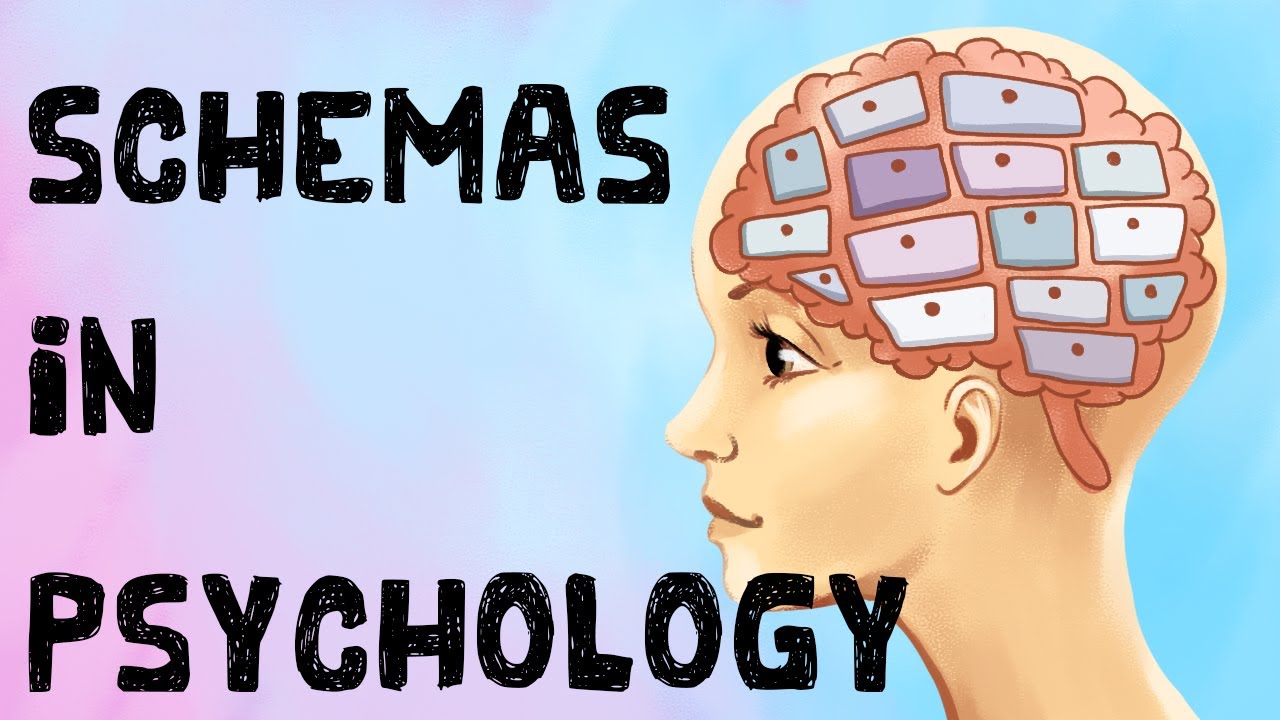
Mental Models and Schema Theory: How users build expectations of interface behaviors based on prior digital interactions and pattern recognition.
Deceptive Design Classification: Deep study of specific dark patterns and taxonomies, such as 'Roach Motels', 'Confirmshaming', and 'Sneak into Basket'.
Ethical Design Frameworks: Exploring principles of humane technology, honest UI design, and prioritizing user autonomy over business metrics.
Regulatory and Legal Compliance: Analyzing international consumer protection laws, GDPR, and FTC guidelines aimed at curbing deceptive online patterns.
Behavioral Economics and Choice Architecture: Learning the distinction between ethical 'nudges' that benefit the user and manipulative 'sludges' that exploit them.
508 views12likes8:40Original Release: 2019-12-31
all right everybody welcome back to part three of our class on dark patterns and UX design in this part of the class we're going to be talking about how do dark patterns work so we're going to be going to behave looking at a few different things we're going to be talking about how dark patterns leverage different aspects of the human condition to get us to do things that we wouldn't normally otherwise do there are sort of three main pieces that we're looking at here the psychology of human-computer interaction the psychological components of how humans interact with computers have been studied for some time and then the basis of what allowed dark patterns to thrive reading patterns are also a big piece and dark pattern design the way that we look at webpages is different than how we look at text on a written page it's very rare for somebody to read an entire webpage from top to bottom we usually go through and scan for information and how we go about scanning is used against us in some cases to slip important details by us it's a big piece of dart pattern design they'll definitely be talking about that as we go through things we're also going to be talking about some social psychology shame greed guilt scarcity as few other components as well too that allow dark patterns to thrive so we're going to be looking at the psychology first behind dark patterns we're going to be looking at each of these tenants in turn so we're going to start with frustration cognitive load trust pattern recognition peer pressure scarcity perceived value shame and guilt and the centerstage effect so let's start off with frustration so there are a couple of different types of frustration there is internal frustration which is difficulty fulfilling personal goals desires instincts or repairing what we proceed as personal deficiencies or shortcomings we also want to talk about internal blocking so internal blocking is what happens with an individual's mind either through lack of ability confidence conflicting goals and our desires it's what's blocking us internally from achieving our goals which leads to frustration there is also excuse me external frustration external frustration is difficulty in overcoming physical roadblocks and/or difficult tasks so external blocking happens when an individual characters elements outside of their control that block their success such as actual physical roadblocks a giant block in your road difficult tasks or something that we just might perceive as a waste of time external blocking is a big piece when it comes to UX dark patterns the effects of frustration can be positive or negative some people will actually respond to frustration positively and use it as motivation to get past those box and achieve their goals frustration also comes with different frustration tolerances though so when I talk about frustration tolerances there are a couple of different things we want to keep in mind frustration tolerance is one's ability to resist becoming frustrated when we're faced with any sort of difficult task people with high frustration tolerance take a longer time to become frustrated people with low frustration tolerance is take a shorter time to become frustrated so we want to keep in mind that high frustration tolerance versus low frustration tolerance different people react to frustration differently not only in the way that they react but also and how long it takes them to become frustrated studies show that working on a computer decreases our frustration tolerances makes us more likely to have a low frustration tolerance and there's also a correlation between high wealth and low frustration tolerance --is in some circumstances so the more money we have the more likely we are to become frustrated quickly let's talk about cognitive load next so there are a few different types of cognitive load so when we talk about cognitive load let's talk about intrinsic constant cognitive load first this is the effort associated with a specific topic so some topics are more difficult to learn and that's really what cognitive load is how much load and difficulty we're putting on our brain some topics are more difficult than others so basic addition is much easier than advanced calculus advanced calculus has a higher intrinsic cognitive load than basic addition there's also extraneous cognitive load that this this is the way information our tasks are presented to the user so if I wanted to explain what a square was there a couple different ways I could do that I could tell you that a square is a parallelogram with four equal sides each joining at a nine degree angle alternately I could just draw you a square that's much easier to understand visually and easier to understand it's a much less extraneous cognitive load to see a picture of a square as an explanation for that square is rather than listen to me drone on about angles and parallelograms and other vocabulary terms that you may or may not be familiar with there's also germane cognitive load which is the work that we put into creating a permanent store of knowledge it's worth pointing out the extraneous cognitive load is where most dark patterns live and really kind of try and make their money when it comes to creating these dark designs intrinsic and germane certainly have their places but extraneous presenting information to users in a way that makes it more difficult for them to understand is usually the route that most dark patterns take everyone has their own load processing limits so it might be more difficult for some people to process intrinsic extraneous germane cognitive loads but some people are just going to be innately or through practice better at having a higher cognitive load and that's okay high cognitive load however leads to us using different types of strategies to decrease that cognitive load because when it comes down to it our brains are kind of lazy they want to get to the point they want to find the information they want to make their decisions and do things in the quickest and most efficient way possible it kind of reminds me of a quote I heard one time is that if you want a job done quickly when I find the quickest way to do any job give it to the laziest person because they will find the quickest and most efficient way to get the job done this so they can go back to being lazy your brain is very much the same those strategies that we use to try and get around to higher cognitive loads things like stereotyping making assumptions any sort of strategy that's going to allow us to reduce that load as quickly as possible and again that's one place where dark patterns thrive is then those strategies that we use to decrease our cognitive load quickly let's talk about trust so Trust is a belief that a certain person or system will behave in a particular way it's a feeling of confidence insecurity that a purse organization cares Trust is rarely absolute it's restricted to particular situations you may trust your significant other to pick up the groceries for instance but probably not to perform open-heart surgery unless you happen to be you know attached to and as somebody who is a surgeon there is an emotional aspect of trust a positive gut feeling dark patterns leverage our trust in service providers and situations to slip details bias that may act to our disadvantage so let's talk about pattern recognition next pattern recognition is the cognitive process that matches information from a stimulus with information retrieved from memory also it's all about it very much recognizing those patterns allows us to predict and expect what is coming that is essential and has been essential to human survival strategy throughout the years is being able to find and recognize patterns and using those these are that information to make predictions and set expectations about what's coming for us down the road if it does require repetition of experience so the more we have a particular experience with a particular pattern the more that we become comfortable with that pattern and the quicker we can recognize and act on that pattern humans are very very good at pattern recognition other animals do it too but and even some less intelligent ones koalas for instance have been known to use pattern recognition to find eucalyptus leaves but the ability to recognize many different patterns and transfer them into concrete actionable steps is what sets humans apart from many other species we also see powders where they don't exist this is called apophenia so this could be things like the man in the moon figures in the shadows you know seeing Elvis on a piece of toast but it's also prominent in gambling so if you are at say a roulette table and black has come up to five times in a row you might think okay black is likely to come up the next time because it's come up five times a row so I'm going to bet on black when really the odds of black coming up are no different than they normally are
Up Next

4:12
The Psychology of Childhood Trauma with Gabor Maté
@TheDiaryOfACEO
4.4M views•2022-11-07

68:32
Cognitive Skills for Differentiated Instruction | Teacher PD
@BrainWareLearning
631 views•2017-12-17

9:55
Thinking, Fast and Slow: Daniel Kahneman Animated Book Summary
@FightMediocrity
2.3M views•2015-06-05

6:40
The Nocebo Effect: How Beliefs Can Cause Real Harm
@CGPGrey
10.4M views•2013-12-23
Related Study Plans & Knowledge Roadmaps
Structured learning paths in Psychology
psychology
Neuroscience of Creativity: Networks & Training
01Foundations of Creative Cognition
02The Cognitive Neuroscience of Insight & Fixation
03The Triple Network Model of Creativity
+ 1 more learning modules
15h4 modules
Explore Roadmap
psychology
Imposter Syndrome: Etiology & CBT Framework
01Defining the Imposter Phenomenon
02Socio-Developmental Etiologies
03CBT Fundamentals & Thought Distortions
+ 2 more learning modules
15h5 modules
Explore Roadmap
psychology
Adult ADHD: Executive Dysfunction & Scaffolding
01Neurobiology of the ADHD Brain
02The Core Triad of Executive Deficits
03Executive Dysfunction and Emotional Regulation
+ 2 more learning modules
12h5 modules
Explore Roadmap
psychology
Loneliness: Evolution, Neurobiology & CBT
01Evolutionary Origins of Human Connection and Loneliness
02The Neurobiology and Physiology of Chronic Loneliness
03Maladaptive Social Cognition: The Psychological Loop
+ 2 more learning modules
12h5 modules
Explore Roadmap