






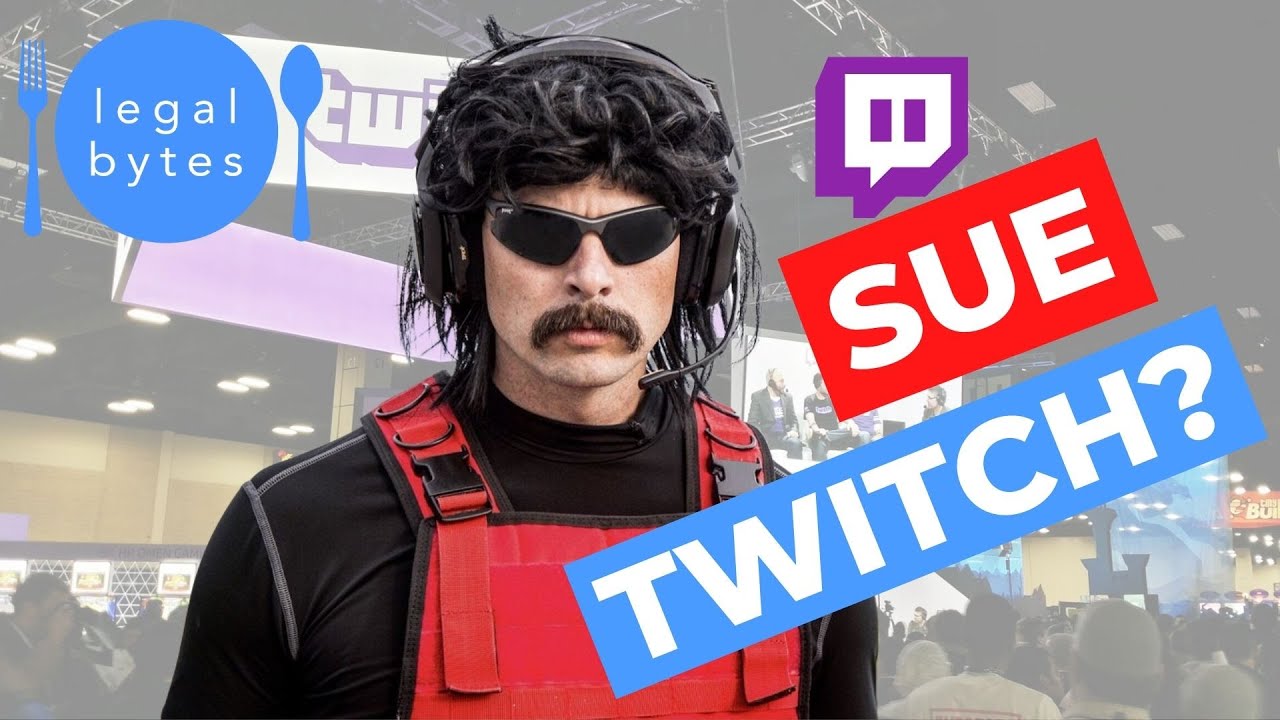











Content creators face significant challenges when reporting intellectual property violations to platforms like YouTube, as the copyright enforcement process requires extensive documentation and specific evidence that can be impractical when dealing with mass infringement, potentially delaying removal of infringing content for weeks despite clear evidence of identity theft and copyright violation.
YouTube Impersonation and Copyright Enforcement: A Legal Analysis
Added:Basic principles of Intellectual Property law, specifically distinguishing between copyright, trademark, and the right of publicity.
The Digital Millennium Copyright Act (DMCA), particularly the 'Safe Harbor' provisions that protect online platforms from liability.
The mechanics of automated content moderation, such as YouTube's Content ID system and manual takedown notice processes.
Fundamental concepts of contract law as they relate to a platform's Terms of Service (ToS) and Community Guidelines.
Advanced strategies for brand protection, including registering trademarks for creator brands and channels.
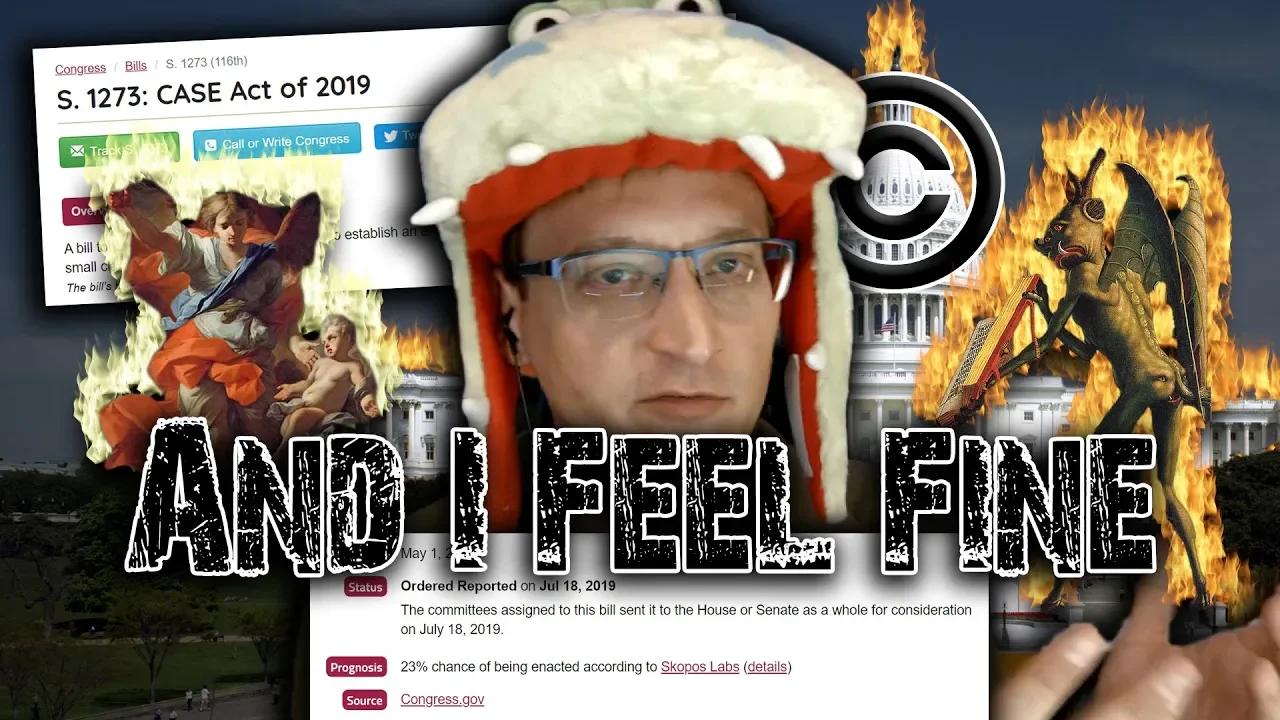
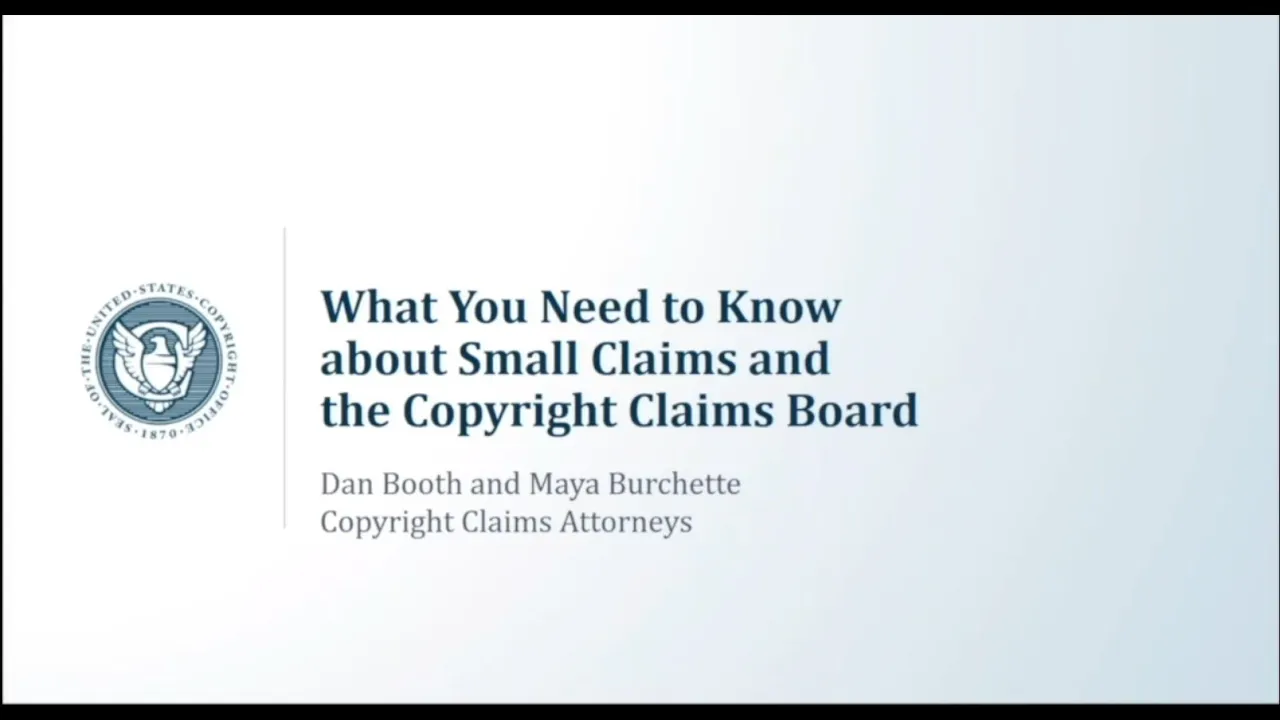
Legal recourse under the CASE Act (Copyright Alternative in Small-Claims Enforcement) for creators dealing with infringement.
Comparative analysis of international copyright laws and cross-border enforcement challenges for digital content creators.
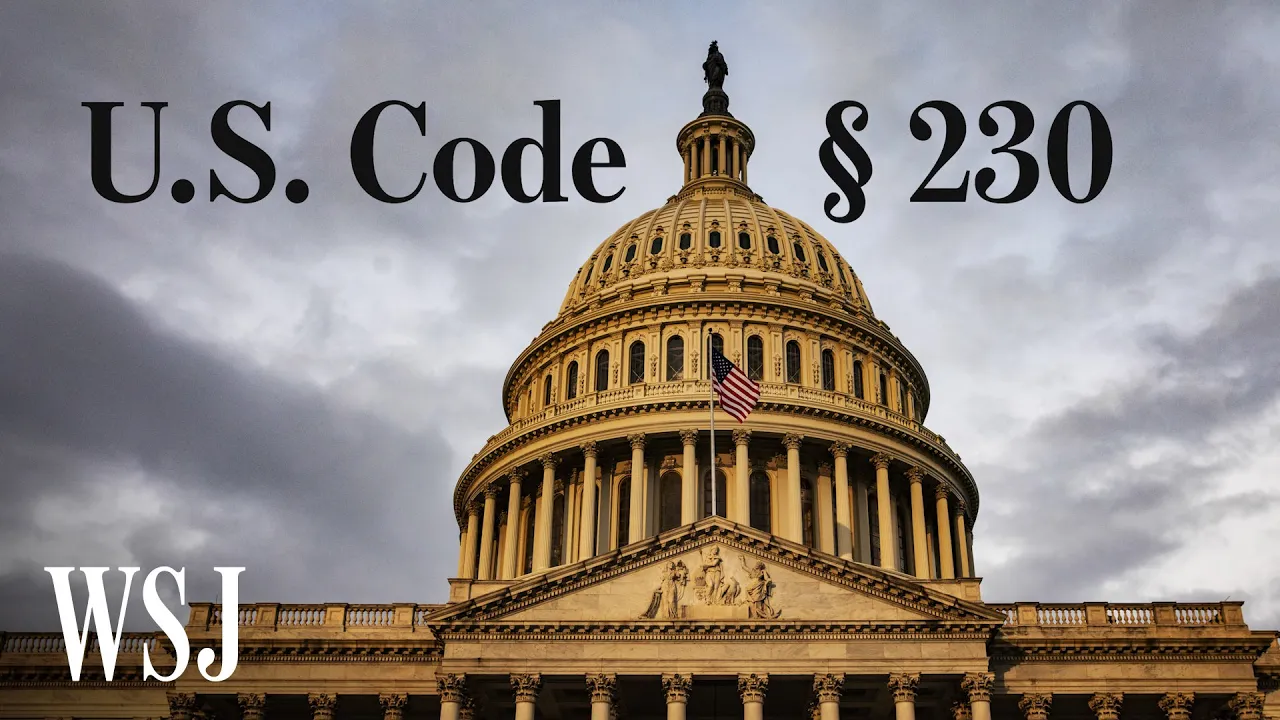
Policy analysis of proposed reforms to Section 230 of the Communications Decency Act and DMCA reform debates.
861K views57.1Klikes13:30Original Release: 2025-09-23
This channel has had multiple imposters stealing all of our videos and YouTube did nothing. You know, it happens.
People like to do dumb things with our videos. But things started to worry me when one of the imposters started getting hundreds of thousands of views.
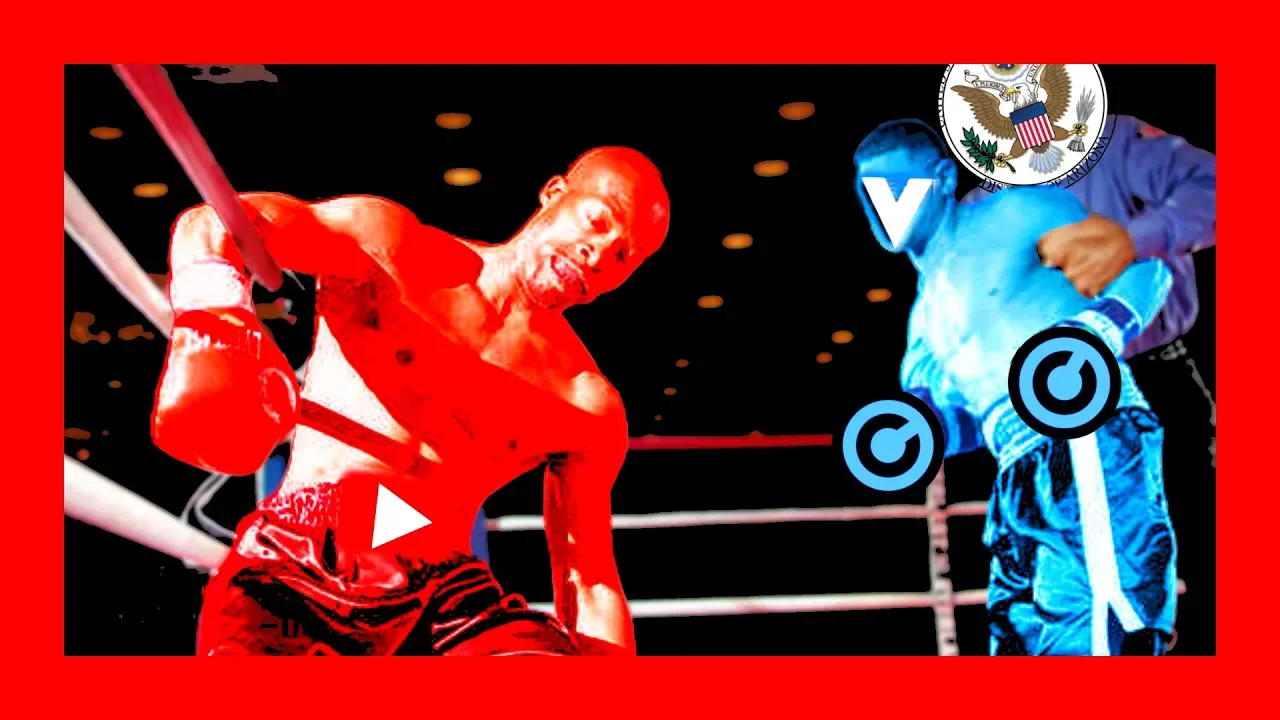
And that's when I knew that I had to act and do something about this. Now, over the last 7 years, this channel has generated literally millions of dollars for YouTube, which doesn't necessarily entitle us to any special treatment, but you'd think that YouTube would want to at least keep us in business. And you know, if a lawyer reaches out to you and says their videos are literally being stolen, you'd think that YouTube would listen. But it took weeks and actually a lot of hard work on our end to convince YouTube to do anything about it. Now, a lot of you already know what we're talking about because as hundreds or maybe even thousands of you pointed out, it looked like there was one person who started several impostor channels of Legal Eagle, including the Legal Lens, Think Like a Lawyer, Verdict Vision, and Courtroom Clarity. And each one of these channel was completely ripping off entire videos, re-uploading them with the thumbnail with some weird stock footage and a vignette over our faces.
And of course, the channel pages were using photos of me, my entire name, Devon James Stone, uh, trademarks, copyrights, uh, our likenesses, you name it. This channel was ripping absolutely everything off. And I guess because they were using this weird stock photography vignette thing, this wasn't showing up in our copyright management system. So I had no way of taking these videos down myself. They seem to have all been started by someone named Nicholas. The name Nicholas appears in a lot of the different channel URLs. This guy really liked using my entire identity and intellectual property. But thank you so much to everyone who reached out via the comments, email, blue sky, and Reddit.
It was actually heartening that so many of you reached out and let us know about this problem and apparently notified YouTube about this impostor. Uh I got so many comments and emails that I had to stop responding. But I really appreciate it. But what I don't appreciate is how YouTube basically ignored all of your reports and failed to do anything about this for weeks and made us jump through a ton of hoops to get this thing taken down. But since I'm a lawyer, I documented everything. So let's review the evidence. So, in August, I reached out to my partner manager and YouTube directly and I said, "Hey, a spate of channels have cropped up that are stealing my content name and trademark.
Here are some of them and listed the URLs." To which I got a response. You have two options. You can use the copyright match tool in YouTube Studio.
Or you can send an email with all the infringing URLs. In the email, you should create clear numbered bulleted list of the URLs and include a whole bunch of other information. And I say specifically, since it's a legal process, uh, is it though? Not really.
uh it has to be explicit. You can't just say all videos on this channel. Now, that was a bit of a problem because by this point, all of these channels had uploaded hundreds of our videos. So, to chronicle all of these different videos would take a pretty long time, especially as they would request later to coalate those videos against the actual infringing videos that we had originally uploaded. And I really wanted to say all the videos on this channel because all the videos on this channel were stealing our videos and were using our thumbnails and titles as well. So I responded and explained this. I have the copyright match tool but because the video filter he used none of the videos are showing up as matches. I can send you a list of videos but all of his videos are offending and on top of that he's using my image name and trademarks in his channel banners and other branding. So it's not just videos.
YouTube responded asking for more information. They wanted a clear description of the copyrighted work.
again, our original videos, the URL of the infringing videos, a statement that you have a good faith belief, a statement that it's accurate, you're the copyright owner, etc., etc., and your full legal signature. So, I said, "Sure, I'm writing to demand the removal of several channels on YouTube that are copying my videos wholesale and reposting them on their own channels.
Their channels are stealing my copyrighted information, trademarks, and likeness without my permission. Every video that has been uploaded has been nothing but a repost of my own, wholly owned content. You can contact me as a lawyer at my law firm. And the copyrighted information includes photos of me, my trademark logos, my word marks, my name, as well as copying in their entirety several videos of my channel, including this one, this one, and this one. The entire channels are infringing on every video contained therein. The channel URLs are this one, this one, and this one. I have a good faith belief. The above information is accurate, and I own the copyright and trademarks, etc. signed Devin Jamesstone Esquire, which ironically is the name that appears on the channel pages of all of the infringing channels. To which YouTube responded, looping in copyright.
See the request below. Now, this was a red flag because I know that YouTube has several creatorfacing departments.
Copyright is one of them. Trademark is another. And generally speaking, YouTube tends to take trademark infringement a lot more seriously than they take copyright infringement. Uh, so that's why I wasn't sure to include the fact that they're infringing on my uh, trademarks. And of course, there are teams dealing with identity theft, which is why I said, "Hey, these channels are imposters." But apparently, the copyright team responded, "We require a more detailed description of your copyrighted work. We won't be able to process your request until you've provided us with this information. We encourage you to provide whatever specifics you feel will be most useful.
Information such as the title of the work, the type of work, the author's name, the date of the creation of the work, the copyright registration number of the work is registered, and or the specific timestamps at which your work appears in the video in question will greatly assist in the processing of your request. Now, this is the point where I got a little bit ticked off because if anyone had taken the time to just look at the impostor channels themselves, they would have seen that it was stealing the videos in their entirety.
They were stealing my name, stealing my likeness. They were using literal head shot of me in their channel pages. And when you're asking for this kind of detailed information, it sort of makes sense when there is one single video that is uh pirated from all of your other videos. But the thing is, again, this guy was pirating hundreds of our videos, and it would take probably a full day's work to go through, chronicle all of them, and say, "Here's the offending video, and here's the original video. Look, they're identical.
Completely identical, including the title, thumbnail, um the audio track itself, and everything that appears in the video except for the stock footage that was very hamfistedly shoved into the video. So, that's how I responded.
Hi, all the channels that I mentioned consist of nothing except re-uploaded content from my channel. Every video on their various channels is a re-upload from mine. It is not a question of one video pirating a single video on my channel. Everything on their channels, including my likeness and name, is stolen from my channel. It should not be incumbent on me to match up all the dozens of videos on their channel to the videos that were stolen from my own channel. In any event, the titles and thumbnails are identical. To which they responded, "We understand how frustrating this can be." Do you do you really understand how frustrating this can be? It's not just the pirating of the videos. It's YouTube's response that's a little bit frustrating here. In order for this copyright takedown process to work effectively, but see, this is the problem. This is not the copyright takedown process. This is an impostor who is violating my copyright trademarks and intellectual property.
All of it, including my entire identity, has been stolen here. You will need all of the necessary information upon submission. If you're able to provide your original video URL paired with the infringing URL within the same submissions, that should allow the copyright experts to act much quicker.
To which I responded, again, a little pissed off at this point. In the time that has taken to respond or more accurately not respond to my notice, the person in question has now uploaded hundreds of my videos and garnered hundreds of thousands of views. I have received hundreds of emails from individuals concerned about this act of piracy. Those same people have stated that they have reported the channel in question. Yet, so far, YouTube has done nothing. Ironically, the stolen video that received the greatest number of views on the pirate channel is demonetized on my own channel. Uh, that was true, by the way. It was a video about Epstein that's completely demonetized, not generating any revenue whatsoever on Legal Eagle. Uh, but you know, I guess the pirate um can maybe earn the money that I never could. But as requested and required, at our own expense, we have compiled a list of the offending channels, the pirated videos that appear on that channel, and corresponding original videos that we created. This effort took several days.
Please see this link in the attached spreadsheet. As I stated it before, this should not have been necessary given that the channel stealing my identity, including my name and likeness at a channel level and every video that they have uploaded is stolen from us. So, finally, after we spent hours and hours compiling all of this information, literally within 24 hours the next day, uh my partner manager responded and said, "Hi, Devin. Great news. The team has reviewed the channels and determined that it is in violation of our community guidelines." Oh, really? You think content intended to impersonate a person or channel is not allowed on YouTube.
Yeah, I'm aware. I'm a freaking lawyer.
YouTube also enforces trademark holder rights. Do you? When a channel or content in the channel causes confusion about the source of goods and services advertised, it may not be allowed. Yeah, that's called the definition of trademark infringement. For further information, please visit blah blah blah. Thank you again for your patience.
Well, my patience had run out at that point. So, I responded with how I was actually feeling. I was telling you guys from the start that this person was stealing my identity, include my name, trademark, likeness, and identical content. Why did the copyright team keep asking me for more detail? Did no one actually look the pages that were impersonating me until now? He asked knowing that that was in fact the case.
And honestly, that's what really pisses me off about this whole thing. I kept telling YouTube that there was someone who was impersonating me. I kept telling them that copyright was not the right avenue for this. And only after they made us jump through a huge number of hoops did they actually do anything about it. And then they did it immediately and YouTube responded, "Our copyright team has to be thorough to make sure we're taking down the right content and following all legal guidelines." Except again, this isn't the copyright team. This was the impersonation team or the trademark team. This means they need to gather very specific evidence to confirm that the content is a direct copy and verify ownership. All these videos are on YouTube. They have copyright matching tools. All they had to do was match the audio tracks from the two different videos and they would know. Part of the problem here is that none of these videos were showing up in my own copyright match tool. Otherwise, I would have taken them down myself. So, at the end of the day, these channels are finally down. I did not have to actually file a lawsuit against YouTube or the offending idiots who started these channels. So, I guess someone finally looked at the offending channels for more than half a second and realized that I was telling the truth that these people were stealing my entire identity and our copyrighted material and trademarks and all of our other IP.
Though, ironically, after this happened, we found another one. Another one of these impersonator channels is still up.
The law unlocked, though the name in the YouTube URL is Noah Parsons, not some variation of Nicholas. feel free to go report that channel as well. I will, I guess, reach out to YouTube and they'll probably take care of it, I don't know, in 2026 or something. But look, don't get me wrong, I'm profoundly grateful for the platform and have every intention to keep making content here on YouTube. And it's not lost on me that a creator on YouTube complaining about ripoff channels might sound like some movie star complaining about Bit Torrent piracy. Though, I assure you, YouTubers make far, far less income than the people working in Hollywood. But it goes to show you that even when you're a lawyer, YouTube still just won't take your word for things. But what matters most here is that these problems directly affect the quality and content that we make. And it stole revenue from us that we would have used to make more videos. But it's exactly because of issues like this that hundreds of us banded together to start Nebula, the sponsor of this video. Because Nebula is a streaming service where you can watch all the content from your favorite creators like Neo, Jetlag, Johnny Harris, Real Engineering, Real Life Lore, and of course, Legal Eagle. adree and early and legitimately as well.
Plus, you can watch countless Nebula exclusive videos made with love, time, effort, and increased budgets that would be too risky on YouTube. Because whether it's some pirate stealing all of your videos, or YouTube demonetizing a ton of videos that you have produced this year, Nebula is just an all-around better place to put exclusive content. And at Nebula, we're in it for the longest possible term. And that's why every video we've made this year is on Nebula and is also an extended cut. Like the beatdown that Dr. Mike and I gave to the good doctor. The Nebula version contains 20 minutes of additional analysis that's really funny and thoughtprovoking, but we had to cut it out of the YouTube version. Or you can check out our Nebula exclusive video on how RFK Jr. can legally or not ban vaccines or a video about unhinged judges that went too far, just to name a few. And if you love deep dives, then I highly recommend you check out Mad Kings. It's a brand new original series from our friends over at Real Life Lore that explores the fascinating secret lives of dictators like Ud Hussein, the mad prince of Iraq. And people often ask if it helps the channel more to watch it on YouTube or Nebula.
And the answer is emphatically Nebula.
The watchtime payouts are bigger. And since my creator friends and I created Nebula ourselves, we don't have to worry about capriccious demonetization standards, which has been a huge problem this year. Just to name a few, our videos on Roblox, Epstein's lawyers, Gelain Maxwell, the Epstein files, Diddy, illegal deportations. I'm honestly losing count at this point. And most of the time, we're demonetized for showing the same footage that legacy media companies like CNN and Fox News show on their YouTube channels without demonetization. So, if you'd like to support this channel and its mission to demystify the illegal miasma that we live in, a great way to do so is by signing up for a lifetime subscription to Nebula. It's really the best deal of all. For only $300, you get access to Nebula forever. But you better hurry because the price is just about to jump to $500. Either way, you can click or scan now to get set up and continue watching Legal Eagle on Nebula, or I'll see you in
Up Next

5:33
Understanding Creative Commons Licenses: A Guide for Sharing Digital Content
@plccanz
147.4K views•2011-07-05

12:54
Triumph of Orthodoxy Icon: Byzantine Art & History Explained
@BenCallan
2.1K views•2024-08-06
26:48
The Good Doctor's Malpractice: Legal & Medical Analysis with Doctor Mike
@LegalEagle
1.1M views•2025-07-23

1:42
Game of Thrones Opening Credits: A Cinematic Analysis
@gameofthrones
46.3M views•2011-04-18
Related Study Plans & Knowledge Roadmaps
Structured learning paths in General & Interdisciplinary Studies
general-studies
Elevator Engineering: History, Physics & Cities
01From Hoists to Safety Brakes: The Dawn of Vertical Lift
02Hydraulic vs. Traction: The Engineering Physics of Elevators
03Modern Speed, Safety, and Algorithms
+ 2 more learning modules
12h5 modules
Explore Roadmap
general-studies
Rubber: Material Science, History & Geopolitics
01Origins of Natural Rubber & Mesoamerican History
02The Chemistry of Natural Rubber & Vulcanization
03The Geopolitics of the Rubber Boom & Colonization
+ 2 more learning modules
12h5 modules
Explore Roadmap
general-studies
Containerization: Evolution, Logistics & Trade
01Ancient Trade & Bulk Cargo: Amphorae to Barrels
02The Industrial Revolution & Cardboard Packaging
03The Containerization Revolution: Malcom McLean
+ 2 more learning modules
12h5 modules
Explore Roadmap
general-studies
Textile Tech: Evolution, Labor & Global Impact
01Pre-Industrial Textiles: Handloom & Cottage Industry
02Mechanization: The Spinning Jenny to the Power Loom
03The Factory System & Global Labor Transformation
+ 2 more learning modules
10h5 modules
Explore Roadmap