The CliniMACS Prodigy T Cell Transduction Process enables fully automated clinical-grade CAR T cell manufacturing through a closed-system workflow that includes cell enrichment via magnetic separation, activation, lentiviral transduction to introduce chimeric antigen receptors, and controlled expansion with media exchanges, ultimately producing therapeutic T cells in approximately 10-14 days.
Automated CAR T Cell Manufacturing with CliniMACS Prodigy
Added:Deep Dive
Fundamental concepts of immunology and T-cell biology, including antigen recognition and T-cell activation.

T cell Activation and differentiation (FL-Immuno/31)
241.9K
CD4+ naive T cells recognize antigens presented by MHC class II molecules on antigen-presenting cells. Activation requires two signals: the first signal involves TCR binding to antigen-MHC II complex with CD4 coreceptor binding to MHC II, while the second signal comes from co-stimulatory molecules like B7/CD80 on APCs interacting with CD28 on T cells. Without co-stimulation, T cells become anergic. Upon full activation, T cells secrete IL-2 (autocrine), triggering rapid proliferation and differentiation into effector helper T cells and memory T cells. Memory T cells provide long-term immunity by quickly generating new effector cells upon re-exposure to the same antigen.
Click to watch →
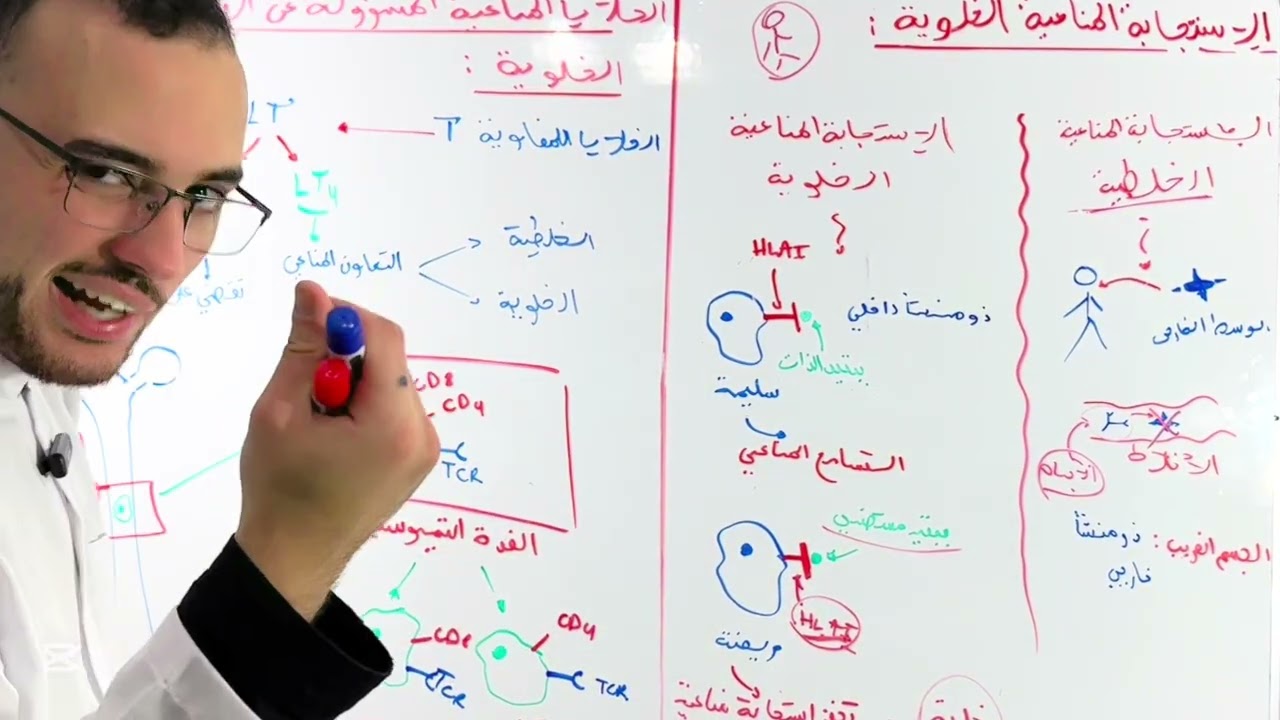
المناعة 3/4 : الاستجابة المناعية الخلوية 🔥
95.7K
Mature T cells differentiate into CD4+ helper T cells and CD8+ cytotoxic T cells. Helper T cells assist immune coordination, while cytotoxic T cells directly kill abnormal cells. T cells recognize antigens only when presented by MHC molecules on cell surfaces. This 'dual recognition' requires the T cell receptor to bind both the antigen and MHC molecule simultaneously. Co-receptors (CD4 or CD8) stabilize this interaction. This specificity ensures T cells only respond to specific threats, preventing inappropriate immune activation.
Click to watch →

المناعة كاملة في ساعتين أولي طب بشرى
204
T cell activation requires two signals: TCR recognition of antigen-MHC complex and co-stimulatory signals (CD28-B7 interaction). Regulatory T cells suppress immune responses to prevent autoimmunity. The TCR recognizes antigens in the peptide-binding groove of MHC molecules, with CD4 or CD8 molecules recognizing the MHC class II or I respectively.
Click to watch →

IMUNIDADE CONTRA MICRORGANISMOS. Aula I: bactérias extracelulares
34.5K
T cell activation requires antigen presentation by antigen-presenting cells (dendritic cells, macrophages, B cells). The process involves: (1) Antigen processing and presentation on MHC molecules; (2) T cell receptor (TCR) recognition of peptide-MHC complexes; (3) Co-stimulatory signals (B7-CD28 interaction); (4) Cytokine signaling. Depending on cytokine signals received, naive T cells differentiate into different effector subsets including Th1, Th2, and Th17 cells.
Click to watch →

Fisiologi Sistem Imun Lengkap Sherwood x Tortora (Medical Learning Club)
84.4K
Effective immune responses require antigen presentation to T cells. MHC class I molecules on all nucleated cells present intracellular antigens to cytotoxic T cells, while MHC class II molecules on professional APCs present extracellular antigens to helper T cells. When pathogens infect cells, they are degraded in lysosomes and fragments displayed on MHC molecules. T cell receptors recognize these antigen-MHC complexes, triggering T cell activation. This recognition requires three simultaneous interactions: TCR binding, coreceptor binding, and peptide binding—ensuring precise antigen specificity.
Click to watch →
Deep Dive
The basic mechanism of Chimeric Antigen Receptor (CAR) T-cell therapy, including gene transduction and target antigens.

House Cancer Caucus Briefing: Immunotherapies
651
CAR T cell therapy is a gene therapy approach where genetic material (DNA or RNA) encoding a chimeric antigen receptor is delivered to T cells. The process involves collecting patient blood cells, inserting the CAR construct into T cells in a laboratory, growing millions of modified cells, and infusing them back into the patient. The CAR construct enables T cells to specifically recognize and kill cancer cells expressing target antigens like CD19 or CD20. Viral vectors (retroviral/lentiviral) serve as delivery vehicles, while alternatives include lipid nanoparticles and genome editing technologies.
Click to watch →

Reprogramming the immune system: Precision immunotherapy for cancer and autoimmune disease
2.5K
CAR T-cells derive their name from the chimera mythological creature—a hybrid with parts from different animals. They are created by taking a patient's own T-cells and inserting a chimeric gene composed of two parts: (1) a T-cell receptor component that allows activation and lysis of tumor cells, and (2) an antibody fragment with defined antigen specificity. The gene is delivered using a virus vector. Once expressed on the cell surface, these modified T-cells seek out and destroy any cells expressing the target antigen throughout the body, essentially hijacking the natural immune system to fight cancer.
Click to watch →

AHD 2020 06 04 Onc Emergencies M Hochman
203
Chimeric Antigen Receptor (CAR) T-cell therapy represents a breakthrough in oncology. The mechanism involves genetically engineering a patient's T cells: the antibody's antigen-binding portion (single-chain variable fragment) is attached to T cell receptor signaling domains. First-generation CARs used T cell receptor signaling domains; subsequent generations incorporated additional co-stimulatory domains for more profound stimulation. The process involves collecting the patient's T cells, transfecting them with a retrovirus containing the CAR genetic code in the laboratory, growing and stimulating them with cytokines, then infusing them back after conditioning chemotherapy. The CARs bind specifically to antigens on cancer cells, stimulating the modified T cells to attack the cancer. This approach achieved dramatic results in relapsed/refractory B-cell malignancies, with 50-70% event-free survival at two years in populations previously considered untreatable, leading to FDA approval for various lymphoblastic leukemias and lymphomas.
Click to watch →

5. Human leucocyte antigens and their applications - Professor Alejandro Madrigal
392
CAR-T therapy combines cell therapy and immunotherapy by modifying a patient's own T cells to recognize tumor cells. The process involves: (1) collecting T cells from the patient, (2) using viral vectors (lentivirus or retrovirus) to insert genes encoding chimeric antigen receptors, (3) expanding the modified cells in culture, (4) infusing them back into the patient. The CAR consists of an antibody fragment recognizing tumor antigens (commonly CD19 for B-cell malignancies) linked to signaling domains that activate T cells upon antigen binding. This enables T cells to recognize and kill tumor cells that the patient's original immune system failed to detect.
Click to watch →

Ahead of Cancer | Harnessing the immune system to fight cancer | AHN
207
CAR T-cell therapy represents a revolutionary approach to cancer treatment by engineering patients' own T-cells to recognize and destroy cancer cells. A chimeric antigen receptor is a synthetic molecule constructed from multiple components of normal human genes: an extracellular binding domain (VH/VL regions) that recognizes tumor-specific antigens, a hinge region from CD8 molecules, a transmembrane domain, a co-stimulatory signaling domain (such as 4-1BB or CD137), and an intracellular activating domain from the CD3 zeta chain. The manufacturing process involves collecting T-cells via apheresis, genetically modifying them in the laboratory to express the CAR, expanding them to millions of cells using bioreactors, and then infusing them back into the patient. When CAR T-cells encounter cancer cells, they become activated and release compounds that trigger apoptosis (programmed cell death) in the tumor cells.
Click to watch →
Deep Dive
Standard phases of cell therapy manufacturing: isolation, activation, transduction, expansion, and formulation.

Applying a closed, modular, semi automated system to CAR T cell therapy manufacturing
1.8K
The future of cell therapy manufacturing centers on three pillars: modularity for flexible process configuration, standardization for consistent quality control, and compatibility/scalability for diverse manufacturing needs. Modular systems allow swapping modules based on requirements, enabling parallel processing during expansion phases. Standardized processes, reagents, protocols, and analytics create plug-and-play integration. Compatibility with various machinery and scalability from autologous (scale-out) to allogeneic (scale-up) manufacturing ensures broad applicability. These principles drive down costs and benefit patients through more accessible and reliable cell therapies.
Click to watch →

Cell Therapy at CU- CAR-T Summit
196
Cell therapy manufacturing involves several key steps: apheresis collection to obtain patient cells, T-cell selection using magnetic bead separation to isolate T cells from mixed populations, T-cell activation using TransAct or Dynabeads to prepare cells for expansion, gene transfer using retroviral, lentiviral, or adenoviral vectors or non-viral electroporation methods, cell expansion in culture vessels at 37°C for several days to weeks, and finally formulation in cryoprotectant buffer followed by freezing in liquid nitrogen at -196°C for storage until patient infusion.
Click to watch →

Optimizing Manufacturing of αβ T-Cell/CD19 B-Cell Depleted Stem Cells
106
Successful technology transfer for cell therapy manufacturing follows a systematic multi-stage framework: (1) Process Development/Training Stage - at least three runs to build operator proficiency, targeting log depletion near 4.0; documentation nears approval; QC assays must capture additional cell types for clinical reporting; cryopreservation procedures should be developed. (2) Engineering Stage - at least three runs with goals aligned to IND specifications; stability studies for fresh final product defined; documentation operations and QC approved; expiration defined; QC assays critical given low event counts (handful per 100,000 cells). (3) Process Qualification - exactly matches IND specifications; stability studies for frozen product (long-term 1-2 years, in-use post-thaw and diluted); acceptable criteria: log depletion >4.0, CD34 recovery >60%. (4) Clinical Readiness - dry runs verify chain of custody; all reports finalized; stakeholder signatures obtained; documentation filed with regulatory agencies.
Click to watch →
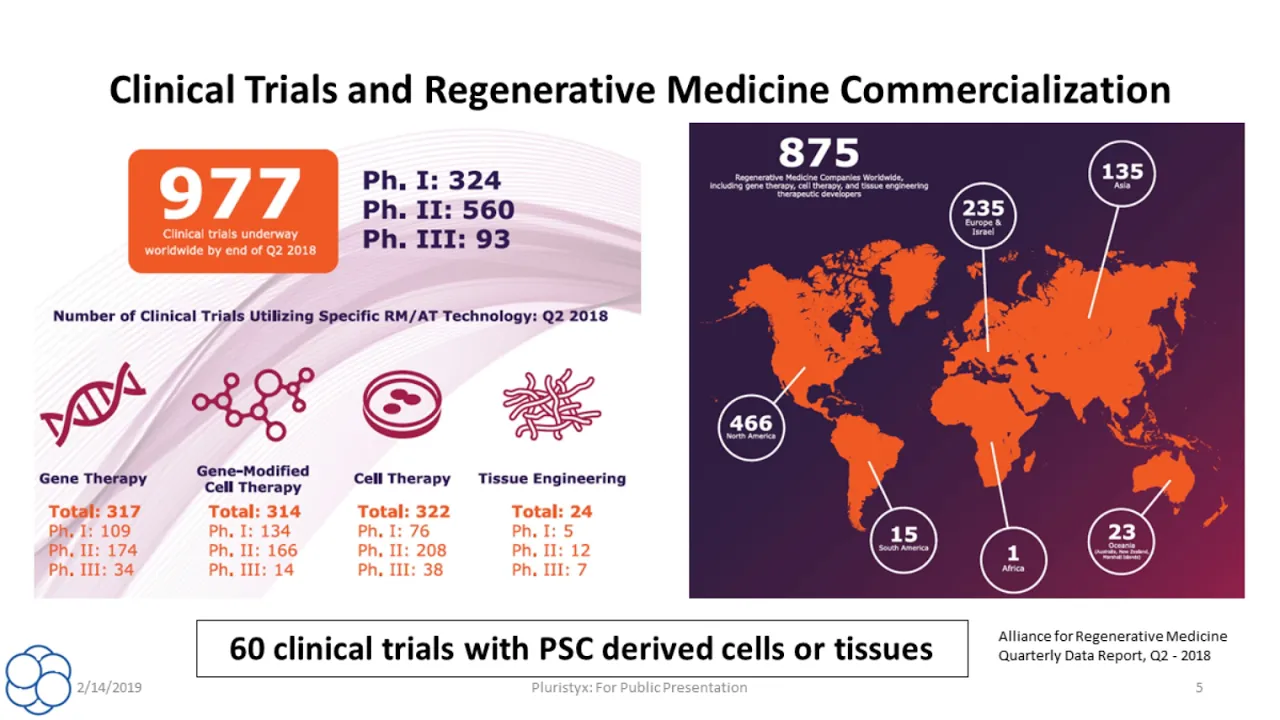
GMP cell banks as part of a staged, standardized, platform-style cell production process
3.7K
GMP (Good Manufacturing Practice) cell banks serve as essential starting materials for cell therapy manufacturing, beginning with master cell banks derived from high-quality pluripotent stem cells (embryonic or induced). Unlike established biologics platforms, pluripotent stem cell manufacturing lacks standardized solutions, requiring each sponsor to develop proprietary processes. Master cell banks must be designed for 15-40 year product lifecycles, as changing them introduces comparability risk requiring in vitro to full clinical trial reassessments. FDA phased development follows: proof of concept, preclinical studies (including 6-12 month teratoma studies), IND filing, Phase I-III trials, BLA submission, and Phase IV surveillance. Clinical grade manufacturing breaks research workflows into tightly regulated unit operations: derivation/seed material, seed bank creation, master cell bank manufacturing, working cell bank thawing, seed train expansion, differentiation, and finish/fill. Manufacturing requires controlled environments: open operations (6-well plates, T-flasks) need biosafety cabinets (ISO 5) within cleanrooms (ISO 7) with HEPA-filtered air and environmental monitoring. Release specifications include phenotype/identity, karyotype for genetic stability, sterility testing (mycoplasma, fungus, bacteria), endotoxin testing, viability >70% after thaw, and sponsor-specific differentiation function. Viral safety requires qPCR for known viruses, in vitro assays (MRC-5/Vero cells), in vivo assays (egg/rodent inoculation), and species-specific panels for bovine/porcine materials.
Click to watch →

Current and future state of T cell therapy manufacturing - Closing, automating and preparing
3.6K
Thermo Fisher Scientific addresses cell therapy manufacturing challenges through closed modular and automated systems. The Rotia system provides closed cell processing with counterflow centrifuge technology for isolation, washing, concentration, and buffer exchange. Electroporation systems (Neon for small-scale, Xenon for large-volume) enable efficient gene modification with GMP-grade consumables. Digital connectivity through OPC UA interfaces enables integration with DeltaV DCS systems for data integrity and full automation. Additional solutions include DynaMag magnetic systems for cell selection, Haro cell incubators for expansion, and Cryomat freezers for cryopreservation, creating scalable and flexible workflows.
Click to watch →
Deep Dive
Good Manufacturing Practice (GMP) guidelines and the importance of maintaining sterility and contamination control in clinical bioprocessing.

🔬✨ Ultimate Guide to Good Manufacturing Practices (GMP) in Cleaning & Sanitization! ✨🔬
292
Good Manufacturing Practice (GMP) guidelines establish strict protocols to prevent contamination, cross-contamination, and ensure consistent pharmaceutical production quality. GMP cleaning involves mechanically or chemically removing dirt and residues, followed by visual inspection and laboratory testing. Sanitation follows cleaning to reduce microorganisms using chemicals, heat, or scrubbing. Three contaminant categories threaten drug safety: chemical contaminants (impurities, heavy metals, solvents), environmental contaminants (microbes, dust, pollutants), and biological contamination (bacteria, fungi, endotoxins). Prevention requires strict GMP adherence, validation of cleaning procedures, and risk-based facility management where high-risk areas like dispensary and filling rooms receive more attention than lower-risk storage zones.
Click to watch →
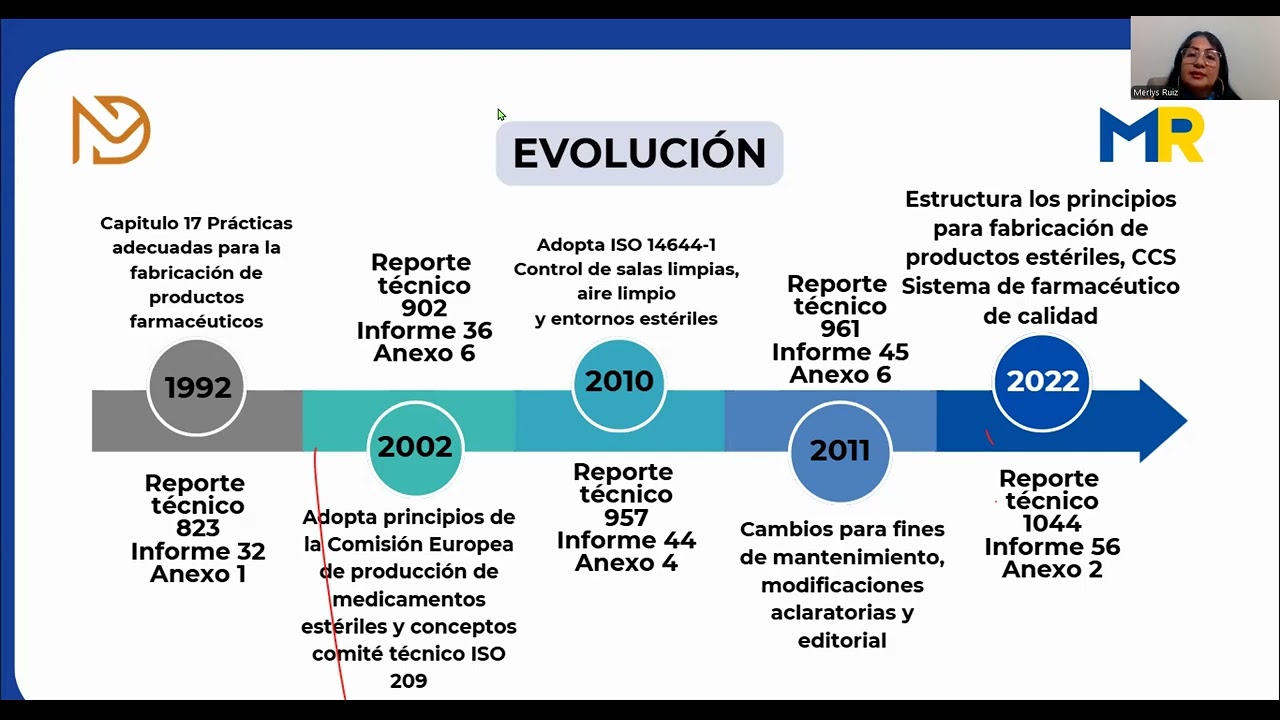
Seminario de Aspectos claves en la evolución de las BPM productos farmacéuticos estériles
262
This extensive segment covers the eight core principles of sterile manufacturing GMP and the Contamination Control Strategies (CCS) framework. Principle 1 addresses facility and equipment qualification with classified clean air systems (A, B, C, D) and validated equipment. Principle 2 emphasizes closed systems like RABS and isolators to minimize human contact. Principle 3 focuses on personnel competency verification beyond basic training. Principle 4 requires continuous monitoring systems that avoid personnel disruption. Principle 5 addresses raw material specifications and supplier evaluation. Principle 6 covers non-conformance management with systematic investigation and documentation. Principle 7 introduces CCS for microorganisms, endotoxins, pyrogens, and particles. Principle 8 establishes quality risk management with systematic evaluation and risk mitigation plans. CCS requires identifying critical control points, establishing verification plans, and validating all processes. The framework applies to facility design, equipment, personnel, raw materials, packaging, maintenance, and environmental monitoring equipment.
Click to watch →

Introduction to Good Manufacturing Practices (GMP)
1K
Critical aspects of production in a GMP environment are prevention of cross-contamination, validation so processes are understood and controlled, starting materials, processing operations, packaging materials and operations, finished products, and rejected/recovered/returned materials. GMP ensures products are consistently produced and controlled to quality standards appropriate to intended use. The GMP guidelines focus on preventing contamination, cross-contamination, and mix-ups. Production operations must follow clearly defined and proven procedures complying with GMP principles. Personnel are a major source of product contamination; access to production areas must be restricted to authorized personnel. Production personnel must be trained in appropriate personal hygiene and clothing procedures. Technical systems like swipe card access, air locks, and pressure differentials should prevent cross-contamination. All materials, bulk containers, supplies, and equipment must be labeled with product name, strength, batch number, and stage of production. The process must be clearly defined with materials, equipment, personnel, and timing fully traceable. Activities should be documented in real time by the person performing tasks with secondary verification of critical steps. The independence of quality control from production is a fundamental GMP requirement.
Click to watch →

10 PRINCIPLES OF GMP
283.2K
Good Manufacturing Practice (GMP) is a government regulation establishing minimum standards for manufacturing FDA-regulated products to prevent adulteration and ensure customer safety. The framework encompasses ten interconnected principles: developing detailed written procedures and work instructions, strictly following documented protocols to prevent contamination and errors, maintaining accurate and timely documentation for compliance and traceability, validating systems through testing to confirm they perform as designed, designing facilities with contamination prevention integrated into construction, properly maintaining equipment throughout its lifecycle, developing and demonstrating employee job competence through formal training programs, practicing cleanliness and hygiene as daily habits to defend against contamination, systematically controlling components and processes across manufacturing, packaging, labeling, testing, and distribution stages, and conducting planned and periodic internal and external audits for continuous improvement. Three types of contamination require vigilance: particulate (dust, dirt, lint, fibers, hair), microbial (fungus, mold, bacteria, viruses), and cross-contamination (traces of other materials adulterating products). Quality control spans five critical areas: materials/components (inspection, identification, quarantine, testing, FIFO release), manufacturing processes (master records, batch documentation, equipment maintenance), packaging/labeling (pre-processing inspection, equipment cleanliness), testing (qualified personnel, proper sample handling, accurate documentation), and distribution (warehouse control, sales strategy monitoring, traceability records, complaint response). While the FDA conducts external audits and may recommend recalls for non-compliant products, companies bear primary responsibility for internal quality assurance through self-audits using the 10 principles as evaluation criteria, transforming GMP from regulatory compliance into an organizational lifestyle that protects public health and earns consumer trust.
Click to watch →

Introducing EU GMP Annex 1: The key changes and fundamentals
4.9K
EU GMP Annex 1, updated in 2022 and effective from 2023, introduces a more science-based and risk-based approach to sterile medicinal product manufacturing, emphasizing barrier technology to separate people from product, requiring comprehensive contamination control strategies based on quality risk management, and mandating stricter controls on personnel presence, airflow systems, utilities, and sterilization processes including hydrogen peroxide vapor decontamination and media fill validation.
Click to watch →
Prerequisite Knowledge
- Concept 01Fundamental concepts of immunology and T-cell biology, including antigen recognition and T-cell activation.
- Concept 02The basic mechanism of Chimeric Antigen Receptor (CAR) T-cell therapy, including gene transduction and target antigens.
- Concept 03Standard phases of cell therapy manufacturing: isolation, activation, transduction, expansion, and formulation.
- Concept 04Good Manufacturing Practice (GMP) guidelines and the importance of maintaining sterility and contamination control in clinical bioprocessing.
Subsequent Learning
- Step 01Quality Control (QC) and release testing protocols for CAR T-cell products, such as assessing cell viability, purity, and transduction efficiency.
- Step 02Decentralized versus centralized manufacturing models and the logistical challenges of scaling out autologous therapies.
- Step 03Advanced gene-editing tools (such as CRISPR-Cas9) integrated into automated cell manufacturing systems for next-generation CAR-T therapies.
- Step 04The clinical and commercial logistics of cell therapies, including vein-to-vein chain of custody and cryogenic transport.
Automated T-Cell Generation
Culture and Transduction
Expansion and Harvest
Automated T-Cell Generation
0:00Playing Section
- 1
System automates sample prep, enrichment, and transduction.
- 2
Guides user step-by-step through tubing and reagent setup.
- 3
Magnetic separation activates and enriches target T-cells.
In Vivo CAR T-Cell Generation: Bypassing Ex Vivo Manufacturing
While automated platforms like the CliniMACS Prodigy significantly improve the efficiency of ex vivo (outside the body) CAR T-cell manufacturing, a major opposing paradigm argues that the future of cell therapy lies in in vivo (inside the body) cell programming. Ex vivo manufacturing, even when automated, remains highly expensive, logistically complex, and requires a lengthy "vein-to-vein" waiting period during which a patient's disease can progress. In contrast, the in vivo approach delivers genetic engineering tools (such as mRNA-carrying lipid nanoparticles or viral vectors) directly into the patient's bloodstream to reprogram T cells internally. By entirely eliminating the need for cell harvesting, cleanrooms, and dedicated manufacturing hardware like the CliniMACS Prodigy, in vivo CAR T therapy offers a potentially safer, instantly available, and vastly cheaper alternative that could democratize access to these life-saving therapeutics.
Deep Dive
Quality Control (QC) and release testing protocols for CAR T-cell products, such as assessing cell viability, purity, and transduction efficiency.

Conceitos básicos em CAR T
5.8K
CAR T cell production involves collecting leukocytes, enriching for T cells, stimulating with anti-CD3/CD28 antibodies, exposing to viral vectors (retroviral, lentiviral, or non-viral transposons), and expanding cells for 10-20 days. Universal CAR T cells are generated by eliminating TCR expression to prevent alloreactivity, enabling use across any recipient. Characterization includes phenotypic analysis, purity assessment, antitumor function testing, transgene copy number, and genomic integration patterns. Release testing evaluates cell phenotype, CAR expression percentage, tumor contaminants, viral vector absence, sterility, and adventitious agents. Variations exist in starting cell purification, stimulation methods, cytokine combinations, and culture duration across different production facilities.
Click to watch →

Inmunoterapia avanzada: Listos para CAR-T desde el laboratorio mexicano
104
CAR-T manufacturing uses automated bioreactors providing controlled environments, daily monitoring of viability and growth, and microbiological testing at multiple time points. Vector copy number assessment ensures no replication-competent virus. CAR expression and cell expansion are critical parameters: flow cytometry measures CAR expression frequency (target >10%, typically 40% achieved), cell expansion from ~5,000 cells/ml to 20,000 cells/ml demonstrates successful growth, and final cell dose is personalized based on patient weight. Manufacturing validation requires meeting specific release criteria: cell viability >80%, CD3+ cell purity >90%, CAR expression frequency >10%, no detectable endotoxins or mycoplasma, and vector copy number <5 copies per cell. Meeting these criteria ensures product quality and patient safety.
Click to watch →
![Empowering patient care: IPC/QC solutions for cellular therapies [WEBINAR]](https://i.ytimg.com/vi_webp/xHGnoT1H-CQ/maxresdefault.webp)
Empowering patient care: IPC/QC solutions for cellular therapies [WEBINAR]
242
The complete CD19 CAR-T manufacturing workflow spans 12 days: leukapheresis assessment on day -1, CD4/CD8 enrichment and activation on days 1-2, 7-day culture expansion with IL-7 and IL-15, and final harvest/formulation on day 12. Quality control encompasses flow cytometry panels for immune cell composition and CAR expression, sterility/endotoxin testing, mycoplasma detection via qPCR, and vector copy number determination. Regulatory requirements mandate VCN <5 copies/cell. Process validation demonstrated yields of 4.5-6.5 × 10^9 total T-cells with viability >97% and CAR frequencies >10%, meeting all release criteria.
Click to watch →

Ensaios imunológicos funcionais - Profª Dra. Kelen Malmegrim de Farias
880
Power assays are essential quality control tests during CAR T-cell production to prove cells are potent and functional for tumor destruction. The FDA requires systematic, reproducible, and robust assays. Functional assays (cytotoxicity, intracellular cytokine production) are more important than gene detection because they prove actual cell function. The efficiency of transduction directly affects cell potency. Immunophenotyping throughout production identifies cell populations, activation markers, and CAR expression. Cytotoxicity assays are the most important functional assays, demonstrating cells can kill target cells. These assays must be standardized across clinical centers to ensure consistent quality control.
Click to watch →
Cell Therapy at CU- CAR-T Summit
196
Quality control testing for CAR-T products encompasses multiple attributes tested through various analytical methods. The acronym CISPQ stands for Safety, Identity, Strength, Purity, and Quality. Safety tests include appearance, endotoxin, Gram stain, and sterility testing (often performed by third-party laboratories). Identity testing confirms CAR expression levels. Strength testing verifies CAR expression levels. Purity testing ensures target and non-target cell elimination. Quality testing confirms remaining quality attributes meet specifications. Each drug product must meet established release criteria; if not, an Out of Specification (OOS) investigation is initiated to identify root causes and implement risk mitigation before product release.
Click to watch →
Deep Dive
Decentralized versus centralized manufacturing models and the logistical challenges of scaling out autologous therapies.

Overcoming Challenges to Gene Therapy Manufacturing Workshop
853
Centralized manufacturing offers standardization potential but faces logistics challenges transporting fresh autologous samples. Decentralized bedside manufacturing faces cultural and skill set barriers at clinical sites. A hub-and-spoke model with regional GMP-capable facilities positioned close to clinical sites offers an optimal middle ground, maintaining centralized quality control while enabling fresh processing and shorter vein-to-vein times. Standardization across all facilities ensures consistent execution regardless of geographic location. Allogeneic cell therapies face challenges including T-cell exhaustion limits, graft versus host disease risks, and safety concerns. Autologous products offer advantages: persistence in the body, inherent safety since they're the patient's own cells, and longer-lasting therapeutic benefits.
Click to watch →
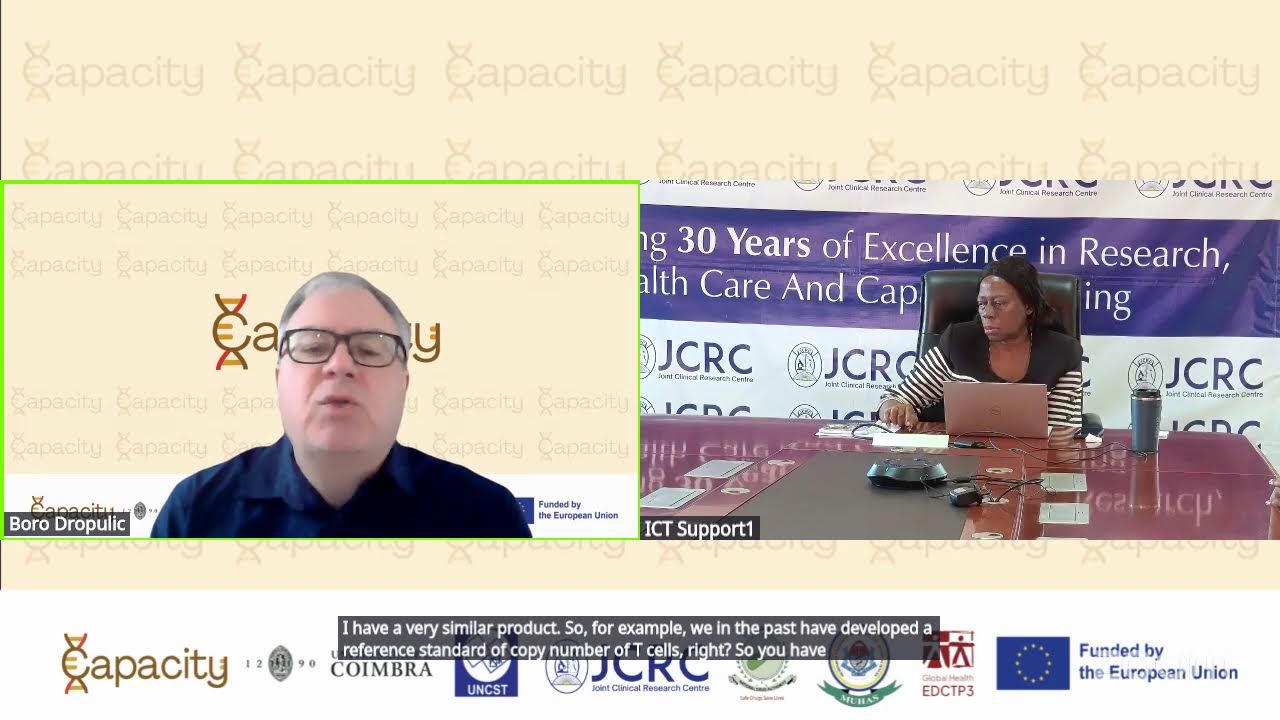
Gene Therapy Webinar Series
123
Decentralized or point-of-care manufacturing involves producing gene therapy products locally at hospitals rather than in centralized facilities. This approach is particularly important for autologous cell therapies because shipping patient-derived cells to central facilities and back is expensive and time-consuming. Centralized manufacturing makes sense for off-the-shelf products like monoclonal antibodies where economies of scale apply, but for patient-specific products, decentralized manufacturing is more efficient. This model mirrors the specialty pharmaceutical and bone marrow transplantation models that have been used to deliver therapies at the place of care.
Click to watch →

CGT Webinar: Increase ATMP Capacity through Modeling & Adaptive Scheduling
223
Autologous cell therapy manufacturing differs fundamentally from traditional bulk drug substance manufacturing in six key areas: (1) Safety stocks—traditional manufacturing produces excess inventory while autologous is bespoke per patient; (2) Capacity flexibility—traditional manufacturing can absorb process variability while autologous has fixed one-patient-per-batch constraints; (3) Scaling approach—autologous requires scale-out (adding more units) rather than scale-up (larger equipment); (4) Service Level Agreements—autologous has strict time commitments from vein puncture to delivery (e.g., 20-30 days) unlike generic products; (5) Clinical-to-commercial tech transfer—less required since processes remain similar; (6) Process complexity—autologous scale-out processes are simpler than traditional facilities with complex piping systems.
Click to watch →

Blood & bone marrow transplant and cellular therapy | OSUCCC – James
323
The trend in cellular therapy manufacturing is shifting from centralized to decentralized models. Instead of sending cells to distant manufacturing facilities, the concept brings manufacturing closer to patients through mobile clean rooms and local production facilities. This approach reduces logistical challenges, speeds up treatment delivery, and increases accessibility for patients in diverse geographic locations, including rural and underserved areas.
Click to watch →
![Point-of-care CAR T cell manufacturing in Canada: CLIC-01 CD19 clinical trial [WEBINAR]](https://i.ytimg.com/vi_webp/UInl1xumDCc/maxresdefault.webp)
Point-of-care CAR T cell manufacturing in Canada: CLIC-01 CD19 clinical trial [WEBINAR]
1.1K
Ensuring consistent CAR T product quality across multiple Canadian sites required implementing split-batch runs and sight-by-sight comparability studies. The decentralized model offers significant advantages over centralized manufacturing: lower long-term costs as fixed infrastructure expenses are distributed; reduced shipping delays and improved turnaround times; enhanced access for patients with rapidly progressive diseases; automated platforms reducing manufacturing errors; and redundancy across multiple sites ensuring continued service during disruptions. The goal is to eventually lower per-product costs through economies of scale while maintaining rigorous quality standards across the network.
Click to watch →
Deep Dive
Advanced gene-editing tools (such as CRISPR-Cas9) integrated into automated cell manufacturing systems for next-generation CAR-T therapies.
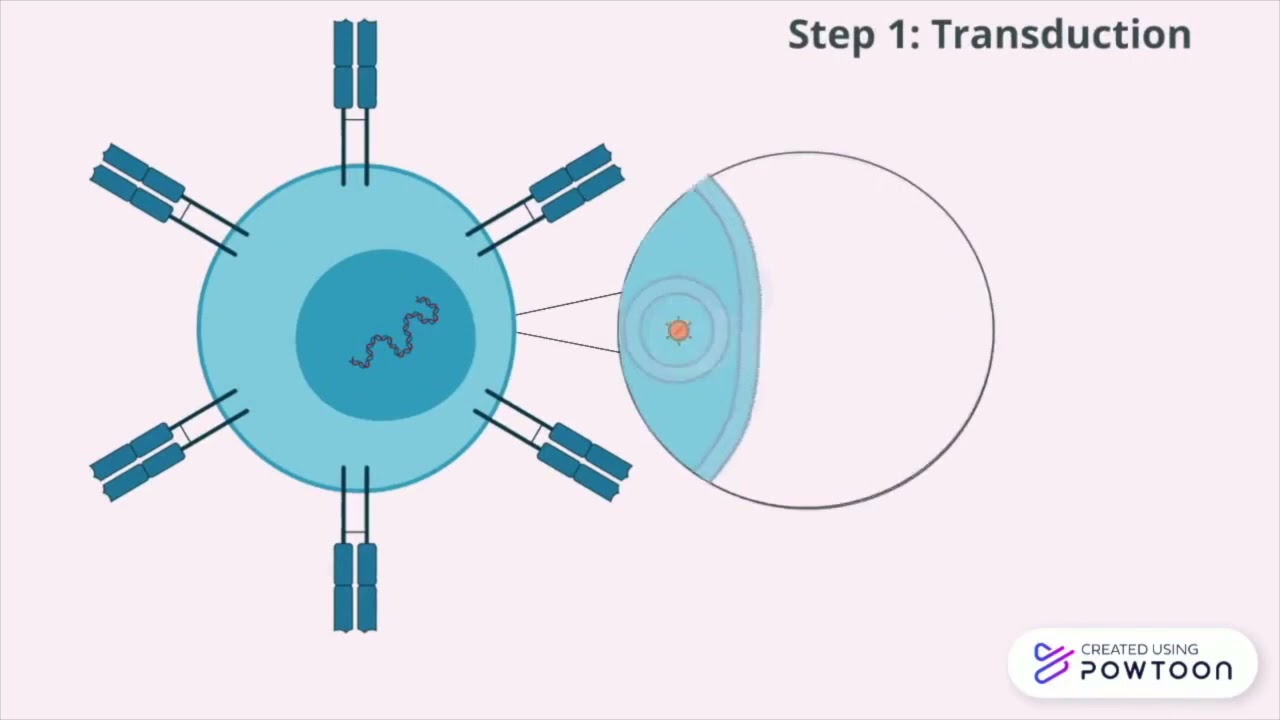
CRISPR/Cas9 in CAR-T Cell Therapy: Engineering Explained
4.5K
CRISPR-Cas9 has emerged as a powerful tool for engineering CAR-T cells, enabling targeted genetic alterations. To make CAR-T therapy more accessible, researchers developed allogeneic universal CAR-T cells using CRISPR multiplex gene editing to disrupt TCR alpha subunit constant (eliminating alpha-beta TCR to prevent GvHD), beta-2 microglobulin (reducing immunogenicity by blocking HLA-I expression), and PD-1 (reversing immunosuppression). A two-step strategy was developed: first activating and transducing T cells with CAR vectors, then electroporating CRISPR components on day 5 with harvest on day 15, yielding better efficiency than prior approaches. Non-viral CRISPR systems enable large DNA sequence insertion at specific genomic sites without viral vectors, compatible with existing manufacturing protocols. Homology-directed repair templates allow simultaneous knock-in and knockout of multiple genes, preserving regulation while achieving complex genetic modifications for universal CAR-T cell production.
Click to watch →
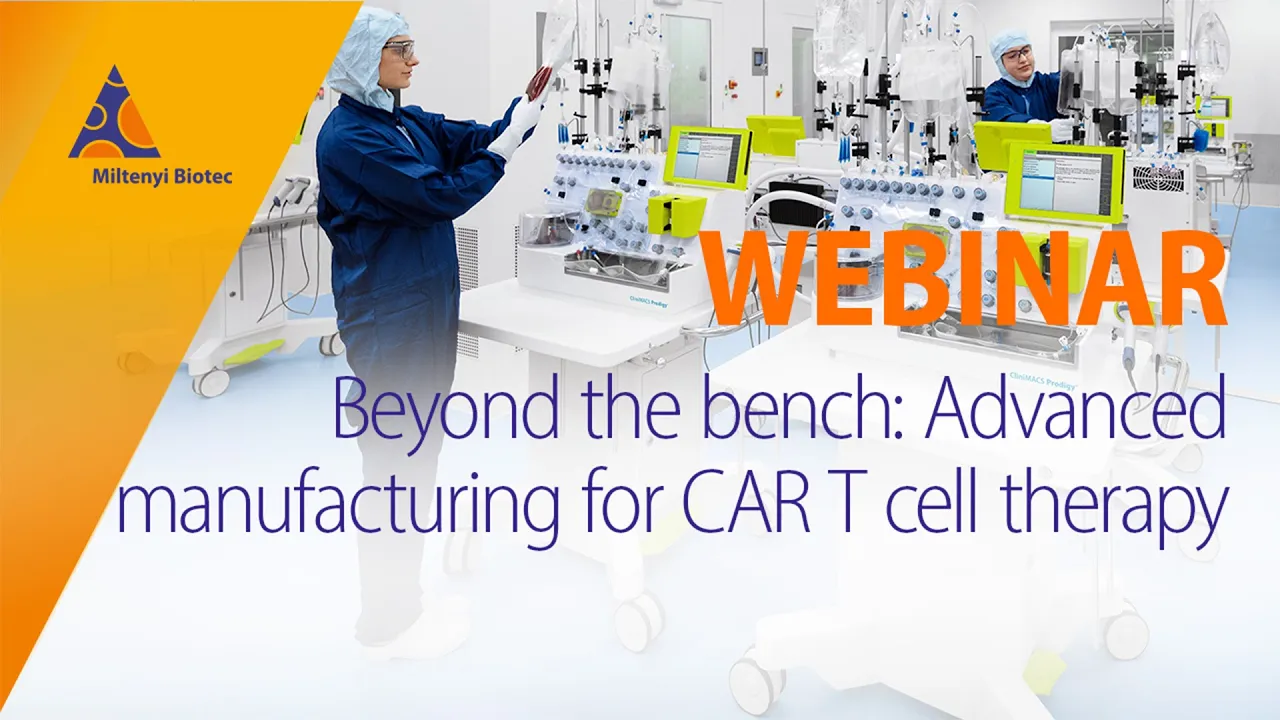
Beyond the bench: Advanced manufacturing for CAR T cell therapy
395
This lecture discusses how advanced manufacturing technologies, including CRISPR-based gene editing and integrated platforms like CliniMACS Prodigy, are revolutionizing CAR T cell therapy production by enabling precise control of CAR activation strength, reducing cell exhaustion, and improving therapeutic outcomes through optimized manufacturing processes.
Click to watch →

Enabling healthcare innovation – our technology in CAR-T cell therapy | ZEISS
392K
CAR-T cell therapy is a revolutionary personalized cancer treatment where T-cells are extracted from patients, genetically modified to target specific cancer antigens, expanded in number through stimulation, and then reinfused to fight leukemia and lymphoma; automated manufacturing systems like ProCell integrate precision microscopy for real-time cell imaging, enabling decentralized production that improves quality control, reduces labor intensity, and increases accessibility of this life-saving therapy.
Click to watch →

Total Health Oncology: Best of Heme 2025 Session 1
209
Gene editing improves CAR-T manufacturing for T-cell neoplasms by knocking out pan-T cell antigens (CD2, CD3, CD5, CD7) to prevent fratricide. CRISPR-Cas9 enables high knockout efficiency during manufacturing. Multiplexed editing (beam-2011) edits four genes for allogeneic CAR-T cells resistant to lymphodepleting regimens. Gene editing is also applied to donor stem cells for transplant. Challenges include accessibility, infection risk, and manufacturing complexity.
Click to watch →

Dr. Carl June Keynote Lecture - Asan Cancer Institute Symposium
385
Recent advances combine CRISPR-Cas9 gene editing with lentiviral vector gene transfer to enable multiple genetic modifications simultaneously. A Science publication demonstrated four modifications at once: knocking out TCR alpha, TCR beta, and PD1 genes while introducing a CAR transgene. Initial experiments showed lower efficiency with partial modifications, but high-fidelity CRISPR reagents achieved approximately 90% efficiency. This represents a significant advancement in manufacturing complexity and efficiency, enabling more sophisticated CAR T cell designs.
Click to watch →
Deep Dive
The clinical and commercial logistics of cell therapies, including vein-to-vein chain of custody and cryogenic transport.
The Cell And Gene Therapy Cryogenic Cold Chain
226
Cell and gene therapies require ultra-cold storage at temperatures as low as -150°C throughout the entire supply chain, from manufacturing to patient administration, because these biological materials like living cells or genetically modified viruses must remain within extremely narrow temperature and time frameworks to maintain viability; unlike standard pharmaceuticals, any deviation threatens product integrity, potentially causing wastage, lost revenue, or delayed patient access, which is why specialized logistics providers invest heavily in cryogenic infrastructure, real-time temperature monitoring, automated storage systems, and redundant security protocols to ensure these life-saving therapies reach patients safely and on time.
Click to watch →

Site Design Considerations for Cell and Gene Therapy Commercial Facilities
535
This section covers the final stages of CGT manufacturing and distribution. Fill and finish equipment progresses from manual cryovials to semi-automated Crystal M1 systems during Phase 1-2, advancing to robotic lines during Phase 3 for large-scale production and reduced operator variability. Allogeneic processes require specialized equipment like PRM1 for closed-system vials or TerumoPharma for bags to consistently deliver large numbers of doses per predetermined commitments. Cryopreservation technology advances from isopropyl alcohol-based freezing using Cool Cells during research phases to controlled-rate freezers or CRFs powered by liquid nitrogen in clinical and commercial phases. Transportation and shipping technologies include dry ice containers for short-distance transport and vapor-phase liquid nitrogen shipping vessels (MBE Cryopres Cryo shipper) designed to maintain product quality for over one day in transit. Emerging cold chain service providers include Way Biopharma Services, Modal Solutions, Mnx Global, C Safe, Thermo Fisher CDMO unit, and Pantheon.
Click to watch →
cGMP and Building Cohesive Teams with Christopher Choi, PhD, Roswell Park Comprehensive Cancer Ce...
147
Vein-to-vein time—the duration from patient cell harvest to product return—is critical for cell therapy success, particularly for aggressive cancers where disease progression is rapid. Modern manufacturing has reduced this timeline from 7-10 days to 1-3 days while maintaining equivalent product quality. Key optimizations include performing expansion in vivo within patients and conducting all testing in-house rather than outsourcing to contract laboratories. Sterility testing remains a bottleneck, typically requiring 10-14 days using traditional culture methods, though rapid orthogonal assays like PCR-based methods can accelerate results. Having all capabilities in-house enables faster retesting when issues arise and reduces delays caused by external laboratory dependencies.
Click to watch →
How to build your cryogenic supply chain for advanced therapies
215
Advanced cell therapies require specialized cryogenic supply chains because these living drugs must be stored and transported at ultra-low temperatures while maintaining strict time constraints; the logistics platform involves bulk production at manufacturing sites, transport via specialized couriers to secure storage facilities, and final delivery to patients using dry shippers, all coordinated through integrated logistics solutions to ensure therapy efficacy and patient access.
Click to watch →

ISCT Webinar: 4 Key Considerations for Achieving Commercial Success for Cell Therapies
217
ISCT's experience since 2004 identifies five essential elements for commercial success: efficacy, needle-to-needle logistics, manufacturability, cost of goods, and reimbursement. This section focuses on logistics. A scalable traceability strategy requires managing complex supply chains from enrollment through dose administration, building internal expertise or partnering with CMOs and academic facilities, and maintaining transparency and forecasting. Key control points exist at handoff points from procurement to manufacturing to administration. The strategy must balance quality, scalability, sustainability, and cost of goods while ensuring process understanding starts early. Raw material programs, vendor qualification, and understanding commercial supply sources are critical. A life cycle approach to manufacturing strategy evolves with development, using integrated risk-based approaches and keeping optionality as programs advance.
Click to watch →
Automated T-Cell Generation
Culture and Transduction
Expansion and Harvest
Automated T-Cell Generation
0:00- 1
System automates sample prep, enrichment, and transduction.
- 2
Guides user step-by-step through tubing and reagent setup.
- 3
Magnetic separation activates and enriches target T-cells.
In Vivo CAR T-Cell Generation: Bypassing Ex Vivo Manufacturing
While automated platforms like the CliniMACS Prodigy significantly improve the efficiency of ex vivo (outside the body) CAR T-cell manufacturing, a major opposing paradigm argues that the future of cell therapy lies in in vivo (inside the body) cell programming. Ex vivo manufacturing, even when automated, remains highly expensive, logistically complex, and requires a lengthy "vein-to-vein" waiting period during which a patient's disease can progress. In contrast, the in vivo approach delivers genetic engineering tools (such as mRNA-carrying lipid nanoparticles or viral vectors) directly into the patient's bloodstream to reprogram T cells internally. By entirely eliminating the need for cell harvesting, cleanrooms, and dedicated manufacturing hardware like the CliniMACS Prodigy, in vivo CAR T therapy offers a potentially safer, instantly available, and vastly cheaper alternative that could democratize access to these life-saving therapeutics.
Fundamental concepts of immunology and T-cell biology, including antigen recognition and T-cell activation.
The basic mechanism of Chimeric Antigen Receptor (CAR) T-cell therapy, including gene transduction and target antigens.
Standard phases of cell therapy manufacturing: isolation, activation, transduction, expansion, and formulation.
Good Manufacturing Practice (GMP) guidelines and the importance of maintaining sterility and contamination control in clinical bioprocessing.
Quality Control (QC) and release testing protocols for CAR T-cell products, such as assessing cell viability, purity, and transduction efficiency.
Decentralized versus centralized manufacturing models and the logistical challenges of scaling out autologous therapies.
Advanced gene-editing tools (such as CRISPR-Cas9) integrated into automated cell manufacturing systems for next-generation CAR-T therapies.
The clinical and commercial logistics of cell therapies, including vein-to-vein chain of custody and cryogenic transport.
42.4K views313likes5:01@Miltenyi_BiotecOriginal Release: 2019-02-04
[Music] with a clinic max prodigy t-cell transduction process you can now generate gene modified t-cells in a simple and fully automated fashion the system allows you to perform procedures such as sample preparation t-cell enrichment stimulation viral transduction expansion and the final formulation of the genetically modified t-cells all the way the user is guided step-by-step through the process simply follow the instructions on the screen to connect the tubing set buffer and Tech's Max GMP medium after the system is primed the starting material and the clean Emacs reagents are connected [Music] [Applause] the t-cells are automatically labeled with clinics cd4 and cd8 or C D 62 l reagents within the century cult unit using magnetic cell separation the t-cells are enriched afterwards the enriched cells are eluted to the reapplication back to take a sample of the enriched cells simply use one of the sampling pouches [Music] then the max GMP t-cell transact is connected to the system using the touch screen you can adjust details in the cultivation process according to your needs the required amount of cells is seeded into the century cult unit and washed [Music] the t-cells are activated using max GMP t-cell transact within the century cult unit at this stage the cells remain in a static culture on the following day the lentiviral vector is added to the activated t cells the cells are being transduced the transduce t-cells now Express the chimeric antigen receptor on their surface the cells are further expanded after the transduction phase the cells are washed and further incubated in the century cult unit regular sampling allows the monitoring of cell densities and culture conditions during the expansion phase the culture is fed by regularly adding and exchanging cell culture media when the culture volume exceeds 150 milliliters the cultivation is switched from a static to an agitated culture after 10 to 14 days of culture the cells can be harvested in the final formulation solution into the target cell bag [Applause] easy to use the unique Clini max prodigy TCT process will surely change the way you work to find out more visit milton e biotech comm / gene therapy [Music]
Up Next
12:08
Bioreactor Scale-Up: Challenges in Biotechnological Process Translation
@nptel-nociitm9240
5.9K views•2021-03-01
14:12
Quantitative Real-Time PCR (qPCR): Principle, Method & Data Analysis
@animatedbiologywitharpan
129.2K views•2023-09-06

23:33
Microbial Degradation of Plastics: Biodegradation Pathways & Sustainability
@majeedhammad
2.9K views•2021-04-11

16:04
CRISPR and Genetic Engineering: How Gene Editing Works and Why It Matters
@kurzgesagt
30.5M views•2016-08-10
Related Study Plans & Knowledge Roadmaps
Structured learning paths in Biotechnology
biotechnology
AAV Production: Transfection, Prep & qPCR
01Introduction to Gene Therapy and AAV Biology
02Mammalian Cell Culture: Suspension HEK293 Cells
03Upstream Bioprocessing: Triple-Transfection Optimization
+ 2 more learning modules
18h5 modules
Explore Roadmap
biotechnology
Building Gut-on-a-Chip: PDMS, Cells & TEER
01Foundations of Microfluidics and Gut Anatomy
02Cleanroom Fabrication & PDMS Soft Lithography
03Epithelial Cell Culture and On-Chip Seeding
+ 2 more learning modules
26h5 modules
Explore Roadmap
biotechnology
Optimizing CFPS: E. coli Extract & Yield
01Fundamentals of Molecular Biology and Translation
02Introduction to Cell-Free Protein Synthesis (CFPS)
03Preparing E. coli Crude Lysate (The Extract)
+ 2 more learning modules
19h5 modules
Explore Roadmap
biotechnology
Haematococcus PBR: Design, Stress & Astaxanthin
01Biology and Life Cycle of Haematococcus pluvialis
02Bench-Scale Photobioreactor (PBR) Design and Engineering
03Culture Media Formulation and Inoculation
+ 2 more learning modules
15h5 modules
Explore Roadmap