


![[심연-나를 깨우는 짧고 깊은 생각]#하루10분 #오디오북 #책소개 #책리뷰 #독서 #좋은글 #관계 #수면 #동기부여 #성공 #행복 #인생 #편안 #불면증 #변화 #휴식](https://i.ytimg.com/vi/sqPBZxQAhf8/sddefault.jpg?sqp=-oaymwEmCIAFEOAD8quKqQMa8AEB-AHUBoAC4AOKAgwIABABGD0gPCh_MA8=&rs=AOn4CLAJO-dMmvgCztDhUVULQseJdXTr-A)
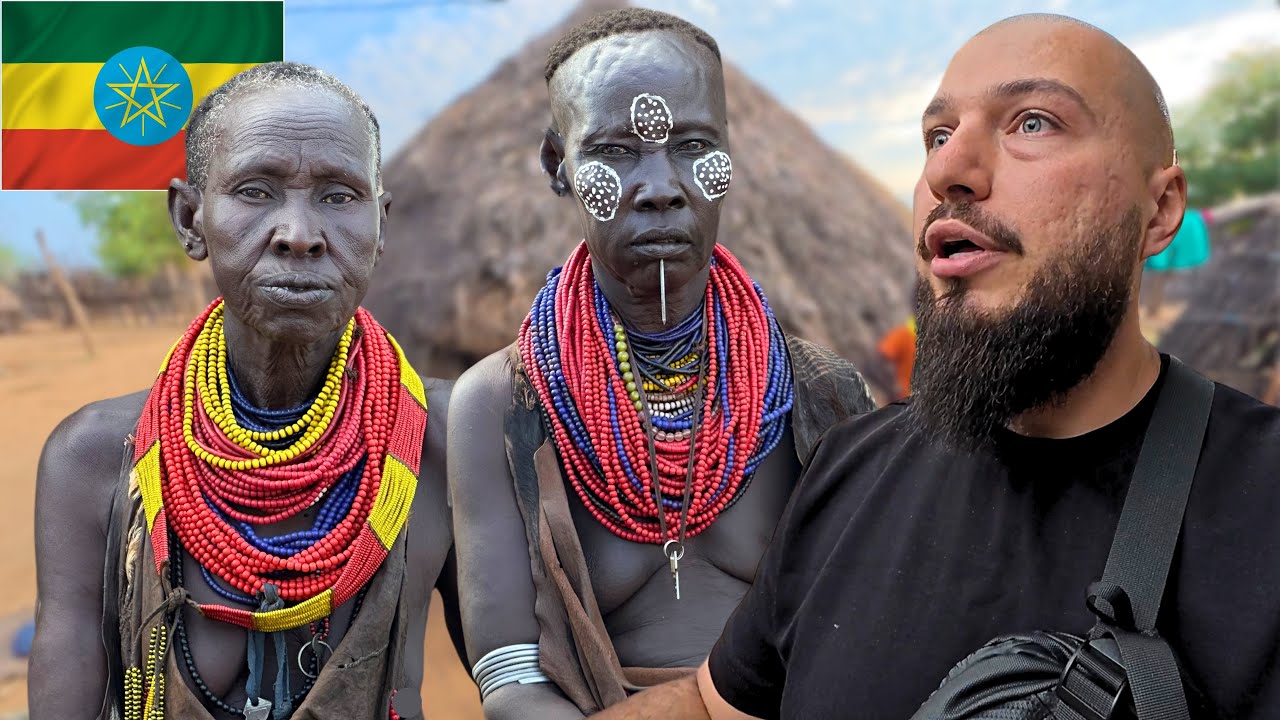
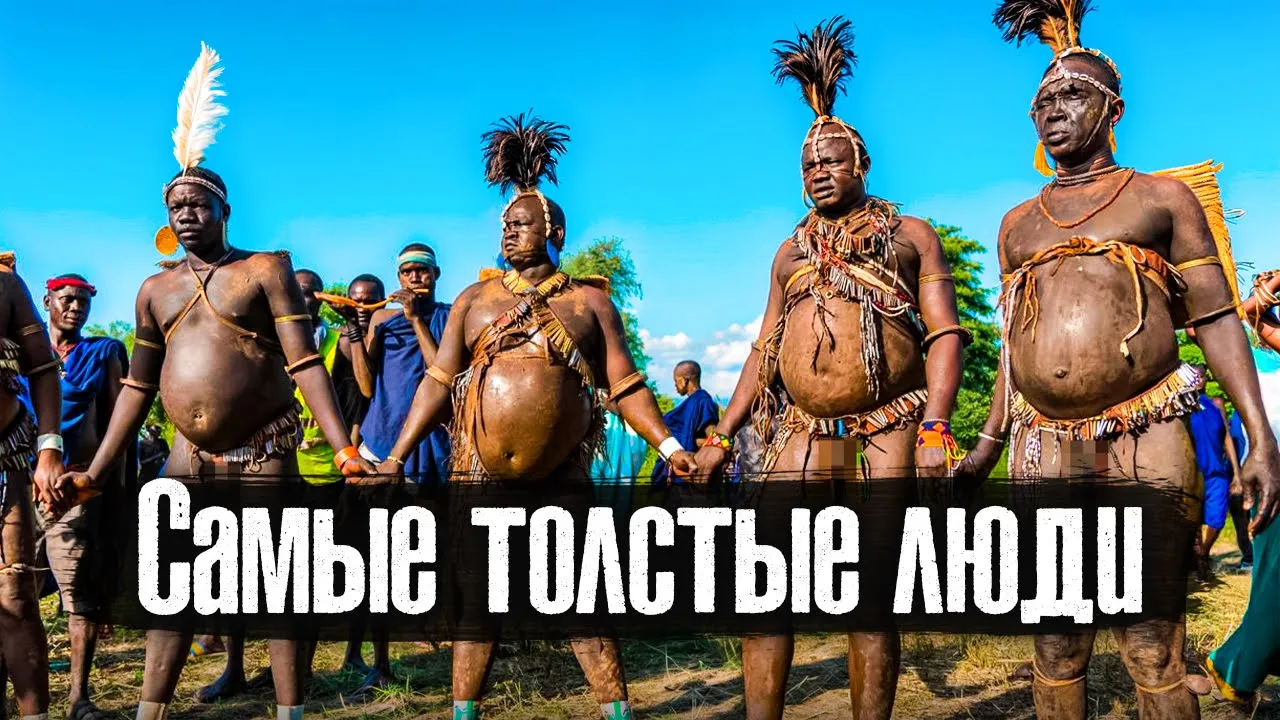

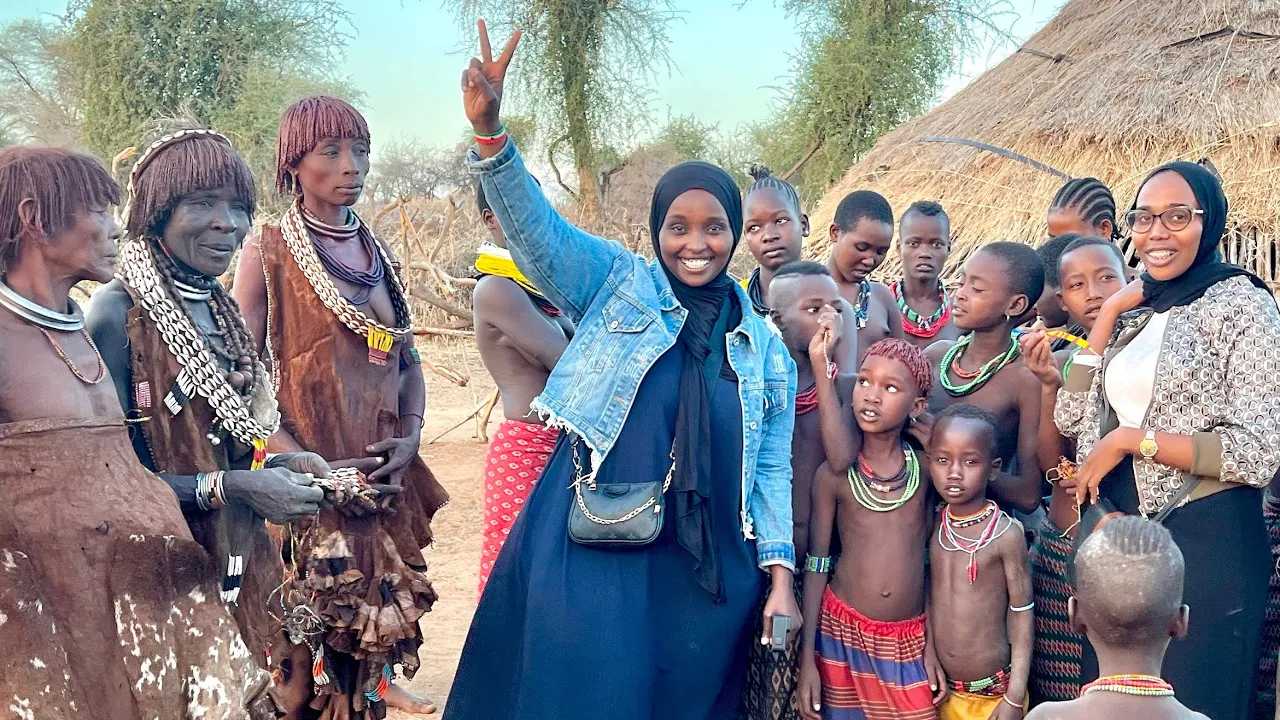
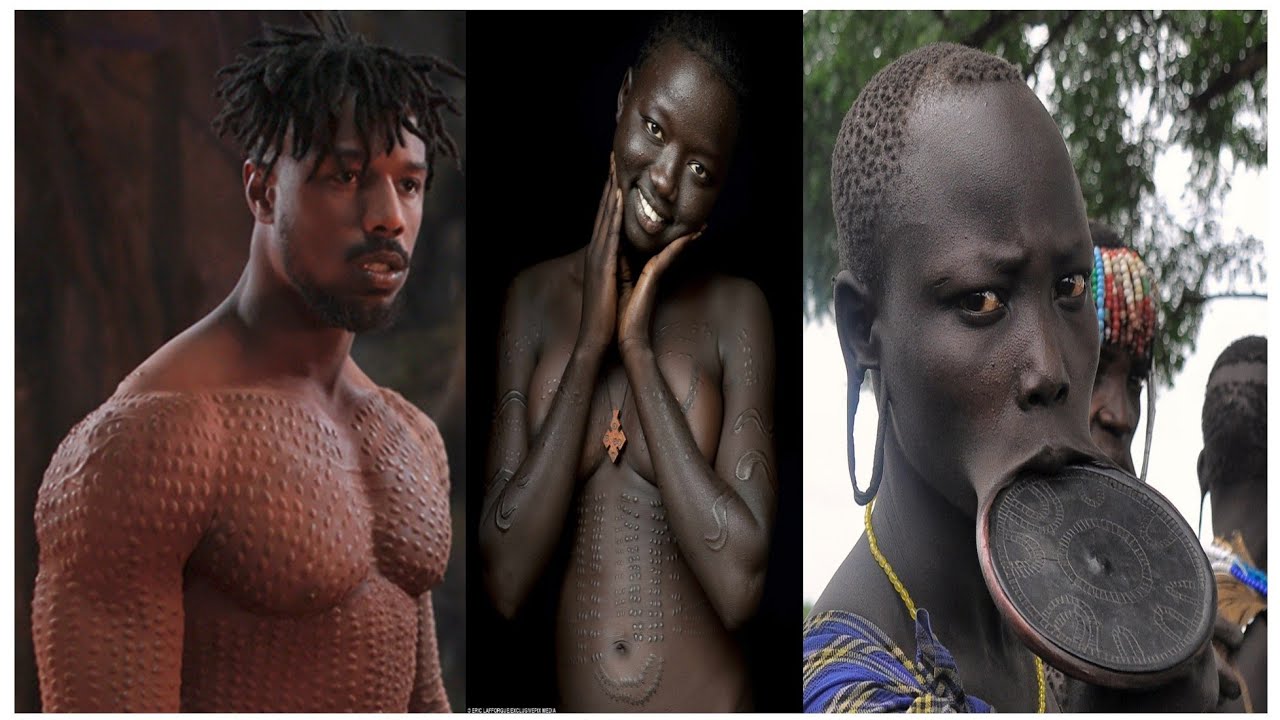




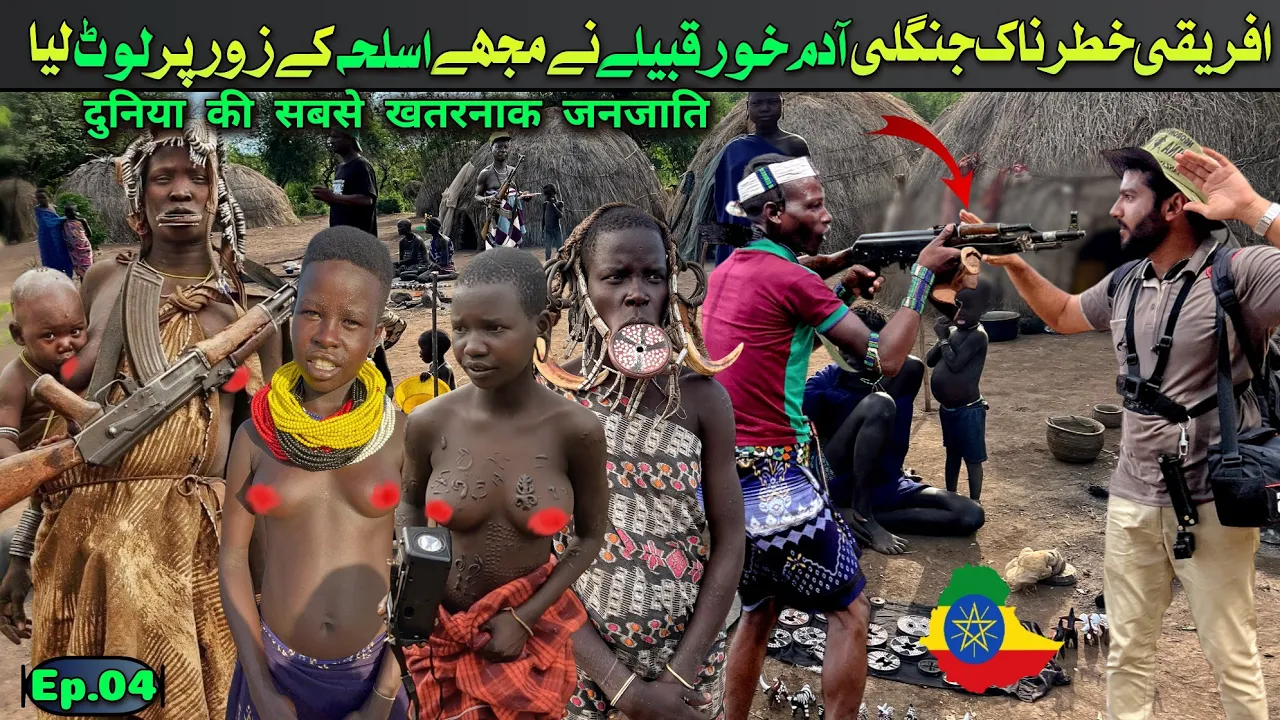








Rites of passage are essential cultural practices that mark significant life transitions and help individuals establish their identity within a community; these rituals, which may include scarification, physical challenges, or other transformative experiences, serve as powerful mechanisms for creating psychological boundaries between life stages and fostering cultural continuity, even as external pressures threaten traditional ways of life.
Mursi Tribe Rites of Passage Documentary | Lower Omo Valley, Ethiopia
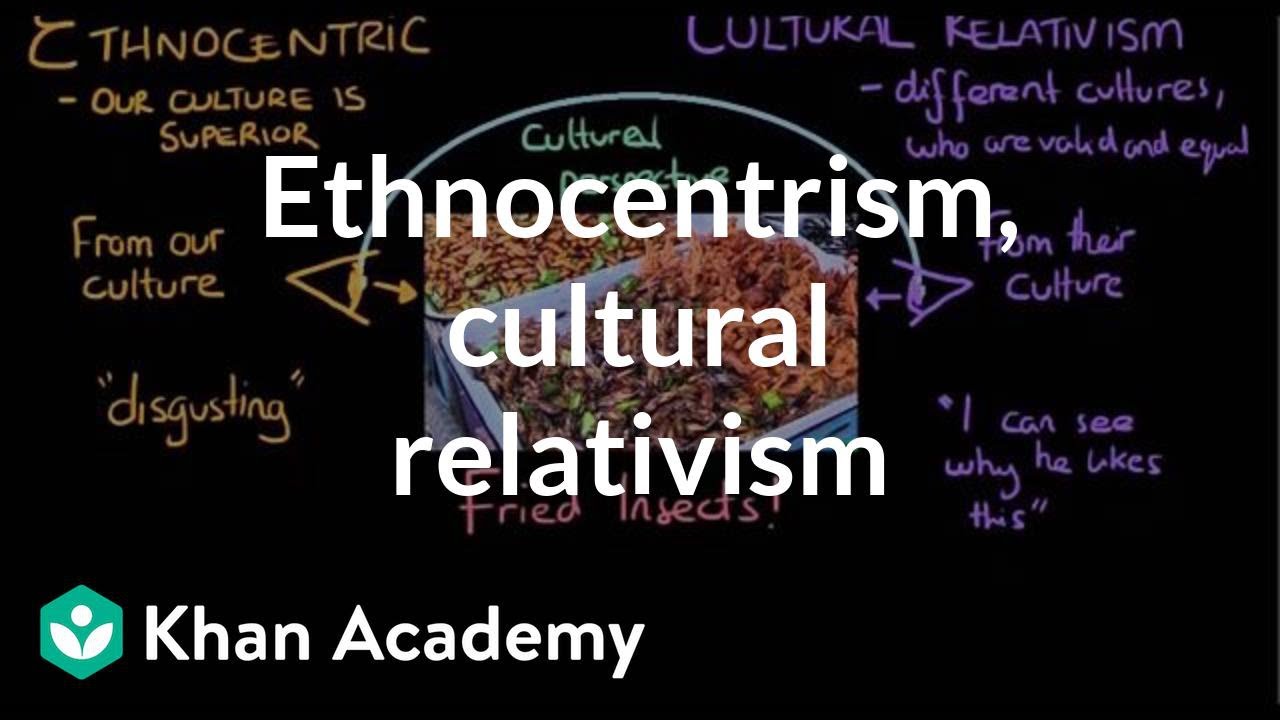
Added:Understanding the concept of Cultural Relativism versus Ethnocentrism to objectively analyze unfamiliar cultural practices.
Arnold van Gennep's anthropological framework of 'Rites of Passage', including the three stages: separation, liminality, and incorporation.
The basic geography and socio-ecological context of the Lower Omo Valley in southwestern Ethiopia, particularly regarding pastoralist and agro-pastoralist lifeways.
The anthropological significance of body modification (such as scarification and labrets/lip plates) as symbols of social status, ethnic identity, and gender roles.
The socio-economic impact of globalization, commodification, and cultural tourism on the traditional practices of the Mursi people.
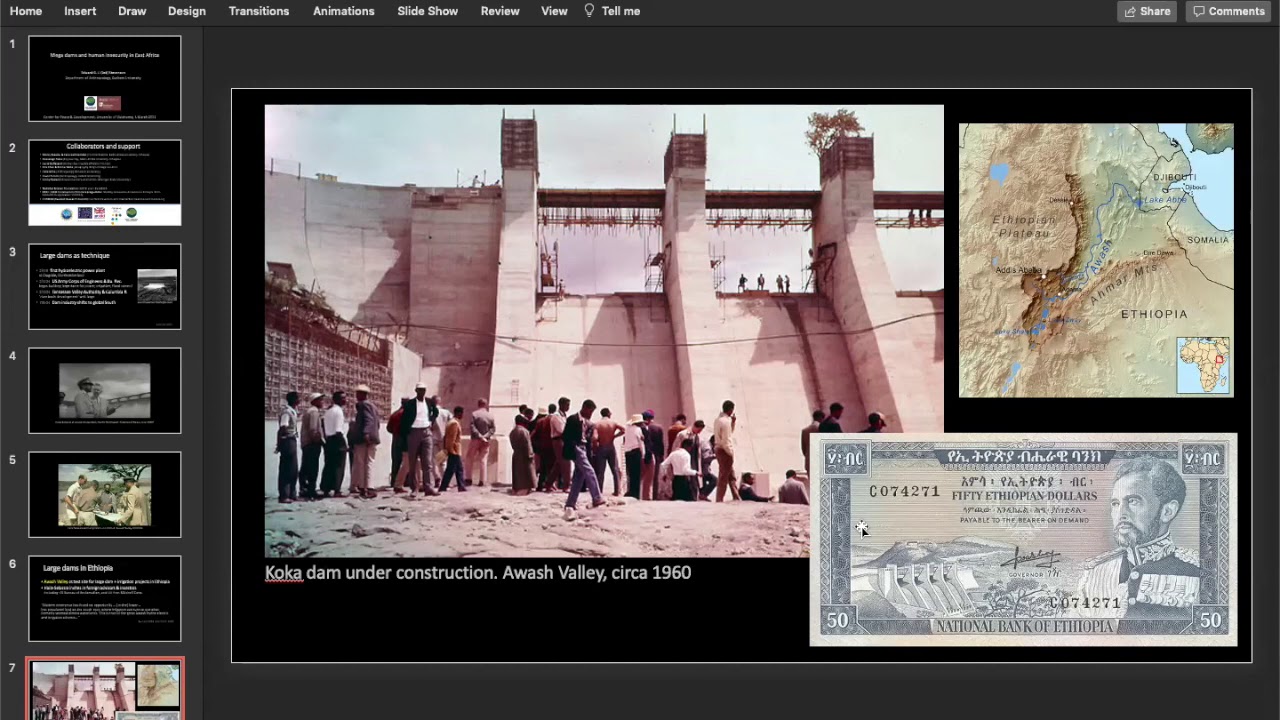
The effects of state-led development projects (such as the Gibe III Dam and sugar plantations) on the displacement and resource-security of Omo Valley tribes.
Comparative ethnography exploring neighboring pastoralist groups in East Africa, such as the Maasai, Samburu, or Hamar, to compare ritualistic systems.
The ethical implications of visual anthropology, examining how indigenous cultures are represented, exoticized, or preserved in Western media.
7.2M views133.5Klikes24:31Original Release: 2022-06-10
- [Mike Corey] Warning.
This documentary contains graphic cultural events.
Viewer discretion is advised.
We're in deep right now.
I'm covered in blood and feces.
And most of it's not my own.
It's been a crazy day.
So, often I find myself having to remind my audience.
Well, actually, it's usually not my audience, because the people who are subscribed to Fearless & Far, know how deep we go into these faraway places.
But in this video we see a bit of blood, but we also see an incredible side of the Mursi, that hasn't really been shown before.
So if you're new here, know I'm gonna say next: keep an open mind, and keep an open heart.
Just because something seems weird to you, doesn't mean you're right.
People live different ways.
Cultures are different.
There's no right way or wrong way to live this life we live.
So there are some shocking things you'll see today, I promise you.
Please look at it with an eye of understanding.
Eye of a traveler.
Thank you.
Fun fact: There are only two African countries, that have never been colonized by Europe: Liberia and Ethiopia.
Ethiopia is a true kaleidoscope of humanity.
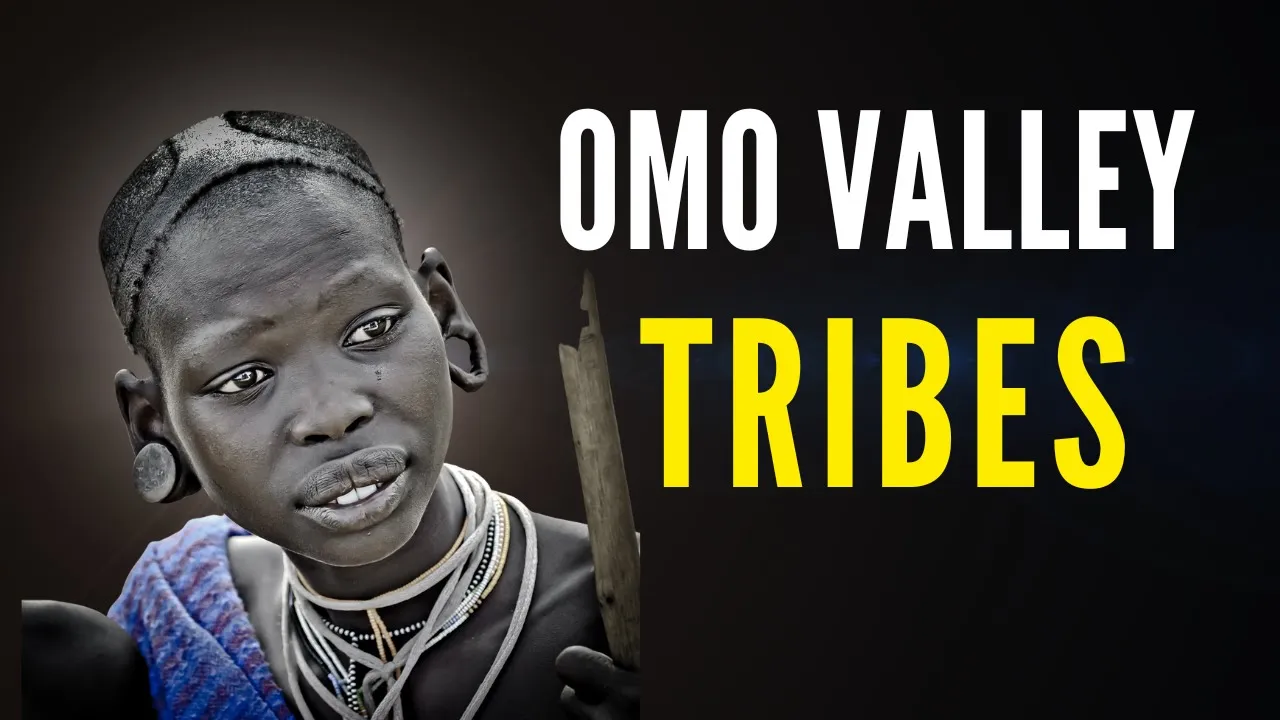
The lower Omo valley, especially, where you can see some of the most vibrant tribes in the world, still living traditionally.
We'll be visiting many of them in the videos to come.
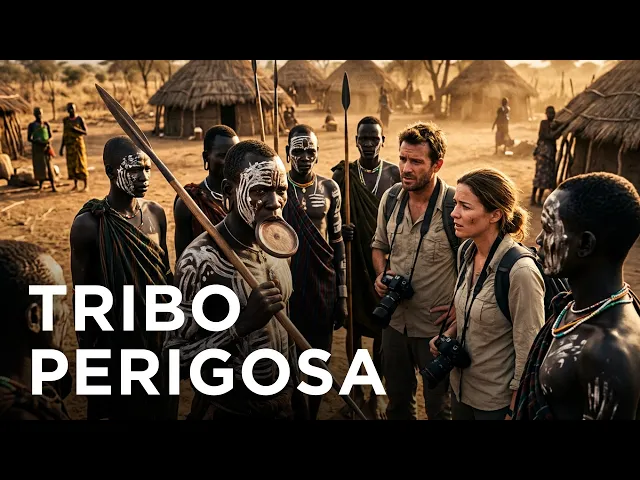
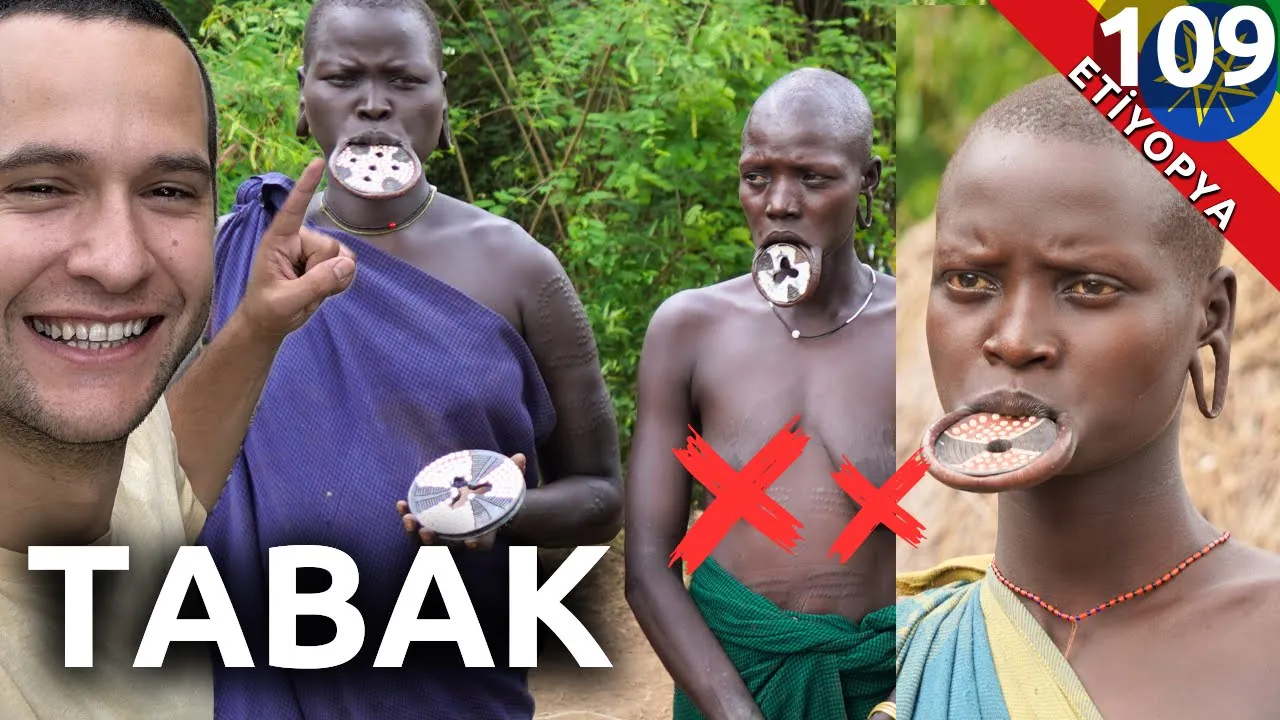
But first, it's the Mursi tribe, famous for their lip plates, Kalashnikovs and scarification.
They've been called the most dangerous tribe in the world.
Well, what I've learned in my travels, is to not judge things you haven't seen yourself.
And also, that the world can be unlocked with good local contacts.
So, meet Gumbo, who helped me organize this trip.
And Abye, an amazing local guide, who lives in Ethiopia.
And, also joining us, Ben... - [Ben] You're already making me look pretty, Mike.
- [Mike] a talented videographer, who's always up for an adventure.
The goal of this series in Ethiopia is to explores people.
And there's no better place to start than here.
First, we arrive at the Mursi cattle camp, a short distance away from the main village.
- Oluturra. - Mike.
I notice some of the boys have paint on their faces and bodies.
I find out it's not actually paint.
(cow moos) It's something else.
(ash and soil scraping) (hands rubbing) Okay? We're gonna get a little bit of um (they laugh) Little bit of Mursi skincare.
Smells about right: ash and dung.
(Mursi spoken) MM-mmm It's used for beauty, and for sunscreen.
(men laughing) There we go. Uh-huh.
Cow dung, ash, little bit of dirt.
The man to my right is Olu Chalare.
He's the chief, and he's given us his good graces, armed with a Kalashnikov and a pink butterfly necklace.
This man is a warrior.
Before we came, people said that the Mursi tribe, that we should be scared of the Mursi tribe.
Why do people think that?
He's put off by the question.
He doesn't think it's true.
- And why do so many Mursi have guns?
- Mm. Then you get strong. - [Abye] You get strong.
- Big muscles. You can fight. Pa-pa-pa.
And protect. (Olu laughs) And tell me about these here. These scars.
Kinda like this, but different.
The girls love men who have scarification. (laughs) - [Abye] Yes. That's to attract the girls.
- Oh, thank you.
My artist would love that.
Yeah. I love this.
This is very beautiful, right here, with the circles.
But what did they use to do the circles?
- [Abye] With the razor blade.
- With a blade! Does it hurt?
That was about the same for me, actually.
But the ladies like it, right?
Besides getting ripped to protect their cattle, Mursi men compete in a ritualistic stick fight, called donga, where two-meter-long branches are used to beat the living shit out of each other, naked.
The winner gets his first pick at a wife.
But you need cattle to exchange for that wife.
And often it's over 30.
The area is under a lot of pressure, after several hydroelectric dams have been built on the rivers here.
This has changed the landscape of the Omo valley, and caused rival tribes to raid the Mursi, and steal their cattle.
It's tough times for these people, and life here can be volatile.
That's from the Hadza tribe.
- [Mike] And then tattoo it like this. (laughs) Have you scars?
- Hm-mm. - Oh yeah yeah.
Scars and the scarification there. (laughing) And then the chest. Oh, that looks deep.
And some bracelets, and the necklace here, all plastic.
Uh-huh. Amazing.
Me, just this, this, this too.
Uh-huh.
(scoffs) Oh yeah. Yeah. Yeah.
A bit later in this video, I end up getting a few scars of my own.
There hasn't been that much rain recently in the area.
So the cattle are being kept in a place away from the village.
So here, this may be what eight or so.
Another maybe 10 or 15 over there.
If you have wealth, how do you save that wealth?
We use bank accounts, but basically it's kind of the same thing.
These cows are kept here.
Each one's worth a certain amount.
You feed them, they produce interest, which is basically just like milk and blood.
That's what they eat here, actually, is the milk and blood of the cow.
They generally don't kill them, because it's worth a lot.
Again, you don't take a chunk outta your savings.
You kinda live off the interest, I guess, with cattle.
And these boys here enjoy hanging out at cattle camp, partly because there's free food all day, so they can get jacked.
And part of this culture is like being a warrior.
And if you ever tried to put on muscle, you know you gotta eat a lot.
And here it's not protein bars and, and whey shakes, it's blood and milk.
And that's a good job putting mass on your body, for sure.
Oluturra wants to show us how they use the cattle for food, without killing them.
The men make soft noises to relax the cow, which sounds strangely like a chicken.
The Arrowhead is small, so not to pierce too deep into the animal's neck. (bow snaps) After the blood is taken, the wound heals quickly.
And while the cow's a little spooked, see, she's fine.
Then he drinks it, faster than I could chug a beer.
After, he wipes his mouth with a rock.
I thought blood was something you sip.
But my man Oluturra here, had... this is what, two liters, a liter and a half?
It's basically down to the bottom.
That's one stomach full of blood right there. (laughs) Crazy. (cow moos) Smell, honestly smells like milk.
He obviously doesn't think I'm gonna do it.
Should I do it?
(smacks his lips) (Mike laughs) (Mike blows his lips) And I use the rock, right?
Like this? - Yeah.
- Uh-huh? Like this?
Funnily enough, it's not the first time I've done this.
(Mike laughs) And what I told myself before, was that is it any different than just a steak milkshake?
If you like your steak rare, is this any different?
Maybe a little bit.
But surprisingly it doesn't taste like blood.
It does taste kind of like... The texture is like congealed jello.
And now there's a bit of blood in my mouth.
It tastes like I bit my tongue. (laughs) But when you drink it, it's still warm, and it doesn't even... You would think it's like liver or something, right.
Something really strong blood taste, but it doesn't really taste too strong of blood.
And if you just kinda close your eyes, and take a sip, (jug thuds) you wouldn't really know what you're drinking.
Though, there, the aftertaste.
Yeah.
The after tastes kicks in pretty strong.
- [Ben] Is there any left?
- Yep. - [Ben] Can I try some?
- You certainly can.
Sit next to our man here.
- I just wanna try it.
- [Mike] This is why I hired you, man.
(others laugh) - You wouldn't even know.
You wouldn't.
- Yeah, no, it really, it really isn't.
Like this is... Ben's telling the truth.
It really isn't as bad as you think it is.
- [Gumbo] This is how we do it, right?
- It's how we do it, Gumbo.
- You wouldn't even know it's blood.
- Gumbo, you're saying we. So hey... Gumbo is saying we. - Yeah, we!
- Come on, buddy. - It's more than - - Let's do it! Let's do it! - This is how you This is how you do it.
This is how you do it.
(loud bantering) Gumbo's saying we.
- No. I'm actually vegan right now.
(men laughing) - You had steak last night for dinner.
- Join my club.
- He had steak last night for dinner.
- I'm a recent vegan.
(laughing continues) - [Mike] Oluturra continues my cow dug makeover.
I can't say I'm ready for a naked stick fight, but it looks good. Right?
(Mursi greeting) - Muscle city. Mursi warriors.
After breakfast, the cows are led off to graze.
And we load back into the car, and head down to visit the women and children in the village.
(upbeat drum music plays) Excuse me.
(Mursi greetings) So actually, we were here yesterday, briefly, before the sunset, just to make some friends.
One thing when you're visiting people anywhere in the world, whether it be back home in Canada, for me, or here in Ethiopia, is you can't just barge into someone's house with a camera, and expect to be welcome.
Imagine if someone did that to your house.
So we came in yesterday, hung out, shot the shit, had some fun for a few hours, and then we're coming back today to the village.
The boys, though, that was our first time meeting them.
Honestly, I'm just super honored to be here.
And, like always, I just try and do what the locals do.
That's kinda like my secret.
If I have a secret. I don't know.
I just really appreciate people for being people.
So, let's go say hi.
(pastoral music playing) A few of the women are selling bracelets.
A few have lip plates, scars and piercings.
To break the ice a little bit, I asked them: "What makes you happiest in life?"
And what about these?
These scars?
Can you tell me about those?
- Oh yeah. (indistinct) And what does it mean?
And does it hurt?
Uh-huh. Like that. Ah, with the thorns.
Ah, do they use, this is the thorn they used to use?
- [Man] Yes, that is what they use.
(woman laughs) - Oo. Ouch.
One of the girls we meet is Natui.
She learned English in school in the big city.
She told us it was actually pretty tough for her.
And the kids made fun of her, because of her lip plate scar.
I asked if we could talk about it on camera.
And she said, follow me.
(pastoral music plays) Natui!
- Hey? (laughs) (buzzing) This is all sorghum, right?
- Yes. We love them. - Sorghum fields.
And it's for, you make porridge?
So these fields look like corn, and there is corn, but this is actually sorghum, which they make like a corn, well sorghum porridge with.
(breathes out heavily) Back in the day, it was all just cows.
But it's been hard to graze cows.
They have some, but they've gotta fill in the gaps with... (laughing) Seems if you lost it.
Oh!
- [Ben] What happened?
- The leaf cut my lip.
- [Abye] Yeah. Yeah. They're sharp.
- [Mike] Yeah, super sharp.
(Natui laughs) Just didn't expect to get cut by a leaf.
Fun fact: a lot of grasses have silica on the edges.
This is your civil science fact here, boys and girls, and silica is glass.
So grass has glass edges, that can cut you.
And one just cut me in the lip.
Maybe I'm being a baby, but I didn't expect it.
Natui, I lost you!
- [Natui] Here. Come.
Come on.
- [Mike] Hello?
- Hi. How are you? - I'm good.(laughs) I don't know where we're going, but that's usually the best part about travel. Right?
- Come on.
- [Mike] Where are we going?
- We going here. My mum.
(leaves slapping) Let's go. (Mike laughs) Look here. Mum. Look Mum.
- [Mike] Oh it's another, it's your mom?
- Yeah.
- [Mike] Ah.
We set up a couple cameras inside her mom's house, and we heard the story.
So Natui and - - [Natui] Mm. Yes.
My name is Mike.
- Mikey. - Mike.
Or Mikey. Some people call me Mikey.
- Mike. - You can call me Mikey.
- [Natui] How are you today?
- [Mike] I'm good.
Natui speaks English, by the way.
A little bit.
- Yes.
- She went to school in Addis.
And so we'll speak a little English, and then a little Mursi, I think.
- Yeah. (Mike laughs) - And when she is unhappy, what does she do to be happy?
- [Abye] I don't have a husband now.
Hope I can find a good man. I'll be very happy.
(Mike laughs) - Maybe that's why she's playing with my toes right now.
- [Gumbo] Okay. (Mike laughs) (indistinct speaking) - All right, all right. Understand.
When you went to school, what did the other students think of your lip plate?
- [Abye] They got scared.
- People were scared of your lip?
- [Mike] It's a tough situation.
Personally, I want to live in a world, where things like lip plates exist.
It's the magic that makes planet earth exciting.
But it's not my decision to make.
The last thing I want to see when I travel to remote places, is people with blue jeans and iPhones, but who are we to hold people back from having these things, that we all enjoy so much?
I guess I just want to experience everything I can, before it's gone forever. A little bit too close.
Speaking of which, when in Rome, and since everyone here is scarred up, like it's the coolest thing in town, I thought I might give it a try.
I mean, how bad could it be?
Right?
We're gonna get hand sanitizer.
We're gonna sanitize it first.
(chatter in Mursi) And she's gonna sanitize her hands first.
And we'll be doing this the right way. Okay?
Bloodborne diseases are a real thing.
So while this is definitely gonna suck, at least there's nothing to worry about.
One second! Hold on! - Yeah.
(girls laughing) - Let me prepare myself, before you dice me open with a razor blade.
Okay! (breathes out heavily) (Mursi spoken) We're gonna give this a shot.
We've rubbed dirt onto the cut, which is... Well, we've rubbed dirt onto the area that the cut's gonna be on, which is always very sanitary, but we sanitized our hands, and we're going to do this. (scoffs) Natui puts her hand over my eyes.
She thinks I'm scared.
I think it's worse when I can't see.
Have they started?
- [Abye] Yeah.
- Oh, I don't feel anything.
Oh, I felt that one.
Oh yeah.
(background chattering in Mursi) (Mike breathes out heavily) Think you're supposed to... It's a little strange when (breathes out loudly), not to see what's happening.
Some of you are probably asking: why.
Well, since the beginning of time, humans have created powerful rituals to draw a hard, thick line between childhood and adulthood.
Most of these now have been squashed.
Spirit quests, college hazing, walkabouts, scarification, banned or thrown away, because they're too harmful.
But if you don't destroy your own foundation willingly, life will do it all on its own.
Without rights of passage, we wander our lives as children, especially men, who don't have one baked into their biology.
The easiest way to create a right of passage?
Travel.
Go as far as you can.
It should be scary.
You should feel lost.
You should cry.
That was it?
(Mursi spoken) Can she do two more?
- [Natui] Yes.
- Guys, that wasn't... (Natui speaks in Mursi) I barely felt that.
(Mursi spoken) - [Abye] She was being careful not to hurt you.
- She's been careful?
I travel to create my own rights of passage, to draw my own lines between the chapters of my life.
That's why I do the things you see me do.
These scenes are pretty graphic.
And while I know you can handle them, I know YouTube can't.
I have to put them on Patreon to support the channel, and see the uncut versions of my videos.
Follow the link.
There it is.
Oh, wow. Look at those three other lines.
- [Natui] It's good?
- Yeah, that's beautiful. - [Natui] Yeah.
- In all honesty - - This no good.
- I thought that was gonna be way worse.
- Like this, is nice.
- Eh, we brought some bottled water to wash it first.
But what do I think? What do you think?
It honestly hurt, and especially the thorns, but it wasn't as bad as I thought.
Some of my tattoos were worse than that.
(upbeat music plays) There it is.
(upbeat music continues) Well, I had a bit of blood to lose, because I drank a good couple mouthfuls this morning.
(laughing) And then what happens now? Do I leave it?
And does the ash make the scar... develop? (chatter in Mursi) We don't really have an instruction manual here.
It was my first time rubbing dirt into a fresh wound, so I had a couple questions.
Okay, Natui. I thank you for your help covering my eyes. - Okay.
- I appreciate it.
Now. What is the aftercare?
How do, how do I take care of this?
Do I put ash on again?
- No. - No. I stop.
- Today. One.
- Only one day of ash. - Only one day.
- And then what? Do I wash?
- Yes! No problem. - Yeah, I can wash.
And then it'll be a scar. Right?
(Mursi spoken) And then it will be, I will be a man, right?
- Yes. (laughing) - Hey, what's up?
Whoop!
Whoop!
(sighs) So, usually in these videos and faraway places, there's stuff that I can't put on YouTube, because they'll take it away.
It's not good.
So where I put this stuff, is Patreon.
So if you wanna see some of the uncut footage of the beverage we drank, and the new souvenir I have, that's all on Patreon.
For now though, it's goodbye.
I hope that you got a deeper picture of the Mursi people here today.
Obviously they've been painted as a violent tribe, and it's very dangerous to meet them.
And yeah, there was some precautions.
We did have security.
But hell, we exaggerate these things so fricking much.
Right? We sensationalize everything in this world for clicks and for headlines.
These guys are cool, and they've got a lot of cool practices.
Mm-mm. It is a naked woman statue.
I don't think I need one of those, but we did give some extra razor blades and some soap, before we left today.
We are leaving today.
So, chase your fears, and I'll catch you in the next video.
Yeah. (scoffs) (indistinct speech) Do you guys want a bracelet?
I can probably keep the bracelet.
(theme music plays)
Up Next
10:38
Psychology of Internet Trolling and Pranks Explained
@AzzyLand
10.7M views•2017-12-20
38:41
Astrobiology Through an Anthropological Lens: Field Insights
@georgiatechastrobiology
128 views•2021-04-14
4:45
Proxemics Explained: The Study of Personal Space
@Vox
536K views•2016-07-05

50:00
Homo Habilis: The Handy Human Ancestor and First Toolmaker
@NORTH02
2.9M views•2022-01-29
Related Study Plans & Knowledge Roadmaps
Structured learning paths in Anthropology
anthropology
Space Anthropology: Analogs, Culture & Habitats
01Foundations of Space Anthropology & Cosmic Imaginaries
02Extreme Isolation & Micro-Societies in Orbit
03Space Analog Habitats & Earth-Based Simulations
+ 2 more learning modules
15h5 modules
Explore Roadmap
anthropology
Legal Anthropology: Customary Law & Pluralism
01Foundations of Legal Anthropology and Social Justice
02Legal Pluralism: Coexisting Legal Systems
03Customary Law and Indigenous Dispute Resolution
+ 2 more learning modules
15h5 modules
Explore Roadmap
anthropology
Global Tourism: Gaze, Authenticity & Heritage
01Introduction to the Sociology of Tourism
02The 'Tourist Gaze' (John Urry)
03Staged Authenticity in Tourism
+ 3 more learning modules
14h6 modules
Explore Roadmap
anthropology
Modern Kinship (ART, Adoption & Chosen Family)
01Foundations of Kinship and Family
02Assisted Reproductive Technologies (ART) & Relatedness
03Transnational Adoption and Global Kinship
+ 2 more learning modules
12h5 modules
Explore Roadmap