



![This Is [REDACTED] | Call Forrest Valkai & Austin Archer Sunday Show AFTER DARK 12.21.25](https://i.ytimg.com/vi/lUaWCl6bXJ8/maxresdefault.jpg)








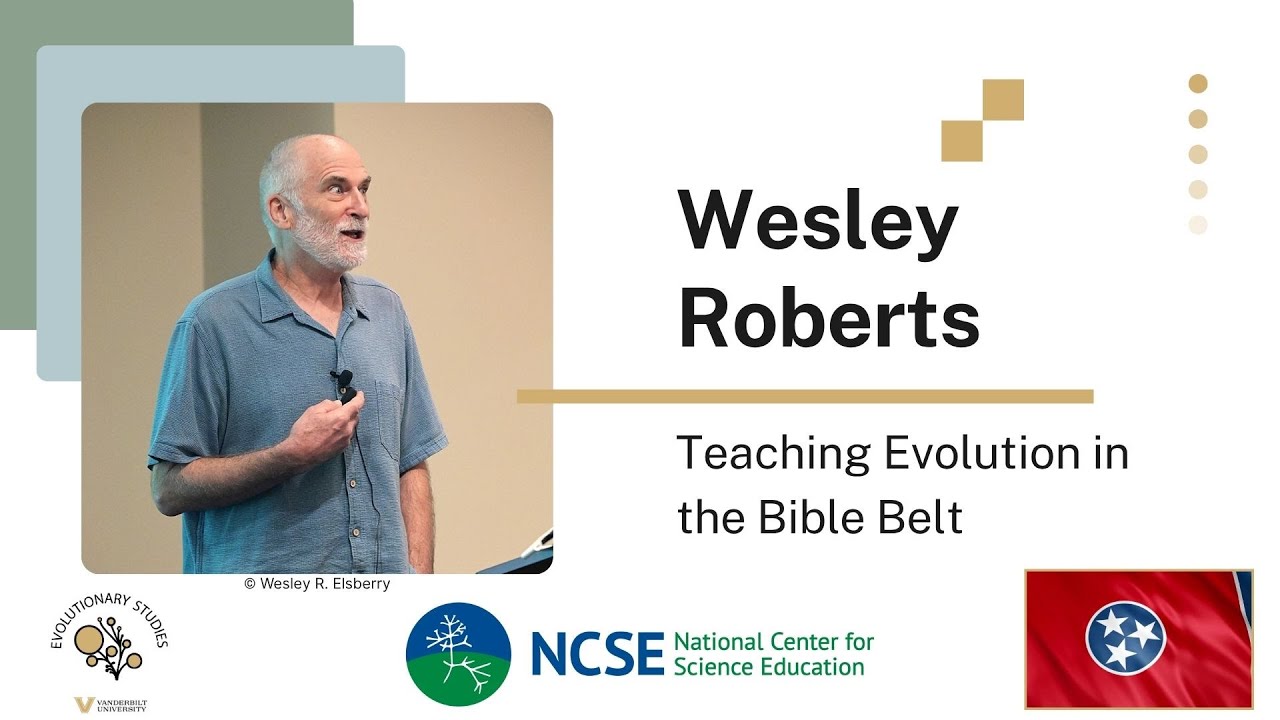


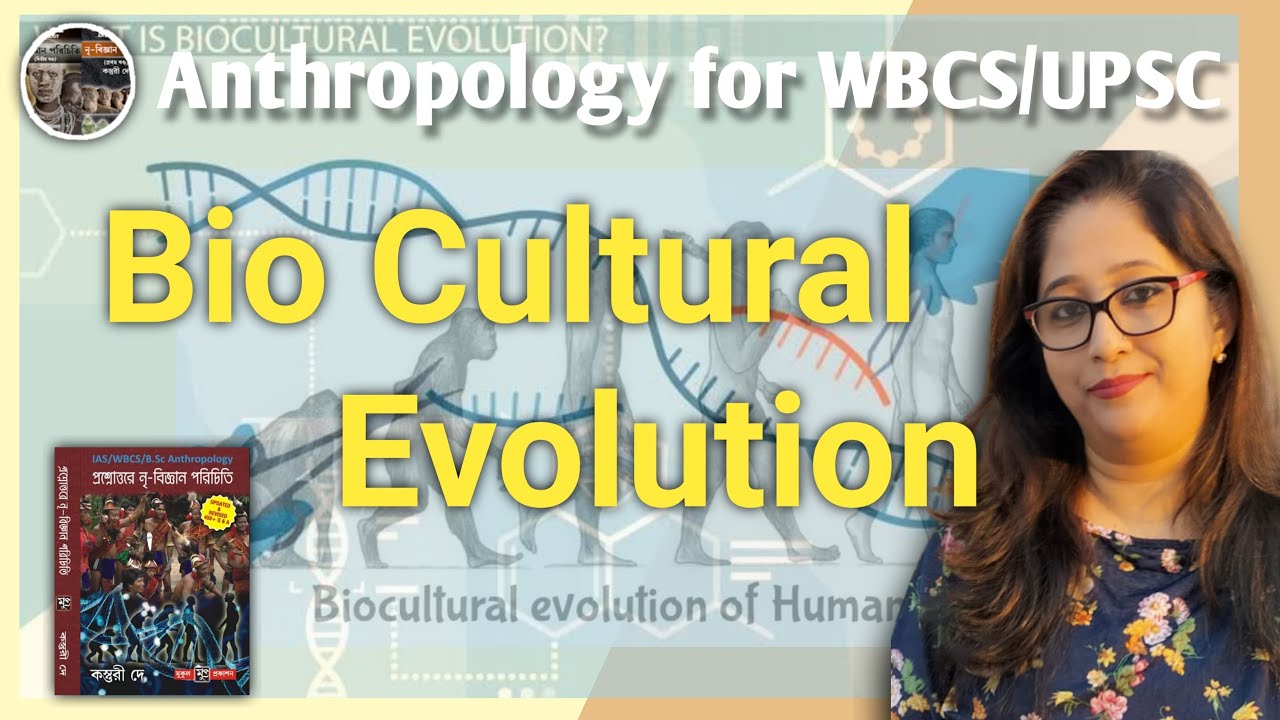



Science is constantly evolving, with new discoveries reshaping our understanding of human origins and evolution; effective science communication requires making complex anthropological concepts relevant to students' lives and interests, while also addressing how we frame questions about human variation to avoid problematic divisions between groups.
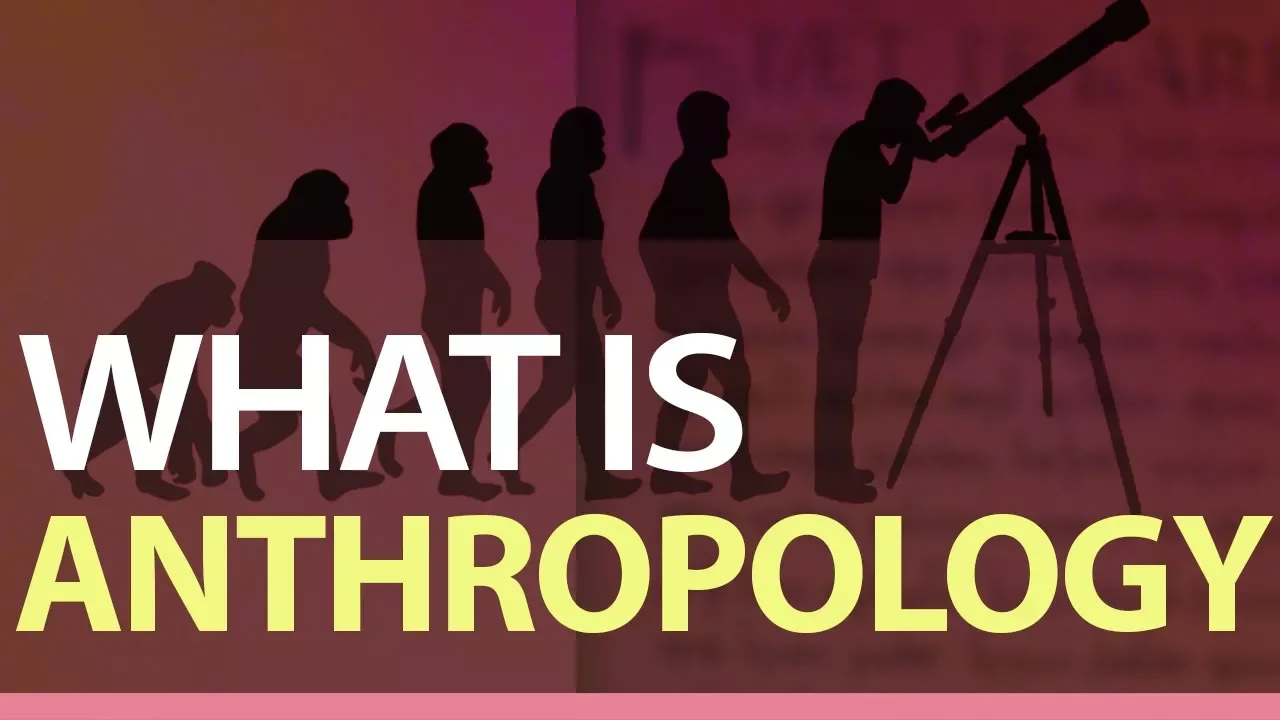
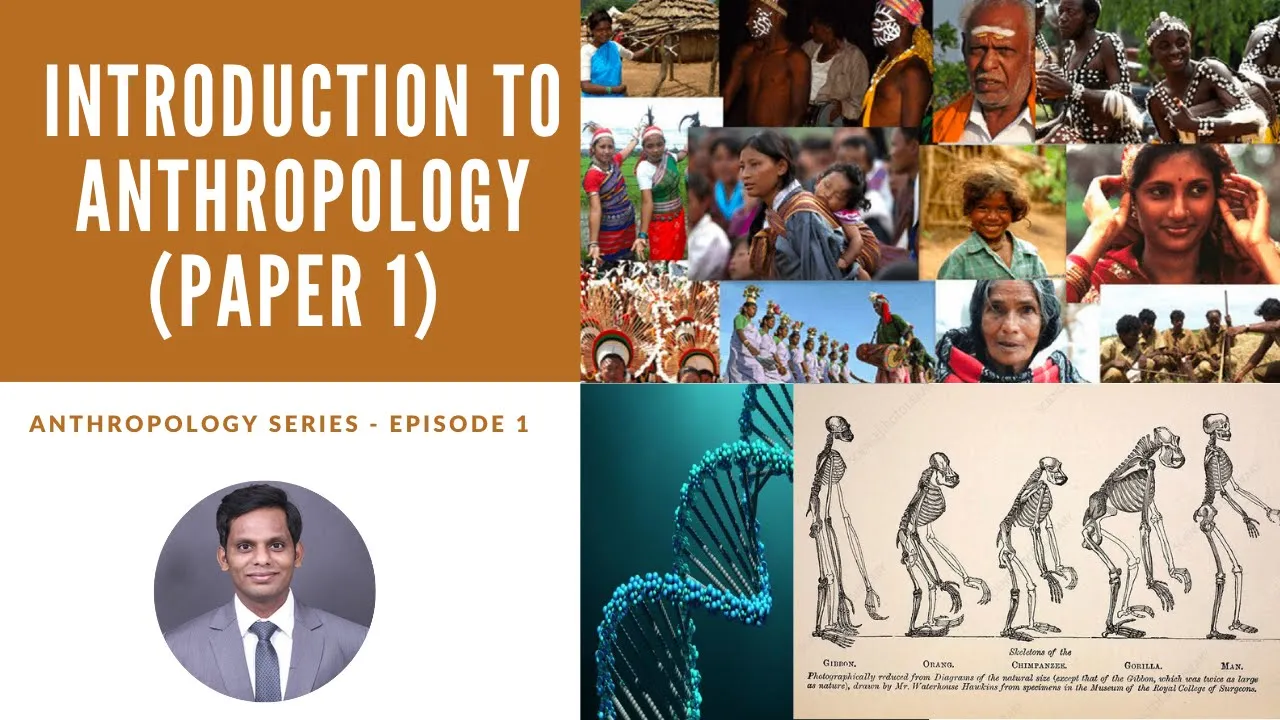
Anthropology, Science Education, and Human Evolution Explained
Added:Basic understanding of the theory of evolution by natural selection and the general timeline of human lineage.
Familiarity with the four major subfields of anthropology, with an emphasis on biological anthropology and archaeology.
Fundamental concepts of the scientific method, including how scientific theories are constructed and updated based on new empirical evidence.
Introductory knowledge of how genetic data (such as DNA sequencing) and physical fossil records are analyzed to study human origins.
Advanced methodologies in paleoanthropology, such as the extraction and analysis of ancient DNA (aDNA) from hominin fossils.
In-depth exploration of contemporary science pedagogy and communication strategies for teaching evolution in diverse or controversial educational settings.
Study of biocultural evolution, investigating how human culture and biology have co-evolved and influenced modern human behavior and health.
Critical analysis of scientific epistemology, focusing on how paradigm shifts occur in anthropological research when new fossil or genetic data emerges.
295 views21likes57:24Original Release: 2022-10-30
have you ever sat and stared up at the stars and wondered where did we come from let's take a journey like no other not to a place but to a Time join us as we delve deep into the human past and explore our shared human Origins welcome to the world of paleoanthropology hello everybody this is Seth with the world of paleoanthropology and I know it's been a while since we've had a new The Story of Us episode but I'm very excited to be bringing on our new guest Professor Mark Kissel and I will hand it over to him to talk a little bit about himself before we move on and just introduce who he is so I'll hand it over to you thank you and of course like everyone I hate talking about myself so I'm gonna try to do this anyway um yeah my name is Mark I'm a assistant professor at Appalachian State University which is in sort of um in North Carolina in the Appalachian Mountains as the name applies sort of at the intersection of a North Carolina and Tennessee I've been here for a couple of years now um and my research has sort of impaling anthropology human Origins human evolution and of late as well sort of thinking of a pedagogy and how do we best teach students about these topics in ways that are meaningful for them uh the sort of umbrella thing I work with is that generally speaking I'm an anthropologist in the rural South most of my students are only taking one anthropology class in their life so I get one shot to convince them about sort of you know the cause and consequences of human variation so yeah that's who I am and um yeah I'm really excited to be here well I'm super glad to have you I have been very excited for this interview so as you mentioned that brings up an interesting question I have you live in an area where anthropology is not a big subject what are you doing to try to change that in your mind starting with the big questions ASAP I guess what I try to do and whether I'm good at this or not is someone else's uh should weigh in is to sort of show the relevance of anthropology so I guess my best example is when I teach either the sort of General intro to biological anthropology class which is not just anthropology students but also people just you know in college who need their gen EDS or check sheet finished or also teach something called gender race in class which is a large course as well most of a non-anthropologists is I sort of you can sometimes preach to them that none of them need to leave the class knowing you know Lucy's cranial capacity that is the kind of thing that I might have to know if they become experts they have to know but that's not really the relevance right I want them to leave the class understanding the sort of what it means to be human the sort of very inclusive sense that allows us to understand you know the origins of things we see today you know classes and racism sexism and that so many of my students are engaged you know they want to fight for social wise and social justice so I see my job as saying hey here's some data from anthropology that could help you along your way so the sort of shorter answer to your question is I see my role as here's what we know about the past you know you alluded to this I mean not just here I mean I think in most parts of the United States people don't know what anthropology is and that's on us right we need to make a conservative effort to say hey we have this data people argue about human variation all the time and we anthropologists sometimes wonder why no one's coming to ask us when reality we have to sort of make ourselves a space at the table so what I try to do is do that in the classes right try to make it relevant to them not relevant to me and then as well sort of you know in different ways going to the local community talking to them I work a lot um not so much during covid I used to work a lot with uh Seminary students and theologians thinking about how can they use the science of human Origins to help their you know congregants better understand you know these sort of the questions that they get um uh sort of questions and I think the way you put that is a great way of just explaining that yeah anthropology is not well known and it is the job of people who are professors and science communicators to inform everyone because I feel like everyone can learn something from anthropology something whether they like it or agree with it you know there's something out there in anthropology that has a lesson for I think everyone and I think as well as we forget it's fundamentally interesting right I mean that's the lucky thing about being an anthropologist especially for on the human evolution side of things there's nobody who doesn't care about who their ancestors were that's why 23andMe is worth over three billion dollars or something like this right yeah people want to know these things and we have a fundamentally fascinating and interesting story to tell people so I think it does yeah like we said of science communication it's really sort of saying hey we have this data let's talk about it and talk about it in a way that's meaningful to other people right that yes in our own networks we could get into the nitty-gritty of super eniac fossas but in reality the public wants a story right and we learn through these stories about what you know how we became human what does it mean to be human and to tell these really sort of fundamentally interesting hypotheses about where we come from and importantly and I actually haven't I don't usually ask this question I'm not sure why but you seem to be someone who will be able to answer it quite well when we're talking about people who are dead set in their beliefs on certain things such as the Earth is 6 000 years old Etc how do you talk to these people in a way that is not offensive but we'll possibly open new doors for them no that is a very good question and I wish I had a succinct answer what I tend to do and I'm not sure if you come across this with people listening to this have is this a theory I think it's from Neuroscience called the backfire effect and essentially with the backfire effect says is that you know there's emotional facts and logical facts and logical facts and emotional facts are stored in different parts of the brain so when you have a logical fact you can sometimes convince somebody with other facts that they are wrong and they can change their opinion on something right emotional facts are harder to change and the reason why it's called the backfire effect is if you try to change somebody's emotional facts right something about politics or the heavy set of uh you know you could think of an example right or with you know questions about sort of human Origins because it's inherently about you know I can took on theological issues when you sort of try to convince somebody that they're wrong by except for an emotional fact they're gonna sort of it's going to backfire and they're gonna become a more deep see the belief in their original facts so it's very hard in theory to change that kind of thing so that's sort of what I go in those conversations thinking about I sort of have it lucky it's like a theologian or if a seminary is going to invite me to come over there for the most part they're already willing to listen to these things and what I tell them because oftentimes it's not necessarily the theology students it's their concern that when they you know go out in the world what happens and how they talk to people is I try to point out a couple of things right I said that you know not every religious person is a creationist and not every Anthropologist is a rabid scientist a science scientism of science is the only way to look at the past so what I try to do when I'm having those conversations I'm like here's what the scientific Narrative of where they come from is and here's how it could help you understand things that are interesting to you but what I think I probably do well I want to say is just being respectful right having that sort of open conversation um oftentimes depend upon whom it is I'll say you know I was raised Jewish which is very very different from most of people's backgrounds or feel uh religious folk so I think basically the my answer is that you have to do it with mutual respect and also realizing sometimes that we all have the same kinds of questions right most theologians they want to make the world a better place they want to make the world more Equitable and accessible for everybody and sort of anthropologists so saying that yes we might disagree in the minutia of what happened but overall I think we can have those conversations and you know this is biased I used to work at the University of Notre Dame where I was working with theologians so I definitely had maybe a different view than say some of my colleagues might have right right and I think that's very the point that you made are very important that you know not all religious people are completely against science and not all scientists are completely 100 um you're just saying what was the word scientism I mean dog manages there like I'm thinking right I don't want to say names but there's certainly some prominent maybe not so common anymore sort of a popularizes of Science in the 90s and 2000s who are writing books about why you know believing in God is stupid basically and I think that is problematic and that's sort of what where my work tries to push against because that kind of conversation I think goes nowhere right right it just leads to arguments and those just go in circles so what are you working on right now so the SE I mean it honestly depends I mean I teach 130 140 students a semester here so most of the time during the semester I'm just teaching and trying to keep up with emails and whatnot the exciting thing is and this is very new is my colleagues and I just got a large Grant from a the John Templeton Foundation and a bunch of people who've actually had on your part on your cast before like a Augustine Fuentes associated with this grant as well and it's a very large project my colleague Jennifer Jenny French who also should interview because she's amazing she's an archaeologist at the University of Liverpool does a lot of Leo demography stuff like how many neanderthals were there what can we know about demography in the past Jenny and I are working on an aspect of this grant is called the grants about Concepts and Concepts and basically looking at the question of how can ethnographic data better help us understand human Origins and human evolution which has been done in the past we're trying to take a more nuanced approach so what Jenny and I are looking at is the concept of technology right so how is technology changed but in a very sort of hopefully different way one thing we've been thinking about and again this is very new we just got like we officially got the grant a couple of months ago and just trying to get things in order is that you have containers right so carrying things and how has carrying things changed over time so we're looking at the ethnographic data now and then saying like you know how could it help us understand containers as a concept because you know pretty provocatively some humans are containers for other humans and that's just carrying right so what do we know about these Technologies over time and how has sort of Technology changed us and how have we changed technology I sort of feedback loop I mean other folks are looking at racism as an example some are looking at deep sea divers who those people who do the deep sea diving and hold their breath for long periods of time right so there's all kinds of things um and you know those of you listening who want to know more let me know because we're looking for postdocs and people to help the stuff because it's going to be a really cool project that is sort of what what I'm giving up to do right now in my copy of spare time yes your copious spare amounts of time and then also again at the question of the other I'm sorry the other thing I'm working on is sort of um sort of what I was doing my postdoc on was sort of like modern human Origins that sort of early human behavior so that's always sort of in the back of my mind but I'm taking a side branch when I'm you know in the middle of a semester right right I mean I one day I hope to be in your position where I'm in a professor assistant professor and I'm doing all my own research and everything but I mean first of all just while we're recording I just want to thank you for coming on because you just sound like you're so busy I just I appreciate you spending the time to come on um so this work that you're doing sounds fascinating and it really the importance of what you're talking about about containers really reminds me of what I'm doing in one of my archeology Theory classes and what I did last semester where I was studying um South America and the Andes and everything in their Pottery cultures and everything and I'm just thinking I never thought how far back those things could have gone and that maybe even yeah neanderthals had carrying containers so they must have you know it's for things so what have you found that leads to that conclusion well again I mean a lot of this work has become my by Michelle Langley a archaeologist in Australia uh and like there's not much right because containers don't really preserve that well and that's kind of why we're hoping that I have some students working on this right now looking at databases of ethnographic research that you know what do we find where do you find more recent and I think I'd say that the hook with we're trying to get is like there's different ways to contain things right and they have the very different functions but if we look at these functions as a large suite of things if you don't focus on just great these are containers for carrying water these are containers for carrying melody or what have you but how have containers change over time it might give us a sort of a different way to think about these larger processes that they're in effect but you know we're sort of always at the point where like as you know from archeology right we don't get most of the stuff that's preserved unless you have a really phenomenal sites so that's sort of what we're trying to think about is could we see other things you know in a South African side sometimes they have Ash's eggshells that are engraved with these little little drawings of stuff right right and you know they're all cracks we don't know what their function was but the the I think most folks would probably say they were used to sort of carry water or something because that's what was done ethnographically known so what does that mean can we use that to think more deeply about the role technology played right rather than just saying oh this technology gave us a fitness increasing in our ability to have kids they it's a lot more complex right like how has these changed the niche that humans live in right and of course that that human Niche is just all so important on how we do everything that we do um so while you're doing all of this how did kovid affect your work gosh I guess it depends on how like what you how you're going with the question so I'm pretty open about the fact that I have two kids at home and for the first year I mean from March 2020 until a year and a half later my kids were home and I was home and we live it up we're lucky enough to have a house puts a 900 square foot house with myself two kids and uh my wife so he was a struggle to get anything done uh to be honest you're all like I would still try to teach the best I could um many of my students don't necessarily have good access to like Zoom or computers or Wi-Fi so most of the time I was trying to figure out how to even do anything that was remotely good to like teaching wise um and the other thing was that I was lucky enough I'd been in app state for a while but uh my position was not 10 year earning I wasn't in a 10-year track job and starting in Fall 2019 I got a 10-year track position here which is like you know like it's so hard to get I got so so lucky right right of course like then very soon after everything shut down I had um all this money sort of like negotiated to go places right and suddenly I couldn't go anywhere um so sort of influence that sort of like my plans and sort of research so this is kind of when I began to think really deeply I mean I've already thought about it but the pedagogy the sort of teaching stuff because that was stuff I could think about at home I didn't have to go and it also kind of changed my mind a bit and sort of even I love field work I think it's great but do I always have to be doing field work you know I personally would rather be home with my kids than gone for two months somewhere so it gave me a way to help you about that as well but yeah I mean it did I think for all of us anyone in a field based uh job it made me really think about that and of course the second part is how students you know undergrads grad students how they were going to deal with this too because I was I got I squeaked into the job just that everything went down right so like right now help people who are in the same position I was but didn't have the sort of privilege of a kingdom track job yeah yeah and also I'm still like most days like I have no idea what I'm doing I'm so tired that definitely seems to be a theme among the anthropology professors that I have um talked to definitely as we were talking about on Twitter the other day keeping up with everything is just incredibly difficult to do even for people who that's all they do it's hard to keep up with everything there's always new news coming out what is your favorite piece of something new that you're aware of that's come out recently well okay just this morning and I just read the article so I'm popping at the details wrong but I was reading an article looking at um basically muscle attachments in the thumb and how those muscle attachments differ between humans and non-human primates probably because of tool use so what the scientists did and this is published in the journal paleoanthropology which is open access what they did is they went and looked at um common fossil to have the the phalanges and see can we see those muscle attachments in hominins like homans being primates that are more closely toss than to any other living primate so things on our evolutionary tree and the question was well the backstory here for those who don't know is there's a hot mess about how often when we began using stone tools right and like sometimes I mean like 3.3 million years ago there's things that might be stone tools but not everyone agrees upon that there's cut Mark bone that's also fairly old but not everyone agrees those are really cut marks so that the example in this in this piece was like well if we can see that the thumb has been evolving toward using stone tools when did that begin and what's kind of cool is they see like something like hormonality which is not very old uh but even some earlier things it's begin to show this sort of unique muscle attachment that was kind of a cool idea like you know everyone's been it's sort of a why I liked about the paper was that it's the benefit of like what happens when you do read broadly right because these signs just found out about this new way to study muscle attachment and then they applied it to a question that people have asked in a way no one's applied before and that I think is something that I think is really cool when people do that definitely I um in fact came out this morning I have not seen it yet actually um but that sounds extremely interesting and I just speaking of tool use you know that's something I'm very interested in and I assume when you're talking about the 3.3 million you're talking about the ones that um the lomequi yeah yeah right um what are your thoughts on those tools possible tools do you think they're yeah I mean I'm not ellipticist so I'll say that at first but I I was at a conflict when they kind of announced them and you know they're really large and that's kind of surprising but I have no reason for believing it's not accurate right I mean certainly you know if you bought into a narrative that you have to have a certain brain size or cranial capacity to make stone rules and then you see stone tools and all Shopify the scenes that have small brains then you might have reasons for doubting it right maybe you're already preconceive to doubt these things and you know I guess reasonable people can disagree upon like how those tools were flaked but I mean it seems like a pretty good airtight case to me that there's something interesting going on there right they're doing something novel or interesting and as we said before changing the niche in which they live so I'm not surprised at all I suppose I have no reason to think it's not true okay I I personally and of course again I am no expert on any of this but I I would like to think they are stone tools I would like to think uh also the piss were possibly making stone tools we've always had claims of parametric robust Australian using stone tools like just like we thought they couldn't because we were told they couldn't right we were told what makes us but that was just one hypothesis and it got to have ingrained in the literature I think a really benefit of like learning the history of the science we do is seeing where these things come from because like it's assumed that's the case right and then we sort of build up so much on the sort of these bricks of all only only homo Mike Stone tools because we have to make ourselves seem special and then we find exceptions that kind of messes with our these Grand narratives we tell ourselves definitely a hundred percent now one question that I do ask all of my guests and I I am told that is the hardest question um who's your favorite homident oh dear God [Laughter] um I would say I mean I'm a big fan of homo erectus I just think in terms of like the things it did right I mean it was so in theory so different than things came before they're about 50 taller than the original epiptocines their cranial capacities expanding their range expanding they're doing so many interesting things you know there's the homo erectus uh in Java that's like a great thing perhaps on a clam shell there's a use of fire right so I think it seems like a very novel and interesting species so that'd be my first guess I probably based upon this podcast should say home on the Letty but you know now speaking of homo erectus because I was actually thinking about them a lot last night um so in Georgia you know we have at dominici dominici we have what some people call Homo erectus and what some people call homo Georgia kiss now as far as I know the first chases of fire go back about 1.5 million years now these individuals were in dominici prior to that and it's a colder climate so one would assume they would already have fire correct I mean you would think so right so we really need to there's like this big opening we need to look for really where we really find where fire became I guess part of the human Niche so I apologize beforehand but like you know fire is a Hot Topic right right of course right but like it um it it's one of those things that we we it's been a while since I've got all the fire stuff but like a couple of years ago back I looked at all this stuff like yeah I mean I guess it's something like how are you going to have definitive proof of it right because also is it Phi is a controlled buyer are they taking advantage of like lightning strikes I would think that you had a very hard time living in a place like that without a campfire um I would think that people obviously people are looking for evidence of this because it is so seemed to be one of those things that humans do and non-human primates don't do so I think we're looking for these things but again we need like the perfect preservation to find this stuff right so I would think that the more we expand our technology our abilities to locate you know people do things like looking at you know how hot have they have they uh gotten the corals or how how baked how burnt or the bone then does that tell us something I mean the the real question is that's what my one of my PhD advisors would call a gqbna good question but no answer I at this point we don't know um there's certainly people there who think neanderthals couldn't control fire but I kind of have a hard time imagining they were able to survive for so long in the doing the Ice Age without it yeah it seems a little yeah but it definitely seems to be a good mystery for people to be looking into for sure it's an attractive mystery right because it's just some of the kind that's easily the sort of demarcate I think that's something that we want to maybe try to avoid trying to because we want to find that thing that makes us human right that's why fires are learning because it seems like that's going to be the thing okay we finally found it and the history of paleoanthropology and even anthropology in general I think is the history of learning why phrasing things in a way that says this group is human this group is not is really dangerous you know it's really problematic so I think wow it's a fascinating question and I think we'll probably learn a lot more about is to you know as people are looking in different places it's just one thing but it's not going to be the thing that makes us human right that's kind of like I guess that's my would be my um my cautionary tale about it you know that being said as always we're probably taking this and tomorrow the property announced five at three million years old right that that is one of my most loved but also most difficult challenges of what I do as I'm sure you'll agree is that the exciting new news is just amazing but it comes out literally almost every day and it's one new discovery can change the entire field and it's unbelievable the way it works I like is that stuff I mean it's it's really it's fun but yeah I mean every year I will print out or post my syllabus and then I'll put on Twitter dear colleagues please give me two weeks when nothing comes out and then somebody will like within a week announce a new find or a new thing from a new site you're like darn it folks just one week of like a lot of things but then it's fun you know like as you know with your world it's sort of science communication or as a faculty member it's really fun for me to go to class the next day and say OMG guys like look at what just happened this is just yeah let me show you how fun my field is because we're always learning new things I think this comes in narrative going back to how do you engage students right this is a narrative that like it's been done we know things and we know a lot but there's so much we don't know if I need more fossils and more samples and more data every day and that's kind of the cool part about it it's not a dull you know dead science because it's constantly changing for sure for absolutely I I don't know if it's true but I like to say it's one of the fastest changing Sciences um because like you said literally when you come out with your syllabus it's like the next day your whole you need to change the whole thing I mean I've you know I was in Grass going the Neanderthal genome came out I mean like these things that are now not new I mean but paleogenomics ancient DNA all this stuff is just so it's changing the field in ways that we can't predict right and I think that's really exciting but also sometimes exhausting because there is no way to keep up with all of it even like I when my dissertation work I was looking at genetics like I can't even keep up with all the genetic stuff anymore you know yeah it used to be possible now there's so much new stuff that's so amazing and interesting about this field and especially when you realize that there's like seven million years of human evolution in history right so you know like how do you keep up with both you know a new Australian Bond or whatever and then sort of the peop sort of the movement of early farmers in Europe you know how do you even manage to do that I don't know I wish I did yeah it definitely seems like a challenge for anyone who is trying to communicate those things so my next question and I I just have it and of course it's just slipped away was what is I don't know what it was but here's a new question what is your favorite part of anthropology to teach gosh I've never been asked that question I think in terms of impact I would say talking about you know the sort of how social constructs affects affect us so I think that's really important to talk about like race sex gender all these issues I enjoy teaching about that because that's where you can see the light bulbs going off in the students heads when they suddenly get it right when we say racism is what causes race and then explaining what that means right when you can explain to them you know the sort of historical origins of these processes and how they affect people today I enjoy teaching that I mean it's really hard and it's like That's Heavy my other my sort of in terms of fun I mean I love talking about primates in class I am not a primatologist but like honestly the day I do primatology I'm just so happy because I spent the night before Googling adorable pictures of like Ping me marmosets Cameron's and I like that because it sort of gives students you know a break right as well so I think those are two very different way things of teaching types of teaching and the last thing I'll say in terms of my favorite thing to teach which probably should have been my answer is this is going to sound like it's a cliche but what I like it is when the students teach me because at the very end of the semester I don't do research papers or thesis in class my students do what's been called on on essays so they take a project a concept like you know I think of an example like you know early hominins and they learn a lot about it and then they present it in a novel way so like a year ago a student did a which hominin are you personality quiz she spent a while learning about worry nobody from hominins and it was kind of funny but there was some sort of science behind that right and then I mean that thing went viral in my field it was even mentioned in the like the and the weekly nature email so like you know like what I really love is what you see is teaching students I would say that communication as you know is not just in the written word so you can't you kind of see the stuff in the behind me all of these are projects my students have done so I like teaching students that maybe they're not the best writers but most people cannot write but they can find I mean most people don't think they're good writers but instead teaching them hey you can communicate in novel in different ways I've had students do like put on dances and plays and write screenplays and do all kinds of fun things so that would probably be my favorite part of teaching I think that's amazing the way that you adapt your teaching style to your students and how you're feeling and that you have one thing that I'm very happy about this semester that in my school that didn't happen last month there's pretty much all the teachers have given up on tests like just multiple choice tests um and I think people are starting to realize that's not the way to test someone's ability of what they've learned and there's so many other projects and fun things to do and it sounds like you're on the Forefront of that and I think that's so exciting that you're doing all these little projects and fun things to get people really excited about what they're doing because I think that's important is getting them excited I mean like we said before right I I'll say hopefully this has not become a ramp but I do think that most people have intrinsic desire to learn many things about the world right people like my kids used used to and kind of mostly still do love watching Nature Documentaries right people like watching these things learning about the world and I think that edge it you know people love to learn love to learn about the world but education the way it's done in our country in most of the world does it disservice right and I think that's why I came to visa and essays because I was like I don't want to read 25 paragraph essays about bipedalism but also my students don't want to write those right but what they do want to do is run down the hall and have another student crawl down the hall and Pam horns takes and do a silly music video about that because they'll also like they'll learn a useful skill right I mean I also have my students always every year they do infographics right so like an infographic on of theirs aspect of human evolution so yeah I'm I'm very hardcore in the stuff like kind of becoming well known in my field that I don't grade my students anymore I don't put a single grade on anything because grades are extrinsic right you I grades exist as a way to force people to learn and my whole pedagogy is no I don't have to force you because you're going to want to do this it's gonna I'm gonna make it relevant to you rather than make you feel like you have to memorize these facts like you point out with your exams right most students forget the day after the exam because it's just cramming it in your head to memorize for an exam and I don't think that's real learning in any sense I completely agree and I think I'm hoping that the our education system in this country will kind of lean that way a little more we'll see I know in my state of um California we got rid of these standardized State Testing uh which both of my parents are teachers and so um they told me how much of a big deal that was and how easier it was for literally everyone to just not have these standardized tests anymore so I think changing the way that we do educate people and making them excited to learn is really the best way to get them to learn exactly right I mean like if you want to get me mad send me an article about that quote-unquote learning loss that's going on right like yeah no my kids are not losing learning my kids are dealing with a pandemic right and I think that when we try to quantify learning in ways that it can't not everything that can be Quantum not everything that can be Quantified should be Quantified right and it's just as if like my colleagues right anyone who's a professor can spend 20 minutes talking about how awful and annoying uh student evaluations are because they don't really accurately gauge how good a professor is at teaching I think the same thing is true of grades in general right they only and then you have the problem of like who has the time to study who has the time to do all the work who's the time to read right so I think all these I think that's sort of like what makes me the most excited about anthropology now is we always knew that was a problem and now folks will really begin to question do we even have to do this you know do we have to grade in this way do we have to make learning be punitive um and I that's I can't agree with you more on the way you're you're viewing these things um so I do remember my question from earlier what do you think is next in the World of anthropology what is it going to be a fossil find is it going to be protonomics what's going to be the next big thing in your opinion why could she because I do know some things I do know some things right so I'm going to try to not be like Oh I'm going to predict This and like you know a couple months later something comes out and like I seem really smart right um and I thought about this question last night because I figured like that would be something to talk about and I'm trying to remember what my answer was going to be I would say I think what's next is re-examining our core questions like we kind of talked about already right it used to be that we thought we're going to find that dividing line between us and that right that we're going to be able to find oh Homo sapiens can be defined by this unique derived trait that appears on the skull or by this unique behavior that only modern humans whatever the heck that means do and what I think the next major move is and you know I'm biased because what my work has been my work and others have been talking about for a while is to try to just like stop even framing the question in that way right stop framing the question in a way that's trying to divide rather than make an inclusive picture and to sort of move away from sort of this like you know like the archaeologists and like the traitless approach of like you only have a city if you meet these 10 things that we Gordon child said makes a city an archaeologist as far as I know don't do that anymore right they have a much more nuanced view I think paleoanthropology is moving in that way too you know we have the problem of course of oftentimes not knowing how human the things we're studying are because that makes it harder but I would say I think there's a move sort of theoretically open that landscape up right and also to be more willing to look at and talk to and accept other forms of knowledge but and like at the same sense as you know I'm sure many of your listeners are aware is like who even gets to ask questions about the past is changing remarkably like it used to be a very small set of people have access to data we're able to interpret what sort of able to and sort of had the positionality to interpret the data and would go to other countries extract the resources and you know put lock them up and then do their work so I think that that as well is sort of like what's next is sort of like decolonizing paleoanthropology right making sure other people can ask the question training the Next Generation and this has been done for a while on the Hub I think really showing that you know we have to sort of make anthropology relevant again so to speak I think you you know the whole decolonizing paleoanthropology is such an important point because so much of what we know about Evolution and biology comes from you know Victorian England and some ideas have not been changed since Darwin's day and they just they just don't work anymore um they just don't and we do need to reevaluate where we are in a lot of positions I think and I've been reading recently that there's some people who including uh like Dr Lee Berger who just want to completely rethink what and who hominins are where individuals fit what they're called and it might be time I think to kind of reevaluate where we're sitting I mean I don't think this could ever happen but like my dream is get into a room bunch of people and have all the fossils we found right I mean in terms of like made is that that many major fossils right get all the skulls like you know take the nearest right the Middle East like all the skulls that have stuff that are down there sit in a large lecture hall have them all out there and think about what is it actually what is that variation showing us right is the variation variation is the variation showing us discrete populations or continuous variation and I think that would be a really cool thing to start thinking about right is why do we feel the need to put things into these categories that we forget we create first of all I probably should have said uh regards to australopitheses because of my you know little sweater there but um also like you know I don't know how relevant these species names really are anymore in some sense right like how relevant is saying neanderthals or a different group than modern humans when they're interbreeding with each other right so like right I just think that we really need to take a step back and I think everyone knows this but we're so vested we've been so trained and thinking this way that it's going to be really really hard it's going to take the next generation of folks to really say hey what are we doing here we need to rethink you know how we even how we talk about these ideas because that's the other problem too the way we talk about these ideas influences the way the public think the public thinks about these ideas so thinking like with your work of science communication I'm gonna say another place I think the field is going is in training graduate students undergraduates you know postdocs faculty members how to talk in a more Equitable easy way right how do we reach the public in a way that is engaging because you know if we don't do that our field is going to falter because there's so many problems right now with higher education so much lack of funding that we have to go and say Here's why what we do matters so I think that in order to do that we may have to sort of you know spend more time in graduate schools talking about how you teach versus how do you you know use the R's programming language right right it makes a lot of sense and I think it's you know the the issues of higher education I'm only starting to really learn about as I'm navigating these Waters um and I'm biased I mean I I should allude to if those of you listening I'm so my my PhD advisor was John is is slash was John Hawks although I also know has been on your show before I believe and like you know John has been for years pushing this Narrative of going out there talking to people having a public-facing science work so I think that is sort of I mean we have to continue to do even if you know blogs get sort of overdone by Twitter and God knows what's gonna happen with Twitter now like where we're going we have to think about these things and I think a more vibrant way like I have colleagues who are now doing Tick Tock videos and my students that they come to me and say hey have you seen this cool Tick Tock video about gender variation I'm like no but that's awesome because they're learning these things through different media than even uh than I did for sure definitely and it is there are so many ways to reach people I think not taking advantage of them is a flaw that let's be honest paleoanthropology is filled with a generation that is kind of passing to a point of they need to retire at this point um and the new generation is coming in and I think they are going to change the way that things are done and quite substantial ways yeah and you know people often don't like that I mean the older set on them like that I mean and I'm sort of probably part of that older set now right so like it is fundamentally interesting to see that happen right and see these new spaces open up and new kinds of people trying to sort of like find ways to engage with humor and with you know podcasts or interactive videos just trying to sort of you know bring show people that science is fun right and that goes back to the whole before like most people I think their view of science is something they were forced to do in middle of high school with a Bunsen burner and it's fine for some people you know but for most people that's not what they want and you know why sort of my sort of focus in teaching and research has lightly been like I was the student who loved this stuff right I stumbled upon anthropology as an undergrad so oh my God this is the coolest thing ever I really really want to do this the majority of people taking a class are gonna think okay that's kind of cool but I want to go get my degree in accounting and I think it's up to us to say okay that's fine that's good but hold on a minute let me show you how what we do matters to what you do right definitely now before we wrap up do you have any advice or just wisdom that you would like to impart on any future students people who are looking to get involved or just want to help out or anything do you have just some words of wisdom that you'd like to pass on I mean not sure if it's wisdom per se but I could think I mean like kind of like what I just said I think if you're an undergrad or grad student I would suggest right putting the time in to think about like not just learning what you're doing but learning how to teach when I was in grad school one of my professors said well well everyone just can assumes you you're going to know how to teach you don't really have to learn how to do it but teaching is hard right and I think so putting the best of interest in learning about like you know in inclusive pedagogies inclusive learning techniques is very helpful especially if you want to kind of go into a professorship right nowadays like it's really hard to get a job and if you can show you're a good teacher that really does matter especially for the kind of places where most of us end up right the the critical problem I think one of the problems with how we train people now is the majority of phds are going to Elite R1 universities but they don't end up at least r1s right like I ended up at a smaller school where I'm teaching three classes of semester sometimes four so I think that would be one thing I'd think about another thing to think about is you know getting comfortable with you know talking to the public I for example am very um not very extroverted I find it very nerve-wracking to do things like this even though like it's just fun and once you get into it so I think realizing that like if I could do it other people could do it too right so engaging and learning how to talk to people about what you do right practice your you know your so-called elevator pitch of like the two minute here's what I do thing I think can help a lot and also sort of this helps with undergrad grad whatever sort of position you're in is find your people right find a team of folks who maybe are with in your same um University or say interest level and like work on keeping that group as a space to like vent right because things are hard to have a space where you could like I don't know have a Discord or whatever people do I probably thinks I don't know about and like you know a group me or whatever and say oh I had a bad day today like having that I think is really really helpful because this is not easy right and the last thing I'd say as well is to remember as I think you and I were talking about before we started recording is that like we all kind of feel like we don't know what we're doing right we all have this fear that we're that we're you know imposter phenomenon right that it's not it's not it's not a syndrome it's a phenomenon it's not on you the locus of responsibilities on the rest of the world making us feel like we don't belong right I think it's very important to realize that that doesn't go away it's not like you're going to suddenly become successful and you're gonna stop you you're gonna stop thinking that I'm constantly feeling that I'm an imposter so I think just recognizing that and giving yourself the freedom to recognize that you see yourself as an imposter but no one else does right because everyone is so but everyone thinks that they're the only one who doesn't know what they're doing so giving yourself that I think really helps and the I keep saying the last thing but the last thing I'll do then I'll shut up is um allowing yourself giving you space to like realize that you can't do it all right like you said there's no way you can keep up with everything that happens in the world or even in your small field and to remember when you see the person on Twitter who's saying oh I just read this great article I just read this other great article there's things they are not doing that you are doing right so no one can do it all so allow yourself like you know the lives have time to do what you want to do right if you're going to graduate school make sure you keep up your hobbies or read books outside of anthropology because that's what's going to make you a well-bounded fun person to be around right and that helps you I mean I'm not saying I'm a great communicator but certainly the fact that I try to keep up with at least what my kids are watching so I can make jokes in class about you know my little ponies helps me at least sort of show that I try to engage at that level right right well I think that is you know you said they weren't wise words but I think they were pretty I think they are words that could help a lot of people out in some situations and I only say things that I've been through right like I think that's the thing too like and I do have the I want to say well I have the privilege right as a someone who has a job now to admit to these things so like I wouldn't say everyone should admit to having these sort of concerns but like I'm always willing to talk to anyone about these things too because I've been through more than anyone should most people should be right in life I think once you go through those things the joy of being a professor is then you can make it easier for other people as well so if you have a sort of say oh maybe you're you know oh I don't know if I can get into grad school think about everyone thought that right um and think about you know okay maybe somebody I was told not to go to college uh that I'd fail out of college and I didn't belong in graduate school so sometimes it's helpful to say well I'm gonna prove all those people wrong definitely a hundred percent I think that's the way people have to look at these challenges and that's the way people overcome them for sure absolutely and I think those are absolutely great words to end on I want to thank you again Professor Mark Kissel for coming on it was an absolute honor to have you and uh we'll see you next time on the next episode yeah thank you thank you very much for having me I had a great time hello everyone thank you for watching this episode of The Story of Us I hope you had an amazing time and learning experience my guests and I had a great time putting this together for your enjoyment I hope that you learned something and that there's always more to learn if you would like to watch our previous episodes please view them on my YouTube channel or my website which is listed in the description below and please subscribe and like to not miss future episodes thank you all so much and have a great rest of your day
Up Next

46:40
Australopithecus: Key to Human Evolution | Prehistoric Beasts Facts
@enchiridionos
229.2K views•2022-07-01

12:54
Triumph of Orthodoxy Icon: Byzantine Art & History Explained
@BenCallan
2.1K views•2024-08-06

9:49
FastAPI vs Flask vs Django: Choosing the Right Python Web Framework
@TechWithTim
302.5K views•2024-05-26

1:42
Game of Thrones Opening Credits: A Cinematic Analysis
@gameofthrones
46.3M views•2011-04-18
Related Study Plans & Knowledge Roadmaps
Structured learning paths in General & Interdisciplinary Studies
general-studies
Elevator Engineering: History, Physics & Cities
01From Hoists to Safety Brakes: The Dawn of Vertical Lift
02Hydraulic vs. Traction: The Engineering Physics of Elevators
03Modern Speed, Safety, and Algorithms
+ 2 more learning modules
12h5 modules
Explore Roadmap
general-studies
Rubber: Material Science, History & Geopolitics
01Origins of Natural Rubber & Mesoamerican History
02The Chemistry of Natural Rubber & Vulcanization
03The Geopolitics of the Rubber Boom & Colonization
+ 2 more learning modules
12h5 modules
Explore Roadmap
general-studies
Containerization: Evolution, Logistics & Trade
01Ancient Trade & Bulk Cargo: Amphorae to Barrels
02The Industrial Revolution & Cardboard Packaging
03The Containerization Revolution: Malcom McLean
+ 2 more learning modules
12h5 modules
Explore Roadmap
general-studies
Textile Tech: Evolution, Labor & Global Impact
01Pre-Industrial Textiles: Handloom & Cottage Industry
02Mechanization: The Spinning Jenny to the Power Loom
03The Factory System & Global Labor Transformation
+ 2 more learning modules
10h5 modules
Explore Roadmap