



![Ultimate Guide to Film Composition & Framing — Key Elements Explained [Shot List Ep. 11]](https://i.ytimg.com/vi_webp/hUmZldt0DTg/maxresdefault.webp)

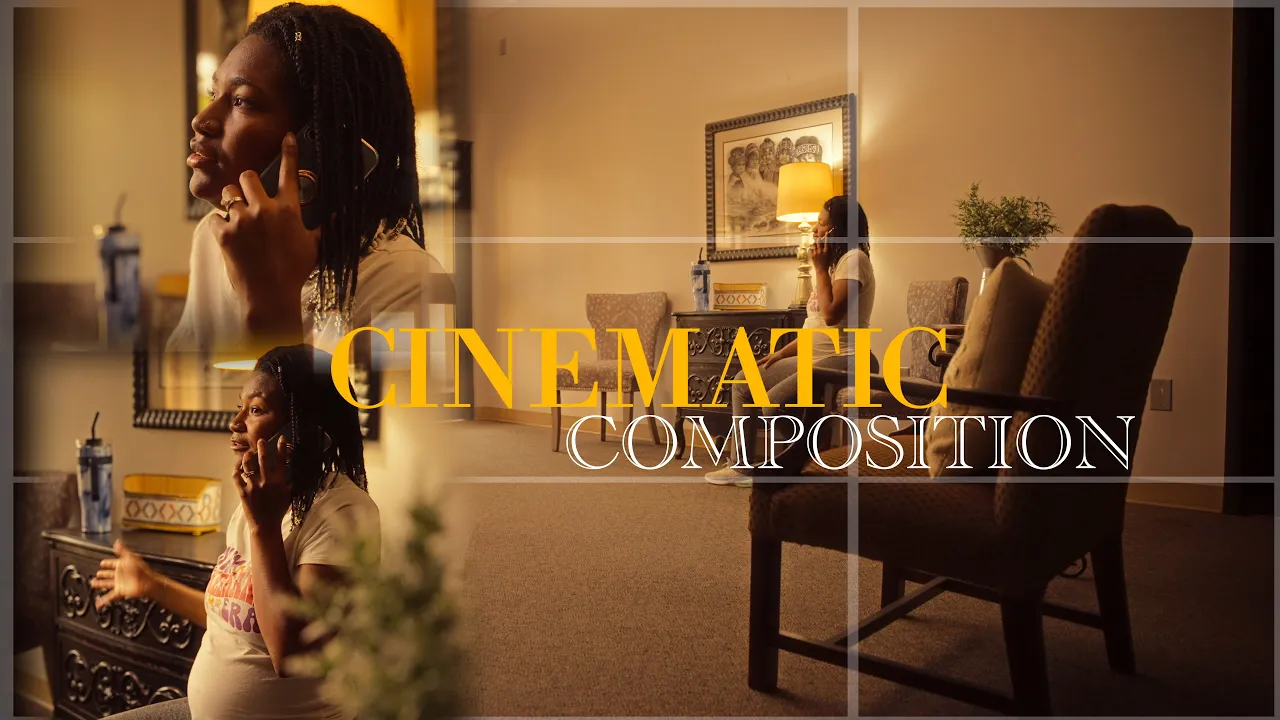

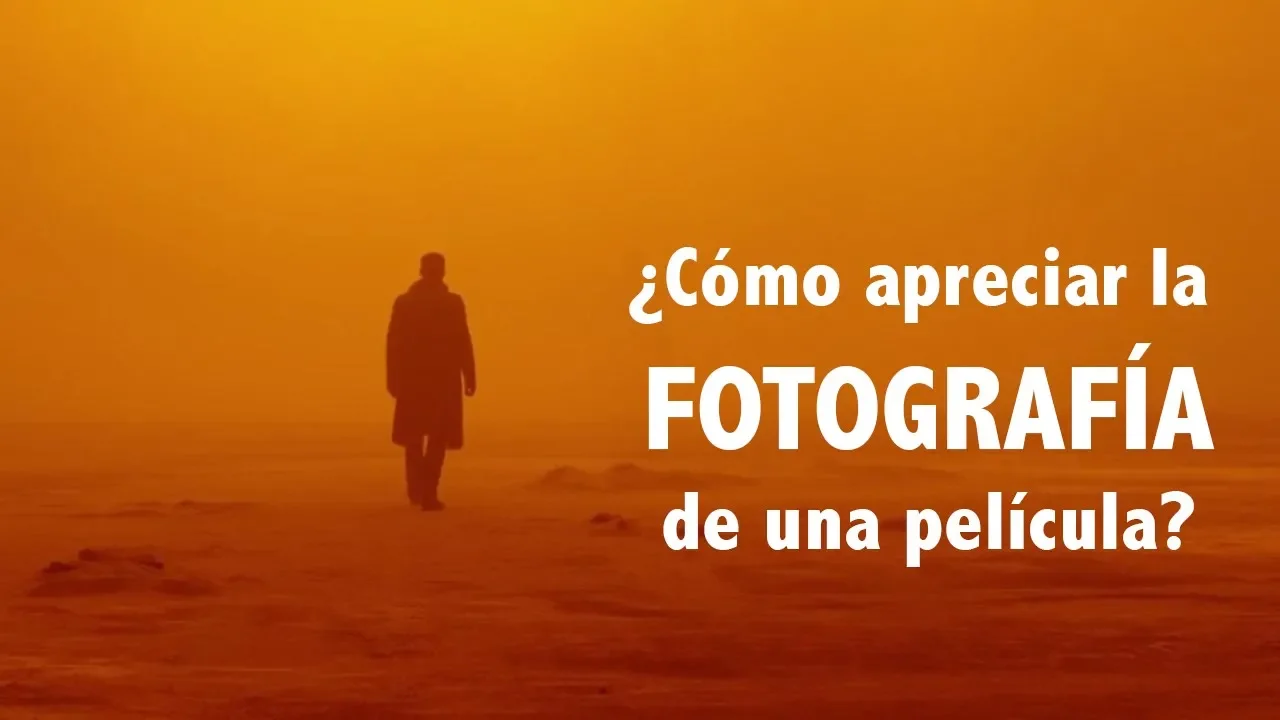

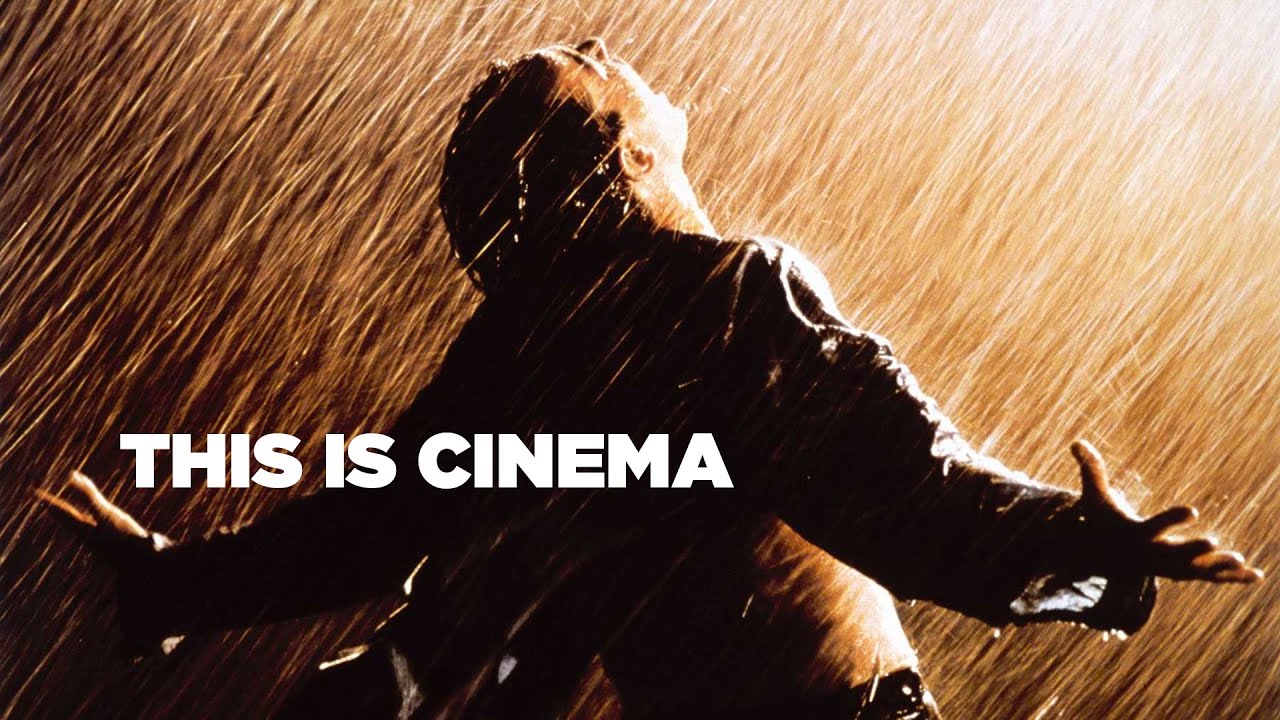







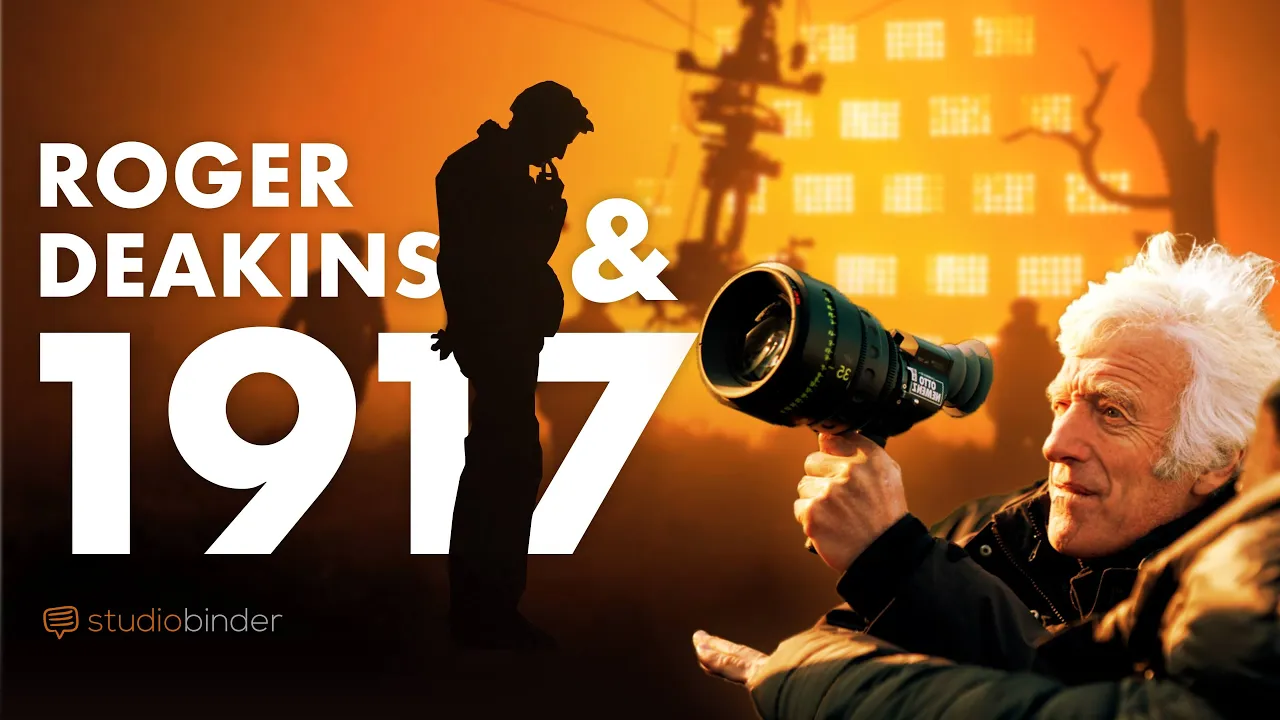
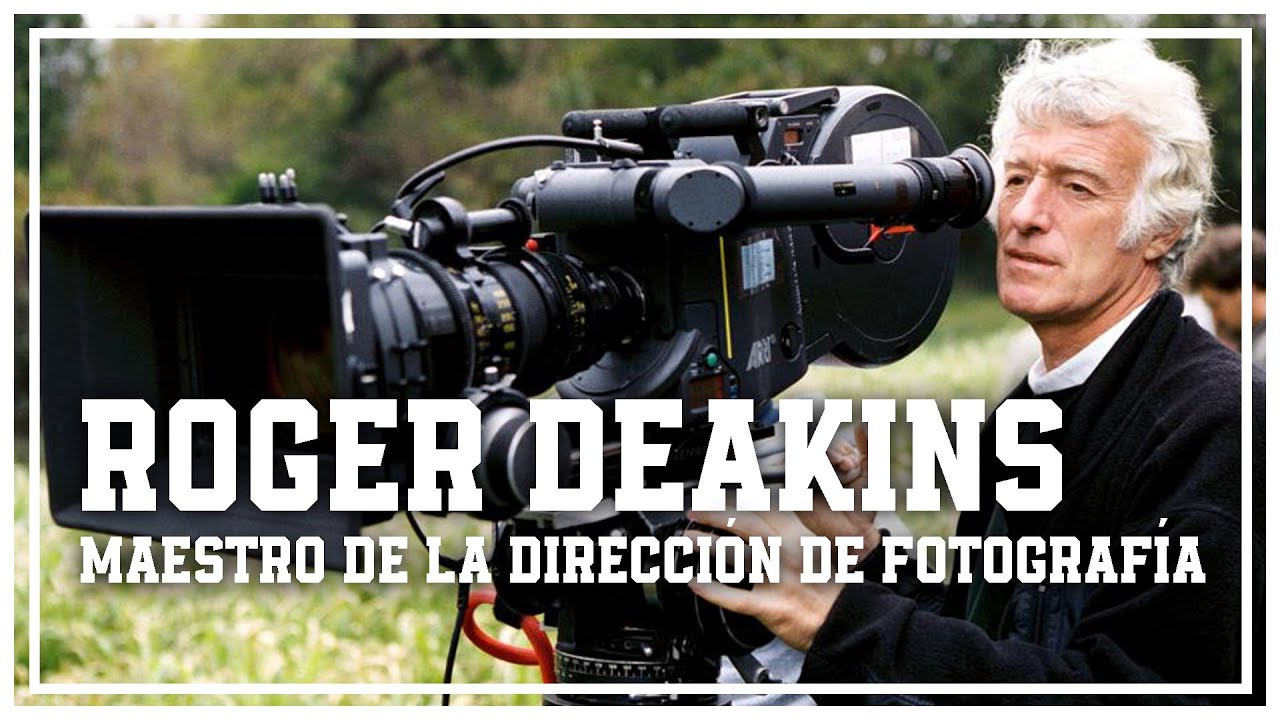
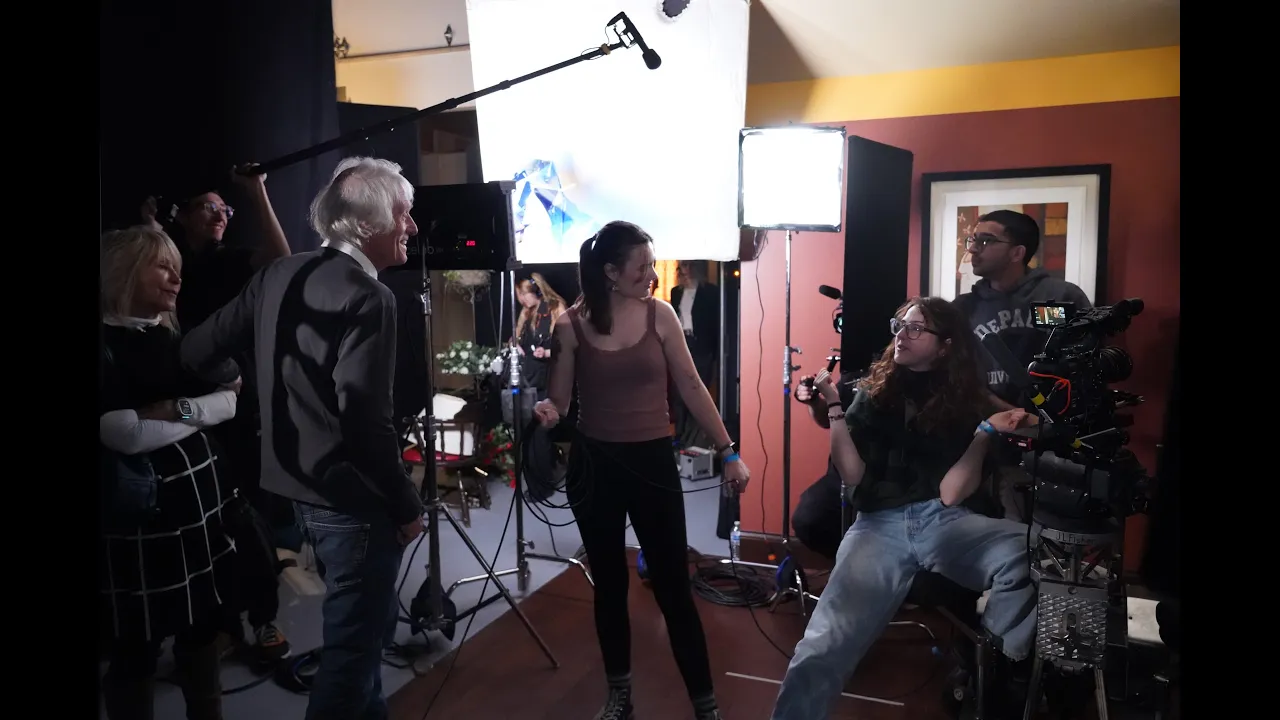

Roger Deakins, widely regarded as one of the greatest cinematographers, employs a philosophy centered on precision and meticulous preparation, utilizing techniques such as single-camera setups, frame-within-frame compositions, and strategic use of mid-to-wide prime lenses (32mm, 35mm, 40mm) to create visually compelling narratives; he emphasizes that while technology matters, the fundamental focus should remain on storytelling and how visual elements affect the audience, rather than becoming overly technical.
Cinematography Style Analysis: Roger Deakins
Added:Fundamentals of exposure and camera mechanics, including aperture, ISO, and focal length.
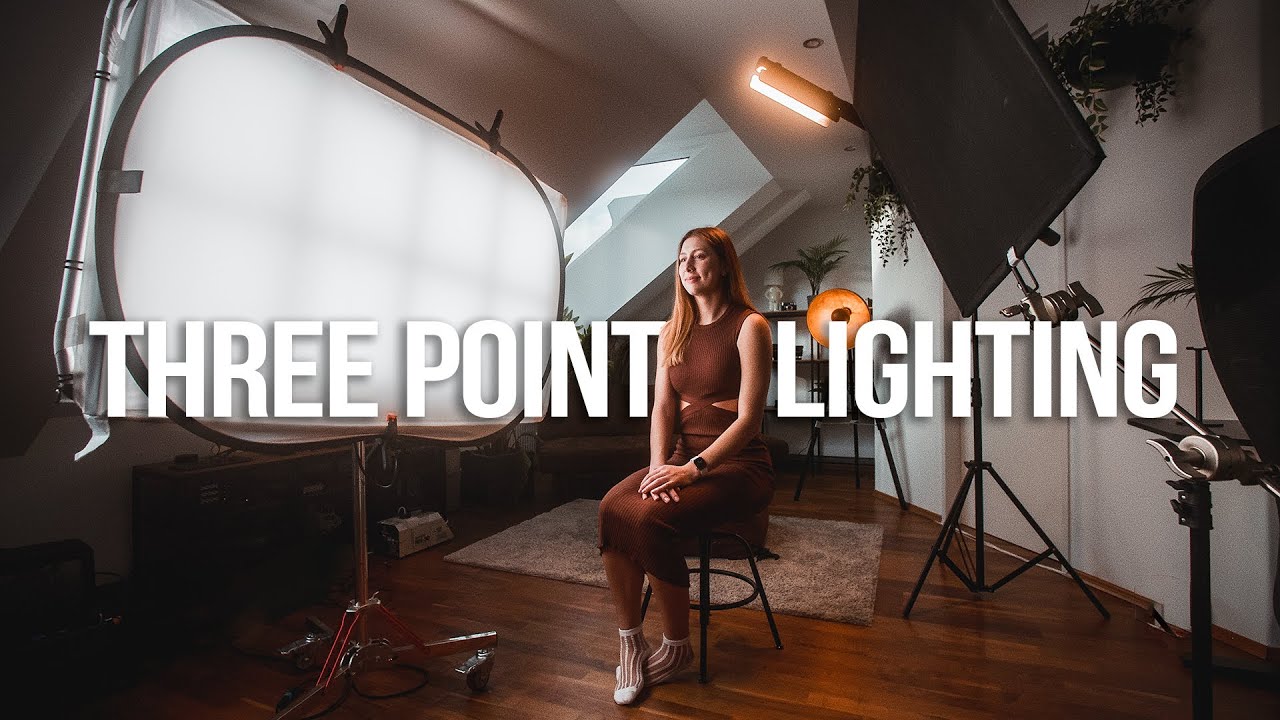
Basic lighting principles, such as three-point lighting, hard vs. soft light, and color temperature.
The core elements of visual composition, including the rule of thirds, depth of field, and camera angles.
An understanding of the role of the Director of Photography (DP) and their collaboration with the director.
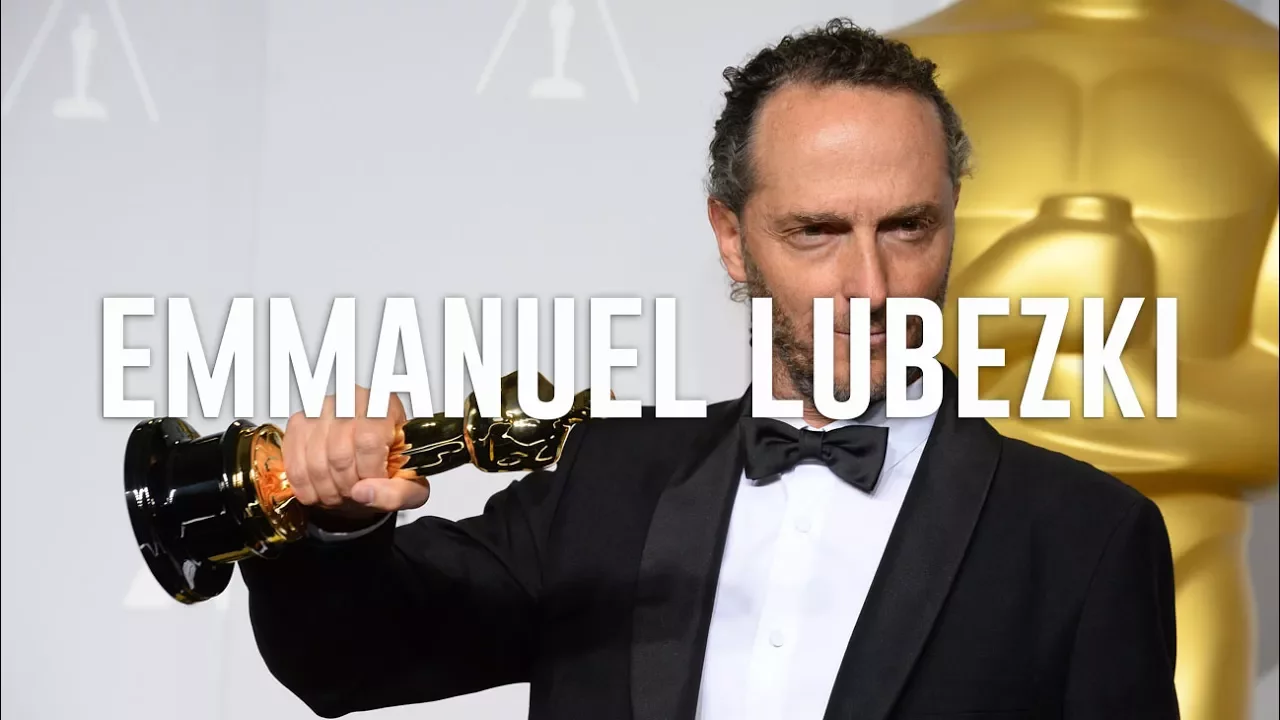
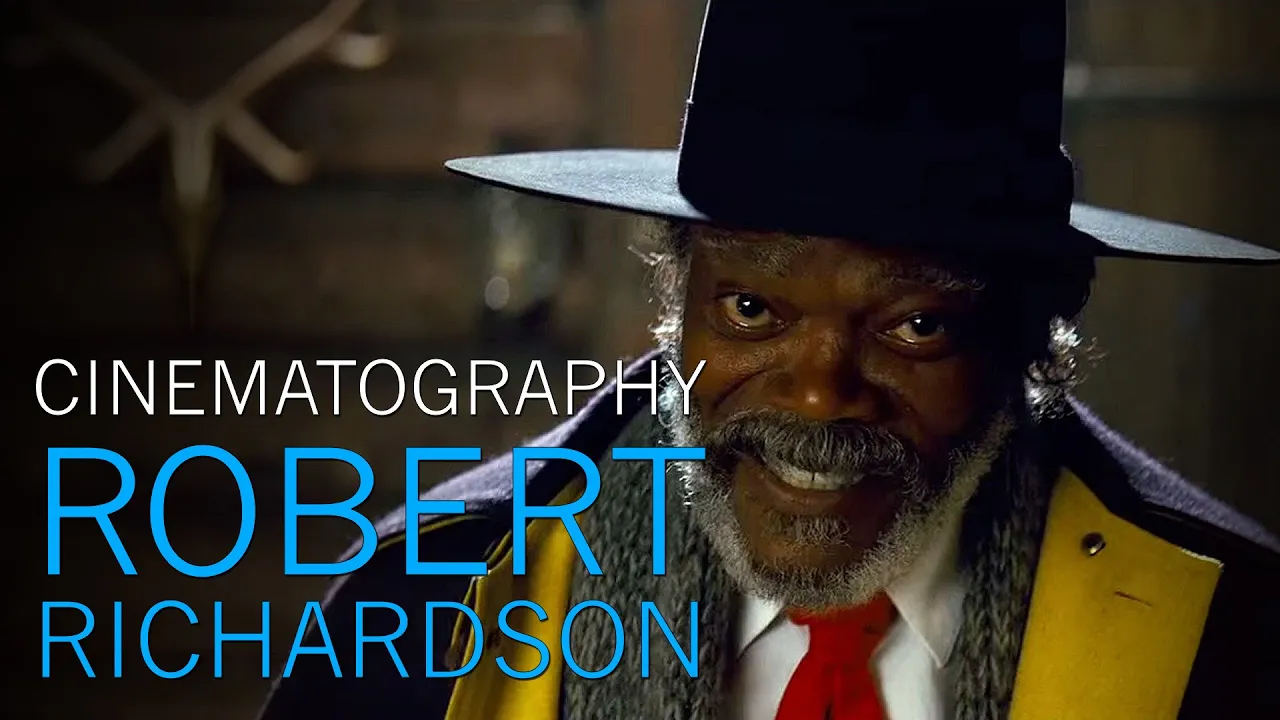
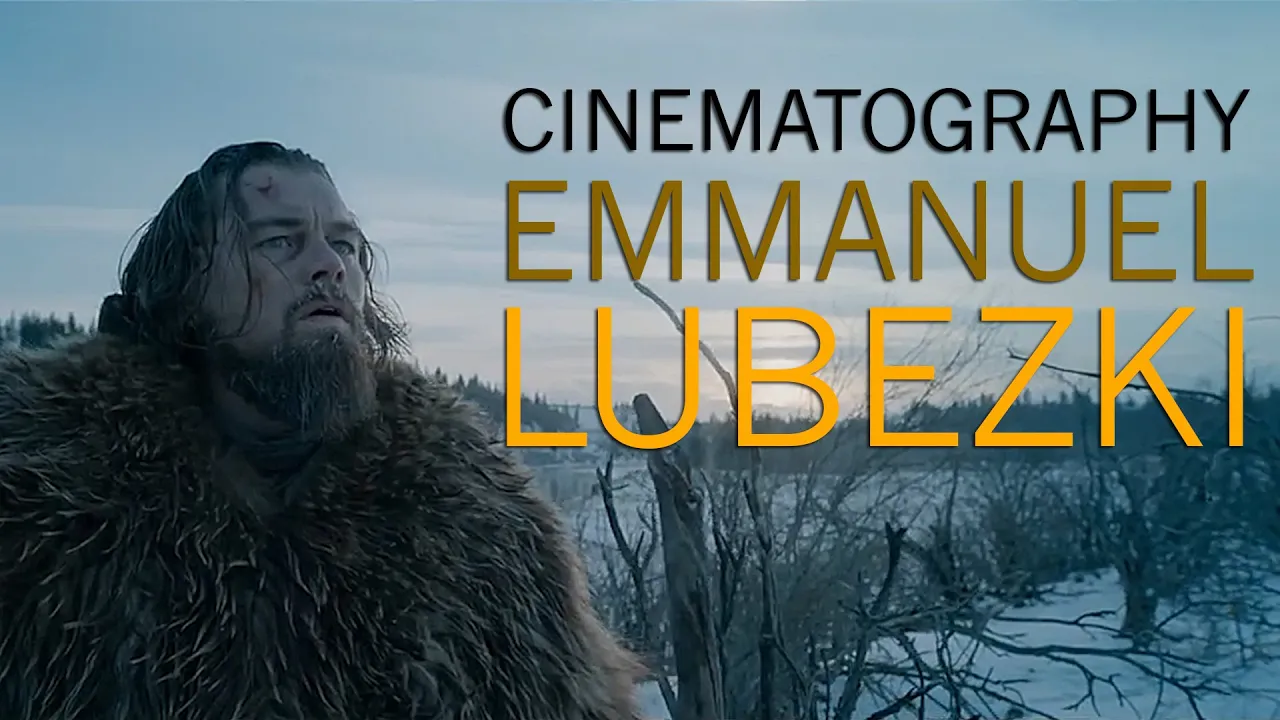
Comparative analysis of contrasting cinematographic styles, such as the naturalism of Emmanuel Lubezki vs. the expressionism of Robert Richardson.
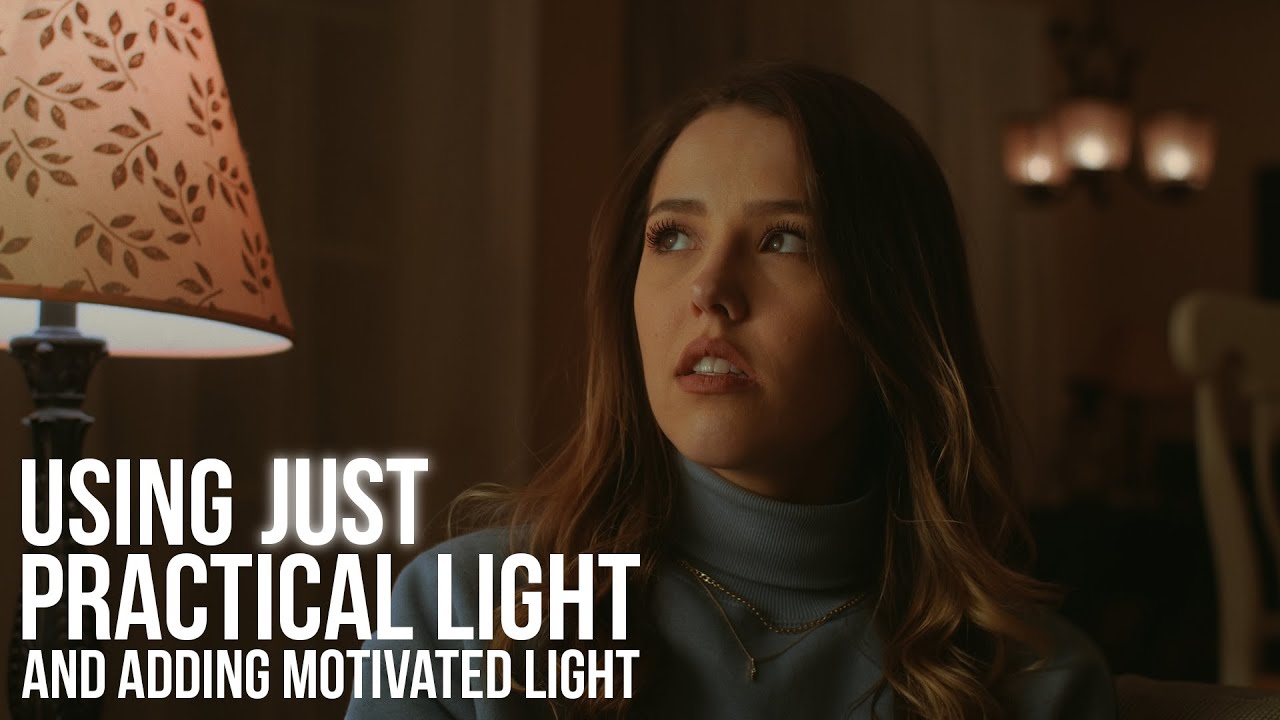
Advanced techniques in motivated lighting and the strategic use of practical light sources on set.
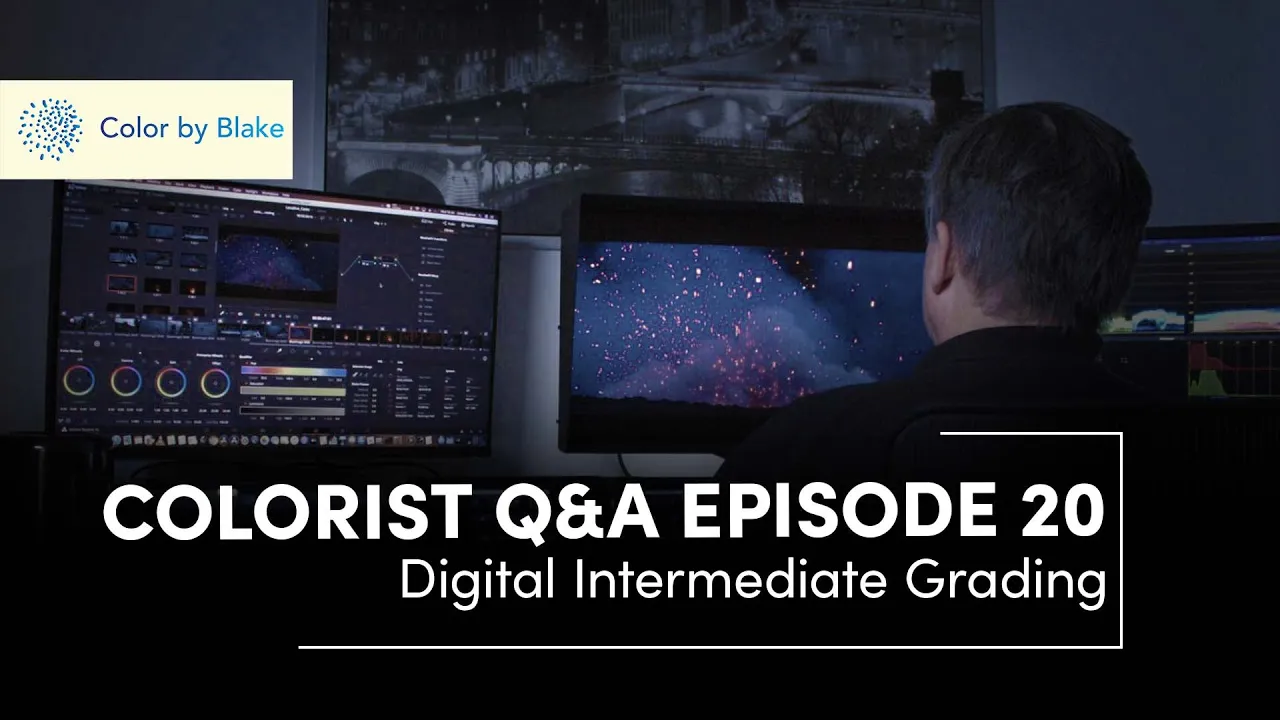
The history and application of Digital Intermediate (DI) and digital color grading in visual storytelling.
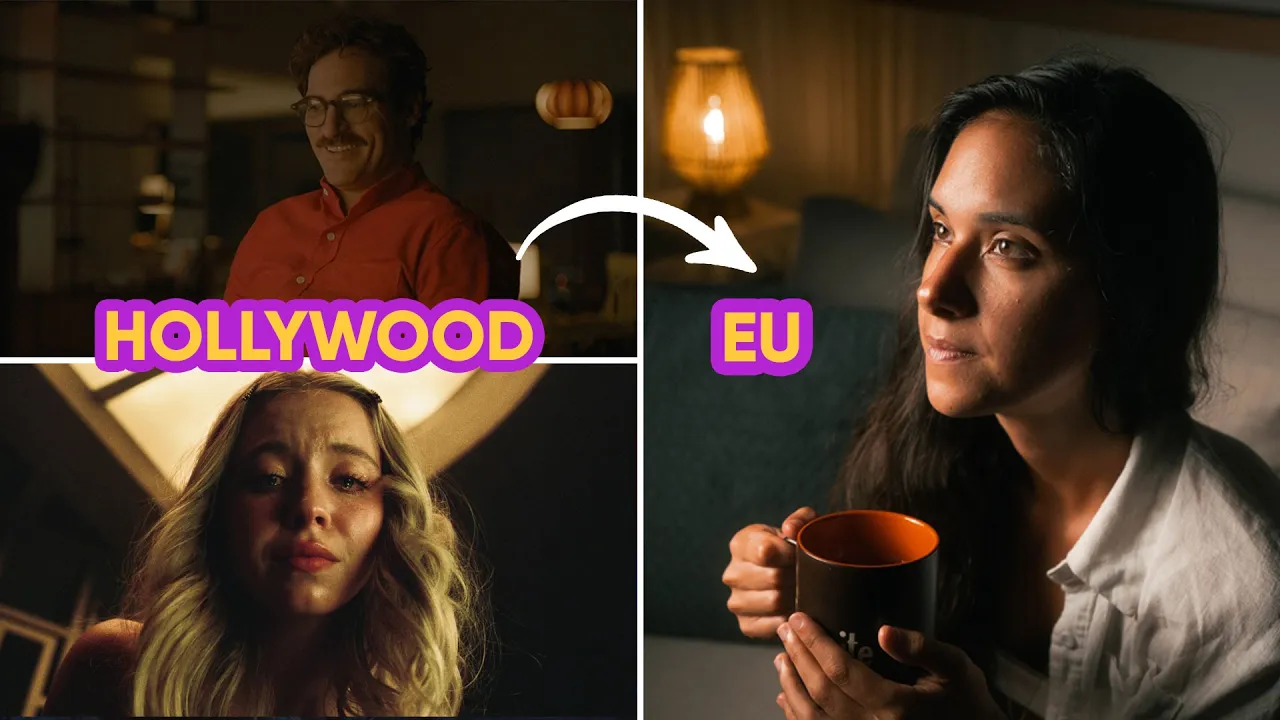
Practical workshops focusing on replicating iconic Deakins-style setups, such as high-contrast silhouettes and large-source soft lighting.
232.1K views12.2Klikes10:05Original Release: 2020-06-06
If we had to crown a popular king of cinematography there would be no doubt that the title would go to Roger Deakins. His is a name known by every modern film student, ever in existence.
Throughout his career he’s resisted relying on any one stylized flourish or technique, shooting a range of films in different genres and budget levels. His images are rich with perfect levels of contrast and a meticulously moving camera.
If there’s one thing that binds together his style though it’s precision. His visuals are carefully considered, planned and executed. Everything he does is deliberate, little is accidental.
Today I’ll be analysing the cinematography of Roger Deakins by breaking down his philosophy on visual storytelling and looking at the gear he uses to achieve this.
Deakins is an English cinematographer born in 1949. He studied painting from a young age and would later develop a love for photography.
After graduating art school, Deakins began working in the film industry as a cameraman on various documentaries as well as music videos for popular artists.
He began working on feature films in the early 1980s and has continued with this trajectory ever since.
He’s worked with many famous directors over his career, such as Michael Radford, Martin Scorcese, Ron Howard, Denis Villeneuve, Sam Mendes and of course his frequent collaborations with The Coen Brothers, for whom, his cinematography largely helped define the look of their films.
While some might argue that Deakins has no specific style I’d strongly disagree. His images always have a commonality of exactness to them.
Part of this comes from his approach to preparation that he puts into the films he works on.
He takes pre-production seriously and prefers to storyboard or, at least, create a full shot list and lighting plan before arriving on set.
Notably, he’s used this approach in his work with the Coen Brothers who insist on always storyboarding a film.
“After prep we don’t really have to talk that much about day-to-day stuff. If we discuss anything, it’s the order of the shots rather than the shots themselves.” In his films the camera is often moving, he likes slow dolly movement shot on sharp, medium to wide lenses.
His photography, especially in wides, often utilises the notion of a frame within a frame or shooting through foreground elements to give increased depth to the images.
He describes this idea in his work on No Country For Old Men, “I was always looking for those opportunities — tracking through doorways and using windows and other scenic elements to break up the wide frame.” He prefers to shoot with a single camera setup whenever possible, rarely using multiple cameras unless he has to.
This allows him more control over each frame. Shooting with a single camera means he doesn’t ever have to compromise on camera position or lens choice.
Likewise, his lighting also employs the idea of creating dimension or depth. He enjoys lighting with varying levels of contrast in different planes of the image.
This gives the illusion of reality to two dimensional images, making them appear more three dimensional.
Although he always tries to get his lighting and the image perfect on set, Deakins is very knowledgeable about the post production process and uses it to his advantage.
He utilises power windows in post, which are masks created for a certain area of the image to adjust exposure.
When shooting digitally he creates a LUT, or Look Up Table, before shooting begins.
This LUT affects the colour of the images captured, giving them a ‘look’ and stands in place of a colour grade until post production.
Doing this allows him to capture images on set that are as close to the final product, colour wise, as possible.
He’s shot on both film and digitally, choosing his medium depending on the project. Ultimately though, his focus is always on the story, and how the elements placed in frame and how they’re covered by the cinematography, affect the audience.
“There’s too much obsession these days about digital [vs] film…it’s becoming so technically-orientated, and that’s just distracting from what’s actually being put in front of the lens.” In an interview with director Denis Villeneuve, he joked that “Roger could shoot a movie with a shoe and it would look great.” Although it’s a funny sentiment, the gear Deakins chooses to use in fact, has a large impact on the look of his films.
He likes to use primes over zoom lenses claiming that “in general I don’t like to use zoom lenses unless there’s a very specific reason for it.” He favours shooting on mid to wide lenses such as 32mm, 35mm and 40mm lenses. His choice of lenses has remained consistent over the years.
In general he likes a clean image: sharp lenses that don’t distort or flare too much. For that reason he regularly shoots on Arri/Zeiss Master Primes. He also likes the Cooke S4s.
Recently, on 1917, he shot with the new Arri Signature Primes, namely the 35mm and 40mm, which he now favours for shooting large format.
Occasionally he’ll use strange lenses to get a specific look such as the Frankenstein lens used to shoot parts of Jesse James. To achieve a dreamlike vignette the rental house custom built him a lens they called ‘the Deakinizer’ where glass from old wide angle lenses were mounted to the front of an Arri Macro.
He likes shooting spherical over shooting anamorphic, claiming ““I prefer Super 35 because it allows you to use short focal-length lenses. I also like the scale of that format — the intimacy”.
Even for films that require an anamorphic 2.40:1 aspect ratio, such as No Country For Old Men, he prefers to shoot with spherical lenses and then crop the image in post to get to the desired format.
Deakins has been a lifelong Arri fan and user of the Arri system. He’s shot on film cameras such as the Arri535B and the Arricam LT. Digitally he’s used the Alexa XT and recently the Mini LF.
He’s experimented with many different lighting packages over the years, from tungsten to recent LED technology, and uses whatever lighting source is necessary to get the desired effect.
He’s used HMIs such as 18Ks or 12Ks, tungsten lighting like old Maxi Brutes, Fluorescent fixtures like Kino Flos or LEDs such as the Arri SkyPanel.
He often favours bouncing light using muslin or a white or silver poly board over lighting directly.
One lighting technique he’s employed throughout his career when lighting large spaces for night interiors is to use light rings. This is where light fixtures are arranged in a circle and rigged to the ceiling, pointing down, to provide an even spread of ambient light over large spaces.
On Blade Runner his gaffer erected an enormous light ring comprising of 256 300-Watt Arri tungsten Fresnels to provide ambience to the set. He then hit a pool of water on the set directly with a 10K Fresnel source. This made light bounce off the water’s surface and created the rippling light affect that we see in the scene. The warm colour temperature of tungsten lights gave the scene its yellow glow.
Deakins likes creating contrast layers. By lighting with different strengths of light in different areas, such as a bright foreground, a dark middle ground, and a light background, the light is layered which gives the scene a greater sense of depth.
He prefers to operate the camera himself. “I come from a documentary background, so I’m used to working instinctively. If an actor is doing something that was unexpected, then it’s the operator who has to make that shot work.” His traditional style of camera movement is with an Aerocrane on a dolly. This is a 14’ jib arm with a Powerpod remote head, which he operates on wheels. He favours the versatility it provides in finding the exact right angle for a shot as it allows him to easily move the camera on any axis he desires quickly and easily.
He’s employed a variety of grip rigs over the years to move his camera, from technocranes to the new Arri Trinity, which gives a more stabilised, dolly-like feel, to camera movement, similar to that from a Steadicam.
For someone who praises the virtue of story at the expense of being overly technical, Deakins still remains an extremely technically knowledgeable DOP; someone who is aware of both old and new technology and how he can use that technology to his advantage.
This practical knowledge combined with his philosophy on creating precise images motivated by storytelling, equate to his mastery of cinematography.
Since he was a boy he’s been creating images; whether with paint, through photography, or with digital cinema cameras.
It’s this lifetime practice of his craft that has shaped him into one of the greatest cinematographers of all time.
Thanks for watching this video on Roger Deakins. As always, liking and subscribing would definitely help with the growth of the channel.
I’d be interested to hear if you have any other thoughts on his style or have suggestions for future cinematographers you’d like me to cover. Thanks for watching and goodbye.
Up Next
16:10
How Ridley Scott Achieved Blade Runner's Lasting Visual Brilliance
@wolfcrow
565.7K views•2023-11-20

23:14
Visual Analysis Essay: How to Analyze Graphic Novels in College Writing
@nataliepleimann5941
1K views•2020-10-14
18:19
Long Takes in Filmmaking: Techniques and Impact
@InDepthCine
31.3K views•2024-07-28

4:00
Evolution of Darth Vader: Anakin Skywalker's Animated Journey Across Star Wars Films
@TellItAnimated
13.4M views•2019-03-30
Related Study Plans & Knowledge Roadmaps
Structured learning paths in Film Analysis
film-analysis
Sensory Cinema: Foley, Haptic Sound & Texture
01Introduction to Film Sound and Foley Artistry
02Micro-Sounds, Textures, and Extreme Amplification
03Haptic Audition and Film Phenomenology
+ 1 more learning modules
12h4 modules
Explore Roadmap
film-analysis
Breaking the Fourth Wall: Mockumentary & Satire
01The Invisible Wall: Basics of Cinematic Illusion
02Looking at the Lens: Direct Address & Character Glances
03The Mockumentary: Satire, Realism, and Complicity
+ 2 more learning modules
12h5 modules
Explore Roadmap
film-analysis
Analyzing the Long Take: Cinema, Space & Ethics
01Foundations of Film Grammar: Montage vs. The Long Take
02Choreography and Mechanics of the Simulated One-Shot
03Phenomenology of Film: Real-Time Spatial Continuity
+ 1 more learning modules
14h4 modules
Explore Roadmap
film-analysis
Anachronistic Music: Period Drama & Subversion
01Foundations of Film Sound and the 'Needle Drop'
02Traditional Authenticity vs. Revisionist History
03The Rise of the Anachronistic Soundtrack
+ 2 more learning modules
12h5 modules
Explore Roadmap