


























![[Vinesauce] Vinny - Grab Bag Gamble #7](https://i.ytimg.com/vi/MTI7iQEK8TI/maxresdefault.jpg)

Blade Runner's enduring visual appeal stems from its pioneering production design and cinematography techniques, including the use of Xenon spotlights for shafts of light, anamorphic lenses for claustrophobic interiors, and extensive practical effects like real rain and smoke, which created an immersive dystopian world that influenced the entire science fiction genre and remains visually stunning decades later despite the film's initial box office failure.
How Ridley Scott Achieved Blade Runner's Lasting Visual Brilliance
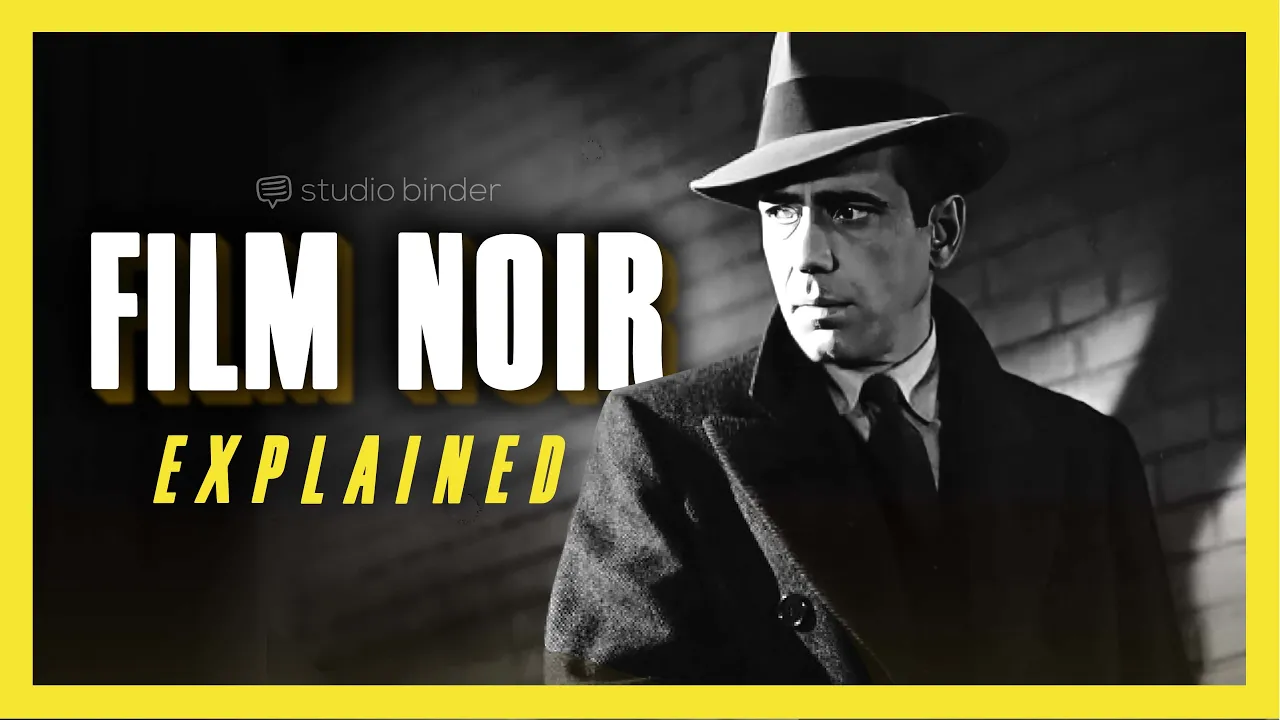
Added:Understanding of Film Noir and Chiaroscuro lighting techniques, which form the aesthetic foundation of Blade Runner's 'neo-noir' visual style.
The fundamental distinction between practical special effects (such as miniatures, physical models, and matte paintings) and computer-generated imagery (CGI).
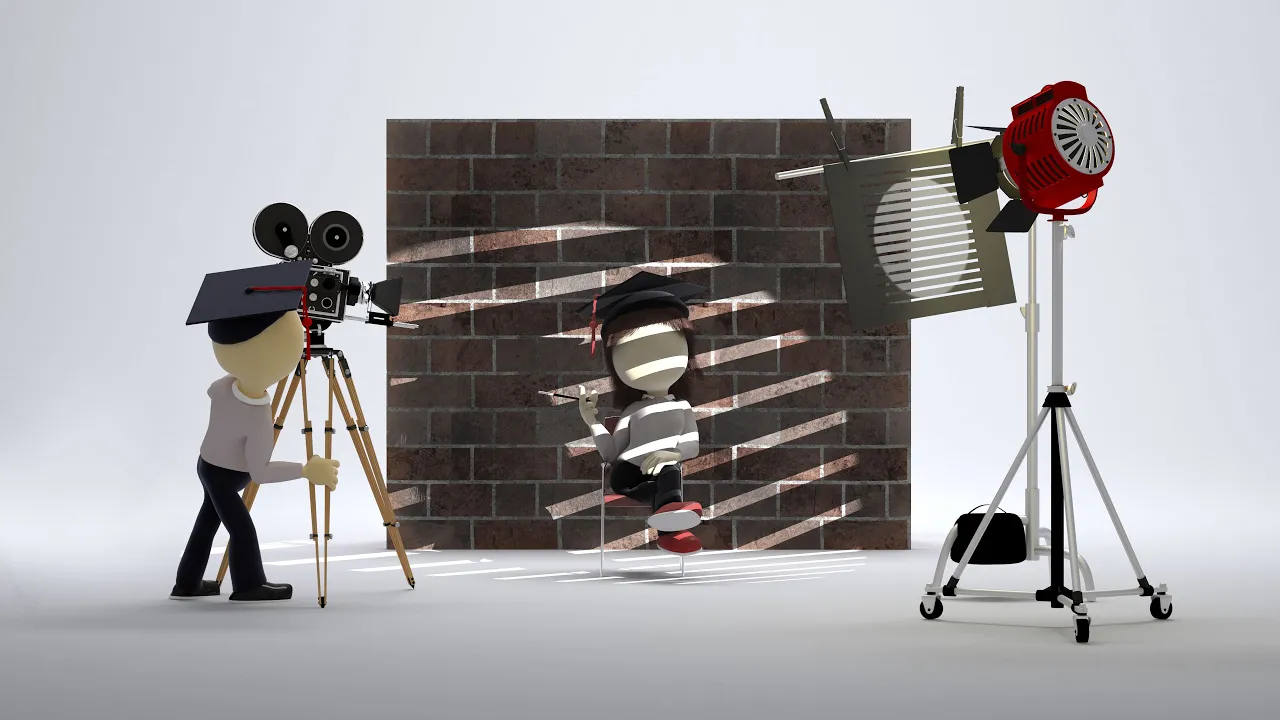
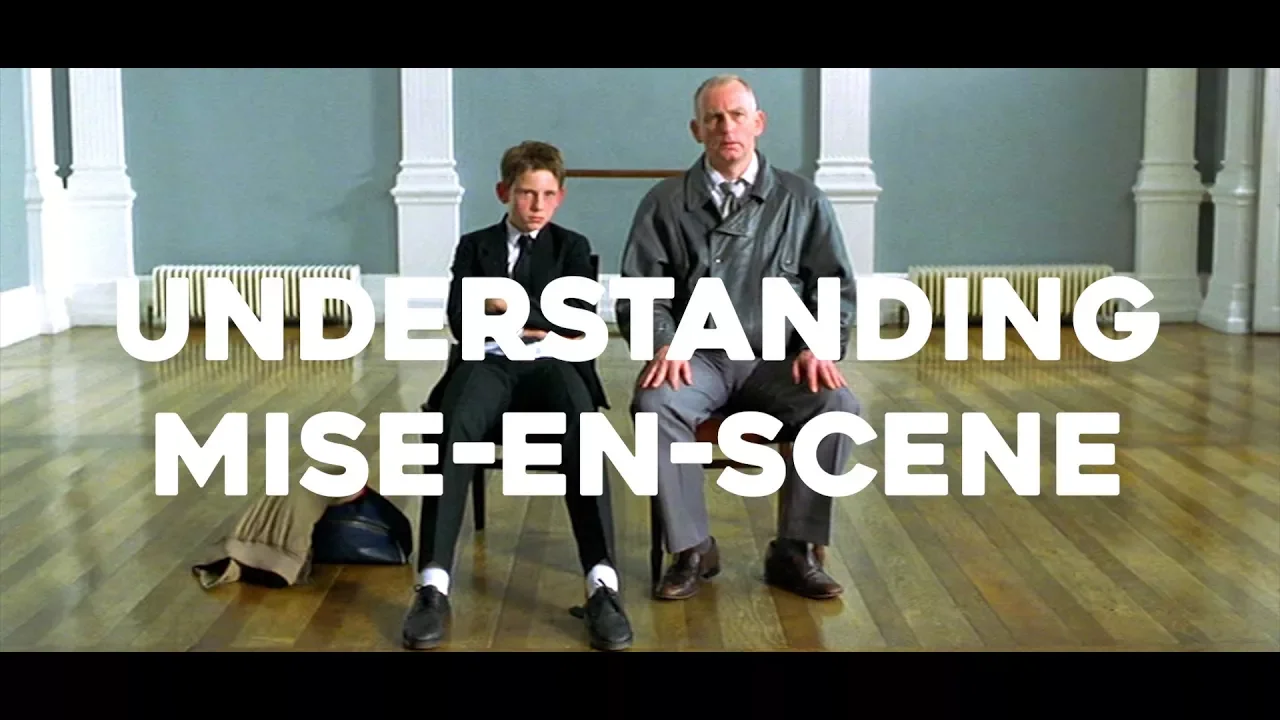
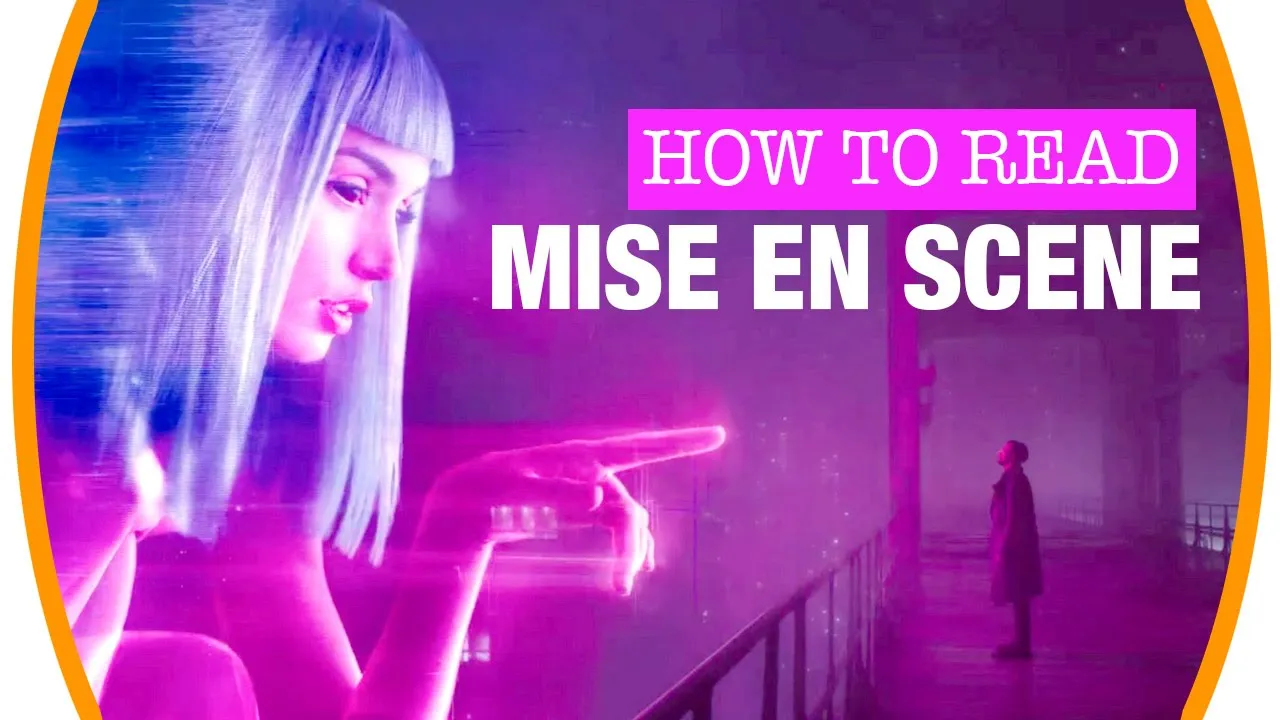
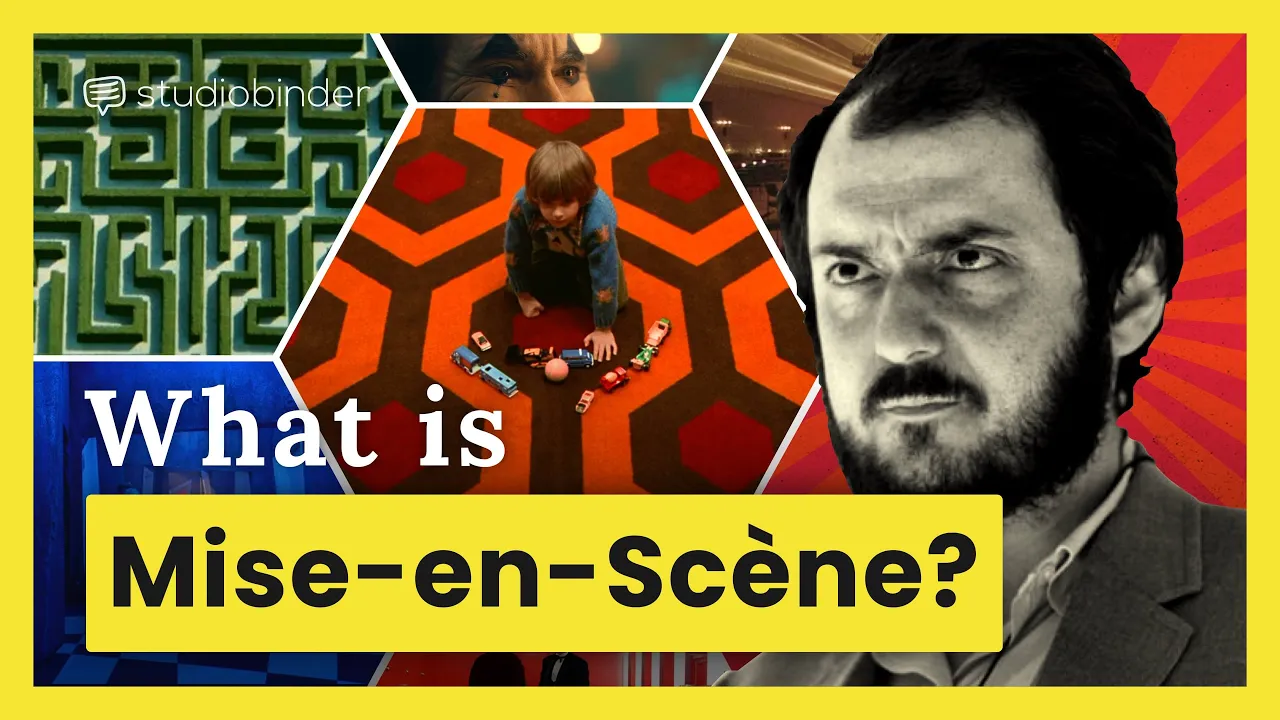
Familiarity with the concept of 'mise-en-scène'—how visual elements like set design, costumes, and props are arranged within a frame to tell a story.
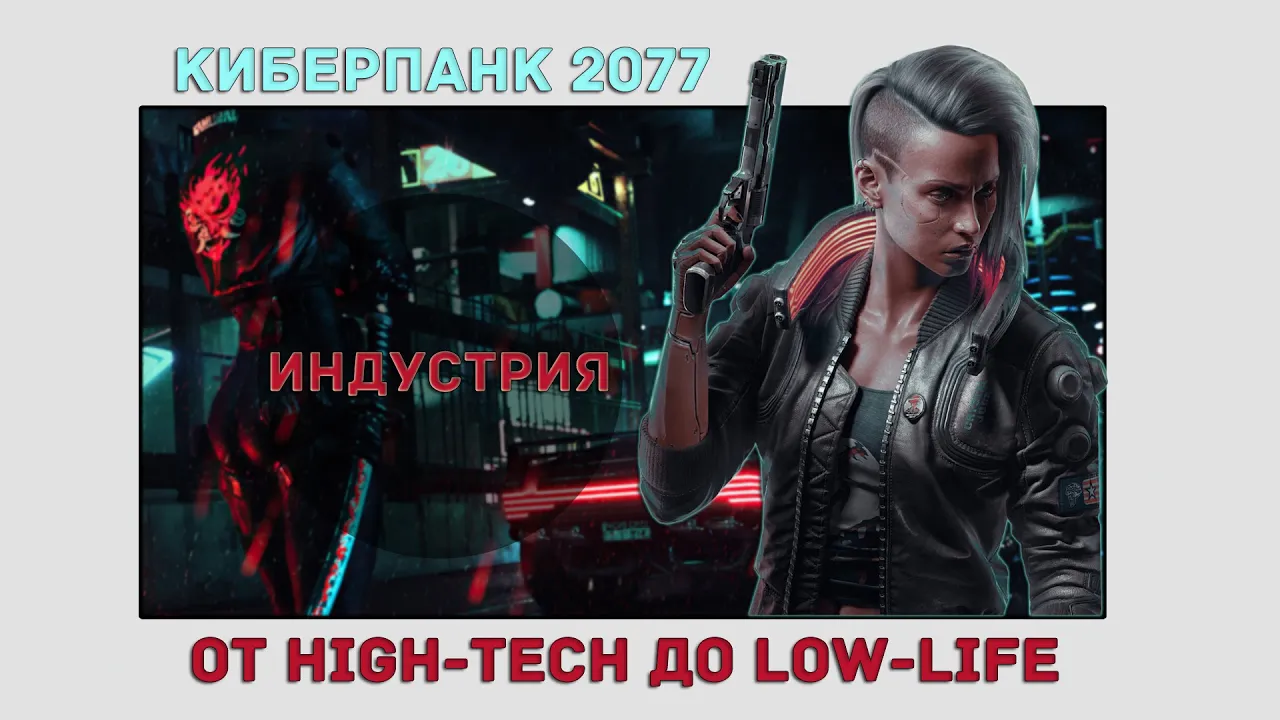
An introductory grasp of the Cyberpunk genre's core themes, particularly the juxtaposition of high technology and low life.
An analysis of Blade Runner's legacy and its profound visual influence on subsequent science fiction cinema, anime, and video game design.
A comparative study of the practical effects of the 1982 original film versus the hybrid digital/practical VFX techniques used in Denis Villeneuve's 'Blade Runner 2049'.
Advanced exploration of pre-digital photographic techniques, such as multi-pass optical exposure and front-projection systems used by Douglas Trumbull.
An investigation into how environmental storytelling and dystopian production design are utilized to convey deeper thematic critiques of late-stage capitalism and environmental collapse.
565.7K views15.1Klikes16:10Original Release: 2023-11-20
hi my name is sran and in this video Let's see what rley Scott had to do to make Blade Runner so different from any other films of the time that it looks like a million bucks even today Blade Runner was sort of a disaster at the box office was 29th or so in 1982 even though it did make some money it was a huge disappointment considering its budget ET and The Wrath of Khan were less than half its budget but were huge hits a lot of people were and still are turned off by the poor characterization and confusing plot in Blade Runner but it stands out even today for being an incredibly beautiful film to look at ET and Star Trek look dated but most of Blade Runner could still pass off as a modern film and what's the secret Blade Runner significant in cinematography for its pioneering use of practical and visual effects and a distinct visual style that was so detailed and lifelike it put Star Wars to shame it set new standards in creating an immersive atmospheric World it influenced a Sci-Fi genre and inspired countless filmmakers if you haven't seen it already Blade Runner is a science fiction film directed by Ridley Scott it is an adaptation of Philip K Dick's novel to Android's Dream of Electric Sheep apparently it is a faithful adaptation of the novel The cinematography of the film is by Jordan Cronin withth production design is by Lawrence J Paul and it is set in a dystopian future where a Blade Runner played by Harrison Ford is tasked with hunting down replicants in other words Androids the film explores themes of identity humanity and ethical questions about artificial life these questions are more relevant today as was in 1982 with AI and will be more so in the future what's most instructive to student filmmakers is how Ridley Scott managed to make Blade Runner look so stunning and lifelike what techniques did the crew use let's take a look at those things and then then we'll look at a scene to see how it all comes together in practice the really big big secret of Blade Runner is its production design it was nominated for an Academy Award there was no way it could have not won if not for a certain film that was and continues to be one of the greatest miracles of film making Google it you'll see now here's a plan of the Blade Runner set built at a studio the horizons were filled in with visual effect matte paintings but most of it is already there in the flesh and blood the design and layout were inspired by futurist architect Antonio selia I urge you to watch Fritz Lang's Metropolis because both movies share quite a bit of similarities of the future world they are showing Ridley Scott worked with Concept artist Sid made so he could flush out the world the production design team then had to build what was necessary if you study the scenes of Blade Runner you'll see Ridley Scott try to make the maximum use of every single location there were very few portions he didn't take full advantage of they also shot real locations the most famous of which is the Bradbery building in La it's clear a majority of the budget went into production design and the visual effects but filming was another huge pain for everyone involved the first thing you'll notice about Blade Runner is most of it takes place at night night shoots are very hard for everyone Blade Runner was shot over 50 days of night not only does it take a toll on the actors and crew but it dramatically increases the lighting budget I'll cover lighting and motography a bit later night helps to hide a lot of the imperfections in the set to complicate matters Ridley Scott wanted rain it rains throughout Blade Runner most of it is not digital rain it's really rain pouring down on everything the sets actors costumes and crew this amount of rain might have put rasham on to shame they had sprinklers on top of the set and obviously they needed extensive Plumbing to get rid of all the water they also added tons of smoke you can see smoke literally everywhere and some of it is really distracting because there's no real logic to it why I say that is because rain typically removes smoke from the atmosphere even if it's pollution but the logic in Blade Runner was that the smoke was justified because the future world is very polluted the reason they actually use smoke was the light could disperse and give enough fill exposure otherwise it would have been too dark or too difficult to light it added a great deal of style to the way Jordan kronin withth wanted the film to look like it goes without saying all of this is hard to do over a long stretch of film making it takes a lot of people not to mention the time involved but that's why Blade Runner really stands out today the attention to detail and the insane trouble Ridley Scott put himself through is why Blade Runner looks gorgeous even today compared to the Wrath of Khan and you can see how going the extra mile today could ensure the longevity of your film think about it people are still talking about Blade Runner today how many even remember the Wrath of Khan here's Google Transat if you don't believe me ET is higher than Blade Runner it was a monster hit and still is a great film note I'm using the 1982 film specifically so it doesn't confuse the 2049 film The 2049 Blade Runner is currently neck and neck but I don't think it will last a test of time the Wrath of Khan is well below the wrist by the way Blade Runner 2049 has its own film making style and I have a video about it on my Channel please check it out if someone asked me in 1982 which was the better film to watch I probably have said Wrath of Khan or ET today I'd say ET is still the Best Entertainer all around among these three but if you ask me about production values and Beauty Blade Runner is really Above the Rest above anything that came in 1982 maybe Raiders of the Lost Arc is pretty much there as well now let's talk about the cinematography of Blade Runner Ridley Scott wanted Blade Runner to have the lighning style of Citizen Cane Greg Tolen was a Sy phographer of Citizen Kane if you want to understand his cograph techniques I have a video on this channel as well Citizen Kane had a high contrast look with strong camera angles now let's switch over to black and white to focus on the lighting the first major lighting choice in Blade Runner was the use of strong shafts of light mostly in interior shots they hard to miss even if you don't know anything about lighting the logic behind this was these lights represent an invasion of privacy it was clearly stated by cinematographer Jordan Chron that this was the primary intention of these lights one curious aspect to it is it's usually only present where Deckard is alone or when Rachel or another replicant is with him it's a subtle hint as to deckard's Identity for example it's not present when he's in the captain's office or when he's investigating is there every time is in his apartment the light forces its way through the window somehow it also invades Tyrell Corporation when he's giving Rachel a test it also crashes through the Bradbury Building which sets a stage for the climax of the film lots of replicants in that scene where we don't see the shaft of light though is in the final scene at deckard's apartment somehow the spotlight is off him in this scene so he can escape with Rachel after an entire film of shafts of light following him the lack of one in this scene does make a subtle impact they used High powerered Zenon lights to achieve these shafts of light they're pretty much like laser beams gaffer heart is credited for coming up with the idea of using Zenon spotlights these lights could be spotted or in flood mode they got pretty hot you could bounce them off mirrors and water to create these water Reflections where you don't expect it to see water when the shafts of light was sunlight as in tyr's office they used Arc lamps smoke really brings out the beam the shafts of light on camera indirectly these lights also highlight the amount of smoke in the room which is unnatural of course the world of Blade Runner is polluted and that justifies the smoke it reminds me of Mumbai where I live working with smoke is timec consuming and in 1982 wasn't that healthy either in scenes without smoke the cinematographer used low contrast filters on the lenses so it gave the same kind of soft look if anyone thinks these effects were achieved by throwing together a couple of Lights I wanted to dispel that idea takes a lot of trial and error to get this right you can see the attention to detail in all things cinematography on this film if it was so easy everybody else would have done it by now but it's hard to replicate even today it's one of the great crimes that Jordan kronin with did not even get a nomination for blade run I mean if Tootsie could get it I just can't fathom the lack of foresight coming back to the cograph the other main lighting effect youve seen Blade Runner is the flickering light the flickering light is actually a byproduct of neon lights flickering they typically Flicker at full intensity or when the camera speeds up to record slow motion when they did not want the lights to flicker they had it on dimmers you can see neon lights everywhere in the Blade Runner exteriors everything was augmented with neon lights at one point they had seven people just to handle the neon lights the extras on the street that carried umbrellas had florescent tubes hidden in them to light their faces there's something about the organic nature of neon lights that led lights just don't have watch Modern Day Blade Runner and Alien films and you'll see the difference and nowadays you have LED lights that don't even Flicker at 120 FPS sometimes it's the mistakes that set you apart from everyone else who's trying to replicate the norm overall the lighting of Blade Runner has strong backlight and contrast the faces are softer usually lit From Below or bounced off surfaces when they were lit they were lit with hard light and they were considerably warmer that's part of the Jordan Cronin with style then we come to the color in Blade Runner a lot of the color effects were achieved with gels and color sources for example in the ice room the color cast is slightly Greener I'm guessing this is because they used HMI lights specifically ly here they had to and in 1982 HMI bulbs had a lot more green cast than they do now color separation is everywhere in Blade Runner warm and blue is a predominant tone they use a lot of techniques to get this tonal separation and finally we come to the camera lenses and format Blade Runner was shot in anamorphic the oval boka and flares are a dead giveaway one thing about the anamorphic format is it helps in creating a claustrophobic effect because there's less top and bottom space it helps make the Interiors look smaller than they are they use Panavision C- series anamorphic lenses and Ridley Scott is known for using longer focal lens probably mostly above 50 mm and typically even above 75 mm they also had a few wide angle shots I've created videos about what makes anamorphic lenses different so please watch those if you don't know rley Scott was a fan of the anamorphic format in this phase of his career with long telephoto lenses you could stuff people in the frame and make the world of Blade Runner a lot more more packed than it really was now let's go over a scene to discuss the role cinematography and production design played to enhance and bring together all the pieces of Blade Runner together we look at the scene after when pris arrives at Sebastian's home and he shows pity on her and invites her in first let's notice the set itself especially the ceilings tall ceilings are reserved for Tyrell employees it's in the first scene it's in the scene when Deckard meets the captain and Sebastian's home is tall tyrell's home is tall as well but it's low for Deckard and the others they're second class citizens the low ceilings in Blade Runner were built to enhance the feeling of containment a motif particularly well suited to the anamorphic format so everything looks even more cramped so when Sebastian brings her home the shafts of light are stopped by the door it's a clear demarcation of space these shafts of light don't penetrate into the employees of Tyrell Corporation you know it's not they're not the on being hunted here Sebastian's place is filled with relics from the old world he's a collector who is somehow brilliant enough to play chess with the boss right in the first shot you notice there's tons of smoke in the room and then there are pockets of light around the set and one main light down on Sebastian with black wrap around it it's a soft lighting setup which is different from the rest of the film after this we move into closeups then Roy arrives and we see the Zenon lights piercing through the Bradberry building now this is what the Bradberry building really looks like I can't imagine the amount of smoke required to get this effect looks amazing and Ridley Scott made full use of this there are many shots of this now in the opposite view of the apartment you can see the search lights coming into the set and everything else is lit by The Fill light from lights bouncing off the smoke the very first shot of the second time we see the scene is uh when Chris has a white face paint on so she stands out from the dark set and the set has a sort of red color gel applied to the lights to give it a pink Hue so this separates where she's sitting from where Sebastian's sitting the set takes on a blue tinge overall and the characters are live with warm sources this helps achieve color separation also it introduces warmth into a cold scene emotionally speaking the world of Blade Runner is brutally in human place but humans will find warmth wherever they can obviously Sebastian's house is his Sanctuary just as Decker's house is also lit with warm lights most times we're supposed to identify most with Deckard and Rachel they also use a special setup to get a strange glowing catch light used specifically for replicants this involved using a special beam splitter that allowed half the light to go through and the other half to reflect back it was placed at a horizontal angle and light was reflected off of it into the actor's eyes that's a lot of trouble to go through the third time we see the scene is when DEC arrives it again begins with a closeup of pris with the rose-colored look so she's gone back to her place or her spot in Sebastian's Home and Decor to shown the light is hard it's no longer soft it's the same location but the lighting changes so when we finally see the wide shot again the colors and lighting they're totally different there's a wash of red and green and the lighting is harsher with harder Shadows the time of day is hard to place here this change in lighting was on purpose of course the warmth and safety that was present when Sebastian was there is no longer present now it's dangerous and uninviting almost horror likee the change also takes place in pris and how she looks while she was soft and beautiful earlier she looks like a demon now she was all Grace but she dies gracelessly when Roy arrives in the final fight begins a shafts of light burst through the windows again it follows Deckard wherever he goes there's also flickering or pulsating light in the scene to increase the suspense Roy toys with Deckard and steals the scene you know more about Roy than you do about Deckard by the end of Blade Runner and that's probably the film's undoing why did Blade Runner fail at the box office the film uses a relatively slow pace allowing the audience to immerse themselves in the world and contemplate its deeper philosophical questions this has been a point of contention with some finding it ponderous and others considering it a strength I have no issues with the Meandering Pace I love the immersion it provides but where the film fails is my opinion there's no payoff I'm immersed in this fantastic world I'm sold but the story being told doesn't match the production values and the characters aren't that powerful or memorable anyway to answer the question posed in the title Blade Runner still looks great today because of the immense attention to detail that went into all the aspects of film making sets costumes lighting cograph acting everything except the screenplay and story but I can watch it again and again forever because it's just so beautiful thank you for watching and please check out this video for more amazing insights see you in the next [Music] one
Up Next

89:03
True Detective S1: Cosmic Horror, Southern Gothic & Philosophy
@franckboulegue3129
292 views•2024-09-04

23:14
Visual Analysis Essay: How to Analyze Graphic Novels in College Writing
@nataliepleimann5941
1K views•2020-10-14
4:55
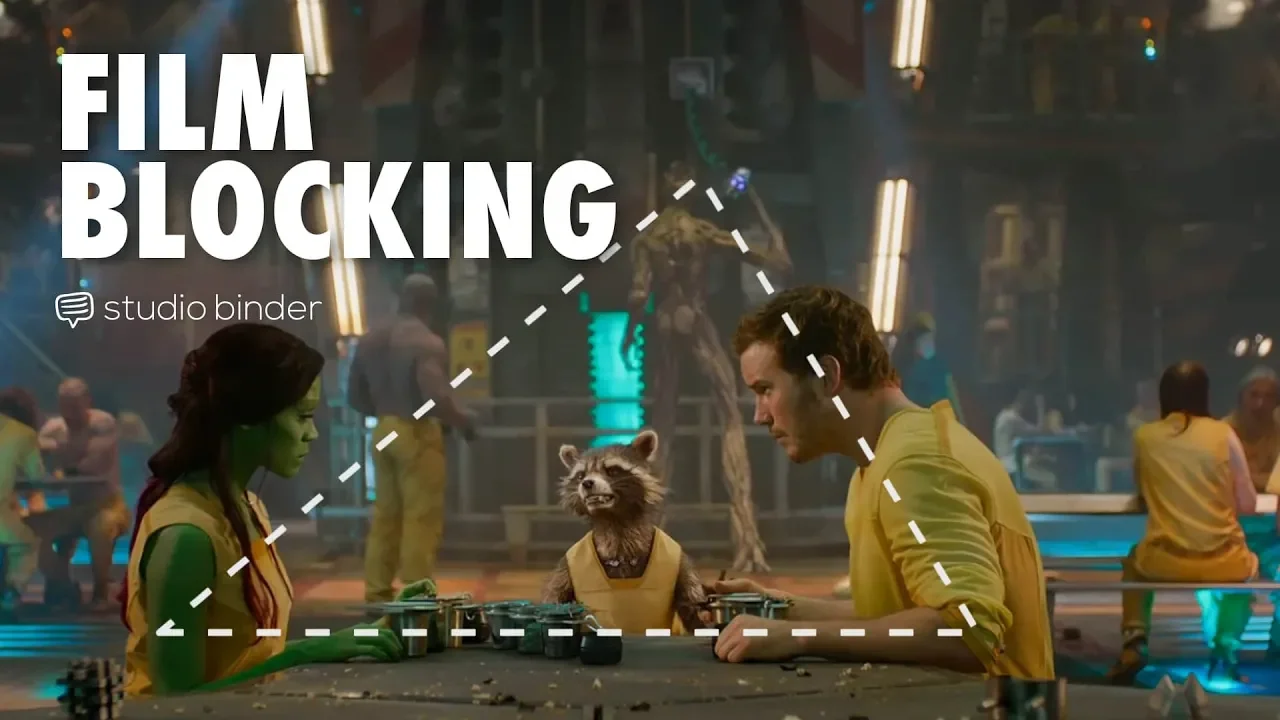
Film Blocking Techniques for Directors: Space, Shapes, Lines
@StudioBinder
1.9M views•2018-07-23

4:00
Evolution of Darth Vader: Anakin Skywalker's Animated Journey Across Star Wars Films
@TellItAnimated
13.4M views•2019-03-30
Related Study Plans & Knowledge Roadmaps
Structured learning paths in Film Analysis
film-analysis
Sensory Cinema: Foley, Haptic Sound & Texture
01Introduction to Film Sound and Foley Artistry
02Micro-Sounds, Textures, and Extreme Amplification
03Haptic Audition and Film Phenomenology
+ 1 more learning modules
12h4 modules
Explore Roadmap
film-analysis
Breaking the Fourth Wall: Mockumentary & Satire
01The Invisible Wall: Basics of Cinematic Illusion
02Looking at the Lens: Direct Address & Character Glances
03The Mockumentary: Satire, Realism, and Complicity
+ 2 more learning modules
12h5 modules
Explore Roadmap
film-analysis
Analyzing the Long Take: Cinema, Space & Ethics
01Foundations of Film Grammar: Montage vs. The Long Take
02Choreography and Mechanics of the Simulated One-Shot
03Phenomenology of Film: Real-Time Spatial Continuity
+ 1 more learning modules
14h4 modules
Explore Roadmap
film-analysis
Anachronistic Music: Period Drama & Subversion
01Foundations of Film Sound and the 'Needle Drop'
02Traditional Authenticity vs. Revisionist History
03The Rise of the Anachronistic Soundtrack
+ 2 more learning modules
12h5 modules
Explore Roadmap