






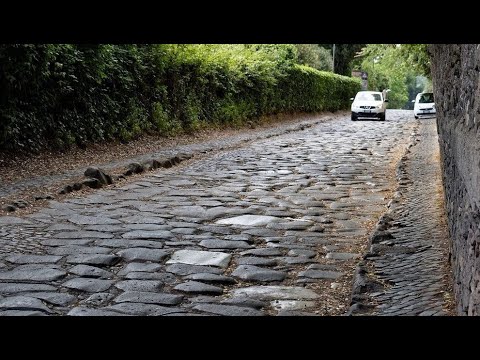





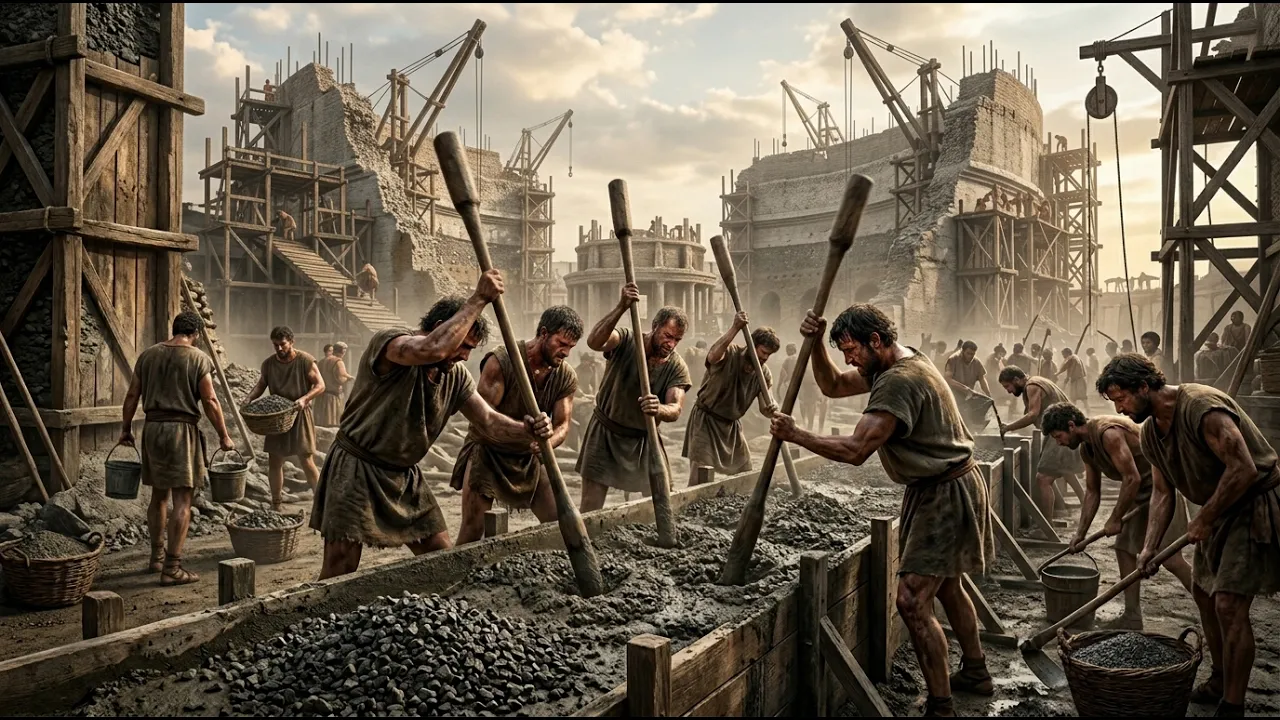



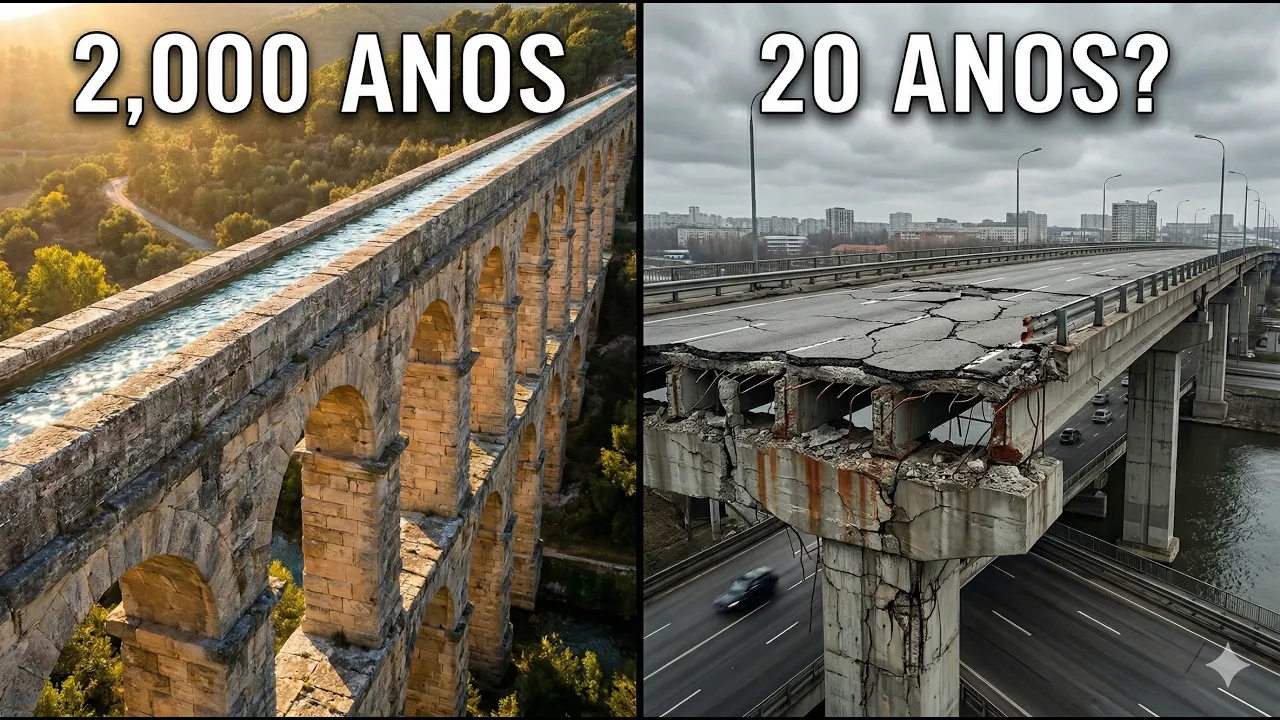





Roman engineers built durable roads and aqueducts using tufa stone, which could be carved with bronze tools, and employed innovative construction techniques such as interlocking stones and gravity-fed water systems that have lasted over 2,000 years; the Appian Way, constructed by Roman soldiers, demonstrates how they created straight, long-lasting roads with wagon ruts still visible today, while Roman aqueducts used tufa blocks with holes for lifting stones during construction.
Via Appia Antica & Roman Aqueducts: Ancient Engineering & Masonry Travel Guide
Added:Basic understanding of the Roman Empire's expansion, geography, and the political/military motivations for building regional infrastructure.
Fundamental principles of structural physics, specifically how arches distribute weight and compression forces in stone masonry.
The primary societal purpose of Roman roads (military mobilization and trade) and aqueducts (urban sanitation and public baths).
An introduction to ancient building materials, specifically the properties of volcanic ash (pozzolana), lime mortar, basalt, and tufa.
In-depth study of Roman concrete technology (opus caementicium) and its chemical resistance to seismic activity and saltwater erosion.
The advanced hydraulics of Roman water systems, including the engineering of pressurized siphons, settling tanks, and urban distribution systems (castella aquae).
The socio-economic and public health impacts of ancient Roman infrastructure on urban development and imperial expansion.
Modern preservation, heritage management, and structural engineering techniques used to conserve and restore ancient stone monuments.
6.5K views594likes11:53Original Release: 2025-01-30
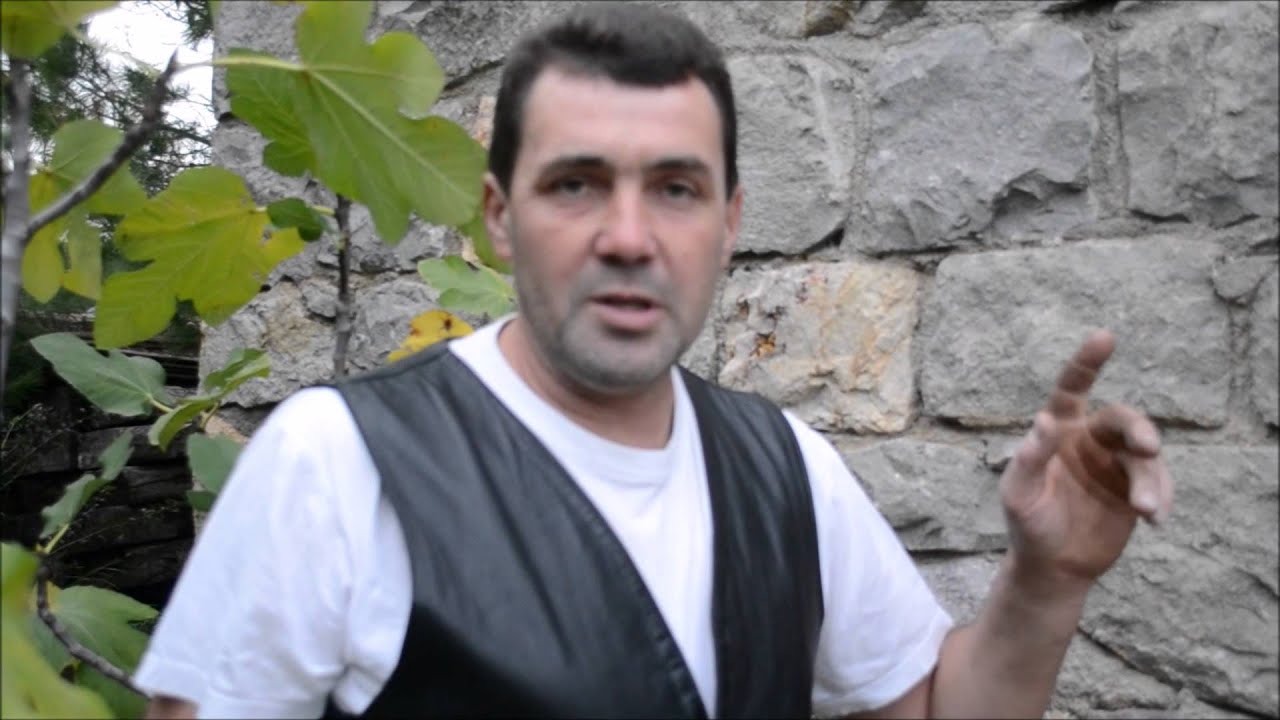
hi I'm Mike hadock and today we're in Rome Italy and we're marching down the appan way and then we're going to look at some aqueducts so here we go okay I found the appan way the old Roman Road and like I said when they put these monuments in this was a I used it as a fortress a castle a tomb when they put this in here's something got learn about masonry it's the old school way of doing it these parts that were sticking out like this see them they're sticking out when you get up here that's the way that was also and that's what marries or ties in the stone workor that would look like that tie it in that's the back that's the front and when they're repairing these buildings they're throwing anything in there they want it been plaster around it to make it look good is the old app away the Roman roads they used Roman soldiers used to March 20 miles a day and they built these roads most ofly built by the Roman soldiers you could still see the wagon tracks here some cars are still using it and it's a pretty nice walk you get to see how some other people live in the world it's a very peaceful walk here's another one of those tombs that are on the way same thing the stuff sticking out and after the fall of uh Rome see those things sticking out everything got scab scabbed and robbed all the good stonework looks like they got some nice Estates behind the trees and uh some nice places that's all pretty deat isn't it here's another one of these tombs that were coming up under all they had buried a lot of the noble people at that time along the appan way and they try to make these roads as straight as possible nice Roman architecture looks they they built it right inside a tomb we're still marching down here I don't know how many of you people ever been in the military but I was in the Navy but that's one of the first things you learned was to March March March March so we're about 20 minutes deep we're going to run another walk another 10 minutes and then turn around because we're uh we got a time thing going on after 2,000 years you could still see the wagon ruts there's another tomb and then another tomb there's one of those tombs and we got horse riders love looking at the Old Stone you see it they put on the side here this was just kind of left and if they leave a stone it's usually because it's not a great Stone see that and [Applause] then and up here we got a statue maybe what the guy looks like I don't know so you can see these tombs when they're repaired they just got some old stuff stuck it up in there I don't know if you could see it just repaired it it's probably way after the fall of the Roman Empire see how they just stuck it all in there to use stuff so we got our retaining walls here you see how they were built but the dirt goes way behind them they don't get the frost like we do Pennsylvania this was Pennsylvania that I'll fall over another old tomb here's one of those Italian houses like an Olive Garden type of thing now here's one of those empty tombs you notice how the even though it's not arched it still holds up a lot of people ask me questions about that it arches itself basically because see that that stone is called a tofu this was the tomb and it got robbed that's the end of that looks like these people the entrance to their gate they use a lot of old pieces of that stone see it parts of statues and everything so that was the regular thing around here I don't know what that says so as time would have it I got a turned around I'm lucky it's cool out I would have have never made this walk so now we're going to be going back the other way so you got to love these trees and there's that uh one of those houses that look like the Olive Garden houses and here's what I like like about it when they repair these houses or put Stone they used Old Stone work you see it they put pieces here and pieces there pieces here or when they originally built it they put it in these are all pieces from parts of everything from the Coliseum to any old Shrine look at the way that is so with ston work you can do anything you want there's no right or wrong way as long as it stays there look at these peers they built them with all those pieces and everything from from uh the junk Lane around even the retaining walls look at all these old pieces see that it's a good idea all the junk everything that was broken up not used anymore some nice modern arches with old school brick work see them it appears then what's in between there's an old Roman Shield thank God we didn't live in those days right yep I just enlisted in the Roman army so we're in Rome Italy and we're looking at the aqueducts and there's one behind me and then if you go around this way you can see more a lot of them are missing we're going to take a look at them so we're looking at the old aqueducts that carried water into Rome I know there's a lot of good examples here but this is made out of like a tofu they called it and they could carve this with bronze tools and take a good look at it so they had their arches this is like a tofu I think they call it it's almost like a concrete and their Stone going around and then they went and did everything used everything up into there brick they used brick up there anything they had anything that worked and here in this park there's a bigger example a lot of it's gone you look over here there's another one in this park so is the park okay here's some more walking under them used anything that worked anything so here it is we'll get up here and take a look at it that's it Roman aqueducts I noticed they all have the holes in here and I believe that was for actually lifting the stones but this is a tofu it's called you could carve it with bronze tools and that's it and you go over there there's another long one so that's it with the aqueducts and the appan Whey that was always on my bucket list for a long time I always wanted to walk down that road uh and you could go on the internet and you could see basically the sketchings on how they built the aquad ducts they had cranes and don't forget the Romans had Siege machines and they built big ships and they rolled stuff across the Mediterranean so they did have a lot of technology and you could also go on the internet and look up how they built those Roman roads they know a lot more than I do you know they got people who dig them up and see how they put them together and when I went on that trip I got a taxi like 8:00 in the morning and I showed him you know I always got a piece of paper I want to go to the appion way well he took me there and he got me lost I had to walk a half a mile till I got to where they were opening the catacombs up and they says no you're about a mile away and then I got a taxi driver and I was showing him the aqueducts and he took me to Aqueduct Park and I said don't go anywhere stay right here and they went and I filmed it only took me about 10 minutes then I went back to the Aion way and it was a a real nice walk I mean I really enjoyed it I wish I could have got a lot farther but I didn't another thing when I always go to foreign countries I look at their roads and I look at their sidewalks now you walk around the back streets of Italy and you're going to see all pavers all the roads are pavers you can see where the trolleys are you go into the Vatican it's all pavers and now they're actually still putting pavers in I mean some of them are starting to use uh concrete and black top and I see that I get a little bit because I I like the old school method but I always look for stuff like that so thanks for watching check out all my other travel videos like the pyramids and Monte picu and the great wall and cetonia and all those kind of sites I got a lot more to come from Italy Greece and uh turkey thanks for watching I'm Mike hadock I'll see you next video [Music]
Up Next
45:55
Engineering Challenges of Building Hudson Yards Over Live Rail Tracks
@BlueprintITVS
803.1K views•2025-06-11

30:32
Ultrasonic Transducers: Resonant Frequency Measurement and Horn Design
@imajeenyus42
229.9K views•2017-02-22
54:16
Polymer Environmental Degradation: Mechanisms & Stabilization
@iit
1.8K views•2012-07-10
33:39
How a Student's Question Saved a NYC Skyscraper from Collapse
@veritasium
22.8M views•2025-04-26
Related Study Plans & Knowledge Roadmaps
Structured learning paths in Engineering
engineering
Building Acoustic Levitators: Physics & Arduino
01The Physics of Sound and Standing Waves
02Piezoelectric Transducers and H-Bridge Drivers
03Arduino Programming: Generating 40 kHz Signals
+ 2 more learning modules
14h5 modules
Explore Roadmap
engineering
Building Peltier Cloud Chambers: Particle Tracks
01Cosmic Rays & Cloud Chamber Physics
02Thermoelectric Cooling (TEC) Fundamentals
03Custom Liquid-Cooling Loop Design
+ 2 more learning modules
18h5 modules
Explore Roadmap
engineering
Yagi-Uda Antennas: Modeling, Build & VNA Test
01Introduction to RF and Antenna Fundamentals
02Yagi-Uda Antenna Design Principles
03Antenna Modeling and Simulation in 4NEC2
+ 2 more learning modules
18h5 modules
Explore Roadmap
engineering
ECG Monitor Design: Op-Amps, Filters & Noise
01Electronics & Breadboard Basics
02Op-Amps and Instrumentation Amplifiers
03Bioelectricity and ECG Fundamentals
+ 2 more learning modules
18h5 modules
Explore Roadmap