












![Ciclo do Nitrogênio [Biogeoquímico]- Aula 08 - Módulo VIII: Ecologia | Prof. Gui](https://i.ytimg.com/vi/XbWO9hv3304/maxresdefault.jpg)







The nitrogen cycle involves five key processes: biological nitrogen fixation (leguminous plants convert atmospheric N2 to nitrates via root nodules), atmospheric nitrogen fixation (lightning converts N2 to nitrites), ammonification (decomposition of organic matter releases ammonia), nitrification (soil bacteria convert ammonia to nitrites and nitrates), and denitrification (bacteria convert nitrates back to atmospheric N2). The carbon cycle describes how carbon moves through the atmosphere, living organisms, and geological reservoirs: plants absorb CO2 during photosynthesis and release it during respiration, animals obtain carbon by consuming plants and release CO2 through respiration, carbon forms fossil fuels (coal from plants, petroleum from marine organisms), and carbon exists in water as limestone and in shells as calcium carbonate. Greenhouse gases like CO2 and CFCs maintain Earth's temperature but excess levels cause global warming by trapping infrared radiation.
CBSE Class 9 Science: Nitrogen & Carbon Cycles | Natural Resources
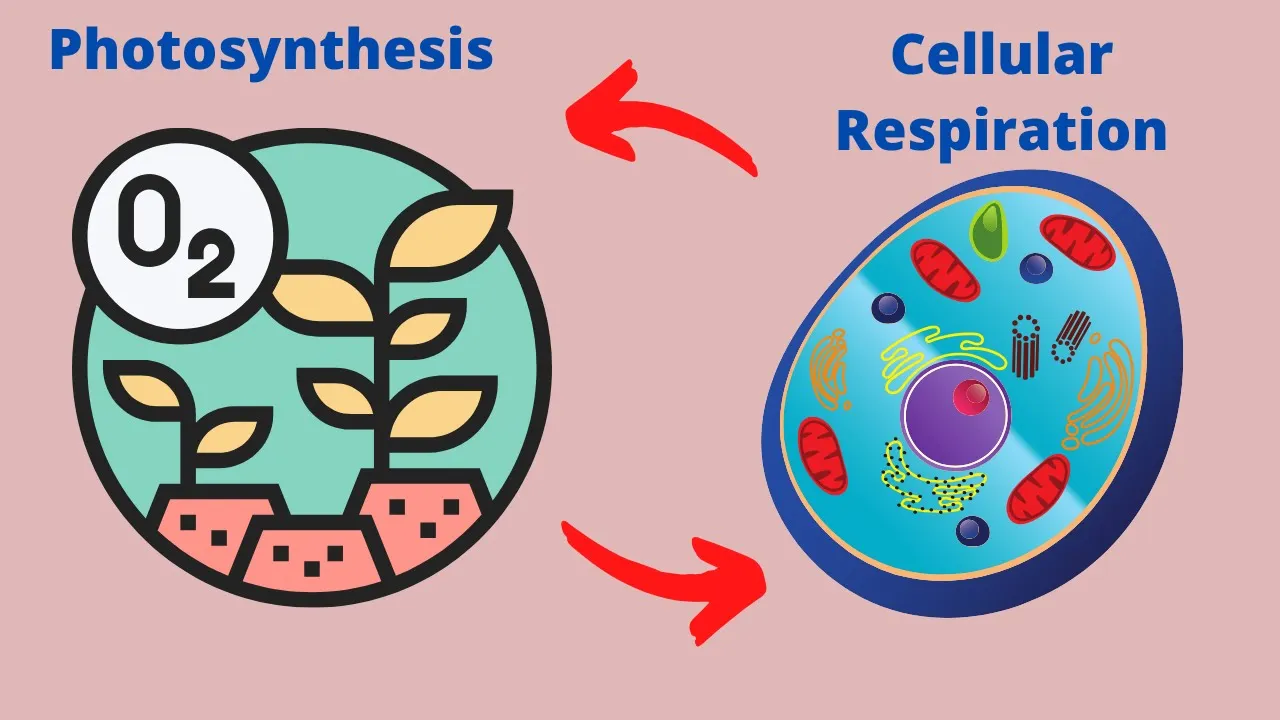
Added:[Music] hello everyone welcome back let us continue with the chapter natural resources in our previous class we were studying about the biogeochemical cycles and we studied two of the biogeochemical cycle that is the water cycle and the oxygen cycle and we even studied the processes which were involved in it like the water cycle have evaporation condensation precipitation right and then we studied the oxygen cycle that is why how the oxygen is coming or taken from the atmosphere to all the biotic and a biotic things and then again comes to the atmosphere right that was either by if the plants are taking the oxygen that or the animals are taking the oxygen plants take it during the night time and animal take it throughout the day and night that is by respiration then they are giving out this carbon dioxide and water which is taken up by the plants for photosynthesis and the plants again give that oxygen out right the carbon dioxide and water is taken and during photosynthesis oxygen is prepared so the oxygen again come backs to the atmosphere today in the same way we'll study the next two biog geochemical cycle that is the nitrogen cycle and the carbon cycle now nitrogen cycle we all know that nitrogen is one of the important part of our body right it is present in proteins it is present in amino acid it is a part of DNA okay it is used to prepare the DNA then it is also used for preparing the enzymes because enzymes are nothing but proteins and proteins are made up of nitrogen mostly then even your ATP consist of nitrogen so it is very important that this nitrogen goes into the body of plant as well as animal and come backs to the atmosphere we have already studied the constituent of air and we know that nitrogen is around 78% in the air so let us study the m of nitrogen from the atmosphere to all the biotic and abiotic components and again coming back majorly the nitrogen cycle have few of the processes the first one being biological nitrogen fixation okay the name itself says that this nitrogen fixation will take place because of biological things then we have atmospheric nitrogen fixation the next process which is involved in nitrogen fixation is ammonification then we have nitrification and the last one denitrification so these are the processes which we are going to study in the nitrogen cycle okay let us start with the first one now nitrogen we all know it is occurring as simple n in the atmosphere and in this form it cannot be taken up by the plants or animals right and it is around 78% of the atmosphere the maximum constituent of the air is nitrogen so how does it comes in it comes in the plants and animal through biological nitrogen fixation the first one what is biological nitrogen fixation we all human beings right plants and animals generally take in oxygen or plant during photosynthesis takes carbon dioxide as a gas this nitrogen cannot be taken right but few of the plants like leguminous plant take this nitrogen as their food okay they take in the nitrogen for preparing the food and then the same plant gives the nitrogen to the animal okay so this generally when I say biological nitrogen fixation I'm talking about the leguminous plant which take this Elemental nitrogen as a major product okay so biological nitrogen fixation through that it will come into the plants right now this plants will be eaten by whom it will be eaten by animals right so from here the nitrogen came in plants and it will come to the animals now remember I'm not telling all the plants only the leguminous plant all the leguminous plant will be able to do this biological nitrogen fixation because in the root nodules we all know that they have the leguminous organism okay which helps to take this nitrogen and then convert them into nitrate and nitrites now when the plant dies what will happen they'll get converted into ammonia okay the waste even the animal secretes out the waste in the form of ammonia and UA so this is the way the plant will again give to the soil okay now this is the first thing that is biological nitrogen fixation so what happened the leguminous plant took the elemental nitrogen and then it came in plants that plant if they are eaten by animals then what will happen it will come in animals and then the plant will dead and Decay they'll again give out in the form of ammonia even the animals will secrete the same in the that is the waste in the form of ammonia let us go to the another one atmospheric nitrogen fixation this happens during lightning and thunder okay during lightning and thunder this nitrogen get mixed with oxygen and gets converted into nitrites okay so this is also called as nitrification okay and this nitrification over here takes place because of lightning and thunder so nitrification over here is taking and this is known as atmospheric nitrogen fixation so what happens in atmospheric nitrogen fixation due to lightning and thunder this Elemental nitrogen gets mixed with the oxygen and gets converted into nitrites and that process is also called as nitri ation okay this ammonia and now we have the nitrites now what will happen to this ammonia the soil microorganism which are present in the soil okay what will they do is they'll break down this ammonia that is NH H3 break down this ammonia and then mix this nitrogen again with the oxygen so the ammonia will get converted into nitr es okay this first it was getting converted into nitrites and from nitrites this nitrification will convert into nitrates okay and again the same soil microorganism will convert this nitrites also to nitrates so nitrites are nothing but your NO2 components and nitrates are NO3 components okay now the plant cannot take nitrite directly but from the soil the plant are easily able to absorb the nitrates so apart from leguminous plant other all plant take this nitrates as the source of nitrogen okay so this biological nitrogen fixation will happen only for leguminous plant okay due to the industrial nitrogen fixation and whatever waste are there from plants and animal the ammonia will get converted into nitrites this nitrite further will get converted into nit rate okay and the nitrates can be easily taken up by all the plant now there are few bacterias in the same soil okay what do they do is instead of converting them into NO3 components they remove the oxygen okay so that process is called as denitrification so during denitrification what will happen is the oxygen will get removed from the nitrogen and again you will get the nitrogen back so this is the way the atmospheric nitrogen comes back to the atmosphere due to the process of denitrification so the first one biological nitrogen fixation it is taking place only in leguminous plant fine after that atmospheric nitrogen fixation what happens is the atmospheric nitrogen due to thunder and lightning get mixed with oxygen and you have nitrification okay that is nitrate getting nitrogen getting mixed with oxygen okay so that happens and you get nitrites and nitrates fine now this ammonia also due to soil microorganism will first get converted into nitrites this nitrite on further nitrification gets converted into nitrate okay so this nitrite cannot be taken up by the plant but once it gets converted into this NO3 compound okay it can be easily absorbed by the plants so the nitrates will be taken up by all the plants and if by chance instead of nitrification bacteria you have got denitrifying bacteria what do they do they remove the oxygen instead of adding the oxygen to NO2 compound they remove the oxygen so that it will get converted into again the nitrogen from which we took it that is from the atmosphere so this nitrogen will again go back to the atmosphere okay so now what is this ammonification which is remaining now this ammonification is nothing but this one only okay the verion of plant and even by The Animals the nitrogen whatever is present in them the body part when they get dead or decayed or the as a waste they throw out in the form of ammonia that is nothing but your ammonification so you can add this over here conversion of whatever nitrogen is there in the plant and animal body in the form of protein in the form of their DNA in the form of their ATP when they get converted into ammonia it is called as ammonification okay so these are the five major steps of nitrogen fixation so first let us Recaps youate what is there the atmospheric nitrogen due that leguminous plant will take them due to biological nitrogen fixation okay it will go into the plant body and the plants will be eaten up by The Animals the other way is industrial or your atmospheric nitrogen fixation in which what happens that the nitrogen gets mixed with the oxygen due to thunder and lightning that is nitrification and get converted into nitrates okay now this plant and animal whenever they die the dead and Decay or even the waste of plant and animal are in the form of ammonia so that processes ammonification this ammonia will get converted into nitrites by nitrifying bacteria okay and this nitrite will again get converted into nitrates the nitrates can be easily absorbed by the plant so other all plants except the leguminous plant will take this nitrates as the source of their nitrogen and if instead of nitrification you get denitrifying bacterias that is removal of oxygen from the nitrogen okay the nitrogen say oxygen will get removed so in that case denitrification will take place and again you will get the same Elemental nitrogen in the atmosphere so this is the way the nitrogen is taken by the biotic and abiotic component and again given back to the atmosphere this is all about your nitrogen cycle just have a look over here and then we will go on to the carbon cycle okay the five major processes biological nitrogen fixation this is for leguminous plant atmospheric nitrogen fixation for lightning and thunder where it gets converted or where it get mixed with the oxygen ammonification that is the plant waste and the animal waste they gets converted into to ammonia that is NH3 nitrification what happens is the nitrogen gets converted to NO2 or NO3 compounds and denitrifying the no okay oxygen will get removed from the nitrates and nitrites and again you will get the elemental nitrogen let us go to the next cycle carbon cycle okay now carbon is again present in the atmosphere in the form of your carbon dioxide right and it is present in a very small amount but this carbon needs to be circulated in the atmosphere because it is a major part of your photosynthesis where the plant takes apart from this the carbon dioxide or the carbon is also present in different forms in our living things like in the form of shell okay it is also present in the form of limestone what is limestone it is generally present in the water so in the form of shells in the form of limestones different stones that is mixed with calcium that is calcium carbonate and all that you are having then it is even one of the major component of fuel we all have studied in 8th standard how are the fuel produced right so coal and petroleum are also made up of this carbon fine so that is the reason we are going to study the carbon cycle apart from this it is also one of the major greenhouse gas okay and we know that greenhouse gases are important why because they maintain the temperature but nowadays what is happening is the greenhouse gas content have increased as a result the temperature have also increased so that we'll study once we have finished the carbon cycle let us start with carbon cycle okay now carbon is present in the form of CO2 in the atmosphere right it is present in the form of carbon dioxide now who takes this carbon dioxide it is taken up by the plants for which process it is taken up by the plants for the process of photosynthesis right this is during the daytime during the night time the plant gives out the carbon dioxide right because night time they respire so this is one cycle the first cycle in which the plant how the plant takes and give out this is during the morning time and this is during the night time now this plants are been eaten up by The Animals so from the plant it comes into the animals right and the Animals also give this carbon dioxide side during respiration so if I want to write down what is this process by which they are giving back again I can write down respiration over here okay and even their decomposition whenever they decompose they release carbon or decomposition I'll write the release carbon compounds okay so this is one of the way the plant will take in for the photosynthesis during daytime and at night time they'll give out during respiration this plants are eaten up by animals but the animals take only oxygen we studied that in oxygen cycle and they give out carbon dioxide again right now plant makes up coal right so the carbon from the plant comes to animal as well as it is in the coal from the plant itself right then even plants helps to make up the petroleum but petroleum is made up of the dead and decaying of plant as well as animal the Marine plants and animals so petroleum the carbon will come from plant Marine plant as well as the marine animals so this coal have the carbon content petroleum have the carbon content from here apart from this the carbon dioxide also enters the water okay it also enters the water Because by the process of diffusion and from this it is generally present in the form of limestone in the water the stones okay and then the animals are the ones which have the shells right so shells of animals okay so the carbon dioxide is taken by the plant and animal but it is present in plant from plant it comes to the animal from plant it also goes to a fossil fuel that is coal okay so the coal also contains carbon from plant itself it goes to petroleum but the petroleum is made up of marine plants and animals so both the things will have petroleum fine then the carbon dioxide moves even in the water and it is generally present in the water in the form of limestone this animals also have the carbon in the form of shell the shelled organ organisms will have the carbon content okay in the form of their shells the shells are generally made up of calcium carbonate okay so over there also the carbon is coming so this is your carbon cycle easy the carbon dioxide will be taken up by the plants and the plant this is during which time for your convenience I'm writing this is during morning time no need of writing so that you can understand I'm writing it over here then during the night time the plant respire so you get the carbon dioxide again now the plants are eaten by animals through which the carbon comes into the animals and the Animals give out the carbon dioxide during respiration as well as decomposition okay then the plant are a part of the for the formation of coal so the carbon from plant also comes in the coal plant and animals both are a part of formation of petroleum so from both of them you get car in the petroleum content okay then the carbon is also mixed with water and the water it is present in the form of limestones okay and if the animals are Shar then also the carbon will be there so from that also the carbon is present in the atmosphere now let us study the greenhouse gases we already studied when we are studying the air and its pollution that there are few gases which are produced due to the decomposition of all this matter that is when ever the garbage get decomposed as well as the burning of coal and petroleum right so the carbon dioxide your cfc's what are CFCs chlorofluorocarbons okay these are generally made up by the working of air conditioner and even the sprays okay they leases even the refrigerator releases the CFCs these all are majorly okay your greenhouse gases now these greenhouse gases are actually required by the atmosphere okay because of the presence of these greenhouse gases only majorly the carbon dioxide is one of the major greenhouse gas and because of this gas only the temperature of the earth is maintained they said that if greenhouse gases are not there then the temperature may drop by minus 20 okay and because of this greenhouse gases we have a average temp temperature of 15° C but nowadays we are experiencing ing temperature which are going much about this limit okay this is because this greenhouse gases have increased too much as a result the infrared radiations are not allowed to go again back okay and the Rays remain in the atmosphere itself due to that reason the overall temperature of the Earth have rise and that you call it as global warming okay so global warming takes place due to the excess amount of this greenhouse gases because they do not allow the radiations to go back so the radiation remains in the earth atmosphere and keep on heating up the Earth okay remember this greenhouse gases are required in small quantity by the Earth to maintain the temperature but if the level increases then only they cause the rise in Earth temperature that is happening now okay with this we have almost completed the chapter let us Recaps youate again that is the nitrogen cycle which have five processes biological nitrogen fixation which takes place in leguminous plant then we have atmospheric nitrogen fixation which takes place for all the plant where the lightning and thunder converts the nitrogen into nitrates okay now this plant and animal waste whenever this leguminous plant are eaten up by the animal or any plant is eaten up by the animal they give out the waste in the form of ammonia that is called as ammonification okay this ammonia gets nitrified by nitrification process and you get nitrite that is NO2 component the NO2 component convered again to NO3 okay and this NO3 that is the nitrate can be easily taken up by the plants again if by chance this nitrate comes in contact with the denitrifying bacteria of the soil so instead of getting converted into NO3 it will get converted into the atmospheric nitrogen again the n and as a result it goes back that is one thing then comes the car Caron cycle okay first the carbon is taken up by the plant carbon dioxide for photosynthesis during night time it is given out for respiration and decomposition during that process the plants are eaten up by the animals and the Animals again give out the carbon dioxide during the respiration and decomposition the plant is one of the major component of coal okay so from the plant it comes the carbon comes in the coal and from plants and animal the carbon comes in petroleum there are few animals which are shelled so it comes comes in the shells of the animals and the carbon dioxide can also get mixed with the water and is present in the form of limestone in the next class we'll be recapitulating the whole chapter with the help of a well defined flowchart and then we will carry forward with the important question and answers thank you hope this video increased your knowledge for more such videos and a completely pre educational content log on to www.epa.org or visit our epathshala YouTube channel we have each and every question solved for math physics chemistry and biology so subscribe our Channel share with your friends like our Facebook page and follow our Twitter handle for regular updates and important educational tips and also win artella goodies so what are you waiting for subscribe this Channel and enjoy the freedom of Education
Up Next

Ozone Monitoring From Space: TEMPO Satellite & Air Quality Webinar
@ncar_ucar_education
100 views•2025-07-11

Life in Biosphere 2: Sustainable Ecosystems & Human Survival
@TED
334.9K views•2009-06-16
Microplastics Everywhere: How Plastic Impacts Our Lives
@TEDx
100.9K views•2018-05-08
Ice Stupa Artificial Glaciers: Solving Ladakh's Water Crisis
@SonamWangchuk66
3.2M views•2015-05-03
Related Study Plans & Knowledge Roadmaps
Structured learning paths in Environmental Science