









![Почему реактивный двигатель не плавится? [Veritasium]](https://i.ytimg.com/vi/F6UB0V2Fct4/maxresdefault.jpg)

![[Tecnología Mecánica I] Clase N°7B](https://i.ytimg.com/vi/awpsN8nJwlI/sddefault.jpg)


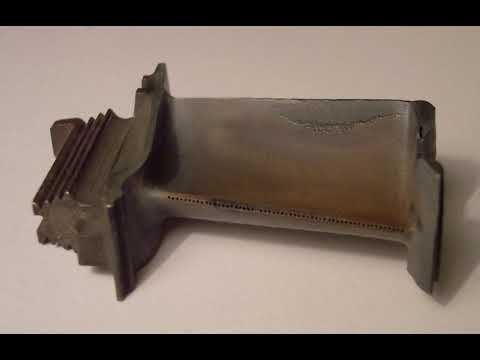






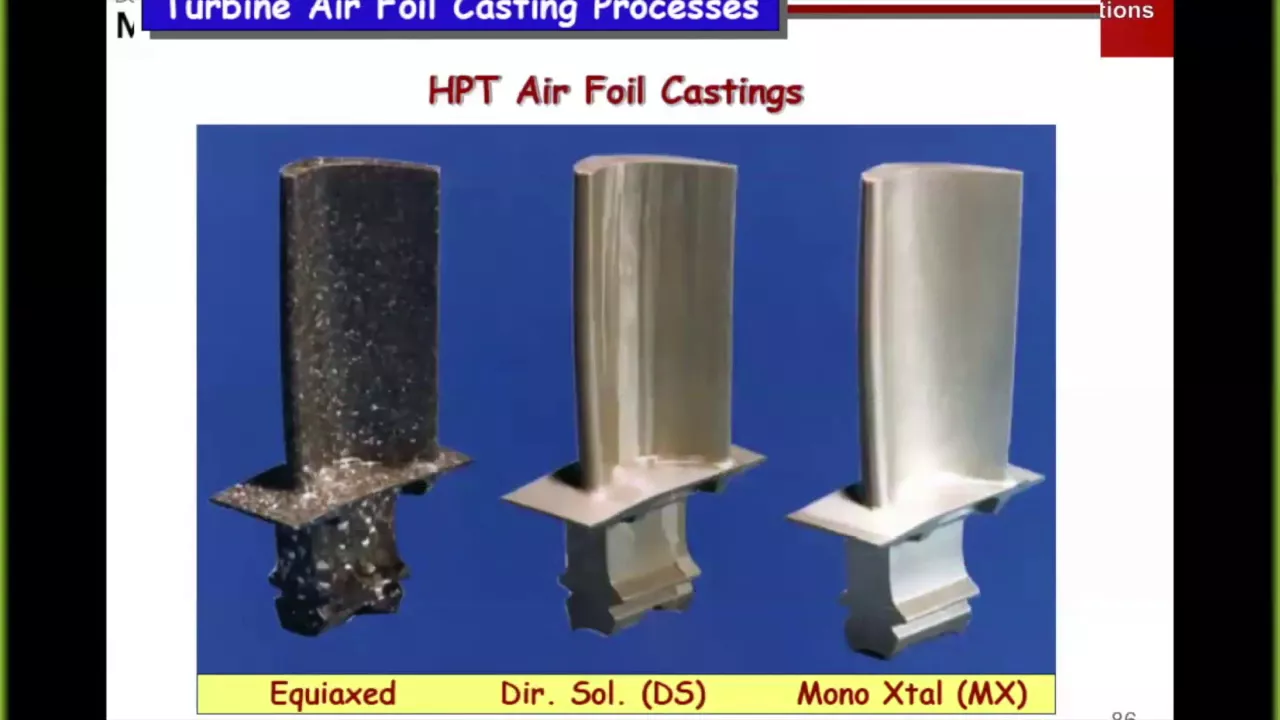
Superalloys are high-temperature alloys primarily composed of nickel, cobalt, or iron that maintain exceptional strength and resistance to creep, oxidation, and corrosion at elevated temperatures, making them indispensable for critical components in jet engines, gas turbines, and other high-temperature applications; their remarkable properties stem from three strengthening mechanisms: solid solution strengthening through alloying elements like chromium, molybdenum, and aluminum occupying lattice sites, precipitation strengthening via intermetallic compounds such as gamma prime (Ni3(Al,Ti)) that form within the matrix, and carbide/boride strengthening through compounds like M23C6 that precipitate along grain boundaries, all of which work together to enable these materials to withstand extreme thermal and mechanical stresses encountered in aerospace propulsion systems.
Superalloys Explained: Jet Engine Materials & Strengthening Mechanisms
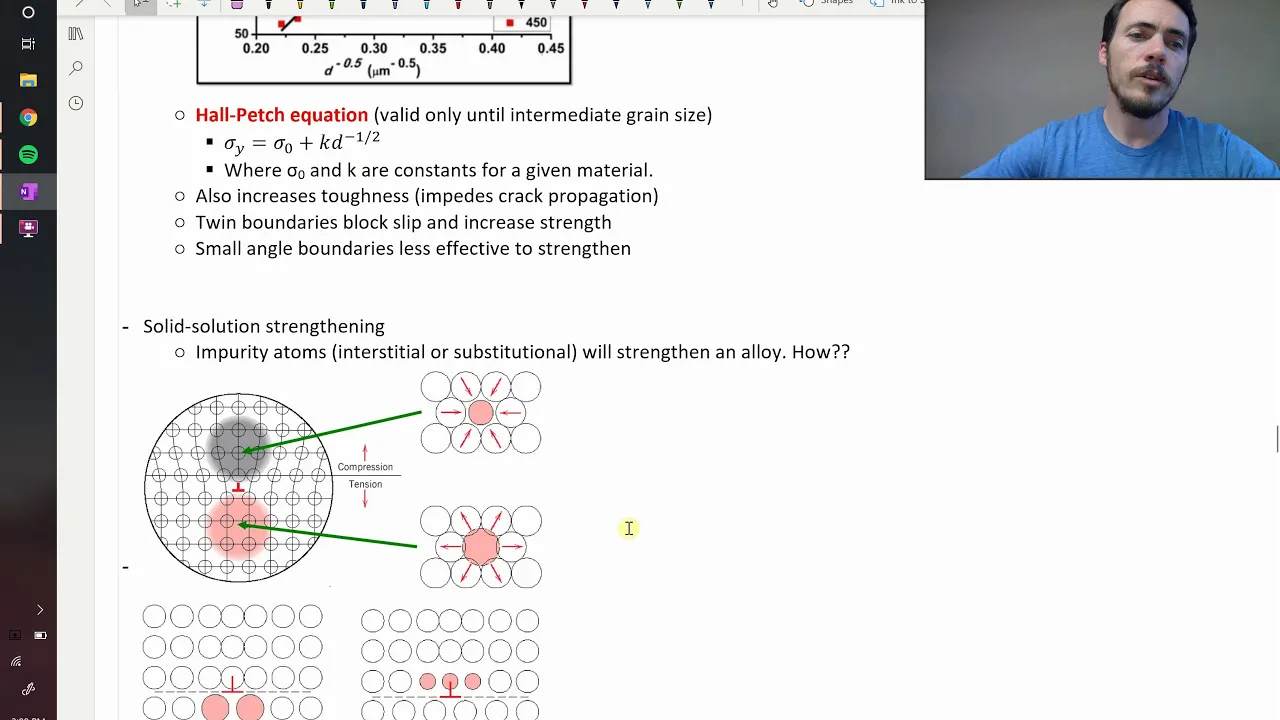
Added:[Music] so good day so next i am going to discuss about another modern engineering material which is called super alloys so from the name itself it is clear that it is an alloy so before discussing about super alloys uh let me explain the need of super alloy so see this this is a jet engine cross section and here in this jet engine we have different parts there is a fan in the front area then low pressure compressor then and this is the high pressure compressor and this is the combustion chamber and we have a combustion sorry high pressure turbine the lower pressure driven so these are the different uh main parts of a jet engine and see this what is the temperature um during its operation what is the temperature developed inside this jet engine so here in this uh here this fine area subjected to ambient air so it would be atmospheric temperature but when we when the air enter here here it has a temperature of 200 degrees celsius then in this high pressure combustion or area it's increased to 600 degrees celsius then in the combustion chamber it is around 100 100 degrees ces then in the lower pressure turbine it is 100 degree celsius so that is the distribution temperature inside the jet engine during its operation station so here we are using different types of material so here in the inlet area where the temperature is very low we can use composites and here in this law and density aluminum materials are used here we use titanium here in this two area where again it is a low temperature region where we use steel but here this area is very important this area where we use super alloys so super alloys is a the main need of super low is is the development of parts or components where we where the temperature is very high where the temperature is very high so in this area we are using the uh in this area we are using super alloys okay so that is the important need of super alloys so that is the amazing property of the super alloys they become stronger at a higher temperature okay so we can use or we can select a material uh that is super alloy material which is very strong and high temperature so that is the important property of a supralight see the specific strength of different material with respect to temperature so when the temperature increase what happened to different material see this aluminum with respect to increase in temperature the material specific strength of the material is decreasing for steel this is also decreasing for the titanium alloy up to a moderate temperature it has very good strength but after um at a high temperature it's again decreasing but see this red colored super alloy nickel alloy nickelo is and that is one type of super alloy see this constant strength up to very high temperature okay up to i even and very close to the melting point of nickel this material super alloy material uh show very high strength at a high temperature so that is the important property of a super alloy so we can then we can define a super alloy super alloys are high temperature alloys used in jet engine gas turbine and reciprocating engine okay and what are the important characteristics of a super alloy it is able to maintain high strength at a high temperature so that is the important property of a super alloy able to maintain high strength at a high temperature so actually the development of super low is is for this application uh especially uh during the world war second world war 1930 so every every country participated in this and second world war trying to develop engines with the very high velocity the aircraft with a very high velocity so they need very high efficiency engines jet engines for that for higher efficiency we know based on the carnot cycle if the heat supplied minus heat rejected by heat supplied is the efficiency so if we can increase the heat supply then efficiency also will increase so how can we increase the heat supply by um supply um gas or air with the higher temperature so if the temperature is increased what happened to the material if we use the ordinary sheet or ordinary material what happens is strength will decrease so there is a chance for the damage of the engine so we need a material that has very high strength at a high temperature thereby we can develop an engine with a higher efficiency so that is the actually the driving force for the development of this opera alloys so it has a very high strength at a high temperature and next to important properties is corrosion resistance it has a good corrosion resistance and oxidation resistance at a high temperature that is also important and next one is the good resistance to creep and rupture at high temperature the most of the material and which show creep deformation at the high temperature so that is the main um failure criteria for the material at a high temperature so this uh super alloy material uh saw a good resistance against creep at a very high temperature so these three are the main three important property of a super alloy so there are three classes of sopralos nickel based resolution and and we use different alloy elements in this for the development of super alloy so what is the main important property of nickel the important property of nickel is this one it mainly an fcc crystal structure throughout the melting temperature up to melting temperature it has a fcc resistance but in case of iron this is um this is not true because there will be allotropic or polytropic change in the iron um and faster it will be ferrite then austenite then um delta period so uh it has bc structure and cc sector again this is actually so it will be there will be a polymorphism or volumetric transformation for iron but such a polymorphic transmission is not showing in in case of nicotinic throughout its temperature it's showing fcc crystal structure so this fcc crystal structure is very good for higher strength and high temperature i will explain about that later and next one cobalt we use cobalt mbm developer cobalt based super alloys and it has a crystal structure at the room temperature but at higher temperature as a fcc crystal structure and iron bases super low as we know um between 910 degrees celsius and a thousand four hundred degrees celsius ion is in austenite state of snake is an fcc crystal sexual so here we can see a common one common thing in these three cases for nickel cobalt and iron we can see a common thing that is at a high temperature um every material the iron nickel and [Music] fcc crystal structure so we know fcc structure are more class factor if you if you consider the atomic packing factor of 50 second structure it is more close back than that of the bcc crystal structure so because of the very close packet structure what is that doing is uh hence diffusibility are very low so the creeps resistance will be very high at a high temperature so the chance for diffusion will be very less in fc secrecy that is why these three material is selected for the development of super alloys nickel cobalt under iron and we use some stabilizers to stabilize the crossbar structure for high temperature applications we can maintain this fcc crystal structure even for this uh iron for example in case of iron in between nine ten and thousand four hundred only we have uh a c square but using different stabilizers we can reduce this nine ten degrees celsius and we can increase the thousand four hundred degrees ces thereby the gap between or the austin state uh uh the temperature of oracle for the austenite um performance um for crystal structure can be increased by using different stabilizers but next question is maybe are not using tungsten for um making the super alloys tanks in we know that times melting bone is around about 300 sorry 3 000 degrees celsius so its melting temperature is very higher than that of all this material uh all this material titanium nickel seed aluminum but we are not using tungstens to make this super alloys what is the reason for uh we are not using tungsten to make this super alloy the answer is this one tungsten has bc secret structure at a high temperature so the creep resistance will be very low for function that is why we are not using tungsten for making even the melting point is very high for tungsten but strength that across to the melting point is very low for tension so that is why we are not using function for making super alloys so we are basing on this using this uh nickel um mainly there are this is the two super alerts commonly used um mnemonic 7500 uh mnemonic 80 75 percentage nickel and 19.5 percentage chromium and for 80 it is 80 nickel and 19.5 percentage chromium and also we are titanium titanium and aluminium and this titanium and aluminum produce intermetallic compounds which is precipitated and give additional strength for super alloys so how this super low is strength is increased at a very high temperature so that is explained within this three time the fastest reason for the higher temperature solar solution hardening and second strengthening mechanism is the precipitation of the intermetallic compounds and their reason for the strength the higher strength and the higher temperature is the formation of carbonates so these are the three reasons for the uh very high strength of nickel based super low is at a higher temperature so uh before that uh i will explain these three times solid solution strengthening and precipitation strengthening and the carbide faces strengthening so we already know what is solar solution strengthening that is nothing but it is alloying so we know uh what is alloy there will be a regular facilities of the base metal okay this is the base metal crystal lattice and when we add an impurity atom so this is a another impurity atom this impurity atom actor either occupy sorry either occupy the uh interstitial position or it occupied in uh by substitution okay that is substitution solid solution or indestruction solution so by this formation of solar solution what happened uh it hinder or resist the dislocation motion thereby strength is increased so that is called solar solution strengthening so in nickel based super alloys nickel is the base metal and what are the different alloy elements chromium molybdenum aluminium niobium titan etc are the um alloy elements so when we add these alloy elements what happen these alloy elements occupy either industrially or substitutionally and which uh hinder the hundreds location motion thereby strength is increase so that is the faster reason for this higher strength at the higher temperature of the nickel based super ellipse second reason is the precipitation hardening so when we add aluminium and titanium this aluminum and titanium form in intermetallic compound with the nickel okay so na3l or na3ta are the secondary precipitates formed in the primary phase and this secondary precipitates actually hinder the dislocation motion and thereby we can improve the strength so and that is also so for example and this is a grain this is the primary nickel grain boundary okay primary nickel grain boundary in this primary nickel grain boundary uh na3l or na3ta intermetallic compounds are four and this intermetallic compounds actually precipitate in a finer precipitate we can see the finer precipitate in these grains and these finer precipitates this is the final precipitates okay and this prior precipitation is called gramaphrite gamma prime so this gamma prime the our um resist the dislocation motion and thereby we can improve the strength so that is the precipitation strengthening so intermetallic compounds na3 l or na3ta precipitate in the primary phase of nickel and this precipitate improve the strength of the alloy superalloy and third one is the carbon formation and the m23 c6 or m6c or mc type of carbides are formed uh along the grain boundary which also increase the cycle of the nickel based reciprocals okay so here i am only explain the nickel based super alloy because this nickel based super alloys is commonly used in the modern engineering application so this is what i explained um the three reason for the strength of the liquid basically super alloys first one is the solar solution strengthening and gamma phase is formed and that means that either substitutional solar solution or industrial solar solution and in this um we have chromium molybdenum aluminium niobium titanium etcetera elements these alloy elements substitutionally or industrially um occupy the occupant in the base metal and thereby an arrow is formed or a solid solution is formed and the solar solution strengthens the material superalloy material so that is the first one second one is the ground gamma prime phase or precipitation strengthening um i already explained this precipitation strengthening is because of this intermetallic compounds are precipitated along the primary phase uh final precipitates are formed this also resists the dislocation motion thereby the strength of the material can be improved and another one is the gamma and double prime phase and that is also strength the material at a lower temperature and some carbides and the warheads also improve the strength of the nickel based super alloys uh that is also i already i am explain so this these are three strengthening mechanisms so first one is the by the additional different alloy elements what are the elements these are the alloy elements okay uh alloy elements uh we can improve the strength second one is the gamma prime precipitates um intermetallic compounds produced and carbonates and borates carbon are often present at a concentration of less up to point two eight percentage combined with react elements like titanium and the tandem half name and form lc okay so where m is um nothing but it will be either aluminium or titanium or tandan etcetera so this carbides are formed and during the service line uh it may be combustions to m23 c6 where m m is nothing but it is the any of this metal element okay and this carbides and borax um prospectus or segregate along the grain boundary and which improve the strength so that is actually explained here the positive solid solution strengthening second one is the prime alpha prime strengthening so here this intermediary compound with the general a3 structure in the molecule 3 b may be aluminium or titanium okay it is again a cc crystal structure and which is a close back structure and here in this a3b structure a will be in the phase center of the fcc structure and b will be in the body con points and uh this another strengthening mechanism is dispersion strengthening atrium oxide and thorium oxide aluminium l2 o3 uh etc are displaced in the um there will be dispenser phase in the material and that also increases strength and the formation of carb bits or borax at the grain boundary also increase the strength of the material so this is the carbons we add carbons or carbon and these carbides come in with some refractory elements from thc or tac or hfc and during the heating of these carbons begins to decompose and form lower carbide such as during service life if they form n23 c6 or m6e which tends to generate um on the grain boundary okay where m is the nothing but it is chromium or iron or tungsten or molybdenum okay and these carbons and borax are segregated along the grain boundary which increase the strength of the material okay so what are the applications there are different applications we know different area where high temperature is involved so under any area where high temperature is involved we can use super alloys for example um aerospace gas turbine engine where in the combustion chamber we can use super alloys in space vehicle rocket engine where in the high temperature area we can use super alloys nuclear reactor power generation turbine submarines and petrochemical accumulates high temperature fasteners combustion engines excess water hot working tool and dice everywhere high temp wherever the high temperature is involved we can use this super alert okay that is the application super alloy and this is about super alerts the main important characteristics of a super low isn't it it is very useful in the high temperature area it can maintain very high temperature and necessarily high strength and even highest toughness also at a high temperature and it is very good corrosion resistance and great resistance okay and study these uh strengthening mechanisms of the uh sopranos also okay thank you
Up Next

Single Crystal Turbine Blades: Jet Engine Metallurgy Explained
@QHead-007
966.7K views•2026-01-02

Ultrasonic Transducers: Resonant Frequency Measurement and Horn Design
@imajeenyus42
229.9K views•2017-02-22
Polymer Environmental Degradation: Mechanisms & Stabilization
@iit
1.8K views•2012-07-10

How a Student's Question Saved a NYC Skyscraper from Collapse
@veritasium
22.8M views•2025-04-26
Related Study Plans & Knowledge Roadmaps
Structured learning paths in Engineering