


![Prima Foto di un Buco Nero (Discussione Post-Annuncio) [LIVE]](https://i.ytimg.com/vi_webp/GcOyzmd1fVw/maxresdefault.webp)
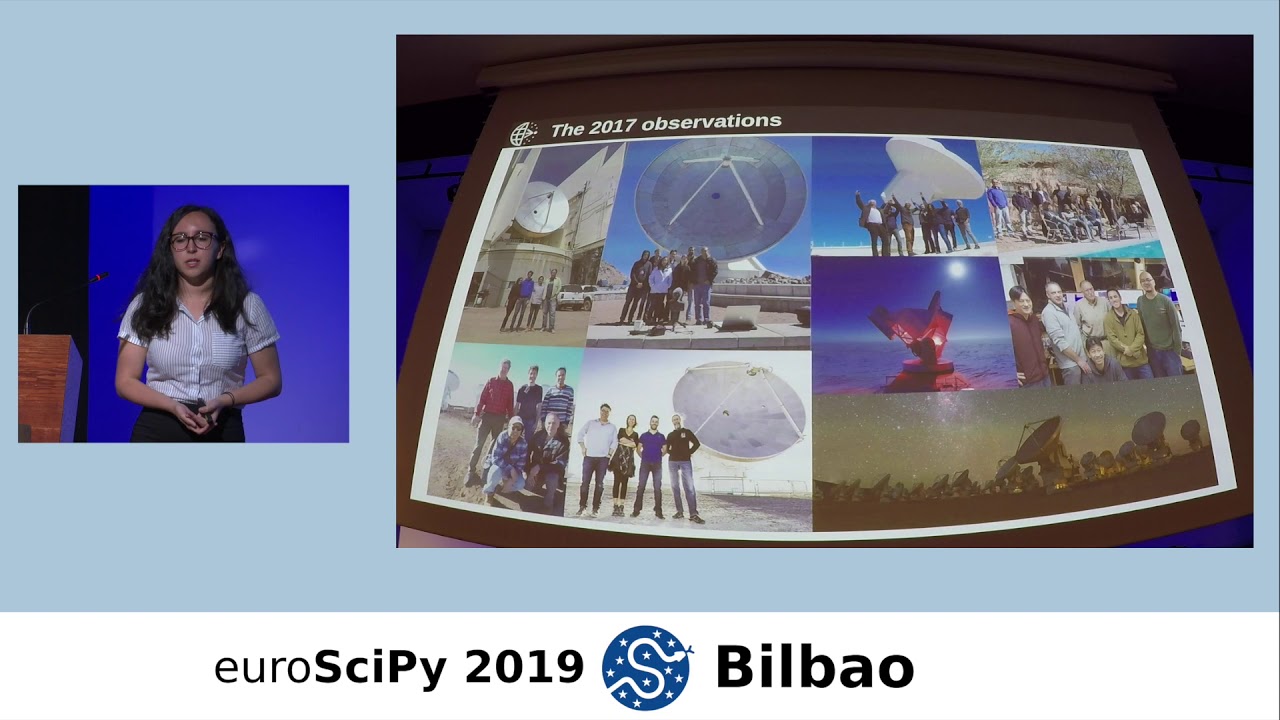






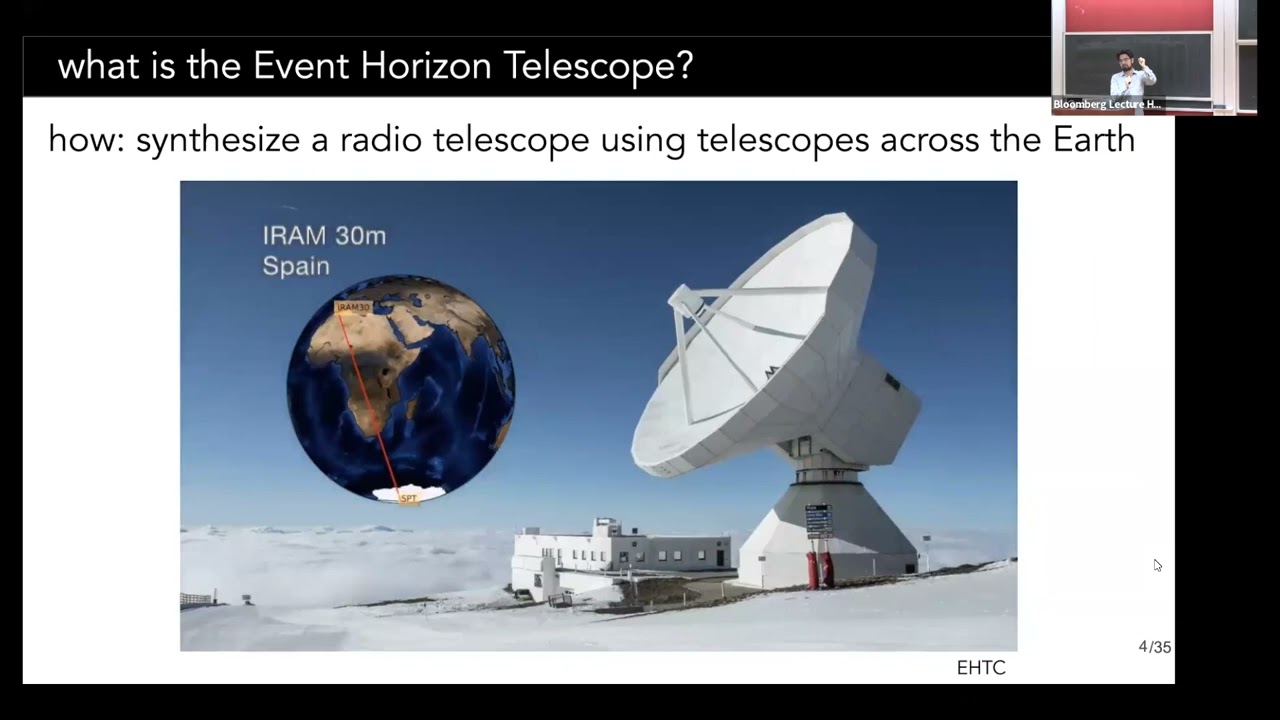
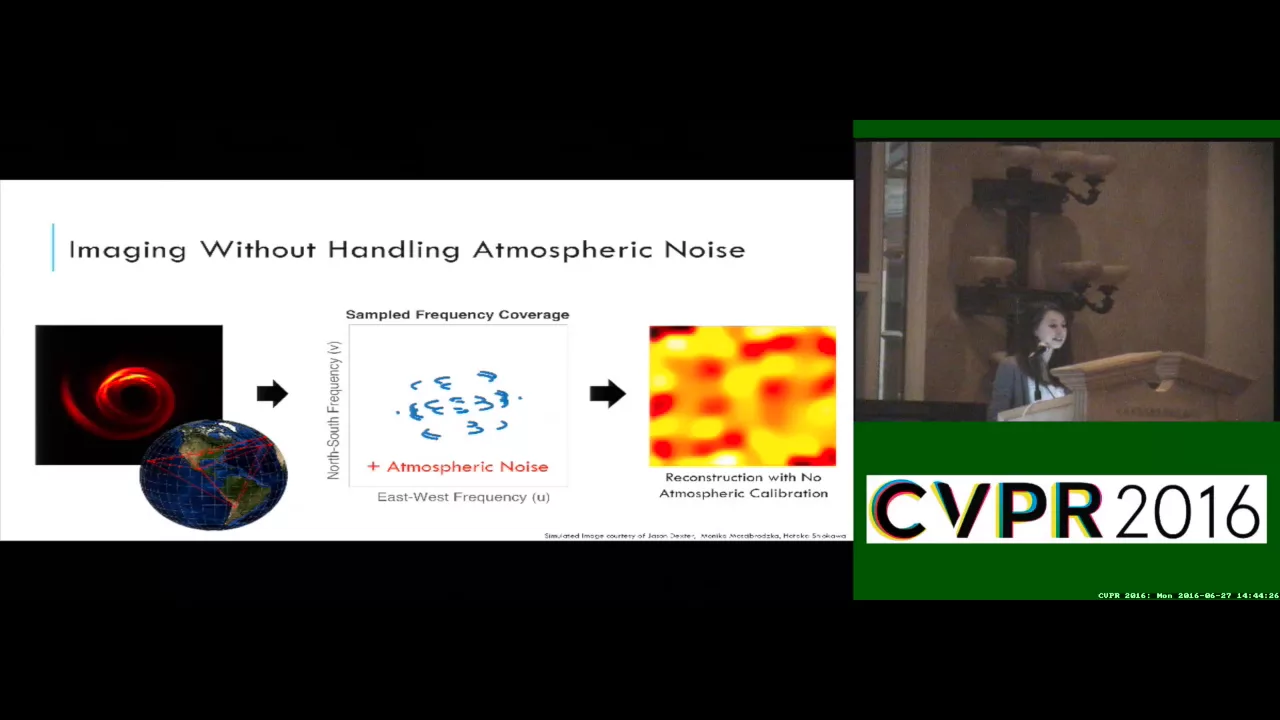
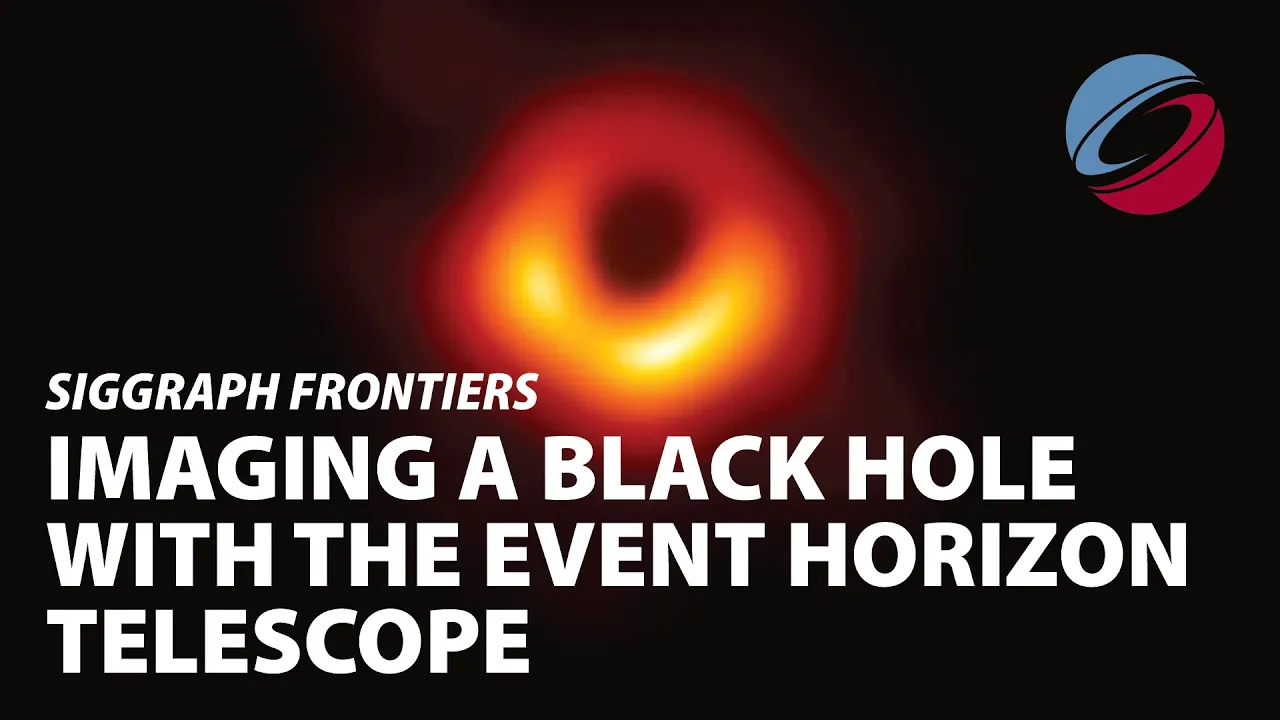
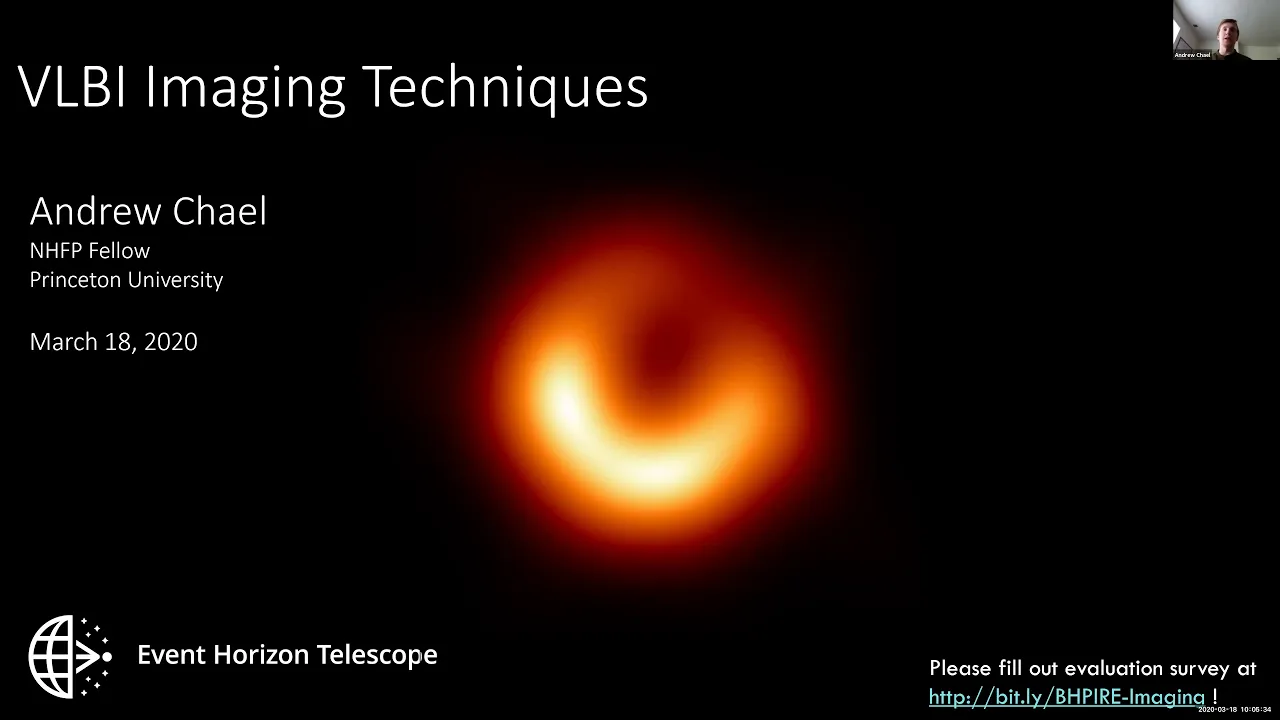





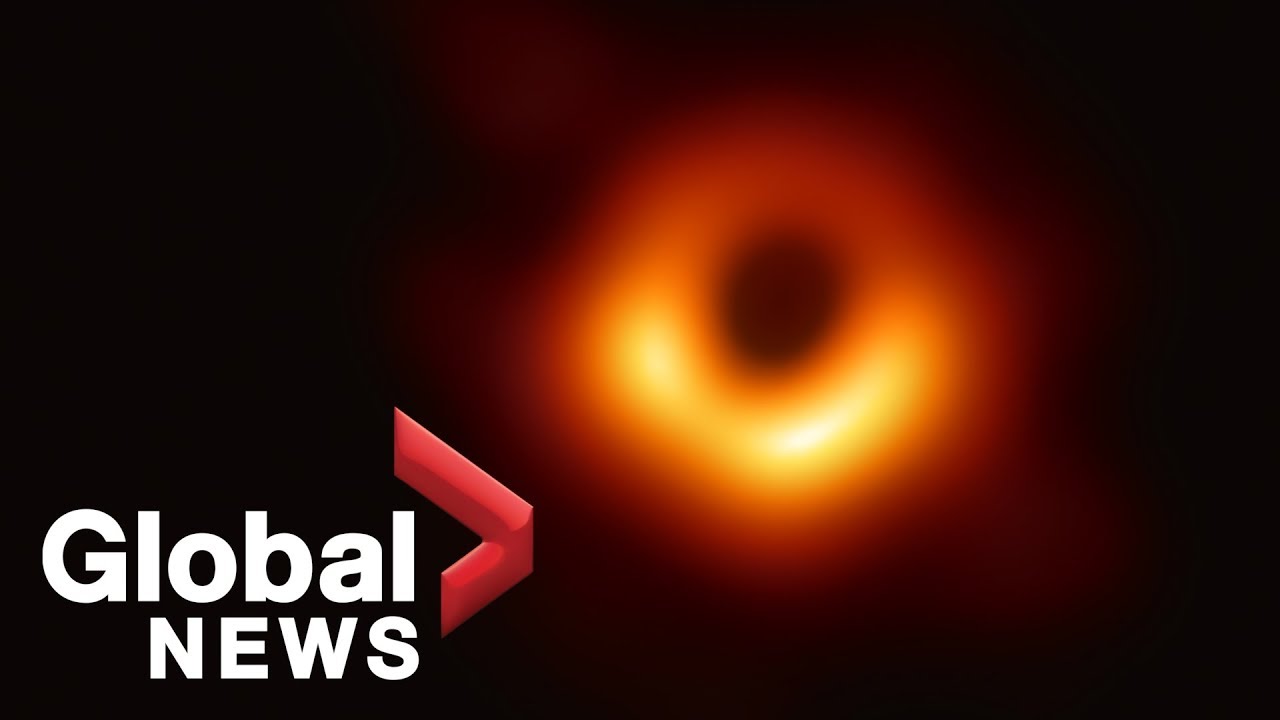

The Event Horizon Telescope collaboration captured the first image of Sagittarius A* by using Very Long Baseline Interferometry (VLBI), which combines radio signals from telescopes around the world to achieve Earth-sized angular resolution; this technique works by exploiting the interference patterns between radio waves arriving at different telescopes, allowing astronomers to reconstruct images of the supermassive black hole's shadow and surrounding accretion disk despite the black hole's extreme compactness and distance.
How Very Long Baseline Interferometry Captured a Black Hole
Added:Basic principles of wave optics, specifically wave phase, constructive and destructive interference, and diffraction limits.
Fundamental concepts of black hole physics, including gravity's effect on light, the event horizon, and the accretion disk.
An understanding of the electromagnetic spectrum, particularly why radio waves are used to penetrate cosmic dust and gas.
The inverse relationship between a telescope's aperture size and its angular resolution (why larger telescopes produce sharper images).
The computational algorithms and data processing techniques (such as Fourier transforms and clean algorithms) used to reconstruct images from sparse VLBI data.
How observations from the Event Horizon Telescope are used to test Einstein's Theory of General Relativity in extreme gravitational fields.
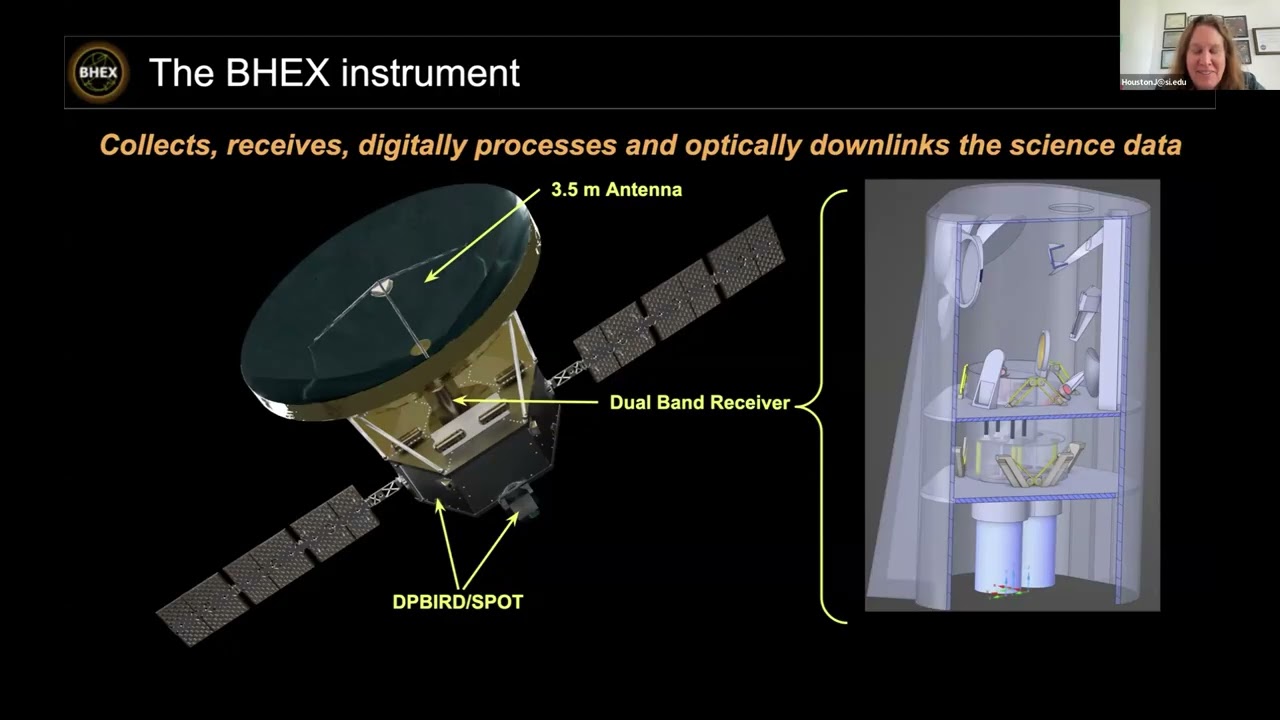
The concept of Space-Based VLBI (SVLBI), which involves placing radio telescopes in orbit to create baselines larger than the Earth.
Multi-messenger astronomy, exploring how EHT observations complement gravitational wave detections and X-ray data from active galactic nuclei.
7.7M views228.7Klikes19:47Original Release: 2022-05-12
This video is sponsored by KiwiCo, more about them at the end of the show.
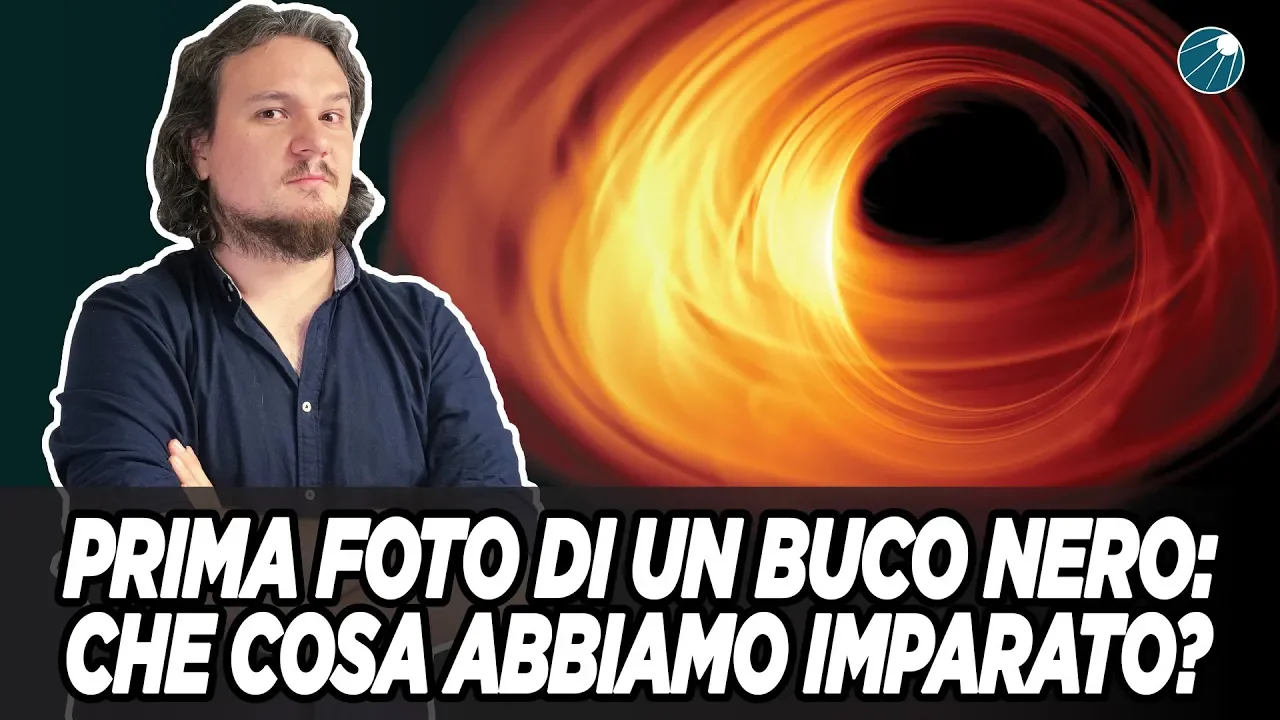
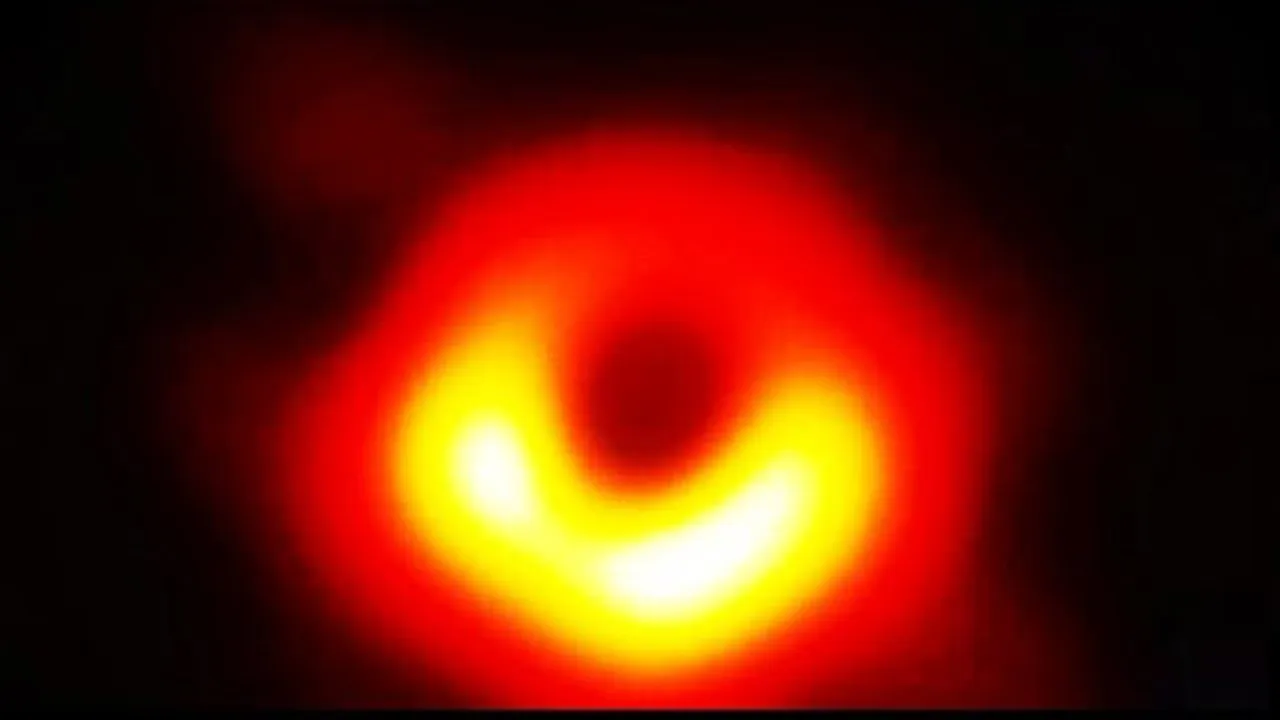
This is a picture of the supermassive black hole at the center of our Milky Way galaxy known as Sagittarius A*.
The black hole itself doesn't emit light so what we're seeing is the hot plasma swirling around it.
This is only the second picture of a black hole ever.
It was taken by the Event Horizon Telescope collaboration, the same people who brought you this image of the supermassive black hole at the center of galaxy M87.
Now, their original plan was to image Sagittarius A* first.
Since it's in our own galaxy, it is 2,000 times closer than M87*, but it's also over 1,000 times smaller so from Earth, it appears only slightly larger than M87*.
And there are a number of additional challenges to observing it.
First of all, there is a lot of dust and gas between us and the center of our galaxy so you can't even see it with visible light.
In this video from the European Southern Observatory, we zoom in on our Galaxy's core.
As we get closer and closer, at some point we have to switch over to infrared light which can better penetrate the debris, allowing us to see it from Earth.
Over the past three decades, we've been able to peer into the heart of the Milky May and witness something truly amazing.
A collection of stars zipping around on all kinds of eccentric orbits.
They go incredibly fast.
One of the stars was clocked going 24 million meters per second.
That's 8% the speed of light.
All these stars appear to be orbiting something incredibly massive and compact, but this object isn't glowing brightly like a star.
If you watch closely, you can see it flicker now and then.
This is what we believe to be a supermassive black hole.
From the motion of the stars around it, we can infer that the black hole's mass is about 4 million times that of our Sun but all crammed down into a tiny point, the singularity.
Anything including light that comes within a Schwarzschild radius of this point can't escape and ends up in the singularity.
So for us to see any radiation from the black hole, it must come from further out than this, usually from superheated plasma as it falls in.
But for its size, Sagittarius A* doesn't consume much matter.
It's unusually quiet and dark.
The supermassive black hole at the center of M87 in contrast is much more active, gobbling up matter from its accretion disk.
Plus, since it's over 1,000 times bigger, it takes 1,000 times longer for objects to orbit it.
And that means from Earth, its appearance over time is more consistent in contrast to Sagittarius A* where things can change on the order of minutes.
These visualizations are from Luciano Rezzolla and colleagues at Goethe University Frankfurt.
But the biggest challenge of all in making an image of either supermassive black hole is that these objects are so compact and so far from Earth, in the sky, they appear very, very tiny.
To get a sense of just how tiny, take the whole sky and divide it into 180 degrees.
The Andromeda galaxy spans about three degrees.
Then divide one degree into 60 arcminutes and one arc minute into 60 arcseconds.
Divide an arcsecond into 100, into a 100 again and into 100 once more.
And this is the size of the black holes on the sky.
It's equivalent to taking a picture of a donut on the moon.
Now, there is no optical telescope on Earth that could produce such an image.
So in this video, I wanna answer two questions.
How did they do it?
And what are we actually looking at?
So starting with, how did they make these images of black holes?
Well, the first thing to know is they weren't made with visible light.
They were made using radio waves with a wavelength of 1.3 millimeters.
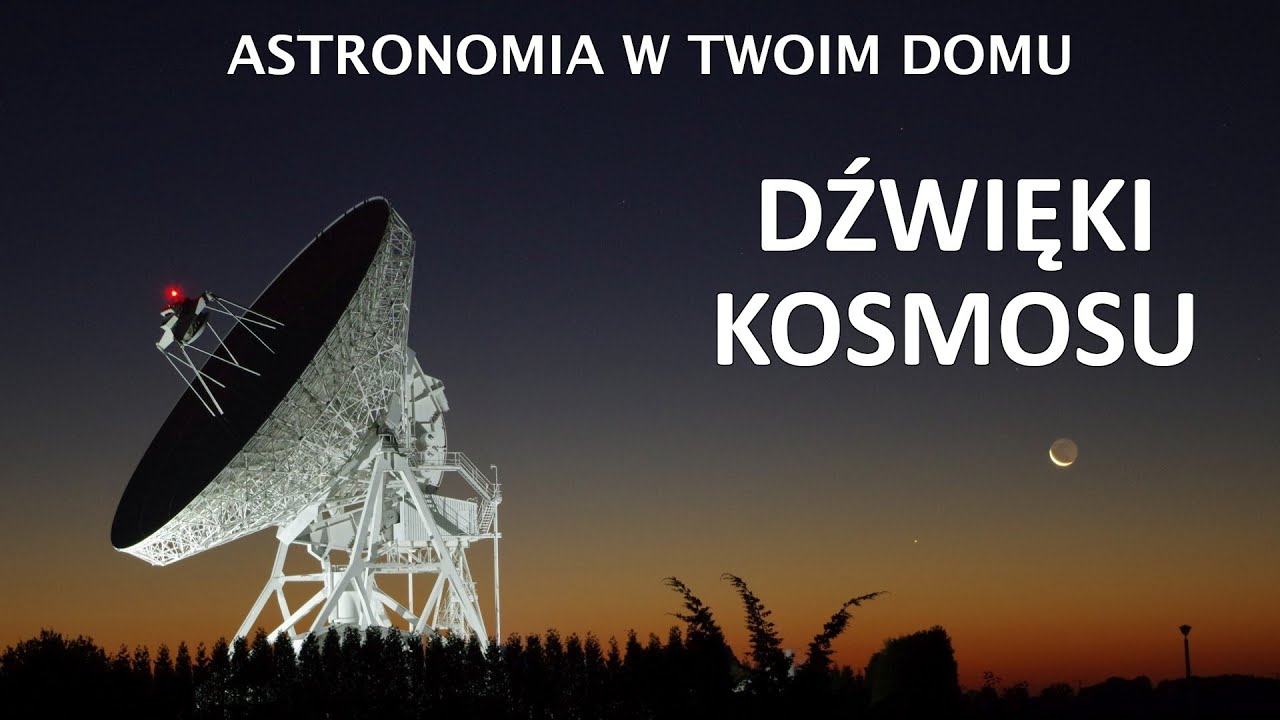
So all the observations were taken by radio telescopes which essentially look like huge satellite dishes.
When a source emits radio waves, they travel out radially in all directions, but Earth is so far away that by the time they reach our planet, the wavefronts are almost completely flat and parallel.
This is known as a plane wave.
A radio telescope works by scanning back and forth across the sky.
When it is pointed directly at a radio source, it produces a bright spot.
That's because all the radio waves travel the same distance, bounce off the dish, and are received at the same time so they are in phase meaning peaks line up with peaks and troughs with troughs.
They constructively interfere.
As the telescope moves past the source, some of the radio waves now travel farther than others and therefore they meet up out of phase, destructively interfere, and the intensity of the signal drops to zero.
To make a sharp image, you want this drop off to be as steep as possible so the telescope produces peak intensity only when aimed directly at the source and then the intensity drops rapidly when the dish is moved just a tiny bit in any direction.
There are two ways of achieving this.
One is to observe higher frequency radio waves.
That way any slight movement of the telescope represents a greater fraction of a wavelength.
This causes destructive interference to occur sooner.
The other way is to increase the diameter of the telescope, and this increases the difference in path length between radio waves on opposite sides of the telescope for a given angular adjustment.
How narrowly a telescope can identify the source of radio waves is known as its angular resolution.
You can think of it as the size of the spot on the sky that the telescope is sensitive to.
It is proportional to wavelength, and inversely proportional to the diameter of the telescope.
The challenge with making a picture of a black hole is that you're trying to see the structure in a tiny area of the sky.
Imagine scanning a radio telescope across the center of a black hole.
You would want to see the bright spot as the telescope passes over the left edge and then a dark spot and then another bright spot as it passes the right edge.
The problem is, for any individual radio telescope on Earth, the angular resolution is too large.
So as it passes over the black hole, it would still be receiving radio waves from the left side as it begins receiving radio waves from the right side.
The resolution isn't high enough to tell if there's a ring structure there as we'd expect with a black hole, or if it's just a blob.
Observing at shorter wavelengths isn't really an option because that light is blocked either by our atmosphere or by the matter around the black hole.
So if you wanna improve resolution, the only way you can do it is by increasing the diameter of the telescope.
But if you actually do the calculation, you find that the telescope you'd need would have to be the size of the Earth in order to see the ring of a black hole, which is obviously impossible, but there is a way to do something that's almost as good.
You don't need a complete dish the size of the Earth, just pieces of it.
Individual radio telescopes that are separated by distances up to the Earth's diameter.
As long as you can properly combine the signals from all these distant telescopes, you get the constructive and destructive interference required to achieve the same angular resolution as an Earth-sized dish.
This technique is called very long baseline interferometry.
So the event horizon telescope is not just one telescope but a global network of radio observatories.
All these telescopes observe Sagittarius A* at the same time.
Unlike a single telescope, you can't bounce all the radio waves to a central receiver and add them up in real time.
So instead each telescope records the signal at its location and the exact time down to the femtosecond.
Petabytes of data are generated.
But now that data needs to be brought together, and the fastest way to do it was actually to carry hard drives as hand luggage to centralized locations.
Now, think about the data we've got.
Electrical signals and precise timings from a number of radio telescopes around the world, but none of those radio telescopes has enough angular resolution to see the ring of the black hole.
So how do you combine that data and get finer detail than any of the inputs?
Well, there is additional information in the relative distances between these telescopes and in the time delays between when a wavefront hits one telescope relative to the others.
Imagine combining the signals from two distant telescopes.
Let's say they both received the same wave at the same time so those waves were coming in phase.
Well, then the source must have been located directly between them.
The radio waves would've traveled the same distance to each telescope to arrive at the same time, except with just two telescopes, that only narrows it down to a line in the sky that is equidistant from both telescopes.
The source could have been anywhere on that line.
And it's actually worse than that.
It's possible that the source could be exactly one wavelength closer to one of the telescopes and that way the radio waves would still arrive perfectly in phase.
Or the difference could be two or three or four wavelengths, but you get the point.
So from one pair of telescopes, the information we get about the source is actually a series of bright and dark fringes.
Telescopes that are close together produce wide fringes, while those that are far apart produce narrow fringes.
So to make an image, you need pairs of telescopes at all different orientations and different distances apart.
Each pair makes a different interference pattern.
And then by combining all these patterns, we get an image of the black hole which created them.
But now that we have this picture, what exactly is it showing us?
Well, this is how I explained it when the first image of a black hole was released.
So here is my mock black hole of science.
And this sphere represents the event horizon.
Once you're inside here, there is no coming back, not even for light.
The radius of the event horizon is known as the Schwarzschild radius.
Now, if we were just to look at a black hole with nothing around it, we would not be able to make an image like this because, well, it would just absorb all electromagnetic radiation that falls on it, but the black hole that they're looking at has matter around it in an accretion disk.
In this accretion disk, there is dust and gas swirling around here very chaotically.
It's incredibly hot. We're talking millions of degrees.
And it's going really fast, a significant fraction of the speed of light.
And it's this matter that the black hole feeds off and gets bigger and bigger over time, but you'll notice that the accretion disk does not extend all the way in to the event horizon.
Why is that?
Well that's because there is an innermost stable circular orbit, and for matter around a non-spinning black hole, that orbit is at three Schwarzschild radii.
Now, in all likelihood, the black hole at the center of our galaxy will be spinning.
But for simplicity, I'm just considering the non-spinning case.
You can see my video on spinning black holes if you wanna find out more about that.
So this is the innermost orbit for matter going around a black hole.
If it goes inside this orbit, it very quickly goes into the center of the black hole and we never hear from it again, but there is something that can orbit closer to the black hole, and that is light.
Because light has no mass, it can actually orbit at 1.5 Schwarzschild radii.
Now here, I'm representing it with a ring, but really this could be in any orientation.
So it's a sphere of photon orbits.
And if you were standing there, of course you could never go there, but if you could, you could look forward and actually see the back of your head 'cause the photons could go around and complete that orbit.
Now, the photon sphere is an unstable orbit meaning eventually either the photons have to spiral into the singularity or spiral out and head off to infinity.
Now, the question I want to answer is, what does this black, quote unquote, shadow in the image correspond to in this picture of what's actually going on around the black hole?
Is it the event horizon? Are we simply looking at this?
Or is it the photon sphere or the innermost stable, circular orbit?
Well, things are complicated.
And the reason is, this black hole warps space-time around it which changes the path of light rays so they don't just go in straight lines like we normally imagine that they do.
I mean, they are going in straight lines, but space-time's curved so yeah, they go in curves.
So the best way to think of this is maybe to imagine parallel light rays coming in from the observer and striking this geometry here.
Of course, if the parallel light rays cross the event horizon, we'll never see them again so they're gone.
That will definitely be a dark region, but if a light ray comes in just above the event horizon, it too will get bent and end up crossing the event horizon.
It ends up in the black hole.
Even a light ray coming in the same distance away as the photon sphere will end up getting warped into the black hole and curving across the event horizon.
So in order for you to get a parallel ray which does not end up in the black hole, you actually have to go out 2.6 radii away.
If a light ray comes in 2.6 Schwarzschild radii away, it will just graze the photon sphere at its closest approach and then it will go off to infinity.
And so the resulting shadow that we get looks like this.
It is 2.6 times bigger than the event horizon.
And you say, what are we really looking at here?
What is this shadow?
Well in the center of it is the event horizon.
It maps pretty cleanly onto the center of the shadow.
But if you think about it, light rays going above or below also end up crossing the event horizon, just on the backside.
So in fact, what we get is the whole backside of the event horizon mapped onto a ring on this shadow.
So looking from our one point in space at the black hole, we actually get to see the entirety of the black hole's event horizon.
I mean, maybe it's silly to talk about seeing it because it's completely black, but that really is where the points would map to on this shadow.
It gets weirder than that because the light can come in and go around the back and, say, get absorbed in the front, you get another image of the entire horizon next to that in another annular ring And then another one after that and another one after that.
And you get basically infinite images of the event horizon as you approach the edge of this shadow.
So what is the first light that we can see?
It is those light rays that come in at just such an angle that they graze the photon sphere and then end up at our telescopes, and they produce a shadow which is 2.6 times the size of the event horizon.
So this is roughly what we'd see if we happen to be looking perpendicular to the accretion disk, but more likely we will be looking at some sort of random angle to the accretion disk.
We may be even looking edge on.
And in that case, do we see this shadow of the black hole?
You might think that we wouldn't, but the truth is because of the way the black hole warps space time and bends light rays, we actually see the back of the accretion disk.
The way it works is light rays coming off the accretion disk bend over the top and end up coming to our telescopes.
So what we end up seeing is something that looks like that.
Similarly, light from the bottom of the accretion disk comes underneath, gets bent underneath the black hole and comes towards us like that.
And this is where we get an image that looks something like the interstellar black hole.
(dramatic music) It gets even crazier than this 'cause light that comes off the top of the accretion disk here can go around the back of the black hole, graze the photon sphere, and come out the bottom right here producing a very thin ring underneath the shadow.
Similarly, light from underneath the accretion disk in the front can go underneath and around the back and come out over the top, which is why we see this ring of light here.
This is what we could see if we were very close to the black hole, something that looks truly spectacular.
One other really important effect to consider is that the matter in this accretion disk is going very fast, close to the speed of light.
And so if it's coming towards us, it's gonna look much brighter than if it's going away.
That's called relativistic beaming or Doppler beaming.
And so one side of this accretion disk is going to look much brighter than the other, and that's why we're gonna see a bright spot in our image.
So hopefully this gives you an idea of what we're really looking at when we look at an image of a black hole.
(outro sounds) Hey, this video was sponsored by KiwiCo, creator of awesome hands-on projects for kids.
You know, I've used KiwiCo with my own kids for years.
They have nine different subscription lines targeted at different age groups, all the way down to newborns.
The way it works is every month a box shows up at your door and inside it is everything you need to complete the project.
That means no extra trips to the store.
And when I show my kids the box, they jump at the chance to make it with me, and we can spend hours building something, playing with it, and learning about STEAM concepts together.
There really is no substitute for getting your hands dirty and making something to figure out how it actually works.
Plus, it's a ton of fun.
And to me, that's how learning should be.
I want my kids to approach learning as play.
And I have seen how this fosters their curiosity and sparks new ideas.
KiwiCo have been long-time supporters of the channel.
I've visited their offices, which really seem like a giant playground for adults like me.
And I've met their expert project designers and seen how thoroughly they test and iterate their designs.
Now, for viewers of this channel KiwiCo are offering 30% off your first month of any kit.
Just go to kiwico.com/veritasium30.
I will put that link down in the description.
So I wanna thank KiwiCo for supporting Veritasium, and I wanna thank you for watching.
Up Next
14:43
Event Horizon Telescope: Capturing Black Hole Images
@megaprojects9649
158.9K views•2021-05-21
61:17
First Billion Years of the Universe with the Square Kilometre Array
@iaaudc
121 views•2022-05-26
14:09
How Fast Radio Bursts Solved the Missing Baryon Problem
@veritasium
5.2M views•2020-07-31

6:10
Gamma-Ray Bursts: Cosmic Snipers Explained | Astronomy
@kurzgesagt
15M views•2016-07-31
Related Study Plans & Knowledge Roadmaps
Structured learning paths in Astronomy
astronomy
Reionization: Pop III Stars, IGM & 21cm Line
01Foundations of Cosmology & the Early Universe
02Population III Stars & Cosmic Dawn
03Physical Mechanisms of Reionization
+ 2 more learning modules
17h5 modules
Explore Roadmap
astronomy
Planetary Rings: Dynamics, Roche & Resonances
01Foundations of Gravity and Orbital Mechanics
02Tidal Forces and the Roche Limit
03Structure, Composition, and Collisions
+ 2 more learning modules
10h5 modules
Explore Roadmap
astronomy
Asteroseismology: Stellar Waves, Ages & Cores
01Foundations of Stellar Astrophysics & Wave Mechanics
02Stellar Oscillation Modes: P-modes and G-modes
03Mathematical Framework of Asteroseismology
+ 2 more learning modules
35h5 modules
Explore Roadmap
astronomy
Adaptive Optics: Physics, Engineering & Control
01Foundations of Wave Optics and Wavefronts
02Atmospheric Turbulence & Optical Distortion
03Wavefront Sensing Technologies
+ 3 more learning modules
35h6 modules
Explore Roadmap