
















The Supreme Court's recent rulings affirm that Section 2 of the Voting Rights Act remains necessary to prevent racial discrimination in voting, as demonstrated by Alabama's congressional map requiring redistricting to include a second majority-black district. Additionally, the Court ruled that race cannot be used as a factor in college admissions, though universities may still consider how race affected an applicant's life through discrimination or other experiences, maintaining individual consideration rather than race-based decisions.
Supreme Court Rulings on Affirmative Action and Voting Rights | Face the Nation Analysis
Added:The historical context and purpose of the 14th Amendment's Equal Protection Clause and its application to civil rights cases.
The core legislative mechanisms of the Voting Rights Act of 1965, specifically provisions regarding racial discrimination and redistricting.
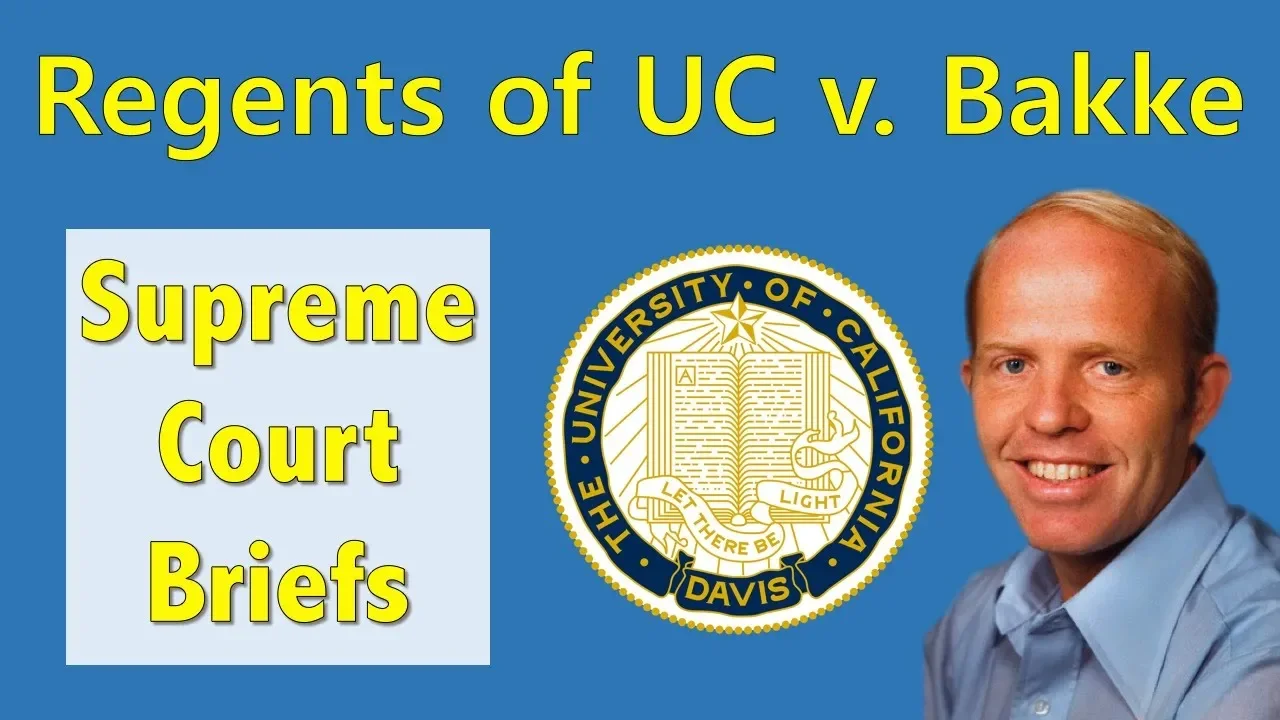
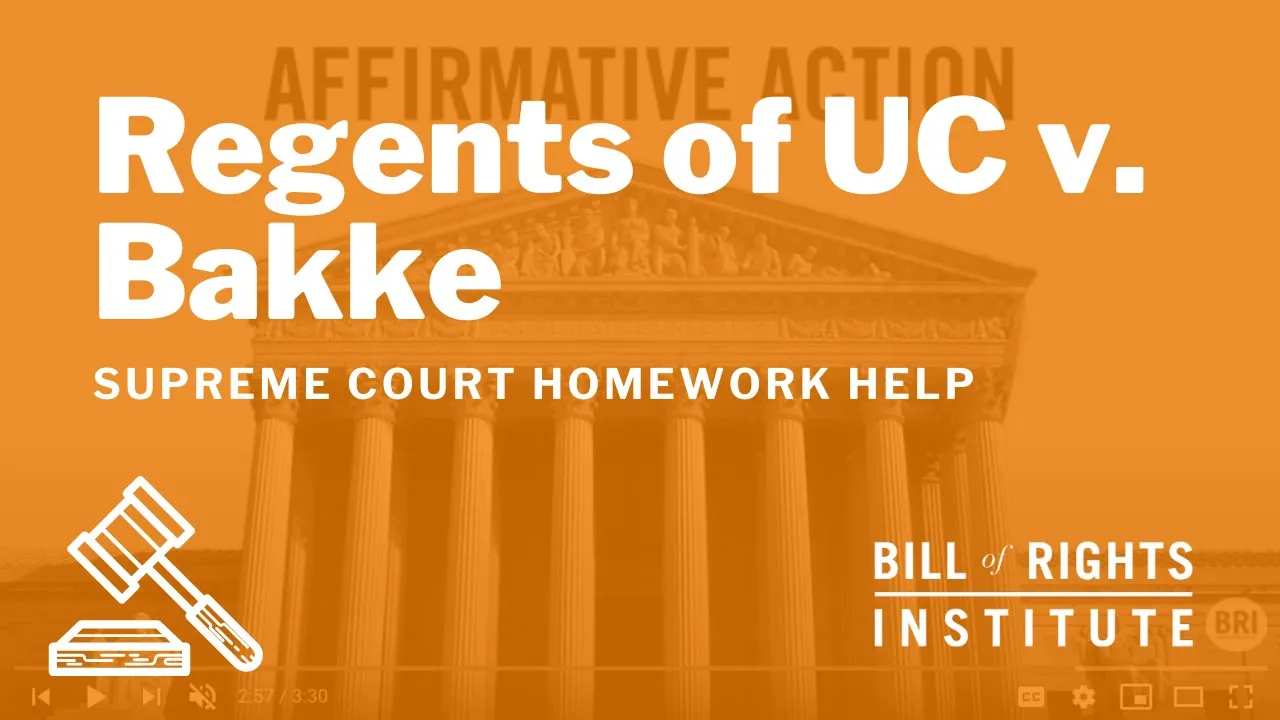
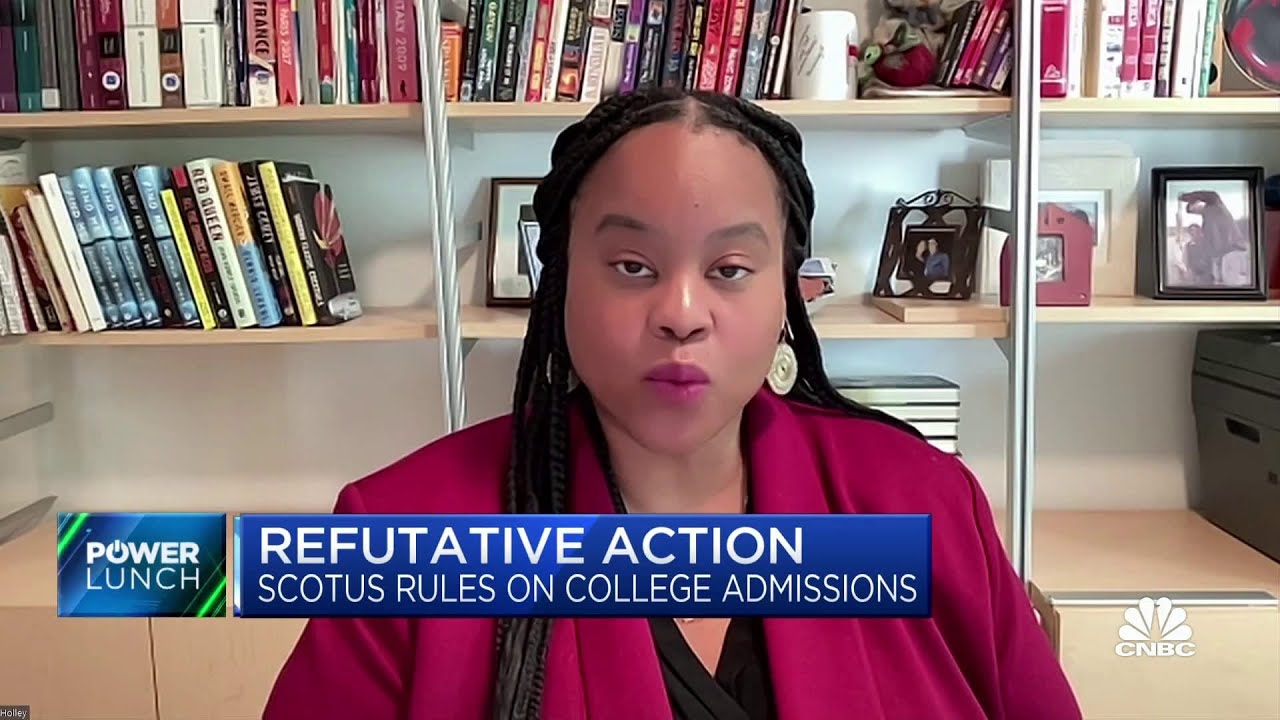
The legal precedents of affirmative action in higher education, including landmark cases like Regents of the University of California v. Bakke.
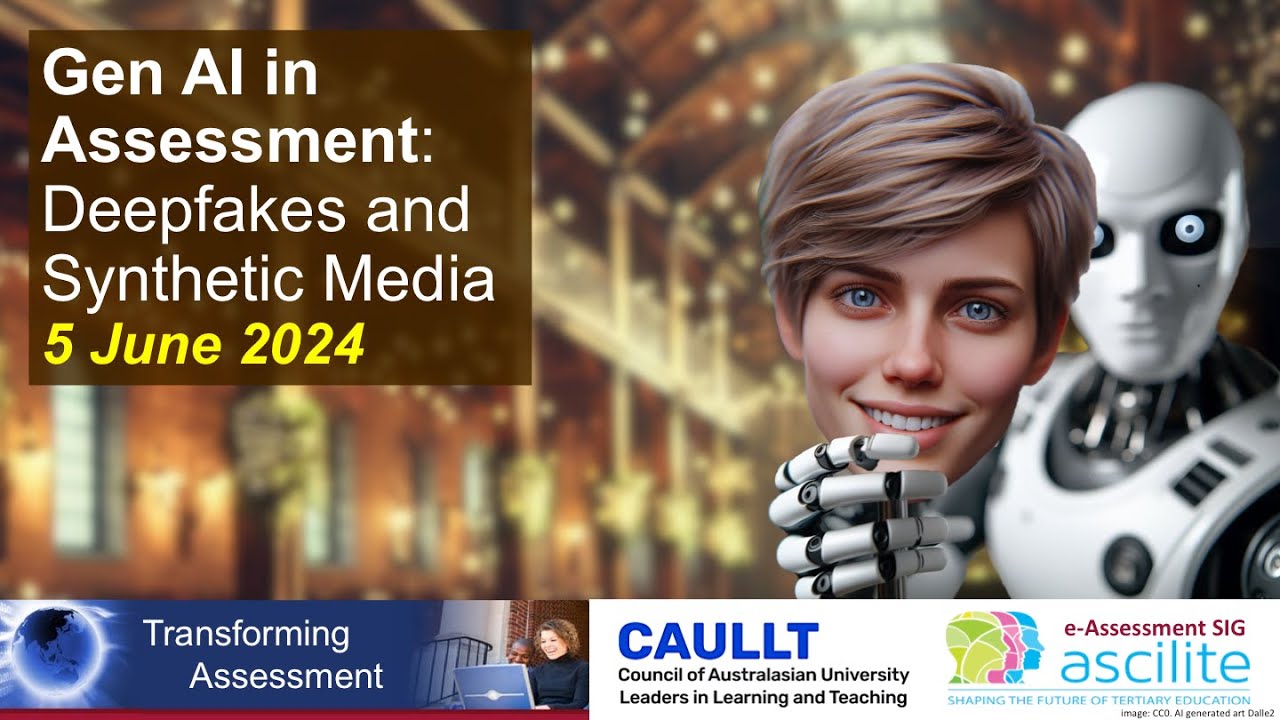
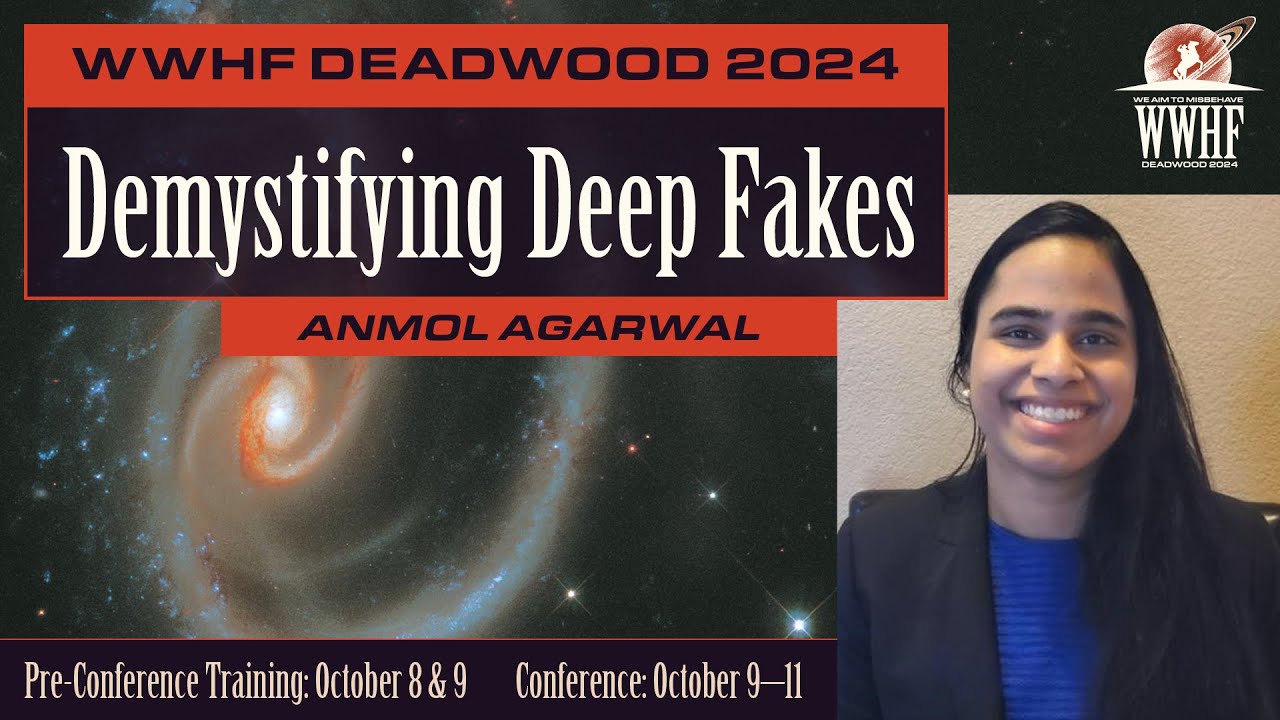
Basic definitions and technological principles of Generative AI, deepfakes, and synthetic media authenticity.
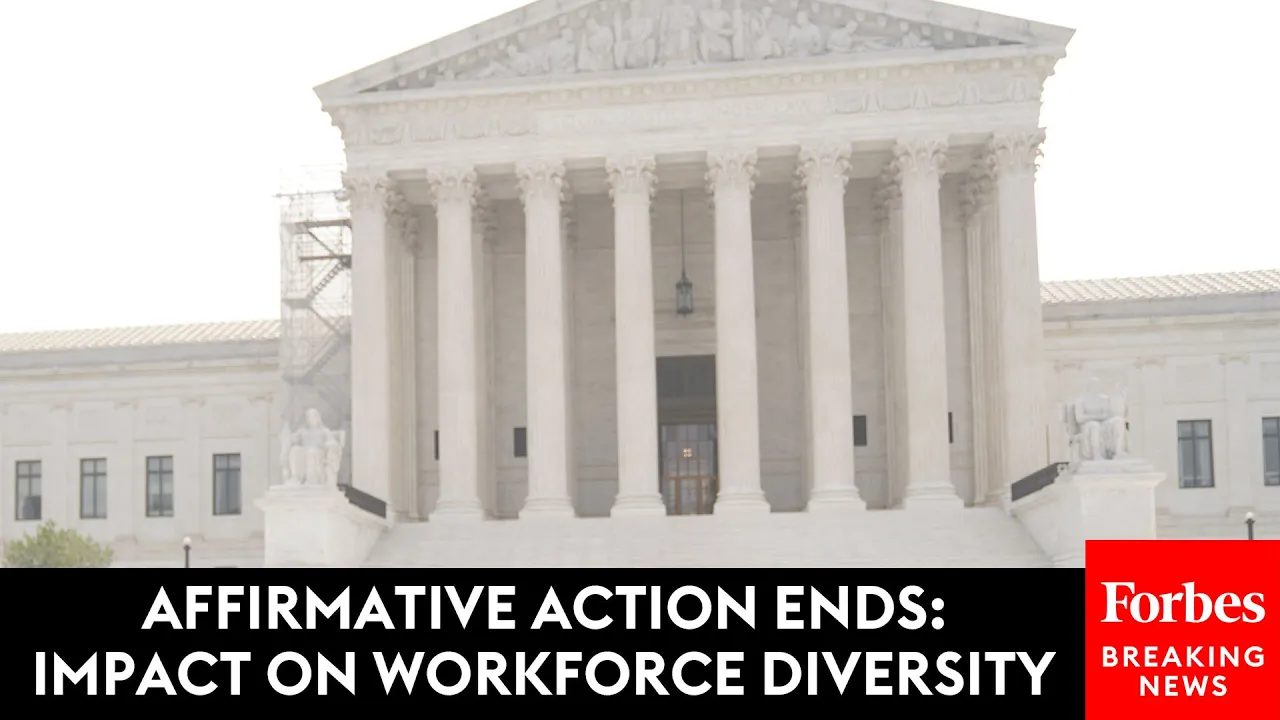
The long-term socio-economic and demographic impacts of banning affirmative action on college admissions and workforce diversity.
Legal and legislative responses to redistricting rulings, including the use of independent redistricting commissions to counter gerrymandering.
Technological and regulatory strategies for verifying digital media authenticity, such as cryptography-based watermarking and C2PA standards.
The ongoing debate regarding Supreme Court reform, judicial ethics, and the perceived politicization of the judiciary.
45.4K views525likes22:37Original Release: 2023-07-02
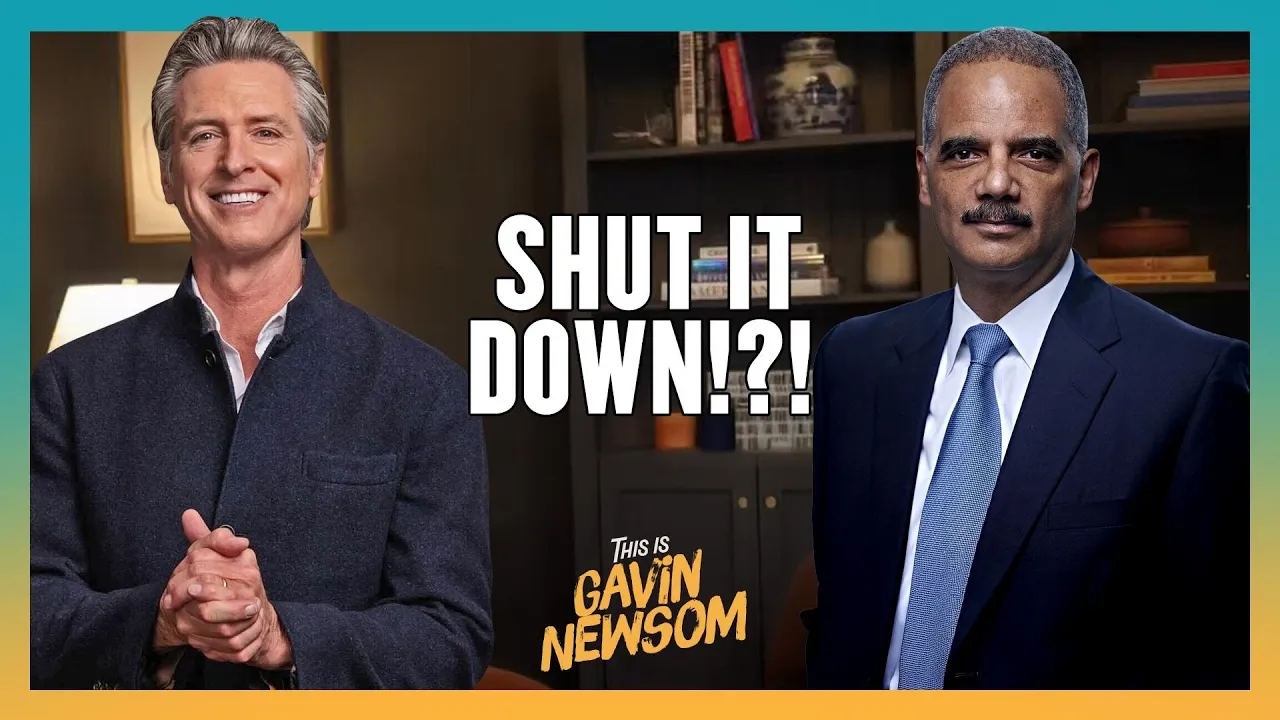
[Music] welcome back to Face the Nation we want to go back to the Supreme Court joining us now is former U.S Attorney General Eric Holder who is now head of the national Democratic redistricting committee which was involved in two election-related cases before that Court good morning to you um you know I'm sure there are a lot of things to talk about in regard to what you don't agree with the court on but you did have two victories here sir state of Alabama will now have to redraw its Congressional map to include a second majority black District as a result of this 5-4 ruling that the state discriminated against black voters what's the political and legal impact of this ruling well first of all I think it's an affirmation by the court that there's still a need for a vibrant Voting Rights Act section two of the Voting Rights Act uh what the Republican legislature did in Alabama was clearly inconsistent with precedent inconsistent with the way in which the Voting Rights Act had been interpreted Alabama has about 27 percent of its um inhabitants who are African-American and yet if you look at the math they only got about seven percent or 14 of the congressional seats that decision will have an impact beyond the state of Alabama if you look at Georgia Louisiana Texas they also have um instances where the lines have been drawn in such a way to dilute the voting power of African Americans and again inconsistent with the Voting Rights Act and so I think that you will also see Court's rule consistent with the Supreme Court's ruling um that those lines will have to be redrawn in those States as well in Moore versus Harper the Supreme Court voted 6-3 to reject the theory that state legislatures can decide the rules for federal elections I know Democrats had feared Republicans might use that to overturn results in 2024 like the former president attempted to in 2020. does this ruling from the court does the the fact they took on the case at all make you more confident about the Integrity of the upcoming 2024 election yeah it makes me a lot more confident that we're going to have a fair election come 2024 and that this ridiculous notion this independent state legislature Theory uh will hopefully just go away um that was a as Fringe a theory as has ever been heard by the United States Supreme Court uh the only disappointment I have in that decision is that it was not a nine to zero um decision the notion of the independent state legislature theory was that courts uh that the legislatures had the final say without any involvement of Court review uh and that's inconsistent with our notion of checks and balances it will mean that we will have the ability to go before state courts to look at what legislatures and sometimes the gerrymandered legislatures are doing with regard to redistricting and just as in any other case um have courts have the the final say that's the way our our system is designed and that is what the court affirmed uh through that uh through the North Carolina case the Supreme Court did warn state courts federal courts could still overrule on cases involving Federal elections does that concern you no not at all I mean uh I think you want to have that backstop so that if a state court does something that is you know egregiously wrong uh you want to have the United States Supreme Court have the ability to come in and uh and correct that wrong I want to ask you about affirmative action um in this decision that race cannot be used in college admissions there was also written by Chief Justice the chief Justice's opinion some detail here that seems a little confusing frankly because it says nothing in this opinion should be construed as prohibiting universities from considering an applicant's discussion of how race affected his or her life through discrimination inspiration or otherwise in other words the student must be treated on his or her experiences as an individual not on the basis of race so you can discuss race in a college application but it can't be how do you understand this uh I don't really understand it it seems to me that that exception or that caveat as little inconsistent with the um the rest of the opinion and the other footnote that says well this doesn't apply to the military academies which are in essence nothing more than colleges I mean you know colleges with a specialized Mission uh again it seems to be inconsistent with the uh the holding you know the thing is that you know this nation continues to Grapple with issues of race um and to say that race is not a a negative factor for too many people in this nation is inconsistent with just what the facts are uh the the notion of affirmative action is to take into account just one of many things of when you look at qualified people qualified students who are applying to colleges look at that one one of many things and say well you know more diverse for the sake of diversity uh we're going to take into consideration the fact that we want to have this black kid be a part of our University but there's not a tension between the use of a firm of action and Excellence I think people need to understand that you don't affirmative action doesn't mean you get into a school simply because you're black it means that you're qualified and that one of the factors that's taken into consideration of a qualified student is that person's race but one of the complications here in terms of the cases brought was the argument being made that affirmative action at Harvard an elite institution in particular was hurting Asian Americans um Jay Caspian King a writer for the New Yorker writes affirmative action it was righteous in concept but hard to defend in practice and I want to quote if a society should make decisions with a clear eye towards history a sentiment I agree with shouldn't it also follow that a group who's expelled from the U.S would at least have the right to not be lumped in with the people who kicked them out he's referring there to Historic mistreatment by white people of Asian Americans Chinese Exclusion Act Japanese internment how do you respond to that argument well you know first off you're looking at the Asian American Community it is a monolith um and there are a whole variety of uh groups that make up the Asian American um population in the nation and you know what the proponents of this lawsuit did was to try to use uh one minority group against another so that they could ultimately reach their goal they've been trying to attack affirmative action since the Baki decision back in in 1978.
um you know this notion that somehow someway I guess if you think that everybody who has 1600 on their board scores everybody who has a 4.0 ought to be admitted um to a particular School the reality is if you just use that as a determinant they're going to be way too many kids trying to get into these Elite schools and you're still going to have to make determinations based on other factors and it seems to me that making race one of those factors just one of those factors again with regard to qualified students is wholly consistent with our constitution I want Before I Let You Go I want to ask you uh to put on your attorney general hat again would you counsel President Biden or the next president whoever that is to consider a pardon of the 45th president of the United States either before or after a theoretical conviction I I think I'd look tell the president the next Attorney General uh you know to let the let the system uh do its work uh try the cases see what the results are um and then treat that convicted president or any of anybody else who was convicted uh as any other person would be treated pardons generally are for people who Express remorse and then who have done things uh that shows that they have turned their lives around if those kinds of determinations can be made with regard to the former president or anybody else who was convicted yeah I would support that in the absence of something like that I don't think that would be a wise thing to do uh Mr Eric Holder former Attorney General thank you for your time we'll be right back prior to last week's Supreme Court ruling there were nine states with bans on affirmative action in college admissions California was the first to ban it following a ballot initiative in 1996. joining us now is the president of the University of California system Dr Michael Drake welcome back to the program um we want to tap into your experience here the school system has spent 500 million dollars since 2004 to try to drive diversity is it possible to have a diverse student body without affirmative action and how do you define diverse at this point well thank you very much you know we've had efforts since the 90s and before to try to do everything we could to through Outreach and other methods contact those students who we wanted to see applying to our universities we use a comprehensive admissions process to look at all the factors that led to this person's life and their interest in being educated with us and we think that can be done very effectively affirmative action was one tool that we and others used in the past we've read the Court's decision and we had the laws in California that changed in the 1990s that we and are very pleased that our ability to be able to attract students from a wide variety of backgrounds over these over these many years does this Court ruling affect you at all but we'll have to see how it plays out in fact you know when we had the law change in California in the 1990s it affected us quite profoundly and in a couple of ways and one way it limited the way that we were admitting students but another way it told students that California and that the University of California were not interested in them this was something that came from action from our regions before it passed in law so students that we would love to have admitted students who are fully qualified felt unwelcome and we found went to other schools to private schools in California and others across the country this is the entire nation so it's not students aren't hearing that we're not interested or the colleges aren't interested in them and I think that so we'll have less of an effect on us we think because it affects the whole country well you've used other metrics or crew there's a piece I just read about the socioeconomic disadvantage scale the SED that the university college or university at UC Davis in the medical school uses what's an adversity score and how does that work that's what they're doing but Davis is doing we applaud this and our other universities other campuses and our University do in a variety of ways is look at the life circumstances of those who are applying to come to us and weigh those in a comprehensive fashion when they look at the quality of the application and make a decision and actually we do this for every student we look at who you are what you've done what makes you a qualified applicant as we're recruiting and admitting you to our colleges and universities so how do you define diversity we looked at the undergraduate makeup before affirmative action and then this past fall and the percentages which we can put up on on screen for for different groups there have shifted the state's demographics have also shifted the one thing that stands out is the percentage of African-American students held fairly stable at this four or four and a half percent level why was that unmoved really yeah I think that the issues of racism and lack of opportunity that we find in our society are persistent and and ubiquitous and we've been fighting against those we've been working to create opportunity fighting against those for all of these years affirmative action was one tool that we used in the past that was removed we still are fighting the legacy of the centuries of Oppression and denial that this country has applied and doing our best to try to create more opportunity for students who come from this unequal Society but in some way um a diverse student body do you try to match the demographics of this state I mean how do you know if you're succeeding or if you're failing yeah we don't do anything prospectively you know what we do is try to create opportunity in a comprehensive way to really evaluate the quality of every application we can look retrospectively and see how the students that we are admitted looked like the students that are graduating from California high schools and we certainly notice if there's a great disparity there and we work on closing those gaps by doing more Outreach to high schools that haven't been sending the students more support programs to students that make sure that they will apply to us with number financial aid programs that help students from low income backgrounds a variety of things that are meant to open up the access to the university that we feel is good for us and good for society I'm interested in which part of that you think works the best and also you know the last time you were with us back in 2020 the school system was ending standardized testing in admissions you've now had that in place for a while does that work should other schools look at it yeah what we found I'll say two things about that one we eliminated the sat in 2020 and we did that just before the pandemic but it happened to be implemented during the pandemic so it's a little difficult to know how much that's affected things versus the the pandemic what we did see was an increase in applications from students who came from diverse backgrounds who were reluctant to apply in the past even though we may have admitted them so we're pleased to see an increase in applications from those from those people and it's and our classes are extraordinarily strong today our students are doing quite well so this has been quite a positive thing for us so you're keeping it in place it sounds like yes all right Dr Drake thank you for sharing your insights and your experience we'll be back in a moment with the convergence of artificial intelligence and politics it is increasingly difficult for voters to differentiate between real and fake we asked Lindsey Gorman a technology expert with the German Marshall fund to help us discern between fact and fiction in political images let's play a first video of Hillary Clinton apparently on MSNBC people might be surprised to hear me say this but I actually like Ron DeSantis a lot yeah I know I'd say he's just the kind of guy this country needs and I really mean that if Ron DeSantis got installed as president I'd be fine with that so this is a classic deep fake video where someone has said some of these things and juxtaposed it with Hillary Clinton's likeness and her face and her hair to make it seem like she's now endorsing Ron DeSantis for president in 2024. does it look realistic to you what do you think that does sound like Hillary Clinton's actual voice but I noticed that the synchronization was not there between the audio and her mouth there wasn't a disconnect absolutely looking at the mouth is a really good starting place to see if it is indeed matching what the audio is matching the same thing also when we played it her head sort of shook in a somewhat mechanical way it felt maybe a little bit off same thing with her eyes and hear they're a little blurred out um and so that's I think one way of spotting how we can tell that this is a manipulated image yeah so here's President Biden all right this one I'm going to ask you about you can't be pro-insurrection and pro-cop you can't be pro-insurrection of pro-democracy you can't be pro-insurrection and pro-american Donald Trump lacked the courage to act the brave women and men in blue all across this nation should never forget that so what did you think of this one he didn't blink not at all right so that suggests it's fake this one's actually real how's that this was actually a speech he gave to the National Association of black law enforcement officers and it looks really like a deep fake it has sort of a washed out look he didn't move very much just like with the other ones and yes he didn't blink for the whole 17 second clip and when this actually surfaced about a year ago there were conspiracy theories and people thinking that this had to have been a deep fake even though it came from the dnc's own social media account and was later published by the White House itself the reason that we can tell that this one is not a deep fake we really need to rely on context and the source first of all coming out a full White House video giving a speech and these were remarks that were delivered virtually we're not only at risk of seeing things that are false and thinking that they're true but actually seeing things are that are true and thinking that they're false and that's kind of this Liar's dividend that in an information environment that where we can't tell what's real and what's not a liar's div a liar's dividend that the liar can kind of take the advantage because a liar can just say well this this maybe this audio that you caught of me this image that you took of me that's actually not true it's a it's just a fake and it's hard to prove whether something is actually real not just whether something is is fake and this is really advantageous sort of to autocrats and to those who would so doubt and Discord in our information space so this one I don't know if you saw this one when it came out does it look familiar to you at all this this is the image that actually caused a market sell-off right it is it's a fake picture of the Pentagon with what looks like plumes of smoke exactly so how can we tell that this is fake well for someone who hasn't been to the Pentagon I think it would be hard there is just something that looks slightly off about this building that I can't quite articulate these AI generated images have a sort of hyper hyper realistic Sheen to them and this one has it a little bit you can see with the plume but really I think this one needs a closer look the building as you pointed out doesn't really actually look like the Pentagon and even if you hadn't been to the Pentagon You Could See by doing a Google image search and doing street view and comparing is there really an angle of the Pentagon that looks like this there isn't take a look so these are obviously these photos of of fake photos of of trump being arrested for someone at home who may not be following things very closely they might think this was reality absolutely especially from a first look how can we tell that these are fake exactly and context is a really important piece of this in in this photo Trump has at least three legs so extra limbs here I probably that one there are a few a few extra limbs as well but these absolutely capture the imagination and make people think oh was Trump actually arrested all right here's one for you what's real what's fake how can we tell okay so that's his actual lawyer recently um in New York so I do recognize him in the context yeah that one's real from the arraignment what is this is this fake this is a fake I think the the maybe the biggest giveaway is the crying right the action he's supposed to be yeah he's crying at his hearing um in sort of at the technical signatures this is this does have the sheen some of the the gentlemen in the back their faces are blurred this one I want to say it's fake that one's real that one is real you're kidding it's just the differences in lighting yep that that's a real photo there and this what you're going through right now once you look at enough of these the default position really does become just be skeptical of everything which makes sense because if it gets us to check and if it gets us to find a source and investigate and use these these media literacy techniques but on the other hand it has some dangerous implications for our democracy and our society we need to be able to trust in what we see and what we hear it's not realistic for us to check and do a reverse Google image search on every piece of content we come across it makes having new standards that much more important and these mostly circulated online absolutely and the role here of the media is is so crucial in clearly labeling when something is manipulated when something's fake and when something's real as well as a role I think of of technologies that can give us these digital watermarks and and show what's real and we'll be right back the CDC reports that black women are more than three times more likely to die from a pregnancy-related complication tonight BET's monthly news magazine black in America explores the troubling rise in maternal mortality and features an interview with vice president Kamala Harris that's at 10 pm Eastern Time on BET and streaming on Paramount Plus that's it for us today thank you all for watching have a happy independence day until next week for Face the Nation I'm Margaret Brennan [Music] [Music] foreign [Music]
Up Next
124:22
Bridging Divides: Strategies for Productive Political Debate
@BridgesStudio
83.5K views•2024-11-29

24:30
BRICS Pay and de-dollarization: A New Financial Order Emerges? | 55 chars
@DannyHaiphongYT
164.6K views•2024-10-22
7:33
Government Surveillance Methods: 10 Ways You May Be Watched
@BeAmazed
1.6M views•2017-04-09

10:19
Explaining the Saudi-Iranian Proxy Conflict in the Middle East
@Vox
18.2M views•2017-07-17
Related Study Plans & Knowledge Roadmaps
Structured learning paths in Political Science
political-science
Economic Statecraft: Sanctions & Chokepoints
01Foundations of Geoeconomics and Economic Statecraft
02The Mechanics of Weaponized Interdependence
03International Sanctions: Types, Implementation, and Efficacy
+ 2 more learning modules
12h5 modules
Explore Roadmap
political-science
Central Bank Independence: Politics & Policy
01Foundations of Central Banking and Monetary Policy
02The Time Inconsistency Problem & Inflation Bias
03The Delegation Model and Designing Independence
+ 2 more learning modules
12h5 modules
Explore Roadmap
political-science
Consociationalism: Power-Sharing & Stability
01Democratic Dilemmas in Divided Societies
02Introduction to Consociational Democracy
03The Four Pillars of Consociational Design
+ 2 more learning modules
12h5 modules
Explore Roadmap
political-science
Rebel Governance: Legitimacy, Economy & State
01Foundations of Rebel Governance and Statehood
02Establishing Political Legitimacy and the Rebel Social Contract
03Wartime Economies and Rebel Resource Management
+ 2 more learning modules
14h5 modules
Explore Roadmap