
![Life As An Astronaut On The International Space Station [4K] | Cosmic Encounters | Spark](https://i.ytimg.com/vi_webp/S7-uIyGsr6U/maxresdefault.webp)
















The Apollo program evolved through three phases—Mercury (orbital human flight), Gemini (rendezvous and docking), and Apollo (lunar landing)—driven by the Space Race competition with the Soviet Union following Sputnik in 1957. The program's control center in Houston employed specialized flight controllers (Booster Expert, Retrograde Officer, Flight Dynamics Officer, Guidance Officer, EECOM) who monitored mission-critical systems including hypergolic propellants (monomethyl hydrazine and nitrogen tetroxide) and the onboard computer, which was purpose-built for navigation and guidance functions similar to how the P-51 Mustang was designed specifically for bomber escort.
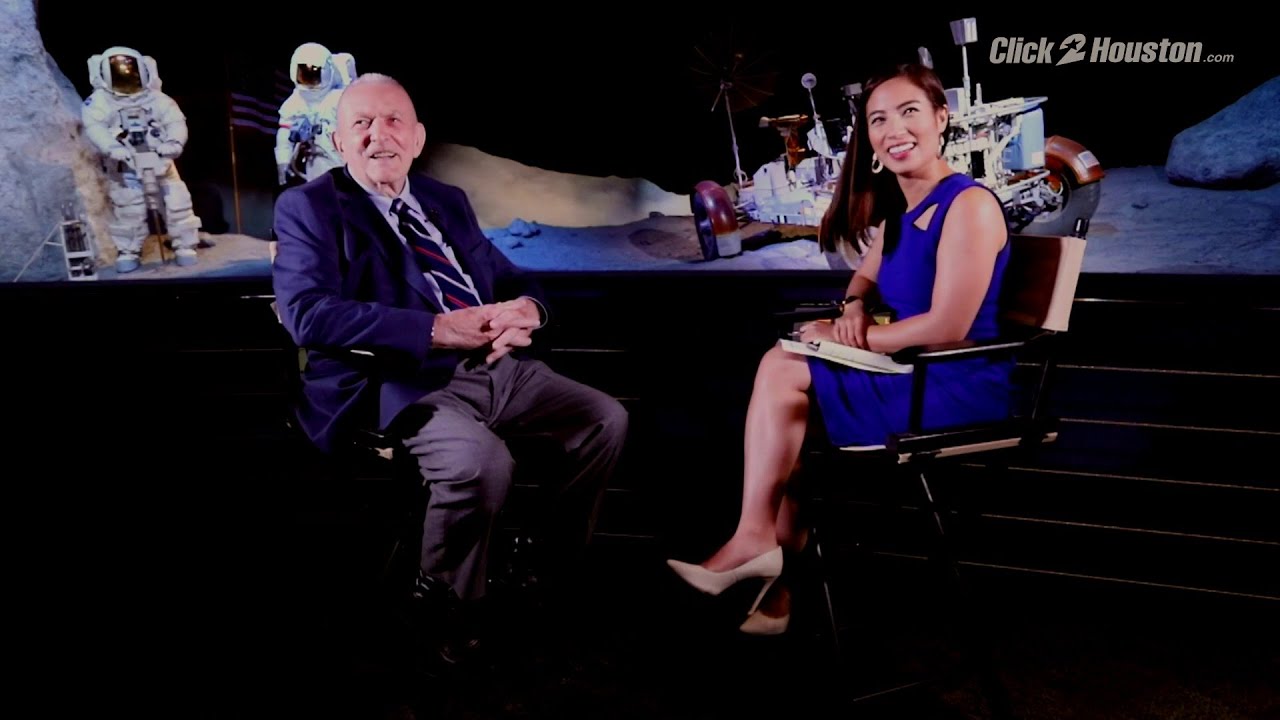
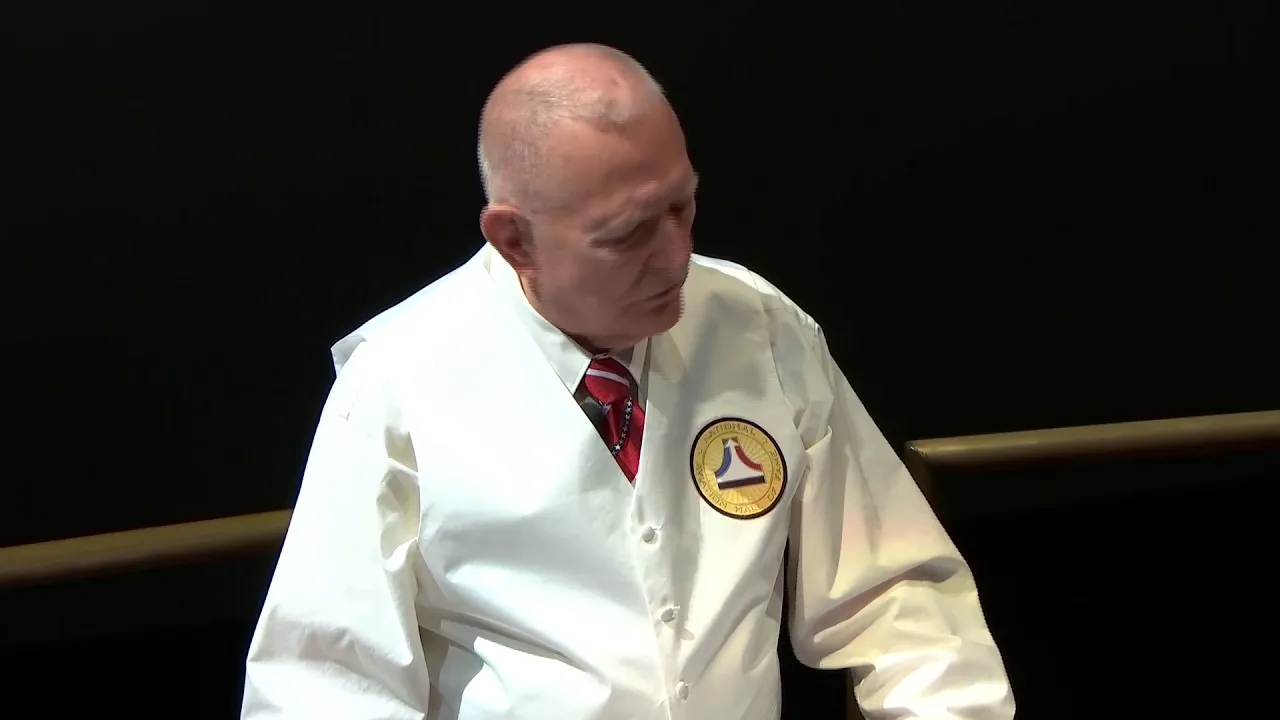
Apollo Flight Controller Bill Weppner: Inside Mission Control 1968-1970
Added:Understanding the geopolitical context of the Space Race between the United States and the Soviet Union in the 1950s and 1960s.
Basic knowledge of the Apollo program's timeline and major milestones, specifically missions Apollo 7 through Apollo 13.
Familiarity with the structural components of the Apollo spacecraft, including the Command, Service, and Lunar Modules.
An introductory understanding of the organizational structure of NASA's Mission Control Center and the general responsibilities of flight controllers.
Advanced study of systems engineering and crisis management methodologies, using the Apollo 13 emergency as a primary case study.
Exploration of the evolution of telemetry, computing, and communications technology from the late-1960s mainframe era to modern mission control systems.
Analysis of human factors, team dynamics, and high-stress decision-making protocols pioneered by early flight directors like Gene Kranz.
Investigation of how the operational lessons learned during the Apollo missions are being applied to modern deep-space exploration initiatives, such as the Artemis program.
279 views1likes52:40Original Release: 2018-11-04
[Music] and this for the last time as they prepare to board a spacecraft and leave low altitude Earth orbit for the first time and be ensnared by the gravitational well another body on Christmas Day of 1968 the world watched and a nation held their breath as these three men prepared to orbit the dark side of the moon and lose radio contact for several moments now knowing if they would emerge alive or not the chances of survival 1 and 3 when they finally did emerge safe James Lovell Frank Borman and Bill Anders buta sight that was similar to this the earth rise over the horizon of the moon the first time in human history that human beings had circled the gravity of another celestial body this type of experience became later known as the overview effect seeing the blue and white earth immersed in the inky blackness of darkness outer space changes your perspective of the world of humanity of our place in the cosmos and of the Creator 240,000 miles away in the control room in Houston was our speaker tonight he was also there seven months later when Neil Armstrong and Buzz Aldrin took their one giant leap for mankind as you can see in this National Geographic oh he's good ladies and gentlemen as we approach the 50th anniversary of the historic Apollo moon landings as vice president of programs of the name Memphis Astronomical Society I present to you tonight a graduate of the University of Buffalo bachelor of science and electrical engineering a graduate of the University of Oklahoma Master of Science in electrical engineering commissioned second lieutenant US Air Force retired 1980 associate professor of mathematics southwest Tennessee Community College and a former NASA flight controller on the Apollo 7 to 13 missions from 1968 to 1970 please help me give a warm welcome to our speaker tonight mr. bill [Applause] very good thanks so much Jeremy welcome everybody and thank you so much for coming to hear this story let me give you a little background on how this evolved goes back to several years ago when I was then even then on the faculty at Southwest and I had a student gentleman by the name is Stanley Broadway and he and I became very close he took three math courses for me and I was participated in his wedding and his daughter actually is my godchild his daughter Grace and she and her mom are here tonight but a couple of years ago Stanley said would you mind talking to Grace's sixth-grade students and I said gee I don't know I've done this before it's been a long time but I started to fool around a little bit on the internet and I was just amazed at the amount of information that's now available on the internet so I started to learn a little bit about PowerPoint presentations and it's well I've created a monster as you'll see we're going to be here for a little while because I've got over 200 slides but though it's a wealth of information out there and so on two years ago on January 27th nineteen twenty seventeen I gave the talk to the sixth graders and I want to before I go any further just ask grace to stand up and I want to thank you for inviting me two years ago so I think it was the next day and I happened to be sitting in Starbucks and I said you know I looked around and I was the oldest person in Starbucks and I said 10 years from now I don't know if this is going to be possible so I said I think I'll see what kind of interest is out there and just tell this story to whomever is is interested and I look out here and I and I can conclude that oh golly if you're under 50 you weren't alive when all this occurred and so it was a special time as I hope I can relate to you and again 10 years from now that most of the us that were active if we're still alive will we be able to travel then and relate this story so I said I better do it now and it's been a wonderful time I've had an opportunity to give this to the University of Memphis engineering students University of Oklahoma my high school alma mater in Buffalo New York so I've it's a lot of people everywhere are interested and I can say in general I have some cards here and if if any of you are interested hit church groups or school groups I'd be glad to talk to you at any time because I view this from now until for about the next four years or three years anyway the 50th anniversary of Apollo [Music] [Music] [Music] [Music] you can see that launching rockets is a risky business and not all of them were successful early on a little history on how this program evolved or one of the drivers be behind its program evolving at the rate that it did as we'll see was basically since World War two we were in competition with us then Soviet Union and some of the major milestones that I'll point out to you of course in 45 Germany was divided and the Russians had the east half we had the Berlin wall erected then of course the Korean war ensued the Cuban Missile Crisis all this time both countries were very very active in Soviet and nuclear tests and then in 1957 the Soviets launched their first satellite and anybody remember what the name of that satellite was Sputnik yes that Sputnik not that Sputnik but that Sputnik October 4th 1957 so following that a month later they launch their second one with a dog as a passenger the Army and the Air Force had some successful endeavors successful launches at the time no they were all suborbital nothing on that we orbited I do remember the echo and in orbit because with that diameter and it was mylar highly reflective mylar you could see it with the naked eye as it went over it was really fun to watch you could just if you knew where to look you could just see it like a moving star and then we launched a chimpanzee and the interesting thing here is and I got an asterisk there to remind me that the chimp didn't have a name until we know that we were able to successfully recover the poor animal and it was alive then we named it and then of course the Soviet Union came along and they launched the first successful orbital human Yuri Gurgaon yo so we were still running behind the Soviets not good so what started to fester was something called gold fever and now I'm remind you and I got a couple of other slides to remind you also that not all launches are successful so to go through the history and I've got I repeat this slide a couple of more times Sputnik NASA changed from National Advisory Committee on aeronautics to national national air oh my gosh I'm drawing a blank National Advisory Committee on aeronautics and and national advisory a Space Administration yes so and the the moon program lunar our exploration was actually conceived during the eyes on a presidency which was nineteen fifty two to sixty and basically there were three phases the mercury program which we'll talk a little bit followed by Gemini and then of course Apollo three of the major contributors the major people that concede that the program's Verner von Braun whom we got from the German government at the end of World War two he was the main person who conceived the launch vehicle maxime phage I was the designer of the spacecraft and Robert Gilbert he was the first director of the then manned spacecraft Center now Johnson Space Center in Houston so how are we going to do this we're not going to do it according to the silent movie by George Z's Abe back in the early early 1900s and I urge you to google that it's fun but it's a silent movie and everybody is dressed up like wizards and Halloween and that's the spacesuits they wore to the moon but no we're not exactly going to do that but the main objectives are these 10 and the first one was accomplished by Project Mercury Gemini accomplished the second two and then the starting with the fourth objective through the the others are they were the objectives of program Apollo any but how how many people have seen or read hidden figures I think she put it so well I just let you read this that phrase there is from Tom Wolf's novel The Right Stuff mercury of course the first original seven we recently lost John Glenn Curtis he was the first man to orbit the Earth the first astronaut in space was Alan Shepard Gus Grissom will talk about a little bit later in Michael Chatterley's book she talks about the mercury spacecraft and straps holding the heat shield on and so I included that photo just to give you some reference to that's what actually what they were talking about now these first astronauts not only did they have a contract with Life magazine for their stories but they all got Chevrolet Corvettes talk about the right stuff they had the right car they had to have and not only that but they had phones now how cool is this that you can someday talk on the phone in your car and those are what the phones look like the launch vehicles we use for mercury where they actually in launchers for missiles the first two were suborbital and they were launching on a redstone rocket and then the subsequent the orbital mercury missions were launched by an Atlas you might call this a one-person efficiency apartment not not you know anything outlandish you know no frills but the one saving grace is they were once they got into orbit they were weightless and it wasn't quite as cramped as it might appear but yeah it was just one man with a I think it was Chuck Yeager and right stuff described it as ham and as spam and a can and again I remind you not all our launches were successful as that film clip early on showed but what I think makes me very proud of the u.s. program is this every single launch that we did was carried live on television by all three networks and of course we probably remember Walter Cronkite with CBS John Chancellor of NBC and Jules Bergman was ABC's commentator but in spite of the long hold sometimes every single launch was carried live nothing taped and then played back and edited no we saw what was really going to occur and I think that takes guts okay so the let me go back to this because this is an important date the after Alan Shepards first suborbital flight right here in very first flight in May how many how far is that one three weeks later John Kennedy made his famous speech and as the line and the plate Evita goes and the money rolled in and the fever started to build so with mercury we accomplished orbital flight with a human in space for I think the longest one was close to 24 hours and we accomplished that first objective project Gemini the launch vehicle was a Titan similar to the Atlas a little bit larger bigger payload of course it was to man it's essentially a two-person efficiency condo like two mercury capsules sandwich together and I think this is Gus Grissom probably in the foreground ed white but you can get a feeling for just how cramped they are in Gemini 4 we proved the concept that we could do a space Walker of the formal name was extra vehicular activity that said white Gemini 6 and 7 proved rendezvous capability and Gemini 7 now when you think about this Gemini 7 was a 14-day mission and you've seen how cramped the conditions are sure they're weightless but they're still cramped and I remember when I talked to Grace's sixth graders about the third or fourth question I got anybody want to guess what it was and the answer was very carefully and I would refer you and somewhere in my backup slides I got if you google how did the astronauts go to the bathroom there is a very tasteful explanation by a young lady who explained how it was done but in my estimation these guys were heroes to be able to submit themselves to all the pre-flight testing plus these kinds of conditions for this objective that maybe they'd be a part of and maybe they wouldn't maybe they'd outlive it maybe they wouldn't they were here there was no question about it that said when you take the capability in the backgrounds of these early astronauts they were all test pilots fighter pilots and in my way of thinking if you can put a high performance aircraft on a pitching aircraft carrier in the middle of an ocean at night this is child's play and also we wanted to prove the concept and the capability to dock so the two rockets that were launched was the Gemini 4 we're on a Titan and this is an Atlas and I have a couple of slides showing the the rendezvous of ultimately docking the Gemini aircraft is in the foreground with the Atlas further on so this slide just shows the three astronauts who were these of the original seven and they all participated in the Gemini series the ones in white were follow-on groups of astronauts that were selected and then the prism and Cooper and Shaw well they were from the original seven and then Gus Grissom and sure I were the only two that participated in Apollo with some exceptions which I'll get into so where we now well we've accomplished the first three objective and now it's time to get phase into the Apollo program and how are we going to do that basically will launch from the Cape in Florida go into Earth orbit and then do a burn with a third stage of the launch vehicle to leave Earth orbit and go into a coast phase to the moon go into lunar orbit and then circularize ultimately go into a descent orbit land on the moon and then reverse the procedure and launch from the moon rendezvous with this is a 2/2 spacecraft I'm sorry I wanted to go back he's a two spacecraft and I'll show how we docked and coasts with the two spacecraft and then leave the lunar orbit and coasts go into a trance Earth Coast and finally land in one of the two oceans and we use two both oceans the Atlantic and Pacific depending upon the time of day and the time of year and the mission I just included this when you think of a football game doesn't matter what level of quarterbacks kind of throw a pass to a wide receiver he's not going to throw it to where the wide receiver is he's going to throw it to me where the live wide receiver will be and that's basically what we're doing here we're launching not where the where the moon is but where we plan to land on the moon where we know it will be two or three days hence okay program Apollo goal fevers really building now and to reveal a little bit we don't completed the the objectives call for in a Gemini the last Gemini flight was in June of 65 winner that was the Gemini 4 that was Ed White's spacewalk and then the the first Apollo unmanned flight was in that date and then I have this break here to talk about that very critical date there and that's it turns out was 50 days to that 15 years to the date and that was Friday both times both years that I gave my first talk to Grace's class at Woodland Presbyterian and the crew of Apollo 1 the first crew to go into Earth orbit were these they were all well ed white was a veteran of Gemini Gus Grissom of course was one of the original mercury Roger Chaffee was a rookie and of course we had this terrible fire I don't know how many of you seen first man but they treat this tragedy very tastefully but it was indeed a tragedy but in my way of thinking there were three main causes flammability flammable amiable material on board the spacecraft the crew hatch design on a good day with a tailwind it might take five minutes to open and it opened inward by the crew five minutes and then combustion they when this occurred they were going through a test called plugs out where all the supporting plugs were removed the spacecraft was had an internal power and they went through a countdown sequence switched by switch circuit breaker by circuit breaker up through the launch timeline and into post launch just to go through the entire configuration for launch and they were doing all this fully suited and in 100% oxygen at sixteen plus pounds per square inch sea level pressure and that was a recipe for disaster so this is what I'd like to show that the high school kids the difference between taking out just a splint and burning it in a Bunsen burner or burning in and pure oxygen and I'm put the call out to see bu any school that's willing to do that little experiment and for about a 45 second film clip just to show the difference because I think it would be more dramatic than just showing the slides there there are clips out there a lot of them but they're all four or five minutes and that's too long just to make this comparison I was solicited by the air force as were hundreds of other air force people and we were given orders to NASA in early 1968 to train on all the facets of the manned spaceflight to support this pending program this program the man ordering orbiting laboratory was to be an expanded Gemini spacecraft where intelligence-gathering surveillance purposes it was canceled in 69 and it just never reached fruition it was overtaken by technology really but we didn't care it was a fantastic expand tastic experience for us as I'll explain and I think you'll appreciate but we were in I had the good fortune of being with in flight controller but we had other Air Force people in Mission planning and an analysis landing and recovery the medical part the all the facets of the spaceflight there were probably over 200 people there at NASA at one time who are just Air Force it was a great deal for us the Air Force paid our salary NASA got free labor and we had this fantastic experience talk about win-win so my orders essentially said that my response was so this is NASA the and it's a beautiful campus and the our offices were in this building seven floors the control center is in this half of this building this is building 30 now so to get to launch to goal owner the just to review the mercury capsule or mercury spacecraft use an app used an Atlas but that's a horrible gem and I was also orbital and that uses the Titan what we're doing a whole lot more than that and this is what one this is Verner von Browns the branch of the Saturn five now to give you an idea of the relative size the height here is 363 feet but maybe a better comparison is this Clark tower is 365 and the next couple of slides can give us an idea of the enormity of this first stage that's the first stage that's the first stage I don't know whether that's a Huntsville you might have seen that when you were at Huntsville then I mean you can it's full scale just huge huge so the first two mercury suborbital flights were on redstone and then the Atlas is a little bit larger Titan a little bit larger than that and then we have this huge monstrosity by comparison that's the Space Shuttle about half the length now the thrust is compared as comparable to the Saturn 5 but of course the the height the overall height is much much shorter this launch system here was used just for Apollo 7 just for Apollo 7 because there was only two stages but we didn't we only had one spacecraft not too okay so this basically the spacecraft and there's two parts the the crew the crew area is up here and again it looks when we see slides of the interior it looks terribly crap but these are the crews and weightless conditions they are able to so they're able to move around one stays in their couch and the other can kind of float overland it's not all that bad and but the from this point back it's all support this is the rocket for mid-course Corrections and of course lunar orbit insertion and hopefully to leave lunar orbit and we have our communications act antenna there at s-band wavelength and then all the electrical and environmental support in this part this is called the service module and the command module this is a launch escape tower which fortunately never had to be used that fits over the command module and if there is a need to abort the launch and get off that booster beforehand there are separate rockets here and there's a artist's rendering that I'll show you in just a moment so that's the interior of the Apollo spacecraft and I added this slide to show that yes the the three crew members are here and this is what's called the lower equipment Bay where most of these navigations celestial navigation was performed and this tech is in the lower equipment Bay just to show you yeah it can't accommodate a man it was also used for sleeping during Coast periods but again they're weightless so it looks terribly cramped but by comparison to Gemini and Mercury was like comparing the Peabody to Motel 6 a launch vehicle again I got several copies of these as I told somebody I'm enamored with that launch vehicle it's just a huge device by comparison so here we are with the the two spacecraft the command and service module and then the lunar module which we'll talk about now this has got a certain amount of weight not that much I suppose but we have to get it into orbit and send it to the moon so how are we going to do that well we're going to need a booster all right so now this adds a whole lot more weight so how are we going to get this Plus this off the ground well I guess we need another booster to push all this and this weighs an enormous amount so we need that first stage so this will talk about the thrust and the size of these engines and a little bit but look at the diameter 33 feet that's a first down folks in football that's the launch escape tower just a artist rendering if we ever had to use unfortunately we never had for the entire program but the what would occur would be these Rockets would fire it was attached to the spacecraft just the upper part the command module and these are this little vernier Rockets for steering to get him into the some area of the ocean where they could be recovered by a carrier that was of course on standby so basically we had these two spacecraft and after we're in Earth orbit the and and I take it back after we've left Earth orbit and I ranaut coast phase to the moon the this command and service module combination would separate from the this is the third stage of the Saturn separate movie little bit do 180 come back dock and clamp with a docking probe clamp with the lunar module extracted and be honest waves appear this is then sent into orbit around the Sun so this is the lunar module not terribly our aerodynamic but did we need it it's in the vacuum of space and of the moon so it's not very slick looking but it doesn't need to be a very slick looking it's kind of spidery that's hold that edge of mine we'll talk about that later and it's two stages the lower stages for descent to the lunar surface and then when it's time to leave the moon it's just the upper stage that will separate and provide thrust to leave the moon come up into the lunar orbit attached in rendezvous and dock with the command and service module and then head for home so think back to what the objectives of Gemini were rendezvous docking station keeping how important all that was because we couldn't perfect that capability there's no way we could have done this I'm going to depart from Jeremy's rules a little bit if there's anybody that does have any questions if I haven't clarified something just raise your hand and I'll try to do so as we go along now that's the lunar module and curiously enough the crew that there were the three-man crew two of them landed on the moon but they when they were in the lunar module they were in the stand up configuration there was no need to be in couches again they're weightless they weren't in the lunar module for all that length of time and so standing during their maneuvers was sir they're belted in and fastened but standing wasn't any any problem at all now a little bit about the onboard computer it's located right here up close it looks like that and this is onboard the command module it's in the middle it's it right in front of the center couch the son of the and the couches were thus the commander is in the left seat kind of like an airplane cockpit the command module pilots in the center seat and the lunar module pilot is third the third terminal members in the right-hand seat now that said again these are weightless conditions these guys float all over and they they would change locations and change positions depending upon how you know what the conditions were and how comfortable they were and what their functions were at the time the computer all the memory is wired in here by hand those are the dimensions this is 50-year old technology but the the question comes up well could we have gotten to the moon with the today's cellphone technology perhaps sure this will do think of all the functions this will do that this one wasn't built to do but that's the point it wasn't built to do or let me put it this way it was built to do just one thing and it did it very very well sort of like the p51 Mustang was built for to escort the Bombers out of England to the targets in Germany and back prior to the arrival of the p-51 the the Bombers did not have escort all the way to the targets they were very very vulnerable over the German landscape but with the p-51 they had escort and back all the way so just like the p51 it was designed to do a job very very well it couldn't compare with that high-performance fighter aircraft no but it did very very well what it's designed to do same thing same comparison can be made for the Apollo computer I have this little address here if anyone any of you want to just type that in in the address bar what you get is sort of a rendering of the on-board computer that you can then use your mouse and do some clicking and and entered program codes and so on and get an idea of what the display on the Apollo computer actually looked like in the green electroluminescent display it's a little fun and as far as I know nobody so far has ever launched out of their lazy boy chair by doing it and what did we have on the ground and we did have an Olivetti program computer that we would program to help us with sometimes the residuals after a mid-course correction we would have to do some minor vernier burns to correct the attitude but this was basically what we used we did have IBM 360s in the basement of the control center that our TCC and that's where most of the well that was the mainframe all right now to talk about the control center and the positions and the functions to start with the we had a booster expert so these guys were rocket experts and then the retrograde officer retrofire officer he was primarily concerned with especially during launch if we ever had to live leave that booster and be recovered he had to know where all the centres of gravity were they center of gravity was in Weld of how the weight was distant distributed flight dynamics officer was concerned with the trajectory analysis real-time to the moon and back guidance officer from launch of through separation and the spacecraft had its own computer as I mentioned that engineer is guidance navigation and control EECOM you're going to hear a lot about EECOM electrical environmental and communications these two positions were for the the same they they were equivalent of those two but these were the for the command module and service module these two for the lunar module only for instance for Apollo 7 and Apollo 8 we didn't have the lunar module so these consoles were not manned Capcom always always an astronaut never was there an astronaut or the ground talking to the crew the the only person that was talking to the crew was done now other astronauts and ask they're not talking to an astronaut and of course the conductor of this whole orchestra was the flight director so this is the control room the major control room with and I've just outlined where they were with reference to the flight director so it was not unusual for these guys to stand up and turn around and talk to it if you're the flight director I'll talk to you but we're also live so we've got it being recorded that conversation but we were looking each other in the eye sometimes as well it was I mean everybody was busy and you looking at their data and making inputs but you could stand up and you know move around it was it was a mobile type control environment now this is on the national historic a national registry for Historic Places and in the process of being completely completely restored and even this morning I got an email and these consoles have been restored and they are arriving at Ellington Air Force Base which is about eight to ten miles away from the Johnson Space Center next Thursday there's a cargo plane a guppy and they're going to bring in their first series of these consoles and they're going to have a one of the flight directors have two gonna have a little ceremony then this is a big deal folks for these guys it really really is that it was part of it they had a Kickstarter campaign and what they're after is and I'll show you this a little bit more of it they're after all the documentation that was used kind of positive this happens to be the actual Powell 11 flight plan and but they're after all all the notes and everything and I was talking to one of the people than the archives just about a month ago and I said well we smoke like crazy I said well you won't have any cigarette butts and she says yes we will because they've I guess petitioned the smokers in NASA to save their butts that didn't come out right but anyway yeah save the cigarette butts and they're going to put them in those government-issue ashtrays because they want this room to look exactly like it did during a typical mission and they're going to have displays up here on the wall displays all the these console displays and by the way they were all a cathode ray tube displays like our age old TVs they're going to have this live data it'll be static but live data displayed it's I'm looking forward to seeing it the ribbon-cutting ceremony of course they're going to wait until July the anniversary of the first lunar landing neat stuff some of the flight directors the original Chris Kraft and he was called the red flight so whenever he managed the team his whole support staff were booster retro they were all red the red team he did not control any of the Apollo missions but he did of course mercury and Gemini John Hodge was blue this is Alan Shepard I have no idea what the conference was about but he was not one of the flight directors of course and then a gene Krantz I call him the man he was the white flight he was became famous in the movie Apollo 13 Glenn Laney black flight he and Ira dorm mates the University Detroit for a couple of semesters cliff Charlesworth green flight Gerry Griffin gold Milt Windler maroon Pete Frank orange eventually when they got in their shuttle days they were using shades of grey and God knows I'm gonna say they had a lot more flight directors and then Bill Tyndall and I added built indle because he was an interesting guy he would share these marathon meetings involving astronauts and planners and orbital mechanics and you name it to lay out the mission rules and all the parameters for the upcoming mission and Bill Tyndall's degree I think was in math or physics can't remember from Brown University that's mr. green and but he he would share these meetings and then publish these memos and they were called tender grams and they were very folksy and really funny but highly technical but he just had a gift for writing and he's no longer with us but I thought he deserves a slide built-in there was a special cafe his meetings were horrendously long I mean three and four hours the work got done and just a few slides showing what the control center looked like when it was manned there's cliff Charlesworth green flight director Gene Kranz Glen Lenny and as I mentioned all the data was displayed on these cathode ray tubes okay now I didn't miss any okay here so here's the floor plan of the control center and then the displayed back there but these are where the the four rows of control room work now for every one of these flight controllers there were at least at least four flight controllers in support rooms across the hall called called the vehicle support staff so the for example G&C he was the he was the flight controller in the front room that I was support in the back with there were two specialties there was propulsion that was mine and then guns and navigation GNN and that was primarily computer experts programming guys and then the flight dynamics for the guidance people they were in this support room so how far are we separated a hall you know the width of the hallway but there was just not physical room in the in the here to accommodate everybody especially some of the recording equipment which I'll show you right here we use these large roll control pan week or ters not unlike the old electrocardiogram recorders that we had they were live pen recorders and why do I call this risky business well there was one at least one instance where this was the supply reel and then the paper came out and it was about eight or ten channels on the paper and then thinkable and of course you can see the way we dressed this is typical NASA outfits and we all wore ties well one time a guy was especially you know watching you know where I'm going with this and he got his tie caught in the take-up reel we thought it was hilarious he did not we see these at the bank every day we're still using these pneumatic tubes we would send data hard copies from one room across the hall by pneumatic tube to the front room and back again just some dimensions relative dimensions of the command module and service module where the crew was and the service module the next slide shows a relative size of the nozzle of that service propulsion system if it's not small by any means I have some specs on it just a moment here we are know the capability of propellant where we're burning we were loading 40,000 plus pounds of propellant and the propellant for the service propulsion system was try the saying this five times real fast mono methyl hydrazine and nitrogen tetroxide the the propellers here as well as on the launch vehicles they were all what we call hyper cowlings hypergolic is being they will explode on contact no ignition system required so what we're dealing with here folks is a controlled explosion very very carefully controlled through pressure and nozzles and piping but explosions nonetheless mix those two and you get what we saw in the opening slide and where do we where was most of our propellant utilize well to get into lunar orbit and then of course to get out we didn't come back with a whole lot so the the capability of this nozzle here the thrust was said these were just vernier Rockets a close-up view here in their dimensions there are four of those well there's four in each quad as we call them and they're separated by 90 degrees around so with this after a major burn with the service propulsion system we could fine tune in the attitude y'all enroll with those small hundred pound thrust jets and we tracked the fuel consumption by hand this happened to be for one of the four quads quad see and each of those squares was a two-hour increment so you would track it your display of your consumables was displayed on your your TV console and you just tracked the consumables now this was pre mission of course the objective was to stay above what we call this redline all right I'm finished about the first half are there any questions yes yes then I've seen some designs where they have the ones right directly across with them and then other ones where they're slightly one slightly above absolutely well we might be seeing that here I don't know if they're on the same axis I can't tell from that maybe here part of me well probably just space because there are little Rockets but to do a roll maneuver for example you would use what are those and one on each or maybe just two it depends if one quad has got a leak or something you might have to disable entirely but you can still would do your pitch and yarn wrote with the other three just configure them differently and they they we had these options anything else yes I don't know but that might then no that wouldn't be open but that's that might be point 13 I'm gonna have to change that slide because I don't have an answer to that I've got a picture I've got a I've got a picture of the Apollo 13 spacecraft evident in black and white and it was messed up a lot more than that believe me yeah no no that's don't have an answer that give me your email and I'll research it what else yes [Music]
Up Next
9:46
Apollo 11: The Complete 10-Minute Preview
@UniPicsAtHome
501.5K views•2019-05-08

12:54
Triumph of Orthodoxy Icon: Byzantine Art & History Explained
@BenCallan
2.1K views•2024-08-06

9:49
FastAPI vs Flask vs Django: Choosing the Right Python Web Framework
@TechWithTim
302.5K views•2024-05-26

1:42
Game of Thrones Opening Credits: A Cinematic Analysis
@gameofthrones
46.3M views•2011-04-18
Related Study Plans & Knowledge Roadmaps
Structured learning paths in General & Interdisciplinary Studies
general-studies
Elevator Engineering: History, Physics & Cities
01From Hoists to Safety Brakes: The Dawn of Vertical Lift
02Hydraulic vs. Traction: The Engineering Physics of Elevators
03Modern Speed, Safety, and Algorithms
+ 2 more learning modules
12h5 modules
Explore Roadmap
general-studies
Rubber: Material Science, History & Geopolitics
01Origins of Natural Rubber & Mesoamerican History
02The Chemistry of Natural Rubber & Vulcanization
03The Geopolitics of the Rubber Boom & Colonization
+ 2 more learning modules
12h5 modules
Explore Roadmap
general-studies
Containerization: Evolution, Logistics & Trade
01Ancient Trade & Bulk Cargo: Amphorae to Barrels
02The Industrial Revolution & Cardboard Packaging
03The Containerization Revolution: Malcom McLean
+ 2 more learning modules
12h5 modules
Explore Roadmap
general-studies
Textile Tech: Evolution, Labor & Global Impact
01Pre-Industrial Textiles: Handloom & Cottage Industry
02Mechanization: The Spinning Jenny to the Power Loom
03The Factory System & Global Labor Transformation
+ 2 more learning modules
10h5 modules
Explore Roadmap